
Understanding Mice in Your Home
Common Mouse Species Found Indoors
«House Mouse»
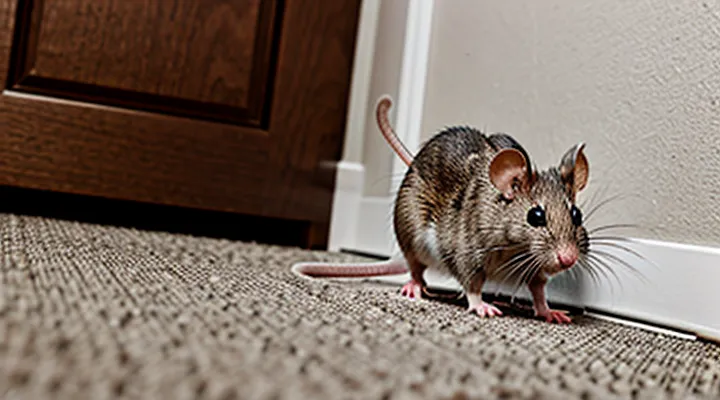
The house mouse (Mus musculus) is a small rodent, typically 6–10 cm in body length, with a grayish‑brown coat and a pointed snout. It thrives in human dwellings because food, water, and shelter are readily available.
Health concerns arise from the mouse’s habit of contaminating surfaces with urine, feces, and saliva. These secretions can carry pathogens such as hantavirus, salmonella, and leptospira, increasing the risk of respiratory and gastrointestinal infections. Allergens present in droppings exacerbate asthma and allergic reactions.
Structural damage results from continuous gnawing. Mice chew through insulation, electrical wiring, and soft building materials, creating fire hazards and reducing energy efficiency. Their nests, built from shredded paper and fabric, further degrade interior conditions.
Reproductive capacity amplifies the problem: a single female can produce up to ten litters per year, each containing 5–8 offspring. Activity peaks at night, but mice readily explore during daylight when disturbed. Their natural wariness limits direct human contact, yet they leave evidence of presence throughout a home.
Risk level depends on factors such as food storage practices, entry point availability, and sanitation standards. Buildings with unsecured cracks, open pantry items, or standing water present higher infestation potential.
Effective management combines preventive and active measures:
- Seal gaps larger than ¼ inch with steel wool or caulk.
- Store food in airtight containers; remove crumbs promptly.
- Eliminate standing water; fix leaks.
- Deploy snap traps or electronic traps along walls and near suspected pathways.
- Use bait stations with anticoagulant rodenticides, following label instructions.
- Engage licensed pest‑control professionals for severe infestations.
Implementing these actions reduces the likelihood of disease transmission, property damage, and the psychological discomfort associated with indoor mouse activity.
«Deer Mouse»
The deer mouse (Peromyscus maniculatus) is one of the most common rodent species found in residential structures across North America. Its small size, brownish fur, and nocturnal habits allow it to enter homes through gaps as small as ¼ inch, often unnoticed until signs of activity appear.
Health concerns associated with deer mice include transmission of hantavirus, a serious respiratory disease, and the potential spread of bacterial infections such as salmonellosis. Direct contact with droppings, urine, or saliva, or inhalation of contaminated dust, constitutes the primary exposure route.
Structural damage caused by deer mice is limited compared to larger rodent species but can still affect household integrity. Typical impacts include:
- Chewed electrical wiring, increasing fire risk.
- Contamination of food stores and pantry items.
- Damage to insulation and fabric materials.
Effective mitigation relies on exclusion, sanitation, and monitoring. Seal entry points with steel wool or caulk, maintain a clean environment free of accessible food, and set snap traps or electronic devices in areas where activity is observed. Regular inspection of attics, basements, and crawl spaces helps detect infestations early, reducing the need for more aggressive control measures.
«White-Footed Mouse»
The white‑footed mouse (Peromyscus leucopus) is a small, nocturnal rodent native to North America. Adults measure 6–9 cm in body length, with a tail of similar size, and weigh 15–30 g. Their dorsal fur ranges from gray to brown, while the ventral side is pale; the hind feet are distinctly white, giving the species its name.
Habitat preferences include forest edges, shrublands, and gardens, where dense ground cover provides shelter and food. When natural habitats are fragmented or degraded, individuals may enter residential structures in search of shelter, warmth, and stored grains. Entry points typically involve gaps around foundations, utility lines, or unsealed doors and windows.
Health considerations focus on disease transmission and contamination. White‑footed mice can carry hantavirus, Lyme‑borreliosis agents, and various parasites. Their urine and droppings may contaminate food surfaces, creating a risk of gastrointestinal infection. Bites are rare but possible if the animal feels threatened.
Control measures emphasize prevention and humane removal:
- Seal cracks larger than ¼ inch with steel wool and caulk.
- Install door sweeps and screen vents.
- Store food in airtight containers; eliminate pet food left outdoors.
- Reduce vegetation within two meters of the building’s perimeter.
- Set live‑capture traps near activity signs; release captured individuals at least 5 km from the residence.
Monitoring includes regular inspection of attics, basements, and crawl spaces for gnaw marks, nesting material, and droppings. Prompt action upon detection limits population growth and mitigates health hazards associated with these rodents.
Signs of a Mouse Infestation
«Droppings»
Mice droppings are a primary indicator of infestation and a direct source of health hazards. Each pellet, typically 1–2 mm long, contains pathogens such as hantavirus, salmonella, and leptospira. Inhalation of aerosolized particles from dried droppings can lead to respiratory illness; ingestion, even accidental, may cause gastrointestinal infection.
Identification relies on shape, size, and location. Fresh droppings appear dark, moist, and glossy; older specimens become dry, crumbly, and lighter in color. Concentrations are common along walls, behind appliances, in cupboards, and near food storage areas. Presence of urine stains or gnaw marks reinforces the assessment of active rodent activity.
Effective removal requires protective measures and thorough sanitation:
- Wear disposable gloves and a fitted N‑95 respirator.
- Seal the affected area with plastic sheeting to contain dust.
- Dampen droppings with a disinfectant solution (e.g., 1 % bleach) for at least five minutes.
- Collect waste with disposable paper towels; place in a sealed bag and discard.
- Clean the surface with the same disinfectant, then rinse with water.
- Launder any contaminated fabrics at high temperature.
Prevention focuses on eliminating access and food sources. Seal openings larger than ¼ inch with steel wool or cement, store food in airtight containers, and maintain regular inspection of low‑traffic zones. Prompt detection and removal of droppings reduce the risk of disease transmission and discourage further mouse activity.
«Gnaw Marks»
Gnaw marks are a primary indicator that rodents have entered a dwelling. They appear as clean, parallel grooves on wood, plastic, cardboard, and insulation, typically 2‑4 mm wide and 1‑2 cm deep. The pattern differs from chewing by pets, which is irregular and often accompanied by shredded material.
The presence of gnaw marks signals several risks:
- Structural compromise – repeated biting weakens joists, baseboards, and support beams, potentially leading to sagging floors or walls.
- Electrical danger – rodents chew through insulation and wiring, exposing conductors and creating fire hazards.
- Contamination – saliva deposited in bite marks carries pathogens; the chewed material may become a breeding ground for bacteria and fungi.
- Food loss – gnawing on packaging breaches seals, inviting further infestation and spoilage.
Identifying gnaw marks promptly reduces damage. Inspect high‑traffic areas such as pantry shelves, behind appliances, and near entry points. Look for fresh, shiny edges, which indicate recent activity, versus weathered, dull cuts that suggest older incidents.
Mitigation steps:
- Seal entry points – use steel wool and caulking to block gaps around pipes, vents, and foundation cracks.
- Remove attractants – store food in airtight containers, clean crumbs, and eliminate standing water.
- Set mechanical controls – place snap traps or electronic devices along walls where marks are observed; position bait at least 10 cm from the trap to avoid premature interference.
- Monitor and document – record locations and dates of gnaw marks to track activity patterns.
- Engage professionals – if damage extends to wiring or structural components, request a licensed pest‑management service for comprehensive removal and repair.
Regular surveillance of gnaw marks enables early intervention, limiting health hazards and preserving the integrity of the home.
«Nests and Tracks»
Mice construct nests from shredded paper, fabric, insulation, or dried plant material. Nests are typically located in concealed areas such as wall cavities, attics, behind appliances, or inside stored boxes. The presence of a nest indicates a stable food source and a safe breeding environment, which can lead to rapid population growth.
Tracks appear as fine, dark trails along walls, baseboards, and countertops. These markings are composed of oily secretions and urine, leaving a glossy line that darkens over time. Tracks often follow the shortest route between food, water, and shelter, revealing the paths mice use to navigate a home.
Key observations for homeowners:
- Nest material: shredded paper, cotton, dried food particles, insulation.
- Nest locations: hidden corners, behind drywall, inside crawl spaces.
- Track characteristics: thin, continuous lines; darker where frequently traveled.
- Associated signs: gnaw marks, droppings, odor of urine.
Identifying nests and tracks enables early intervention before an infestation escalates. Prompt removal of nests, sealing entry points, and eliminating food residues reduce the likelihood of disease transmission and structural damage.
«Unusual Sounds or Smells»
Mice generate distinctive noises that differ from typical household sounds. Scratching or scurrying behind walls, in ceilings, or within insulation produces rapid, high‑pitched rustling, especially at night when rodents are most active. Gnawing on wood, plastic, or wiring creates intermittent, sharp clicks that can be heard through thin flooring. Repetitive squeaking or chirping, often mistaken for insects, indicates social communication among mice and usually occurs near nesting sites.
Unusual odors accompany mouse activity. A strong, musky scent arises from urine deposits, which contain pheromones used for marking territory. This smell intensifies in confined spaces such as closets, cabinets, or crawl spaces. Decaying food remnants left by foraging mice emit a sour, rancid odor that lingers after the source is removed. A faint, oily smell may develop near electrical components damaged by gnawing, signaling potential fire hazard.
Recognizing these auditory and olfactory cues enables early detection and targeted remediation. Immediate steps include sealing entry points, setting traps, and cleaning contaminated areas with enzymatic cleaners designed to neutralize urine odor. Regular inspection of attic insulation, basement walls, and kitchen storage reduces the likelihood of unnoticed infestations.
The Dangers Posed by Mice
Health Risks and Diseases
«Hantavirus»
Mice that enter residential spaces can carry hantavirus, a pathogen transmitted primarily through inhalation of aerosolized particles from rodent urine, droppings, or saliva. The virus is most commonly associated with the deer mouse (Peromyscus maniculatus) but other species, including house mice, may serve as reservoirs.
Human infection often follows activities that disturb contaminated materials, such as cleaning, moving stored items, or sweeping. Symptoms typically begin with fever, muscle aches, and fatigue, progressing to severe respiratory distress in hantavirus pulmonary syndrome (HPS). Mortality rates for HPS range from 30 % to 40 % without prompt medical intervention.
Prevention relies on eliminating rodent access and minimizing exposure to contaminated dust:
- Seal entry points larger than ¼ inch with steel wool or cement.
- Store food in airtight containers; eliminate spills promptly.
- Use traps or professional pest control to reduce mouse populations.
- Wear gloves and a mask when cleaning areas with visible droppings.
- Wet surfaces before cleaning to prevent aerosolization of particles.
If exposure is suspected, seek medical care immediately. Early supportive treatment, including oxygen therapy and intensive care, improves survival odds. No specific antiviral medication exists; management focuses on symptom relief and respiratory support.
«Salmonella»
Mice frequently harbor Salmonella bacteria, which can contaminate food, surfaces, and water supplies within residential environments. The pathogen survives in rodent feces and urine, allowing direct transfer to kitchen utensils, pantry items, and pet food bowls.
Rodents acquire Salmonella from contaminated soil, sewage, or infected prey. Once colonized, they shed the bacteria intermittently, creating multiple points of exposure throughout a dwelling. Contact with droppings, gnawed packaging, or contaminated dust can introduce the organism to human food chains.
Human infection typically manifests as gastrointestinal distress: nausea, vomiting, abdominal cramps, and diarrhea lasting several days. Severe cases may progress to bloodstream invasion, requiring medical intervention. Vulnerable populations—including children, elderly individuals, and immunocompromised patients—experience higher complication rates.
Preventive actions:
- Seal entry points to block rodent access.
- Store food in airtight containers.
- Maintain regular cleaning of countertops and floors.
- Dispose of waste in sealed bins and remove litter promptly.
- Employ traps or professional pest control when sightings occur.
Eliminating rodent presence reduces the likelihood of Salmonella transmission and protects household health.
«Leptospirosis»
Mice inhabiting residential spaces can introduce Leptospira bacteria, the causative agent of leptospirosis, a zoonotic infection transmitted through contact with contaminated urine, water, or soil. The disease originates from rodents that shed the pathogen in their excreta, creating a direct health risk for occupants who handle food, clean floors, or encounter damp areas where urine may accumulate.
Leptospira are spirochetes that survive in moist environments for weeks. Humans acquire infection when skin abrasions or mucous membranes encounter the organism, or when they ingest water or food tainted with rodent urine. The bacteria penetrate the bloodstream, disseminate to multiple organs, and trigger systemic inflammation.
Typical clinical manifestations include:
- abrupt fever and chills
- severe headache
- muscle tenderness, especially in calves
- conjunctival suffusion (red eyes without discharge)
- nausea, vomiting, or diarrhea
- jaundice and renal impairment in advanced cases
Incubation ranges from 2 to 30 days; untreated severe forms may progress to hemorrhagic complications, meningitis, or organ failure. Early antimicrobial therapy, usually doxycycline or penicillin, reduces morbidity and mortality.
Preventive actions focus on rodent control, sealing entry points, maintaining dry floors, and using protective gloves when cleaning potentially contaminated areas. Prompt medical evaluation after suspected exposure ensures timely diagnosis and treatment.
«Other Pathogens Carried by Mice»
Mice that enter residential spaces can harbor a range of disease‑causing agents beyond the well‑known hantavirus. These organisms survive in rodent droppings, urine, saliva, or on fur and become a source of infection when humans come into contact with contaminated surfaces, inhale aerosolized particles, or ingest food tainted by mouse activity.
- Salmonella spp. – bacteria that cause gastrointestinal illness; transmission occurs through ingestion of food or water contaminated by mouse feces.
- Leptospira interrogans – spirochete responsible for leptospirosis; enters the body via cuts or mucous membranes exposed to urine‑laden dust.
- Bartonella henselae – agent of cat‑scratch disease; mice can act as reservoirs, transmitting the pathogen through flea bites that later affect humans.
- Streptobacillus moniliformis – cause of rat‑bite fever; infection may arise from bites, scratches, or handling of infected rodents.
- Yersinia pestis – bacterium behind plague; while rare, mouse fleas can serve as vectors, facilitating human exposure.
- Campylobacter jejuni – common cause of bacterial gastroenteritis; spreads through consumption of food contaminated by mouse droppings.
- Echinococcus multilocularis – tapeworm producing alveolar echinococcosis; eggs shed in mouse feces can be ingested inadvertently.
Each pathogen presents a distinct clinical profile, yet all share the potential for severe outcomes when exposure goes unchecked. The presence of mice in a dwelling therefore introduces multiple health hazards that merit preventive measures and prompt remediation.
Property Damage Concerns
«Electrical Wiring Damage and Fire Risk»
Mice that enter a home often gnaw electrical insulation to sharpen their teeth. The chewing removes the protective barrier around conductors, exposing bare wires. When exposed conductors contact each other or conductive surfaces, a short circuit can develop, producing sparks that may ignite nearby combustible material. Repeated damage weakens the integrity of circuit breakers, reducing their ability to interrupt overloads and increasing the likelihood of uncontrolled fire spread.
Key hazards include:
- Loss of insulation leading to arcing and heat buildup.
- Compromised connections that cause intermittent power loss and overheating.
- Accumulation of debris from gnawed material, which can act as additional fuel.
Preventive actions are:
- Seal all potential entry points with steel mesh or cement.
- Install conduit or armored cable in areas where mice activity is common.
- Conduct quarterly visual inspections of wiring, focusing on accessible junction boxes and outlet covers.
- Use approved rodent‑proof devices, such as ultrasonic repellents, in conjunction with humane traps.
Timely detection and remediation of wiring damage reduce fire risk and protect both property and occupants from the consequences of rodent‑induced electrical failures.
«Contamination of Food and Surfaces»
Mice that enter a residence can introduce pathogens directly onto food and indirectly onto kitchen surfaces. Their saliva, urine, and feces contain bacteria such as Salmonella, E. coli, and Listeria, which survive long enough to contaminate stored items.
Typical routes of food contamination include:
- Chewing through packaging and leaving droppings on the interior.
- Leaving urine stains on grains, cereals, and pet food.
- Depositing saliva while gnawing on fruit, nuts, or baked goods.
Surface contamination occurs when rodents traverse countertops, cutting boards, and utensils. Contact points often involve:
- Grease-laden floors that attract foraging.
- Open cabinets where food residues accumulate.
- Wet areas such as sinks where urine can embed.
Pathogens transferred in these ways can cause gastroenteritis, fever, and severe immune reactions, especially in children, the elderly, and immunocompromised individuals.
Preventive actions focus on eliminating access and removing attractants:
- Seal cracks and gaps larger than ¼ inch with steel wool and caulk.
- Store all food in airtight containers made of glass or heavy‑wall plastic.
- Maintain a daily cleaning routine that removes crumbs and spills from all surfaces.
- Install snap traps or electronic devices in suspected travel routes, checking them regularly.
- Dispose of trapped rodents promptly and disinfect the surrounding area with a bleach solution (1 part bleach to 10 parts water).
Implementing these measures reduces the likelihood that mouse activity will compromise food safety and household hygiene.
«Damage to Insulation and Structures»
Mice gnaw on insulation fibers, creating gaps that allow heat loss and increase energy consumption. Their incisors can shred fiberglass, cellulose, and foam, reducing the material’s effectiveness and exposing underlying walls to moisture.
Structural components suffer when rodents chew on wooden joists, beams, and drywall. Repeated bites weaken load‑bearing elements, leading to sagging ceilings, warped floors, and compromised integrity. In severe cases, compromised framing may require extensive repair or replacement.
Additional risks arise from nesting behavior. Mice collect shredded paper, fabric, and debris, packing them into insulation cavities. This debris blocks airflow, promotes mold growth, and accelerates rot in adjacent wood.
Typical damage includes:
- Severed insulation layers, creating thermal bridges.
- Compromised structural members from gnaw marks.
- Accumulated nesting material that retains moisture.
- Holes in drywall and plaster that allow pest entry and water infiltration.
Prompt detection and sealing of entry points, combined with professional removal, prevent these destructive processes and preserve building performance.
«Chewing Through Valuables»
Mice in residential settings pose a direct threat to personal property because their incisors continuously grow and require gnawing to keep them trimmed. The resulting damage can be costly and irreversible, especially when the victims are items of sentimental or monetary value.
Typical targets include:
- Electrical cords, which can lead to short circuits or fire hazards.
- Wiring within walls, compromising appliance function and safety.
- Furniture legs and wooden frames, weakening structural integrity.
- Plastic components such as remote controls, game consoles, and kitchen utensils.
- Fabric and upholstery, creating holes and contaminating surfaces with droppings.
Preventive measures rely on eliminating access points, maintaining a clean environment free of food residues, and employing traps or deterrents designed for rodent control. Regular inspection of vulnerable objects helps identify early signs of gnawing, allowing prompt intervention before extensive loss occurs.
Effective Mouse Control and Prevention
Immediate Actions for Mouse Removal
«Trapping Methods»
Mice entering living spaces raise legitimate concerns about health, property damage, and comfort. Effective control begins with selecting an appropriate trapping strategy.
Various traps address different situations. Snap traps provide rapid, lethal capture and require minimal maintenance. Glue boards immobilize rodents without immediate death, allowing later disposal. Live‑catch traps confine mice unharmed for release elsewhere, useful where lethal methods are undesirable. Electronic traps deliver a quick, humane kill through a high‑voltage shock and often include indicator lights for monitoring.
- Snap trap: steel bar mechanism, bait placement essential, positioned perpendicular to wall.
- Glue board: adhesive surface, placed along travel routes, checked frequently.
- Live‑catch trap: wire mesh enclosure, baited entrance, release at least one mile from residence.
- Electronic trap: battery‑powered unit, reset after each capture, indicator confirms kill.
Choosing a trap depends on target location, homeowner preference, and local regulations. Position devices along walls, behind appliances, and near obvious gnaw marks. Regular inspection ensures timely removal of captured mice and prevents secondary infestations.
«Bait Stations»
Bait stations provide a controlled method for reducing indoor mouse populations while limiting exposure to non‑target organisms. Each unit encases anticoagulant or non‑anticoagulant poison in a tamper‑resistant shell, allowing rodents to feed but preventing children, pets, and wildlife from accessing the bait.
Key characteristics of effective bait stations include:
- sealed entry points that admit only small rodents,
- clear labeling with active ingredient and concentration,
- durability to withstand household conditions,
- compatibility with integrated pest‑management protocols.
Placement strategy influences success. Optimal locations are along walls, behind appliances, in cabinets, and near known gnawing sites. Stations should be spaced 10–15 feet apart in infested areas and inspected weekly for consumption and debris. When bait is depleted, replace promptly to maintain pressure on the colony.
Safety considerations demand adherence to manufacturer instructions and local regulations. Use gloves when handling stations, store them out of reach of children, and record placement maps for future reference. If a household includes pets that might be attracted to the stations, select formulations labeled as pet‑safe or consider alternative control methods.
Bait stations, when integrated with exclusion measures such as sealing entry gaps and maintaining sanitation, form a reliable component of a comprehensive approach to managing mouse activity inside residential spaces.
«Professional Pest Control Services»
Professional pest‑control firms specialize in identifying, eliminating, and preventing rodent infestations in homes. Technicians conduct thorough inspections, locate entry points, and assess the extent of mouse activity using visual evidence and monitoring devices.
Typical services include:
- Sealing gaps around foundations, doors, and utility penetrations to block access.
- Deploying bait stations or traps calibrated for safety and efficacy.
- Applying rodenticides in controlled, low‑risk formulations where necessary.
- Installing exclusion barriers and recommending sanitation practices to reduce attractants.
Advantages over DIY measures are measurable: certified operators possess training in species‑specific behavior, legal compliance for pesticide use, and access to commercial‑grade products unavailable to consumers. Studies show professional interventions reduce re‑infestation rates by 70 % compared to homeowner‑only efforts.
Cost considerations involve an upfront inspection fee, followed by a service plan that may be billed per visit or as a recurring contract. Transparent quotes list labor, materials, and follow‑up visits, allowing homeowners to compare value against ad‑hoc trap purchases.
Homeowners should engage professionals when:
- Multiple sightings occur across different rooms.
- Evidence of gnaw damage appears on wiring, insulation, or structural components.
- Children, pets, or immunocompromised individuals occupy the residence, increasing health risk from pathogens carried by mice.
Effective rodent management combines immediate removal with long‑term exclusion. Professional pest‑control services provide the expertise, tools, and accountability needed to protect a household from the hazards associated with mouse presence.
Long-Term Prevention Strategies
«Sealing Entry Points»
Mice gain access through gaps as small as a quarter‑inch, so eliminating those openings directly reduces the likelihood of an infestation.
Typical entry locations include:
- Gaps around utility pipes and cables.
- Cracks in foundation walls, basement floors, and crawl‑space walls.
- Openings beneath doors, windows, and garage doors.
- Holes in siding, exterior trim, and vent covers.
To seal effectively, follow these steps:
- Inspect the exterior and interior perimeter, using a flashlight to reveal hidden cracks.
- Clean each opening to remove debris, dust, and loose material.
- Apply appropriate filler: use steel wool or copper mesh for larger gaps, then cover with expanding polyurethane foam or caulk.
- For gaps around pipes, insert metal flashing or hardware cloth, securing it with screws or masonry cement.
- Replace damaged weatherstripping on doors and windows, ensuring a tight seal when closed.
After sealing, schedule periodic checks, especially after seasonal weather changes, to verify that repairs remain intact and no new openings have formed. Maintaining a sealed envelope around the home prevents mice from entering, thereby reducing the need for reactive measures.
«Proper Food Storage»
Proper food storage directly reduces the attraction of rodents to residential kitchens. Eliminating accessible sources of nourishment removes one of the primary incentives for mice to enter living spaces.
Effective storage practices include:
- Airtight containers made of glass, metal, or heavy‑wall plastic for dry goods such as grains, cereals, and nuts. Sealable lids prevent scent diffusion and entry points.
- Refrigeration or freezing of perishable items. Cold temperatures inhibit spoilage and deter pests that rely on strong odors.
- Clear labeling with purchase dates. Rotating stock ensures older products are used first, preventing decay that draws rodents.
- Regular inspection of pantry shelves for crumbs, spills, or damaged packaging. Prompt cleaning eliminates residual food particles.
Maintenance routines reinforce these measures. Wipe countertops and floor surfaces after each meal preparation, store leftovers in sealed containers, and dispose of waste in bins equipped with tight‑fitting lids. Consistent application of these steps minimizes food availability, thereby lowering the likelihood of mouse activity within the home.
«Maintaining Cleanliness»
Clean environments reduce the likelihood of mouse activity because rodents are attracted to food residues, clutter, and moisture. Regular removal of crumbs, spills, and food containers eliminates the primary resources that sustain infestations.
- Store dry goods in airtight containers; discard opened packages after use.
- Sweep and vacuum floors daily, paying special attention to corners, under appliances, and along baseboards.
- Wash dishes promptly; rinse counters and tables after meals.
- Empty trash bins weekly and use lids to prevent scent leakage.
- Repair leaky pipes and fix condensation sources to eliminate water sources.
Decluttering removes hiding places that mice exploit for nesting. Keep storage areas organized, elevate items from the floor, and seal gaps in walls, doors, and windows. A systematic cleaning schedule combined with structural maintenance creates conditions that deter rodents without reliance on chemical controls.
«Removing Outdoor Attractants»
Eliminating sources that draw rodents to the property reduces the likelihood of indoor infestations. Food residues, shelter, and water outside the home create a corridor that mice follow to reach interior spaces.
- Clear fallen fruit, nuts, and seeds from lawns and garden beds daily.
- Store pet food in sealed containers and feed animals only at designated times, removing leftovers promptly.
- Secure compost piles with tight‑fitting lids; avoid open bins that release odor.
- Trim vegetation that contacts the house, especially vines, shrubs, and tree branches, to cut natural pathways.
- Repair leaky gutters, downspouts, and irrigation fixtures; standing water attracts rodents and provides hydration.
- Remove debris, wood piles, and clutter from the perimeter, as these serve as nesting sites.
By systematically denying mice access to nourishment and shelter outdoors, the pressure to enter the dwelling diminishes, decreasing the need for indoor control measures.
When to Seek Professional Help
Recognizing a Severe Infestation
A severe mouse infestation manifests through unmistakable evidence that distinguishes occasional sightings from a growing problem.
- Multiple droppings clustered in kitchens, pantries, and hidden corners; each pellet measures about ¼ inch, darkens with age, and may emit a faint ammonia odor.
- Gnaw marks on food packaging, wires, wood, and plastic; fresh cuts appear shiny, while older ones show ragged edges.
- Nests built from shredded paper, fabric, insulation, or dried plant material, often located in wall cavities, under appliances, or inside stored boxes.
- Persistent scratching or rustling noises behind walls, ceilings, or in attics, especially during nighttime hours.
- Visible tracks in dusty areas, confirmed by a light‑dusting technique that reveals clear footprints with distinct toe pads.
When these indicators appear in combination, the population has likely reached a level that threatens structural integrity, contaminates food, and increases disease risk. High‑density activity can chew through electrical wiring, creating fire hazards, and compromise insulation, leading to energy loss.
Confirming severity involves setting up snap traps or live‑capture devices along established pathways; a capture rate exceeding three individuals per night signals a critical threshold. Immediate professional evaluation becomes necessary to prevent escalation and protect health and property.
«The Benefits of Professional Extermination»
Mice infestations pose health risks, damage property, and trigger anxiety for homeowners. Engaging a licensed extermination service addresses these issues efficiently.
Professional exterminators bring expertise, equipment, and compliance with regulations. Their interventions include:
- Accurate identification of species and infestation extent, preventing misdirected treatments.
- Use of approved chemicals and baiting systems that minimize exposure to residents and pets.
- Implementation of integrated pest management (IPM) strategies, combining sanitation, sealing entry points, and monitoring to achieve lasting control.
- Documentation of procedures and outcomes, useful for insurance claims or rental property inspections.
- Ongoing support through follow‑up visits, guaranteeing that re‑infestation is detected early and resolved promptly.
Investing in qualified pest control eliminates the need for trial‑and‑error DIY attempts, reduces the likelihood of recurring problems, and safeguards health and property with proven, accountable methods.
«Ongoing Maintenance and Monitoring»
Effective control of house‑bound rodents depends on continuous upkeep and surveillance. Regular inspection of potential entry points—gaps around pipes, cracks in foundations, and openings around doors—identifies breaches before mice exploit them. Seal identified openings with steel wool, caulk, or hardware cloth; repeat the process seasonally to address new wear.
Maintain a clean environment to deter attraction. Store food in airtight containers, promptly clean crumbs and spills, and keep garbage in sealed bins. Dispose of pet food after each feeding and avoid leaving pet water bowls overnight. These practices remove readily available nutrients that encourage infestation.
Implement a monitoring routine that combines visual checks and passive detection tools. Place snap traps or live‑capture devices along known travel routes, such as walls, cabinets, and behind appliances. Examine traps weekly; record captures to gauge activity levels. Supplement with non‑lethal indicators, such as rodent‑proof boards or motion‑activated cameras, to verify presence without causing distress.
Document findings in a simple log: date, location of inspection, observed signs (droppings, gnaw marks, nesting material), and corrective actions taken. Review the log monthly to detect trends and adjust preventive measures accordingly. Consistent record‑keeping provides evidence of effectiveness and supports timely intervention when activity resurfaces.