
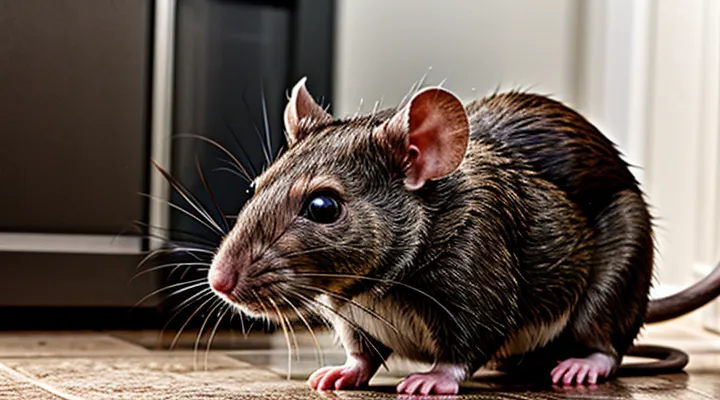
Understanding Rat Hygiene
The Natural Self-Grooming Behavior of Rats
How Rats Keep Themselves Clean
Rats maintain hygiene through a series of instinctive grooming behaviors that eliminate dirt, parasites, and excess oils. Their short, dense fur and sensitive skin require regular attention, which they provide without human intervention.
During grooming, a rat performs the following actions:
- Whisker cleaning – uses the front paws to sweep debris from the whiskers, preserving tactile function.
- Fur brushing – runs the forepaws through the coat, distributing natural oils and removing loose hair.
- Facial wiping – presses the forepaws against the face, clearing food particles and saliva.
- Tail grooming – reaches with hind paws to smooth the tail, preventing matting.
- Anogenital licking – cleans the perianal area, reducing bacterial growth.
These routines occur several times daily, especially after eating or exploring contaminated surfaces. The resulting self‑cleaning reduces the likelihood of skin infections and supports thermoregulation.
Because rats possess efficient self‑grooming mechanisms, external bathing is unnecessary and can disrupt the protective oil layer, leading to dry skin and stress. Over‑washing may also remove scent markers critical for social communication within a colony.
Owners should facilitate natural grooming by:
- Providing a clean enclosure with ample bedding for occasional sand baths.
- Offering chew toys and climbing structures to encourage movement and self‑inspection.
- Monitoring for excessive fur loss or persistent dirt, which may indicate health issues requiring veterinary assessment.
Adhering to these practices respects the rat’s innate hygiene system while ensuring optimal welfare.
The Role of Scent Glands in Grooming
Rats maintain coat condition and social hierarchy through frequent self‑grooming, a behavior driven largely by the activity of specialized scent glands. These glands, situated near the anal region, the cheeks, and the forepaws, secrete fatty acids, pheromones, and antimicrobial compounds that coat the fur during each grooming session.
Secretions serve several functions: they create a recognizable odor profile for colony members, inhibit bacterial growth on the skin, and provide tactile cues that guide the rat’s grooming strokes. The animal’s own scent marks the surface of the coat, allowing the rat to detect and remove debris, parasites, and damaged hair with precision.
When a rat is bathed with water or soap, the external application strips away these natural secretions. The loss of glandular coating reduces the animal’s ability to regulate skin microbiota, disrupts social signaling, and can provoke stress‑induced grooming spikes that paradoxically increase coat damage. Moreover, the removal of pheromonal cues may lead to aggression or withdrawal within a group setting.
Practical guidance for caretakers:
- Limit bathing to situations where medical intervention is required; routine washing is unnecessary.
- If cleaning is essential, use a mild, unscented cleanser specifically formulated for rodents and rinse thoroughly to minimize residue.
- After any bath, re‑apply a small amount of natural, rodent‑safe oil to restore lipid balance and support gland function.
- Monitor grooming patterns post‑bath; excessive licking or scratching indicates distress and may require veterinary assessment.
Understanding the function of scent glands clarifies why regular water baths are generally detrimental to rat health and social stability, reinforcing the principle that proper rodent care prioritizes the animal’s innate grooming mechanisms over external cleaning routines.
When Bathing a Rat Might Be Necessary
Reasons for Occasional Bathing
Occasional bathing of pet rats can be justified when specific conditions compromise their health or hygiene.
- Soil or dust accumulation that obscures fur, reduces insulation, and interferes with thermoregulation.
- Exposure to toxic substances, such as pesticide residues or chemicals from cleaning agents, that cannot be removed by grooming alone.
- Presence of skin infections, fungal growth, or heavy parasite infestations that require topical treatment combined with a controlled wash.
- Situations where a rat has become excessively oily due to a diet high in fatty content, leading to matting and odor.
- Veterinary procedures that demand a clean coat for accurate observation of skin lesions or for the application of medicated ointments.
A brief, lukewarm water bath using a mild, rodent‑safe shampoo, followed by thorough drying, restores coat condition without disrupting the animal’s natural grooming behavior. Limit baths to the circumstances listed above; frequent washing removes essential skin oils and can stress the rat’s immune system.
Dealing with Specific Health Issues
Bathing rodents can trigger or exacerbate several health problems that require immediate attention. Recognize the signs early to prevent complications.
Common conditions linked to improper cleaning practices include:
- Dermatitis – Red, inflamed skin, hair loss, or scabbing after a soak. Treat with a mild, veterinary‑approved antiseptic and keep the cage dry.
- Respiratory distress – Sneezing, wheezing, or labored breathing following exposure to moisture. Provide a warm, well‑ventilated environment and seek veterinary care if symptoms persist.
- Fungal infections – White or gray patches on the fur, especially after damp bedding. Apply a topical antifungal prescribed by a vet and ensure thorough drying of the animal.
- Stress‑induced weight loss – Reduced food intake and visible emaciation after handling for bathing. Reduce handling frequency, offer high‑calorie foods, and monitor body condition daily.
When a health issue emerges, follow a systematic approach:
- Identify the symptom and its onset relative to cleaning events.
- Isolate the affected individual to prevent spread.
- Consult a qualified veterinarian experienced with small mammals.
- Implement the prescribed treatment, adjusting cage humidity and temperature as needed.
- Document progress, noting any changes in behavior, appearance, or appetite.
Preventive measures reduce the likelihood of these problems. Maintain a dry cage, limit water exposure to targeted grooming with a damp cloth, and schedule regular health checks. Prompt response to early signs preserves the well‑being of pet rodents.
Addressing Unpleasant Odors
Unpleasant odors signal inadequate hygiene and can stress rats, impairing health and comfort.
Primary odor sources include urine, feces, scent glands, and soiled bedding. Accumulated waste releases ammonia, while dietary excesses produce strong smells.
Effective odor control relies on routine maintenance and environmental management:
- Clean the cage at least twice weekly; remove all waste, replace bedding, and disinfect surfaces with a rodent‑safe enzymatic cleaner.
- Choose low‑dust, absorbent bedding such as paper pulp or aspen; avoid cedar and pine, which emit volatile oils.
- Provide fresh water daily; stale water encourages bacterial growth and odor.
- Feed a balanced diet low in high‑protein treats; excess protein increases fecal odor.
- Ensure adequate ventilation; position cages away from enclosed spaces and use air‑circulating fans if necessary.
Bathing rats is not a practical solution for odor reduction. Their skin and fur are sensitive to moisture; frequent baths can disrupt natural oils and increase stress. Instead, focus on spot cleaning: use a damp, warm cloth to wipe soiled fur, and trim excess hair around the ventral area if needed.
Supplementary measures include placing activated charcoal or zeolite packets near the cage to absorb airborne compounds, and scheduling regular health examinations to detect urinary tract infections or respiratory issues that may exacerbate odors.
The Proper Way to Bathe a Rat
Essential Supplies for Bathing
Choosing the Right Shampoo
Selecting an appropriate shampoo is essential for safe rodent bathing. The product must be:
- Mild and unscented – free of strong fragrances, dyes, and harsh chemicals that can irritate delicate skin.
- pH‑balanced for mammals – ideally formulated for pets such as cats or dogs, which share similar skin pH ranges with rats.
- Free of parabens, sulfates, and alcohol – these agents strip natural oils and may cause dryness or dermatitis.
- Water‑soluble – ensures easy rinsing without residue that could be ingested during grooming.
Avoid shampoos intended for humans, especially those containing antibacterial agents, essential oils, or moisturizers designed for human skin. Human products often have higher concentrations of detergents that disrupt the rodent’s protective lipid layer.
When testing a new formula, apply a small amount to a limited area of the coat, observe for redness, itching, or behavioral changes for at least 15 minutes, and discontinue if any adverse reaction occurs. A successful test confirms the shampoo’s compatibility before full‑body use.
Incorporate a rinse with lukewarm water, ensuring no soap remains in the fur or ears. Pat the animal dry with a soft towel; avoid blow‑dryers or excessive heat, which can cause stress and skin damage. Proper shampoo choice, combined with gentle handling, maintains coat health and reduces the risk of infection during routine bathing.
Preparing the Bathing Area
When a rat requires a bath, the environment must be safe, stable, and designed to prevent stress or injury. Choose a shallow, non‑slipping container—such as a plastic tub with a textured bottom—large enough for the animal to stand without touching the water level. Fill the tub with lukewarm water (approximately 30 °C) to a depth of one to two centimeters; deeper water increases the risk of drowning and hampers the rat’s ability to maintain balance.
Prepare the surrounding area to minimize hazards. Place the tub on a heat‑resistant mat to protect surfaces and to provide a warm footing. Keep towels, paper towels, and a soft cloth within arm’s reach for immediate drying. Ensure the room temperature remains between 22–25 °C to avoid chilling once the bath ends. Have a small, enclosed space—such as a cardboard box lined with soft bedding—ready for post‑bath recovery.
Essential items for the bathing station:
- Shallow, textured tub
- Thermometer for water temperature
- Warm, absorbent towels
- Soft drying cloth
- Heat‑resistant mat
- Enclosed recovery box with bedding
- Gentle pet‑safe shampoo (if required) and a small measuring cup
By assembling these components before the session, the caretaker creates a controlled setting that reduces risk and supports the rat’s well‑being throughout the cleaning process.
Step-by-Step Bathing Process
Gentle Handling Techniques
Gentle handling reduces stress during any hygiene procedure and protects a rat’s delicate skin and respiratory system. Proper technique begins with a calm environment, low lighting, and a quiet surface. The handler should approach slowly, allowing the animal to see the hand before contact.
- Approach from the side, avoiding sudden movements.
- Place one hand under the chest, supporting the thorax with the palm.
- Use the other hand to cup the hindquarters, keeping the tail free to prevent tension.
- Maintain a loose grip; pressure should be just enough to guide the rat without restricting breathing.
- Keep the body level, allowing the animal to stand naturally if possible.
Acclimation involves brief, daily sessions of handling without water, rewarding the rat with a treat after each interaction. Positive reinforcement reinforces trust and makes subsequent bathing, if required, faster and less traumatic. Restraint devices such as soft cloth tunnels are acceptable only when the rat remains relaxed; otherwise, manual support is preferred.
Consistent gentle handling supports overall health, minimizes the risk of injury, and ensures that any necessary cleaning is performed with minimal physiological impact.
Water Temperature Considerations
When bathing a rat, the temperature of the water directly affects the animal’s comfort and health. Warm water promotes relaxation and prevents hypothermia, while water that is too hot can cause burns and stress.
- Ideal range: 95 °F – 100 °F (35 °C – 38 °C).
- Below 80 °F (27 °C) risks rapid heat loss; above 105 °F (40 °C) may damage skin.
Accurate measurement eliminates guesswork. Use a digital thermometer or dip a clean fingertip; the water should feel comfortably warm, not hot. Adjust by adding lukewarm tap water or letting the bath sit for a minute before placing the rat.
Maintain the target temperature throughout the session. Fill the basin with a small volume to reduce cooling, keep the bathing area free from drafts, and replace water if it drops more than 5 °F (3 °C). Limit exposure to 2–3 minutes; longer contact increases the chance of temperature fluctuation.
Key considerations for safe bathing:
- Test temperature immediately before each use.
- Prepare a secondary container of warm water for quick temperature correction.
- Dry the rat promptly with a low‑heat towel or hair dryer set to “cool.”
- Monitor the animal for signs of distress—shivering, rapid breathing, or excessive grooming.
By adhering to these temperature guidelines, a caretaker ensures the rat’s bath is both effective and humane.
Drying Your Rat Safely
When a rat is rinsed, moisture left on the skin can cause chill or skin irritation. Immediate, controlled drying prevents temperature loss and reduces the risk of fungal growth.
- Place the rat on a clean, dry towel immediately after rinsing.
- Pat the fur gently; avoid vigorous rubbing that could damage the coat or skin.
- Hold the animal upright for a few seconds to allow excess water to drip away from the face and ears.
- Use a second dry towel to absorb remaining dampness, especially around the tail and paws.
- If ambient temperature is below 20 °C (68 °F), keep the rat in a warm, draft‑free area for 5–10 minutes until the coat feels dry to the touch.
- Avoid hair dryers or heated air streams; direct heat can scorch delicate fur and cause burns.
After drying, inspect the skin for redness, sores, or debris. Clean any remaining moisture with a soft, damp cloth if necessary, then return the rat to its enclosure. Consistent, gentle drying maintains coat health and supports overall well‑being.
Alternatives to Full Baths
Spot Cleaning Techniques
Spot cleaning addresses localized dirt, urine, or fecal deposits on a rat’s coat without subjecting the animal to a full bath. The method reduces stress and preserves the natural oils that protect skin health.
Perform spot cleaning only when a specific area is visibly soiled. Avoid routine full‑body washes unless a medical condition demands it. Begin by restraining the rat gently but securely; use a small towel to wrap the body, leaving the targeted region exposed. This restraint minimizes movement and prevents accidental bites.
Select a cleaning solution that is mild, fragrance‑free, and formulated for small mammals. Diluted veterinary‑grade saline or a few drops of enzyme‑based cleaner mixed with warm water are appropriate. Soak a soft cotton swab or a fine‑tooth brush in the solution, then apply gentle strokes to the affected spot. Do not scrub aggressively, as this can irritate the skin.
After cleaning, remove excess moisture with a clean, lint‑free cloth. Allow the area to air‑dry for several minutes before releasing the rat. Monitor the site for redness or swelling; persistent irritation warrants veterinary evaluation.
Key considerations for effective spot cleaning:
- Use only lukewarm temperature (approximately 37 °C) to avoid thermal shock.
- Limit exposure time to under 30 seconds per session.
- Keep cleaning tools separate from food‑handling items to prevent cross‑contamination.
- Replace cleaning materials after each use to maintain hygiene.
Regular inspection of the coat and cage environment reduces the need for spot cleaning. Prompt removal of wet bedding, prompt cleaning of spills, and provision of chewable enrichment all contribute to a cleaner animal and fewer localized messes.
Maintaining Cage Hygiene
Maintaining a clean cage is essential for the health of pet rats and directly influences the decision about bathing. Accumulated waste, food residues, and moisture create an environment where pathogens thrive, increasing the risk of skin infections and respiratory problems that could otherwise be avoided with proper sanitation.
Key practices for cage hygiene include:
- Remove soiled bedding and replace it with fresh material at least twice a week; increase frequency if the enclosure houses multiple rats or if humidity rises.
- Clean food dishes and water bottles daily; use hot, soapy water followed by a thorough rinse to eliminate bacterial buildup.
- Spot‑clean droppings and urine daily; dispose of waste in a sealed container to prevent odor and contamination.
- Perform a full cage cleaning every two to four weeks: empty the enclosure, wash all surfaces with a mild disinfectant safe for rodents, rinse thoroughly, and dry before adding new bedding.
- Inspect all accessories (toys, tunnels, hideouts) for mold or wear; replace damaged items promptly to avoid injuries and hygiene lapses.
Consistent application of these steps reduces the need for bathing, as a well‑maintained habitat keeps the rats’ fur and skin naturally clean. Regular monitoring of cage conditions enables early detection of issues, ensuring the animals remain comfortable and disease‑free.
Nutritional Support for a Healthy Coat
A healthy coat reflects adequate nutrition. Rats require a balanced diet that supplies the building blocks for fur growth, skin integrity, and shedding control.
- Protein – essential for keratin synthesis; include high‑quality sources such as cooked chicken, boiled eggs, and commercial rodent pellets with ≥18 % protein.
- Omega‑3 and omega‑6 fatty acids – maintain moisture and flexibility; add small amounts of flaxseed oil, fish oil, or chia seeds to the daily ration.
- Vitamin E – antioxidant that protects skin cells; provide through sunflower seeds or a calibrated supplement.
- Vitamin A – supports epithelial health; offer carrots, sweet potatoes, or a vitamin‑A‑enhanced supplement in measured doses.
- Biotin (Vitamin H) – promotes hair strength; incorporate eggs, liver, or a biotin supplement formulated for small mammals.
- Zinc – critical for hair follicle function; supply via fortified pellets or a zinc‑rich supplement, avoiding excess that can cause toxicity.
Water must be fresh and available at all times; dehydration reduces nutrient transport to the skin. Feeding should follow a consistent schedule—two to three small meals per day—to stabilize metabolic processes and prevent overconsumption of fatty treats.
Avoid sugary snacks, excessive fruit, and processed human foods, as they can disrupt the nutrient balance and lead to coat dullness or skin lesions. Regularly monitor coat condition; a glossy, dense fur indicates that dietary requirements are being met, while patchy or brittle hair signals a need to adjust nutrient intake.
Potential Risks and Considerations
Stress and Fear in Rats
Recognizing Signs of Discomfort
Rats exhibit clear physical and behavioral cues when they experience stress, pain, or illness. Recognizing these signals enables caretakers to decide whether a bath is appropriate or if alternative hygiene methods are required.
Common indicators of discomfort include:
- Scratching or excessive grooming that results in hair loss or skin irritation.
- Rapid breathing or open-mouth panting, especially after handling.
- Hunched posture with a tucked tail, suggesting pain or fear.
- Avoidance of movement or reluctance to explore familiar areas.
- Changes in vocalization, such as frequent high‑pitched squeaks.
- Altered stool consistency or reduced urination, reflecting internal distress.
- Visible redness, swelling, or discharge around the eyes, ears, or genital region.
When any of these signs appear, postpone bathing and assess the underlying cause. Provide a calm environment, check for injuries, and consult a veterinarian if symptoms persist. Maintaining dry bedding, regular cage cleaning, and targeted spot cleaning can address hygiene needs without exposing a stressed rat to water.
Minimizing Traumatic Experiences
Bathing a rat can provoke intense stress; the procedure should be reserved for situations where hygiene cannot be maintained through grooming, cage cleaning, or spot cleaning. When a bath is unavoidable, the primary objective is to prevent the experience from becoming a source of lasting fear.
- Use lukewarm water (approximately 30 °C) to avoid thermal shock.
- Limit immersion time to 30 seconds or less; submerge only the body, keeping the head above water.
- Place the animal in a shallow container to reduce the need for swimming.
- Apply a mild, rodent‑safe cleanser sparingly; rinse thoroughly with the same water temperature.
- Support the rat gently but firmly with both hands to prevent panic‑induced flailing.
- Perform the entire process on a stable, non‑slippery surface to minimize accidental falls.
Immediately after the bath, wrap the rat in a soft, absorbent towel and keep it in a warm, quiet area. Allow the animal to dry naturally; avoid the use of hair dryers or forced airflow. Monitor for signs of lingering anxiety—such as prolonged hiding, reduced feeding, or altered grooming patterns—and adjust handling techniques accordingly. Consistent, low‑stress interactions before and after the bath reinforce confidence and reduce the likelihood of future trauma.
Skin and Coat Health Concerns
Avoiding Irritation and Dryness
Bathing a rat can strip the natural oils that protect its skin and fur, leading to irritation and dryness. Use a damp cloth or unscented baby wipes for spot cleaning instead of full immersion. If a full bath is unavoidable, follow these steps:
- Choose lukewarm water (30‑32 °C).
- Apply a mild, fragrance‑free rodent shampoo in a small amount; lather quickly and rinse thoroughly to prevent residue.
- Limit exposure to water to no more than two minutes.
- Pat the animal dry with a soft, absorbent towel; avoid rubbing, which can damage delicate hair shafts.
- Apply a thin layer of a veterinarian‑approved moisturizer or a few drops of mineral oil to the coat if it appears flaky.
Monitor the rat after cleaning for signs of redness, scratching, or hair loss. Persistent irritation may indicate an allergic reaction to the cleanser or excessive moisture loss. In such cases, discontinue bathing, consult a veterinarian, and maintain a dry, well‑ventilated habitat to support skin health.
The Impact of Frequent Bathing
Frequent bathing disrupts the natural oil balance of a rat’s coat, leading to dry, brittle fur that sheds more readily. The loss of protective oils also compromises skin integrity, increasing susceptibility to irritation, dermatitis, and secondary infections.
- Temperature regulation: Wet fur impairs thermoregulation, causing hypothermia in cooler environments and overheating when the animal is unable to dry quickly.
- Stress response: Repeated exposure to water and handling triggers cortisol release, which can suppress immune function and alter behavior.
- Microbiome alteration: Removing resident bacteria disturbs the cutaneous microbiome, potentially allowing opportunistic pathogens to colonize.
- Behavioral impact: Rats that associate water with discomfort may exhibit heightened anxiety, reduced exploration, and aggression toward caretakers.
Optimal care limits washing to situations where a rat is visibly soiled or contaminated with harmful substances. When cleaning is necessary, use a mild, rodent‑safe cleanser, apply lukewarm water, and dry the animal thoroughly with a soft towel or low‑heat airflow. Regular grooming with a soft brush removes debris without compromising the skin’s protective barrier.
Veterinary Consultation
When to Seek Professional Advice
Professional veterinary consultation is essential when a rat exhibits signs that exceed routine hygiene concerns. Indicators include persistent skin lesions, excessive odor despite regular cleaning, and unexplained weight loss. Respiratory distress, such as wheezing or labored breathing, also warrants immediate expert evaluation. If a rat displays aggressive behavior or sudden lethargy after a bathing attempt, a qualified veterinarian should assess the animal.
Common scenarios that justify professional advice:
- Recurrent fungal or bacterial infections unresponsive to over‑the‑counter treatments.
- Persistent itching or hair loss localized to specific body areas.
- Unusual discharge from eyes, ears, or nose following a bath.
- Signs of dehydration, such as sunken eyes or reduced skin elasticity, after exposure to water.
When standard care practices—gentle cleaning with lukewarm water, avoidance of harsh chemicals, and thorough drying—fail to maintain the rat’s health, seeking veterinary expertise prevents complications and ensures appropriate medical intervention.
Addressing Persistent Hygiene Issues
Rats frequently develop hygiene problems such as oily fur, strong odor, or skin irritation. These issues often stem from inadequate cage cleaning, excessive nesting material, or a diet high in fatty content.
Identify the problem by observing fur texture, checking for clumps of dirt, and noting any discoloration or redness on the skin. Persistent odor despite regular spot cleaning indicates that the underlying cause has not been resolved.
Effective measures include:
- Cage maintenance: Replace all bedding weekly, scrub the enclosure with a mild, rodent‑safe detergent, and rinse thoroughly.
- Diet adjustment: Provide a balanced pellet diet, limit high‑fat treats, and ensure constant access to fresh water.
- Grooming routine: Use a soft brush to remove loose hair and debris; schedule grooming sessions at least twice a week.
- Controlled bathing: If bathing is necessary, use lukewarm water, a few drops of unscented baby shampoo, and limit exposure to 30 seconds. Dry the animal with a low‑heat hair dryer set on the coolest setting, or allow it to air‑dry in a warm, draft‑free area.
After implementing these steps, monitor the rat for changes in coat condition and behavior. Continued odor, skin lesions, or excessive scratching require veterinary evaluation to rule out infections or metabolic disorders.