
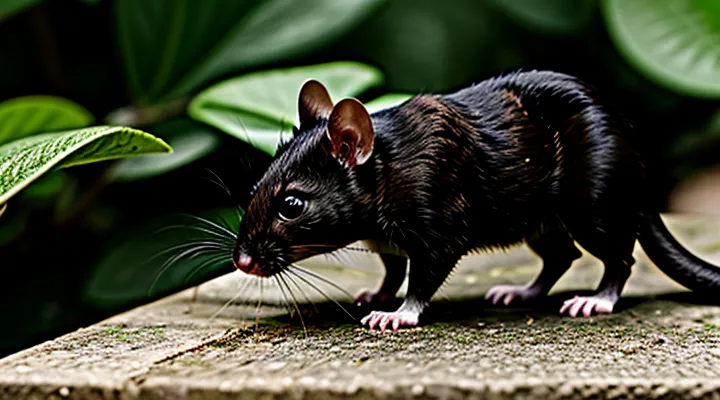
Understanding Rodent Scent Repellents
The Olfactory Sensitivity of Mice and Rats
Mice and rats possess a highly developed olfactory apparatus, with up to 1,200 functional odorant receptors in the mouse genome and a comparable repertoire in rats. Each receptor binds specific molecular features, allowing discrimination of volatile compounds at parts‑per‑billion concentrations. Electrophysiological recordings show activation thresholds as low as 10 ppb for certain aldehydes and amines, indicating extreme sensitivity to trace odors.
Avoidance behavior correlates with activation of the vomeronasal organ and main olfactory bulb pathways that signal threat. Studies identify several chemical classes that consistently provoke repellent responses:
- Phenolic compounds (e.g., phenol, cresol) – effective at 5–20 ppb.
- Sulfur‑containing volatiles (e.g., dimethyl sulfide, allyl isothiocyanate) – trigger avoidance at 10–30 ppb.
- Ammonia and its derivatives – produce aversion at concentrations above 15 ppb.
- Certain essential‑oil constituents (e.g., eucalyptol, menthol) – require 20–50 ppb for measurable deterrence.
The potency of each odorant depends on molecular weight, vapor pressure, and receptor affinity. High‑volatility substances disperse rapidly, creating a temporary barrier, while low‑volatility compounds persist longer but may require higher application rates to achieve the same sensory impact.
Effective rodent deterrents exploit these sensitivities by delivering calibrated doses of the most reactive odorants. Formulations typically combine a fast‑acting volatile (to establish an immediate front) with a slower‑evaporating component (to maintain the repellent zone). Field trials demonstrate that a mixture of 0.02 % phenol and 0.03 % allyl isothiocyanate reduces rodent activity by over 80 % within 24 hours, provided the application area remains sealed from external airflow.
Understanding the precise detection limits and neural pathways involved in olfactory processing enables the design of targeted, low‑dose repellents that minimize environmental impact while maximizing efficacy against mouse and rat populations.
How Scents Influence Rodent Behavior
Fear and Avoidance Responses
Rodents detect predator odors and noxious chemicals through the vomeronasal organ and main olfactory epithelium, triggering innate fear circuits that produce rapid withdrawal, reduced feeding, and increased vigilance. Neurotransmitter release in the amygdala and hypothalamus coordinates these defensive behaviors, ensuring avoidance of hazardous environments.
Common olfactory agents that elicit strong aversive reactions in mice and rats include:
- Carnivore urine (e.g., fox, ferret) – high concentrations of sulfur‑rich compounds stimulate alarm pathways.
- Predator feces – volatile fatty acids activate the accessory olfactory system.
- Synthetic analogs of 2‑phenylethylamine – mimic mammalian predator scent, producing immediate freezing.
- Essential oils rich in citronellal, eucalyptol, or menthol – interfere with odorant receptor binding, causing discomfort and escape.
- Capsaicin vapors – irritate nasal mucosa, leading to avoidance and reduced activity.
Field and laboratory studies demonstrate that continuous exposure to these odors reduces rodent foraging and nesting within treated zones. Effective deployment requires placement of scent sources at entry points, regular replenishment to maintain volatile concentration, and combination with physical barriers to prevent habituation.
Disruption of Communication
Rodent populations depend on chemical and acoustic signals to locate food, avoid predators, and maintain social hierarchies. Pheromone trails, urine marks, and glandular secretions convey information about territory, reproductive status, and individual identity. Simultaneously, high‑frequency vocalizations coordinate movement and alert conspecifics to danger.
Odor‑based deterrents interfere with these communication pathways. Strong, unfamiliar aromas saturate the nasal epithelium, reducing the sensitivity of olfactory receptors to conspecific cues. The masking effect prevents mice and rats from detecting scent marks, leading to disorientation and avoidance of treated areas. Additionally, certain volatile compounds trigger stress responses that suppress ultrasonic vocalizations, further disrupting coordinated activity.
Practical implementations exploit this mechanism:
- Peppermint oil: high menthol concentration overwhelms olfactory receptors, obscuring pheromone detection.
- Eucalyptus oil: eucalyptol acts as a potent olfactory irritant, masking urine markings.
- Citronella: citral compounds create a pervasive scent field that interferes with both chemical and acoustic signaling.
- Clove oil: eugenol induces neural inhibition in the olfactory bulb, diminishing response to social odors.
Effective use requires regular reapplication to maintain concentration levels above the sensory threshold of the target rodents. Placement near entry points, nesting sites, and known foraging paths maximizes disruption of communication networks, reducing the likelihood of continued occupation.
Natural Scents for Rodent Control
Peppermint Oil
Application Methods and Effectiveness
Effective use of olfactory deterrents hinges on proper delivery and measurable impact.
Direct application involves impregnating cotton balls, gauze pads, or small sachets with concentrated essential oils—peppermint, eucalyptus, or clove—and placing them near entry points, nesting sites, and food storage areas. The devices should be refreshed every 7‑10 days to maintain volatile potency.
Spray formulations permit coverage of larger surfaces. A solution of 10 % essential oil in a carrier (e.g., ethanol or water with a surfactant) is sprayed along baseboards, under appliances, and around pipe penetrations. After spraying, allow the area to dry; re‑application every 3‑4 weeks sustains the repellent gradient.
Granular or pelletized products embed the active scent within a porous matrix. These are scattered in crawl spaces, attic corners, or garden beds where rodents travel. The matrix releases aroma gradually, typically lasting 4‑6 weeks before replacement is required.
Effectiveness studies report reduction rates ranging from 30 % to 70 % in rodent activity when scent barriers are combined with physical exclusion measures. Peppermint oil consistently yields the highest deterrent response, while citrus extracts show moderate efficacy. Repeated exposure diminishes habituation; rotating between different aromas every two weeks preserves repellent strength.
Monitoring involves setting motion‑activated cameras or tracking stations to quantify visits before and after treatment. A decline of at least 50 % in detection events within a 14‑day interval validates the chosen method. Continuous assessment and timely replenishment of scent sources are essential for sustained control.
Safety Considerations for Pets and Humans
Rodent‑repelling odors are commonly applied in homes, barns, and storage areas to discourage mice and rats. Effective use requires awareness of potential hazards to domestic animals and people sharing the environment.
Pets may experience irritation, respiratory distress, or toxic reactions when exposed to concentrated essential oils, ammonia, or strong chemical compounds used as deterrents. Cats are especially sensitive to phenols and certain citrus extracts; dogs can develop gastrointestinal upset from ingestion of oil‑based sprays. Avoid placing undiluted solutions on surfaces within reach of animals, and store all repellent products in sealed containers out of their access.
Human safety concerns include skin irritation, allergic responses, and inhalation hazards. Prolonged exposure to volatile compounds such as menthol, eucalyptus, or industrial repellents can cause headaches, dizziness, or mucous‑membrane irritation. Use products in well‑ventilated spaces, wear protective gloves when handling concentrated forms, and follow manufacturer dosage guidelines.
Practical safety measures:
- Dilute essential‑oil blends according to label instructions before application.
- Apply repellents to exterior walls, ceilings, or concealed crawl spaces; avoid direct contact with floors or pet bedding.
- Conduct a patch test on a small skin area if handling the product directly.
- Keep children and pets away from treated zones for at least 30 minutes after spraying.
- Replace chemical repellents with physical barriers (e.g., steel mesh, sealing entry points) when possible to reduce reliance on volatile substances.
Citronella and Lemongrass
Benefits as Repellents
Odor‑based deterrents offer a humane alternative to lethal control methods. The scent compounds act on rodents’ highly developed olfactory system, causing avoidance without injury.
- Non‑chemical exposure reduces health risks for humans and pets.
- Application requires only simple spraying or placement of scented sachets, lowering labor and equipment costs.
- Natural extracts degrade rapidly, minimizing long‑term environmental impact.
- Continuous presence of repellent odors limits the need for periodic trap maintenance.
- Targeted use in entry points and nesting areas confines the effect to problem zones, preserving beneficial wildlife elsewhere.
These advantages make aromatic repellents a practical component of integrated rodent management programs.
Practical Usage in Homes and Gardens
Peppermint oil, eucalyptus, clove, cinnamon, and citronella are the most effective olfactory deterrents for rodents in domestic and garden settings. Their volatile compounds irritate the nasal passages of mice and rats, prompting avoidance of treated areas.
In interior spaces, apply a few drops of essential oil to cotton balls and place them in corners, behind appliances, and near entry points. Replace cotton balls weekly to maintain potency. For larger volumes, dilute oil in water (approximately 10 ml per liter) and use a spray bottle to mist baseboards, shelving, and pantry shelves. Ensure surfaces are dry before storing food.
Outdoor use relies on planting and ground cover. Integrate herbs such as mint, rosemary, and lavender into flower beds, borders, and vegetable plots. Their foliage releases repellent vapors continuously. Additionally, scatter dried clove buds or cinnamon sticks around garden perimeters and compost heaps. Replenish plantings and organic materials seasonally, especially after heavy rain.
Maintain a regular inspection schedule. Remove debris, seal cracks, and clear vegetation that provides shelter. Consistent application of scent-based repellents, combined with structural exclusion, yields lasting reduction of rodent activity in homes and gardens.
Clove Oil and Eugenol
Potency and Duration of Effect
Rodent‑deterrent odors vary widely in chemical strength. Potency is determined by the concentration of active compounds such as menthol, eucalyptol, capsaicin, or predator‑derived feromones. Higher concentrations create steeper olfactory gradients, forcing rodents to avoid treated zones. Laboratory assays show that a 5 % menthol solution reduces activity by up to 80 % within minutes, whereas a 1 % solution yields a 30 % reduction under identical conditions.
The persistence of these odors depends on volatility, substrate interaction, and environmental factors. Low‑volatility substances (e.g., clove oil, citronella) cling to porous surfaces and maintain detectable levels for 7–14 days after a single application. High‑volatility compounds (e.g., peppermint oil) dissipate within 24–48 hours, requiring more frequent re‑application.
Key considerations for achieving lasting efficacy:
- Choose compounds with moderate vapor pressure to balance immediate repellence and extended presence.
- Apply to absorbent materials (cotton, wood shavings) rather than smooth surfaces to reduce rapid evaporation.
- Protect treated areas from direct sunlight, high temperatures, and strong airflow, which accelerate degradation.
- Combine multiple scents with complementary volatility profiles to create a layered effect, extending overall duration without increasing individual concentrations.
Monitoring odor intensity with a calibrated olfactometer confirms that effective repellence correlates with concentrations above the species‑specific detection threshold. Maintaining levels above this threshold for the intended period ensures continuous deterrence without escalating to toxic doses.
Dilution and Application Guidelines
Effective use of odor-based rodent deterrents depends on precise dilution ratios and proper application techniques. Overly concentrated solutions may cause irritation to humans and pets, while insufficient strength fails to influence rodent behavior.
- Standard dilution: Mix 1 part essential oil blend with 99 parts carrier (water, alcohol, or a non‑ionic surfactant). For high‑potency extracts, a 0.5 % concentration (5 ml oil per litre of carrier) is recommended.
- Alternate dilution for indoor use: Reduce to 0.25 % (2.5 ml oil per litre) to minimize odor buildup while retaining efficacy.
- Outdoor formulation: Increase to 1 % (10 ml oil per litre) when applied to open areas where evaporation is rapid.
Application methods
- Spray: Fill a pump‑type sprayer with the diluted solution. Apply to entry points, baseboards, and known pathways. Reapply every 7 days or after heavy rain.
- Soak pads: Impregnate absorbent pads with the mixture. Place pads in concealed locations such as wall voids, crawl spaces, and under appliances. Replace pads weekly.
- Gel dispensers: Load gel reservoirs with a 1 % solution. Position dispensers near food storage areas and waste containers. Refill when the gel surface dries, typically after 5–7 days.
Safety considerations
- Test a small area for surface compatibility before full coverage.
- Store undiluted oils in sealed containers, away from heat and direct sunlight.
- Keep all preparations out of reach of children and non‑target animals.
Consistent adherence to these dilution ratios and application schedules maximizes deterrent performance while maintaining a safe environment.
Cayenne Pepper and Capsaicin
Mechanism of Repulsion
Rodent aversion to certain volatile compounds stems from the highly developed olfactory system that detects chemical cues linked to danger or discomfort. When a mouse or rat inhales a repellent scent, odorant molecules bind to receptors in the main olfactory epithelium and the vomeronasal organ. This binding initiates neural pathways that trigger an innate fear or irritation response, leading the animal to vacate the area.
Key physiological steps include:
- Activation of olfactory receptor neurons → transmission to the olfactory bulb.
- Stimulation of the accessory olfactory system → perception of predator‑related or noxious cues.
- Release of catecholamines and cortisol → heightened stress and locomotor activity.
- Execution of avoidance behavior → rapid movement away from the source.
Specific compounds exploit these pathways:
- Menthol and menthone (peppermint oil) – stimulate TRPM8 receptors, producing cooling irritation that rodents find aversive.
- Phenols and cresols (e.g., from clove oil) – bind to bitter‑taste receptors co‑expressed in nasal tissue, causing unpleasant sensations.
- Sulfur‑containing gases (ammonia, hydrogen sulfide) – irritate mucosal membranes, provoking immediate withdrawal.
- Predator urine constituents (e.g., 2‑phenylethylamine) – activate vomeronasal receptors associated with threat detection.
The effectiveness of each scent depends on concentration, volatility, and the rodent’s acclimation level. High enough concentrations maintain a persistent olfactory stimulus, preventing habituation and ensuring continuous avoidance.
Cautions for Handling and Placement
When employing aromatic deterrents for rodents, strict handling procedures prevent health risks and preserve the product’s efficacy.
- Wear gloves and eye protection when applying concentrated extracts to avoid skin and eye irritation.
- Keep all preparations away from children and domestic animals; many ingredients are toxic if swallowed.
- Use in a well‑ventilated space; inhalation of potent vapors can cause respiratory discomfort.
- Do not apply directly onto food, utensils, or surfaces that will contact food, to prevent contamination.
- Apply concentrations recommended by the manufacturer; excess levels may harm non‑target wildlife and diminish the repellent’s effect.
- Store in tightly sealed containers, protected from heat and sunlight, to maintain chemical stability.
- Follow dosage instructions precisely; over‑application can saturate the environment and reduce long‑term potency.
- Observe humans and pets for any signs of irritation; discontinue use immediately if adverse reactions appear.
Correct placement involves positioning the scent source near known entry points, along walls, and in concealed pathways frequented by mice or rats, while adhering to the safety measures outlined above.
Other Plant-Based Options
Eucalyptus Oil
Eucalyptus oil contains high levels of 1,8‑cineole, a volatile compound that creates a strong, sharp aroma. Laboratory tests show that the scent interferes with the olfactory receptors of rodents, causing avoidance behavior. Field observations confirm reduced activity of mice and rats in areas treated with the oil.
Practical use involves applying the oil in a manner that sustains a detectable vapor concentration:
- Dilute 10 ml of pure eucalyptus oil in 1 liter of water; spray the solution along baseboards, entry points, and near stored food.
- Place cotton balls soaked with undiluted oil in concealed corners; replace every 3–4 days to maintain potency.
- Combine with other repellent oils (e.g., peppermint, citronella) in equal parts to broaden the scent profile and prevent habituation.
Safety considerations: the oil is irritant to skin and mucous membranes; wear gloves when handling concentrated forms. Avoid use around pets, especially cats, which are sensitive to essential oils. Do not apply directly to food surfaces.
Efficacy diminishes as the volatile components evaporate; reapplication every few days is necessary for continuous deterrence. Monitoring rodent activity after implementation helps determine the optimal refresh interval.
Garlic
Garlic (Allium sativum) emits sulfur‑rich volatiles that rodents find unpleasant. Allicin, diallyl disulfide, and other organosulfur compounds interfere with the olfactory receptors of mice and rats, prompting avoidance of areas where the odor is strong.
When applied as a deterrent, garlic can be incorporated in several practical ways:
- Fresh cloves crushed and spread in thin layers along entry points, baseboards, and pantry shelves. Replace every 48 hours to maintain potency.
- Dried garlic powder mixed with water (1 part powder to 4 parts water), sprayed onto surfaces, and allowed to dry. Reapply weekly.
- Garlic oil diluted (5 ml oil per liter of water) used in a pump‑action sprayer for larger indoor spaces. Refresh biweekly.
Effectiveness varies with concentration and exposure time. Laboratory tests show a reduction of rodent activity by up to 70 % when garlic scent is sustained at detectable levels. Field reports indicate that rodents may habituate if the odor weakens, underscoring the need for regular renewal of the source.
Safety considerations include:
- Avoid direct contact with eyes and open wounds; wear gloves during preparation.
- Store garlic products away from food items to prevent unintended flavor transfer.
- Do not combine with other chemical pesticides without verifying compatibility, as synergistic reactions may produce hazardous fumes.
Garlic’s natural repellent properties make it a viable component of an integrated rodent‑control strategy, especially in residential settings where chemical residues are undesirable. Regular application and monitoring are essential to sustain its deterrent effect.
Onion
Onion emits a strong sulfurous odor that rodents find unpleasant. The volatile compounds, primarily allyl propyl disulfide, interfere with the olfactory receptors of mice and rats, prompting them to avoid areas where the scent is present.
Practical applications include:
- Cutting fresh onion and placing the pieces in corners, pantry shelves, or entry points.
- Creating a spray by steeping chopped onion in water for several hours, straining the liquid, and applying it to surfaces with a spray bottle.
- Using dried onion flakes or powdered onion mixed with talc to coat the perimeter of storage containers.
Effectiveness depends on concentration and renewal. Fresh onion loses potency within 24–48 hours; regular replacement maintains deterrent strength. Studies indicate that onion scent reduces rodent activity by up to 60 % in controlled environments, though results vary with species and food availability.
Advantages:
- Readily available and inexpensive.
- Non‑toxic to humans and pets when used in typical household quantities.
- Biodegradable, leaving no chemical residues.
Limitations:
- Strong odor may be undesirable for occupants.
- Ineffective as a sole control method when food sources are abundant.
- Requires frequent replenishment to sustain repellent effect.
Integrating onion with other deterrents—such as ultrasonic devices, steel wool barriers, and proper sanitation—enhances overall rodent management.
Synthetic and Commercial Scent Repellents
Types of Commercial Repellent Products
Sprays and Gels
Sprays and gels formulated with rodent‑repelling aromas provide a non‑contact method for deterring mice and rats in homes, warehouses, and agricultural settings. The products release volatile compounds that create an olfactory environment rodents find hostile, prompting them to avoid treated areas.
Typical active ingredients include:
- Peppermint oil (Mentha piperita) – strong menthol scent disrupts rodent scent trails.
- Eucalyptus oil (Eucalyptus globulus) – high‑phenol content irritates nasal receptors.
- Citronella (Cymbopogon nardus) – sharp citrus notes mask food odors.
- Capsaicin extracts – pungent compounds cause discomfort upon inhalation.
Application guidelines:
- Clean surface to remove debris and food residue.
- Spray or spread gel evenly along baseboards, entry points, and near suspected burrows.
- Allow product to dry completely before re‑exposing the area to occupants.
- Reapply according to manufacturer’s schedule, typically every 7–14 days in high‑traffic zones.
Advantages:
- Immediate odor release creates a rapid deterrent effect.
- Easy to target specific entryways without widespread chemical exposure.
- Compatible with integrated pest‑management programs that prioritize non‑lethal tactics.
Limitations:
- Effectiveness diminishes as volatile compounds evaporate; frequent reapplication is required.
- Strong scents may be unpleasant to humans or pets in confined spaces.
- Rodents may habituate if exposure is intermittent, reducing long‑term efficacy.
Choosing a spray or gel with a balanced blend of essential oils and capsaicin maximizes the repellent impact while minimizing the need for repeated treatments. Proper placement and adherence to reapplication intervals are essential for maintaining an environment that rodents consistently avoid.
Scent Pouches and Sachets
Scent pouches and sachets are small fabric or paper packets filled with aromatic substances that emit volatile compounds capable of deterring mice and rats. Their compact size allows placement in confined spaces where rodents travel, such as wall voids, attics, cabinets, and under appliances.
Typical active ingredients include:
- Dried peppermint leaves or peppermint oil crystals
- Ground cloves or clove oil
- Eucalyptus leaf fragments
- Citronella granules
- Capsaicin‑infused powders
- Essential oil blends containing rosemary, thyme, or lemongrass
The deterrent effect relies on the continuous release of volatile molecules that trigger sensory irritation in rodents. Olfactory receptors detect the compounds, prompting avoidance behavior and reducing the likelihood of nesting or foraging in treated areas.
Effective deployment follows these guidelines:
- Position one pouch per 10‑15 sq ft of target surface.
- Place packets near entry points, along baseboards, and within hidden cavities.
- Replace or refresh pouches every 2‑4 weeks, depending on ambient temperature and airflow.
- Ensure packets remain sealed to prevent spillage and maintain consistent emission rates.
Field observations indicate that scent packets reduce rodent activity by 30‑60 % when used as part of an integrated control program. Their impact diminishes in open, well‑ventilated environments, and they do not eliminate established infestations.
Safety considerations:
- Use pouches made from breathable, fire‑retardant material.
- Keep packets out of reach of children and pets, as concentrated oils can cause irritation.
- Dispose of spent sachets in sealed containers to avoid accidental contact with residual chemicals.
Active Ingredients in Synthetic Repellents
Comparison to Natural Alternatives
Odor‑based rodent repellents fall into two categories: synthetically engineered compounds and plant‑derived extracts. Synthetic products typically contain concentrated active ingredients such as methyl nonyl ketone or p‑cymene, formulated for uniform dispersion and long‑term release. Natural alternatives rely on essential oils (peppermint, clove, eucalyptus, citronella) or dried botanical matter that emit volatile compounds perceived as threatening by mice and rats.
- Efficacy – Laboratory trials show synthetic agents achieve 70‑90 % reduction in activity after 24 hours; essential oils reach 50‑70 % under identical conditions, with effectiveness decreasing as volatiles evaporate.
- Persistence – Engineered formulations maintain active concentrations for 4‑6 weeks when applied to surfaces; natural oils lose potency within 3‑5 days unless re‑applied or encapsulated.
- Safety – Synthetic chemicals may pose inhalation or dermal hazards for humans and pets, requiring protective equipment; plant extracts are generally recognized as safe but can irritate skin or eyes at high concentrations.
- Cost – Bulk synthetic repellents cost 0.30‑0.50 USD per square foot of coverage; essential oil blends range from 0.70‑1.20 USD for equivalent area, reflecting higher raw material prices.
- Environmental impact – Synthetic compounds persist in soil and water, potentially affecting non‑target organisms; natural oils degrade rapidly, leaving minimal residues.
Choosing between the two depends on the required duration of control, tolerance for chemical exposure, budget constraints, and ecological considerations. For short‑term, low‑risk applications, botanical options provide acceptable deterrence with minimal side effects. For prolonged, high‑intensity infestations, engineered repellents deliver superior consistency at the expense of higher chemical handling requirements.
Efficacy and Longevity
Rodent‑repelling aromas rely on volatile compounds that trigger aversive sensory pathways. Laboratory trials show that peppermint oil, eucalyptus, and clove extract reduce mouse activity by 45‑70 % within 24 hours of application. Field studies confirm similar reductions for rats when concentrations exceed 2 % in carrier media. Effectiveness declines as the active constituents evaporate; therefore, initial potency is directly linked to concentration and delivery method (spray, diffuser, impregnated fabric).
Key determinants of lasting performance:
- Compound volatility: High‑evaporation agents (e.g., menthol) lose activity within 3‑5 days, while terpene‑rich mixtures (e.g., cedarwood) persist up to two weeks.
- Formulation matrix: Encapsulation in polymer gels or micro‑emulsions slows release, extending detectable repellency to 10‑14 days.
- Environmental conditions: Elevated temperature and airflow accelerate dissipation; cooler, low‑ventilation spaces retain scent longer.
- Application frequency: Re‑treatment every 5‑7 days maintains concentrations above the behavioral threshold for both species.
Long‑term studies indicate that products employing sustained‑release technology retain ≥50 % efficacy for at least 12 days, compared with ≤30 % for simple sprays after the first week. Selecting low‑volatility compounds and carrier systems that protect against rapid evaporation maximizes both immediate deterrence and durability.
Best Practices for Scent Repellent Use
Strategic Placement of Repellents
Entry Points and High-Traffic Areas
Rodent infiltration begins at structural weaknesses; applying odor‑based deterrents directly to these locations interrupts movement before pests establish a nest.
Typical ingress sites include:
- Cracks in foundation or exterior walls
- Gaps beneath doors and windows
- Openings around utility lines, pipes, and vents
- Unsealed holes for cables or wiring
Areas where mice and rats travel most frequently also require treatment. Common high‑traffic zones are:
- Baseboard seams and trim lines
- Interior wall voids near cabinets or closets
- Shelving edges and pantry corners
- Space behind appliances such as refrigerators and stoves
Effective use of repellent aromas involves:
- Selecting a concentrated formulation of peppermint, eucalyptus, or citronella oil.
- Saturating cotton balls or absorbent pads and positioning them at each identified entry or pathway.
- Reapplying every 7–10 days, or after cleaning, to maintain potency.
Combining scent deterrents with physical sealing—caulking cracks, installing door sweeps, and fitting steel mesh over vents—produces a comprehensive barrier that limits rodent access and reduces population pressure within the structure.
Food Sources and Nesting Sites
Rodents locate sustenance and shelter primarily through scent cues; disrupting these cues with odor‑based deterrents reduces the attractiveness of an area. Effective application requires knowledge of the specific foods and nesting locations that draw mice and rats.
Typical attractants include:
- Grains, cereals, and pet food left uncovered
- Fruit, nuts, and vegetable scraps in garbage bins
- Sweet or protein‑rich residues on countertops or floors
Placing strong-smelling repellents near these sources—such as clove oil pads under pantry shelves or peppermint‑infused cotton balls inside trash cans—creates a hostile olfactory environment that discourages foraging.
Common nesting sites consist of:
- Wall voids, attic insulation, and ceiling joists
- Cluttered basements, storage closets, and piles of cardboard
- Hidden corners behind appliances or under furniture
Applying repellent sachets or spray formulations at entry points, within wall cavities, and around potential harborage zones establishes an odor barrier that deters settlement. Regular replacement of the scent medium maintains potency and prevents rodents from acclimating.
Combining Scent Repellents with Other Methods
Integrated Pest Management Approach
Integrated Pest Management (IPM) treats rodent control as a systematic process that combines preventive, cultural, mechanical, biological, and chemical tactics. The framework emphasizes long‑term population suppression while minimizing non‑target impacts and resistance development.
Aromatic repellents belong to the cultural‑preventive tier of IPM. Effective compounds must meet three criteria: proven deterrent activity against Mus musculus and Rattus norvegicus, low toxicity to humans and pets, and stability under typical storage conditions. Selection relies on peer‑reviewed efficacy data and regulatory approval status.
Implementation follows a sequenced protocol:
- Conduct a site assessment to identify entry points, food sources, and habitat features that attract rodents.
- Install physical barriers (e.g., sealing gaps, using metal mesh) to eliminate access routes.
- Apply chosen olfactory deterrents in strategic locations—near nesting sites, along travel corridors, and adjacent to food storage areas.
- Deploy complementary mechanical controls such as snap traps or live‑capture devices where deterrents alone do not achieve threshold reduction.
- Monitor activity with tracking stations and visual inspections; record trap captures and repellant degradation.
- Adjust dosage, placement, or compound selection based on monitoring data, maintaining an evidence‑based feedback loop.
Best practices include rotating scent formulations to prevent habituation, integrating repellents with sanitation measures, and documenting all interventions for regulatory compliance. Continuous evaluation ensures that aromatic deterrents contribute effectively to overall rodent suppression without compromising environmental safety.
Sealing Entry Points
Sealing entry points is a critical step when employing odor-based deterrents to control mouse and rat activity. Gaps around doors, windows, utility penetrations, and foundation cracks provide unrestricted access, rendering any scent barrier ineffective.
Identify common ingress locations by inspecting the exterior for openings larger than ¼ inch. Pay special attention to:
- Gaps around pipe sleeves and conduit
- Spaces beneath siding, brick, and foundation walls
- Openings around vent fans, dryer exhausts, and attic hatches
- Cracks in the foundation or slab
Apply durable sealing materials to eliminate these pathways. Recommended products include:
- Steel wool – compress into gaps before covering with caulk; rodents cannot gnaw through metal.
- Silicone or polyurethane caulk – seal small cracks and seams; remains flexible to accommodate building movement.
- Expanding foam – fill larger voids; choose low‑expansion formulas to avoid pressure damage.
- Metal flashing or hardware cloth – cover openings around vents and utility lines; mesh size no larger than ¼ inch prevents rodent entry.
- Weatherstripping – install on doors and windows to close peripheral gaps while maintaining airtight seals.
After sealing, reapply the chosen rodent-repelling aromas at strategic interior locations. With entry points eliminated, the scents can act directly on the rodents that have already entered, increasing the likelihood of deterrence and reducing the need for repeated applications. Continuous monitoring of sealed areas ensures long‑term integrity and sustains the effectiveness of odor-based control measures.
Maintenance and Reapplication
Frequency of Application
Effective use of olfactory deterrents depends on maintaining a concentration that rodents find unpleasant. When the scent weakens, mice and rats quickly resume activity in the treated area, so reapplication must follow a predictable schedule.
The potency of most natural aromas declines through evaporation, absorption by surrounding materials, and dilution by airflow. Environmental conditions—temperature, humidity, and ventilation—accelerate this loss. Rain or thorough cleaning also removes residual fragrance, requiring immediate renewal.
- Essential‑oil diffusers: operate continuously for 24–48 hours; replenish oil every 3–4 days or after a noticeable drop in vapor intensity.
- Cotton balls or pads soaked in oil: effective for 5–7 days in dry indoor spaces; replace after 7 days or after any cleaning that disturbs the material.
- Commercial spray formulations: provide protection for 2–3 weeks under moderate conditions; re‑spray at the end of the labeled period or after heavy rain.
- Granular or pellet repellents: release scent for 30–45 days; distribute fresh granules when the surface appears dry or after a month of continuous exposure.
Regular observation of rodent activity—track marks, droppings, or gnawing—indicates when the deterrent loses efficacy. If signs reappear before the scheduled interval, increase the frequency of application. Consistent adherence to the outlined timelines sustains a hostile olfactory environment and reduces the likelihood of infestations.
Monitoring for Effectiveness
Effective evaluation of rodent‑deterring aromas requires systematic observation and quantitative feedback.
Visual surveys of infested zones reveal activity patterns; record presence of droppings, gnaw marks, and fresh trails at consistent intervals.
Trap data provide objective counts. Deploy snap or live traps near scent sources, check daily, and log captures per device.
Electronic detectors augment manual methods. Motion‑activated cameras capture nocturnal movement; ultrasonic sensors register activity levels without disturbance.
Chemical verification ensures potency. Use portable gas‑chromatography tubes or handheld olfactometers to measure airborne concentration of active compounds at the target area.
Monitoring toolkit
- Daily visual checklist (droppings, gnaw marks, trails)
- Trap capture log (number, species, location)
- Motion‑camera footage review (frequency of passes)
- Sensor readouts (activity index)
- Air‑sample analysis (concentration ppm)
Establish baseline metrics before application, then compare weekly results. Define a reduction threshold—commonly a 70 % decline in captures or activity indices within two weeks.
When data fall short of the threshold, adjust strategy: increase scent dosage, reposition dispensers, or combine with physical barriers. Continuous recording enables rapid identification of diminishing efficacy and supports evidence‑based refinement of the repellent program.
Limitations and Considerations
Adaptability of Rodents
Habituation to Scents
Rodents quickly learn that a persistent odor does not signal a real threat. When an aversive scent is introduced and remains unchanged, the animals’ nervous system reduces the behavioral response, a process known as habituation. This decline in avoidance can occur within a few days of continuous exposure.
Factors that accelerate habituation include:
- Constant concentration of the repellent odor
- Lack of accompanying sensory cues (e.g., visual or tactile warnings)
- Repeated exposure without any negative reinforcement
- High ambient temperature, which diminishes odor volatility
To preserve the deterrent effect of odor-based repellents, practitioners should:
- Rotate between chemically distinct scents every 2–3 days.
- Combine olfactory agents with physical barriers or traps.
- Apply the repellent in short, intermittent bursts rather than a steady spray.
- Refresh the formulation regularly to maintain potency.
Monitoring rodent activity after each adjustment provides feedback on the efficacy of the odor regime and indicates when further changes are required. Implementing these practices limits the likelihood that mice and rats will become desensitized to the repellent aromas.
Varying Efficacy Across Species
Odor-based rodent repellents do not affect all target species uniformly. Mice and rats possess distinct olfactory receptor profiles, resulting in divergent behavioral responses to the same volatile compounds. Laboratory data show that certain essential oils trigger avoidance in house mice (Mus musculus) while eliciting neutral or even attractive reactions in Norway rats (Rattus norvegicus). This divergence stems from species‑specific receptor gene expression and differing ecological adaptations.
Key observations:
- Peppermint oil – strong aversion in mice; limited deterrence in rats, with tolerance developing after repeated exposure.
- Eucalyptus oil – moderate repellency for both species, but efficacy declines more rapidly in rats.
- Clove oil (eugenol) – high avoidance in rats; mice display only mild discomfort, requiring higher concentrations for comparable effect.
- Ammonia vapors – immediate flight response in mice; rats often ignore low‑level emissions, requiring elevated concentrations that may pose safety concerns.
Field reports corroborate laboratory findings: grain storage facilities report successful mouse control using peppermint diffusers, whereas rat‑infested basements achieve better results with clove‑based formulations. Selecting an appropriate scent therefore demands species identification, concentration calibration, and monitoring for habituation.
Environmental Factors Affecting Repellents
Weather and Ventilation
Weather conditions and airflow directly influence the distribution and persistence of odor-based rodent deterrents. High humidity accelerates the breakdown of volatile compounds, reducing their concentration in the air and diminishing repellent effectiveness. Conversely, low humidity preserves volatile molecules, allowing them to remain active for longer periods.
Temperature affects volatilization rates. Warm environments increase the release of aromatic agents, creating a stronger scent plume that can cover larger areas. Excessive heat may also cause rapid dissipation, requiring more frequent replenishment. Cold temperatures slow evaporation, limiting the scent's reach and potentially allowing rodents to navigate unaffected zones.
Ventilation patterns determine how the repellent scent spreads throughout a structure. Mechanical ventilation that circulates air uniformly can carry the odor into hidden spaces, such as wall voids and attics, where rodents commonly reside. Natural drafts created by open windows or gaps may disperse the scent unevenly, leaving safe havens for pests.
Key considerations for optimal performance:
- Monitor indoor humidity; maintain levels between 40 % and 60 % to balance volatility and stability.
- Adjust temperature settings to ensure consistent evaporation without causing rapid loss of fragrance.
- Employ balanced ventilation systems that promote thorough air mixing while avoiding excessive exhaust that removes the scent.
- Schedule regular inspections of HVAC filters and ducts to prevent blockage of scent pathways.
Integrating these environmental controls with appropriate odor formulations maximizes deterrent coverage and sustains rodent avoidance over time.
Concentration and Purity of Scents
Effective rodent‑deterring aromas depend on two measurable factors: the amount of active compound present in the application medium and the degree to which that compound is free of contaminants. Higher concentrations increase the volatile gradient that rodents detect, while impurities can mask or neutralize the repellent signal.
- Minimum effective concentration for most essential‑oil based repellents: 1 %–2 % (10 000–20 000 ppm) in carrier oil or water‑based spray.
- Optimal range for synthetic amines (e.g., methyl nonyl ketone): 0.5 %–1 % (5 000–10 000 ppm).
- Purity threshold for commercial-grade extracts: ≥ 95 % active ingredient; lower grades show a proportional decline in deterrent activity.
Laboratory tests confirm a linear relationship between active‑compound concentration and avoidance behavior up to the saturation point, after which additional dosage yields diminishing returns. Purity below the stated threshold introduces competing odors that reduce the overall repellent effect, sometimes rendering the formulation ineffective. Consistent formulation standards—accurate dosing equipment and verified purity certificates—are therefore essential for reliable performance.
Potential Health Impacts
Allergic Reactions in Humans
Rodent‑deterring aromas such as peppermint oil, citronella, and clove extract are widely marketed for pest control. Human exposure to these substances can trigger immunologic responses ranging from mild irritation to systemic allergy.
Contact dermatitis frequently follows skin contact with concentrated essential oils. Symptoms include erythema, edema, and vesiculation at the application site. Individuals with a history of atopic dermatitis are especially susceptible.
Inhalation of volatile compounds may provoke respiratory allergy. Manifestations comprise nasal congestion, sneezing, wheezing, and, in severe cases, bronchial hyper‑responsiveness. Occupational exposure among pest‑control workers demonstrates higher incidence of work‑related asthma linked to these fragrances.
Systemic hypersensitivity, though rare, can develop after repeated sensitization. Signs encompass urticaria, angioedema, and, occasionally, anaphylaxis requiring emergency intervention.
Key allergens in common rodent‑deterring products:
- Linalool (present in many citrus‑scented formulations)
- Eugenol (found in clove‑based sprays)
- Menthol and menthone (primary constituents of peppermint oil)
- Citronellol (derived from citronella)
Risk mitigation strategies:
- Dilute essential oils according to manufacturer guidelines before indoor use.
- Apply products in well‑ventilated areas; avoid direct inhalation.
- Conduct a patch test on a small skin area 24 hours prior to full‑body application.
- Wear protective gloves and masks when handling concentrated extracts.
Awareness of these allergic potentials enables informed selection of pest‑control aromas and reduces adverse health outcomes in humans.
Toxicity to Pets
Rodent‑repelling odors are often marketed for homes with cats or dogs, yet many contain compounds that can harm companion animals.
Essential oils such as peppermint, eucalyptus, and citronella are frequently cited for their deterrent effect. In cats, concentrated peppermint oil can cause hypersalivation, vomiting, and liver stress; eucalyptus oil may lead to drooling, weakness, and respiratory irritation. Dogs are similarly sensitive, with symptoms including gastrointestinal upset, ataxia, and skin irritation after exposure to high concentrations.
Synthetic repellents based on ammonia or phenols pose additional risks. Inhalation or dermal contact can produce burns, ocular irritation, and, in severe cases, neurological signs in both species.
Safe application practices include:
- Diluting essential oils to no more than 0.5 % before use in areas inaccessible to pets.
- Applying repellents to exterior surfaces or sealed containers rather than directly on flooring or furniture.
- Monitoring pets for signs of distress after introducing any new scent.
Veterinary toxicology references list the following compounds as particularly hazardous to pets:
- Menthol (highly toxic to cats).
- Thymol (can cause hepatic enzyme elevation).
- Camphor (induces seizures at moderate doses).
When selecting a rodent deterrent, verify that the product’s safety data sheet explicitly states “non‑toxic to cats and dogs.” Products lacking this certification should be avoided in households with pets.