
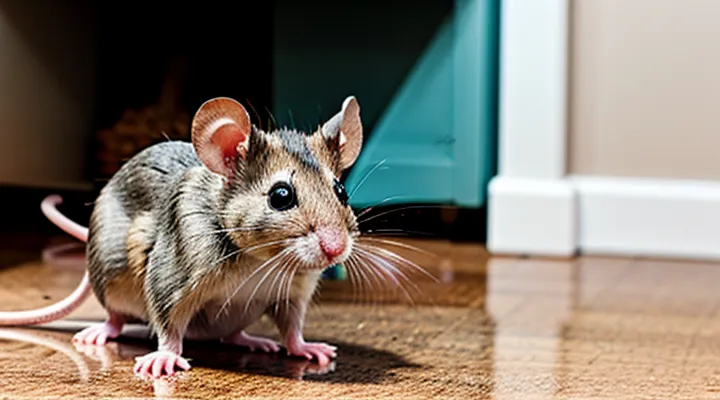
Understanding the Problem: Why Mice are a Concern
Health Risks Associated with Mice
Mice introduce a range of health hazards that can compromise indoor environments. Direct contact with droppings, urine, or saliva creates pathways for pathogens. Contaminated surfaces become sources of infection for occupants.
Key risks include:
- Transmission of bacterial diseases such as salmonellosis and leptospirosis, which spread through contaminated food or water.
- Exposure to hantavirus, carried in rodent excreta, capable of causing severe respiratory illness.
- Spread of parasites like fleas and mites that use rodents as hosts.
- Allergic reactions triggered by mouse dander and urine proteins, leading to asthma exacerbations and rhinitis.
- Food spoilage and gastrointestinal upset resulting from ingestion of contaminated items.
Preventive measures focus on eliminating access points, maintaining sanitation, and employing humane traps or exclusion devices. Regular inspection of storage areas and prompt removal of rodent evidence reduce the likelihood of disease transmission. Personal protective equipment, including gloves and masks, is advisable during cleanup to limit direct exposure.
Damage Caused by Mouse Infestations
Mice infestations generate substantial damage that undermines the safety and functionality of residential environments.
Structural components suffer when rodents gnaw on wooden beams, baseboards, and drywall, creating holes that compromise integrity and invite further pest entry.
Electrical systems are vulnerable because mice chew insulation on wiring, exposing live conductors and increasing the risk of short circuits, fire hazards, and costly repairs.
Food supplies become contaminated as droppings, urine, and saliva introduce pathogens, leading to spoilage, waste, and potential health threats to occupants.
Insulation loses effectiveness when gnawed fibers create gaps, reducing thermal efficiency and raising heating or cooling expenses.
Health risks arise from diseases such as hantavirus, leptospirosis, and salmonellosis, transmitted through direct contact with rodent excreta or inhalation of aerosolized particles.
Typical damage categories include:
- Structural degradation (wood, drywall, plaster)
- Electrical impairment (chewed wiring, short circuits)
- Food contamination and loss
- Insulation compromise (thermal inefficiency)
- Disease transmission (pathogen exposure)
Addressing these impacts requires prompt and humane removal strategies that eliminate the infestation while preventing recurrence, thereby preserving the home’s structural soundness, electrical safety, and occupant health.
Prevention: The First Line of Defense
Sealing Entry Points
Sealing entry points prevents mice from re‑entering a dwelling after removal. Identify all potential openings by inspecting the building envelope, including foundation cracks, gaps around utility lines, vents, and door thresholds. Close each opening with appropriate materials to create a durable barrier.
- Apply steel wool or copper mesh to holes larger than a quarter‑inch, then cover with expanding foam or caulk.
- Use cement mortar or concrete patch for cracks in walls and floors.
- Install metal flashing around pipe penetrations and vent covers.
- Fit door sweeps and weather‑stripping on exterior doors.
- Seal gaps around windows with silicone sealant or removable foam strips.
Regularly monitor sealed areas for signs of damage or new activity. Repair compromised sections promptly to maintain an effective exclusion system. This proactive approach reduces the likelihood of future infestations while supporting humane control practices.
Food and Water Management
Effective control of rodent activity begins with eliminating sources of nourishment and hydration. Proper storage, sanitation, and structural maintenance reduce the likelihood of infestation.
- Seal containers with tight‑fitting lids; use metal or heavy‑plastic bins for bulk items.
- Transfer pantry goods to glass jars equipped with screw‑on caps.
- Dispose of crumbling packaging and expired food promptly.
- Clean spills and crumbs immediately; sweep and vacuum daily in kitchen and dining areas.
- Store pet food in sealed containers; remove leftovers after each feeding.
- Eliminate standing water by fixing leaks, drying damp surfaces, and emptying pet water dishes nightly.
- Install drip‑free faucets; use absorbent mats under sinks to prevent moisture buildup.
- Inspect and repair gaps around pipes, vents, and baseboards; apply steel wool or caulk to block entry points.
Consistent implementation of these measures deprives rodents of essential sustenance, encouraging them to vacate the premises without reliance on hazardous traps or poisons. The result is a safer, healthier home environment.
Maintaining a Clean Home Environment
A clean home reduces the availability of food, shelter, and nesting material that attract rodents. Eliminating crumbs, spills, and unsecured waste removes primary incentives for mice to enter living spaces.
- Store dry goods in airtight containers; metal or heavy‑plastic lids prevent gnawing.
- Clean countertops and floors after each meal; use a damp cloth followed by a disinfectant.
- Dispose of garbage daily; keep bins sealed with tight‑fitting lids.
- Repair cracks, gaps, and holes in walls, floors, and foundations; use steel wool or caulk to block entry points.
- Maintain regular yard upkeep; trim vegetation away from the house and remove debris that could serve as outdoor shelter.
Routine housekeeping reinforces these measures. Schedule weekly inspections of storage areas, baseboards, and appliance interiors for signs of droppings or gnaw marks. Rotate cleaning tasks to ensure no area is neglected for extended periods.
A disciplined cleaning regimen, combined with structural repairs, creates an environment that discourages mouse activity without resorting to hazardous chemicals or traps. This approach supports safe, humane removal strategies while protecting occupants’ health.
Humane Trapping Methods
Live Traps
Setup and Baiting
Effective removal of rodents from a residence begins with careful preparation of traps and selection of appropriate attractants. The process consists of two interrelated phases: establishing a safe environment for the devices and presenting bait that maximizes capture rates while minimizing risk to non‑target species.
The first phase, setup, requires identification of high‑traffic pathways. Common routes include gaps behind appliances, along baseboards, and near food storage areas. Seal obvious entry points with steel wool or caulk to prevent new intruders while retaining existing ones for monitoring. Place traps on flat, stable surfaces to avoid tipping. Ensure traps are positioned away from children’s reach and pet access zones; use protective barriers or mounting brackets when necessary. For snap traps, engage the spring mechanism according to manufacturer instructions, confirming that the trigger is fully tensioned before placement.
The second phase, baiting, focuses on attractants that appeal to the rodent’s natural preferences without posing toxicity hazards. Preferred foods include:
- Small portions of unsalted peanut butter
- Fresh apple slices
- Grain‑based cereal pieces
- Soft cheese cubes
Apply a minimal amount—approximately a pea‑sized dollop—to the trigger area, preventing excessive residue that could allow the mouse to feed without activating the trap. Rotate bait types every 48 hours to maintain curiosity and reduce habituation. Avoid using toxic substances such as rodenticides, as they conflict with the safety objective and may cause secondary poisoning of pets or wildlife.
After deployment, inspect traps at regular intervals, preferably every 12 hours. Remove captured rodents using disposable gloves and sealed containers, then reset the device with fresh bait. Maintain a log of locations, bait types, and capture outcomes to refine placement strategy over time. Continuous monitoring and adjustment ensure sustained effectiveness while upholding household safety standards.
Release Protocols
Release protocols constitute a critical component of humane rodent control, ensuring that captured mice are handled safely and returned to environments where they cannot re‑enter the residence. Compliance with local wildlife regulations and consideration of predator exposure are mandatory elements of any protocol.
Key steps for an effective release process:
- Verify that the capture device is clean and free of injuries before handling the animal.
- Wear disposable gloves to prevent disease transmission and protect personal hygiene.
- Transfer the mouse to a secure container with ventilation, avoiding direct contact.
- Select a release site at least 200 meters from the dwelling, preferably a wooded area with natural cover and access to food sources.
- Gently open the container, allowing the mouse to exit without chasing or forcing movement.
- Observe the animal for a brief period to confirm successful departure, then return the container to its original location for disposal.
After release, inspect entry points and reinforce barriers to eliminate future ingress. Document the release date, location, and condition of the animal for record‑keeping and regulatory review.
Snap Traps (Ethical Considerations)
Proper Placement
Proper placement determines the effectiveness of humane rodent control and minimizes risk to occupants. Locate devices where mouse activity is evident—near droppings, gnaw marks, or along walls used for travel. Position traps and bait stations at least 12 inches from children’s play areas and pet feeding zones to prevent accidental exposure.
- Place snap or live‑catch traps perpendicular to the wall, with the trigger side facing the wall.
- Position bait stations on flat surfaces, avoiding steep slopes that could cause spillage.
- Install deterrent devices, such as ultrasonic emitters, at ceiling height to cover the full vertical space of the room.
- Secure traps in corners where mice commonly turn, typically within 2 feet of baseboards.
Select placement sites that are dry, well‑ventilated, and free from food debris. Avoid areas with high humidity, as moisture can degrade bait and reduce trap reliability. Ensure that each device is anchored to prevent displacement by curious pets or household traffic.
Inspect devices daily; remove captured mice promptly and relocate any untouched traps to new activity zones. Regular adjustment maintains pressure on the rodent population while preserving a safe environment for residents.
Immediate Disposal
Immediate disposal of captured mice prevents disease transmission, deters secondary infestations, and complies with health regulations.
Effective disposal techniques include:
- Snap traps with sealed chambers; after capture, place the entire trap in a sturdy, sealable bag.
- Electric traps that immobilize rodents; transfer the carcass directly into a disposable container.
- Kill bags designed for humane euthanasia; follow manufacturer instructions, then seal the bag.
Safety measures must accompany each method:
- Wear disposable nitrile gloves to avoid direct contact with bodily fluids.
- Use a dedicated container with a tight‑fitting lid for all carcasses.
- Disinfect the trap surface and surrounding area with an EPA‑approved sanitizer after each use.
Approved disposal routes are:
- Municipal solid‑waste collection, provided the carcass is double‑bagged and labeled if required by local ordinance.
- Licensed pest‑management firms offering on‑site removal and incineration services.
Adhering to these protocols ensures rapid, secure elimination of mice while maintaining a safe household environment.
Natural Deterrents
Essential Oils
Application Methods
Effective removal of house mice requires precise application of safe control techniques. Each method must be deployed with attention to placement, timing, and environmental impact to prevent harm to non‑target organisms and maintain household safety.
Placement of humane capture devices follows a clear protocol. Identify high‑traffic corridors, such as along walls, behind appliances, and near stored food. Position live‑catch traps perpendicular to the wall, with the entry side facing the mouse’s usual route. Bait each trap with a small amount of peanut butter, oat, or dried fruit; excess bait can attract other pests. Check traps at least twice daily, release captured rodents at a distance of at least five miles, and disinfect the trap before reuse.
Repellent strategies complement trapping efforts. Apply natural deterrents—peppermint oil, dried lavender, or clove oil—onto cotton balls and place them in concealed corners, under cabinets, and near suspected entry points. For ultrasonic devices, install units at intervals of one to two meters, ensuring unobstructed line of sight to the target area. Rotate locations weekly to prevent habituation.
Sealing potential ingress points eliminates future infestations. Conduct a thorough inspection of the building envelope, focusing on gaps around pipes, vents, and foundation cracks. Use steel wool or copper mesh to fill small openings, then cover with expanding foam or cement‑based sealant. Install door sweeps and weather stripping on all exterior doors. Replace damaged screens with fine‑mesh material to block entry without affecting ventilation.
The combined execution of these application methods creates a comprehensive, non‑lethal approach to mouse management, reducing population levels while preserving the integrity of the home environment.
Other Natural Repellents
Using plant‑derived substances and household aromatics can deter rodents without harmful chemicals. These options complement physical barriers and sanitation measures, creating an environment that rodents find unattractive.
- «Peppermint oil»: apply a few drops on cotton balls and place them in corners, behind appliances, and near entry points. The strong menthol scent interferes with mice’s olfactory cues.
- «Cayenne pepper»: sprinkle the powdered spice along baseboards, crawl spaces, and around suspected pathways. Irritation of the nasal passages discourages further activity.
- «Garlic cloves»: crush and distribute whole cloves in concealed locations. The pungent sulfur compounds act as a repellent.
- «Dried rosemary or thyme»: lay bundles in closets, pantry shelves, and attic spaces. Persistent herbaceous aromas create an unfavorable habitat.
- «Citrus peels»: position fresh orange or lemon rind near openings. The acidic oils repel rodents and decompose quickly.
- «Neem oil»: dilute with water and spray on exterior walls and foundation cracks. Neem’s bioactive compounds affect rodents’ sensory perception.
For optimal results, rotate the selected repellents every two weeks to prevent habituation. Maintain cleanliness, seal food containers, and repair structural gaps to reinforce the deterrent effect.
Professional Pest Control: When to Call for Help
Identifying a Severe Infestation
A severe infestation becomes evident through multiple, measurable indicators. Excessive droppings, especially in concentrated clusters near food sources, suggest a high population density. Gnaw marks on wiring, insulation, furniture, and structural elements indicate persistent foraging activity. Audible sounds—scratching, scurrying, or squeaking—heard during nighttime or early morning confirm active presence. Visible nests constructed from shredded material, fabric, or insulation reveal established breeding sites. Damage to stored food, including gnawed packaging and contaminated products, signals direct impact on household resources. A distinct, musky odor, often described as “wet wool,” intensifies as the colony grows.
Key observations for assessment:
- Dropping count exceeding ten per square foot in any location
- Multiple gnawed wires or structural components within a single room
- Continuous nocturnal noises lasting more than a few minutes per night
- Presence of at least two distinct nests in concealed areas
- Food loss surpassing 5 % of stored items due to contamination
When these criteria converge, the situation qualifies as a severe infestation, requiring immediate, humane intervention to protect health and property.
Benefits of Professional Services
Professional pest‑control services provide several distinct advantages when dealing with rodent infestations in residential settings. Trained technicians identify entry points, apply targeted treatments, and ensure compliance with health regulations, thereby reducing the risk of recurrence.
Key benefits include:
- Accurate assessment of infestation severity, preventing unnecessary chemical use.
- Use of approved, low‑toxicity products that protect occupants, including children and pets.
- Guaranteed follow‑up inspections, confirming the effectiveness of interventions.
- Documentation for insurance claims or rental agreements, offering legal protection.
Engaging experts also minimizes property damage. By sealing gaps and installing deterrents, structural integrity is preserved, and future incursions become less likely.
Overall, professional involvement streamlines the elimination process, delivers measurable results, and safeguards both health and property.
Post-Removal Strategies
Sanitization and Cleanup
After a mouse has been removed, thorough sanitization prevents disease transmission and discourages future infestations. Begin by securing protective equipment: disposable gloves, mask, and eye protection. Collect all visible droppings, urine stains, and nesting material using a sealed disposable bag. Avoid sweeping dry debris; instead, dampen it with a disinfectant solution to reduce aerosolization.
Disinfect surfaces with a solution of one part bleach to nine parts water, applied for at least five minutes before wiping clean. For non‑porous areas such as countertops, cabinets, and floor tiles, use a commercial rodent‑specific sanitizer when available. Porous materials—carpets, upholstery, and insulation—should be removed and discarded if heavily contaminated; otherwise, steam‑cleaning at temperatures above 150 °F eliminates pathogens.
Vacuum the entire area with a HEPA‑filter vacuum to capture residual particles. Empty the vacuum canister into a sealed bag and dispose of it with other waste. Wash all washable fabrics, bedding, and clothing in hot water (minimum 130 °F) with detergent, then dry on high heat.
Finally, inspect for entry points that may have been disturbed during removal. Seal gaps with steel wool and caulking, and replace damaged insulation. Regular cleaning schedules and prompt attention to new droppings sustain a healthy, mouse‑free environment.
Preventing Re-infestation
After rodents have been removed safely, the primary objective shifts to eliminating conditions that invite a new invasion. Sealing every possible entry point, from gaps around pipes to cracks in the foundation, removes the most direct access routes. Structural repairs should be performed with durable materials such as steel wool, caulk, or metal flashing to withstand repeated pressure.
Key actions for sustaining a rodent‑free environment:
- Store food in airtight containers; avoid leaving pet food out overnight.
- Dispose of garbage promptly, using bins with tight‑fitting lids.
- Maintain a clean kitchen and dining area; sweep crumbs, mop spills, and clean behind appliances regularly.
- Trim vegetation and remove debris within a two‑meter perimeter of the house to reduce shelter opportunities.
- Install door sweeps and weather stripping on exterior doors to block small openings.
Long‑term vigilance includes periodic inspections of the building envelope, especially after seasonal changes that may cause new gaps to form. Monitoring devices such as non‑lethal snap traps or motion‑activated cameras can detect early activity without harming animals. When signs of activity appear, immediate remediation—repairing the breach and reinforcing barriers—prevents a full‑scale resurgence.
«Prevention is better than cure» encapsulates the strategy: proactive habitat management, strict food control, and ongoing surveillance together create an environment where mice find no advantage in returning.