
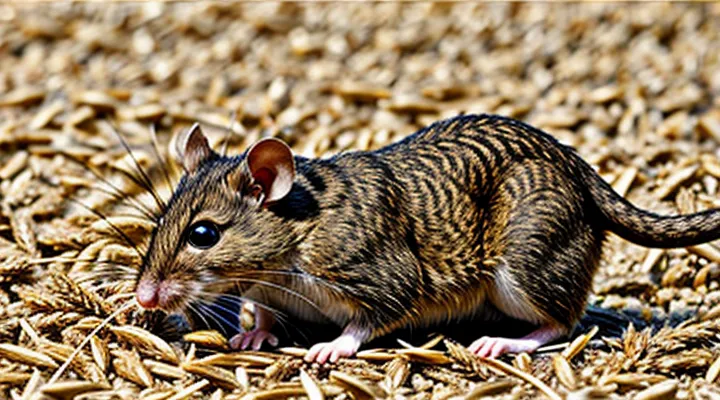
Understanding Rodenticide in Grain Form
What is Grain Rodenticide?
Grain rodenticide is a bait formulation that incorporates a toxicant into a grain matrix designed to attract rodents, particularly mice. The grain base mimics natural food sources, ensuring rapid consumption and delivering a precise dose of the active ingredient. Common active agents include anticoagulants such as bromadiolone or brodifacoum, as well as acute toxins like zinc phosphide, each selected for efficacy against mouse populations.
Key attributes of grain‑based rodenticide:
- Attractiveness: Grain varieties (e.g., wheat, barley, corn) match the dietary preferences of mice, promoting immediate uptake.
- Dosage control: The toxicant is uniformly mixed within the grain, guaranteeing consistent exposure per bite.
- Stability: Grain matrices protect the active ingredient from degradation caused by moisture, temperature fluctuations, or ultraviolet light.
- Application flexibility: The product can be distributed in targeted zones, along runways, or placed in bait stations without extensive equipment.
The formulation’s purpose is to provide an efficient, low‑maintenance solution for mouse infestations, delivering lethal doses while minimizing non‑target exposure when used according to label instructions.
How Grain Rodenticides Work
Active Ingredients
Grain‑based mouse bait relies on specific toxicants to achieve rapid mortality while minimizing non‑target exposure. The principal active ingredients used in these formulations are anticoagulants, neurotoxins, and metabolic disruptors, each with distinct pharmacological properties.
- Second‑generation anticoagulants (e.g., brodifacoum, difenacoum, bromadiolone). Inhibit vitamin K epoxide reductase, leading to irreversible depletion of clotting factors and internal hemorrhage. Effective after a single feeding; prolonged tissue residues require careful handling.
- First‑generation anticoagulants (e.g., warfarin, diphacinone). Require multiple feedings to produce lethal anticoagulation. Shorter environmental persistence makes them suitable for settings with heightened risk to wildlife.
- Neurotoxicants (e.g., zinc phosphide, strychnine). Release phosphine gas or block neurotransmission, causing rapid respiratory failure. High acute toxicity mandates strict adherence to label rates and restricted access.
- Metabolic disruptors (e.g., cholecalciferol). Induce hypercalcemia, resulting in cardiac failure. Offer an alternative mechanism for populations with anticoagulant resistance.
Resistance management demands rotation among these classes. Label instructions specify minimum inclusion rates, typically expressed in milligrams of active ingredient per kilogram of bait, to ensure lethal dose delivery without sublethal exposure. Storage conditions—dry, cool, and sealed containers—preserve potency and prevent degradation. Proper personal protective equipment and training are mandatory when handling any of these toxicants.
Mechanism of Action
Grain‑based mouse poison delivers an active ingredient that interferes with a specific physiological pathway in rodents. The most common agents are anticoagulants, such as bromadiolone or difethialone, and metabolic disruptors, such as zinc phosphide.
- Anticoagulant compounds inhibit vitamin K epoxide reductase, preventing regeneration of reduced vitamin K. This blocks γ‑carboxylation of clotting factors II, VII, IX, and X, leading to progressive hemorrhage.
- Zinc phosphide reacts with gastric acid to release phosphine gas, a potent cellular toxin that collapses mitochondrial respiration and induces multi‑organ failure.
The grain matrix protects the active ingredient from premature degradation and encourages ingestion by providing a familiar food source. Once consumed, the toxin is absorbed through the gastrointestinal tract and distributed systemically, where it engages the targeted biochemical process.
Effective deployment requires uniform distribution of the bait, placement in active foraging zones, and avoidance of non‑target exposure. Sufficient concentration ensures that each dose delivers a lethal amount relative to the mouse’s body weight, allowing the biochemical cascade to proceed to completion. Monitoring bait consumption and replacing depleted stations maintain the required exposure level throughout the control period.
Assessing the Infestation
Identifying Mouse Activity
Droppings and Gnaw Marks
Droppings and gnaw marks are primary indicators of mouse activity and guide the timing and placement of grain‑based rodenticide. Fresh droppings appear as small, dark, cylindrical pellets about 6–9 mm long; they are typically found along walls, behind appliances, and in stored‑product areas. Gnaw marks manifest as clean, crescent‑shaped cuts on wood, plastic, or packaging, often concentrated near food sources or entry points.
Accurate assessment of these signs determines the optimal application strategy:
- Identify clusters of droppings; concentrate bait within a 2‑foot radius of each cluster.
- Locate gnaw marks on structural components; place bait adjacent to the damage, ensuring mice encounter the product while foraging.
- Verify that droppings are fresh (moisture‑rich, not desiccated) to confirm active infestation; avoid treating areas with only old, dry pellets.
- Rotate bait locations after 48 hours if no new droppings appear, indicating avoidance or migration.
Monitoring after placement should focus on changes in droppings density and the emergence of new gnaw marks. A decline in fresh droppings and the absence of additional gnaw damage confirm effective uptake of the granular poison. Continuous observation allows timely re‑application before populations rebound.
Nests and Runways
Understanding where mice build nests and travel along runways is essential for effective placement of granular mouse poison. Nests are typically located in concealed areas such as wall voids, stored‑product bins, and beneath insulation. Runways are the linear pathways mice use to connect food sources, water, and nesting sites; they appear as smudged lines of urine, droppings, or gnaw marks along walls, baseboards, and near entry points.
Accurate identification of these structures guides bait positioning:
- Place granular bait directly within or adjacent to active nests, ensuring particles are hidden from predators and weather.
- Distribute bait along runways at intervals of 12–18 inches, focusing on the central portion of each pathway where mouse traffic is highest.
- Avoid placing bait in dry, dusty locations that mice bypass; moisture attracts foraging activity.
- Use a minimum of 0.5 g of bait per 0.5 m² of runway to maintain lethal dose density.
- Reinforce bait stations with tamper‑resistant containers when nests are in high‑traffic human areas.
When nests are in inaccessible voids, insert bait through drilled access holes or use thin‑walled tubes that can be pushed into cavities. For runways that intersect multiple rooms, create a continuous line of bait to prevent gaps that mice could exploit.
Monitoring after application should focus on reduced droppings and fewer sightings near previously active nests. Persistent activity indicates the need to relocate bait to secondary nests or alternate runways.
Estimating Infestation Size
Accurate estimation of mouse activity determines the dosage and distribution pattern of grain‑based rodenticide, preventing under‑treatment or unnecessary exposure.
Field indicators provide the fastest assessment:
- Presence of fresh droppings (dark, moist, 6‑10 mm long). Count droppings per square meter; 1–5 suggests low activity, 6–15 moderate, over 15 high.
- Gnaw marks on packaging, wooden structures, or wires. Record the number of distinct gnaw sites within a defined area.
- Trail paths visible in dust, flour, or powdered feed. Measure the width and continuity of each trail; continuous trails indicate established routes.
- Live captures or sightings during routine inspections. Log each observation with location and time.
Professional methods supplement visual cues:
- Capture‑Mark‑Recapture (CMR): Set a known number of live traps, mark captured mice, release, and re‑trap after 24‑48 hours. The ratio of marked to unmarked captures estimates total population using the Lincoln‑Petersen formula.
- Infrared motion sensors: Deploy sensors along walls and near feed stations. Count distinct motion events over a 24‑hour period; higher counts correlate with larger infestations.
- Bait consumption monitoring: Place a measured amount of non‑toxic bait in a sealed container. Weigh remaining bait after 24 hours; calculate consumption rate to infer mouse numbers.
Combine field indicators with quantitative data to produce a weighted estimate. Assign each metric a confidence factor (e.g., visual signs 0.4, CMR 0.3, sensor data 0.3). Sum the weighted values to obtain a final infestation index, guiding the amount of grain‑form poison to apply per square meter. This systematic approach ensures effective control while minimizing environmental risk.
Safety Considerations Before Application
Personal Protective Equipment («PPE»)
When applying grain‑based mouse poison, the operator must wear appropriate Personal Protective Equipment (PPE) to prevent dermal, inhalation, and accidental ingestion exposure. PPE components include:
- Disposable nitrile gloves that resist chemical penetration.
- Protective goggles or full‑face shield to guard eyes from splashes.
- N95 or higher respirator equipped with a filter rated for particulate and aerosolized toxins.
- Long‑sleeved, chemical‑resistant coveralls or aprons to shield skin and clothing.
- Waterproof boots with steel toe caps to protect feet and provide stability on uneven surfaces.
Each item should be inspected before use for tears, cracks, or compromised seals. Replace gloves and respirator filters according to manufacturer guidelines or after any contamination event. After completing the baiting operation, remove PPE in a designated decontamination area, dispose of single‑use items in sealed containers, and wash reusable garments with a detergent solution followed by a thorough rinse. Document PPE usage and any incidents in the application log to maintain compliance with safety regulations.
Protecting Children and Pets
Granular mouse poison offers an effective solution for indoor and outdoor infestations, but its attractiveness to children and pets creates a serious safety concern. The product’s palatable texture can be mistaken for food, increasing the likelihood of accidental ingestion.
Accidental exposure can cause severe neurological and gastrointestinal symptoms in both children and animals. Young children may explore low‑lying areas, while pets frequently investigate food sources on floors and in cabinets. Immediate medical attention is required for any suspected ingestion.
To minimize risk, follow these safeguards:
- Store the product in a locked, child‑proof container away from living spaces.
- Keep the poison out of reach of pets, preferably in a ceiling‑mounted or high‑shelf location.
- Apply the granules only in sealed bait stations designed to prevent non‑target access.
- Place stations along walls, behind appliances, and in concealed crawl spaces, avoiding areas where children play or pets roam.
- Use the minimum effective dose as indicated on the label; avoid over‑application.
- Inspect bait stations daily and remove them promptly after the infestation is resolved.
If ingestion is suspected, administer the following emergency steps: call emergency services or a poison control center, provide product information, avoid inducing vomiting unless instructed, and transport the victim to medical care without delay.
Consistent adherence to these practices protects vulnerable household members while preserving the efficacy of the grain‑based rodent control program.
Strategic Placement of Rodenticide
Choosing Bait Station Locations
High-Traffic Areas
High‑traffic zones in a building are pathways where mice move most frequently, including kitchen aisles, pantry shelves, utility corridors, and areas surrounding food storage. These locations concentrate rodent activity and provide the most reliable points for bait exposure.
Targeted placement of grain‑based mouse bait in these zones maximizes consumption while limiting waste. Bait stations must be positioned 1–2 m from walls, at a height of 5–10 cm above the floor, and spaced every 3–4 m along each passage. Each station should contain 5–10 g of product, enough to sustain multiple visits but insufficient to create large visible deposits.
Safety protocols require that bait stations be tamper‑resistant, locked, and placed out of reach of children and non‑target animals. Areas with open food preparation must be cleared of crumbs and spills before deployment to prevent accidental ingestion by pets. Personal protective equipment is mandatory when handling the product.
After initial placement, regular inspection occurs every 24 h for the first three days, then every 48 h. Observations include bait consumption, signs of mouse activity, and station integrity. Replenishment proceeds only when bait levels fall below 30 % of the original amount or when activity indicators increase.
Adhering to these guidelines ensures effective control of mouse populations in high‑traffic environments while maintaining compliance with safety standards.
Away from Food and Water Sources
Granular mouse poison must never be placed where it can contact edible products or drinking water. Direct exposure threatens human health, contaminates livestock feed, and violates safety regulations.
Placement guidelines:
- Locate bait stations at least 10 feet (3 m) from food storage areas, preparation surfaces, and animal troughs.
- Install bait within sealed, tamper‑resistant containers that prevent spillage.
- Position stations on non‑absorbent surfaces such as concrete or metal to avoid leaching.
Risk mitigation:
- Inspect storage rooms regularly for accidental drift or broken containers.
- Use physical barriers (e.g., plexiglass shields) when bait must be near operational zones.
- Employ signage to alert personnel of active rodenticide zones.
Compliance requires documentation of bait locations, distance measurements, and inspection logs. Maintaining strict separation safeguards food safety, protects non‑target species, and ensures effective pest control.
Types of Bait Stations
Tamper-Resistant Stations
Tamper‑resistant bait stations are essential components when deploying granular rodenticide targeting mice. Their design prevents unauthorized access, reduces accidental exposure, and limits secondary poisoning risks. Proper station placement, maintenance, and inspection ensure effective control while complying with safety regulations.
Key characteristics of an effective tamper‑resistant station:
- Secure latch mechanism that requires a specialized tool for opening.
- Durable construction resistant to weather, chewing, and vandalism.
- Clear labeling indicating active ingredient, concentration, and expiration date.
- Integrated bait compartment sized for granular formulations, allowing even distribution of the product.
Installation guidelines:
- Position stations along mouse travel routes, such as walls, baseboards, and near food storage areas.
- Mount stations at a height of 4–6 inches above the floor to match mouse foraging behavior.
- Secure each unit to a solid surface using the provided mounting hardware to prevent displacement.
- Verify that the latch remains closed after loading the bait, then record the station’s location for future checks.
Maintenance protocol:
- Inspect stations weekly for signs of tampering, damage, or bait depletion.
- Refill only when bait levels fall below 50 % of capacity, using the same granular formulation to maintain consistent exposure.
- Replace compromised units immediately to preserve the integrity of the control program.
By adhering to these practices, operators maximize the efficacy of granular rodenticide applications while minimizing hazards to non‑target species and humans.
Disposable Stations
Disposable stations provide a controlled environment for delivering grain‑based mouse bait while minimizing exposure to non‑target species. The stations are constructed from lightweight, single‑use material that disintegrates after disposal, eliminating the need for cleaning or reuse.
Key characteristics of disposable stations:
- Sealed interior: Prevents rodents from escaping with bait and restricts access to pets and children.
- Pre‑measured bait compartment: Contains a fixed amount of granulated rodenticide, ensuring consistent dosage per application.
- Tamper‑resistant entry: Requires a small mouse to push a hinged lid, reducing accidental disturbance by larger animals.
- Biodegradable exterior: Allows safe disposal in regular waste streams after the bait is exhausted or the station is no longer needed.
Proper placement enhances effectiveness:
- Identify high‑traffic mouse pathways such as along walls, behind appliances, and near food storage areas.
- Position stations perpendicular to the wall, with the entry opening facing the expected direction of travel.
- Space stations 10–15 ft apart in continuous infestations; increase density to 3–5 ft in severe cases.
- Install stations at least 2 inches above the floor to deter crawling insects while remaining accessible to mice.
Safety considerations:
- Store unopened stations in a locked, ventilated area until deployment.
- Wear disposable gloves when handling stations to avoid direct contact with the bait.
- Keep stations out of reach of children, pets, and wildlife; label the surrounding area with a warning sign.
- After the bait is depleted or the infestation is resolved, seal the station in a plastic bag and discard according to local hazardous waste regulations.
Monitoring and replacement:
- Inspect stations every 24 hours for bait consumption and signs of tampering.
- Replace stations immediately if bait is exhausted or if the station shows damage.
- Record the date of placement, location, and replacement to maintain an audit trail for integrated pest‑management documentation.
By adhering to these guidelines, disposable stations deliver precise, safe, and efficient application of granular rodenticide for mouse control, while simplifying post‑treatment disposal and reducing environmental risk.
Quantity and Distribution of Bait
Effective control of mouse populations using grain‑based rodenticide hinges on precise bait quantity and strategic placement. The goal is to present an attractive, lethal dose while minimizing exposure to non‑target species.
The recommended amount of bait depends on the infestation level and the size of the treatment area. A typical guideline is:
- Light infestation (≤ 5 mice per 100 m²): 5 g of bait per 100 m².
- Moderate infestation (5–15 mice per 100 m²): 10 g of bait per 100 m².
- Heavy infestation (> 15 mice per 100 m²): 15 g of bait per 100 m².
These figures assume a bait formulation delivering a lethal dose in a single consumption. Adjustments are necessary if the product’s active ingredient concentration differs from the standard label rate.
Distribution must ensure that mice encounter the bait quickly. Follow these principles:
- Place bait near walls, behind appliances, and in corners where mice travel.
- Use multiple small stations rather than a single large pile; each station should contain 1–2 g of bait.
- Space stations 1–2 m apart in high‑traffic zones; increase density to 0.5 m in severe infestations.
- Secure stations with tamper‑resistant containers to protect children, pets, and wildlife.
- Replace stations every 3–4 days, or sooner if bait is removed or contaminated.
Calculate total bait required by multiplying the per‑area rate by the treated surface, then divide the total into the number of stations determined by the spacing rule. For example, a 200 m² kitchen with moderate infestation would need 20 g of bait, distributed across roughly 10 stations placed at 2‑m intervals along walls and under cabinets.
Monitor activity daily. If signs of feeding persist after 7 days, reassess placement density and consider supplemental stations. Proper quantity and distribution reduce bait waste, expedite population reduction, and limit environmental risk.
Application Best Practices
Following Label Instructions
Dosage and Frequency
Accurate dosing of grain‑based mouse bait determines both effectiveness and safety. The label typically specifies a concentration of active ingredient per kilogram of grain, for example 0.5 g of anticoagulant per 1 kg of bait. Multiply this concentration by the total weight of bait placed in the target area to calculate the exact amount needed.
- Small indoor infestation (≤ 10 m²): 100 g bait, containing 0.05 g active ingredient.
- Medium indoor area (10‑30 m²): 250 g bait, containing 0.125 g active ingredient.
- Large indoor or light commercial space (> 30 m²): 500 g bait, containing 0.25 g active ingredient.
Do not exceed the maximum daily exposure listed on the product label, usually expressed as milligrams of active ingredient per kilogram of body weight for a mouse. Over‑application raises the risk of secondary poisoning and accelerates resistance development.
Frequency of placement follows a predictable pattern. Apply the calculated dose once, then inspect the bait stations after 48 hours. If consumption exceeds 50 % of the bait, replenish to maintain the recommended density. In the absence of visible reduction, reapply after 14 days to address new arrivals. For high‑traffic zones, a bi‑weekly schedule may be necessary during peak rodent activity.
All applications must respect the waiting period before food preparation or storage resumes, commonly 24 hours after bait removal. Record each dosing event, including date, location, and amount used, to ensure compliance with regulatory guidelines and to facilitate evaluation of control efficacy.
Re-baiting Schedule
Re‑baiting is a critical component of an effective grain‑based mouse control program. The schedule must align with the product’s residual activity, mouse feeding patterns, and environmental conditions to maintain lethal bait availability.
- Day 0: Place initial bait stations at identified activity zones. Ensure each station contains the recommended amount of bait per square foot.
- Day 3–5: Inspect stations for bait consumption. If consumption exceeds 50 % of the original load, add fresh bait to restore the target level.
- Day 7: Conduct a full replenishment. Replace any remaining bait with a fresh batch, regardless of consumption levels, to counteract degradation from moisture or temperature.
- Day 14: Perform a second full replenishment. This interval matches the typical decline in bait potency for grain formulations.
- Day 21 and onward: Continue weekly inspections. Re‑bait only stations showing ≥30 % depletion or signs of new mouse activity. Maintain a minimum of two full‑strength bait placements per station during the peak infestation period.
Monitoring should include visual assessment of bait integrity, tracking of consumption rates, and recording of mouse sightings. Adjust the frequency if environmental factors accelerate bait breakdown, such as high humidity or heavy rainfall. Document all observations to refine future schedules and ensure consistent control efficacy.
Secure Placement of Bait
Secure placement of grain‑based rodenticide is essential for effective mouse control and for preventing accidental exposure of non‑target species. Position bait stations where mouse activity is confirmed, such as along walls, behind appliances, and near entry points. Ensure stations are protected from rain, humidity, and direct sunlight to maintain bait potency.
Key considerations for safe deployment:
- Install bait within tamper‑resistant containers that lock out pets, children, and wildlife.
- Mount stations at a height of 4–6 inches above the floor, the typical travel path for mice.
- Locate devices at least 10 feet from food preparation surfaces, pet feeding areas, and open drainage.
- Use weather‑proof seals or cover plates to shield bait from precipitation and dust.
- Verify that stations are anchored to prevent displacement by wind or other animals.
Regularly inspect each station for damage, moisture infiltration, and bait depletion. Replace compromised units immediately to maintain both efficacy and safety.
Monitoring and Inspection
Effective use of granular mouse poison demands systematic monitoring and thorough inspection. After placement, record the exact date, location, and quantity of each bait application. Maintain a log that includes weather conditions, observed rodent activity, and any non‑target exposure incidents.
During the first 24 hours, verify that bait stations remain intact and that bait has not been displaced by moisture or other animals. Continue checks at regular intervals:
- Daily for the initial three days to detect early consumption patterns.
- Every 48 hours thereafter until activity declines to baseline levels.
- Weekly for the final two weeks to confirm complete eradication.
Inspection should focus on the following criteria:
- Presence of fresh gnaw marks or rodent droppings near bait stations.
- Integrity of the bait matrix; any clumping or degradation requires immediate replacement.
- Signs of secondary poisoning in predators or scavengers; capture and examine any dead wildlife in the vicinity.
- Compliance with label‑specified safety distances from food preparation areas, water sources, and non‑target habitats.
Document all findings in the monitoring log, noting corrective actions such as repositioning stations, adjusting bait concentration, or initiating additional applications. Consistent record‑keeping provides evidence of compliance with regulatory requirements and supports evaluation of overall control efficacy.
Post-Application Management
Safe Disposal of Carcasses
When mouse carcasses result from the use of granular rodenticide, immediate and controlled disposal prevents secondary poisoning, disease spread, and environmental contamination.
First, isolate the dead animal. Place the carcass in a sealed, puncture‑resistant container such as a heavy‑duty plastic bag or a rigid box. Ensure the container is labeled with a hazard warning and the date of collection.
Second, protect personnel. Wear disposable gloves, a disposable gown or coverall, and eye protection. If local regulations require it, add a disposable respirator. Dispose of all protective equipment as contaminated waste.
Third, follow regulatory guidelines. Most jurisdictions classify rodenticide‑laden carcasses as hazardous waste. Submit the sealed container to an authorized disposal facility or arrange collection through a licensed waste management service. Do not discard the carcass in regular trash, compost, or sewage systems.
Fourth, document the process. Record the location, date, amount of rodenticide applied, and disposal method. Retain these records for the period required by local environmental or health authorities.
Key points for safe disposal:
- Use a sealed, puncture‑resistant container.
- Label the container with hazard information.
- Wear appropriate personal protective equipment.
- Transfer to a licensed hazardous‑waste handler.
- Maintain accurate disposal records.
Adhering to these steps eliminates health risks, complies with legal requirements, and safeguards the surrounding ecosystem.
Sanitation and Prevention
Eliminating Food Sources
Effective control of mice using grain‑based rodenticide depends on removing accessible food. When food is scarce, bait consumption rises, increasing the likelihood that individuals will ingest a lethal dose.
Identify and eliminate sources. Store grain, pet food, and kitchen waste in sealed containers made of metal or thick plastic. Clean floors, countertops, and shelves regularly to eliminate crumbs and spills. Dispose of garbage in tightly lidded bins and remove compost piles from the immediate area.
Secure structural entry points. Install metal mesh or steel wool in gaps around doors, windows, and utility openings. Repair damaged screens and seal cracks in walls, foundations, and under appliances.
Implement sanitation before bait placement. Perform a thorough sweep of the target zone, then vacuum to remove residual particles. Allow a dry period of at least 24 hours after cleaning before distributing the granulated bait.
Maintain bait integrity. Place the grain formulation in tamper‑resistant stations positioned along mouse pathways, away from non‑target food sources. Monitor stations daily; replenish only when consumption drops below a visible threshold.
Document actions. Record dates of cleaning, storage upgrades, and bait placement. Review logs weekly to verify that no new food sources have emerged and adjust measures promptly.
By systematically denying mice alternative nourishment, the grain bait becomes the primary attractant, maximizing efficacy while reducing risk to other animals.
Sealing Entry Points
Sealing entry points prevents mice from accessing bait stations, reduces the likelihood of reinfestation, and protects stored grain from contamination. Identify all potential openings by inspecting building foundations, walls, floors, ceilings, and utility penetrations. Prioritize gaps larger than ¼ inch, as they permit mouse entry.
- Fill cracks and holes with steel wool or copper mesh, then apply a durable sealant such as polyurethane caulk or expanding foam.
- Install metal flashing around doorframes, windows, and vent openings; secure with screws to create a continuous barrier.
- Replace damaged weatherstripping on doors and windows; choose low‑profile, compression‑type seals that compress tightly when closed.
- Guard utility lines and pipe sleeves with heavy‑gauge metal collars or concrete sleeves; avoid using soft materials that rodents can gnaw through.
- Verify that crawl spaces and attic access points are covered with rigid, rodent‑proof panels or thick metal sheeting.
After initial sealing, conduct a follow‑up inspection within two weeks to confirm that no new gaps have formed. Maintain the barrier by repairing any wear caused by weather, building movement, or accidental damage. Consistent upkeep of sealed entry points enhances the effectiveness of grain‑based mouse control measures and safeguards stored products from future infestation.
When to Seek Professional Help
Applying granular mouse poison can control small infestations, but certain conditions require expert intervention. Recognizing these situations prevents ineffective treatment, health hazards, and regulatory violations.
Typical indicators that professional assistance is necessary include:
- Infestation spreads beyond a single room or covers multiple structures.
- Presence of children, pets, or vulnerable individuals in the treated area.
- Detection of non‑target wildlife or domestic animals that have accessed the bait.
- Evidence of bait resistance, such as repeated sightings of live mice after multiple applications.
- Legal or contractual restrictions, for example in rental properties, schools, or food‑processing facilities.
- Uncertainty about proper dosage, placement, or disposal of unused product.
When a professional pest‑control service is engaged, they provide:
- Accurate assessment of infestation magnitude and source points.
- Selection of appropriate formulations and calibrated application rates.
- Compliance with local regulations and safety standards.
- Monitoring and documentation of outcomes to confirm eradication.
Environmental and Health Impacts
Potential Risks to Non-Target Animals
Grain‑based mouse poison poses measurable hazards to wildlife, domestic pets, and beneficial insects when applied without strict controls. Non‑target mammals can ingest the bait directly or indirectly through scavenging, leading to acute toxicity or sub‑lethal effects that impair reproduction and behavior. Birds attracted to seed remnants may experience rapid onset of symptoms, especially ground‑feeding species that mistake the granules for natural food sources. Reptiles and amphibians, though less likely to consume the product, can be exposed through contaminated soil or water, resulting in bioaccumulation and ecosystem disruption.
Key exposure pathways include:
- Direct consumption of untreated bait by animals outside the target area.
- Secondary poisoning when predators or scavengers eat rodents that have ingested the rodenticide.
- Environmental diffusion of active ingredients into water bodies, affecting aquatic organisms.
Mitigation requires precise placement of bait stations, exclusion devices that limit access to target rodents, and regular monitoring of surrounding habitats to detect unintended consumption. Prompt removal of residual granules after the control period reduces lingering risk. Documentation of bait locations and adherence to label instructions are essential components of responsible usage.
Handling Accidental Ingestion
Accidental ingestion of grain‑based mouse poison requires rapid, coordinated response to minimize health risks.
First‑aid measures focus on stabilizing the victim and preventing further absorption. If the person is conscious and able to swallow, encourage drinking plain water or milk; avoid inducing vomiting unless directed by a medical professional. For children or individuals unable to cooperate, keep the airway clear and monitor breathing.
Professional guidance must be obtained immediately. Call the local poison‑control center or emergency services, providing product name, quantity ingested, time of exposure, and the victim’s age and weight. Follow the instructions given, which may include administration of activated charcoal or specific antidotes.
Medical evaluation should include:
- Vital‑sign assessment (respiratory rate, heart rate, blood pressure).
- Physical examination for signs of anticoagulant toxicity (e.g., bruising, bleeding).
- Laboratory tests such as prothrombin time, INR, and complete blood count.
- Imaging if internal bleeding is suspected.
Treatment protocols depend on the toxic agent. For anticoagulant rodenticides, vitamin K1 therapy is standard; dosage is weight‑based and may continue for several weeks. Supportive care—fluid replacement, blood products, or clotting factor concentrates—addresses severe hemorrhage.
Documentation is essential for follow‑up and regulatory reporting. Record the incident details, product label information, and all medical interventions. Notify the facility’s safety officer to review storage practices and prevent recurrence.
Preventive actions include:
- Storing grain bait in sealed, labeled containers away from food preparation areas.
- Using child‑proof dispensers and posting clear warning signs.
- Conducting regular training on emergency procedures for all personnel handling the product.
Prompt, systematic handling of accidental ingestion reduces morbidity and ensures compliance with safety standards.
Regulations and Compliance
Regulatory frameworks governing grain‑based mouse bait require adherence to federal, state, and local statutes. The primary legislation is the Federal Insecticide, Fungicide, and Rodenticide Act (FIFRA), which mandates registration of the active ingredient, labeling that includes dosage instructions, restricted‑use classification, and mandatory safety warnings. State pesticide boards may impose additional limits on application rates, seasonal restrictions, and certification requirements for applicators.
Compliance obligations include:
- Maintaining the current Safety Data Sheet (SDS) on site and ensuring all personnel can access it.
- Verifying that the product label specifies the maximum amount of bait per square foot and the allowable frequency of re‑application.
- Recording each application with date, location, quantity used, and the name of the certified applicator.
- Restricting access to treated areas to prevent non‑target exposure, as outlined in the label’s restricted‑entry interval.
- Disposing of unused bait and contaminated containers according to hazardous waste regulations, typically through a licensed disposal contractor.
Penalties for non‑compliance range from civil fines to suspension of pesticide licenses. Enforcement agencies conduct inspections that focus on label conformity, record accuracy, and proper storage conditions, such as temperature control to preserve bait efficacy. Failure to meet these standards can result in product seizure and legal liability for damages caused by off‑target poisoning.
To sustain compliance, organizations should implement a written pest‑management plan that integrates the above requirements, schedules periodic audits, and provides training for all staff involved in bait handling. Continuous monitoring of regulatory updates ensures that application practices remain aligned with the latest legal expectations.