
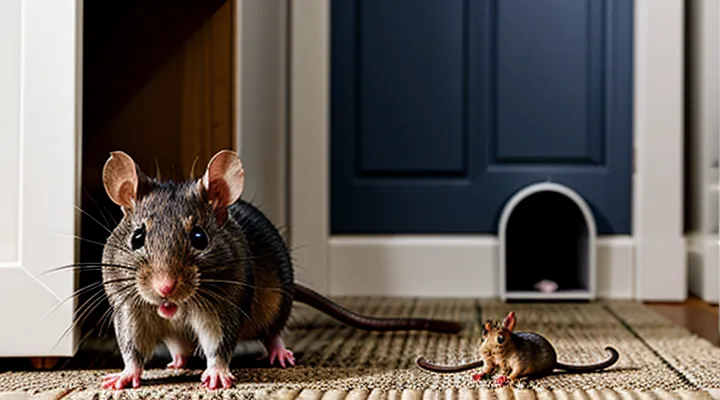
Understanding Rodenticides
Types of Rodent Poisons
Anticoagulants
Anticoagulant rodenticides interfere with the blood‑clotting cascade by blocking vitamin K recycling. The resulting deficiency prevents the formation of functional clotting factors, leading to internal bleeding and death in target rodents. Common active ingredients include warfarin, bromadiolone, difenacoum, and brodifacoum, each varying in potency and persistence.
When applying these compounds inside a residence, follow strict safety protocols:
- Store the product in its original, sealed container, away from food, pet supplies, and children’s reach.
- Wear disposable gloves during handling; wash hands thoroughly afterward.
- Place bait stations in concealed, inaccessible locations such as behind appliances, under cabinets, or within wall voids.
- Use the manufacturer‑recommended amount; excess bait does not increase efficacy and raises secondary‑poisoning risk.
- Monitor stations regularly; replace depleted baits promptly to maintain control pressure.
Secondary exposure poses the greatest hazard to non‑target animals. If a pet or child ingests bait, immediate medical evaluation is required. Vitamin K1 therapy can reverse anticoagulant effects if administered promptly. Keep emergency contact numbers and an antidote kit accessible.
Regulatory agencies classify anticoagulant rodenticides as restricted-use products in many jurisdictions. Compliance with local labeling, disposal, and reporting requirements prevents legal violations and environmental contamination.
Alternative or complementary methods include mechanical traps, ultrasonic deterrents, and habitat modification. Combining non‑chemical approaches with minimal, properly managed anticoagulant bait reduces overall toxin load while maintaining effective rodent suppression.
Non-Anticoagulants
Non‑anticoagulant rodenticides provide an alternative to blood‑clotting agents for controlling mice and rats in residential settings. These products act on the nervous system, metabolic pathways, or cellular membranes, delivering rapid lethality without the delayed action typical of anticoagulants.
Common categories include:
- Bromethalin – disrupts mitochondrial function, causing cerebral edema and death within 24‑48 hours.
- Cholecalciferol (vitamin D₃) – induces hypercalcemia, leading to organ failure in a few days.
- Zinc phosphide – releases phosphine gas upon ingestion, producing acute respiratory and cardiovascular collapse.
- Sodium fluoroacetate (1080) – interferes with the citric‑acid cycle, resulting in fatal energy depletion.
Safety considerations for home use:
- Store products in locked containers, out of reach of children and pets.
- Place bait stations in concealed locations, such as behind appliances or inside wall voids, to limit accidental exposure.
- Use the minimum effective dose as specified by the manufacturer; excess amounts increase risk without improving efficacy.
- Wear disposable gloves when handling baits, and wash hands thoroughly afterward.
- Dispose of spent bait stations according to local hazardous‑waste regulations to prevent secondary poisoning.
Advantages over anticoagulants include faster kill times, reduced risk of sub‑lethal exposure, and lower likelihood of resistance development. However, the rapid action demands strict adherence to placement protocols, because non‑target species may be affected if baits are accessible. Selecting a product with a clear label, following dosage instructions, and employing secure bait stations together ensure effective rodent control while maintaining household safety.
How Rodenticides Work
Mechanism of Action for Anticoagulants
Anticoagulant rodenticides disrupt blood clotting by targeting the vitamin K cycle. The active compounds—such as warfarin, bromadiolone, brodifacoum, and difenacoum—bind to the enzyme vitamin K epoxide reductase (VKOR). This inhibition prevents the regeneration of reduced vitamin K, a co‑factor required for the γ‑carboxylation of clotting factors II, VII, IX, and X in the liver. Without γ‑carboxylation, these proteins remain inactive, and the coagulation cascade cannot produce fibrin clots. The resulting deficiency leads to spontaneous internal hemorrhage, which ultimately kills the rodent.
Key steps in the biochemical interruption are:
- Anticoagulant molecule enters the bloodstream after ingestion.
- Compound associates with the VKOR active site, blocking electron transfer.
- Reduction of vitamin K epoxide to active vitamin K is halted.
- Synthesis of functional clotting factors ceases.
- Existing clotting factors are depleted through normal turnover.
- Hemostatic failure manifests as internal bleeding, usually after 2–5 days.
The delayed onset of lethal effects reduces bait aversion, allowing the poison to be consumed in sufficient quantities. Safety in residential settings depends on restricting access to the bait, using tamper‑resistant containers, and placing stations where children and non‑target animals cannot reach them. Proper handling minimizes the risk of secondary exposure while maintaining efficacy against mice and rats.
Mechanism of Action for Non-Anticoagulants
Non‑anticoagulant rodenticides eliminate rodents by disrupting physiological pathways unrelated to blood clotting. Their action typically involves rapid onset of neurological or metabolic failure, which reduces the risk of bait aversion and secondary poisoning when used correctly in domestic settings.
The most common classes operate as follows:
- Bromethalin: Inhibits mitochondrial oxidative phosphorylation, causing cellular energy depletion. Accumulation of cyclic AMP leads to cerebral edema and paralysis, resulting in death within 24–48 hours after ingestion.
- Cholecalciferol (Vitamin D₃): Induces hypercalcemia by enhancing intestinal calcium absorption and mobilizing skeletal stores. Elevated calcium precipitates in soft tissues, impairing cardiac and renal function; mortality occurs within 3–5 days.
- Zinc phosphide: Reacts with gastric acid to release phosphine gas, a potent cellular toxin that interferes with cytochrome c oxidase in the electron transport chain. Respiratory failure and multi‑organ collapse develop within hours.
- Metaldehyde: Triggers excessive release of acetylcholine at neuromuscular junctions, causing uncontrolled muscular contractions, paralysis, and eventual respiratory arrest within 12–36 hours.
These agents bypass the coagulation cascade, making them suitable for situations where anticoagulant resistance is documented or where rapid control is required. Proper placement of bait, adherence to label dosage, and prevention of access by non‑target species are essential to maintain safety in a household environment.
Safe Application and Handling
Pre-Application Checklist
Identifying Infestation Areas
Signs of rodent activity include gnaw marks on wood or plastic, droppings near food sources, and pathways of shredded material. Fresh droppings are dark, rod-shaped, and often found in corners, behind appliances, or along baseboards. Chewed wires, insulation, and stored product packaging indicate ongoing presence.
Typical infestation zones comprise kitchens, pantry shelves, utility rooms, and areas where food waste accumulates. Structures offering concealment—such as wall voids, attics, crawl spaces, and beneath floorboards—also serve as nesting sites. Exterior entry points, including gaps around pipes, vents, and foundation cracks, frequently lead to indoor colonization.
Effective detection requires systematic inspection. Begin by clearing clutter to expose potential runways. Use a flashlight to examine low-light zones and a magnifying lens for small droppings. Deploy sticky monitoring boards along suspected routes for a 48‑hour observation period. Record locations of all evidence with timestamps to establish activity patterns.
Before deploying any rodent control product, map identified hotspots on a floor plan. Prioritize areas with direct food access and high traffic. Ensure that bait placement complies with safety guidelines for households with children or pets, selecting enclosed stations and positioning them away from food preparation surfaces. This structured approach maximizes efficacy while minimizing risk.
Securing Food Sources
Securing food sources is a fundamental step in minimizing rodent activity and ensuring that rodent‑control products are used safely within a residence. When food is inaccessible, mice and rats are less likely to congregate, reducing the chance that non‑target animals or children encounter bait.
First, store all dry goods—cereals, grains, pet food, flour—in airtight containers made of metal or heavy‑wall plastic. Second, clean countertops, floors, and dining areas promptly after meals; remove crumbs and spills that could attract pests. Third, keep garbage in sealed bins with tight‑fitting lids and empty them regularly. Fourth, eliminate outdoor attractants by using wildlife‑proof feeders, trimming vegetation away from building foundations, and sealing gaps around doors, windows, and utility penetrations.
Implementing these measures creates an environment where rodent poison can be placed in targeted locations without exposing household members or pets to unnecessary risk. The combination of diligent food security and strategic bait placement maximizes efficacy while maintaining safety standards.
Protecting Pets and Children
When rodent control products are used inside a residence, the greatest risk to non‑target occupants—namely pets and children—stems from accidental ingestion, dermal contact, or inhalation of toxic bait. Mitigating that risk requires a systematic approach that addresses product selection, placement, and emergency response.
Choose formulations specifically labeled as child‑ and pet‑safe. These typically contain lower concentrations of anticoagulants, bittering agents, or enclosed bait stations that prevent direct handling. Verify that the active ingredient complies with regulatory limits for residential environments and that the manufacturer provides a clear safety data sheet.
Place bait stations out of reach:
- Mount on walls at least 18 inches above floor level.
- Install behind appliances, inside cabinets, or within sealed containers.
- Avoid areas where children play, feed pets, or store food.
Secure storage locations:
- Keep all unused product in a locked cabinet separate from food supplies.
- Use original packaging to retain hazard warnings.
- Record the expiration date and discard any product past its shelf life.
Implement household protocols:
- Educate all family members about the appearance of bait and the importance of not handling it.
- Restrict pet access to rooms where stations are installed; use pet gates or doors.
- Conduct regular inspections to ensure stations remain intact and bait is not exposed.
Prepare for accidental exposure:
- Keep the emergency contact number for the local poison control center readily available.
- Store a first‑aid kit containing activated charcoal and instructions for induced vomiting, if recommended by professionals.
- In case of suspected ingestion, seek veterinary or medical assistance immediately; provide product name, active ingredient, and amount ingested.
By integrating these measures, homeowners can maintain effective rodent management while preserving a safe environment for children and companion animals.
Placement Strategies
Indoor Placement
Position bait stations where rodent activity is confirmed and access is limited to non‑target occupants. Place devices along walls, behind appliances, and in concealed gaps such as under sinks or within cabinets. Ensure each location is at least 6 inches from food preparation surfaces and away from open windows or vents.
Secure stations in tamper‑resistant containers to prevent accidental exposure. Use mounting brackets or adhesive pads that keep the bait out of reach of children and pets. Verify that the container’s latch engages fully before adding poison.
Recommended indoor locations:
- Behind the refrigerator, near the floor
- Inside the pantry, on the back wall
- Under the kitchen sink, against the cabinet side
- In the garage, along the perimeter near stored boxes
- Near utility room entry points, close to baseboards
Inspect stations weekly. Replace depleted units promptly and record each change to maintain continuous coverage. Dispose of used containers according to local hazardous‑waste regulations.
Outdoor Placement
When using rodent control products outdoors, position bait stations in locations where non‑target animals and children cannot access them. Place stations along walls, under eaves, or near known travel routes such as fence lines and garden edges. Secure stations to the ground or a fixed structure to prevent displacement by wind or rain.
Select sites that remain dry and shaded. Moisture can degrade active ingredients, reducing efficacy and increasing the risk of runoff. Elevate bait containers on a small platform or use weather‑resistant housings to keep contents dry during precipitation.
Avoid placement near food sources intended for pets or wildlife. Position stations at least 10 feet away from compost piles, bird feeders, and animal shelters. This distance minimizes accidental ingestion and limits attraction of non‑target species.
Consider seasonal factors. In colder months, locate bait in insulated enclosures to maintain potency. During hot weather, ensure stations are not exposed to direct sunlight, which can cause rapid degradation of the formulation.
Maintain a record of all outdoor stations. Include location, date of placement, and product type. Regularly inspect stations for damage, depletion, or signs of tampering, and replace as needed.
Key practices for safe outdoor deployment:
- Secure stations to prevent movement.
- Keep bait dry and shaded.
- Maintain a minimum 10‑foot buffer from food sources.
- Use insulated or weather‑proof housings according to climate.
- Document locations and monitor condition regularly.
Proper Handling Techniques
Wearing Protective Gear
When applying toxic baits for mice and rats in a residence, direct skin contact or inhalation can cause acute irritation, systemic toxicity, or accidental ingestion. Protective equipment creates a barrier that prevents the poison from reaching the body and reduces the risk of secondary exposure to family members and pets.
Essential items include:
- Disposable nitrile or latex gloves that cover the wrist and forearm.
- Long‑sleeved, chemical‑resistant clothing such as coveralls or a lab coat.
- Safety goggles or a full face shield to block splashes and dust.
- A particulate‑filtering respirator (N95 or higher) if the bait generates fine particles or aerosolized dust.
Apply the bait with a dedicated applicator, never with bare hands. After placement, remove gloves and clothing without touching the exterior, seal them in a plastic bag, and wash hands thoroughly with soap and water. Store remaining poison in its original container, tightly closed, and keep it out of reach of children and animals. Regularly inspect the area for spills; if contamination occurs, clean with a damp cloth while still wearing gloves and goggles, then dispose of waste according to local hazardous‑waste regulations.
Preventing Contamination
When using rodent control products inside a residence, contamination of food, surfaces, and non‑target organisms must be avoided. Place bait stations in sealed, tamper‑proof containers that lock the poison inside while allowing rodents to enter. Locate stations away from countertops, pantry shelves, and pet feeding areas to prevent accidental ingestion.
Key practices for contamination prevention:
- Install bait only in concealed locations such as wall voids, under appliances, or in dedicated traps.
- Use low‑profile stations with built‑in barriers that restrict access to children and pets.
- Keep all food items in airtight containers; clean spills immediately to eliminate attractants.
- Dispose of spent baits and dead rodents in sealed bags, then place them in an outdoor waste bin.
- Follow manufacturer instructions regarding dosage and re‑application intervals; do not exceed recommended amounts.
Regularly inspect stations for leakage or damage. Replace compromised units promptly to maintain a secure environment and ensure the effectiveness of the rodent control program.
Post-Application Safety Measures
Disposal of Baits and Carcasses
Safe Disposal Methods
When rodent bait is no longer needed or has been used, it must be removed from the household in a way that prevents accidental exposure and environmental contamination. The following procedures ensure that disposal complies with safety standards and local regulations.
- Place each bait container in a sealed, puncture‑resistant bag. Close the bag tightly, then place it inside a second, larger trash bag.
- Label the outer bag with “hazardous rodent bait – do not recycle” to alert waste handlers.
- Store the sealed bags in a cool, dry area away from children and pets until collection.
- Deliver the packages to a municipal hazardous‑waste facility, a licensed pest‑control disposal service, or a designated drop‑off point. If a collection program is unavailable, contact the local health department for guidance.
- For small quantities of liquid or powdered poison, pour the remaining material into a container that can be sealed permanently, then follow the same double‑bagging process.
Never discard bait in regular recycling streams, compost, or down‑spouts. Improper disposal can lead to secondary poisoning of wildlife and pose health risks to humans. By adhering to these steps, households eliminate hazardous residues while complying with environmental protection requirements.
Environmental Considerations
Rodent control products used in residential settings can introduce hazardous chemicals into the indoor and outdoor environment. Improper placement of bait stations may lead to accidental ingestion by pets, children, or wildlife, resulting in secondary poisoning. Contamination of soil and water sources occurs when discarded or leached poison reaches drainage systems, persisting in ecosystems and affecting non‑target organisms.
To mitigate environmental impact, follow these practices:
- Store bait in sealed containers away from heat and sunlight.
- Position traps and stations in inaccessible areas, using tamper‑resistant designs.
- Dispose of unused or expired poison according to local hazardous‑waste guidelines; never pour into sinks or toilets.
- Choose products with low persistence and specific active ingredients that degrade rapidly outside the target environment.
- Keep records of application dates and locations to facilitate monitoring and corrective actions if needed.
Regulatory agencies classify many rodent control chemicals as restricted use due to ecological risks. Compliance with labeling instructions, safety data sheets, and regional pesticide regulations ensures that usage does not compromise biodiversity or public health. Selecting integrated pest‑management strategies—such as sealing entry points, maintaining sanitation, and employing mechanical traps—reduces reliance on chemical agents and lessens overall environmental burden.
Emergency Procedures
Accidental Ingestion by Humans
Accidental ingestion of rodent control agents poses immediate health risks. Toxic compounds commonly used against mice and rats, such as anticoagulants, bromadiolone, and bromethalin, interfere with blood clotting or disrupt neuronal function. Ingested doses as low as a few milligrams can trigger severe bleeding, neurological impairment, or organ failure.
Typical symptoms appear within hours to days, depending on the active ingredient:
- Unexplained bruising, nosebleeds, or gum bleeding (anticoagulant exposure)
- Weakness, dizziness, seizures, or loss of coordination (neurotoxic agents)
- Nausea, vomiting, abdominal pain, or diarrhea
Prompt medical intervention is critical. First‑aid measures include:
- Call emergency services or a poison‑control center immediately.
- Do not induce vomiting unless instructed by a professional.
- If the victim is conscious, give small sips of water to dilute the toxin.
- Provide details about the product name, active ingredient, and amount suspected.
Preventive actions reduce the likelihood of human consumption:
- Store all bait containers in locked cabinets, out of reach of children and pets.
- Use tamper‑resistant packaging and place bait stations where only target rodents can access them.
- Keep the original label and safety data sheet accessible for reference.
- Educate household members about the dangers of handling or tasting bait.
If ingestion is suspected, rapid assessment and treatment with specific antidotes—such as vitamin K₁ for anticoagulant poisoning—significantly improve outcomes. Continuous vigilance and strict adherence to storage guidelines are essential for safeguarding human health while managing rodent problems at home.
Accidental Ingestion by Pets
Accidental consumption of rodent bait by dogs or cats can lead to severe toxicity. The active ingredients, often anticoagulants, neurotoxins, or metal phosphides, interfere with blood clotting, nervous system function, or cellular metabolism. Symptoms may appear within minutes to several hours and include vomiting, diarrhea, lethargy, bleeding from gums or nose, seizures, and respiratory distress. Prompt veterinary intervention is essential; delay reduces the likelihood of a positive outcome.
If a pet is suspected of ingesting poison, follow these steps:
- Remove the animal from the contaminated area immediately.
- Contact a veterinarian or an emergency animal poison control hotline without delay.
- Provide the product label or a detailed description of the bait, including active ingredient and concentration.
- Do not induce vomiting unless instructed by a professional.
- Gather any remaining bait and packaging for reference.
Preventive measures reduce the risk of accidental exposure:
- Place bait stations in locations inaccessible to pets, such as behind secured baseboards, inside locked cabinets, or within tamper‑proof containers.
- Use bait formulations designed for indoor use that emit low odor and are less attractive to non‑target animals.
- Install physical barriers, such as pet gates, to restrict access to rooms where bait is deployed.
- Conduct regular inspections to ensure bait is intact and not displaced.
- Educate household members about the dangers of rodent control products and the importance of proper storage.
Monitoring pets after exposure is critical. Observe for any abnormal behavior for at least 24 hours, even if initial symptoms are absent. Keep emergency contact information readily available and maintain a supply of activated charcoal or other recommended antidotes as advised by a veterinarian.
Prevention and Monitoring
Ongoing Inspection
Continuous monitoring is essential when applying anticoagulant or non‑anticoagulant baits inside residential spaces. Regular checks verify that the product remains in its original condition, that no unauthorized individuals—especially children or pets—have accessed the bait stations, and that the targeted rodents are responding as expected.
Ongoing inspection protects occupants, maintains efficacy, and prevents secondary poisoning. Inspectors must confirm that each station is intact, that bait has not degraded, and that any signs of rodent activity are documented promptly.
Typical inspection routine includes:
- Visual examination of all bait stations for damage, displacement, or spillage.
- Verification that the bait quantity matches the label’s recommended amount.
- Assessment of environmental factors such as moisture, temperature, or food residues that could compromise bait integrity.
- Recording of observed rodent droppings, gnaw marks, or live captures.
- Immediate removal or replacement of compromised bait and sealing of the station.
Documentation should capture date, time, inspector name, station location, and corrective actions taken. Any deviation from expected conditions triggers a reassessment of placement strategy, dosage, or alternative control measures. Maintaining this systematic review loop ensures that indoor rodent control remains both effective and safe for household members.
Sealing Entry Points
Sealing entry points prevents rodents from accessing bait, reducing the amount of poison needed and limiting exposure to non‑target animals. Identify gaps larger than a quarter‑inch in walls, foundations, doors, windows, and utility penetrations. Repair or block these openings before deploying any rodenticidal product.
Typical measures include:
- Installing steel wool or copper mesh in small cracks, then covering with caulk or expanding foam.
- Applying weather‑stripping to doors and windows to eliminate gaps.
- Installing metal flashing around utility lines, vents, and pipe penetrations.
- Using concrete or masonry patching for larger holes in foundations or exterior walls.
- Securing gaps around baseboards and trim with sealant or removable covers for inspection.
After all potential routes are sealed, place the poison in a limited number of strategically located stations. This combination of exclusion and targeted baiting maximizes effectiveness while maintaining a safe environment for occupants and pets.
Risks and Alternatives
Potential Dangers of Rodenticides
Secondary Poisoning
Rodent control products used inside dwellings contain anticoagulant or neurotoxic agents that can affect non‑target animals if they ingest bait directly or consume a poisoned rodent. This phenomenon, known as secondary poisoning, poses risks to pets, wildlife, and household members.
When a mouse or rat dies after consuming poison, its tissues retain active compounds for several days. A cat, dog, or bird that eats the carcass may receive a dose sufficient to cause internal bleeding, neurological impairment, or death. Children can be exposed by handling contaminated bait or dead rodents, leading to accidental ingestion.
Preventive measures reduce secondary poisoning risk:
- Place bait stations where only rodents can enter; lockable containers prevent accidental contact.
- Locate stations away from pet feeding areas, bird feeders, and children's play zones.
- Use bait formulations with low secondary toxicity, such as first‑generation anticoagulants that degrade rapidly after death.
- Remove dead rodents promptly; wear gloves and dispose of them in sealed bags placed in a locked trash container.
- Keep pets supervised; discourage hunting behavior by providing alternative enrichment and feeding schedules.
If exposure is suspected, seek immediate veterinary or medical assistance. Provide details about the product type, amount ingested, and time of exposure to facilitate appropriate treatment.
Environmental Impact
Rodent control chemicals used in residential environments can affect ecosystems beyond the target species. When bait is placed indoors, accidental spillage or improper disposal may introduce toxic substances into household waste streams, ultimately reaching landfills or sewage systems. Persistent active ingredients can leach into soil, where they may be absorbed by plants or enter groundwater, posing risks to invertebrates, amphibians, and small mammals that forage near the home.
Non‑target wildlife is vulnerable to secondary poisoning. Predators such as cats, owls, and snakes that consume poisoned rodents can accumulate toxins, leading to morbidity or mortality. Scavengers that encounter discarded bait or dead rodents may also be exposed. The magnitude of these effects depends on the toxicity class of the product, its degradation rate, and the likelihood of exposure outside the intended area.
Mitigation measures reduce environmental burden:
- Store bait in sealed containers away from pets and children.
- Place traps or bait stations in locations inaccessible to wildlife, such as interior wall voids or sealed outdoor enclosures.
- Choose products with rapid degradation profiles (e.g., first‑generation anticoagulants) when appropriate.
- Dispose of unused bait and dead rodents according to local hazardous‑waste guidelines, never in regular trash.
- Consider non‑chemical alternatives—mechanical traps, exclusion methods, and sanitation improvements—to lower reliance on toxicants.
Regulatory frameworks often classify residential rodenticides as restricted‑use products, requiring label compliance and user education. Adhering to label instructions—correct dosage, placement, and post‑application cleanup—minimizes off‑target exposure and prevents long‑term contamination of the surrounding environment.
Non-Toxic Rodent Control Methods
Trapping
Trapping provides a physical method to reduce mouse and rat populations while minimizing reliance on chemical agents. Proper selection, placement, and maintenance of traps ensure effective control and prevent accidental exposure to non‑target animals or household members.
Common trap options include:
- Snap traps: steel bar mechanism, instant kill, suitable for moderate infestations.
- Live‑capture cages: mesh enclosure, allows relocation, requires humane handling.
- Electronic traps: high‑voltage shock, reusable, reduces mess.
- Glue boards: adhesive surface, captures small rodents, must be positioned away from children and pets.
Effective deployment follows a systematic process:
- Identify rodent pathways by inspecting walls, floors, and food sources.
- Position traps perpendicular to travel routes, with bait side facing the wall.
- Use bait such as peanut butter, dried fruit, or commercial rodent attractant; avoid food that may attract pets.
- Check traps daily; remove captured rodents promptly.
- Dispose of dead rodents in sealed bags, clean traps with disinfectant before reuse.
Integrating traps with limited use of rodent poison creates a layered approach. Traps reduce the number of active rodents, decreasing the amount of poison required and lowering the risk of accidental ingestion. When poison is employed, place bait stations in areas inaccessible to children and pets, and monitor for signs of secondary poisoning among captured rodents. This combined strategy maintains a safe household environment while achieving reliable rodent management.
Exclusion Techniques
Effective exclusion is essential when using rodent toxicants in a residence. By preventing mice and rats from entering the living space, the amount of poison required decreases and the risk of accidental exposure to humans and pets is minimized.
Identify all potential entry points. Inspect the building envelope, including foundations, walls, roof eaves, and utility penetrations. Look for gaps larger than ¼ inch, cracks, and holes created by weathering or mechanical damage.
Seal openings with appropriate materials. Use stainless‑steel mesh (¼‑inch or smaller) for ventilation ducts and utility openings; apply expanding polyurethane foam for cracks in concrete or wood; install cement‑based sealant around pipe sleeves and conduit penetrations. Ensure that repairs are durable and resistant to gnawing.
Install physical barriers at known pathways. Fit door sweeps on exterior doors, attach weatherstripping to windows, and place metal flashing around basement windows. Replace damaged screens with fine‑mesh variants.
Maintain a perimeter buffer. Keep vegetation, debris, and stored items at least 18 inches away from the building foundation. Trim tree branches that touch the structure, eliminating bridges for rodent movement.
Implement regular monitoring. Conduct quarterly inspections to verify the integrity of seals and barriers. Replace any compromised material promptly to sustain protection.
By integrating these exclusion measures, homeowners reduce reliance on chemical control, limit exposure hazards, and create a long‑term defense against rodent infestations.
Natural Repellents
Natural repellents offer a non‑chemical option for deterring mice and rats within residential environments. These substances exploit the animals’ acute sense of smell and aversion to certain tastes, creating an unfriendly habitat without introducing toxic agents.
Commonly employed botanical and mineral products include:
- Peppermint oil, applied to cotton balls or diluted for spray, produces a strong menthol scent that rodents avoid.
- Capsaicin, derived from hot peppers, irritates mucous membranes when ingested or inhaled, discouraging entry.
- Cedarwood shavings, placed in closets and storage areas, emit volatile compounds that repel gnawing pests.
- Ammonia solution, used sparingly in sealed containers, creates an ammonia vapor that mimics predator urine.
- Diatomaceous earth, spread in thin layers along walls and entry points, damages the exoskeletons of insects that accompany rodents, reducing their appeal.
Effectiveness depends on regular reapplication, proper placement near potential access routes, and maintenance of adequate concentration. Natural repellents do not eliminate established infestations; they function best as preventative measures or as adjuncts to targeted control agents.
Safety considerations include keeping essential‑oil preparations out of reach of children and pets, avoiding direct skin contact with concentrated capsaicin, and ensuring adequate ventilation when using ammonia. When integrated with sealed bait stations or traps, natural repellents contribute to a comprehensive, low‑risk strategy for managing rodent activity in homes.