
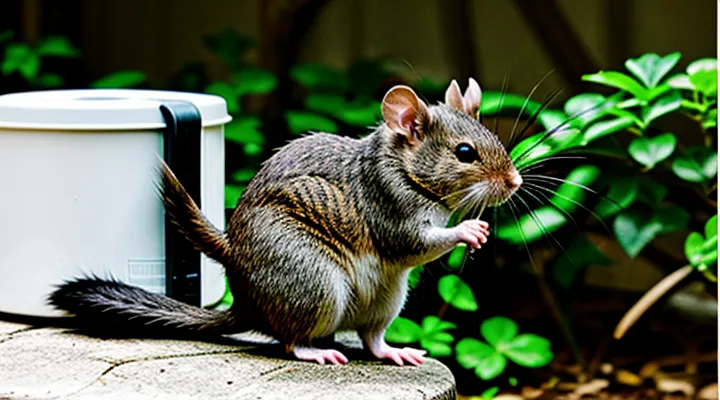
Understanding the Rodent Problem at Home
Identifying Signs of Infestation
Droppings and Urine Marks
Rodent feces and urine deposits indicate active infestation and pose health risks. Droppings appear as dark, pellet‑shaped fragments, typically 3–5 mm long, found along walls, in cupboards, or near food sources. Urine marks manifest as oily, yellowish stains that may emit a sharp, ammonia‑like odor and can be located on surfaces, bedding, or insulation.
Health hazards include transmission of Hantavirus, leptospirosis, salmonellosis, and allergic reactions. Direct contact or inhalation of dried particles can trigger respiratory issues. Prompt identification and elimination of these residues reduce exposure and prevent further rodent activity.
Effective removal requires the following steps:
- Wear disposable gloves and a mask rated N95 or higher.
- Wet droppings with a commercial disinfectant containing at least 0.5 % bleach or a quaternary ammonium solution; allow a 10‑minute dwell time.
- Use a disposable paper towel or mop to lift the material; discard in a sealed plastic bag.
- Clean the underlying surface with the same disinfectant, then rinse with water.
Product selection for a private residence should address both sanitation and control:
- Enzyme‑based cleaners – break down organic matter, neutralize odors, and prevent re‑attraction.
- Rodent‑specific disinfectants – EPA‑registered formulations that inactivate viruses and bacteria on contact.
- Sealant compounds – silicone or polyurethane caulks to close entry points identified during inspection.
- Bait stations – tamper‑resistant units containing anticoagulant or non‑anticoagulant rodenticides, placed near droppings and urine traces.
- Snap traps or electronic traps – positioned along runways revealed by fecal deposits; allow immediate removal of captured rodents.
Regular monitoring of droppings density and urine stain recurrence provides measurable feedback on the efficacy of the chosen control regimen. Reducing residue levels below detectable thresholds indicates successful mitigation.
Gnaw Marks
Gnaw marks appear as shallow, crescent‑shaped incisions on wood, plastic, electrical wiring, or food packaging. The cuts typically measure 2–3 mm in width and display parallel bite lines that converge toward the center of the material.
These marks signal active rodent presence and reveal the species involved. Mice produce fine, tightly spaced gouges, while rats create broader, deeper bites. Identifying the pattern helps determine which control measures will be most effective in a residential setting.
Product selection depends on the information conveyed by gnaw marks.
- Snap traps and electronic traps target rodents that have established a feeding route marked by fresh gnawing.
- Bait stations combine attractant formulation with tamper‑resistant enclosures, suitable when gnaw marks indicate persistent foraging activity.
- Sealants and steel‑wool inserts close entry points identified by repeated gnawing, preventing re‑entry.
- Repellent sprays or ultrasonic devices deter further chewing when marks are found near stored food or structural components.
Implementation steps:
- Locate all gnaw marks, photograph each instance, and record the material and depth.
- Assess surrounding areas for additional signs such as droppings, urine stains, or nesting material.
- Apply the chosen control product according to manufacturer instructions, focusing on the identified pathways.
- Install physical barriers at the entry sites revealed by the gnaw marks.
- Monitor the treated zones weekly, replacing traps or bait stations as needed until no new gnaw marks appear.
Accurate interpretation of gnaw marks enables targeted deployment of control products, reduces damage, and eliminates rodent activity in private residences.
Scratching and Scurrying Noises
Scratching and scurrying sounds often originate from rodents moving within walls, ceilings, or flooring cavities. The noises intensify at night when rodents are most active, and they may be accompanied by gnaw marks, droppings, or a distinct odor of urine. Early detection relies on locating the source of the sound by observing where it is loudest and inspecting adjacent structural gaps.
Effective mitigation begins with sealing entry points using steel wool, copper mesh, or expanding foam designed for pest exclusion. After entry routes are blocked, apply appropriate control agents:
- Snap traps positioned perpendicular to walls where activity is observed.
- Electronic traps delivering a rapid, humane kill.
- Bait stations containing anticoagulant or non‑anticoagulant rodenticides, placed in tamper‑resistant containers.
- Ultrasonic repellents installed in rooms adjacent to the noise source; select models with adjustable frequencies to cover a broad rodent spectrum.
Monitoring continues after deployment. Replace traps and bait as needed, and re‑inspect sealed openings weekly for signs of re‑infestation. Maintaining a clutter‑free environment and storing food in airtight containers reduces attractants, limiting future scratching and scurrying incidents.
Nests and Burrows
Nests and burrows are the primary shelters rodents create inside a house. Typical sites include wall voids, under floorboards, attics, crawl spaces, and concealed corners of cabinets. These structures protect rodents from predators, temperature extremes, and human interference, allowing populations to multiply unnoticed.
Identifying nests and burrows is essential for effective control. Indicators consist of shredded insulation, chewed wiring, droppings, urine stains, and gnaw marks near entry points. Direct observation of nesting material—soft bedding, shredded paper, or plant debris—confirms activity.
Control measures focus on eliminating existing shelters and preventing new construction. The process involves:
- Removing visible nesting material and disposing of it in sealed containers.
- Applying targeted bait stations to reduce population size before habitat removal.
- Installing snap or electronic traps near identified pathways.
- Sealing entry gaps with steel wool, caulk, or metal flashing to block future access.
- Using ultrasonic or scent‑based repellents in areas where traps cannot be placed.
After eradication, maintain a rodent‑free environment by keeping storage areas tidy, storing food in airtight containers, and regularly inspecting structural seams. Routine checks for fresh gnaw marks or droppings enable early intervention, preserving the integrity of the home’s interior spaces.
Common Rodent Types in Residential Areas
Mice
Mice invade residential spaces in search of food, shelter, and nesting material. Their presence compromises structural integrity, contaminates food supplies, and spreads disease agents.
- Snap traps: mechanical devices that deliver a rapid kill. Ideal for localized infestations; placement along walls and behind appliances maximizes contact.
- Live‑catch traps: cages that restrain rodents without lethal force. Require frequent monitoring and humane release far from the dwelling.
- Bait stations: sealed units containing anticoagulant or non‑anticoagulant rodenticides. Suitable for concealed areas such as wall voids; ensure child‑proof and pet‑proof design.
- Electronic deterrents: ultrasonic emitters that produce high‑frequency sounds intolerable to mice. Effective for open rooms but limited by obstacles that block wave propagation.
- Glue boards: adhesive surfaces that immobilize rodents. Best for secondary containment where lethal methods are undesirable; dispose of captured mice promptly.
Product selection should consider infestation level, household composition, and local regulations. For severe problems, combine mechanical traps with bait stations to achieve rapid reduction and sustained control. Position devices perpendicular to travel routes, typically within 30 cm of walls, and check them daily.
Safety measures include wearing gloves when handling traps or bait, storing all products out of reach of children and non‑target animals, and following manufacturer instructions regarding dosage and disposal. Regular sanitation—sealing food containers, eliminating water sources, and repairing entry points—reduces attractants and supports long‑term management.
Rats
Rats pose health risks, cause structural damage, and contaminate food supplies in residential settings. Effective management requires a combination of product selection, proper placement, and ongoing monitoring.
- Snap traps: steel spring mechanisms deliver immediate kill; bait with peanut butter or dried fruit increases capture rates. Position along walls, behind appliances, and in concealed corners. Check daily and dispose of carcasses in sealed bags.
- Electronic traps: high‑voltage plates induce rapid death; reusable and reduce exposure to poisons. Place in high‑traffic pathways; power source must be reliable.
- Live‑catch traps: cage designs allow humane capture; release distance must exceed 2 km to prevent re‑infestation. Clean traps after each use to avoid scent marking.
- Rodenticides: anticoagulant pellets or blocks provide delayed mortality; select products labeled for indoor use and follow label dosage strictly. Store in locked containers away from children and pets; use tamper‑resistant bait stations to limit accidental exposure.
- Glue boards: adhesive surfaces trap rodents; suitable for monitoring rather than primary control due to humane concerns. Deploy in low‑traffic areas and replace when filled.
Preventive measures reinforce product effectiveness:
- Seal entry points: inspect foundation, vents, and utility openings; install steel wool or copper mesh to block gnawing.
- Eliminate food sources: store pantry items in airtight containers, clean crumbs promptly, and secure garbage cans with tight lids.
- Reduce shelter: trim vegetation, remove clutter, and maintain clean basements and attics.
Regular inspection—weekly for the first month, then monthly—identifies new activity and confirms that control measures remain functional. Documentation of trap counts and bait consumption supports adjustments to the control strategy and ensures compliance with local health regulations.
Types of Rodent Control Products
Traps
Snap Traps
Snap traps remain a widely used option for homeowners seeking rapid rodent elimination. The device consists of a spring‑loaded bar that delivers an instantaneous lethal strike when a rodent triggers a pressure plate or trip lever. Construction typically involves a wooden or plastic base, a metal spring, and a bait cup that holds attractants such as peanut butter, chocolate, or dried fruit.
Effective deployment depends on strategic placement and proper baiting. Place traps along walls, behind appliances, and near known entry points, aligning the trigger mechanism perpendicular to the rodent’s travel path. Bait should be applied sparingly to ensure the animal contacts the trigger. Check traps at least once daily to remove captured rodents and reset the mechanism.
Key considerations for selecting snap traps include:
- Material – wooden bases are quieter; plastic bases resist moisture.
- Trigger type – pressure‑plate designs suit larger rodents; trip‑lever models work better in confined spaces.
- Safety features – models with insulated handles reduce risk of accidental discharge.
- Size – larger bars accommodate bigger species such as Norway rats; smaller bars target mice.
Maintenance involves cleaning the base with a mild detergent after each catch, inspecting the spring for corrosion, and replacing worn components. Disposal of captured rodents should follow local health regulations, typically by sealing in a plastic bag before discarding in a trash bin. Proper use of snap traps provides a quick, cost‑effective solution for residential rodent problems while minimizing the need for chemical interventions.
Glue Traps
Glue traps are a non‑chemical option for eliminating rodents inside residential dwellings. They consist of a flat board coated with a strong adhesive that immobilizes pests upon contact. The traps are inexpensive, easy to install, and require no electricity or batteries.
Key characteristics include:
- Effectiveness: Captures mice and small rats quickly when placed along established travel routes.
- Safety: No toxic substances are released, reducing risk to children and pets if traps are positioned out of reach.
- Maintenance: Once a rodent is caught, the trap can be disposed of in a sealed bag; the board is then replaced.
- Limitations: May not control larger rats, can cause humane concerns, and requires regular monitoring to prevent odor buildup.
Proper deployment maximizes results. Identify wall voids, behind appliances, and near entry points; position traps perpendicular to walls with the adhesive side facing the expected direction of travel. Check traps daily, replace them when activity declines, and dispose of captured rodents according to local regulations.
When integrated with exclusion measures—such as sealing cracks and removing food sources—glue traps contribute to a comprehensive rodent management strategy for private homes.
Live-Catch Traps
Live‑catch traps provide a humane alternative to lethal devices for homeowners dealing with mouse or rat infestations. The traps consist of a sturdy cage with a trigger mechanism that seals the animal inside once it enters to reach bait. Because the rodent remains alive, relocation or immediate release is possible, complying with local wildlife regulations and reducing waste.
Key characteristics of effective live‑catch traps include:
- Robust construction – metal or heavy‑duty plastic frames prevent escape and withstand repeated use.
- Sensitive trigger – a low‑force lever activates the door quickly, ensuring capture without injury.
- Secure latch – a spring‑loaded lock keeps the door shut until manually released.
- Ventilation – perforated sides maintain airflow, preventing overheating during transport.
- Easy cleaning – removable trays facilitate sanitation and reuse.
Proper deployment maximizes success:
- Identify high‑traffic zones by observing droppings, gnaw marks, or grease trails.
- Place traps perpendicular to walls, with the entry side facing the wall, because rodents travel along edges.
- Use attractive bait such as peanut butter, dried fruit, or small pieces of meat; position the bait at the far end of the cage to encourage full entry.
- Check traps at least twice daily to minimize stress on captured animals and to prevent secondary infestations.
- Release captured rodents at least one mile from the residence, preferably in a suitable natural habitat, following local regulations.
Advantages over poison or snap traps include reduced risk of accidental poisoning of children or pets, compliance with humane pest‑management standards, and the ability to monitor capture rates directly, which informs adjustments in placement or bait selection. Live‑catch traps therefore represent a reliable component of a comprehensive residential rodent‑management program.
Electronic Traps
Electronic traps provide a rapid, humane method for eliminating rodents in residential settings. They operate by delivering a high‑voltage shock that kills the animal instantly, eliminating the need for chemical baits or manual handling. The devices are typically powered by mains electricity with a battery backup, ensuring continuous operation during power outages.
Key characteristics of effective electronic traps include:
- Dual‑sensor detection that distinguishes between live rodents and debris, reducing false activations.
- Transparent housing for easy visual confirmation of captures.
- Safety interlocks that prevent accidental discharge when the unit is opened.
- Low‑noise operation, suitable for use in bedrooms or living areas.
Installation requires placement along established rodent pathways, such as near walls, behind appliances, or in dark corners. Position the trap perpendicular to the travel route, with the entry slot facing the anticipated direction of movement. Secure the unit on a flat surface to maintain consistent contact with the floor, which enhances the shock circuit’s reliability.
Maintenance consists of periodic cleaning of the interior chamber to remove debris and dead rodents, and inspection of the power cord and battery. Most models feature indicator LEDs that signal low battery or malfunction, allowing prompt corrective action. Cost ranges from moderate to premium, reflecting differences in sensor technology, build quality, and warranty coverage. Comparative studies show electronic traps achieve capture rates above 90 % when deployed correctly, making them a competitive alternative to traditional snap‑traps or glue boards.
Baits and Rodenticides
Pellets and Blocks
Pellets and blocks are solid bait formulations designed to attract rodents through scent and taste. They are typically composed of powdered grain, cereal flour, or soy protein bound with a toxicant such as bromadiolone, diphacinone, or zinc phosphide. The dense matrix releases a low, consistent dose of poison when gnawed, reducing the risk of accidental overdose for non‑target animals. Their solid form allows placement in discreet locations, such as wall voids, behind appliances, or inside bait stations, where loose bait would be displaced by movement or cleaning.
Effective deployment requires attention to placement, dosage, and safety:
- Position baits along known rodent pathways, near walls, and close to food sources.
- Use tamper‑resistant stations in homes with children or pets; ensure stations are sealed after placement.
- Replace baits every 30 days or when visible consumption exceeds 25 % of the product.
- Record the date of installation and monitor for activity signs to assess control progress.
Selecting a product should consider the target species, indoor versus outdoor use, and regulatory restrictions on active ingredients. Certified formulations provide documented efficacy and compliance with residential pesticide standards. Proper storage in a cool, dry place preserves potency until deployment.
Bait Stations
Bait stations provide a secure, enclosed environment for rodent control agents, reducing exposure to non‑target animals and children while maintaining product effectiveness. Their design typically incorporates a lockable lid, tamper‑resistant closure, and a removable interior tray that holds the bait matrix.
Key advantages include:
- Contained bait prevents accidental ingestion by pets or household members.
- Weather‑resistant construction allows placement indoors and outdoors without degradation.
- Easy inspection and replacement of bait cartridges streamline maintenance.
- Compatibility with a range of active ingredients, such as anticoagulants and first‑generation rodenticides.
When selecting bait stations for residential use, consider the following criteria:
- Material durability – UV‑stabilized plastic or powder‑coated metal resists cracking.
- Size – sufficient interior volume to accommodate the recommended bait quantity for the target species.
- Locking mechanism – should meet local regulations for child‑proof safety.
- Placement flexibility – mounting options for walls, ceilings, or ground‑level installation.
Proper deployment involves positioning stations along established rodent pathways, near walls, behind appliances, and in concealed corners. Regular monitoring—checking for bait consumption, station integrity, and signs of activity—ensures timely replenishment and sustained control efficacy.
Liquid Baits
Liquid baits are concentrated rodent attractants formulated in a fluid medium. They deliver poison through ingestion, targeting mice and rats that prefer water‑soluble food sources.
The active ingredient dissolves in the bait, allowing rodents to consume a lethal dose after a single feeding. The poison remains effective for several days, ensuring that secondary feeders are eliminated as well.
For residential settings, liquid baits offer several benefits: they can be placed in narrow entry points, provide rapid distribution through capillary action, and reduce the need for multiple solid stations. Their low bulk facilitates discreet placement behind appliances, under sinks, or in wall voids.
Safety protocols require positioning baits out of reach of children and non‑target animals. Use tamper‑resistant containers, label each station clearly, and monitor placement regularly. In case of accidental exposure, follow the manufacturer’s first‑aid instructions and contact a poison‑control center.
Key factors when choosing a liquid bait:
- Active ingredient (e.g., bromadiolone, difenacoum) compatible with the target species.
- Concentration level appropriate for indoor use.
- Palatability enhancers that match local rodent feeding preferences.
- Packaging that includes secure, child‑proof applicators.
- Certification from relevant regulatory agencies.
Store unopened containers in a cool, dry environment, away from food preparation areas. After the product’s expiration date, dispose of remaining bait according to local hazardous‑waste guidelines. Clean all application sites with soap and water to prevent residual contamination.
Repellents
Ultrasonic Repellents
Ultrasonic repellents emit high‑frequency sound waves that rodents cannot tolerate. The devices generate a continuous or intermittent signal, typically ranging from 20 kHz to 65 kHz, which interferes with the auditory perception of mice and rats, prompting them to vacate the area.
Key features of ultrasonic systems for residential use:
- Plug‑in models: connect directly to a wall outlet, require no wiring, and operate automatically.
- Battery‑powered units: portable, suitable for temporary placement in garages, sheds, or attics.
- Multi‑zone controllers: allow a single transmitter to cover several rooms by adjusting frequency and power levels.
- Adjustable timers: enable scheduled operation to conserve energy and reduce exposure for pets.
Effectiveness depends on proper placement. Devices should be positioned at least 12 inches from walls, ceilings, and furniture to avoid signal blockage. Overlapping coverage zones improve consistency but excessive density can cause signal interference, diminishing performance.
Safety considerations:
- Humans cannot hear frequencies above 20 kHz, so ultrasonic devices pose no auditory risk.
- Certain pets, especially rodents, hamsters, and some bird species, may be affected; manufacturers often label products as “pet‑safe” or provide a separate low‑frequency mode for non‑target animals.
Maintenance requirements are minimal. Most units operate continuously for 6 months to a year before the battery (if applicable) needs replacement. Periodic cleaning of the exterior surface prevents dust accumulation that could attenuate the signal.
Cost analysis reveals a price range from $20 for basic plug‑ins to $150 for advanced multi‑zone systems with remote control. While initial expense is modest, users should evaluate long‑term efficacy; studies indicate that ultrasonic repellents reduce rodent activity by 30‑50 % in controlled environments, but results vary with species, infestation level, and structural layout.
When integrating ultrasonic technology into a home rodent management plan, combine it with exclusion methods—sealing entry points, removing food sources, and maintaining cleanliness—to achieve comprehensive control.
Scent-Based Repellents «Natural vs. Chemical»
Scent‑based repellents rely on volatile compounds that rodents find offensive, prompting avoidance of treated areas. Products fall into two categories: natural formulations derived from plant extracts and synthetic chemicals engineered for potency.
Natural options typically contain essential oils such as peppermint, rosemary, or clove. These oils emit a strong odor that interferes with rodent olfactory receptors. Advantages include low toxicity to humans and pets, ease of application, and biodegradability. Limitations involve rapid dissipation of scent, requiring frequent re‑application, and variable effectiveness against different species.
Chemical repellents employ compounds like naphthalene, phenolic derivatives, or synthetic pheromones. They deliver a concentrated, long‑lasting odor profile that can deter rodents for weeks. Benefits comprise higher durability, consistent performance across species, and often lower dosage requirements. Drawbacks consist of potential health hazards, regulatory restrictions, and environmental persistence.
Key comparison points:
- Active ingredient: plant essential oil vs. synthetic compound
- Longevity: hours to a few days vs. several weeks
- Safety: generally safe for occupants and pets vs. possible irritation or toxicity
- Regulatory status: minimal labeling requirements vs. may require safety data sheets
- Cost per treatment: higher frequency of purchase vs. longer intervals between applications
When selecting a scent‑based solution for a residential setting, consider the target rodent species, exposure risks to inhabitants, and maintenance schedule. For short‑term infestations or households with children and pets, natural oils provide a cautious approach. For persistent problems where re‑application is impractical, chemically formulated repellents deliver sustained efficacy, provided users adhere to safety instructions and local regulations.
Exclusion and Prevention Products
Sealants and Fillers
Sealants and fillers are essential components of a residential rodent exclusion strategy, closing gaps that serve as entry routes for mice and rats. By creating a continuous, impermeable barrier, they prevent infestations without relying on toxic baits or traps.
- Silicone caulk – flexible, weather‑resistant, suitable for small cracks around windows and doors.
- Polyurethane sealant – adheres to wood, concrete, and metal; remains elastic under temperature fluctuations.
- Acrylic latex – easy to apply, paintable, best for interior joints where low toxicity is required.
- Expanding polyurethane foam – fills larger voids in foundations, wall cavities, and utility penetrations.
- Epoxy filler – high‑strength bonding for structural gaps around pipes and structural supports.
Selection criteria focus on durability, flexibility, environmental resistance, toxicity level, and ease of application. Choose products that remain pliable after curing to accommodate building movement, resist moisture intrusion, and meet indoor air quality standards.
Application procedure:
- Inspect the perimeter and interior for openings larger than ¼ inch.
- Remove debris, old caulk, and loose material; dry the surface thoroughly.
- Apply the chosen sealant or filler according to manufacturer specifications, ensuring full contact with both sides of the gap.
- Allow the material to cure for the recommended period; avoid disturbing the area during this time.
- Verify the seal by running a thin piece of paper or a smoke test to detect any remaining leaks.
Safety measures include wearing gloves and eye protection, working in well‑ventilated spaces, and keeping sealants away from food preparation surfaces until fully cured. Follow disposal guidelines for leftover material and containers.
Routine maintenance involves a visual inspection of sealed areas each season, reapplying sealant where cracks reappear or where wear is evident. Prompt repair maintains the integrity of the barrier and reduces the likelihood of rodent ingress.
Mesh and Barriers
Mesh and barriers serve as the primary physical defense against rodent intrusion in residential environments. By eliminating gaps larger than a rodent’s head, these products prevent entry, reducing the need for chemical or trap‑based interventions.
Common materials include:
- Stainless‑steel hardware cloth, 1/4‑inch mesh, corrosion‑resistant, suitable for exterior vents and attic openings.
- Copper mesh, 1/8‑inch openings, flexible for irregular shapes, effective in damp locations.
- Galvanized steel panels, solid or perforated, ideal for sealing large gaps such as basement crawl spaces.
Installation requires precise measurement of all potential entry points. Cut the barrier to exceed the opening by at least 1 inch on each side, then overlap seams by a minimum of 2 inches. Secure with stainless‑steel staples or self‑drilling screws, ensuring a tight fit around frames, pipes, and utility conduits. For door sweeps and window frames, attach mesh with a continuous strip of weather‑resistant adhesive tape, then seal the edges with silicone caulk.
Routine inspection should occur quarterly. Look for signs of corrosion, torn sections, or displacement caused by building settlement. Replace compromised sections promptly to maintain continuous protection. Cleaning with a mild detergent removes debris that could attract rodents or compromise mesh integrity.
When combined with sanitation practices and strategic placement of bait stations, mesh and barriers create a comprehensive, low‑maintenance solution for homeowners seeking reliable rodent exclusion.
Door Sweeps and Guards
Door sweeps and guards form a primary barrier that blocks rodents from entering gaps beneath exterior doors. They seal the space between the floor and the door leaf, preventing mice and rats from exploiting the most common ingress point in a residential setting.
Effective door sweeps typically feature a flexible strip—rubber, silicone, or brush bristles—attached to a metal or plastic carrier. Guard plates, often made of stainless steel or heavy‑gauge aluminum, reinforce the lower edge of the door to resist chewing. When selecting a product, consider:
- Material durability against weather and gnawing
- Width of coverage to match the measured gap
- Compatibility with the door’s swing direction
- Ease of installation with screws or adhesive backing
- Ability to maintain a seal while allowing door movement
Installation involves measuring the gap, cutting the sweep to length, positioning the carrier flush with the door edge, and securing it with the supplied fasteners. Periodic inspection should verify that the seal remains intact, that the brush or rubber element has not deteriorated, and that the guard plate shows no signs of damage. Replacing worn components restores the barrier’s effectiveness and sustains long‑term protection against rodent intrusion.
Choosing the Right Rodent Control Product
Factors to Consider
Severity of Infestation
The intensity of a rodent problem determines the selection, dosage, and application frequency of home rodent control solutions. Light infestations, identified by occasional droppings or a single sighting, often respond to low‑toxicity bait stations placed along travel routes. Moderate infestations, evidenced by multiple droppings, gnaw marks, and audible activity, require a combination of snap traps, bait stations, and exclusion measures such as sealing entry points. Severe infestations, characterized by widespread contamination, structural damage, and high population density, demand professional‑grade rodenticides, extensive trapping programs, and comprehensive sealing of all potential ingress.
Key indicators of severity:
- Dropping count: fewer than five per 100 sq ft → light; 5‑20 → moderate; over 20 → severe.
- Noise level: occasional rustling → moderate; continuous scratching or scurrying → severe.
- Damage extent: isolated gnaw marks → light; multiple chewed wires, furniture, or insulation → moderate; structural compromise → severe.
When severity escalates, the following adjustments are essential:
- Increase trap density to one device per 10 sq ft for moderate, one per 5 sq ft for severe cases.
- Upgrade bait potency to professional formulations with higher active‑ingredient concentrations.
- Implement full‑house exclusion: install steel wool, copper mesh, or silicone sealant around gaps larger than ¼ inch.
- Conduct regular monitoring—daily for severe, every 48 hours for moderate—to verify reduction in activity and adjust tactics promptly.
Accurate assessment of infestation severity enables targeted deployment of domestic rodent control products, maximizes efficacy, and minimizes unnecessary exposure to chemicals.
Rodent Type
Rodents that commonly invade private residences include the house mouse (Mus musculus), the Norway rat (Rattus norvegicus), and the roof rat (Rattus rattus). Each species exhibits distinct habits, preferred entry points, and damage patterns, which influence the choice of control measures.
The house mouse is small, agile, and thrives in interior spaces. It exploits gaps as narrow as ¼ inch, nests behind appliances, and contaminates food stores with droppings and urine. Effective products for this species emphasize indoor bait stations and snap traps positioned along walls, behind cabinets, and in concealed corners.
The Norway rat is larger, prefers ground-level habitats, and creates extensive burrow systems. It enters homes through openings larger than ½ inch, often around utility lines, foundation cracks, and sewer connections. Control solutions focus on heavy‑duty snap traps, multi‑catch cages, and rodenticides placed in tamper‑resistant bait stations near suspected runways and exterior entry points.
The roof rat favors elevated environments such as attics, eaves, and trees adjacent to the structure. It accesses buildings via roof vents, soffits, and climbing routes. Management tactics include bait stations installed in elevated locations, glue boards on roof joists, and exclusion devices that seal climbing pathways.
Key identification features:
- Size: house mouse (2‑4 in), Norway rat (7‑10 in), roof rat (6‑8 in)
- Tail length: proportionate to body in mice, shorter relative to body in Norway rats, long and slender in roof rats
- Habitat preference: indoor for mice, ground for Norway rats, elevated for roof rats
- Droppings: mouse (small, pointed), Norway rat (large, cylindrical), roof rat (medium, spindle‑shaped)
Selecting appropriate residential rodent management solutions requires matching product type to the target species’ behavior. Indoor bait stations and snap traps address house mice; robust traps and ground‑placed bait stations target Norway rats; elevated bait stations and exclusion methods are essential for roof rats. Proper placement, product selection, and regular monitoring form the foundation of an effective home rodent control program.
Safety for Children and Pets
Rodent control solutions used in residential settings pose distinct risks to children and pets. Effective protection requires understanding product toxicity, exposure pathways, and preventive practices.
Common hazards include ingestion of bait, contact with liquid repellents, and inhalation of dust or aerosolized chemicals. Young children may reach bait stations, while pets often investigate low‑lying containers or chew on packaging. Toxicity levels vary; anticoagulant baits can cause internal bleeding, whereas neurotoxic sprays may induce seizures. Immediate medical attention is essential if exposure is suspected.
Safety measures:
- Install bait stations out of reach: mount at least 1.5 m above floor, secure to walls, and lock with tamper‑resistant latches.
- Choose pet‑safe formulations: opt for products labeled low toxicity to mammals, such as certain grain‑free baits or natural repellents.
- Seal entry points before applying chemicals: caulk gaps, install door sweeps, and repair damaged screens to reduce reliance on toxic agents.
- Store all rodent control items in locked cabinets, separate from food and toys.
- Keep a detailed inventory: record product names, active ingredients, and expiration dates for quick reference in emergencies.
When applying liquid or aerosol treatments, ventilate rooms, wear gloves, and restrict access for at least four hours. After treatment, conduct a visual inspection to remove any displaced bait or residue. Dispose of used containers according to local hazardous‑waste regulations; never recycle or repurpose them.
Regular monitoring reduces the need for aggressive chemicals. Replace bait stations only when depletion is confirmed, and rotate to different locations to prevent habituation. By integrating these protocols, homeowners minimize health risks while maintaining effective rodent management.
Environmental Impact
Rodent control solutions used in residential settings introduce chemicals, traps, and biological agents that interact with the surrounding ecosystem. Synthetic rodenticides, such as anticoagulants, persist in soil and water, potentially affecting non‑target wildlife, including birds of prey and beneficial insects. Residues may leach into groundwater, altering microbial communities that support soil health.
Physical devices—snap traps, glue boards, and electronic kill devices—produce localized waste. Discarded carcasses can attract scavengers, shifting local food‑web dynamics. Plastic components from traps contribute to microplastic accumulation when improperly disposed of.
Mitigation strategies reduce ecological harm:
- Choose bait formulations with rapid degradation profiles; prefer first‑generation anticoagulants when effective.
- Employ sealed, tamper‑proof traps to limit accidental capture of non‑target species.
- Implement integrated pest management (IPM) practices: seal entry points, maintain sanitation, and monitor activity before chemical intervention.
- Dispose of dead rodents and trap components in sealed containers, following municipal hazardous‑waste guidelines.
Selecting products that balance efficacy with low environmental persistence minimizes contamination of soil and water, preserves biodiversity, and aligns residential pest control with broader ecological stewardship.
Budget
When planning a rodent‑prevention strategy for a residence, the budget determines which tools and services are realistic. Allocate funds across three categories: hardware, consumables, and professional assistance.
- Hardware: traps (snap, electronic, live‑catch), bait stations, and sealing materials (steel wool, caulking). Prices range from $5 for basic snap traps to $40 for electronic units; bulk purchases reduce per‑item cost.
- Consumables: rodenticide pellets, attractants, and replacement trap parts. Expect $10–$25 per month for a typical household, depending on infestation level.
- Professional assistance: one‑time inspection and treatment visits cost $80–$150; recurring service contracts add $30–$60 per month.
A practical budgeting approach starts with a minimum viable investment: purchase a few inexpensive snap traps and sealing supplies, then monitor results. If activity persists, increase spending on more advanced devices or schedule professional treatment. Maintaining a reserve for periodic replenishment of consumables prevents gaps in protection.
Overall, a modest annual outlay of $150–$300 can sustain effective rodent deterrence for most private homes, while higher‑risk properties may justify spending up to $600 for comprehensive coverage. Adjust allocations based on the severity of the problem and the homeowner’s tolerance for risk.
Integrated Pest Management «IPM» Approach
Integrated Pest Management (IPM) provides a systematic framework for reducing rodent activity in residential settings while minimizing reliance on chemicals. The approach begins with a thorough inspection to identify entry points, nesting sites, and food sources. Data gathered during inspection guides the selection of appropriate control measures.
Key elements of an IPM program for household rodent control include:
- Exclusion: Seal cracks, gaps around pipes, and openings beneath doors; install door sweeps and vent screens.
- Sanitation: Remove standing water, store food in airtight containers, and eliminate clutter that offers shelter.
- Monitoring: Place snap traps or electronic sensors in strategic locations; record captures to assess population trends.
- Mechanical control: Deploy snap traps, live‑catch traps, or electronic devices as primary killing methods.
- Chemical control: Apply rodenticides only when monitoring indicates a persistent problem; use bait stations with tamper‑resistant designs to protect children and pets.
Implementation follows a decision cycle: inspect → modify the environment → monitor → act → evaluate. Each iteration refines the strategy, reducing the need for toxic substances over time. This cycle aligns with regulatory guidance that prioritizes non‑chemical solutions and promotes long‑term suppression rather than temporary eradication.
Safe and Effective Product Application
Placement Strategies
Near Walls and Entry Points
Rodents enter residential buildings primarily through gaps and openings adjacent to walls, doors, windows, and utility penetrations. Effective protection therefore concentrates on sealing these vulnerabilities and positioning control devices where rodents are most likely to travel.
- Sealants and fillers – silicone, polyurethane caulk, expanding foam; applied to cracks, gaps around pipe sleeves, and baseboard joints.
- Metal flashing or hardware cloth – ½‑inch mesh installed over vent openings, chimney flues, and crawl‑space access points to prevent chewing.
- Snap or electric traps – placed directly against walls in known runways; baited with high‑fat food to increase capture rates.
- Bait stations – secured in wall voids or under cabinets; contain anticoagulant or bromethalin formulations, locked to limit non‑target exposure.
- Ultrasonic emitters – mounted on interior wall surfaces; emit frequencies that deter rodents without chemicals.
Installation follows a systematic approach: identify all exterior and interior openings within a 2‑inch radius of structural members; clean surfaces to ensure adhesion; apply sealant or affix mesh before the product cures; position traps and bait stations perpendicular to wall surfaces, with the trigger side facing the expected travel direction; calibrate ultrasonic units according to manufacturer specifications and verify coverage with a handheld detector.
Routine inspection includes visual checks for sealant degradation, mesh displacement, and trap or bait station activity. Replace compromised materials promptly, reset or relocate traps based on capture data, and replenish bait supplies according to label instructions. Document findings weekly to track patterns and adjust device placement, ensuring continuous protection of the home’s perimeter.
In Dark, Secluded Areas
Rodent infestations often begin in poorly lit, hard‑to‑reach spaces such as attics, crawl spaces, basement corners, and behind wall panels. These environments provide shelter, humidity, and food residues that encourage nesting. Successful control in such locations requires products that can be placed discreetly, remain active despite limited exposure to light, and resist disruption by moving objects.
- Gel baits: Concentrated rodent attractants combined with anticoagulants. Gel consistency allows application into cracks, crevices, and behind appliances where rodents travel. Formulations are opaque, protecting the active ingredient from photodegradation.
- Foam sealants with rodent‑repellent additives: Expanding polyurethane foam fills voids while embedding natural deterrents (e.g., peppermint oil, capsaicin). Once cured, the foam creates a barrier that blocks entry and deters further activity.
- Electronic repellents: Devices emitting ultrasonic frequencies penetrate enclosed spaces. Placement near concealed openings creates a continuous, non‑chemical deterrent without visible components.
- Dust insecticides: Fine powders containing boric acid or silica gel can be dusted into wall voids and under floorboards. The dry medium adheres to rodent fur and skin, delivering a lethal dose upon contact.
- Snap traps with low‑visibility housings: Plastic or metal enclosures conceal the mechanism, reducing accidental human contact while maintaining rapid kill efficiency. Trigger sensitivity calibrated for small, nocturnal species.
When deploying these solutions, follow these procedural steps:
- Identify all dark, secluded zones by inspecting structural gaps, using a flashlight to trace rodent pathways.
- Clean each area to remove food debris; residual scent can diminish bait attractiveness.
- Apply the selected product according to manufacturer dosage guidelines, ensuring full coverage of the target zone.
- Seal entry points after treatment with steel wool, copper mesh, or appropriate caulking to prevent re‑entry.
- Monitor activity for a minimum of two weeks, replacing baits or repositioning devices as needed.
Effective rodent management in hidden household sections combines chemical, mechanical, and physical barriers. Selecting products designed for low‑light durability and applying them systematically reduces infestation risk while maintaining the safety of occupants and pets.
Away from Food Prep Areas
Rodent control solutions intended for residential use must be positioned outside of food preparation zones to prevent contamination and reduce health risks. Direct contact between bait, traps, or chemical repellents and surfaces where meals are prepared can lead to accidental ingestion, cross‑contamination of utensils, and the spread of pathogens carried by rodents.
Key reasons for strict separation include:
- Food safety: Bait residues on countertops or cutting boards can compromise the integrity of meals.
- Regulatory compliance: Many jurisdictions require that pest‑control agents be stored away from areas where food is handled.
- Occupant protection: Children and pets are less likely to encounter toxic substances when devices are isolated from cooking spaces.
Effective placement strategies:
- Install snap or electronic traps behind appliances, under cabinets, or in wall voids where rodents travel, never on the kitchen floor near the sink.
- Store granular or liquid baits in sealed, child‑resistant containers within a pantry or utility closet, far from open food storage.
- Use ultrasonic repellers on exterior walls or in basements, avoiding direct mounting on kitchen cabinets or near ventilation ducts that feed the cooking area.
- Maintain a clear perimeter of at least 12 inches around countertops, keeping all pest‑control devices outside this zone.
When selecting products, prioritize EPA‑registered formulations with low toxicity and clear labeling that specifies storage instructions. Combine physical barriers—such as door sweeps and sealed entry points—with the aforementioned placement rules to create a comprehensive, food‑safe rodent management program for the home.
Handling and Disposal Precautions
Wearing Protective Gear
When applying pest‑control chemicals or traps inside a residence, personal protection prevents exposure to toxins, allergens, and disease vectors. Wear gloves made of nitrile or latex to avoid skin contact with rodenticides and dust. Use a disposable or washable mask rated N95 or higher to block inhalation of powdered bait, aerosols, and rodent droppings. Eye protection, such as safety glasses with side shields, guards against splashes and debris. Long‑sleeved shirts and pants made of tightly woven fabric reduce the risk of accidental absorption through clothing.
Key considerations for selecting gear:
- Material compatibility with the specific product (e.g., chemical‑resistant gloves for liquid baits).
- Proper fit to eliminate gaps that could allow contaminants to reach skin or mucous membranes.
- Reusability versus disposability based on frequency of use and contamination level.
Before each treatment, inspect equipment for tears, cracks, or worn seals. Replace damaged items immediately. After completing the task, remove protective gear in a designated area, seal disposable items in a plastic bag, and wash reusable components with mild detergent and warm water. Hand hygiene with soap and water is mandatory before leaving the work zone.
Consistent use of appropriate protective equipment safeguards household occupants and maintains the effectiveness of rodent‑management measures.
Proper Disposal of Carcasses and Baits
Proper disposal of dead rodents and used bait eliminates health hazards and prevents secondary infestations. Residues can attract insects, contaminate surfaces, and expose household members to pathogens, so immediate action is required.
Carcasses should be placed in a sealed, puncture‑resistant bag, then transferred to a rigid container before disposal. Use gloves, wash hands thoroughly, and disinfect any tools or surfaces that contacted the animal. Local regulations often demand placement in a trash bin designated for hazardous waste; verify municipal guidelines to ensure compliance.
When bait stations are emptied or expired bait is discarded, follow these steps:
- Remove bait from the station without crushing it.
- Seal the bait in a plastic bag, removing as much air as possible.
- Place the sealed bag in a sturdy, labeled container for trash collection.
- Clean the bait station with a disinfectant approved for rodent control equipment.
If a spill occurs, absorb the material with disposable paper towels, place the towels in a sealed bag, and treat the area with an appropriate disinfectant. Document disposal actions in a maintenance log to track compliance and identify patterns that may require adjustments in the control program.
Maintenance and Long-Term Prevention
Regular Inspection and Monitoring
Regular inspection provides the first line of defense against rodent intrusion. Homeowners should examine structural entry points, storage areas, and waste containers at least once a month. Look for gnaw marks, droppings, shredded material, and fresh burrows. Document findings with photographs or written notes to track changes over time.
Effective monitoring relies on strategically placed detection devices. Deploy snap traps, live‑capture traps, or electronic sensors in locations where activity has been recorded. Replace or reset devices after each check to maintain sensitivity. Rotate trap placement every two weeks to cover all potential pathways.
A systematic schedule enhances consistency. Follow this routine:
- Weekly – Visual sweep of kitchens, pantries, and basements; replace bait if traps are used.
- Bi‑weekly – Inspect exterior walls, foundation cracks, and utility openings; seal gaps with steel wool or caulk.
- Monthly – Review trap logs, assess bait effectiveness, and adjust device types as needed.
Integrating inspection data with product selection improves outcomes. If evidence shows high activity in concealed spaces, prioritize sealants and exclusion barriers before adding additional traps. Continuous monitoring enables early detection, reduces infestation severity, and optimizes the use of control tools.
Sanitation Practices
Effective sanitation is the foundation of any residential rodent management program. Clean environments eliminate food sources, reduce shelter opportunities, and enhance the performance of traps, baits, and electronic devices.
- Store dry goods in airtight containers; inspect packaging for damage before use.
- Dispose of waste daily in sealed bins; keep lids closed and locate containers away from walls.
- Sweep floors, vacuum carpets, and wipe countertops after meals; remove crumbs and spills promptly.
- Repair leaky pipes, eliminate standing water, and dry damp areas that could attract rodents.
- Maintain yard cleanliness by trimming vegetation, removing debris, and stacking firewood at least 18 inches off the ground.
Regular inspection of structural gaps supports product placement. Seal cracks around doors, windows, and utility entries with steel wool, caulk, or metal flashing. Keep pet food in sealed containers and feed animals only at scheduled times, removing leftovers immediately.
Integrating these practices with rodent control devices creates a hostile environment for pests, maximizes product efficacy, and sustains a healthy household.
Sealing Entry Points
Sealing entry points blocks rodents from accessing the interior of a residence, forming the first line of defense in any rodent‑management plan. Begin with a thorough inspection: examine foundations, walls, rooflines, and utility penetrations for gaps larger than ¼ inch. Pay special attention to areas around pipes, vents, and where siding meets the ground.
- Use steel wool or copper mesh to fill small openings before applying sealant; rodents can chew through softer materials.
- Apply polyurethane or silicone caulk to joints, cracks, and gaps around windows and doors.
- Install metal flashing or cement‑based mortar around larger breaches such as foundation cracks or vent chutes.
- Secure door sweeps and weatherstripping to eliminate gaps beneath entry doors.
After sealing, conduct a follow‑up inspection within two weeks to verify that all applied materials remain intact. Integrate this practice with bait stations or traps placed near remaining potential entry zones, ensuring a comprehensive approach to residential rodent control.
Professional Assistance Considerations
When a homeowner decides to enlist a pest‑control firm for rodent mitigation, the selection process must be based on objective criteria rather than marketing promises.
First, verify that the company holds a current, state‑issued license for wildlife and pest services. Licensing confirms compliance with safety regulations and eligibility to apply approved rodenticides or traps.
Second, request documentation of the technician’s training. Certified staff should demonstrate proficiency in integrated pest management (IPM) practices, including habitat modification, exclusion techniques, and judicious chemical use.
Third, assess the proposed treatment plan. An effective plan outlines:
- Inspection methodology and identified entry points
- Recommended non‑chemical measures (sealing gaps, sanitation)
- Specific products to be applied, with active ingredients listed
- Application schedule, including timing relative to occupancy and pets
Fourth, examine cost transparency. The estimate should separate labor, material, and follow‑up visits, and disclose any surcharge for emergency service or additional inspections.
Fifth, confirm warranty or guarantee terms. A reputable provider offers a defined period during which re‑infestation triggers free re‑treatment, subject to compliance with homeowner‑implemented exclusion measures.
Sixth, inquire about environmental safeguards. The contractor must follow label directions, use low‑toxicity formulations when possible, and provide safety data sheets for all chemicals used.
Finally, request references from recent residential clients. Direct feedback reveals reliability, punctuality, and the actual efficacy of the interventions.
By systematically evaluating these factors, a homeowner can select a qualified professional who delivers safe, effective rodent control while minimizing unnecessary chemical exposure.