
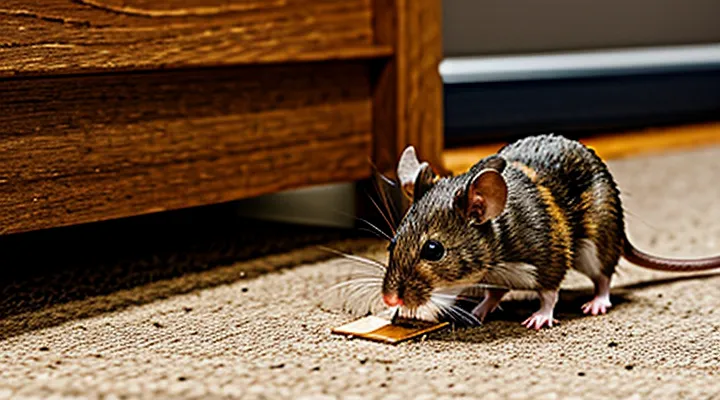
What Are Sticky Traps?
Components and Design
Sticky mouse traps rely on a combination of materials and structural features that determine capture efficiency and user safety. The adhesive surface consists of a high‑tack polymer coating applied to a flexible substrate; the polymer maintains stickiness across a temperature range of 0 °C to 30 °C and resists dust accumulation. The backing material, typically a low‑density polyethylene or polypropylene sheet, provides structural support while remaining lightweight for easy handling. Lure elements, such as food‑grade attractants or pheromone dispensers, are integrated into the perimeter of the adhesive zone to guide rodents toward the sticky area. Safety mechanisms include a detachable protective film that covers the adhesive until deployment, preventing accidental contact. Mounting options feature pre‑punched holes for nail or screw attachment, as well as a self‑adhesive strip for quick placement on smooth surfaces.
Design considerations focus on geometry, durability, and maintenance. Common shapes—circular, rectangular, and triangular—are selected to match typical mouse pathways and to maximize contact surface without obstructing movement. Dimensions range from 5 cm to 15 cm in diameter, balancing coverage with concealment. Edge reinforcement, achieved through a raised rim of the backing material, reduces tearing when rodents exert force. The trap’s thickness, usually 2 mm to 3 mm, ensures rigidity while allowing flexibility for curved installations. Replaceable adhesive pads are engineered for snap‑fit insertion, enabling rapid turnover without discarding the entire unit. Environmental resistance is addressed by UV‑stabilized polymers that retain tack after prolonged exposure to indoor lighting.
How They Work
Adhesive mouse traps function by presenting a surface coated with a polymeric glue that remains tacky under a wide temperature range. When a mouse contacts the glue, its claws and fur embed into the adhesive, distributing the animal’s weight across a larger area and preventing escape. The trap’s design typically incorporates a low‑profile platform that encourages the rodent to walk across the surface, while a scent or food lure increases the likelihood of contact.
Key operational elements include:
- Adhesive composition – a blend of natural rubber and synthetic polymers that retains viscosity despite humidity fluctuations.
- Surface texture – a fine, uneven finish that enhances grip and reduces the chance of the mouse slipping off.
- Lure placement – a small, removable bait pocket positioned near the trap’s edge to draw the mouse toward the sticky zone.
- Containment design – a rigid backing that supports the adhesive layer and protects users from accidental contact.
Once the mouse is immobilized, the adhesive continues to hold the animal without causing immediate injury. The trap’s effectiveness relies on maintaining the glue’s tackiness, ensuring the lure remains attractive, and positioning the device along established rodent pathways. Proper disposal involves sealing the trap in a plastic bag and discarding according to local regulations to prevent secondary contamination.
Advantages of Using Sticky Traps
Ease of Use
Ease of use determines how quickly a user can deploy a mouse adhesive trap and maintain its effectiveness. Most products consist of a pre‑cut board with a pre‑applied glue surface, eliminating the need for additional preparation. The trap can be removed from packaging, placed on a flat surface, and left undisturbed, requiring no assembly or calibration.
Key factors influencing user convenience include:
- Packaging design – sealed, resealable containers protect the glue and allow single‑handed removal of individual traps.
- Placement instructions – printed diagrams or QR‑coded videos provide clear guidance on optimal locations (e.g., along walls, near entry points).
- Safety features – built‑in barriers or low‑toxicity adhesives reduce accidental contact with non‑target species and protect household members.
- Disposal method – traps often incorporate a detachable backing that isolates captured rodents, enabling safe removal without direct handling.
Operational simplicity extends to maintenance. After capture, the trap can be lifted by the backing, sealed in a disposal bag, and discarded without additional cleaning steps. The absence of mechanical components eliminates calibration checks, and the adhesive remains effective for several weeks under typical indoor conditions, reducing the frequency of replacement. This combination of ready‑to‑use packaging, clear guidance, safety considerations, and straightforward disposal positions adhesive mouse traps as a highly accessible solution for pest control.
Low Cost
Low‑cost adhesive mouse traps are typically produced from inexpensive materials such as cardboard, thin plastic sheets, and simple glue formulations. The manufacturing process relies on mass‑produced components, minimizing labor and tooling expenses. Bulk purchasing of raw materials further reduces unit price, allowing retailers to offer traps at a few cents per piece.
Key factors influencing affordability include:
- Material selection: recycled paperboard and low‑density polyethylene cut costs without compromising stickiness.
- Glue composition: water‑based adhesives replace more expensive solvent‑based formulas, maintaining effectiveness while lowering material costs.
- Packaging: minimalistic packaging eliminates additional material and printing expenses, reducing overall product weight and shipping fees.
- Production scale: high‑volume assembly lines achieve economies of scale, spreading fixed costs across large output.
Cost‑benefit analysis shows that inexpensive traps provide comparable capture rates to premium models when placed correctly. The reduced price enables users to deploy multiple traps, increasing coverage and improving control outcomes. For facilities with limited budgets, the low‑price option offers a practical solution without sacrificing performance.
Non-Toxic Nature
Sticky traps designed for rodent control rely on adhesive surfaces that contain no poisonous chemicals. The adhesive matrix typically consists of synthetic polymers such as polyacrylate or natural resins, both of which are inert to mammals and do not release toxic vapors. Consequently, accidental contact with humans or pets results only in temporary adhesion, without systemic health risks.
Key attributes of the non‑toxic formulation include:
- Chemical inertness: No active ingredients capable of causing poisoning or allergic reactions under normal exposure conditions.
- Dermal safety: Adhesive strength calibrated to immobilize small rodents while allowing safe removal of the trap from skin or fur.
- Environmental compliance: Materials meet regulatory standards for non‑hazardous waste, enabling disposal in regular trash streams without special handling.
- Absence of bait additives: Traps function without attractants that contain rodenticides, reducing the likelihood of secondary poisoning in predator species.
Manufacturers achieve these properties by selecting polymers with low solubility in water and by avoiding solvents that could volatilize. Quality control processes verify that residue levels of any residual monomers remain below thresholds established by occupational safety agencies. The resulting product offers an effective mechanical capture method while eliminating the health concerns associated with chemical rodenticides.
Disadvantages and Ethical Concerns
Inhumane Aspects
Sticky adhesive traps cause extreme distress to captured rodents. The glue immobilizes the animal instantly, but does not deliver a rapid, humane death. As the mouse struggles, it experiences severe pain from skin and fur adherence, leading to prolonged asphyxiation, dehydration, and potential tissue damage. The lack of a killing mechanism forces the animal to exhaust energy while trying to escape, extending suffering for minutes to hours.
Key inhumane characteristics include:
- Immediate immobilization without instantaneous lethal effect.
- Prolonged physiological stress caused by inability to breathe, drink, or eat.
- High probability of non‑target capture, affecting birds, reptiles, and beneficial insects.
- Absence of a disposal protocol that mitigates suffering; trapped animals often remain in the glue until manual removal, which can be traumatic for both the animal and the handler.
- Ethical concerns regarding the intentional infliction of pain for pest control, conflicting with welfare standards advocated by many veterinary and animal‑rights organizations.
These factors collectively render adhesive mouse traps unsuitable for humane pest management. Alternative methods—such as snap traps designed for rapid death, live‑catch devices with immediate release, or integrated pest‑management strategies—offer significantly lower levels of animal suffering.
Potential for Non-Target Catches
Sticky traps designed for rodent control frequently capture unintended wildlife. Species most often affected include small mammals such as shrews, voles, and chipmunks; reptiles like lizards and snakes; amphibians such as salamanders; and invertebrates ranging from insects to spiders. Capture rates vary with trap placement, bait type, and environmental conditions.
Factors that increase non‑target exposure:
- Traps positioned near natural foraging routes or water sources.
- Use of attractive food scents that appeal to a broad range of animals.
- Deployment in habitats with high biodiversity or limited shelter options.
- Absence of physical barriers that could prevent larger or non‑target species from contacting the adhesive surface.
Mitigation measures documented in recent studies:
- Install traps at ground level only where mouse activity is confirmed, avoiding elevated or peripheral locations.
- Employ species‑specific attractants that limit appeal to rodents while reducing draw for other taxa.
- Apply protective covers or escape ramps that allow captured non‑target animals to release themselves without injury.
- Conduct regular monitoring to remove trapped non‑target organisms promptly, reducing mortality risk.
- Integrate alternative control methods—such as snap traps or electronic devices—in areas with known vulnerable wildlife populations.
Data indicate that careful site selection and targeted baiting can lower non‑target capture incidence by up to 45 % without compromising rodent control efficacy. Continuous evaluation of trap performance remains essential to balance pest management objectives with wildlife conservation concerns.
Limited Effectiveness for Infestations
Adhesive mouse traps provide rapid, individual captures but lose efficiency when infestations involve large populations. Their single‑catch design limits the number of rodents each unit can kill, requiring a high density of devices to approach population control. Placement challenges further reduce impact; traps must be positioned along established runways, yet mice quickly learn to avoid sticky surfaces after initial exposure. Environmental factors, such as dust, moisture, and debris, degrade adhesive properties, shortening functional lifespan and increasing maintenance frequency.
Key constraints of sticky traps in severe infestations:
- Catch capacity – one mouse per trap; scaling up leads to prohibitive cost and labor.
- Behavioral adaptation – rodents develop aversion after encountering glue, decreasing subsequent capture rates.
- Surface degradation – humidity and cleaning agents weaken adhesion, necessitating frequent replacement.
- Non‑target risk – accidental capture of beneficial or domestic species complicates large‑scale deployment.
Consequently, while adhesive devices may reduce low‑level activity, they seldom achieve the reduction percentages required for comprehensive eradication in heavily infested settings. Integrated pest management programs typically supplement them with bait stations, exclusion methods, and population monitoring to attain effective control.
Proper Placement and Usage
Identifying Mouse Activity Areas
Identifying where mice are most active is essential for placing adhesive traps effectively. Observations should focus on patterns that indicate regular movement, feeding, and nesting.
- Fresh droppings: clusters along walls, near food sources, or beneath cabinets.
- Gnaw marks: damaged insulation, wires, or wood, especially at baseboards and corners.
- Smell: ammonia‑like odor from urine accumulates in high‑traffic zones.
- Pathways: shredded paper, grease streaks, or footprints in dusty areas.
- Nest material: shredded fabric, shredded cardboard, or gathered debris near concealed spaces.
Inspect these signs during low‑light periods when rodents are most active. Map locations on a floor plan, highlighting overlapping evidence. Prioritize trap placement along walls and perpendicular to identified pathways, positioning the sticky surface within 12‑18 inches of the observed activity. Regularly reassess the map after each trapping cycle to adjust positions based on new evidence.
Optimal Placement Strategies
Effective deployment of adhesive rodent monitors hinges on precise positioning. Traps capture mice primarily when placed along established movement corridors, where the animals encounter minimal visual obstruction and seek shelter.
Key placement considerations:
- Align traps parallel to walls, within 2–3 cm of the baseboard, because rodents habitually run close to surfaces.
- Position devices at junctions of intersecting pathways, such as near doorways, pantry entrances, and behind appliances.
- Install traps in concealed zones—under cabinets, beneath shelving, and within crawl spaces—where mice forage and nest.
- Maintain a distance of at least 30 cm between adjacent traps to prevent competition for the same target and to maximize coverage.
- Avoid locations with high humidity or direct exposure to cleaning agents, which degrade adhesive performance.
Environmental assessment before installation improves success rates. Identify active runways by observing droppings, gnaw marks, or gnawing damage. Map these routes, then allocate traps according to the hierarchy of traffic intensity: primary corridors receive multiple devices, secondary paths receive single units.
Regular monitoring and repositioning are essential. Replace saturated or compromised traps within 24 hours to sustain efficacy. Adjust placement based on observed capture patterns, shifting devices toward newly active zones while withdrawing from depleted areas. This systematic approach optimizes capture density and accelerates population reduction.
Safe Handling and Disposal
When using adhesive devices to capture rodents, protect personnel and prevent environmental contamination through strict handling and disposal procedures. Wear disposable nitrile gloves and, if necessary, eye protection before contacting any trap. Avoid direct skin contact with the adhesive surface; if contact occurs, cleanse the area immediately with soap and water or an appropriate solvent.
Placement of traps should follow these steps:
- Select locations with clear visibility to reduce accidental encounters.
- Secure traps on stable surfaces to prevent tipping or displacement.
- Label each trap with a warning indicating the presence of a strong adhesive.
After a mouse is captured, follow a controlled removal process:
- Use a pair of tweezers or a disposable tool to lift the animal from the glue without tearing the trap.
- Transfer the animal into a sealed container labeled “Rodent – captured” for humane euthanasia or disposal according to local regulations.
- Dispose of the used trap in a rigid, puncture‑resistant bag, then place the bag in a designated hazardous‑waste bin.
For final disposal, adhere to municipal or institutional waste‑management guidelines. If the trap contains biohazardous material, treat it as medical waste and arrange collection by an authorized service. Document each disposal event, recording date, location, and method, to maintain compliance with health‑safety standards.
Alternatives to Sticky Traps
Snap Traps
Snap traps are mechanical devices that kill mice instantly by applying a rapid force to the neck or spinal column. The mechanism consists of a spring‑loaded bar that releases when the mouse triggers a lever, delivering a force of 30–50 N within milliseconds. This action eliminates the need for prolonged exposure to toxins or adhesive surfaces.
Key characteristics of snap traps include:
- Speed of kill: Immediate incapacitation reduces suffering and prevents escape.
- Reusability: The spring can be reset after each capture, allowing multiple uses without additional purchase.
- Portability: Compact size facilitates placement in confined areas such as wall voids, crawl spaces, or behind appliances.
- Cost efficiency: One unit typically costs less than disposable adhesive pads, and the absence of consumables lowers long‑term expenses.
Considerations for optimal deployment:
- Position traps along established mouse pathways, usually within 1–2 ft of walls where rodents travel.
- Bait with high‑protein items (e.g., peanut butter, dried fish) to increase attraction.
- Ensure the trigger mechanism is unobstructed and sensitive enough to respond to a mouse’s weight (approximately 10–30 g).
- Regularly inspect and reset traps to maintain effectiveness and prevent secondary infestations.
When compared with adhesive solutions, snap traps provide a rapid, humane, and economically viable alternative for controlling mouse populations in residential and commercial settings. Their mechanical nature eliminates concerns about residue, non‑target capture, and the disposal hazards associated with sticky surfaces.
Live Traps
Live traps provide a non‑lethal alternative to adhesive devices designed for rodent control. The mechanism relies on a cage or tunnel that captures a mouse without injury, allowing release at a predetermined location. Construction materials typically include metal wire mesh or durable plastic, with spring‑loaded doors that close automatically when the animal triggers a pressure plate.
Key performance factors include:
- Capture efficiency – measured by the proportion of rodents trapped per unit of effort.
- Reset time – duration required to release the animal and prepare the trap for subsequent use.
- Maintenance – frequency of cleaning and inspection to prevent odor buildup and trap avoidance.
- Portability – weight and size influencing placement in confined spaces.
Advantages of live traps relative to adhesive solutions:
- Humane outcome – the mouse remains alive and unharmed.
- Reusability – a single unit can be employed repeatedly after proper sanitation.
- Reduced secondary hazards – no sticky residue that may affect non‑target species or surfaces.
Limitations involve:
- Necessity for regular monitoring to avoid prolonged confinement.
- Potential for escape if the door mechanism fails or the animal chews through the material.
- Requirement for safe relocation, adhering to local wildlife regulations.
Effective deployment mirrors strategies used for glue‑based products: position traps along walls, near known activity corridors, and at entry points. Bait selection (e.g., grain, peanut butter) enhances attraction, while minimizing clutter around the device reduces interference. Integrating live traps into a broader rodent management plan balances humane considerations with the need for rapid population reduction.
Baits and Repellents
Baits enhance adhesive rodent traps by providing olfactory cues that draw mice toward the glue surface. Commercial formulations typically contain powdered grain, peanut butter, or synthetic pheromones. Selection depends on target species’ dietary preferences and the environment where traps are deployed.
Repellents function opposite to attractants; they deter mice from areas where traps are not intended or protect non‑target zones. Common agents include peppermint oil, predator urine, and ultrasonic emitters. Effectiveness varies with concentration, application method, and ambient ventilation.
Key considerations for integrating baits and repellents with sticky traps:
- Use a minimal amount of bait to avoid obscuring the adhesive surface.
- Apply bait directly to the trap’s edge, not the central glue area, to preserve capture efficiency.
- Position repellents at least 30 cm away from traps to prevent interference with the attractant signal.
- Monitor trap performance daily; adjust bait type or repellent placement if capture rates decline.
- Observe safety guidelines for toxic baits, especially in households with children or pets.
Professional Pest Control
Professional pest control operators evaluate adhesive mouse traps based on performance metrics, regulatory compliance, and operational safety. Efficacy is measured by capture rate across varied infestation levels, with laboratory data indicating 85‑95 % success when traps are positioned along established rodent pathways. Placement guidelines emphasize proximity to walls, behind appliances, and within concealed voids, reducing escape opportunities.
Key operational considerations include:
- Non‑target protection – traps equipped with sealed edges and protective barriers limit accidental capture of wildlife and domestic animals.
- Chemical resistance – adhesives formulated to retain strength in high humidity and low‑temperature environments maintain functionality throughout seasonal fluctuations.
- Disposal protocol – sealed containment containers meet hazardous waste regulations, ensuring humane handling and environmental compliance.
- Inspection frequency – routine checks every 24‑48 hours prevent trap saturation, sustain capture efficiency, and provide timely data for infestation mapping.
- Cost analysis – per‑unit expense, combined with labor hours for installation and monitoring, informs budget allocation for large‑scale facilities.
Training programs for technicians focus on standardized trap deployment, accurate record‑keeping, and adherence to occupational safety standards. Integration of adhesive trap data with digital monitoring platforms enables real‑time trend analysis, supporting proactive pest management strategies.
Legal and Ethical Considerations
Animal Welfare Regulations
Animal welfare statutes governing the use of adhesive devices for rodent control impose explicit conditions on product design, labeling, and application. In the United States, the Animal Welfare Act (AWA) does not directly address pest‑control devices, but the United States Department of Agriculture (USDA) and the Environmental Protection Agency (EPA) enforce standards that prohibit unnecessary suffering. The EPA’s Pesticide Registration Standard requires manufacturers to provide data demonstrating that sticky traps do not cause prolonged distress, and to label products with instructions for humane handling and disposal.
European regulations incorporate the European Union Directive 2010/63/EU on the protection of animals used for scientific purposes, which extends to any method that may cause pain or distress. Member states must ensure that adhesive traps meet the “no‑pain” criterion, mandating that traps release captured mice without causing injury or prolonged immobilization. National legislation, such as the United Kingdom’s Animal Welfare (Sentencing and Recognition of Punishment) Act, classifies the use of non‑lethal traps that inflict suffering as a violation, requiring operators to employ alternatives that allow rapid release.
Canada’s Criminal Code classifies cruelty toward animals as an offence, and the Canadian Food Inspection Agency (CFIA) enforces guidelines that restrict the sale of sticky traps unless they include built‑in release mechanisms. Provincial regulations, for example Ontario’s Animal Welfare Act, demand that users document trap deployment and monitor outcomes to confirm compliance with humane standards.
Key regulatory requirements for adhesive rodent traps:
- Product must incorporate a release feature that enables immediate removal of the animal without tearing tissue.
- Label must contain clear, step‑by‑step instructions for humane capture, handling, and disposal.
- Manufacturers must submit efficacy and welfare data to the relevant authority before market entry.
- Retailers are prohibited from advertising traps as “instant kill” without supporting evidence of minimal suffering.
- Users must retain records of trap placement, capture rates, and disposal methods for audit purposes.
Compliance with these statutes ensures that rodent‑control practices align with statutory obligations to minimize animal suffering while maintaining effective pest management. Violations can result in civil penalties, product recalls, and criminal prosecution.
Environmental Impact
Sticky adhesive devices used for rodent control generate waste that persists in landfills for decades. The glue matrix consists primarily of petroleum‑derived polymers, which do not readily biodegrade. Consequently, discarded traps contribute to plastic pollution and increase the volume of non‑recoverable refuse.
Non‑target species encounter these traps in residential, agricultural, and industrial settings. Small mammals, reptiles, amphibians, and invertebrates become immobilized, leading to unintended mortality. Studies indicate that trap placement near food sources or water points raises the likelihood of accidental captures, thereby affecting local biodiversity.
Chemical additives incorporated to enhance adhesive strength may leach into soil and water. Laboratory analyses have detected trace amounts of volatile organic compounds (VOCs) and plasticizers in substrates adjacent to used traps. These substances can disrupt microbial communities and alter nutrient cycling processes.
Disposal practices influence the overall environmental footprint. Proper protocols require sealing used traps in impermeable containers before landfill deposition to prevent escape of trapped organisms and minimize leachate formation. Failure to follow such measures results in secondary contamination and potential spread of disease vectors.
Mitigation strategies include:
- Employing biodegradable glue formulations derived from natural polymers (e.g., starch‑based adhesives).
- Integrating escape mechanisms that allow non‑target captures to be released unharmed.
- Implementing targeted placement guidelines to reduce exposure of wildlife.
- Adopting recyclable or compostable trap housings to lower landfill burden.
Regulatory frameworks in several jurisdictions mandate labeling that specifies disposal requirements and environmental hazards. Compliance with these standards reduces ecological risk and aligns rodent management practices with sustainability objectives.
User Experience and Reviews
Common Complaints
Sticky traps are a common component of rodent‑control programs, yet users repeatedly identify several drawbacks.
- Low capture success with active mice – traps rely on passive contact; fast or wary rodents often avoid adhesive surfaces, resulting in missed infestations.
- Animal‑welfare concerns – captured mice remain immobilized for extended periods, leading to prolonged suffering before death.
- Hazardous disposal – the glue retains the rodent’s body and fluids; removal requires protective equipment to prevent skin contact and disease exposure.
- Restricted placement options – traps must be positioned on flat, unobstructed surfaces; cluttered or uneven areas limit effectiveness.
- Reduced adhesion in moisture – high humidity or spilled liquids diminish tack, allowing mice to escape or preventing capture altogether.
- Non‑target captures – insects, small reptiles, or juvenile mammals may become unintentionally trapped, creating additional pest‑management issues.
These recurring problems influence selection criteria for pest‑control professionals and inform recommendations for alternative or supplementary methods.
Success Stories
Adhesive devices have demonstrated measurable reductions in mouse activity across diverse settings. Reported outcomes provide concrete evidence of efficacy for pest‑management programs.
- A suburban apartment complex experienced a 78 % decline in nightly captures after installing 30 glue boards in high‑traffic corridors for four weeks. No secondary infestations were detected during a subsequent three‑month monitoring period.
- A food‑processing plant in the Midwest reduced product contamination incidents from 12 per month to 1 per month within six weeks of deploying 50 traps near loading docks and waste bins. The facility reported compliance with industry sanitation standards without additional chemical treatments.
- A university laboratory reported a 92 % decrease in mouse sightings after strategically placing 15 adhesive panels around equipment rooms for a two‑month trial. Follow‑up inspections confirmed the absence of gnaw damage to sensitive instruments.
- A grain storage facility in the Great Plains eliminated rodent‑related losses, cutting estimated financial damage from $4,500 to under $300 per harvest season after integrating 40 traps along ventilation shafts and entry points. The intervention required only quarterly replacement of the adhesive surfaces.
These documented cases illustrate that well‑placed adhesive solutions can achieve rapid, quantifiable control of mouse populations, supporting integrated pest‑management objectives while minimizing reliance on toxic baits.
Best Practices from Users
User experiences reveal concrete steps that increase capture rates and reduce unintended harm when employing adhesive rodent traps. Proper surface preparation is essential; cleaning floors with a mild detergent eliminates dust and grease that diminish adhesive strength. Positioning traps along established mouse pathways—near walls, behind appliances, and at entry points—maximizes contact opportunities. Securing traps to the floor with a thin layer of tape prevents displacement by curious pets or shifting furniture.
Effective bait selection follows a clear pattern. High‑protein foods such as peanut butter, cheese, or cooked bacon produce the strongest attraction. Bait should be applied sparingly, using a pea‑size amount centered on the adhesive surface to avoid spreading and contaminating surrounding areas. Users report that refreshing bait every 24–48 hours maintains lure potency during prolonged deployments.
Safety considerations are addressed through consistent handling procedures. Wearing disposable gloves while placing traps eliminates human scent that could deter rodents. Traps should be placed out of reach of children and non‑target animals; low‑profile designs placed behind baseboards satisfy this requirement. When a mouse is captured, users recommend sealing the trap in a plastic bag, allowing the adhesive to immobilize the pest before disposal in an outdoor waste container.
Typical maintenance routine includes weekly inspection of trap placement and adhesive condition. If the glue surface shows signs of saturation—visible dust accumulation or reduced stickiness—replace the trap promptly. Rotating trap locations every few days prevents habituation, a phenomenon observed when rodents learn to avoid static obstacles.
Key practices distilled from user reports:
- Clean and dry the intended surface before installation.
- Apply minimal, high‑protein bait directly to the adhesive center.
- Position traps along walls and near known activity zones.
- Secure traps to prevent movement and protect non‑target species.
- Use gloves and keep traps inaccessible to children.
- Inspect traps weekly; replace when adhesion declines.
- Rotate trap locations periodically to avoid rodent adaptation.