
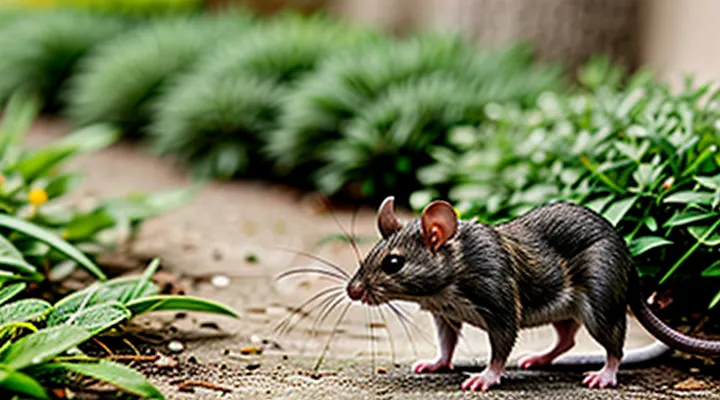
Understanding Pests and Their Impact
Common Pests and Associated Risks
Mice and Rats: Health Hazards and Damage
Mice and rats pose significant health risks and cause extensive property damage. Their presence introduces pathogens, contaminates food, and compromises structural integrity.
Health hazards include:
- Disease transmission – carriers of hantavirus, leptospirosis, salmonellosis, and plague; direct contact or inhalation of aerosolized droppings can infect humans.
- Allergic reactions – urine, saliva, and dander trigger asthma attacks and skin irritation.
- Foodborne illness – contamination of stored food with feces, urine, and hair leads to bacterial growth and toxin formation.
Damage to buildings and belongings manifests as:
- Structural compromise – gnawed wood, insulation, and wiring increase fire risk and weaken support elements.
- Electrical failures – chewed cables cause short circuits, power outages, and potential electrocution.
- Contamination of stored goods – ruined grain, fabric, and paper products result in financial loss.
Effective mitigation requires prompt detection, sanitation, and targeted control measures to protect health and preserve property.
Insects: Bites, Stings, and Contamination
Insect bites, stings, and contamination present immediate health concerns and can compromise food safety. Bites from mosquitoes, fleas, and bed bugs cause localized swelling, itching, and potential secondary infection. Stings from wasps, hornets, and fire ants introduce venom that may trigger allergic reactions, ranging from mild erythema to systemic anaphylaxis. Contamination occurs when insects infiltrate stored products, depositing feces, saliva, and pathogens that degrade nutritional quality and introduce disease vectors such as Salmonella or E. coli.
Effective repellent formulations address these threats through targeted active ingredients, delivery systems, and application protocols. Key components include:
- Synthetic pyrethroids (e.g., permethrin) that disrupt insect nervous systems, reducing biting and stinging activity.
- Plant‑derived oils (e.g., citronella, eucalyptus) that create olfactory barriers, deterring entry into human habitats and storage areas.
- Insect growth regulators (e.g., methoprene) that prevent larval development, limiting contamination of food supplies.
- Controlled‑release matrices (e.g., gel, aerosol, impregnated strips) that maintain consistent concentration over extended periods.
Product selection should consider spectrum of activity, toxicity profile, and environmental persistence. Products labeled for indoor use must comply with residential exposure limits, while those intended for grain storage require registration for food‑contact safety. Proper placement—along entry points, near resting sites, and within storage containers—optimizes barrier effectiveness and minimizes direct human contact.
Monitoring and maintenance remain essential. Regular inspection for bite or sting incidents, coupled with visual checks for insect presence, informs timely reapplication. Documentation of efficacy, such as reduced bite reports or lowered contamination indices, supports ongoing risk management and validates repellent performance.
Why Repellents Matter
Repellents are formulated to deter rodents and insects from entering or remaining in a given environment. Their active ingredients disrupt sensory pathways, causing pests to avoid treated areas without the need for lethal measures.
Pests pose several hazards:
- Transmission of pathogens such as hantavirus, salmonella, and leptospirosis.
- Damage to structural components, wiring, and stored goods.
- Contamination of food supplies, leading to spoilage and health violations.
- Attraction of secondary infestations, compounding control efforts.
Economic analyses show that a single rodent or insect intrusion can generate repair, cleaning, and product loss costs exceeding several thousand dollars. Deploying repellents reduces these expenses by preventing initial entry, thereby limiting the scope of remediation.
Modern formulations prioritize safety and environmental impact. Many products employ botanical extracts, mineral oils, or synthetic analogues that degrade rapidly, minimizing residual toxicity for humans, pets, and non‑target wildlife.
Compliance with industry standards, such as EPA registration and ISO safety guidelines, ensures that repellents meet defined efficacy thresholds while protecting occupants. Selecting certified options supports regulatory adherence and reduces liability.
In summary, repellents provide a proactive defense against health threats, property degradation, financial loss, and ecological concerns, making them a critical component of integrated pest management strategies.
Types of Repellents
Natural and Botanical Repellents
Essential Oils
Essential oils constitute a class of volatile plant extracts that exhibit repellent activity against rodents and arthropods through olfactory disruption and irritant properties. Their chemical constituents—such as menthol, eucalyptol, and citronellal—interfere with the chemosensory receptors of mice, rats, and insects, prompting avoidance behavior.
- Peppermint oil: strong menthol content; deters mice and rats in indoor and storage environments.
- Eucalyptus oil: high eucalyptol concentration; effective against cockroaches and beetles.
- Citronella oil: contains citronellal and geraniol; repels mosquitoes, flies, and ticks.
- Clove oil: rich in eugenol; discourages rats and certain beetle species.
- Lavender oil: linalool-dominant; reduces activity of moths and pantry insects.
Application methods rely on controlled release to maintain effective vapor concentrations. Typical formulations employ 1–5 % oil dilution in carrier solvents for sprays, 2–10 % for diffusers, and 5–15 % for gel or pellet matrices. Direct contact with surfaces should be avoided; placement near entry points, nesting areas, or food storage zones maximizes exposure. Safety data indicate low toxicity for humans and pets at recommended concentrations, though skin irritation may occur with undiluted oil.
Integration of essential oil treatments with mechanical barriers, sanitation protocols, and, when necessary, conventional chemical agents enhances overall efficacy. Product developers should ensure stable emulsification, consistent emission rates, and compatibility with packaging materials to deliver reliable rodent and insect deterrence.
Plant-Based Extracts
Plant-derived extracts serve as active ingredients in many rodent and insect deterrent products. These botanicals exploit natural repellent properties, reducing reliance on synthetic chemicals while maintaining efficacy against common pests such as mice, rats, and various insects.
Typical botanical actives include:
- Peppermint oil (Mentha piperita) – volatile menthol compounds disrupt olfactory receptors of rodents and repel ants, spiders, and moths.
- Citronella (Cymbopogon spp.) – citronellal and geraniol irritate sensory pathways of insects, particularly mosquitoes and flies.
- Neem seed extract (Azadirachta indica) – azadirachtin interferes with feeding and oviposition in beetles, cockroaches, and stored‑product pests.
- Eucalyptus oil (Eucalyptus globulus) – eucalyptol vapors deter rodents and repel ticks and fleas.
- Garlic powder (Allium sativum) – allicin vapors create an unpleasant environment for rats and certain beetles.
Mechanisms of action rely on strong odors, irritant compounds, or disruption of pheromone communication. Unlike conventional poisons, botanical extracts lack acute toxicity to mammals, allowing safe indoor application and compliance with stringent regulatory standards.
Formulation considerations:
- Concentration – effective doses range from 0.5 % to 5 % v/v for essential oils, depending on target species and delivery method.
- Delivery system – options include impregnated pads, spray emulsions, and microencapsulated granules that release volatile compounds over weeks.
- Stability – antioxidants such as vitamin E may be added to prevent oxidation of sensitive constituents.
- Compatibility – botanical actives should be tested for interactions with carrier solvents, adhesives, or other repellent agents to avoid loss of potency.
Regulatory frameworks typically classify plant extracts as “natural” or “biopesticide” ingredients, permitting streamlined approval processes when safety data demonstrate low risk to non‑target organisms. Manufacturers integrating these extracts into pest‑control solutions benefit from consumer preference for environmentally friendly products while delivering measurable deterrent performance.
Chemical Repellents
Synthetic Compounds
Synthetic chemicals dominate commercial formulations aimed at deterring mice, rats, and various insects. Manufacturers rely on these agents for predictable efficacy, ease of production, and compatibility with diverse delivery systems.
Key categories include:
- Pyrethroids – synthetic analogues of natural pyrethrins, disrupt neuronal sodium channels.
- Neonicotinoids – bind to nicotinic acetylcholine receptors, causing paralysis.
- Organophosphates – inhibit acetylcholinesterase, leading to overstimulation of the nervous system.
- Phenylpyrazoles – target GABA‑gated chloride channels, resulting in hyperexcitation.
- Repellent aldehydes – such as trans‑2‑hexenal, produce strong olfactory deterrence.
Each class operates through a distinct biochemical pathway that interferes with the target pest’s sensory or motor functions. Pyrethroids and neonicotinoids act primarily on the nervous system, while aldehydic repellents rely on odor aversion. The rapid onset of toxicity or irritation reduces the likelihood of habituation, extending product lifespan in field conditions.
Regulatory frameworks impose maximum residue limits, mandatory labeling, and restricted usage zones for many synthetic agents. Safety assessments address acute toxicity, chronic exposure, and environmental persistence. Compliance with agencies such as EPA, EFSA, or local equivalents ensures that products meet health standards while maintaining pest control performance.
Application formats range from aerosol sprays and granules to impregnated bait stations and surface coatings. Selection depends on target species, infestation severity, and environmental constraints. Proper dosing, placement, and reapplication intervals are critical to sustain deterrent effects and prevent resistance development.
Sprays and Granules
Sprays and granules constitute the most widely employed formats for controlling rodents and insects in residential, commercial, and agricultural settings. Both delivery systems rely on concentrated active ingredients that disrupt the nervous system, inhibit feeding, or create an aversive environment, thereby reducing infestation levels.
Spray formulations are typically packaged in aerosol cans or trigger‑spray bottles. They enable rapid coverage of cracks, crevices, baseboards, and surface areas where pests travel. The liquid matrix often contains solvents that facilitate penetration into porous materials, ensuring prolonged contact with the target. Application rates are expressed in milliliters per square meter, and manufacturers provide calibrated nozzles to achieve uniform distribution. After spraying, a drying period of 10–15 minutes is sufficient before re‑occupying the treated zone.
Granular products consist of solid particles ranging from 2 mm to 6 mm in diameter, impregnated with the same classes of active compounds found in sprays. Granules are scattered over soil, mulch, or directly into rodent burrows, where they slowly release the pesticide as moisture activates the carrier. This slow‑release mechanism offers protection for up to 30 days, reducing the need for frequent reapplication. Typical coverage rates vary from 0.5 kg per 100 m² for indoor use to 2 kg per 100 m² for outdoor environments.
Key comparative points:
- Application speed: Sprays provide immediate surface treatment; granules require spreading and incorporation.
- Persistence: Granules maintain efficacy longer, especially in outdoor soil; sprays lose activity within days to weeks.
- Target specificity: Sprays can be directed at specific entry points, minimizing exposure to non‑target organisms; granules disperse broadly, affecting any pest that contacts the treated substrate.
- Safety considerations: Both formats demand protective gloves and eye protection during handling; granules pose inhalation risks if dust is generated, while sprays may cause skin irritation from aerosol contact.
Effective use of these products depends on proper site assessment, adherence to label‑specified dosages, and integration with sanitation measures that eliminate food sources and shelter. When applied correctly, sprays and granules together form a comprehensive strategy for managing mouse, rat, and insect populations across diverse environments.
Electronic Repellents
Ultrasonic Devices
Ultrasonic devices emit high‑frequency sound waves that are inaudible to humans but disturb rodents and insects. The emitted frequencies typically range from 20 kHz to 65 kHz, targeting the auditory sensitivity of mice, rats, and many arthropods. Continuous operation creates an environment that discourages these pests from establishing nests or foraging in treated areas.
Key technical characteristics include:
- Frequency spectrum: adjustable bands allow selection of specific ranges for different species.
- Power output: measured in milliwatts; higher output extends effective radius up to 30 feet.
- Coverage pattern: omnidirectional versus directional emitters determine area uniformity.
- Power source: mains electricity, battery packs, or solar panels provide flexibility for indoor and outdoor deployment.
Effectiveness depends on several variables:
- Species response: mice and rats exhibit aversion to frequencies above 30 kHz, while many insects react to 40–55 kHz.
- Environmental factors: dense furnishings, walls, and open spaces attenuate sound, reducing reach.
- Device placement: positioning at entry points, along walls, and near food sources maximizes exposure.
- Duration of use: continuous operation maintains deterrent pressure; intermittent cycles may allow habituation.
Maintenance requirements are minimal. Most units feature self‑diagnostic LEDs indicating power status and functional integrity. Periodic cleaning of the speaker grille prevents dust accumulation that could impair sound transmission. Battery‑powered models require replacement or recharging according to manufacturer specifications.
Integration with other control measures enhances overall pest management. Combining ultrasonic emitters with physical traps, sealing entry gaps, and proper sanitation creates a multi‑layered strategy that reduces reliance on chemical repellents and improves long‑term results.
Electromagnetic Devices
Electromagnetic devices generate high‑frequency magnetic fields that interfere with the nervous systems of rodents and insects, prompting avoidance of the treated area. The technology relies on a coil powered by a low‑voltage source; the coil produces a pulsating field that extends several meters from the unit. Devices are typically classified by power output (low, medium, high) and by intended target (mice, rats, or insects).
Key characteristics include:
- Frequency range: 10 kHz to 30 kHz, selected to match the sensory thresholds of specific pests.
- Coverage radius: 10 – 30 ft for low‑power units, up to 100 ft for high‑power models.
- Power consumption: 5 W to 30 W, allowing continuous operation from mains or battery packs.
- Installation: wall‑mount or free‑standing, with optional weather‑proof housing for outdoor use.
Effectiveness is documented in controlled trials that show a reduction of rodent activity by 45 % to 70 % and an insect presence decline of 30 % to 60 % within the device’s field. Results depend on proper placement, absence of competing food sources, and uninterrupted power supply.
Safety considerations mandate that electromagnetic units comply with FCC and IEC standards to limit human exposure to electromagnetic radiation. Devices emit fields well below occupational safety limits, making them suitable for residential, commercial, and industrial environments.
Maintenance requirements are minimal: periodic cleaning of the housing, verification of power integrity, and replacement of the internal battery (if applicable) every 2–3 years.
Limitations include reduced efficacy in heavily insulated structures, interference from metal objects that shield the field, and ineffectiveness against pest species that rely less on magnetic sensing. Users should combine electromagnetic solutions with sanitation and physical barriers for comprehensive pest management.
Choosing the Right Repellent
Factors to Consider
Target Pest
The effectiveness of any pest‑control solution depends on a clear definition of the species it is intended to deter. Accurate identification of the target organism determines the choice of active ingredients, delivery mechanisms, and safety measures.
- Mice: Small, nocturnal rodents that gnaw electrical wiring, contaminate food supplies, and reproduce rapidly. Effective repellents must address their keen sense of smell and preference for nesting in concealed spaces.
- Rats: Larger rodents with strong chewing ability and a tendency to burrow in foundations and sewers. Products aimed at rats require higher concentrations of deterrent compounds and often incorporate bait‑free contact methods to avoid accidental ingestion.
- Insects: Diverse group including cockroaches, ants, and stored‑product beetles. Control strategies focus on disrupting pheromone trails, repelling through volatile oils, or creating inhospitable surface conditions. Each insect species exhibits distinct habitat preferences and activity patterns, influencing the formulation of the repellent.
Application Area
The range of environments where rodent and insect deterrents are employed determines product selection and deployment strategy. Indoor settings include residential kitchens, utility rooms, and commercial food‑service areas; formulations must be non‑toxic, odorless, and compliant with health regulations. Outdoor locations encompass gardens, perimeters of buildings, and municipal waste sites; granular or broadcast sprays provide coverage over large surfaces and persist through weather cycles. Agricultural applications target grain storage facilities, livestock barns, and field crops; products with long‑lasting active ingredients protect bulk commodities and reduce infestation risk during harvesting. Industrial environments such as factories, warehouses, and cold‑storage units require repellents that withstand temperature fluctuations and do not compromise equipment integrity. Transportation and shipping containers benefit from compact, fast‑acting aerosols that can be applied before loading and maintain efficacy throughout transit.
Key considerations for each area include:
- Safety profile: compliance with occupational health standards and food‑safety certifications.
- Delivery method: granules for soil and ground cover, emulsifiable concentrates for spray, solid blocks for enclosed spaces, ultrasonic devices for electronic deterrence.
- Persistence: duration of active ingredient effectiveness relative to the expected exposure period.
- Regulatory constraints: adherence to local pesticide registration and environmental protection rules.
Choosing an appropriate deterrent hinges on matching the product’s physical form and active component to the specific conditions of the intended environment, thereby maximizing efficacy while minimizing unintended impacts.
Safety for Humans and Pets
When selecting a rodent or insect repellent, verify that the formulation is approved for indoor use and explicitly labeled as non‑toxic to humans and domestic animals. Manufacturers must provide material safety data sheets (MSDS) that list acute toxicity values, exposure limits, and recommended personal protective equipment.
Ingredients such as natural essential oils (e.g., peppermint, citronella) generally present low toxicity, but concentration limits are required to prevent skin irritation or respiratory discomfort. Synthetic compounds like pyrethroids can cause neurological symptoms in pets if ingested or absorbed through the skin; products containing these agents should carry clear warnings and usage restrictions.
Safe application practices include:
- Applying the product only in areas inaccessible to children and pets, such as behind baseboards, under appliances, or in sealed voids.
- Using the minimum effective dose; excess spray increases the risk of accidental exposure without improving efficacy.
- Allowing a ventilation period of at least 15 minutes after aerosol application before re‑entering the space.
- Storing containers out of reach, in a cool, dry location, and disposing of empty cans according to local hazardous waste guidelines.
Monitoring for adverse reactions is essential. Immediate signs of toxicity in humans may include dizziness, headache, or skin redness; in pets, observe for excessive drooling, vomiting, tremors, or lethargy. If symptoms appear, evacuate the area, seek medical attention, and contact the product’s poison control hotline.
Regulatory compliance ensures that products meet federal and regional safety standards. Look for certifications such as EPA registration for insecticides, USDA approval for natural repellents, or CE marking for European markets. Compliance indicates that safety testing has confirmed acceptable risk levels for humans and common household animals when instructions are followed.
Comparing Different Repellent Types
Efficacy and Longevity
Efficacy and longevity determine the practical value of rodent and insect deterrent products. Efficacy is measured by the reduction in pest presence, activity levels, or damage within a defined period. Laboratory trials typically report mortality or repellency rates, while field studies record population declines or decreased intrusion incidents.
- Chemical sprays and aerosols: 70‑90 % reduction in target activity within 24 hours; effectiveness wanes after 2‑4 weeks as residues degrade.
- Granular bait stations: 80‑95 % mortality of captured rodents across a 30‑day exposure; residual toxicity persists up to 8 weeks under dry conditions.
- Ultrasonic emitters: 40‑60 % decrease in nocturnal activity during continuous operation; effectiveness drops after 6‑12 months due to habituation.
- Natural oil diffusers (e.g., peppermint, citronella): 30‑50 % repellency for insects; active compounds evaporate within 1‑2 weeks, requiring frequent replenishment.
Longevity reflects the period during which a product maintains its active properties under typical usage conditions. It depends on formulation stability, release mechanisms, and environmental exposure.
- Encapsulated pheromone dispensers: sustained release for 3‑6 months, with consistent attraction disruption observed in monitoring traps.
- Gel-based rodent repellents: protective barrier lasts 4‑8 weeks before drying or being displaced by debris.
- Weather‑resistant granules: retain potency for up to 6 months when applied to sheltered soil; UV exposure reduces efficacy after 3 months.
- Battery‑powered ultrasonic units: operational lifespan of 12‑24 months, limited by battery capacity rather than acoustic output.
Factors influencing both efficacy and longevity include placement accuracy, dosage compliance, target species resistance, ambient temperature, humidity, and substrate composition. Optimizing these variables extends functional periods and maximizes pest suppression outcomes.
Cost-Effectiveness
Cost‑effectiveness of rodent and insect repellents hinges on three measurable variables: purchase price, application frequency, and area of coverage. Lower unit costs do not guarantee overall savings if a product requires frequent re‑application or treats only limited spaces.
Key cost drivers include:
- Initial expense – price per container multiplied by the number of units needed for the target environment.
- Effective lifespan – duration before potency declines, expressed in weeks or months.
- Coverage capacity – square footage or cubic meters protected per unit.
When these factors are combined, the cost per protected square foot emerges as the primary metric for comparison. For example, a 500‑ml spray priced at $12 that covers 1,200 sq ft for eight weeks yields a cost of $0.0013 per sq ft per week. In contrast, a granular bait costing $15 for 250 sq ft and requiring bi‑weekly replacement results in $0.0048 per sq ft per week, making the spray more economical for large, open areas.
Comparative analysis with alternative control methods reinforces the importance of total cost of ownership. Mechanical traps involve minimal material cost but incur labor for placement, monitoring, and disposal, often raising the effective expense to $0.0025 per sq ft per week in high‑traffic zones. Chemical insecticides may present low upfront prices yet demand protective equipment and periodic re‑application, driving the weekly cost upward to $0.0030 per sq ft.
Selecting a product therefore requires aligning the cost per protected area with the specific infestation level and operational constraints. Products offering extended durability and broad coverage deliver the highest return on investment, especially in facilities where continuous protection is essential.
Application and Best Practices
Proper Usage Guidelines
Indoor Applications
Effective indoor pest deterrence relies on strategic deployment of products designed for rodents and insects. Placement near entry points, such as door thresholds, window sills, and utility openings, maximizes exposure to target species while limiting contact with occupants. Seal cracks and gaps before applying repellents to prevent re‑entry and to concentrate the chemical or ultrasonic field within the treated zone.
Chemical sprays and granules should be applied to baseboards, behind appliances, and within wall voids. Follow manufacturer dosage recommendations; excess application does not increase efficacy and may elevate health risks. Use rodent‑specific formulations that contain low‑toxicity active ingredients, such as bromated petroleum distillates, in areas inaccessible to children and pets. For insects, apply residual aerosol or powder to crevices, under sinks, and around light fixtures where insects congregate.
Ultrasonic devices require unobstructed line‑of‑sight to function optimally. Position units at least 12 inches from walls and avoid placement behind furniture. Maintain a clear space of 3‑4 feet around each device; obstacles diminish acoustic propagation. Replace batteries or reset units according to the product schedule to preserve output intensity.
Physical barriers complement chemical and electronic methods. Install snap traps or live‑catch traps along walls, using bait that aligns with the target species’ diet. Check traps daily, dispose of captures promptly, and reset traps to maintain continuous pressure on the pest population.
Maintenance practices sustain effectiveness:
- Inspect treated areas weekly for signs of activity.
- Reapply repellents after cleaning or ventilation events.
- Rotate product types (chemical, ultrasonic, mechanical) to prevent habituation.
- Document application dates, locations, and product batch numbers for regulatory compliance.
Adhering to these protocols ensures consistent indoor protection against mice, rats, and insects while preserving a safe environment for residents.
Outdoor Applications
Outdoor environments demand pest deterrent solutions that withstand weather exposure, maintain efficacy over extended periods, and integrate safely with surrounding flora and fauna. Formulations designed for external use incorporate UV‑stable carriers, moisture‑resistant binders, and temperature‑tolerant active ingredients to ensure consistent performance from spring through winter.
Granular repellents are applied to soil around garden beds, compost piles, and perimeter fences. Their slow‑release matrix delivers a steady concentration of scent or taste deterrents that discourage rodents and insects from burrowing or foraging. Broadcast methods allow uniform coverage, while targeted placement near entry points concentrates the effect where it is most needed.
Spray‑on treatments provide immediate surface coverage on plant stems, wooden structures, and outdoor equipment. Aerosol or pump‑action devices enable precise application to cracks, joints, and crevices that serve as shelter for pests. Formulations often contain biodegradable solvents that evaporate without leaving harmful residues.
Barrier products, such as impregnated mesh or treated lumber, create physical obstacles reinforced with repellent chemicals. Installation around storage sheds, toolboxes, and livestock enclosures prevents rodents from gnawing or nesting, while the chemical layer adds a secondary deterrent.
Electronic devices emit ultrasonic or electromagnetic frequencies that disrupt rodent navigation and insect communication. Placement near building foundations, drainage ditches, or greenhouse vents extends protection without chemical exposure.
Natural oil‑based repellents, derived from peppermint, neem, or citrus extracts, suit organic gardening practices. They can be mixed with water for foliar sprays or incorporated into mulch. Their volatile compounds deter feeding and breeding without affecting beneficial insects when applied correctly.
Key considerations for outdoor deployment include:
- Compatibility with local wildlife and pollinators
- Resistance to rain, snow, and direct sunlight
- Longevity of active ingredient release
- Ease of reapplication and dosage accuracy
- Compliance with regional environmental regulations
Selecting the appropriate format—granular, spray, barrier, electronic, or botanical—aligns product performance with specific site conditions, target species, and maintenance schedules. Proper installation and periodic monitoring sustain effective pest control across diverse outdoor settings.
Maintenance and Reapplication
Effective use of rodent and insect deterrents depends on regular upkeep and timely reapplication. After initial deployment, verify that the product remains intact, free of dust, moisture, or physical damage that could diminish potency. Store unused portions in sealed containers, away from direct sunlight and extreme temperatures, to preserve active ingredients.
Monitor infestation levels weekly. If signs of activity reappear—such as droppings, gnaw marks, or insect presence—reapply the repellent according to the manufacturer’s recommended interval. Typical reapplication periods are:
- Spray formulations: every 2–4 weeks, or after heavy cleaning.
- Granular or bait stations: every 30–60 days, depending on exposure.
- Ultrasonic devices: replace batteries or reset units every 6 months; relocate if furniture rearrangement blocks signal propagation.
Before each reapplication, clean the target area to remove residues that may interfere with the new coating. Use a mild detergent, rinse thoroughly, and allow the surface to dry completely. Follow safety precautions: wear gloves, avoid inhalation, and keep pets and children away until the product has dried or settled.
Record each maintenance action—date, location, product batch—to track effectiveness and ensure compliance with warranty or regulatory requirements. Consistent documentation facilitates adjustments to application frequency and helps identify problem zones that may need alternative control methods.
Integrated Pest Management Approaches
Integrated pest management (IPM) combines preventive, cultural, mechanical, biological, and chemical tactics to reduce mouse, rat, and insect populations while minimizing reliance on stand‑alone repellents. Effective IPM begins with thorough site assessments that identify entry points, harborages, and attractants. Data from traps, visual inspections, and monitoring devices guide the selection of appropriate control measures.
Key components of an IPM program include:
- Sanitation and exclusion: Eliminate food residues, store waste in sealed containers, and seal cracks, gaps, and utility penetrations to deny pests access to shelter and nourishment.
- Mechanical controls: Deploy snap traps, live‑catch traps, and bait stations strategically based on activity patterns detected during monitoring.
- Biological interventions: Introduce natural predators or parasitic agents where applicable, such as predatory beetles for stored‑product insects or nematodes for soil‑dwelling larvae.
- Chemical repellents and baits: Apply product categories—volatile rodent repellents, insect deterrent sprays, and attractant‑bait formulations—according to label specifications and only after non‑chemical options have been exhausted.
- Monitoring and evaluation: Maintain a log of trap captures, damage reports, and product performance. Adjust tactics quarterly or when thresholds are exceeded.
When repellents are incorporated into IPM, they function as supplemental barriers rather than primary solutions. For rodents, ultrasonic emitters or scent‑based deterrents can reduce activity in sealed zones, but must be paired with exclusion to prevent migration. Insect repellents, including pyrethroid‑based aerosols and botanical oils, are most effective when applied to entry points and perimeters after sanitation removes breeding sites.
A systematic IPM approach improves long‑term control efficiency, reduces chemical load, and aligns product use with regulatory standards. Continuous assessment ensures that each intervention—mechanical, biological, or chemical—remains proportionate to the observed pest pressure.
Safety and Environmental Considerations
Product Safety Labels and Warnings
Safety labels on rodent and insect repellent products convey essential information that protects users, non‑target organisms, and the environment. Labels must include the product name, active ingredient concentration, and a brief description of the intended use. Hazard symbols—such as skull‑and‑crossbones for acute toxicity or exclamation mark for irritation—appear prominently to signal risk levels.
Key warning statements are required by regulatory agencies. They specify who may handle the product, necessary personal protective equipment, and circumstances that demand caution. Typical warnings include:
- Keep out of reach of children and pets.
- Do not apply near food preparation surfaces or open food containers.
- Use only in well‑ventilated areas; avoid inhalation of vapors or dust.
- Wear gloves and eye protection during application.
- Do not ingest; seek medical attention immediately if swallowed.
Storage instructions must detail temperature limits, segregation from incompatible chemicals, and the need for sealed containers to prevent accidental exposure. Disposal guidance directs users to follow local hazardous waste regulations, prohibiting disposal down household drains or in regular trash.
Label language also addresses emergency response. First‑aid measures outline steps for skin contact, eye exposure, inhalation, and ingestion, with reference to the appropriate medical facility or poison control center. Contact information for the manufacturer, including a toll‑free hotline, appears on every label to facilitate rapid assistance.
Compliance with standards such as the Globally Harmonized System (GHS) and regional pesticide regulations ensures that safety information is consistent, legible, and understandable across diverse markets. Accurate, unambiguous labeling reduces misuse, minimizes health risks, and supports responsible pest‑control practices.
Eco-Friendly Options
Eco‑friendly pest repellents rely on non‑chemical mechanisms that minimize environmental impact while deterring rodents and insects. Products in this category include botanical extracts, physical barriers, and electronic devices that avoid toxic residues.
- Botanical extracts: Cedar oil, peppermint, and neem oil disrupt scent trails and feeding behavior of mice, rats, and common insects. Formulations are typically water‑based sprays or granules that decompose naturally.
- Physical barriers: Stainless‑steel mesh, copper tape, and sealed entry points prevent intrusion without chemicals. Installation requires precise fitting to eliminate gaps.
- Ultrasonic emitters: Devices emit high‑frequency sound waves beyond human hearing, creating an uncomfortable acoustic environment for rodents and insects. Effectiveness depends on proper placement and regular power supply.
- Diatomaceous earth: Fine silica particles abrade exoskeletons of insects and desiccate rodents when applied to crawl spaces. The material is inert and safe for humans and pets when used as directed.
Selection criteria for eco‑friendly repellents emphasize biodegradability, low toxicity, and compliance with regulatory standards. Users should verify concentration levels, ensure coverage of all potential entry points, and rotate methods to prevent habituation. Integration of multiple non‑chemical strategies typically yields the most reliable control of rodent and insect activity.
Potential Side Effects and Precautions
Potential side effects vary by active ingredient and delivery method. Chemical repellents containing pyrethroids may cause skin irritation, respiratory discomfort, or allergic reactions in sensitive individuals. Organic options such as essential‑oil sprays can trigger dermatitis or exacerbate asthma in susceptible users. Ultrasonic devices emit high‑frequency sound that is harmless to humans but may affect pets with acute hearing, leading to stress or disorientation.
Precautions for safe application include:
- Read the label thoroughly; follow the recommended concentration and exposure time.
- Wear protective gloves and eye protection when handling concentrated formulations.
- Keep products away from food preparation surfaces and open containers.
- Store repellents in a locked, child‑proof location at temperatures specified by the manufacturer.
- Ventilate the area during and after application of aerosol or liquid sprays.
- Test a small, concealed area before treating larger surfaces to assess material compatibility.
- For ultrasonic units, place devices away from cages, aquariums, or habitats of small mammals and birds.
- Dispose of empty containers according to local hazardous‑waste regulations.
Monitoring for adverse reactions after initial use is essential. If irritation, respiratory distress, or unusual behavior in pets occurs, discontinue use immediately and seek medical or veterinary advice.