
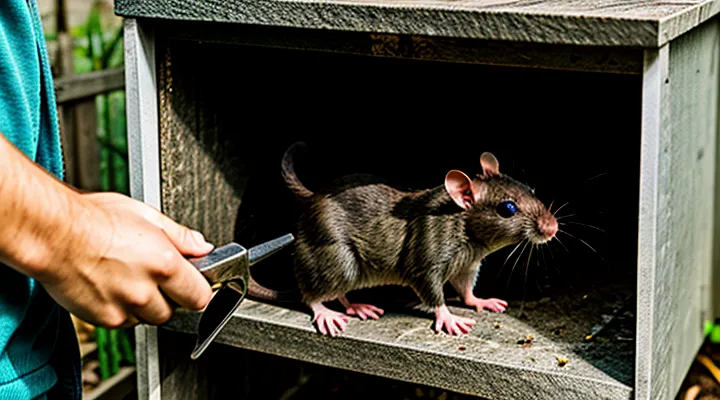
Understanding Your Rat Problem
Identifying Rat Infestation Signs
Droppings and Urine Trails
Droppings and urine trails provide the most reliable evidence of rat activity. Their presence confirms infestation, indicates movement patterns, and signals areas where sanitation measures must focus.
Typical rat droppings measure ¼ to ⅛ inch, are dark brown to black, and have a tapered shape with pointed ends. Fresh deposits appear glossy, while older ones become dry and crumbly. Urine trails are invisible to the naked eye but leave a distinct ammonia odor and may cause staining on fabrics and surfaces.
These excretions transmit pathogens such as Leptospira, hantavirus, and salmonella. Direct contact or inhalation of dried particles can cause respiratory irritation, skin infection, or systemic illness. Prompt removal eliminates the source of contamination and reduces health risks for occupants and pets.
Cleaning protocol
- Wear disposable gloves, a N‑95 respirator, and eye protection.
- Collect droppings with a damp paper towel; avoid dry sweeping that aerosolizes particles.
- Place waste in a sealed plastic bag, then double‑bag and dispose of it according to local hazardous‑waste regulations.
- Apply an EPA‑approved disinfectant (e.g., a 1:10 bleach solution) to the affected area; let it remain wet for at least ten minutes before wiping clean.
- Allow the surface to dry completely before resealing or re‑occupying.
Analyzing droppings and urine trails guides trap placement and bait distribution. Concentrations near walls, behind appliances, or in concealed voids reveal primary travel routes; positioning devices along these paths maximizes capture rates. Regular inspection of cleaned zones confirms the effectiveness of control actions and alerts to any resurgence.
Gnaw Marks
Gnaw marks are the most reliable visual indicator of active rodent activity. They appear as clean, crescent‑shaped bite edges on wood, plastic, wires, and insulation. The diameter of the bite correlates with the size of the animal: a ¼‑inch opening suggests a juvenile, while a ½‑inch or larger opening points to an adult Norway rat. Fresh gnaw marks display bright, white fibers; older marks darken as they oxidize and collect dust.
Identifying gnaw marks serves three essential purposes in a rat‑removal program:
- Confirms species and size, guiding trap selection and bait placement.
- Pinpoints pathways used for foraging and nesting, allowing targeted sealing of entry points.
- Provides evidence of ongoing infestation, justifying escalation to professional intervention if needed.
Inspection should focus on high‑traffic areas: baseboards, pantry shelves, cable bundles, and structural supports. Use a flashlight at a low angle to highlight the shallow curvature of the bite. When marks are found, record their location, measure the opening, and photograph for documentation.
Mitigation steps based on gnaw‑mark findings:
- Seal openings – Apply steel wool or copper mesh followed by caulking to gaps larger than ¼ inch.
- Eliminate food sources – Store dry goods in airtight containers; clean spills promptly to remove attractants.
- Deploy traps – Place snap or electronic traps adjacent to the marked surface, aligning the trigger mechanism with the direction of the bite.
- Inspect wiring – Replace damaged cables to prevent fire hazards and to remove a potential nesting site.
- Monitor – Re‑inspect gnaw‑mark locations weekly; disappearance indicates successful removal, persistence signals the need for additional measures.
Accurate interpretation of gnaw marks accelerates the eradication process, reduces property damage, and minimizes health risks associated with rodent infestations.
Scratching Noises
Scratching sounds heard in walls, ceilings, or floorboards often signal the presence of rodents. The noise results from gnawing, nesting activity, and movement along structural elements. Detecting these sounds early narrows the area that requires inspection and limits property damage.
Differentiating rat activity from other sources—such as squirrels, insects, or building settlement—requires attention to pattern and timing. Rats typically produce rapid, intermittent scratches that intensify during night hours, while squirrels generate louder, irregular clatter, and insects emit continuous rustling. Recording the sound with a smartphone and noting its frequency helps confirm rodent involvement.
Addressing scratching noises involves a systematic approach:
- Inspect suspected zones for fresh droppings, gnaw marks, and burrow openings.
- Seal all entry points larger than ¼ inch with steel wool, metal flashing, or cement.
- Deploy snap traps or electronic traps along established runways, positioning bait at night.
- Install tamper‑resistant bait stations containing anticoagulant pellets, following local regulations.
- Conduct a thorough cleaning of contaminated areas using disinfectant to remove scent trails.
- If activity persists after these steps, engage a licensed pest‑control professional for integrated management, which may include rodent‑proofing, baiting, and ongoing monitoring.
Eliminating the source of scratching noises restores structural integrity and prevents further health risks associated with rodent infestations.
Rat Sightings
Rat sightings provide the first reliable evidence that a property is compromised by rodents. They confirm the presence of an active population and signal the need for immediate intervention.
Each observation narrows the focus of control measures. Identifying the exact location, time of day, and frequency of sightings allows professionals to choose the most effective technique and to place traps or bait stations where they will have maximum impact.
Typical signs of rat activity include:
- Fresh droppings, ½‑inch long, dark brown and wedge‑shaped
- Gnawed wires, insulation, or wood
- Scratching sounds in walls or ceilings, especially at night
- Grease marks along baseboards or pipes
- Burrows or runways in insulation, compost, or stored goods
Documenting sightings should follow a consistent format: date, time, exact spot, and description of the observed rat or evidence. Photographs and sketches improve accuracy and aid communication with pest‑control specialists.
Accurate sighting data integrates directly with proven eradication protocols. Targeted placement of snap traps, live‑catch traps, or bait stations, combined with habitat modification, reduces the population quickly while minimizing non‑target exposure. Continuous monitoring of sightings confirms progress and indicates when additional measures are required.
Common Entry Points for Rats
Cracks and Holes in Foundations
Cracks and holes in a building’s foundation provide direct entry points for rats, allowing them to navigate walls, crawl spaces, and interior rooms. Identifying and sealing these openings is a fundamental step in any effective rodent control plan.
- Inspect the perimeter for gaps larger than ¼ inch; rats can squeeze through openings as small as a dime.
- Use steel wool or copper mesh to fill narrow fissures before applying a waterproof sealant.
- Apply expanding polyurethane foam to larger voids, ensuring the material adheres firmly to concrete or brick.
- Install cement‑based patching compounds on damaged sections of the foundation to restore structural integrity and eliminate access.
- Verify that drainage systems direct water away from the foundation; moisture softens concrete and enlarges existing cracks, creating additional pathways for rodents.
Regular monitoring of repaired areas prevents re‑opening caused by settlement or temperature fluctuations. Combining thorough sealing with traps or bait stations inside the property creates a comprehensive barrier that deters future infestations and protects the structure from further damage.
Gaps Around Pipes and Wires
Gaps surrounding plumbing, electrical conduits, and cable bundles provide direct access points for rodents seeking shelter and food. Even openings as small as a quarter‑inch can accommodate a rat, allowing entry into walls, attics, and crawl spaces where they can establish nests.
Identifying vulnerable areas involves a systematic visual inspection and tactile assessment:
- Examine the exterior of the building for exposed pipe sleeves, conduit straps, and cable entries.
- Probe seams and joints with a flashlight and a thin probe to detect concealed voids.
- Follow interior utility runs to locate where they penetrate foundations, floors, and ceilings.
Once gaps are documented, sealing must be performed with durable, rodent‑resistant materials:
- Use stainless‑steel mesh (¼‑inch or smaller) to cover larger openings before applying sealant.
- Apply high‑grade polyurethane or silicone caulk to fill irregular spaces around pipe collars and cable clamps.
- For penetrations through concrete, inject expanding epoxy foam that hardens into a solid barrier.
Maintenance practices reduce the likelihood of re‑opening:
- Inspect sealants annually for cracks caused by temperature fluctuations.
- Replace worn cable ties and pipe brackets that may loosen over time.
- Keep vegetation and debris away from utility entry points to discourage rodents from approaching.
By systematically locating and reinforcing gaps around pipes and wires, property owners eliminate primary ingress routes, thereby enhancing the overall effectiveness of rat‑control measures.
Unsealed Vents and Chimneys
Unsealed vents and chimneys provide direct pathways for rodents to infiltrate buildings. Gaps around vent louvers, chimney flues, and roof penetrations allow rats to travel from exterior spaces into attics, crawl spaces, and interior rooms. Once inside, rats exploit the same openings to re‑enter, creating a continuous cycle of infestation.
To eliminate these routes, follow a systematic approach:
- Inspect all exterior vents, including dryer, bathroom, and attic exhausts, for missing or damaged covers.
- Examine chimney crowns, flashings, and the top of the flue for cracks or gaps.
- Install stainless‑steel mesh or hardware cloth (¼‑inch or smaller) over vent openings, securing it with corrosion‑resistant screws.
- Fit chimney caps with tight‑fitting flanges; choose models that incorporate a rat‑proof screen.
- Seal peripheral gaps with silicone sealant, expanding foam, or metal flashing, ensuring a continuous barrier.
- Conduct a follow‑up inspection after weather events to verify that seals remain intact.
Regular maintenance prevents re‑opening of sealed points. Clean debris from vent grilles, replace deteriorated mesh, and verify that chimney caps are not displaced by wind or animal activity. By securing vents and chimneys, property owners remove one of the most common entry routes, significantly reducing the likelihood of rat presence.
Damaged Roofs and Gutters
Rats exploit gaps, cracks, and water damage in roofs and gutters to gain entry and establish nests. A compromised roof deck or sagging gutter creates a protected pathway, allowing rodents to move between the attic and exterior unnoticed. Identifying these vulnerabilities is the first step toward eliminating the infestation source.
Inspect the roof surface for missing shingles, torn flashing, and exposed wood. Examine gutters for rusted seams, loose brackets, and accumulated debris that can conceal entry points. Document each defect before initiating repairs to ensure comprehensive coverage.
- Replace missing or damaged shingles and seal all flashing joints with rust‑resistant caulk.
- Reinforce gutter brackets, tighten fasteners, and install splash guards to prevent overflow.
- Clean gutters thoroughly, removing nests, droppings, and vegetation that could shelter rats.
- Apply metal mesh or hardware cloth to vent openings, soffit gaps, and attic access doors.
After repairs, monitor the structure for fresh signs of activity, such as gnaw marks or droppings, and combine physical barriers with proven baiting or trapping methods to achieve lasting control. Continuous maintenance of the roof and gutter system reduces the likelihood of re‑infestation and supports overall property integrity.
Effective Rat Removal Strategies
Non-Lethal Trapping Methods
Live Traps
Live traps provide a humane solution for eliminating rats without resorting to poisons or snap devices. The traps consist of a cage with a spring‑loaded door that closes when the animal triggers a sensor, usually by entering to reach bait.
Key considerations for successful deployment:
- Trap selection – Choose a model large enough for the target species; common sizes accommodate Norway rats (Rattus norvegicus) and roof rats (Rattus rattus).
- Bait choice – Use high‑protein foods such as peanut butter, dried fish, or fresh fruit. Apply a small amount to the trigger mechanism to ensure contact.
- Placement – Position traps along walls, near burrows, or in areas showing gnaw marks. Rats prefer concealed routes; align the trap’s entry hole with these pathways.
- Inspection schedule – Check traps at least twice daily. Prompt removal of captured rats prevents stress and reduces the risk of disease transmission.
When a rat is captured, relocate it at least 2 kilometers from the property to prevent re‑infestation. Release sites should offer shelter and food sources, such as wooded areas or abandoned farms.
Advantages of live trapping include compliance with animal‑welfare regulations, avoidance of secondary poisoning, and the ability to monitor population size through captured individuals. Limitations involve the need for regular monitoring, potential escape if traps are not secured, and legal restrictions in some jurisdictions that prohibit releasing captured wildlife.
Integrating live traps with complementary measures—such as sealing entry points, removing food sources, and maintaining sanitation—enhances overall effectiveness in rat control programs.
Baiting Strategies for Live Traps
Effective bait selection is critical for attracting rats to live-capture devices. Use food items that align with the rodents’ natural preferences and seasonal dietary shifts. Common choices include:
- Peanut butter mixed with oats or cornmeal, offering strong scent and high caloric value.
- Fresh fruit such as apple slices or grapes, especially effective in warmer months.
- Meat-based baits like cooked bacon or canned fish, suitable for nocturnal foraging periods.
- Commercially formulated rodent attractants, which combine pheromonal cues with palatable ingredients.
Placement of bait influences trap success. Position the bait at the rear of the trap to compel the rat to fully enter before reaching the food source. Secure the lure to prevent removal or contamination by non-target species. In high-traffic corridors, distribute multiple baits at intervals of 2–3 feet to create a continuous scent trail.
Timing of bait deployment should match rat activity peaks. Deploy traps in the early evening and retrieve them at dawn, when rats are most active. Rotate bait types every 48 hours to avoid habituation and maintain high attraction rates.
Safety considerations include wearing gloves when handling bait to prevent scent transfer to human skin, and storing excess bait in sealed containers to deter other wildlife. After capture, release the animal promptly at a location at least 0.5 mile from the property, following local regulations.
Safe Release Protocols
Safe release protocols are a critical component of any rat control strategy that prioritizes humane treatment and environmental responsibility. The process begins with a thorough assessment of the infestation to determine the number of individuals, species, and health risks. Accurate data guide the selection of appropriate live‑capture devices and ensure that traps are placed where they will be most effective without endangering non‑target wildlife.
Once live traps are set, captured rats must be handled with protective gloves and placed in secure, ventilated containers. Containers should be labeled, inspected for injuries, and kept away from food preparation areas. Transport to a release site requires a vehicle that prevents escape and protects the animals from extreme temperatures.
Release sites must meet specific criteria:
- Minimum distance of 2 miles from the property where capture occurred.
- Habitat that offers natural shelter, water, and food sources.
- Absence of predators that could cause immediate mortality.
- Compliance with local wildlife regulations and permits.
Before release, each animal should be examined for signs of disease; any sick or injured individuals must be referred to a licensed veterinary professional. After release, the original property should be sanitized to eliminate scent trails and attractants, and entry points must be sealed to prevent re‑entry.
Ongoing monitoring includes periodic inspections for new activity, maintenance of exclusion measures, and documentation of release outcomes. This systematic approach ensures that rat populations are reduced without resorting to lethal methods, aligns with humane standards, and minimizes the risk of future infestations.
Lethal Trapping Methods
Snap Traps
Snap traps remain one of the most reliable mechanical solutions for rat control on residential and commercial premises. They deliver immediate, lethal results without the need for chemicals, reducing the risk of secondary poisoning to pets and wildlife. The design consists of a spring‑loaded bar that snaps shut with sufficient force to kill a rat instantly when triggered by a pressure plate.
Effective deployment requires attention to placement, bait selection, and safety measures:
- Position traps along walls, behind appliances, and in concealed pathways where rat activity is evident.
- Use attractive bait such as peanut butter, dried fruit, or small meat pieces, securing it to the trigger to prevent premature release.
- Set traps with the trigger side facing the wall to align with the rat’s natural movement pattern.
- Wear thick gloves when handling traps to avoid accidental activation.
- Check traps daily; remove dead rodents promptly and dispose of them in sealed bags to prevent disease transmission.
Proper maintenance extends trap lifespan. After each capture, clean the mechanism with mild detergent, dry thoroughly, and re‑apply fresh bait. Replace worn springs or corroded components to preserve the required snap force. When used consistently and monitored closely, snap traps provide a cost‑effective, humane, and rapid method for eliminating rat infestations.
Electronic Traps
Electronic traps provide a rapid, humane alternative to traditional snap or glue devices. The units emit a high‑frequency shock when a rodent completes an electrical circuit, causing instantaneous death without the risk of lingering injuries. Because the mechanism relies on conductivity rather than bait, traps remain effective even when rats become bait‑averse.
Key advantages include:
- Immediate result eliminates the need for post‑capture disposal.
- No chemical residues or poison exposure to non‑target species.
- Compact design fits into concealed locations such as wall voids, attics, and crawl spaces.
- Built‑in indicators signal successful captures, allowing timely maintenance.
Installation follows a straightforward sequence:
- Identify active runways and feeding zones using droppings, gnaw marks, or infrared motion sensors.
- Position the trap perpendicular to the runway, ensuring the entry plate aligns with the rodent’s natural path.
- Connect the unit to a reliable power source; most models operate on standard AC or battery packs with low‑voltage output.
- Test the circuit with a conductive object to confirm activation before sealing the area.
- Monitor indicator lights or audible alerts; replace the unit after a predetermined number of kills or when battery voltage drops below the manufacturer’s threshold.
Maintenance involves cleaning the entry plate with a mild detergent, inspecting wiring for wear, and resetting the internal capacitor. Regular checks prevent false triggers caused by debris or moisture, preserving the trap’s efficiency over extended periods.
When integrated with other proven rat‑control measures—such as sealing entry points, removing food sources, and habitat modification—electronic traps contribute to a comprehensive, evidence‑based eradication program. Their reliability, safety profile, and ease of use make them a preferred choice for property owners seeking swift, verifiable results.
Placement Considerations for Lethal Traps
Effective lethal trap deployment requires precise positioning to maximize rat capture while minimizing risk to non‑target animals and humans. Identify active runways, wall voids, and near food sources; these are primary pathways rats use to travel. Place traps directly on these routes, perpendicular to the direction of movement, to intercept the head‑first approach that triggers the mechanism.
- Position traps a few inches from walls, as rats prefer to travel close to surfaces.
- Install traps at floor level or within 2–4 inches of the baseboard; rats rarely climb higher than this when seeking shelter.
- Use multiple traps spaced 12–18 inches apart along a continuous line to create an overlapping coverage zone.
- Avoid placement near pet areas, children’s play zones, or open food containers; secure traps behind appliances or inside cabinets where access is restricted.
- Ensure traps are anchored to prevent displacement by wind, vibration, or animal interference.
- Select locations with stable temperature and low humidity to preserve bait potency and trigger reliability.
- Verify that each trap is positioned away from vents, drains, and electrical outlets to prevent accidental activation of utilities.
- Conduct weekly inspections; relocate any traps that show reduced activity or signs of tampering.
Adhering to these placement guidelines increases capture rates, reduces collateral damage, and supports a systematic eradication program.
Rodenticides and Poisons
Types of Rodenticides
Rodenticides constitute a core component of chemical rat control, delivering rapid mortality through targeted toxicity. Selecting the appropriate formulation depends on the infestation severity, environmental constraints, and regulatory compliance.
-
Anticoagulant baits: First‑generation agents (warfarin, chlorophacinone) require multiple feedings; second‑generation compounds (bromadiolone, difenacoum) act after a single dose, causing internal bleeding that leads to death within 3–7 days. Both categories pose secondary poisoning risks and demand secure placement.
-
Metal phosphides: Zinc phosphide and aluminum phosphide release phosphine gas when ingested, producing fatal respiratory failure within hours. Effective against resistant populations, they are unsuitable for indoor use due to toxic fumes and strict handling requirements.
-
Neurotoxic agents: Bromethalin disrupts mitochondrial function, causing cerebral edema and death in 2–3 days. It exhibits low secondary toxicity but may be less attractive to rats because of low palatability.
-
Calcium silicate blocks: Non‑chemical, these desiccant blocks dehydrate the gastrointestinal tract, resulting in death after 4–6 days. They are environmentally inert and approved for use where food contamination is a concern.
-
Cholecalciferol (vitamin D3) formulations: Induce hypercalcemia, leading to organ failure within 4–6 days. They present minimal risk to non‑target species when applied correctly but require precise dosing to avoid sublethal exposure.
Effective deployment combines bait selection with proper placement, regular monitoring, and adherence to local pest‑control regulations. Integration with sanitation and exclusion measures maximizes overall success in eliminating rat activity.
Safety Precautions for Rodenticide Use
When applying rodenticides, protect human health, pets, and non‑target wildlife by following strict safety protocols.
Wear appropriate personal protective equipment—gloves, goggles, and a mask—before handling any bait or liquid formulation. Ensure that the product label is read in full and that all recommended protective measures are observed.
Apply bait only in locations inaccessible to children and domestic animals. Seal entry points, use tamper‑resistant bait stations, and position them along walls or behind obstacles where rodents travel.
Store rodenticides in their original containers, locked away, and out of direct sunlight. Keep inventory records to track quantities and expiration dates, discarding expired material according to local hazardous‑waste regulations.
Ventilate indoor treatment areas for at least 30 minutes after application. Conduct a thorough clean‑up of any spills using absorbent material and dispose of it in a sealed bag.
Educate household members about the presence of bait, emphasizing that it must not be touched or consumed. Provide clear signage indicating treated zones and the duration of the control program.
Monitor bait stations regularly, replace depleted units, and remove all bait once rodent activity has ceased. Follow up with a final inspection to confirm that no residues remain in areas where food is prepared or stored.
By adhering to these precautions, the risk of accidental poisoning is minimized while maintaining the effectiveness of the rat‑control effort.
Potential Risks to Pets and Children
Effective rat control must account for hazards to domestic animals and children. Toxic baits, snap traps, and glue boards pose direct threats if accessed inadvertently. Rodent‑borne pathogens can spread through contaminated droppings, urine, or bite wounds, increasing infection risk for vulnerable occupants. Noise and sudden movement from trapping devices may cause anxiety or injury in pets and young children.
- Ingestion of anticoagulant poison leads to internal bleeding, often fatal without prompt veterinary care.
- Contact with snap‑trap jaws can result in lacerations or amputations.
- Glue board adhesion may cause skin trauma, respiratory distress, or prolonged restraint.
- Exposure to rodent saliva or feces carries leptospirosis, hantavirus, and salmonellosis.
- Secondary poisoning occurs when a pet consumes a poisoned rat, transmitting the toxin.
Mitigation requires placement of baits and traps beyond reach, use of tamper‑resistant containers, and selection of pet‑safe formulations. Continuous monitoring, prompt removal of dead rodents, and thorough sanitation reduce pathogen load. Educating household members on safe handling practices further protects non‑target individuals during rat eradication efforts.
Professional Pest Control Services
When to Call an Exterminator
Rats can cause structural damage, contaminate food, and spread disease. Recognizing the point at which professional intervention becomes necessary prevents escalation and reduces long‑term costs.
- Visible droppings or gnaw marks appear in multiple rooms, indicating an established population.
- Damage to insulation, wiring, or building materials is observed, suggesting potential fire hazards or costly repairs.
- Persistent odor of urine or feces remains despite thorough cleaning.
- Multiple sightings occur over several days, especially during nighttime when rats are most active.
- Attempts at DIY traps or repellents fail to reduce activity after a week of consistent effort.
- Children, elderly, or immunocompromised individuals inhabit the premises, increasing health risks.
- Local regulations require licensed pest control for certain infestations, such as in rental properties or commercial facilities.
When any of these conditions are present, contacting a certified exterminator ensures rapid identification of entry points, targeted bait placement, and safe removal methods that comply with health and safety standards. Prompt professional action protects property integrity and minimizes exposure to rodent‑borne pathogens.
Benefits of Professional Rat Removal
Professional rat control services deliver measurable advantages compared with do‑it‑yourself attempts. Trained technicians apply species‑specific knowledge, ensuring accurate identification of infestation levels and appropriate intervention strategies.
- Precise assessment eliminates guesswork, reducing unnecessary chemical use.
- Certified methods meet local health and safety regulations, protecting occupants from legal penalties.
- Immediate removal curtails disease transmission, lowering public‑health risks.
- Targeted actions prevent structural damage to wiring, insulation, and stored goods, preserving property value.
- Ongoing monitoring programs detect re‑infestations early, maintaining a rat‑free environment.
- Documentation of interventions provides liability coverage for landlords and business owners.
- Efficient resource allocation minimizes labor costs and disruption to daily operations.
Overall, engaging qualified experts translates into faster resolution, reduced health hazards, and sustained protection of assets.
What to Expect from a Pest Control Service
A professional rodent‑control provider follows a systematic process from first contact to final verification. The service begins with a site visit in which a qualified technician surveys interior and exterior areas, identifies entry points, and evaluates the extent of infestation. The findings form the basis for a written treatment plan that specifies methods, materials, and a schedule.
- Inspection of all potential harborage zones
- Identification of structural gaps and utility openings
- Selection of control measures (e.g., bait stations, traps, exclusion devices)
- Presentation of a cost estimate and timeline
- Execution of approved actions, adhering to safety regulations
- Post‑treatment monitoring and re‑inspection within a set period
After implementation, the provider supplies a detailed report documenting locations treated, products applied, and observations of rodent activity. The report includes recommendations for preventative maintenance, such as sealing cracks and managing waste. Many companies guarantee a reduction in sightings and offer a follow‑up visit at no additional charge if activity persists.
Clients can expect clear communication, compliance with local health codes, and protection of non‑target species. The overall experience is defined by measurable outcomes, documented evidence, and a contractual commitment to keep the property rat‑free.
Preventing Future Rat Infestations
Sealing Entry Points
Repairing Foundations and Walls
Repairing foundations and walls is a critical step in preventing rodent intrusion. Cracks, gaps, and deteriorated sections provide easy access points for rats seeking shelter and food. Addressing these weaknesses eliminates routes that bypass traps and bait stations, thereby enhancing the overall effectiveness of any control program.
Identify all openings larger than ¼ inch. Inspect exterior walls, basement slabs, crawl spaces, and utility penetrations. Seal each opening with appropriate materials: hydraulic cement for concrete cracks, steel wool backed by expanding foam for small gaps, and metal flashing for larger voids. Apply a continuous, weather‑resistant sealant to the exterior surface to protect the repair work from moisture and further degradation.
Reinforce structural integrity to discourage future damage that could create new entry points. Steps include:
- Clean the area of loose debris and loose mortar.
- Apply a bonding agent to improve adhesion of repair compounds.
- Fill cracks with hydraulic cement, pressing the material deep into the void.
- Smooth the surface and allow it to cure according to manufacturer specifications.
- Install a protective coating or waterproof membrane where exposure to water is likely.
Maintain regular inspections after repairs. Look for signs of new cracking, water infiltration, or rodent activity. Promptly address any emerging issues to preserve the barrier and sustain the success of rat management measures.
Sealing Gaps Around Utilities
Sealing gaps around utility lines, pipes, and cables blocks one of the most common routes rats use to infiltrate a building. Small openings—often less than a quarter‑inch—provide easy access, especially where water, gas, or electrical services penetrate walls, floors, and foundations.
Identify all utility penetrations by inspecting exterior walls, basement slabs, crawl spaces, and attic floors. Look for visible cracks, gaps around pipe sleeves, and deteriorated sealant. Use a flashlight and a mirror to detect hidden openings behind insulation or fixtures.
Apply a systematic sealing process:
- Clean the area of debris, dust, and old caulk.
- Choose a durable material: stainless‑steel mesh (¼‑inch or smaller), expanding polyurethane foam, or cement‑based sealant, depending on the location and exposure.
- For gaps larger than ¼ inch, install mesh first, then cover with sealant to prevent rats from chewing through.
- Inject foam or apply sealant evenly, ensuring it adheres to both the utility surface and the surrounding structure.
- Allow the material to cure according to manufacturer instructions before re‑installing any covers or fixtures.
Inspect sealed points regularly, especially after severe weather or building renovations. Replace any compromised material promptly to maintain an airtight barrier. Consistent maintenance of utility seals reduces the likelihood of rat entry and supports long‑term pest‑free conditions.
Installing Mesh on Vents and Chimneys
Rats frequently access buildings through unprotected vents and chimneys, creating pathways for infestation. Sealing these openings with appropriate mesh eliminates a primary route of entry and reduces the likelihood of future incursions.
Select stainless‑steel or galvanized wire mesh with a minimum aperture of ¼ inch (6 mm) to prevent rodent passage while allowing airflow. Mesh should be corrosion‑resistant, durable under temperature fluctuations, and compatible with the vent or chimney material. Use a gauge of 16‑18 to balance strength and flexibility.
- Measure the vent or chimney opening accurately.
- Cut mesh to dimensions that exceed the opening by at least 2 inches (5 cm) on all sides.
- Position mesh over the opening, ensuring a tight fit against the frame.
- Secure mesh with stainless‑steel staples or self‑drilling screws, spacing fasteners every 4–6 inches (10–15 cm).
- Apply a fire‑rated sealant around the perimeter to close any gaps and maintain compliance with safety codes.
Inspect the installed mesh quarterly for rust, displacement, or damage. Clean debris that may accumulate on the surface to preserve airflow. Replace compromised sections promptly to maintain a continuous barrier.
When combined with trapping, sanitation, and exclusion of other entry points, vent and chimney mesh provides a reliable, low‑maintenance component of an integrated rat‑control strategy.
Eliminating Food and Water Sources
Proper Food Storage
Proper food storage reduces the attraction of rodents to residential and commercial premises. Secure containers and controlled access limit the availability of edible waste, which directly influences the likelihood of infestation.
Key practices include:
- Use airtight, metal or heavy‑plastic containers with sealed lids for dry goods, pet food, and bulk purchases.
- Store perishables in refrigeration units that close tightly; clean spills immediately.
- Place waste bins away from entry points, line them with sturdy lids, and empty them regularly.
- Keep pantry shelves organized; rotate stock to prevent spoilage and remove expired items promptly.
- Conduct routine inspections for signs of gnawing or contamination; replace damaged containers without delay.
Implementing these measures eliminates food sources that encourage rat activity, supporting broader control efforts and sustaining a hygienic environment.
Managing Pet Food and Water Bowls
Effective rat control on a property begins with eliminating food sources that attract rodents. Pet feeding stations are a common point of access; unattended kibble, wet food, or spilled water provide a reliable supply for rats, encouraging their presence and reproduction.
Maintain strict hygiene around feeding areas:
- Store dry pet food in airtight containers made of metal or heavy‑duty plastic.
- Portion meals in small, disposable containers and discard leftovers within 30 minutes.
- Use shallow, weighted bowls that cannot be tipped easily, reducing spillage.
- Clean bowl surfaces with hot, soapy water after each use; rinse thoroughly to remove residues.
- Position bowls away from walls, cabinets, or other structures that rats could use for shelter.
Additional measures reinforce these practices:
- Replace outdoor feeders with weather‑proof models that include built‑in rat guards.
- Schedule regular inspections of feeding zones for droppings, gnaw marks, or nesting material.
- Rotate feeding locations periodically to prevent rats from establishing a fixed route.
By managing pet food and water provision rigorously, property owners remove a primary incentive for rat infestation, supporting broader pest‑elimination efforts.
Addressing Leaks and Standing Water
Leaks and pooled water create ideal conditions for rats, providing easy access to food, shelter, and moisture. Eliminating these sources reduces the likelihood of infestation and supports any rat‑control program.
Identify all water‑entry points. Inspect roofs, gutters, downspouts, and exterior walls for cracks, loose flashing, or damaged seals. Repair damaged areas with appropriate sealants, flashing tape, or replacement materials to prevent rainwater infiltration.
Redirect runoff away from the building foundation. Grade the soil to slope at least six inches per ten feet, install French drains or surface trenches, and ensure downspouts terminate at least three feet from the structure. This prevents water from collecting near walls and crawl spaces.
Eliminate interior moisture sources. Fix leaky pipes, faucets, and appliance connections promptly. Install drip‑free showerheads, use water‑saving fixtures, and routinely check under sinks and behind appliances for hidden drips.
Maintain proper drainage in basements and crawl spaces. Install sump pumps with battery backup, keep pump discharge lines clear, and use vapor barriers on concrete floors to stop ground moisture from rising.
Conduct regular inspections. Create a schedule to verify that repairs remain intact, drainage systems function correctly, and no new standing water appears after heavy rain. Document findings and address any issues immediately.
By systematically sealing leaks, managing runoff, and controlling interior moisture, property owners remove critical attractants, making the environment hostile to rats and enhancing the effectiveness of any eradication measures.
Maintaining a Clean Environment
Regular Waste Disposal
Effective rat control begins with disciplined waste handling. Food remnants, organic debris, and unsecured trash provide the primary energy source for rodents; eliminating these resources forces populations to seek alternative habitats.
Maintain sealed containers for all refuse. Use bins with tight‑fitting lids, inspect seals regularly, and replace damaged components promptly. Position containers away from building walls and elevate them on platforms or pallets to prevent direct contact with the ground.
Implement a strict removal schedule. Collect waste at least once daily in high‑traffic areas and no less than twice weekly elsewhere. Empty bins before they reach capacity to avoid spillage and overflow.
Separate waste streams. Designate distinct receptacles for compostable material, recyclables, and general trash. Compost bins should be enclosed and equipped with fine mesh to block rodent entry.
Inspect disposal sites for signs of activity. Look for gnaw marks, droppings, or burrows near trash areas. Promptly address any breach by repairing containers, tightening closures, or adding deterrent devices such as metal flashing.
Key practices for regular waste disposal:
- Use airtight, lockable containers.
- Schedule frequent collection and timely emptying.
- Keep containers elevated and isolated from building exteriors.
- Separate organic waste and secure compost units.
- Conduct routine visual checks and repair any damage immediately.
Consistent application of these measures removes the nutritional incentive for rats, supporting broader pest‑management strategies and reducing the likelihood of infestation.
Decluttering and Organization
A cluttered environment creates hiding places, food sources, and pathways that facilitate rodent activity. Reducing excess items eliminates shelter, limits access to stored food, and simplifies inspection of potential entry points.
- Remove all unused boxes, bags, and containers from storage areas.
- Dispose of damaged or torn packaging that could serve as nesting material.
- Store remaining items in sealed, pest‑proof containers.
- Keep floors, countertops, and shelves free of debris and food residues.
- Conduct regular audits of stored goods to discard expired or unneeded products.
Organizing the remaining belongings creates clear, open spaces that deter rats from establishing territories. Labeling storage containers and arranging items systematically improves visibility, allowing early detection of gnaw marks or droppings. Maintaining this order requires routine cleaning schedules and periodic reassessment of storage practices.
Integrating decluttering with other control measures—such as sealing gaps, setting traps, and managing waste—strengthens overall rat eradication efforts. A disciplined, organized setting reduces the likelihood of re‑infestation and supports long‑term property protection.
Landscaping and Yard Maintenance
Effective rat control begins with a well‑maintained landscape. Overgrown vegetation, clutter, and standing water create shelter and food sources that attract rodents. Maintaining the yard eliminates these resources and reduces the likelihood of infestation.
- Trim shrubs, grasses, and trees to ground level where possible; low vegetation removes hiding places.
- Remove leaf piles, mulch, and compost bins that are not sealed; these serve as nesting sites.
- Store firewood off the ground and away from the house; elevate or cover to prevent access.
- Install a perimeter barrier of gravel or crushed stone; a rough surface deters burrowing.
- Keep gutters clear of debris; flowing water discourages rats from seeking shelter.
- Secure trash containers with tight‑fitting lids; eliminate easy food sources.
- Seal cracks, gaps, and openings in foundations, walls, and utility lines; block entry points.
Regular yard inspections identify emerging problems before they become infestations. Prompt corrective action maintains a hostile environment for rats and supports broader pest‑management strategies.