
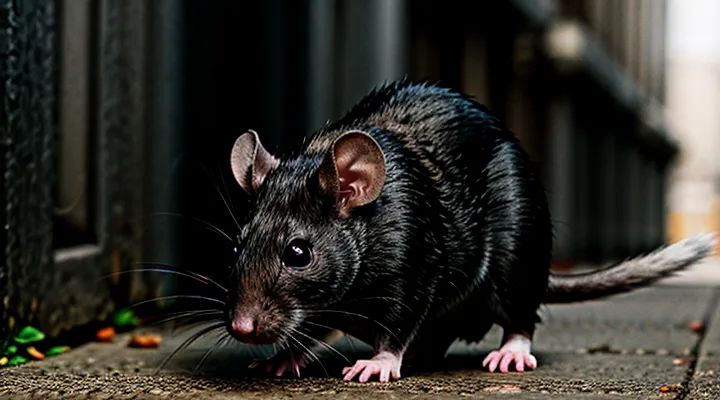
Red-Eyed Rats: A General Overview
Genetics of Red Eyes in Rats
Albinism and Pigmentation
Albinism in rats results from mutations that suppress melanin synthesis, leaving skin and fur unpigmented and exposing the underlying vasculature of the iris. The lack of pigment allows blood vessels to dominate the eye’s appearance, producing a characteristic red hue. This pigment deficiency also affects ocular development: melanin contributes to the formation of the retinal pigment epithelium, which supports photoreceptor function and shields the retina from excessive light. When melanin is absent, the retinal pigment epithelium is underdeveloped, leading to structural abnormalities, reduced photoreceptor density, and heightened susceptibility to phototoxic damage. Consequently, albino rats frequently exhibit reduced visual acuity or complete blindness.
Key points linking albinism to visual impairment in these rodents:
- Melanin deficiency impairs retinal pigment epithelium maturation.
- Inadequate pigment leaves the retina exposed to stray light, accelerating photoreceptor degeneration.
- Structural anomalies in the optic nerve and sclera often accompany the condition, further compromising signal transmission.
- The red eye coloration serves as a visible indicator of the underlying pigment deficit and associated ocular pathology.
Understanding the relationship between pigmentation loss and visual dysfunction clarifies why red‑eyed rats commonly present with blindness.
Impact on Vision
Red‑eyed rodents frequently harbor a pathogen that attacks retinal tissue, leading to rapid deterioration of photoreceptor cells. The toxin disrupts the outer segment renewal process, causing accumulation of debris and loss of light‑sensing capacity within days of exposure.
Consequences for visual function include:
- Sudden decrease in visual acuity, often measured as a loss of more than 50 % of baseline contrast sensitivity.
- Impaired scotopic vision, rendering the animal unable to navigate low‑light environments.
- Distorted visual field perception, manifested as peripheral blind spots that expand outward from the central retina.
- Progressive degeneration of optic nerve fibers, resulting in irreversible blindness despite removal of the source.
Early detection of retinal edema and electroretinographic abnormalities provides the only viable window for therapeutic intervention before permanent structural damage consolidates.
Potential Causes of Blindness in Red-Eyed Rats
Congenital Conditions
Retinal Degeneration
Retinal degeneration is the principal pathological process underlying vision loss in red‑eyed laboratory rats. The condition manifests as progressive thinning of the photoreceptor layer, loss of rod and cone cells, and disruption of the retinal pigment epithelium. Histological analysis consistently shows disorganized outer segments and accumulation of lipofuscin granules, indicating impaired photoreceptor turnover.
Key factors contributing to retinal degeneration in this model include:
- Genetic mutations affecting the rhodopsin gene, leading to misfolded proteins and cellular stress.
- Elevated oxidative stress due to abnormal vascularization, which accelerates photoreceptor apoptosis.
- Chronic inflammation mediated by microglial activation, resulting in cytokine release and further tissue damage.
Therapeutic interventions focus on preserving photoreceptor integrity. Antioxidant supplementation, gene‑editing techniques to correct rhodopsin defects, and anti‑inflammatory agents have demonstrated measurable improvements in retinal thickness and visual acuity in experimental trials. Continuous monitoring of retinal structure via optical coherence tomography provides quantitative metrics for evaluating treatment efficacy.
Optic Nerve Hypoplasia
Optic nerve hypoplasia (ONH) is a developmental defect characterized by under‑development of the optic nerve fibers, resulting in reduced visual acuity or complete blindness. In laboratory rodents, especially those displaying conspicuous red ocular pigmentation, ONH frequently emerges as a primary factor behind visual loss.
The condition originates during embryogenesis when retinal ganglion cell axons fail to reach the brain in sufficient numbers. Genetic mutations affecting transcription factors such as PAX6, OTX2, and SOX2, as well as environmental insults like maternal vitamin A deficiency, can disrupt axonal guidance and lead to hypoplastic optic nerves.
Key pathological features include:
- Small optic disc diameter observable on ophthalmoscopy.
- Thin, pale nerve fiber layer on histological sections.
- Absence or severe reduction of myelinated axons within the optic tract.
Functional consequences in affected rats are evident through:
- Diminished pupillary light reflex.
- Inability to navigate visual mazes.
- Lack of electrophysiological responses in visual evoked potential recordings.
Research models that induce ONH—through prenatal exposure to teratogens such as ethanol or hypoxia—provide insight into the mechanisms linking abnormal optic nerve development with the red‑eye phenotype often seen in blind rodents. These models also enable testing of therapeutic strategies aimed at enhancing retinal ganglion cell survival or promoting axonal regeneration.
Acquired Eye Diseases
Cataracts
Cataracts are opacities that develop within the lens, disrupting the passage of light and reducing visual acuity. In red‑eyed laboratory rats, lens opacity frequently appears alongside retinal degeneration, contributing to the overall loss of sight observed in these animals.
The condition arises when protein aggregation, oxidative stress, or metabolic imbalance alters the crystalline structure of the lens. Genetic mutations that affect antioxidant enzymes, dietary deficiencies in vitamins A and E, and exposure to ultraviolet radiation accelerate these processes. Environmental factors, such as chronic exposure to high‑intensity lighting in housing facilities, also increase the incidence of lens clouding.
Key characteristics include:
- Progressive clouding visible through the pupil
- Decreased response to visual cues
- Altered pupillary reflexes
Diagnosis relies on slit‑lamp examination or ophthalmoscopic assessment, which reveal the extent and location of lens opacity. Histological analysis confirms protein aggregation and fiber cell disorganization.
Therapeutic options consist of surgical extraction of the opaque lens followed by implantation of an artificial intraocular lens, or pharmacological interventions that target oxidative pathways to delay progression. Preventive measures emphasize balanced nutrition, controlled lighting environments, and selective breeding to reduce susceptibility to genetic risk factors.
Glaucoma
Glaucoma is an ocular disorder characterized by elevated intra‑ocular pressure that damages the optic nerve and leads to irreversible visual loss. The condition results from impaired aqueous humor outflow, causing pressure buildup within the anterior chamber.
In red‑eyed laboratory rats, glaucoma frequently appears as a primary cause of visual impairment. Epidemiological surveys report a higher incidence in strains predisposed to ocular pigmentation anomalies, suggesting a genetic link between iris coloration and trabecular meshwork dysfunction.
Diagnostic evaluation relies on quantitative and qualitative methods:
- Rebound or applanation tonometry to measure intra‑ocular pressure.
- Direct ophthalmoscopy for optic disc cupping assessment.
- Optical coherence tomography for retinal nerve fiber layer thickness.
- Histopathological examination of the drainage angle.
Progressive optic nerve degeneration correlates with the onset of blindness in affected rodents. Early pressure elevation produces subtle visual field deficits, while sustained hypertension culminates in total loss of retinal ganglion cell function, manifesting as complete blindness.
The rat model of glaucoma provides a controlled platform for testing neuroprotective agents, surgical interventions, and gene‑therapy strategies. Findings translate to broader understanding of pressure‑induced optic neuropathy, informing clinical approaches to prevent vision loss in both animal and human populations.
Retinal Detachment
Retinal detachment is a separation of the neurosensory retina from the underlying pigment epithelium, interrupting photoreceptor function and leading to immediate loss of visual perception. In red‑eyed laboratory rats, spontaneous or experimentally induced detachment accounts for a significant proportion of observed blindness, as the condition directly compromises the transmission of light signals to the brain.
The pathology typically originates from one of three mechanisms: (1) tractional forces generated by vitreous degeneration, (2) rhegmatogenous breaks caused by retinal thinning, and (3) exudative fluid accumulation secondary to inflammatory or vascular insults. Each mechanism produces a distinct pattern of retinal separation, detectable by fundoscopy or optical coherence tomography.
Histological examinations reveal disorganization of the outer nuclear layer, loss of photoreceptor outer segments, and infiltration of inflammatory cells at the detachment site. These changes correlate with electrophysiological deficits measured by electroretinography, confirming functional impairment alongside structural disruption.
Management strategies include surgical reattachment, pharmacological inhibition of vitreous liquefaction, and genetic manipulation to reduce susceptibility to retinal degeneration. Successful intervention restores retinal adherence, reestablishes photoreceptor activity, and reverses blindness in affected rodents.
Environmental Factors
Exposure to Bright Light
Exposure to intense illumination triggers photochemical injury in the retinal tissue of red‑eyed laboratory rats. High‑energy photons penetrate the ocular media, generate reactive oxygen species, and disrupt photoreceptor membranes. The resulting oxidative stress leads to apoptosis of rod and cone cells, compromising visual transduction.
Key pathological outcomes include:
- Disintegration of the outer nuclear layer within 24 hours of sustained bright‑light exposure.
- Accumulation of lipofuscin granules in retinal pigment epithelium, indicating impaired phagocytosis.
- Vascular leakage and edema secondary to inflammatory mediator release.
Experimental protocols demonstrate a dose‑response relationship: exposure durations of 2–4 hours at 10,000 lux produce measurable reductions in electroretinographic amplitudes, while shorter exposures (<1 hour) yield minimal functional loss. Protective interventions—such as antioxidant administration (e.g., vitamin E, lutein) and pre‑exposure dark adaptation—significantly attenuate retinal degeneration.
The red‑eyed rat model therefore provides a reliable platform for investigating light‑induced blindness mechanisms and evaluating therapeutic strategies aimed at mitigating phototoxic damage.
Nutritional Deficiencies
Red‑eyed laboratory rats frequently exhibit progressive loss of vision, and research links this outcome to specific dietary shortfalls.
A deficiency of vitamin A disrupts the synthesis of 11‑cis‑retinal, the chromophore that initiates phototransduction. Without adequate retinol, photoreceptor outer segments degenerate, leading to retinal thinning and eventual blindness.
Riboflavin (vitamin B2) shortage compromises the activity of flavoprotein enzymes that protect the cornea and lens from oxidative damage. Insufficient riboflavin accelerates cataract formation and impairs tear film stability, both of which diminish visual acuity.
Trace mineral inadequacy, particularly zinc, reduces the function of retinol‑binding protein and enzymes of the visual cycle. Zinc‑deficient animals display delayed dark adaptation and heightened susceptibility to retinal degeneration.
Taurine depletion removes a neuroprotective osmolyte that supports photoreceptor cell survival. Rats lacking taurine show accelerated apoptosis of rod cells and early onset of night‑blindness.
Key nutritional factors and their ocular consequences:
- Vitamin A: photoreceptor loss, retinal thinning
- Vitamin B2: cataract development, corneal damage
- Zinc: impaired dark adaptation, retinal degeneration
- Taurine: rod cell apoptosis, night‑blindness
Preventive strategies focus on formulating diets that meet established micronutrient requirements, regularly testing feed for vitamin and mineral content, and supplementing when analytical results indicate suboptimal levels. Continuous monitoring of ocular health in colonies allows early detection of deficiency‑related changes and rapid dietary correction.
Systemic Diseases Affecting Vision
Diabetes Mellitus
Diabetes mellitus is a chronic disorder of glucose metabolism that produces sustained hyperglycemia and damages small blood vessels throughout the body. Persistent elevated blood sugar initiates biochemical cascades that compromise retinal capillary integrity, leading to diabetic retinopathy, a primary cause of irreversible vision loss.
Retinal injury in diabetes manifests through several distinct processes:
- Loss of pericytes and endothelial cells, weakening vascular walls.
- Thickening of basement membranes, reducing nutrient exchange.
- Accumulation of advanced glycation end‑products, generating oxidative stress.
- Up‑regulation of inflammatory cytokines, promoting microaneurysm formation and hemorrhage.
Rodent models displaying ocular redness serve as experimental analogues for these retinal changes. In such models, the red‑tinged eyes reflect underlying vascular leakage and neovascularization that parallel human diabetic retinopathy. Researchers exploit these animals to evaluate the efficacy of pharmacologic agents, gene‑therapy approaches, and dietary interventions aimed at preserving retinal function.
Findings derived from red‑eyed rat studies inform clinical strategies, enabling earlier detection of microvascular compromise and refinement of treatment protocols that mitigate blindness associated with diabetes mellitus.
Hypertension
Hypertension in red‑eyed rodents contributes directly to visual impairment through vascular pathology. Elevated systemic pressure induces retinal arteriolar narrowing, endothelial dysfunction, and leakage of plasma components into retinal layers. These changes compromise photoreceptor nutrition and disrupt optic nerve perfusion, accelerating loss of sight.
Key physiological effects include:
- Persistent pressure overload causing thickening of the basement membrane in retinal vessels.
- Increased oxidative stress that damages retinal ganglion cells.
- Promotion of micro‑infarcts within the optic chiasm due to compromised blood flow.
- Activation of inflammatory cascades that exacerbate tissue edema and scarring.
Experimental data demonstrate that antihypertensive treatment restores retinal blood flow, reduces edema, and slows progression of blindness in affected rats. Consequently, managing systemic blood pressure represents a primary intervention for preserving vision in this model.
Diagnosing Vision Problems
Behavioral Indicators
Red‑eyed rats that develop visual impairment display a distinct set of behaviors that differentiate them from sighted conspecifics. Systematic observation identifies the following indicators:
- Persistent head‑tilting or cocking toward the side of the affected eye.
- Repeated bumping into cage walls, objects, or enclosure corners despite unchanged locomotor speed.
- Reduced exploration of novel environments; rats remain near familiar shelter zones.
- Increased reliance on whisker‑based tactile probing, evidenced by frequent forward whisker sweeps before moving.
- Elevated use of olfactory cues, such as lingering near food sources and frequent sniffing of bedding.
- Abnormal grooming patterns, including excessive facial grooming directed at the red‑eyed region.
- Diminished response to visual cues, demonstrated by failure to avoid light sources or shadows that sighted rats evade.
These behaviors emerge shortly after the onset of ocular redness and intensify as the visual deficit progresses. Monitoring the listed signs enables early detection of blindness in affected rodents, facilitating timely intervention and accurate assessment of causative factors.
Veterinary Examination Techniques
Rats presenting with pronounced red ocular tissue frequently develop vision impairment, prompting a systematic veterinary assessment. Accurate diagnosis relies on a combination of visual inspection and specialized instrumentation.
- Direct observation records conjunctival hyperemia, corneal opacity, and pupil size.
- Portable ophthalmoscopes reveal retinal vessel dilation, hemorrhage, or detachment.
- Slit‑lamp biomicroscopy evaluates anterior chamber inflammation, lens clarity, and corneal integrity.
- Fluorescein dye application highlights epithelial defects and ulceration on the cornea.
- Tonometry measures intra‑ocular pressure to detect secondary glaucoma.
- Fundus photography or low‑field ocular ultrasonography documents structural changes in the posterior segment.
When clinical findings suggest infectious or inflammatory etiology, laboratory analysis supplements the examination. Cytology of ocular discharge, bacterial culture, and polymerase chain reaction assays identify pathogens such as Streptococcus spp. or Mycoplasma. Histopathological examination of enucleated tissue provides definitive insight into cellular degeneration, vascular leakage, and pigment deposition.
Integrating these techniques yields a comprehensive profile of ocular pathology, guides therapeutic decisions, and supports preventive measures to reduce the incidence of vision loss in affected rodents.
Management and Prevention
Supportive Care
Rodents displaying red ocular discoloration and progressive vision loss require immediate supportive interventions to stabilize condition and enhance recovery prospects.
Adequate fluid balance prevents dehydration caused by reduced water intake. Administer sterile isotonic solutions subcutaneously or via an oral syringe, adjusting volume to body weight and clinical signs.
Nutritional support addresses diminished appetite. Offer high‑calorie, palatable foods such as softened pellets, fruit purees, or commercial recovery formulas. Provide small, frequent meals to encourage intake without overwhelming the animal.
Environmental control reduces stress and secondary complications. Maintain ambient temperature between 22 °C and 26 °C, humidity at 50 %–60 %, and low‑light conditions to accommodate visual impairment. Use soft bedding and eliminate sharp objects that could cause injury.
Ocular hygiene limits secondary infection. Gently clean the peri‑ocular area with sterile saline, removing crusts and secretions. Apply topical ophthalmic antibiotics or lubricants only under veterinary guidance, observing for adverse reactions.
Pain management mitigates discomfort associated with inflammation or corneal ulceration. Administer non‑steroidal anti‑inflammatory drugs (e.g., meloxicam) at species‑appropriate dosages, monitoring for gastrointestinal or renal effects.
Regular monitoring tracks progress. Record body weight, food and water consumption, ocular appearance, and behavioral responses at least twice daily. Promptly report any deterioration, such as worsening exophthalmos, ulceration, or systemic signs, to a veterinary professional.
Implementing these measures creates a comprehensive care framework that addresses physiological needs, minimizes complications, and supports the animal’s capacity for visual recovery.
Breeding Considerations
Breeders of red‑eyed rats that develop vision impairment must prioritize genetic monitoring. Regular retinal examinations identify early signs of degeneration, allowing removal of affected individuals from the breeding pool. Documentation of each animal’s ocular status creates a reliable pedigree database for future selection decisions.
Key genetic practices include:
- Maintaining a closed colony to control allele frequency.
- Performing pairwise genotyping for known mutations linked to ocular pathology.
- Excluding carriers from mating pairs when homozygosity is associated with blindness.
- Introducing outcrosses only after thorough health screening to prevent inadvertent spread of deleterious traits.
Environmental management reduces secondary stress on the visual system. Provide uniform lighting, avoid abrupt changes in illumination, and ensure enrichment items do not require precise visual navigation. Consistent cage dimensions and obstacle placement facilitate safe movement for animals with compromised sight.
Record‑keeping must capture breeding dates, litter outcomes, and ocular assessments. Analyzing this data reveals trends in incidence and informs adjustments to selection criteria, ultimately sustaining a colony with reduced prevalence of red‑eye‑associated blindness.
Environmental Enrichment
The visual impairment observed in laboratory rats displaying pronounced red ocular tissue often correlates with heightened stress levels and inadequate stimulation. Providing a structured, varied environment directly addresses these factors by promoting natural behaviors and reducing physiological strain on the visual system.
Environmental enrichment encompasses physical, social, and cognitive modifications to the housing cage. Physical elements include nesting material, tunnels, and climbing structures that encourage locomotion. Social components involve compatible conspecifics and opportunities for hierarchical interaction. Cognitive stimuli consist of foraging puzzles and novel objects that require problem‑solving.
Research indicates that enriched conditions lower corticosterone concentrations, improve retinal blood flow, and diminish the incidence of ocular degeneration. By facilitating regular movement and sensory engagement, enrichment counters the sedentary patterns linked to progressive blindness in red‑eyed rodents.
- Nesting substrate (e.g., shredded paper, cotton) for construction and thermoregulation.
- Multi‑level platforms and ramps to increase vertical exploration.
- PVC tubes or plastic hideaways that simulate burrow environments.
- Foraging devices that disperse food pellets, encouraging natural search behavior.
- Rotating novel objects every 3–4 days to prevent habituation.
Implementing these measures requires routine assessment of cage layout, monitoring of social dynamics, and periodic replacement of enrichment items to maintain novelty. Consistent application aligns husbandry practices with the physiological needs of rats prone to ocular pathology, thereby supporting ocular health and overall welfare.