
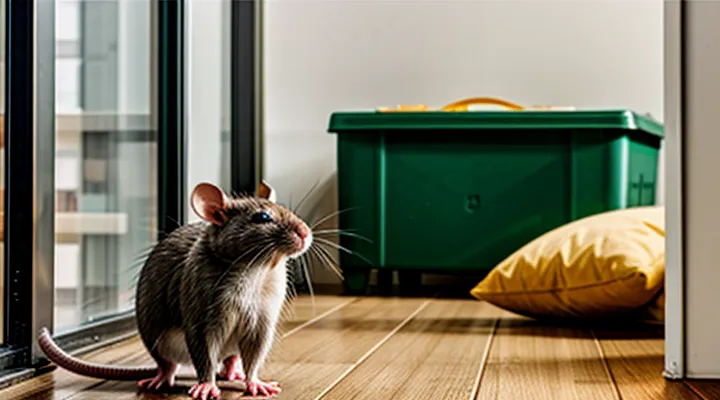
Understanding the Rat Problem in Apartment Buildings
Common Entry Points for Rats
Gaps and Cracks in Foundations and Walls
Rats exploit any opening that connects the interior of an apartment building with the surrounding soil or exterior environment. Gaps and cracks in foundations, load‑bearing walls, and basement partitions serve as primary entry points. Even hairline fissures allow rodents to squeeze through, especially when moisture expands the openings.
Identifying vulnerable locations requires systematic inspection. Look for:
- Cracks wider than ¼ inch in concrete slabs, footings, or retaining walls.
- Gaps around utility penetrations, such as water pipes, electrical conduits, and HVAC ducts.
- Deteriorated mortar joints in brick or block walls.
- Openings at the interface between foundation walls and floor joists or sill plates.
- Evidence of gnaw marks, droppings, or burrows adjacent to the defects.
Repair strategies must eliminate access and prevent recurrence. Recommended actions include:
- Clean the area of debris and rodent material.
- Apply hydraulic cement or polymer‑modified mortar to fill cracks, ensuring a compressive strength of at least 5,000 psi.
- Install steel wool or copper mesh behind sealants for larger gaps, then cover with a durable, rodent‑resistant sealant.
- Use expanding spray foam for irregular voids around pipes, followed by a concrete patch.
- Conduct a final inspection to verify airtight and watertight closure.
Regular maintenance—re‑sealing settled joints, monitoring moisture levels, and promptly addressing new fissures—reduces the likelihood of future infestations and contributes to a structurally sound, rodent‑free building.
Unsealed Pipes and Utility Openings
Unsealed pipes and utility openings provide direct pathways for rats to infiltrate residential buildings. Gaps around plumbing stacks, sewer lines, and conduit entries often remain exposed after construction or renovation, creating access points that rodents exploit.
Inspecting these vulnerabilities requires a systematic approach. Begin by walking the perimeter of each floor, focusing on areas where pipes penetrate walls, floors, and ceilings. Use a flashlight to reveal dark gaps and a flexible mirror to view concealed corners. Pay particular attention to:
- Pipe sleeves that lack collars or gaskets
- Openings around vent stacks, especially where they exit the roof
- Utility chases that are not covered by fire-rated sealant
- Gaps around electrical conduit and cable bundles
Sealing methods depend on the size and location of each opening. For openings larger than ¼ inch, employ steel wool tightly packed into the gap, then overlay with expanding polyurethane foam to deter chewing. Smaller gaps can be closed with cementitious caulk or silicone sealant rated for pest resistance. Metal flashing or stainless‑steel mesh offers additional reinforcement around high‑traffic pipe entries.
Materials must withstand rodent gnawing and environmental conditions. Recommended products include:
- Heavy‑duty steel wool (grade 1000)
- Expanding spray foam formulated for pest control
- Cement‑based sealant compatible with masonry
- Stainless‑steel mesh strips, 1‑inch wide
- Fire‑rated pipe collars for vent stacks
Installation steps:
- Clean the area of debris and moisture.
- Pack steel wool into the gap, ensuring a tight fit.
- Apply foam over the steel wool, expanding to fill remaining space.
- Smooth the surface and allow the foam to cure per manufacturer instructions.
- Cover the cured foam with cement or silicone sealant for a durable finish.
- For vent stacks, attach a metal collar and seal the joint with fire‑rated caulk.
Regular maintenance prevents re‑entry. Schedule quarterly inspections, especially after heavy rain or building repairs, to verify that seals remain intact. Replace deteriorated material promptly. When gaps exceed DIY capabilities, engage a licensed pest‑exclusion contractor to assess structural vulnerabilities and implement comprehensive sealing solutions.
Open Doors and Windows
Open doors and windows provide direct pathways for rodents to enter residential units. When a door or window is left ajar, rats can slip through gaps as small as a quarter of an inch, exploiting the same routes they use to access food and shelter.
- Keep exterior doors closed except when entering or exiting; install self‑closing hinges if necessary.
- Fit all windows with tight‑fitting screens; replace torn or missing mesh promptly.
- Use door sweeps and weatherstripping to eliminate gaps at the bottom of doors and around frames.
- Install latch mechanisms that prevent doors from remaining partially open due to wind or drafts.
- Ensure balcony and patio doors close fully; consider adding a secondary barrier such as a sliding panel.
Regularly inspect door and window seals for wear, cracks, or loose hardware. Repair compromised areas immediately to maintain a continuous barrier. Monitoring the condition of these entry points reduces the likelihood of rat infestations and supports broader pest‑management strategies.
Roof and Attic Access Points
Rats frequently use gaps in the roof and attic as direct routes into residential units. Small openings around vent pipes, chimney flues, and roof‑line seams allow rodents to climb from the exterior to the attic space, where they can access walls, ceilings, and floor joists.
Inspecting these entry points requires a systematic visual survey. Start at the highest point of the building, examine all roof penetrations, and trace any visible damage to surrounding flashing or sealant. Look for gnaw marks, droppings, or shredded insulation, which indicate active use.
Sealing identified gaps eliminates the primary pathway. Recommended actions include:
- Replace cracked or missing flashing with corrosion‑resistant metal and apply a high‑quality silicone sealant.
- Install steel wool or copper mesh inside vent openings before capping with a rat‑proof vent cover.
- Fit a stainless‑steel chimney collar and secure it with a tight‑fitting chimney cap.
- Apply expanding polyurethane foam to gaps around skylights, ridge vents, and roof‑top air handlers, ensuring the foam is rated for outdoor use.
Regular maintenance prevents re‑entry. Schedule bi‑annual roof inspections after severe weather, clean debris from gutters and downspouts, and verify that all installed barriers remain intact. Promptly repair any roof tiles or shingles that become loose, as they can create new access routes.
By treating the roof and attic as a controlled barrier rather than a passive surface, property managers remove the most reliable conduit for rodent intrusion and protect the building’s interior from infestation.
Signs of a Rat Infestation
Droppings and Urine Stains
Droppings and urine stains are the most visible signs of rodent activity in multi‑unit dwellings. Fresh droppings appear as small, dark, cylindrical pellets about one inch long; older deposits may turn gray or brown and crumble easily. Urine stains are typically yellowish or brownish spots, often accompanied by a strong, musky odor.
Health risks stem from pathogens carried in rodent waste. Bacteria such as Salmonella, Leptospira, and Hantavirus can survive for weeks in droppings and urine, contaminating surfaces, food, and air. Inhalation of dried particles or direct contact with contaminated material may cause gastrointestinal illness, respiratory problems, or febrile disease.
Effective remediation follows a strict protocol:
- Wear disposable gloves, N‑95 respirator, and eye protection.
- Ventilate the area for at least 15 minutes, then seal vents to prevent dust spread.
- Wet the contaminated surface with a disinfectant solution (e.g., 10% bleach, 1 part bleach to 9 parts water) to reduce aerosolization.
- Allow the solution to sit for 10 minutes, then scrub with a stiff brush.
- Remove the material with a disposable mop or sponge; place waste in a sealed plastic bag.
- Dispose of the bag according to local hazardous waste guidelines.
- Rinse the area with clean water and dry thoroughly.
- Apply an EPA‑registered rodent‑specific disinfectant for a final pass.
After cleaning, inspect adjacent walls, ceilings, and insulation for hidden stains. Replace porous materials (drywall, carpeting) if they cannot be fully decontaminated. Seal entry points—cracks, vents, utility openings—to prevent re‑infestation. Regular monitoring of waste bins and food storage areas reduces the likelihood of renewed contamination.
Gnaw Marks on Structures and Food Packaging
Gnaw marks on structural elements and food packaging are definitive indicators of rodent activity in multi‑unit dwellings. The damage typically appears as parallel bite lines, roughened edges, or holes ranging from a few millimeters to several centimeters. Wood beams, PVC pipe sleeves, and baseboard joints are common entry points because rats favor materials that can be chewed through with minimal resistance. When packaging is compromised, you will see torn seams, shredded cardboard, and exposed contents, which not only signals infestation but also creates a pathway for bacterial contamination.
Key characteristics of gnaw marks:
- Parallel, shallow grooves spaced 1–2 cm apart on wood or plastic surfaces.
- Irregular, jagged holes on metal conduits or wiring sheaths.
- Clean cuts on cardboard, often accompanied by urine or fecal stains.
- Freshness indicated by bright, unweathered edges; older marks darken and splinter.
Identifying these signs promptly enables targeted intervention. Seal identified entry points with steel wool, metal flashing, or cement‑based sealants. Replace compromised structural components to prevent further weakening. Dispose of damaged food packages in sealed containers and clean affected areas with a disinfectant solution to eliminate residual pathogens. Continuous monitoring for new gnaw marks ensures that control measures remain effective and that the infestation does not spread to adjacent units.
Scratching and Scurrying Noises
Scratching and scurrying noises are often the first audible sign of a rodent presence in multi‑unit dwellings. The sounds typically originate from walls, ceilings, or floor joists where rats travel along concealed pathways. These noises intensify at night when the animals are most active, and they may be accompanied by gnaw marks on wood or insulation.
Detecting the source of the disturbance requires systematic inspection. Begin by listening for the frequency and location of the sounds, then examine adjacent surfaces for fresh droppings, urine stains, or shredded material. Use a flashlight to inspect hidden gaps around pipes, vents, and electrical conduits. Sealing any openings larger than a quarter inch prevents further entry.
Effective response combines immediate containment with long‑term prevention:
- Install snap traps or electronic traps in identified travel routes; place them perpendicular to walls for maximum contact.
- Apply rodent‑grade bait stations, ensuring they are positioned out of reach of children and pets.
- Close entry points with steel wool, copper mesh, or cement‑based sealant; avoid using soft materials that rats can gnaw through.
- Reduce food availability by storing pantry items in airtight containers and promptly cleaning spills.
- Maintain proper waste management; use sealed trash bins and dispose of garbage regularly.
- Schedule professional pest‑control treatment if infestation signs persist after three weeks of DIY measures.
Monitoring the situation after intervention is essential. Re‑listen for residual noises weekly; a decline indicates successful reduction, while continued activity signals the need for additional traps or professional assistance. Consistent maintenance of sealed entryways and diligent sanitation eliminates the conditions that attract rodents, ultimately stopping the unsettling scratching and scurrying within the building.
Unpleasant Odors
Rats leave a distinct, lingering smell that signals a breach in sanitation and a potential health risk. The odor originates from several sources: urine and droppings saturate walls and ceilings; nesting material accumulates grease and food residue; dead rodents decompose; and bacterial growth thrives in moist, contaminated areas. Each source releases volatile compounds—ammonia from urine, sulfur‑rich gases from decay, and microbial metabolites—that combine into an unmistakable stench.
Exposure to these compounds can irritate the respiratory system, aggravate asthma, and introduce pathogens such as leptospira and salmonella into the indoor environment. Persistent odor also encourages mold development, further compromising indoor air quality.
To eradicate unpleasant smells and prevent recurrence, follow these steps:
- Identify all contaminated zones by tracing the strongest odor to its source.
- Remove visible waste, nesting material, and any dead rodents with disposable gloves and sealed bags.
- Clean surfaces with an enzymatic cleaner designed to break down organic matter; allow the solution to dwell for the recommended contact time.
- Apply a hospital‑grade disinfectant to eliminate residual bacteria and viruses.
- Replace insulation, drywall, or carpet that has absorbed urine or feces beyond cleaning capability.
- Install exhaust fans or use air purifiers equipped with activated carbon filters to reduce airborne contaminants.
- Seal entry points—cracks, gaps around pipes, vents—to stop further intrusion and the associated odor buildup.
Implementing these measures removes the immediate source of foul smells, restores a healthier living environment, and supports long‑term rodent control in multi‑unit residences.
Visible Rat Sightings
Visible rat sightings in multi‑unit dwellings signal an active infestation that demands prompt response. Residents who encounter a rat should record the time, location, and observable behavior, then notify building management or a licensed pest‑control professional without delay.
Common sighting sites include:
- Kitchen cabinets and pantry shelves where food residues accumulate.
- Bathrooms and laundry rooms, especially near pipe entry points.
- Hallway corners, stairwells, and utility closets that provide shelter and easy access to walls.
- Exterior balconies or fire‑escape ladders that connect indoor spaces with the building’s perimeter.
Accompanying evidence often appears as:
- Dark, rodent‑shaped droppings on countertops, floors, or behind appliances.
- Gnaw marks on wiring, insulation, or wooden structures.
- Greasy footprints or tail‑drag trails along walls and baseboards.
- Fresh urine stains with a strong ammonia odor.
Immediate actions after a sighting:
- Eliminate food sources: store all edibles in sealed containers, clean crumbs, and empty trash daily.
- Seal entry points: use steel wool, caulk, or metal mesh to block gaps around pipes, vents, and cracks.
- Deploy traps: place snap or electronic traps along walls, behind furniture, and near known activity zones.
- Contact qualified exterminators: request a comprehensive inspection and treatment plan that includes bait stations and rodent‑proofing measures.
Long‑term prevention relies on consistent sanitation, regular maintenance of building infrastructure, and routine monitoring by property managers. Documentation of any future sightings enables early detection and reduces the likelihood of a full‑scale outbreak.
Health Risks Associated with Rats
Disease Transmission to Humans
Rats living in multi‑unit dwellings pose a direct health threat because they carry pathogens that can infect occupants through bites, contaminated food, water, or aerosolized droppings. Close proximity of rodents to kitchens, storage areas, and waste receptacles facilitates the transfer of disease agents to humans sharing the same building infrastructure.
- Leptospirosis – bacteria spread via urine-soaked surfaces; infection occurs through skin abrasions or mucous membranes.
- Hantavirus pulmonary syndrome – virus released in dried rodent excreta; inhalation of aerosolized particles triggers severe respiratory illness.
- Salmonellosis – bacteria present in rodent feces; contamination of food preparation areas leads to gastrointestinal infection.
- Lymphocytic choriomeningitis virus (LCMV) – virus transmitted by rat urine, saliva, or droppings; exposure results in fever, headache, and, in rare cases, neurological complications.
- Rat‑bite fever (Streptobacillus moniliformis) – bacterial infection following a bite; symptoms include fever, rash, and joint pain.
Persistent rodent infestations increase the likelihood of outbreaks, strain medical resources, and reduce tenant confidence in building management. Effective control requires sealing entry points, maintaining strict sanitation, and implementing regular monitoring programs to eliminate habitats and interrupt transmission pathways.
Allergic Reactions and Asthma Triggers
Rodent infestations in multi‑unit dwellings generate airborne particles that can provoke allergic reactions and exacerbate asthma. Urine, feces, saliva, shed hair, and dander contain proteins that act as potent allergens. When these materials dry, they become dust that disperses through ventilation systems and open windows, reaching occupants’ respiratory tracts.
The primary sources of irritation include:
- Dried urine and feces, which release volatile compounds and protein fragments.
- Shed hair and skin flakes, which become airborne in disturbed nests.
- Mite populations that thrive on rodent debris, adding another allergen.
- Secondary mold growth caused by water damage from gnawed pipes or leaks.
Exposure can trigger symptoms such as sneezing, nasal congestion, wheezing, coughing, and shortness of breath. Individuals with pre‑existing asthma may experience increased frequency and severity of attacks, while sensitized persons can develop new allergic responses after repeated contact.
Effective control requires a combination of environmental and medical actions:
- Seal all potential entry points—cracks, gaps around utilities, and vent openings—to prevent new incursions.
- Remove existing rodent nests and clean contaminated areas with a HEPA‑filtered vacuum followed by a disinfectant approved for indoor use.
- Install air purifiers equipped with HEPA filters in affected units to capture fine allergenic particles.
- Conduct professional pest‑management treatments that include baiting and trapping, ensuring minimal disruption to residents.
- Advise occupants to consult healthcare providers for asthma action plans and, if needed, prescribe inhaled corticosteroids or antihistamines to manage symptoms.
By eliminating the source of rodent‑related allergens and maintaining rigorous sanitation, the risk of allergic reactions and asthma exacerbations in apartment buildings can be substantially reduced.
Contamination of Food and Surfaces
Rats inhabiting multi‑unit dwellings introduce bacteria, viruses, and parasites directly onto stored food and kitchen surfaces. Droppings, urine, and saliva contain pathogens such as Salmonella, Leptospira, and Hantavirus, which readily contaminate pantry items, countertops, and utensils. Even sealed packages can be breached by gnawing, allowing microbes to spread throughout the household.
Visible signs of contamination include dark, greasy streaks along walls, gnaw marks on packaging, and a strong, musky odor. When these indicators appear, immediate removal of exposed food and thorough disinfection of affected areas are required to prevent illness among residents.
Effective decontamination steps:
- Discard any food that shows signs of tampering or has been left uncovered for more than 24 hours.
- Place all remaining consumables in airtight containers before cleaning.
- Wash surfaces with a detergent solution, then apply a disinfectant approved for rodent‑borne pathogens; allow the contact time recommended by the product label.
- Use disposable gloves and a mask while handling contaminated items; dispose of cleaning cloths in sealed bags.
- Inspect storage areas weekly for fresh evidence of activity and repeat the cleaning cycle as needed.
Regular maintenance—sealing entry points, storing food off the floor, and keeping waste in tightly closed bins—reduces the likelihood of future contamination and protects the health of all occupants.
Effective Strategies for Rat Eradication
Prevention and Exclusion Techniques
Sealing Entry Points
Rats gain access to apartments through gaps and openings that provide a clear path from exterior walls, utility shafts, or plumbing fixtures. Blocking these routes eliminates the most reliable means of entry, forcing the pests to search elsewhere.
Typical entry points include:
- Cracks around windows and doors
- Gaps around pipe penetrations, especially where water lines enter the building
- Openings at vent stacks, dryer ducts, and electrical conduit sleeves
- Holes in foundation walls or basement crawl spaces
- Unsealed gaps around elevator shafts and service chutes
To seal effectively, follow these steps:
- Conduct a thorough inspection, using a flashlight to trace the interior perimeter and identify any visible cracks or holes.
- Measure each opening to select appropriate sealing material.
- Apply steel wool or copper mesh to larger gaps, then cover with a durable sealant such as polyurethane caulk, expanding foam, or cement mortar.
- Install metal flashing or hardware cloth over vent openings and pipe sleeves, securing it with stainless‑steel screws.
- Verify that doors and windows close tightly; adjust weatherstripping or install door sweeps where needed.
Use materials resistant to gnawing, such as stainless steel, copper mesh, or heavy‑duty cement. Periodically inspect sealed areas for new damage, especially after building renovations or seasonal temperature shifts, and repair promptly to maintain a rat‑free environment.
Proper Food Storage and Waste Management
Effective control of rodent activity in multi‑unit residences begins with eliminating food sources and unmanaged waste. Secure storage and disciplined disposal reduce the attraction that sustains infestations.
Store all consumables in containers made of metal, glass, or thick plastic with tight‑fitting lids. Place containers on shelves rather than on the floor, and keep them away from walls where rodents can gnaw from behind. Label containers clearly to prevent accidental exposure of food during cleaning.
Manage waste according to the following guidelines:
- Use trash cans equipped with lids that close securely; replace damaged seals promptly.
- Empty kitchen and bathroom bins at least once daily; larger building‑wide containers should be emptied multiple times per week.
- Bag all food scraps in thick, puncture‑resistant bags before disposal.
- Keep recycling bins free of food residue; rinse bottles and cans before placing them in the bin.
- Store outdoor refuse in sealed, rat‑proof containers positioned away from building entrances.
Maintain a routine inspection schedule. Check for signs of food spillage, uncovered containers, or overflowing trash. Address any breach immediately, as even a small amount of accessible waste can sustain a population.
Integrate these practices with structural measures—such as sealing cracks, installing door sweeps, and repairing damaged screens—to create an environment where rodents cannot locate nourishment or shelter. Consistency in food storage and waste management eliminates the primary incentives for rat intrusion, leading to lasting reduction of unwanted guests.
Maintaining Cleanliness in Common Areas
Maintaining spotless common areas reduces food sources and nesting opportunities for rodents in multi‑unit buildings. Regular removal of debris, prompt cleaning of spills, and secure storage of waste eliminate the conditions that attract vermin.
Effective practices include:
- Empty trash containers daily; line bins with heavy‑duty bags and seal them before removal.
- Store recycling and compost in sealed containers away from building entrances.
- Sweep hallways, stairwells, and laundry rooms after each use; mop floors to eradicate crumbs.
- Install and maintain stainless‑steel or sealed trash chutes to prevent leakage.
- Conduct weekly inspections of ventilation grilles, ceiling tiles, and utility closets for droppings or gnaw marks; address findings immediately.
Consistent enforcement of these measures, combined with clear communication to residents about proper waste handling, creates an environment where rats cannot thrive.
Landscaping and Exterior Maintenance
Effective landscaping and exterior upkeep are essential components of a comprehensive rodent‑control strategy for multi‑unit residential buildings. Proper site management eliminates the conditions that attract rats, limits their access points, and supports ongoing prevention.
Well‑maintained vegetation reduces shelter opportunities. Trim shrubs, trees, and vines so that they do not touch building walls or roofs. Remove dense ground cover near foundations and replace it with low‑growth plants that can be regularly mowed. Keep grass at a height of no more than three inches to discourage burrowing.
Clean and orderly waste handling prevents food sources from accumulating outdoors. Install sealed garbage containers, position them at least five feet from building walls, and schedule frequent collection. Ensure that dumpsters are level with the ground and free of debris that could conceal waste.
Structural maintenance must address potential entry points. Conduct quarterly inspections of exterior walls, windows, doors, and utility penetrations. Seal cracks larger than a quarter inch with steel‑wool backed caulk or metal flashing. Install self‑closing doors on service entrances and maintain weatherstripping on all exterior doors.
Ground‑level features should be designed to deter rodent activity. Use concrete or compacted stone for walkways and parking areas, avoiding loose gravel or mulch near building exteriors. Install drainage systems that prevent standing water, which attracts insects and provides a water source for rats.
Regular landscaping schedules reinforce these measures:
- Trim all vegetation to maintain a minimum clearance of 12 inches from the building envelope.
- mow lawns weekly during growing season; reduce height to 2‑3 inches.
- Inspect and repair exterior seals and flashing every three months.
- Clean up leaf litter, fallen fruit, and other organic debris daily.
- Verify that garbage containers are sealed and positioned correctly after each collection.
By integrating these exterior maintenance practices, property managers create an environment that is inhospitable to rats, reducing the likelihood of infestations and supporting the health and safety of residents.
Non-Lethal Rat Control Methods
Live Traps
Live traps provide a humane method for removing rats from multi‑unit dwellings. The device consists of a sturdy cage with a trigger mechanism that closes the door when the animal enters to reach bait. Plastic or metal cages are common; metal models resist chewing, while plastic units are lighter for transport.
Effective placement follows these principles:
- Position traps along walls, behind appliances, and near known gnawing sites, because rats travel close to vertical surfaces.
- Use bait that appeals to omnivorous rodents, such as peanut butter, dried fruit, or small pieces of meat.
- Set traps in quiet, low‑traffic areas to reduce false triggers from pets or humans.
Advantages of live capture include:
- No chemical residues, eliminating risk to children and pets.
- Ability to relocate captured rats away from the building, preventing re‑infestation.
- Compliance with regulations in jurisdictions that restrict lethal methods.
Drawbacks to consider:
- Requires regular monitoring; unattended traps may cause stress or injury to the animal.
- Relocation must follow local wildlife laws; releasing rats near the original site may violate statutes.
- Multiple traps may be needed to achieve population control, increasing labor.
After capture, wear disposable gloves, cover the cage, and transport the rodent at least five miles from the residence to a suitable habitat, avoiding areas with food sources or human activity. Release the animal at dusk, open the cage, and allow it to exit without direct contact. Clean and disinfect traps before reuse to prevent disease transmission. Continuous sanitation, sealing entry points, and waste management complement live trapping, forming a comprehensive strategy for eliminating unwanted rodents from apartment complexes.
Ultrasonic Repellents (Effectiveness Debate)
Ultrasonic devices emit high‑frequency sound waves that are inaudible to humans but theoretically disturb rodent nervous systems. Manufacturers claim continuous emissions create an uncomfortable environment, prompting rats to vacate the premises.
Evidence supporting effectiveness includes:
- Laboratory tests showing short‑term avoidance behavior when rats are exposed to frequencies above 30 kHz.
- Field reports from single‑family homes where occupants observed a decline in sightings after several weeks of operation.
Evidence challenging efficacy comprises:
- Peer‑reviewed studies indicating rapid habituation; rats re‑enter treated areas after a few days of exposure.
- Measurements demonstrating sound attenuation through walls, insulation, and furniture, reducing the reach of ultrasonic waves in typical apartment layouts.
- Independent consumer‑testing agencies reporting no statistically significant difference in trap capture rates between rooms with active devices and control rooms.
Practical considerations for apartment dwellers:
- Placement must be central, unobstructed, and powered continuously; otherwise the emitted field weakens.
- Devices require a stable electrical supply; frequent power outages nullify any potential benefit.
- Some pets, especially small mammals, may experience stress from the same frequencies, necessitating careful positioning.
- Cost varies from $30 to $150, while the average lifespan of a unit ranges between six months and one year.
Regulatory bodies have not approved ultrasonic repellents as a primary rodent control method. The consensus among pest‑management professionals is to treat them as supplemental tools, combined with sanitation, exclusion of entry points, and trapping or baiting where legally permissible.
In summary, ultrasonic repellents demonstrate limited, situational success; their performance depends on proper deployment, species tolerance, and the structural characteristics of the building. Reliance on these devices alone does not guarantee eradication of rat infestations in multi‑unit residences.
Natural Deterrents (Peppermint Oil, Ammonia)
Peppermint oil and ammonia are widely recognized as non‑chemical options for discouraging rodent activity in multi‑unit residential structures. Both substances emit strong odors that interfere with rats’ highly developed olfactory systems, prompting them to avoid treated areas.
Peppermint oil works best when applied to entry points, wall voids, and pantry shelves. A typical protocol includes:
- Diluting 10–15 drops of pure peppermint essential oil in 2 cups of water.
- Soaking cotton balls in the solution and placing them in concealed locations such as behind appliances, under cabinets, and within ventilation grilles.
- Replacing the cotton balls every 3–5 days to maintain scent potency.
Ammonia creates an environment that rats find intolerable due to its pungent ammonia vapor. Effective use requires:
- Mixing equal parts of household ammonia and water in a spray bottle.
- Spraying the solution around suspected pathways, garbage chutes, and utility rooms while avoiding direct contact with surfaces that could be damaged by the corrosive agent.
- Ventilating the area after application and re‑spraying weekly during peak infestation periods.
Both deterrents are safe for human occupants when used according to manufacturer guidelines, but they do not eradicate an established colony. Persistent infestations demand physical exclusion measures—sealing gaps, installing rodent‑proof hardware, and, when necessary, professional extermination—to complement the repellent effect of peppermint oil and ammonia.
Lethal Rat Control Methods
Snap Traps
Snap traps provide a rapid, mechanical solution for controlling rats in multi‑unit residences. The device consists of a spring‑loaded bar that delivers a lethal blow when the animal triggers a trigger mechanism. Proper use requires careful selection, placement, and disposal.
Effective deployment begins with choosing a trap sized for the target pest; models designed for larger rodents are preferable in apartment settings. Bait should be attractive and odor‑resistant, such as peanut butter, dried fruit, or small pieces of meat. Position traps along established runways: behind appliances, within wall voids, near garbage chutes, and in dark corners where activity has been observed. Secure traps to stable surfaces to prevent movement that could reduce strike accuracy.
Safety considerations are mandatory. Place traps out of reach of children and pets, using protective covers or positioning them in sealed entry points. Wear gloves when handling traps and when removing captured rodents to avoid disease transmission. Dispose of dead rats in sealed bags and follow local waste‑disposal regulations.
Advantages of snap traps include:
- Immediate kill, reducing the chance of disease spread.
- No reliance on chemicals, eliminating secondary poisoning risks.
- Low cost and reusable components.
Limitations to acknowledge:
- Requires regular monitoring; traps left unattended lose effectiveness.
- May cause distress to occupants who encounter dead rodents.
- Not suitable for severe infestations without complementary control methods.
Maintenance involves checking traps daily, resetting the spring mechanism, and replenishing bait. After each catch, clean the trap with a mild disinfectant to maintain hygiene and ensure reliable operation.
When integrated with sanitation improvements—sealing entry points, eliminating food sources, and maintaining proper waste management—snap traps become a critical element of a comprehensive rodent‑control program in apartment buildings.
Bait Stations and Rodenticides (Safety Precautions)
Bait stations provide a controlled environment for placing rodenticides, limiting exposure to non‑target organisms and reducing the risk of accidental ingestion. Choose tamper‑resistant units that lock securely, feature a removable bait compartment, and are certified for residential use. Position stations along walls, near suspected runways, and away from food preparation areas, ensuring at least 2 ft clearance from children’s reach and pet pathways.
Safety precautions for handling rodenticides are non‑negotiable. Follow these steps:
- Wear disposable gloves and, when dust formulations are used, a particulate respirator.
- Keep the product’s label within sight; verify active ingredient, concentration, and expiration date before application.
- Store bait stations in a locked cabinet, separate from household supplies and chemicals.
- Record placement dates, locations, and product batch numbers in a log for future reference and regulatory compliance.
- Dispose of empty containers according to local hazardous‑waste guidelines; never recycle for household use.
When applying bait, use the minimum amount required to achieve a lethal dose for the target species. Avoid scattering loose poison; always place it inside the station’s sealed compartment. Inspect stations weekly for damage, tampering, or depletion, and replace bait promptly to maintain effectiveness.
If a child, pet, or non‑target animal shows signs of exposure—such as lethargy, bleeding, or respiratory distress—seek emergency medical assistance immediately and provide the product’s safety data sheet to responders. Prompt decontamination of the area, combined with professional assessment, prevents further incidents and supports a safe living environment.
Professional Pest Control Services
Rats frequently invade multi‑unit residential structures, creating health hazards and property damage. Professional pest control providers address these problems through systematic, science‑based methods.
Typical services include:
- Comprehensive site inspection to locate entry points, nesting sites, and activity trails.
- Species identification to select appropriate control tactics.
- Integrated pest management (IPM) application, combining bait stations, traps, and, when necessary, targeted rodenticides.
- Post‑treatment monitoring to verify elimination and prevent recurrence.
- Structural sealing and sanitation recommendations to block future infestations.
Professional firms offer advantages that DIY approaches cannot match. Trained technicians possess certification, understand regulatory constraints, and apply products safely to minimize risk to occupants. Their equipment delivers consistent dosage and placement, ensuring higher success rates. Documentation of actions supports liability protection and compliance with local health codes.
When choosing a provider, verify the following criteria:
- Valid state license and adherence to industry standards.
- Documented experience with rodent control in apartment complexes.
- Clear service guarantees and follow‑up schedules.
- Rapid response capability for urgent situations.
Post-Eradication Measures
Cleaning and Sanitization of Infested Areas
Effective elimination of rodent problems in multi‑unit dwellings depends on thorough cleaning and sanitization of all compromised spaces. Rats leave urine, droppings, and saliva that contaminate surfaces, attract insects, and increase health risks. Immediate removal of these residues stops the spread of pathogens and removes the scent cues that draw new rodents.
Steps for proper decontamination:
- Wear disposable gloves, N‑95 respirator, and protective clothing before entry.
- Collect visible droppings, gnaw marks, and nesting material with a damp paper towel; place waste in a sealed bag.
- Apply an EPA‑registered disinfectant (e.g., a quaternary ammonium solution) to all affected surfaces, following the manufacturer’s contact time.
- Scrub floors, countertops, and walls with a stiff brush to dislodge residual organic matter.
- Rinse with clean water, then allow the area to dry completely; moisture promotes rodent activity.
- Dispose of cleaning tools in sealed containers or incinerate if possible.
After sanitization, seal entry points, store food in airtight containers, and maintain a regular cleaning schedule. Consistent sanitation eliminates attractants, reduces reinfestation probability, and supports long‑term rodent control in apartment complexes.
Repairing Damages Caused by Rats
Rats chewing through walls, flooring, and wiring leave structural and safety problems that must be addressed promptly. Ignoring damage increases the risk of fire, water leaks, and mold growth, which can affect all residents in a building.
First, assess the extent of damage. Conduct a visual inspection of exposed surfaces, listen for gnawing sounds behind panels, and check for droppings or urine stains. Use a flashlight to examine crawl spaces, attics, and utility closets. Document findings with photographs and written notes for insurance claims and contractor quotations.
Next, prioritize repairs that involve safety hazards:
- Replace compromised electrical wiring to prevent short circuits or fires. Turn off power at the breaker before removing damaged cables and install new, code‑compliant wiring.
- Seal holes in walls, floors, and ceilings larger than ¼ inch. Apply steel wool or copper mesh to fill gaps, then cover with cement or appropriate sealant to deter future entry.
- Repair or replace damaged plumbing. Inspect pipes for gnaw marks, replace sections with rodent‑resistant materials, and re‑tighten connections to stop leaks.
- Reinforce structural elements such as joists, studs, and subflooring that show signs of chew damage. Use pressure‑treated lumber or metal brackets where necessary.
After critical repairs, address secondary damage:
- Remove contaminated insulation and replace it with rodent‑proof variants. Dispose of soiled material in sealed bags.
- Clean and disinfect surfaces affected by urine or feces. Use a diluted bleach solution (1 part bleach to 10 parts water) and allow a minimum of ten minutes of contact time before rinsing.
- Treat any mold growth uncovered during repairs with a commercial mold remover, following manufacturer instructions.
Finally, implement preventive measures to protect the restored areas:
- Install metal flashing around pipe penetrations and utility openings.
- Apply rodent‑resistant sealants to all exterior foundation cracks.
- Schedule regular inspections by a qualified pest‑control professional to verify that repairs remain intact and no new activity has begun.
Prompt, systematic repair of rat‑induced damage restores building integrity, safeguards resident health, and reduces the likelihood of recurring infestations.
Implementing Long-Term Prevention Plans
Effective rodent control in multi‑unit dwellings requires a systematic, ongoing strategy rather than isolated treatments. The following components form a comprehensive prevention plan.
- Conduct a thorough building audit to locate gnaw marks, droppings, and potential entry points. Document findings for future reference.
- Seal all openings larger than ¼ inch with steel wool, metal flashing, or concrete. Prioritize gaps around utility pipes, vents, and foundation cracks.
- Implement strict waste handling: provide sealed trash containers on each floor, schedule regular collection, and prohibit storage of food waste in hallways.
- Maintain a clean interior environment by enforcing daily cleaning of kitchens, eliminating standing water, and storing dry goods in airtight containers.
- Establish routine exterior maintenance, including trimming vegetation away from building walls, removing debris, and keeping landscaping trimmed to reduce shelter.
- Deploy permanent monitoring devices such as snap traps or electronic sensors in high‑risk zones. Record captures and inspect devices weekly.
- Educate residents on best practices: discourage feeding wildlife, report sightings promptly, and follow building waste policies. Provide printed guidelines and periodic reminders.
- Review and update the plan quarterly, adjusting measures based on inspection data and resident feedback.
Consistency in execution, combined with clear accountability among property managers and tenants, sustains a hostile environment for rats and minimizes recurrence over the long term.
Legal and Ethical Considerations
Landlord and Tenant Responsibilities
Reporting Infestations
When a rodent problem emerges in a multi‑unit dwelling, prompt, accurate reporting is essential for swift remediation and legal compliance. Tenants, property managers, and owners must follow a clear protocol to ensure that the infestation is documented, communicated, and addressed without delay.
First, identify the earliest signs of activity—droppings, gnaw marks, nests, or audible scurrying. Record the location, quantity, and date of each observation. Photographs taken with a timestamp provide objective evidence that can be referenced later.
Next, notify the responsible party in writing. Use email or a printed letter that includes:
- Date of the report
- Full address of the affected unit and building
- Detailed description of the evidence (type of sign, exact spots, frequency)
- Attached photographs or video clips
- Request for inspection and pest‑control intervention within a reasonable timeframe (typically 48–72 hours)
Maintain a copy of the correspondence and any responses. If the initial report receives no action, issue a follow‑up notice that references the original communication, reiterates the urgency, and states the intended next steps, such as contacting local health or housing authorities.
Legal obligations vary by jurisdiction, but most residential codes require landlords to provide a habitably safe environment, which includes rat‑free premises. Failure to act after documented reports can constitute a breach of contract or a violation of health regulations. Tenants may file a formal complaint with the municipal health department, providing the same documentation used in the initial report. Some agencies will conduct an on‑site inspection and issue a remediation order that forces the property owner to engage licensed exterminators.
Finally, keep a log of all actions taken—dates of reports, responses received, inspection appointments, and remediation outcomes. This record supports any future dispute resolution, whether through mediation, small‑claims court, or a housing tribunal.
By adhering to this systematic reporting process, residents ensure that rodent infestations are acknowledged, investigated, and eliminated efficiently, protecting both health and property integrity.
Cooperation in Pest Control Efforts
Coordinated action among residents, property managers, and pest‑control professionals dramatically improves the chances of eliminating rat populations in multi‑unit dwellings. Individual efforts often fail because rodents move freely between apartments, use shared walls, and exploit common utilities. When all parties share information and align strategies, detection, treatment, and prevention become systematic rather than reactive.
Key elements of effective cooperation include:
- Clear communication channels – Establish a dedicated email or notice board where sightings, damage reports, and treatment schedules are posted promptly.
- Unified reporting protocol – Require tenants to submit standardized forms detailing location, time, and signs of activity; this data enables professionals to map infestation hotspots accurately.
- Joint responsibility agreements – Incorporate clauses in lease contracts that assign specific sanitation duties to tenants (e.g., proper waste storage) while obligating the landlord to maintain building integrity (e.g., sealing gaps, repairing pipes).
- Scheduled professional interventions – Arrange regular inspections and baiting operations conducted by licensed exterminators, with dates shared in advance to avoid surprise disruptions.
- Education workshops – Host brief sessions led by pest‑control experts to teach residents how to identify early signs, secure food sources, and maintain clutter‑free environments.
When these components function together, the following outcomes are typical:
- Faster identification of active nests.
- Reduced need for repeated chemical applications.
- Lower incidence of property damage and health hazards.
- Strengthened trust between occupants and management.
Failure to cooperate often results in fragmented measures, missed infestations, and prolonged exposure to rodent‑borne risks. Therefore, establishing a collaborative framework should be a priority for any apartment building confronting rat problems.
Maintenance of Property to Prevent Pests
Proper upkeep of an apartment building is the most reliable method for preventing rodent infestations. Structural weaknesses, inadequate sanitation, and excess moisture create conditions that attract rats and enable their spread.
- Inspect foundations, walls, and roofs quarterly; repair cracks, gaps, and broken screens immediately.
- Install steel‑wool or metal mesh around utility openings, vent pipes, and chimney flues.
- Store trash in sealed containers; remove waste from the building at least daily.
- Keep common areas free of food debris; clean spills promptly and use rodent‑proof dumpsters.
- Trim vegetation, remove overgrown shrubs, and eliminate standing water near the structure.
- Maintain plumbing integrity; fix leaks, insulate pipes, and ensure drainage systems function correctly.
- Conduct regular pest‑monitoring audits; document findings and schedule follow‑up actions.
Consistent application of these measures reduces the likelihood of rodents entering residential units. Property managers should assign responsibility for each task, track completion dates, and adjust protocols based on inspection results. Continuous vigilance ensures that the building remains inhospitable to unwanted guests.
Humane Treatment of Animals
Ethical Trapping and Disposal Methods
Effective control of rodent intruders in multi‑unit residences requires methods that respect animal welfare and comply with local regulations. Ethical trapping prioritizes humane capture, minimizes suffering, and ensures safe disposal.
Live‑capture devices, such as multi‑catch snap‑free traps or cage traps, allow relocation without lethal injury. When choosing a cage trap, select models with smooth interior surfaces, secure latch mechanisms, and adequate ventilation. Place traps along walls, near gnaw marks, or in concealed spaces where activity has been observed. Check traps at least twice daily to prevent prolonged confinement, which can cause stress, dehydration, or injury.
If lethal control is unavoidable, employ approved snap traps designed to kill instantly. Use traps with concealed mechanisms to reduce the risk of accidental human contact. Position traps away from children’s play areas and food preparation zones. Wear disposable gloves when handling captured rodents to protect against disease transmission.
Disposal procedures must prevent environmental contamination. For live captures, release animals at least five miles from the building, in habitats offering shelter and food sources, and comply with municipal wildlife release ordinances. For deceased rodents, place each specimen in a sealed, puncture‑resistant bag, then dispose of the bag in a designated waste container or arrange pickup by a licensed pest‑control service. Never release dead rodents in public spaces or garbage bins.
Professional pest‑management operators provide additional safeguards. They can:
- Conduct a thorough inspection to identify entry points and recommend sealing measures.
- Apply integrated pest‑management (IPM) strategies that combine sanitation, exclusion, and targeted trapping.
- Document trap counts and disposal actions for regulatory compliance.
Maintaining a clean environment supports ethical control. Store food in airtight containers, eliminate standing water, and promptly repair structural gaps. Regular waste removal and proper trash bin sealing reduce attractants, decreasing the need for repeated trapping.
Adhering to these practices balances the goal of removing unwanted rodents with the responsibility to treat them humanely and protect resident health.
Avoiding Unnecessary Suffering
Effective control of rodent infestations in multifamily dwellings demands strategies that eliminate pests while preventing needless harm to residents, non‑target animals, and the environment. Prevention reduces the need for lethal measures and limits suffering across the board.
Identify and seal entry points. Inspect walls, utility penetrations, and pipe sleeves for gaps as small as ¼ inch. Apply steel wool, copper mesh, or concrete filler to block access. Regular maintenance of exterior landscaping prevents overgrown vegetation that shelters rodents.
Maintain sanitation standards that deny food sources. Store waste in sealed containers, promptly clean spills, and avoid leaving pet food unattended. Install airtight trash chutes or provide sealed bins on each floor.
When population reduction becomes unavoidable, select methods that target rodents directly and avoid collateral damage:
- Snap traps positioned along walls, set with appropriate bait, cause instantaneous death.
- Electronic traps deliver a brief high‑voltage shock, resulting in immediate incapacitation.
- Live‑catch cages allow removal of individuals for humane relocation, provided local regulations permit release outside the building’s influence zone.
Avoid poison baits in residential blocks. Rodenticides pose ingestion risks to children, pets, and wildlife, and cause prolonged distress to trapped animals. If chemical control is the only viable option, use enclosed bait stations that limit exposure and monitor them daily.
Educate tenants about reporting sightings promptly. Early detection enables swift, targeted action before populations expand, thereby reducing the intensity of interventions required.
Document all actions, including inspection dates, repairs made, and trap placements. Comprehensive records support accountability, facilitate regulatory compliance, and demonstrate a commitment to minimizing unnecessary suffering throughout the eradication process.