
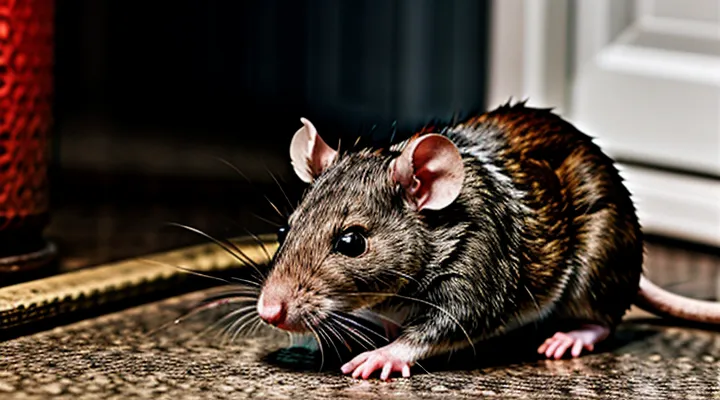
Understanding Rat Self-Mutilation
Recognizing the Problem
Rats that engage in intense self‑scratching often present visible skin damage, rapid hair loss, and fresh blood oozing from the affected area. The behavior may appear sudden or progress gradually, but the key indicator is the presence of raw, reddened tissue that does not heal within a few days. Owners should monitor for:
- Small cuts that expand into larger wounds
- Persistent scabs that bleed when disturbed
- Excessive licking or gnawing around the site
- Behavioral changes such as restlessness or agitation
Differentiating pathological scratching from normal grooming requires attention to frequency and intensity. Normal grooming involves brief, intermittent strokes with no tissue disruption, whereas pathological episodes occur repeatedly, last several minutes, and result in tissue breakdown. Early detection hinges on regular visual checks and noting any deviation from the rat’s typical coat condition. Prompt veterinary assessment is essential once these signs are observed.
Immediate Concerns
Excessive scratching that results in bleeding presents several urgent health issues for the animal. Immediate attention is required to prevent complications that can develop within hours.
- Rapid blood loss may lead to anemia and hypovolemic shock if not controlled.
- Open wounds provide a direct pathway for bacterial invasion, increasing the risk of localized infection and systemic sepsis.
- Pain associated with deep tissue damage can cause stress responses, elevating heart rate and respiratory rate.
- Visible blood loss can attract predators or cause the rat to withdraw from normal activities, impairing feeding and hydration.
- Swelling or discoloration around the injured site may indicate underlying vascular damage or hematoma formation.
Prompt veterinary assessment should include hemostasis, wound cleaning, and antimicrobial therapy. Monitoring of hematocrit levels, temperature, and behavior will help identify early signs of deterioration. Stabilization of the animal’s circulatory status and pain management are essential components of immediate care.
Common Causes of Self-Inflicted Wounds
Parasitic Infestations
Mites
Mite infestations are a primary factor behind extreme scratching that leads to hemorrhagic lesions in rats. The parasites attach to the skin, feed on tissue fluids, and inject salivary enzymes that provoke intense pruritus. Continuous irritation forces the animal to bite and claw the affected area, eventually breaking capillaries and producing bleeding.
Common ectoparasites involved include:
- Sarcoptes scabiei – burrows into the epidermis, creating tunnels that elicit a hypersensitivity reaction.
- Myobia musculi – resides on the hair shafts, causing localized inflammation and intense itching.
- Demodex spp. – inhabits hair follicles and sebaceous glands, leading to folliculitis and secondary trauma.
- Laelaps and Ornithonyssus spp. – blood-feeding mites that irritate the skin through repeated bites.
Pathophysiology centers on the host’s immune response. Mite antigens stimulate mast cells and eosinophils, releasing histamine and cytokines that amplify itch sensations. Repeated scratching damages the epidermal barrier, allowing bacterial colonization and exacerbating hemorrhage.
Diagnostic steps:
- Visual inspection for erythema, crusts, and visible mites.
- Skin scrapings examined under microscopy to identify species.
- Dermatoscopy to assess burrow patterns characteristic of certain mites.
Effective management requires an integrated approach:
- Topical acaricides (e.g., selamectin, ivermectin) applied according to species‑specific protocols.
- Environmental decontamination using steam cleaning, vacuuming, and insecticidal sprays to eradicate off‑host stages.
- Systemic treatment with oral ivermectin or milbemycin for severe infestations.
- Supportive care such as wound cleaning, antiseptic dressings, and analgesics to reduce further self‑trauma.
Prevention hinges on regular health monitoring, quarantine of new arrivals, and maintaining dry, clean bedding that discourages mite proliferation. Prompt identification and targeted therapy interrupt the itch‑scratch cycle, preventing progression to bleeding lesions.
Lice
Rats that exhibit extreme scratching, sometimes resulting in bleeding, often suffer from ectoparasite infestations. Lice constitute a primary source of such irritation.
Common lice species affecting rats include:
- Polyplax serrata (rat louse)
- Hoplopleura affinis
- Nosopsyllus fasciatus (fleas can coexist and exacerbate the problem)
Lice attach to the fur and skin, ingest blood, and provoke inflammatory responses. Continuous feeding creates localized itching, prompting the animal to groom aggressively. Prolonged irritation can break the epidermis, leading to hemorrhagic lesions and secondary bacterial infection.
Typical clinical manifestations are:
- Persistent grooming and scratching
- Hair loss around the neck and tail base
- Crusty or scabbed skin patches
- Visible blood spots on bedding or the animal’s body
Accurate diagnosis relies on direct observation and microscopic verification. Techniques include:
- Fine-toothed combing to collect specimens
- Visual inspection of the coat under magnification
- Laboratory slide preparation for species identification
Effective control measures consist of:
- Topical or systemic insecticidal treatments approved for rodents
- Thorough cleaning of cages, bedding, and equipment
- Isolation of affected individuals to prevent spread
- Regular health checks to detect re‑infestation early
Preventive strategies focus on maintaining a hygienic environment and monitoring rodent populations. Routine cleaning, proper waste disposal, and periodic ectoparasite screenings reduce the likelihood of lice‑induced scratching and associated bleeding.
Fleas
Fleas are a primary irritant that can provoke excessive scratching in rats, sometimes leading to skin lesions that bleed. Their blood‑feeding behavior introduces saliva containing anticoagulants and allergens, which trigger intense pruritus. Continuous biting creates micro‑abrasions; repeated grooming amplifies tissue damage and may progress to hemorrhagic wounds.
Key mechanisms:
- Flea saliva compounds stimulate histamine release, causing immediate itching.
- Repeated bites produce localized inflammation, swelling, and hypersensitivity.
- Rats respond by grooming and scratching, often using claws that penetrate the dermis.
- Persistent trauma disrupts capillary integrity, resulting in visible bleeding.
- Secondary bacterial infection can develop in open wounds, worsening the condition.
Effective management includes regular ectoparasite control, environmental sanitation to reduce flea reservoirs, and prompt treatment of skin lesions with appropriate topical agents. Monitoring for signs of flea infestation—such as small dark specks in bedding and frequent grooming—allows early intervention before severe self‑inflicted injuries occur.
Allergic Reactions
Environmental Allergens
Rats exposed to airborne or contact allergens frequently develop intense pruritus, which can progress to self‑inflicted wounds severe enough to cause bleeding. Allergic reactions trigger histamine release, vasodilation, and nerve sensitization, all of which amplify the urge to scratch. Persistent irritation overwhelms normal grooming behavior, leading to tissue damage and hemorrhage.
Common environmental allergens implicated in this condition include:
- Dust mites (Dermatophagoides spp.) present in bedding and cage substrates
- Mold spores (Aspergillus, Penicillium) thriving in humid corners of enclosures
- Pollen fragments infiltrating through ventilation systems
- Rodent feed contaminants, such as grain dust or storage fungi
- Chemical irritants from cleaning agents, disinfectants, or scented bedding
The pathophysiological cascade begins with allergen exposure, followed by IgE‑mediated mast cell activation. Resulting cytokine release (IL‑4, IL‑13) promotes chronic skin inflammation, epidermal hyperplasia, and barrier breakdown. Compromised skin integrity permits secondary bacterial invasion, which further aggravates itching and accelerates tissue loss.
Management strategies focus on eliminating allergen sources, maintaining low humidity, and using hypoallergenic bedding. Pharmacologic interventions—antihistamines, corticosteroids, or immunomodulators—reduce inflammatory signaling and diminish scratching intensity. Regular monitoring of skin condition enables early detection of bleeding lesions and prevents escalation.
Food Allergies
Food allergies in rats trigger an immune response that releases histamine and other mediators, producing intense itching. The resulting pruritus drives compulsive scratching, which can rupture the epidermis and cause visible bleeding.
Allergic dermatitis develops when IgE antibodies bind to dietary antigens, activating mast cells. Degranulation releases histamine, prostaglandins, and leukotrienes, amplifying nerve signals that compel the animal to scratch. Repeated trauma to the skin compromises the barrier function, leading to secondary infection and exacerbated blood loss.
Common dietary triggers include:
- Cow’s milk proteins
- Wheat gluten
- Soy isolates
- Egg white proteins
- Certain fish oils
Identifying the offending ingredient requires elimination diets followed by controlled reintroduction. Skin biopsies may reveal eosinophilic infiltration, confirming an allergic etiology. Treatment protocols involve:
- Switching to hypoallergenic feed
- Administering antihistamines or corticosteroids to reduce inflammation
- Providing topical barrier creams to protect damaged skin
Effective management reduces scratching intensity, prevents hemorrhagic lesions, and restores normal grooming behavior.
Contact Dermatitis
Contact dermatitis is an inflammatory skin reaction that occurs when the epidermis contacts a sensitizing or irritating substance. In rodents, the condition can provoke intense pruritus, leading to self‑inflicted trauma that may progress to bleeding lesions.
Typical precipitants include:
- Chemical irritants (cleaning agents, disinfectants, metal salts)
- Environmental allergens (bedding material, plant fragments, mould spores)
- Food additives and preservatives present in feed
- Parasite‑derived proteins introduced during infestations
The dermatitis manifests as erythema, edema, vesiculation, and crust formation. Persistent scratching disrupts the stratum corneum, exposing dermal vessels and precipitating hemorrhagic wounds. Secondary bacterial infection frequently complicates the presentation.
Effective control relies on eliminating the offending agent, maintaining dry, low‑dust housing, and applying topical corticosteroids or immunomodulators as indicated. Regular monitoring for early skin changes reduces the likelihood of severe self‑trauma.
Skin Conditions
Fungal Infections
Fungal pathogens can provoke intense itching in rats, leading to aggressive scratching that may break the skin and cause bleeding. Dermatophytes such as Trichophyton and Microsporum colonize the keratinized layers of the epidermis, producing inflammatory lesions that are highly pruritic. Yeast species, notably Candida albicans, thrive in moist, warm areas and generate similar irritation when overgrown.
Typical manifestations of a fungal skin infection include:
- Redness and swelling around the affected site
- Scaling or flaking of the fur and epidermis
- Hair loss and crust formation
- Ulceration or erosions that may bleed after repeated trauma
Factors that increase susceptibility are high humidity, inadequate cage cleaning, prolonged contact with contaminated bedding, and compromised immune function.
Diagnostic confirmation relies on:
- Direct microscopic examination of skin scrapings with potassium hydroxide preparation
- Culture on selective media to identify the specific organism
- Fluorescent examination under Wood’s lamp for certain dermatophytes
Effective management combines topical and systemic antifungal agents. Common topical options are clotrimazole or miconazole creams applied twice daily. Systemic therapy may involve itraconazole or terbinafine for severe or widespread disease. Treatment duration typically spans 2–4 weeks, extending until clinical signs have resolved and repeat cultures are negative.
Preventive measures focus on environmental control: maintain low humidity, replace bedding regularly, disinfect cages with an appropriate antifungal solution, and isolate newly introduced animals until they are screened. Implementing these practices reduces the risk of fungal colonization and the consequent self‑inflicted injuries that result from persistent scratching.
Bacterial Infections
Severe self‑induced trauma in rats often originates from bacterial skin infections that provoke intense pruritus, leading the animal to scratch until the tissue ruptures and bleeds. The underlying microorganisms colonize the epidermis, release irritant toxins, and disrupt normal barrier function, creating a feedback loop of inflammation and compulsive grooming.
Common bacterial agents implicated in this condition include:
- Staphylococcus aureus – produces exfoliative toxins that cause epidermal desquamation and itch.
- Streptococcus pyogenes – induces cellulitis and acute inflammation.
- Bartonella henselae – generates vasculitic lesions that are painful and itchy.
- Leptospira interrogans – triggers dermal ulceration through systemic infection.
- Pseudomonas aeruginosa – colonizes moist wounds, releasing proteases that exacerbate tissue damage.
Infection initiates an inflammatory cascade: bacterial antigens activate resident macrophages, cytokine release (IL‑1β, TNF‑α) increases nerve sensitivity, and histamine from mast cells heightens the urge to scratch. Repeated trauma compromises vascular integrity, leading to hemorrhage.
Observable signs consist of erythema, papules, crusted lesions, and blood‑stained fur. Palpation reveals warmth and edema; microscopic examination shows neutrophilic infiltrates and bacterial colonies. Culture or PCR confirms the pathogen, guiding targeted therapy.
Effective management combines systemic antibiotics chosen according to culture sensitivity, topical antiseptics to reduce surface load, and protective bandaging to limit access to the wound. Analgesics and antihistamines reduce pruritic drive, while regular cleaning prevents secondary infection. Prompt intervention breaks the scratching cycle and prevents further hemorrhagic damage.
Dry Skin
Dry skin creates an uncomfortable environment for rats, prompting persistent scratching that can progress to open wounds and bleeding. The condition arises when the epidermal barrier loses moisture, leading to irritation, itchiness, and a heightened urge to groom.
Factors that contribute to dry skin in laboratory or pet rats include:
- Low ambient humidity, especially in climate‑controlled rooms or cages lacking moisture‑retaining substrates.
- Inadequate dietary intake of essential fatty acids, vitamin E, or linoleic acid, which support skin integrity.
- Harsh bedding materials (e.g., cedar or pine) that strip natural oils from the fur and skin surface.
- Over‑cleaning with alcohol‑based disinfectants or strong detergents that remove protective lipids.
- Underlying dermatological disorders such as eosinophilic ulcerative dermatitis, which exacerbate dryness.
When the skin barrier is compromised, mechanoreceptors detect irritation and trigger a scratching reflex. Repeated mechanical trauma disrupts capillaries, leading to hemorrhage. Preventive measures focus on maintaining optimal humidity (40–60 % relative), providing a balanced diet rich in omega‑3 and omega‑6 fatty acids, selecting soft, non‑aromatic bedding, and limiting exposure to abrasive cleaning agents. Regular observation of coat condition allows early identification of dryness before self‑inflicted injuries develop.
Behavioral Factors
Stress and Anxiety
Stress and anxiety trigger physiological and behavioral responses in rodents that can manifest as excessive grooming. When a rat experiences chronic stress, the hypothalamic‑pituitary‑adrenal axis releases glucocorticoids, which alter skin integrity and increase itch perception. Anxiety elevates norepinephrine levels, heightening sensitivity to minor irritants and encouraging compulsive scratching.
Key mechanisms linking emotional distress to self‑induced skin damage include:
- Dysregulated cortisol production leading to reduced collagen synthesis and delayed wound healing.
- Heightened peripheral nerve activity that amplifies pruritic signals.
- Altered grooming patterns driven by repetitive, anxiety‑related behaviors.
- Impaired immune function that permits secondary infections, further aggravating itching.
Behavioral observations show that rats under unpredictable stressors or confined environments exhibit a marked increase in grooming bouts per hour, often targeting the same body region. Over time, repeated trauma to the skin can breach the epidermis, resulting in bleeding lesions.
Mitigation strategies focus on reducing environmental stressors, providing enrichment, and, when necessary, administering anxiolytic agents to normalize neurochemical balance. These interventions decrease the frequency of compulsive grooming and allow damaged tissue to recover.
Boredom
Excessive self‑injurious scratching in rats frequently emerges when the animals experience prolonged monotony. Boredom reduces engagement with the environment, prompting compulsive grooming that escalates to tissue damage. Laboratory observations confirm that rats kept in featureless cages develop repetitive scratching cycles within weeks, often progressing to bleeding lesions.
Key mechanisms linking monotony to self‑harmful scratching include:
- Sensory deprivation – absence of novel stimuli limits exploratory behavior, fostering repetitive motor patterns.
- Lack of social interaction – isolation removes opportunities for social grooming, redirecting grooming impulses toward self.
- Predictable routine – fixed feeding and cleaning schedules create temporal predictability, encouraging stereotyped actions.
- Insufficient physical complexity – flat flooring and absence of climbing structures prevent natural locomotor activity, increasing focus on grooming.
Neurochemical studies reveal that boredom‑induced stress elevates corticotropin‑releasing factor and reduces dopamine turnover, both of which amplify compulsive grooming circuits in the basal ganglia. Interventions that introduce enrichment objects, varied feeding schedules, and group housing consistently reduce the incidence of severe scratching, demonstrating a direct causal relationship between environmental boredom and self‑injurious behavior.
Obsessive-Compulsive Behaviors
Obsessive‑compulsive patterns in rats often manifest as repetitive grooming that escalates to self‑inflicted wounds. The behavior is driven by an inability to terminate a compulsive motor sequence, resulting in persistent scratching that can breach the dermis and cause bleeding.
Key factors contributing to this severe self‑trauma include:
- Dysregulated serotonin and dopamine pathways that reinforce repetitive actions.
- Chronic environmental stressors such as overcrowding, unpredictable lighting, or abrupt changes in cage conditions.
- Genetic mutations affecting circuitry in the orbitofrontal cortex and striatum, which regulate habit formation.
- Prior exposure to irritants or parasites that sensitize skin and heighten itch perception.
When these elements converge, the animal’s grooming loop becomes locked, preventing natural cessation signals and leading to tissue damage. Intervention strategies focus on pharmacological modulation of serotonergic activity, enrichment of the living environment, and removal of external irritants to break the compulsive cycle.
Pain and Discomfort
Internal Injuries
Severe rodent scratching that results in bleeding can produce internal injuries beyond the visible wound. The mechanical trauma of deep claw penetration disrupts skin layers, exposing underlying tissues to bacterial invasion, vascular damage, and inflammatory responses.
Typical internal complications include:
- Soft‑tissue infection – introduction of opportunistic pathogens such as Staphylococcus aureus or Streptococcus species, leading to cellulitis or abscess formation.
- Tendon or ligament rupture – excessive force may sever connective structures, impairing limb function and requiring surgical repair.
- Vascular injury – laceration of small arteries or veins can cause hematoma, tissue ischemia, and delayed bleeding.
- Neuropathic damage – nerve fibers intersected by claws may result in localized numbness, chronic pain, or neuropathic hypersensitivity.
- Systemic sepsis – unchecked infection can spread via the bloodstream, producing fever, hypotension, and multi‑organ involvement.
Preventive measures focus on immediate wound debridement, thorough irrigation with antiseptic solutions, and administration of broad‑spectrum antibiotics when infection risk is high. Diagnostic imaging, such as ultrasonography or MRI, assists in identifying deep tissue involvement that is not apparent externally. Early intervention reduces the likelihood of long‑term functional impairment and systemic complications.
External Wounds
External wounds caused by rat scratching that progress to hemorrhage represent a distinct clinical presentation. The lesions appear as linear or punctate abrasions that may coalesce into larger areas of blood loss, often accompanied by edema and erythema.
The scratching behavior results from direct mechanical trauma, but underlying factors amplify the severity of tissue damage. Aggressive grooming, territorial disputes, and ectoparasite irritation provoke repeated paw strikes that breach the epidermis and reach the dermal vascular network.
Common contributors include:
- High-density housing that forces close contact and competition;
- Nutritional deficits, particularly low protein or essential fatty acids, which weaken skin integrity;
- Parasitic infestations (mites, fleas) that stimulate pruritus and compulsive scratching;
- Respiratory or systemic infections that induce malaise and heightened irritability;
- Environmental stressors such as temperature extremes, loud noises, or frequent handling;
- Genetic predisposition toward hyperaggressive behavior in certain strains.
Clinically, these wounds demand prompt cleaning, antiseptic application, and monitoring for secondary bacterial infection. Persistent bleeding may indicate vascular involvement, requiring hemostatic agents or suturing. Preventive measures focus on reducing crowding, providing balanced diets, controlling ectoparasites, and minimizing stressors to limit scratching intensity.
Dental Issues
Dental disease frequently underlies severe self‑inflicted scratching in rats, which can progress to hemorrhagic lesions.
Malocclusion, overgrown incisors, dental abscesses, and periodontal inflammation each generate persistent oral pain. The discomfort provokes increased grooming activity; rats attempt to alleviate the sensation by scratching the face, ears, and surrounding skin. Repetitive trauma disrupts the epidermis, ruptures capillaries, and produces continuous bleeding.
Key dental conditions associated with this behavior include:
- Malocclusion – misaligned teeth prevent normal wear, leading to sharp edges that irritate oral tissues.
- Incisor overgrowth – excessive length creates pressure on the palate and cheeks, producing chronic ache.
- Dental abscess – localized infection generates throbbing pain that radiates to adjacent facial structures.
- Periodontal disease – inflamed gums and bone loss cause tenderness and hypersensitivity.
Clinical observation typically reveals reddened, inflamed skin around the mouth, paw pads, and muzzle, with fresh blood spots and signs of self‑trauma. Progression is rapid if the underlying dental issue remains untreated, as pain‑driven scratching intensifies.
Effective management requires prompt dental assessment, including visual inspection and radiography when indicated. Therapeutic steps involve precise trimming or filing of overgrown teeth, extraction of infected teeth, administration of analgesics, and provision of soft, chewable enrichment to promote natural wear. Regular monitoring prevents recurrence and reduces the risk of bleeding caused by self‑inflicted trauma.
Nutritional Deficiencies
Vitamin Imbalances
Vitamin deficiencies and excesses disrupt skin integrity and sensory regulation, creating conditions that provoke intense self‑trauma in rodents. Deficits of vitamin A impair keratinocyte differentiation, leading to dry, fissured epidermis that readily cracks under minor irritation. Vitamin E shortage reduces antioxidant protection, allowing oxidative damage to nerve endings and increasing pruritic signaling. Inadequate vitamin B‑complex, particularly B‑2 (riboflavin) and B‑6 (pyridoxine), interferes with epidermal metabolism and histamine breakdown, intensifying itch perception. Conversely, hypervitaminosis A causes hyperkeratosis and skin fragility, while excess vitamin D promotes calcium deposition in dermal tissues, resulting in localized inflammation and pruritus.
Key vitamin-related mechanisms that can drive rats to scratch until bleeding include:
- Barrier compromise: Low vitamin A or E weakens the stratum corneum, allowing environmental allergens to penetrate.
- Neuropathic enhancement: Vitamin B‑deficiency elevates histamine levels, sensitizing peripheral nerves.
- Inflammatory amplification: Vitamin D excess triggers cytokine release, sustaining chronic itch cycles.
- Healing inhibition: Inadequate vitamins delay re‑epithelialization, so minor abrasions progress to open wounds.
Correcting imbalances requires precise dietary formulation, regular monitoring of serum vitamin concentrations, and, when necessary, targeted supplementation or restriction. Adjustments should be based on veterinary guidance to avoid iatrogenic toxicity while restoring cutaneous resilience and reducing compulsive scratching behavior.
Mineral Deficiencies
Excessive self‑inflicted scratching in laboratory rats often signals underlying nutrient imbalances. Deficiencies in specific minerals disrupt skin integrity, nerve function, and immune response, prompting relentless grooming that can progress to bleeding.
Calcium shortage compromises epidermal barrier formation and reduces keratinocyte cohesion. Resulting dryness and micro‑fissures become focal points for irritation. Magnesium insufficiency impairs neuronal signaling, heightening itch perception and reducing the threshold for scratch initiation. Zinc lack weakens collagen synthesis and diminishes wound‑healing capacity; minor abrasions rapidly evolve into open lesions. Iron deficiency diminishes hemoglobin levels, leading to tissue hypoxia that aggravates pruritus and delays repair. Copper deficit interferes with melanin production and antioxidant defenses, increasing oxidative stress on cutaneous cells and fostering inflammatory itch cycles.
Addressing these mineral gaps typically involves:
- Formulating diets with calibrated calcium, magnesium, zinc, iron, and copper concentrations.
- Monitoring serum mineral profiles regularly to detect subclinical deficits.
- Adjusting supplementation based on age, strain, and experimental load.
Correcting mineral imbalances restores cutaneous resilience, normalizes sensory thresholds, and eliminates the pathological scratching behavior that culminates in hemorrhagic damage.
Diagnostic Approach
Veterinary Examination
A veterinary assessment of a rat that repeatedly scratches until the skin bleeds focuses on identifying underlying medical or environmental triggers. The clinician begins with a thorough physical examination, noting the location, size, and depth of lesions, the presence of crusts or discharge, and any signs of systemic illness such as weight loss, lethargy, or abnormal temperature. Palpation of lymph nodes and abdominal organs helps detect hidden infections or neoplasia. The veterinarian records the rat’s housing conditions, diet, and recent changes in routine, as stressors often exacerbate dermatologic problems.
Diagnostic samples are collected to confirm suspected etiologies. Skin scrapings examined under a microscope reveal ectoparasites such as mites or lice. Cytology of exudate detects bacterial or fungal organisms. Blood work evaluates complete blood count and serum chemistry, uncovering anemia, inflammation, or metabolic imbalances. Imaging studies, when indicated, rule out internal masses that could cause pruritus through hormonal secretion.
Common contributors to self‑inflicted trauma in rats include:
- Ectoparasitic infestations – mites, lice, or fleas provoke intense itching.
- Bacterial skin infections – Staphylococcus or Streptococcus species cause purulent lesions.
- Fungal dermatitis – dermatophytes produce circular alopecia and pruritus.
- Allergic reactions – hypersensitivity to bedding material, food proteins, or environmental allergens.
- Nutritional deficiencies – lack of essential fatty acids or vitamins impairs skin integrity.
- Environmental stress – overcrowding, inadequate enrichment, or abrupt temperature shifts increase grooming and scratching behaviors.
- Systemic disease – hepatic or renal disorders may manifest with dermatologic signs.
Treatment plans are tailored to the identified cause. Parasite eradication employs topical or systemic acaricides; bacterial infections respond to appropriate antibiotics; fungal cases require antifungal agents. Dietary supplementation restores skin health, while environmental modifications reduce stress. In chronic or severe cases, analgesics and anti‑pruritic medications (e.g., antihistamines or gabapentin) alleviate discomfort and prevent further tissue damage. Follow‑up examinations monitor lesion resolution and adjust therapy as needed.
Skin Scrapings and Cultures
Skin scrapings and cultures provide definitive data when assessing rats that have caused bleeding through excessive scratching. The specimens reveal the presence of infectious agents, inflammatory cells, and tissue damage that may drive the behavior.
During collection, a sterile scalpel removes a thin layer of epidermis from the edge of the lesion. The sample is placed on a glass slide for direct microscopic examination and transferred to transport media for laboratory processing. Proper technique prevents contamination and preserves organism viability.
Culturing the material involves inoculating agar plates, broth, and selective media for bacterial, fungal, and parasitic growth. Incubation at 37 °C for 24–48 hours yields bacterial colonies; fungal media require 5–7 days at 25–30 °C. Microscopic evaluation of wet mounts identifies protozoa and helminth ova.
Common isolates associated with severe scratching include:
- Staphylococcus spp. (especially S. aureus)
- Streptococcus pyogenes
- Pseudomonas aeruginosa
- Dermatophyte fungi (Microsporum, Trichophyton)
- Demodex mites and Sarcoptes scabiei
Interpretation links identified pathogens to inflammatory responses that provoke pruritus and self‑trauma. Targeted antimicrobial or antiparasitic therapy, guided by culture results, reduces lesion severity and prevents further hemorrhage.
Allergy Testing
Allergy testing is essential for pinpointing the triggers behind severe self‑inflicted skin lesions in laboratory and pet rats. Identifying specific allergens enables targeted interventions, reduces tissue damage, and improves animal welfare.
Common diagnostic approaches include:
- Intradermal skin testing – small volumes of suspected allergens are injected intradermally; a wheal-and‑flare reaction within minutes indicates hypersensitivity.
- Serum IgE quantification – enzyme‑linked immunosorbent assay (ELISA) measures rat‑specific IgE antibodies against known allergens such as bedding material, feed components, or rodent‑derived proteins.
- Patch testing – allergens applied to shaved skin under occlusion for 24–48 hours; delayed erythema or edema suggests a type IV hypersensitivity.
- Allergen‑specific lymphocyte proliferation assay – peripheral blood mononuclear cells are cultured with candidate antigens; increased proliferation confirms cellular immunity involvement.
Interpretation of results must consider cross‑reactivity and background exposure. Positive reactions guide environmental modifications: replace cedar bedding with paper or corncob, switch to hypoallergenic diets, and eliminate mite infestations. In cases where systemic allergy is confirmed, antihistamines or corticosteroids may be prescribed alongside environmental changes.
Routine testing, performed before introducing new substrates or dietary items, prevents escalation of scratching behavior to the point of hemorrhage. Early detection of sensitization reduces the need for invasive treatment and promotes stable, pain‑free skin integrity.
Dietary Trials
Dietary interventions are frequently examined when excessive grooming in rodents leads to skin trauma. Controlled feeding studies allow researchers to isolate nutritional factors that may exacerbate or alleviate pruritic behavior.
In experimental designs, rats are divided into groups receiving distinct diets while all other conditions remain constant. Common variables include protein level, fatty‑acid composition, micronutrient supplementation, and allergen exposure. Each trial typically runs for 4–8 weeks, with weekly assessments of lesion severity, scratching frequency, and histopathological changes.
Key dietary trials reported in the literature:
- High‑protein vs. standard protein – Elevated protein intake (30 % versus 20 % of calories) correlated with increased epidermal thickness and heightened scratching episodes.
- Omega‑3 enrichment – Inclusion of fish oil providing 2 % of total fat reduced inflammatory markers in skin biopsies and lowered the incidence of bleeding lesions.
- Vitamin E supplementation – 200 IU/kg diet resulted in modest improvement in wound healing but did not significantly change scratching counts.
- Low‑histamine diet – Removal of histamine‑rich ingredients (e.g., fermented soy) decreased pruritus scores by 15 % compared with control.
- Gluten‑free formulation – Substituting wheat protein with rice protein eliminated measurable increases in skin inflammation in a subset of genetically susceptible rats.
Outcomes are measured using standardized scales: a 0–5 lesion index, video‑recorded scratching bouts per hour, and cytokine profiling (IL‑31, TNF‑α). Successful trials demonstrate a reproducible reduction in both lesion index and scratching frequency, confirming a causal link between specific dietary components and severe self‑induced skin damage.
Prevention and Management Strategies
Environmental Enrichment
Environmental enrichment provides stimulating physical, social, and cognitive elements that alter a rat’s interaction with its surroundings. By offering varied textures, objects, and opportunities for natural behaviors, enrichment reduces the monotony that often triggers compulsive scratching.
- Nesting material (e.g., shredded paper, cotton) allows construction of secure burrows, decreasing skin irritation from hard surfaces.
- Chewable items (wood blocks, mineral rods) satisfy oral exploration, diverting attention from fur and skin.
- Complex cage layouts with tunnels, platforms, and climbing structures promote locomotor activity, lowering stress‑induced grooming bursts.
- Social housing, when compatible, supplies affiliative contact that mitigates isolation‑driven self‑scratching.
Physiologically, enriched environments modulate the hypothalamic‑pituitary‑adrenal axis, resulting in lower corticosterone levels and reduced peripheral inflammation. Behaviorally, the presence of novel stimuli satisfies exploratory drives, limiting repetitive self‑directed grooming that can progress to tissue damage.
Implementation guidelines: introduce enrichment gradually to avoid novelty stress; rotate items weekly to maintain interest; monitor individual rats for compatibility before group housing; assess skin condition daily and adjust enrichment components if lesions appear. Consistent application of these measures aligns environmental management with the goal of preventing severe self‑scratching and associated bleeding.
Diet Optimization
Optimizing the diet of laboratory or pet rats can directly mitigate the physiological drivers of intense pruritus that leads to self‑induced wounds. Nutrient imbalances trigger skin inflammation, alter the microbiome, and exacerbate allergic reactions, all of which increase the likelihood of compulsive scratching.
Key dietary adjustments include:
- High‑quality protein sources (e.g., casein, soy isolate) to support epidermal repair and keratin synthesis.
- Balanced omega‑6 to omega‑3 fatty acid ratio (approximately 4:1) to reduce inflammatory eicosanoid production.
- Adequate fiber (5‑7 % of diet) to promote gut health, which influences systemic immune responses.
- Essential micronutrients such as zinc, vitamin E, and biotin, each contributing to skin barrier integrity and wound healing.
- Controlled carbohydrate content, limiting simple sugars that can heighten insulin spikes and promote inflammatory pathways.
Eliminating common allergens—such as certain grain proteins or soy variants—further decreases hypersensitivity reactions that manifest as excessive scratching. Regular provision of fresh, uncontaminated water prevents dehydration‑induced xerosis, another trigger for dermal irritation.
Monitoring body condition scores and adjusting caloric intake to maintain optimal weight prevents obesity‑related skin folds, which create microenvironments favorable to bacterial overgrowth and subsequent itch. Implementing these dietary strategies creates a physiological environment where skin health is preserved, reducing the incidence of self‑inflicted lesions in rats.
Parasite Control Protocols
Severe self‑inflicted wounds in rats often stem from ectoparasite irritation. Mites, fleas, and lice attach to the skin, inject saliva, and provoke intense pruritus. Persistent scratching damages epidermal layers, leading to hemorrhage. Secondary bacterial infection frequently follows, exacerbating tissue loss.
Effective parasite management reduces the stimulus for destructive grooming. Protocols include:
- Topical acaricides applied according to manufacturer dosage; repeat treatment at the life cycle interval of the target species.
- Systemic ivermectin administered orally or subcutaneously; adjust dose for weight and species tolerance.
- Environmental decontamination using rodent‑safe insecticide dusts in nesting areas; maintain a rotation of active ingredients to prevent resistance.
- Regular health monitoring with skin examinations; record lesion severity and parasite counts to guide treatment frequency.
- Quarantine of newly introduced rodents for a minimum of two weeks; conduct prophylactic parasite screening before integration.
Integrating these measures interrupts the itch‑scratch cycle, minimizes blood‑loss incidents, and supports overall rodent welfare.
Stress Reduction Techniques
Excessive self‑inflicted scratching that leads to bleeding in rats often signals heightened stress levels. Persistent agitation triggers grooming cycles that become compulsive, damaging skin and fur. Identifying stressors is essential for effective intervention.
Common stressors include overcrowding, lack of stimulation, unpredictable handling, inadequate nesting material, and exposure to loud or sudden noises. Parasite infestations and suboptimal temperature also contribute to discomfort, amplifying the tendency to scratch.
Effective stress‑reduction measures:
- Provide a complex environment with tunnels, chewable objects, and climbing structures to encourage natural exploration.
- Maintain a stable daily routine for feeding, cleaning, and interaction to reduce uncertainty.
- Ensure group housing when compatible, fostering social bonding and decreasing isolation.
- Supply appropriate nesting substrate and hideaways that allow retreat from disturbances.
- Regulate ambient temperature and humidity within species‑specific ranges to prevent physiological strain.
- Conduct regular health checks for parasites, dermatitis, or other conditions that may provoke irritation.
- Implement gentle, consistent handling techniques, allowing the animal to become accustomed to human contact without abrupt movements.
Applying these strategies reduces cortisol spikes, stabilizes behavior, and diminishes the frequency of self‑harmful scratching. Continuous monitoring of the animal’s response confirms the efficacy of the interventions and guides further adjustments.
Medical Interventions
Severe self‑inflicted scratching in rats that leads to hemorrhage requires prompt veterinary intervention to prevent infection, reduce pain, and promote tissue repair. Immediate actions focus on controlling bleeding, cleaning the wound, and stabilizing the animal.
- Apply direct pressure with sterile gauze until hemostasis is achieved.
- Irrigate the lesion using isotonic saline or a diluted antiseptic solution to remove debris and bacterial load.
- Administer a broad‑spectrum antibiotic (e.g., enrofloxacin) according to weight‑based dosing guidelines to address potential secondary infection.
- Provide an analgesic regimen (e.g., meloxicam) to alleviate pain and discourage further scratching.
Long‑term management includes environmental enrichment to reduce stress, regular monitoring of wound closure, and, when necessary, surgical debridement or skin grafting for extensive tissue loss. Behavioral modification strategies, such as applying a protective collar or using topical repellents, help prevent recurrence. Continuous assessment of healing progress and adjustment of pharmacologic therapy ensure optimal recovery.