
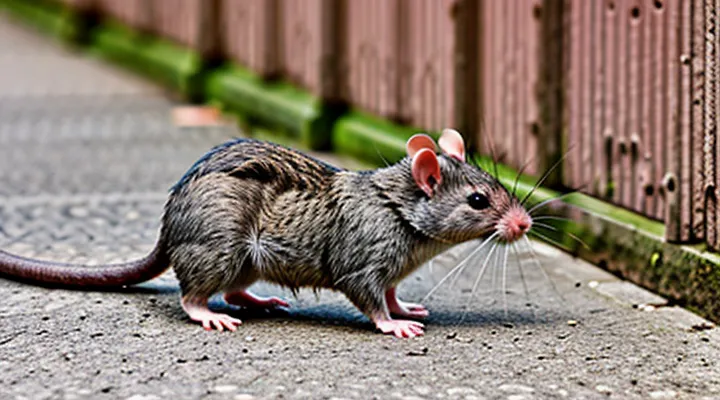
Understanding Excessive Rat Scratching
What Constitutes «Excessive» Scratching?
Excessive scratching in rodents can be identified by measurable thresholds that distinguish normal grooming from self‑inflicted trauma. The following criteria are widely accepted in veterinary and laboratory settings:
- Frequency: More than 30 scratching bouts per hour, sustained over multiple consecutive hours, exceeds typical grooming cycles.
- Duration: Individual bouts lasting longer than 10 seconds, especially when repeated without interruption, indicate heightened irritation.
- Intensity: Audible or visibly forceful limb movements that produce audible skin contact or cause the animal to pause other activities.
- Skin integrity: Presence of erythema, ulceration, or fissures on the dorsal or ventral surfaces, confirmed by visual inspection or dermal scoring systems.
- Behavioral disruption: Abandonment of feeding, nesting, or social interaction in favor of persistent scratching.
- Physiological markers: Elevated serum histamine, cortisol, or inflammatory cytokines correlated with observed scratching episodes.
When at least three of these parameters are met consistently, the scratching behavior is classified as excessive and likely to result in tissue damage. Intervention protocols, including antipruritic medication, environmental modification, or behavioral enrichment, should be initiated promptly to prevent progression to severe injury.
Common Causes of Self-Inflicted Injury in Rats
Parasitic Infestations
Rats that engage in relentless self‑scratching often suffer from external parasites that irritate the skin and provoke a cycle of trauma. Mite infestations, such as Myobia musculi and Radfordia spp., embed in the epidermis, feeding on tissue fluids and releasing proteolytic enzymes that trigger intense pruritus. Fleas (Ctenocephalides felis) and lice (Polyplax spp.) attach to fur shafts, their bites producing localized inflammation and secondary bacterial colonization. Ticks, although less common, can attach for extended periods, secreting anticoagulants that exacerbate skin irritation.
Key pathogenic effects include:
- Mechanical damage from repeated scratching, leading to ulceration and hemorrhage.
- Secondary infection by opportunistic bacteria such as Staphylococcus aureus and Streptococcus spp.
- Systemic responses, including anemia from blood loss and hypersensitivity reactions.
Diagnostic approach relies on visual inspection for moving arthropods, skin scrapings examined under microscopy, and, when necessary, laboratory identification of parasite DNA. Effective treatment combines topical acaricides (e.g., selamectin, ivermectin) with systemic antiparasitic agents, while wound care employs antiseptic solutions and protective bandaging to halt further trauma. Environmental control—regular cage cleaning, removal of debris, and quarantine of affected individuals—prevents reinfestation and reduces the likelihood of chronic self‑induced injury.
Allergic Reactions
Rats that repeatedly scratch themselves until tissue breaks often do so because of hypersensitivity to environmental or dietary antigens. The immune response is mediated by IgE binding to mast cells; subsequent exposure to the same allergen triggers histamine release, vasodilation, and intense pruritus. Primary triggers include:
- Dust mite feces in bedding
- Rodent‑specific protein fragments in commercial feed
- Flea saliva proteins
- Mold spores in humid cages
When the stimulus persists, chronic scratching compromises the epidermal barrier, allowing secondary bacterial infection and delayed wound healing. Clinical assessment should record:
- Frequency and duration of scratching bouts
- Presence of erythema, edema, or ulceration
- Evidence of secondary infection (purulent exudate, odor)
Diagnostic confirmation relies on intradermal skin testing or serum IgE quantification for suspected allergens. Treatment protocols combine:
- Antihistamines (e.g., diphenhydramine) to reduce pruritus
- Corticosteroid creams for localized inflammation
- Antibiotics only if bacterial infection is documented
Long‑term management emphasizes environmental control: replace bedding with low‑dust material, rotate protein sources in the diet, maintain strict ectoparasite prophylaxis, and regulate humidity to inhibit mold growth. Monitoring the rat’s skin condition weekly allows rapid adjustment of therapeutic measures and prevents progression to severe self‑inflicted injury.
Skin Infections
When a rat inflicts self‑trauma through persistent scratching, the disrupted epidermis becomes a gateway for microbial colonization. Bacterial agents such as Staphylococcus aureus, Streptococcus spp., and Pseudomonas aeruginosa frequently invade the wound, producing cellulitis, abscess formation, or systemic infection. Fungal organisms, notably Candida spp. and dermatophytes, may establish secondary infections, especially in humid environments. Ectoparasites—including mites and lice—can exacerbate tissue damage and serve as vectors for additional pathogens.
Clinical indicators of infection include erythema, swelling, purulent discharge, heat, and pain at the site of injury. Systemic signs may involve fever, lethargy, and loss of appetite. Prompt veterinary assessment is essential; diagnostic steps typically comprise cytology, bacterial culture, and sensitivity testing to guide antimicrobial selection.
Effective management comprises:
- Thorough cleaning of the lesion with sterile saline or antiseptic solution.
- Administration of appropriate antibiotics based on culture results; empiric therapy may start with a broad‑spectrum agent pending results.
- Antifungal treatment if fungal involvement is confirmed.
- Pain control using analgesics approved for rodents.
- Environmental modifications to reduce humidity and eliminate sources of irritation.
Prevention relies on minimizing factors that trigger excessive scratching, such as parasites, allergic reactions, or environmental stressors. Regular health checks, proper cage hygiene, and prompt treatment of skin conditions reduce the likelihood of severe self‑inflicted injuries and subsequent infections.
Environmental Irritants
Rats frequently develop severe self‑induced skin lesions when exposed to substances that provoke intense itching. Contact with dust‑borne mites, mold spores, and pesticide residues creates a persistent pruritic response. The irritation intensifies when the animal’s fur traps abrasive particles such as ash, cement dust, or fine wood shavings, leading to repeated scratching that damages epidermal layers.
Key environmental factors include:
- Allergenic particles: Dust mites, fungal spores, and pollen that settle on bedding.
- Chemical irritants: Residues from rodenticide baits, disinfectants, and cleaning agents.
- Physical abrasives: Fine sand, sawdust, and metal filings incorporated into nesting material.
- Humidity fluctuations: Moisture excess encourages mold growth; dryness desiccates skin, both heightening itch.
Continuous exposure to these agents disrupts the rat’s skin barrier, amplifies nerve sensitivity, and drives compulsive scratching. Effective mitigation requires regular cleaning to remove particulate buildup, substitution of low‑irritant bedding, and strict control of chemical applications within the habitat. Monitoring skin condition and adjusting environmental parameters promptly reduces the risk of injury caused by self‑inflicted trauma.
Stress and Behavioral Issues
Rats that engage in relentless scratching often exhibit underlying stress responses. Chronic environmental pressures such as overcrowding, unpredictable lighting cycles, and inadequate nesting material elevate corticosterone levels, which in turn intensify grooming drives. When the grooming cascade becomes dysregulated, the animal directs excessive force to the skin, causing ulceration and hemorrhage.
Behavioral assessments reveal a pattern of heightened anxiety and compulsive activity. Rats display:
- increased thigmotaxis (preference for walls),
- repetitive head‑shaking,
- reduced exploration of novel objects.
These signs correlate with the severity of cutaneous lesions, indicating that the scratching is not merely a reflex but a manifestation of maladaptive coping mechanisms.
Physiological measurements support this link. Elevated heart rate variability and altered hypothalamic‑pituitary‑adrenal axis activity accompany the skin damage, confirming that the behavior reflects systemic stress rather than isolated dermatological pathology.
Mitigation strategies focus on environmental enrichment, consistent husbandry routines, and pharmacological modulation of stress pathways. Providing nesting material, shelter, and predictable light‑dark cycles reduces grooming intensity, while selective serotonin reuptake inhibitors have shown efficacy in decreasing compulsive scratching in experimental cohorts.
Underlying Medical Conditions
Excessive scratching that leads to self‑inflicted skin lesions in rodents often signals an underlying pathology rather than mere behavioral stress. Identifying the medical basis is essential for effective treatment and prevention of further tissue damage.
Common conditions associated with compulsive scratching include:
- Ectoparasitic infestations – mites (e.g., Myobia musculi), lice, and fleas provoke intense pruritus.
- Fungal dermatoses – dermatophytosis caused by Trichophyton or Microsporum species produces inflamed, itchy patches.
- Bacterial skin infections – secondary pyoderma frequently follows minor abrasions, amplifying itch sensations.
- Allergic reactions – hypersensitivity to bedding material, food additives, or environmental allergens triggers chronic pruritus.
- Endocrine disorders – hypothyroidism and insulinoma can alter skin integrity and nerve sensitivity.
- Neuropathic pain – peripheral nerve damage or spinal lesions generate dysesthetic itching.
- Autoimmune skin diseases – pemphigus vulgaris‑like conditions manifest as ulcerative lesions with severe itch.
Accurate diagnosis relies on thorough physical examination, skin scrapings, fungal cultures, and, when indicated, blood work to assess hormonal and immune status. Treatment protocols typically combine antiparasitic or antifungal agents, antibiotics for secondary infections, antihistamines or corticosteroids for inflammatory control, and environmental modifications to eliminate allergen exposure. Monitoring wound healing and adjusting therapy based on response prevents progression to chronic ulceration.
Identifying the Signs and Symptoms
Visual Indicators of Injury
Excessive self‑scratching in rodents produces distinct visual signs that allow rapid assessment of tissue damage. Skin may appear reddened or mottled, with a clear boundary between inflamed and normal tissue. Fresh wounds present as shallow, linear abrasions that follow the direction of the claws; older lesions develop scab formation and may show crusted edges. Swelling often accompanies the affected area, creating a raised, firm contour that can be felt through the fur. Hair loss typically surrounds the site, forming a circular or irregular bald patch. In advanced cases, ulceration exposes underlying muscle or bone, and necrotic tissue appears blackened or dry. Bleeding is intermittent, leaving small punctate spots that darken as clotting progresses. Monitoring these indicators enables early intervention before infection or systemic complications develop.
Behavioral Changes in Affected Rats
Rats that scratch themselves to the point of tissue damage display a distinct shift in daily routines. Observations recorded in controlled environments reveal a reduction in exploratory locomotion, with affected individuals spending a larger proportion of time confined to a single corner of the cage.
- Grooming frequency rises by 30‑45 % compared with baseline levels.
- Rest periods lengthen, while episodes of rapid movement shorten.
- Social interaction declines; affected rats initiate fewer contacts and withdraw from group activities.
- Aggressive displays increase, manifested by heightened biting and lunging toward conspecifics.
- Food and water intake become irregular, often showing a delayed onset after the onset of self‑injury.
Neurochemical analyses associate these patterns with elevated corticosterone and altered dopamine turnover, suggesting a stress‑driven feedback loop that reinforces compulsive scratching. Peripheral inflammation at lesion sites further amplifies sensory input, perpetuating the cycle of excessive grooming.
The documented behavioral profile provides a reliable indicator for researchers modeling chronic self‑injurious behavior, facilitating the assessment of therapeutic interventions aimed at reducing compulsive scratching and its secondary effects.
Differentiating from Normal Grooming
Rats engage in routine grooming that maintains coat condition, removes parasites, and stimulates circulation. This behavior is brief, repetitive, and confined to accessible body regions. In contrast, excessive scratching that results in tissue damage displays distinct characteristics.
Key differences include:
- Duration and frequency – Normal grooming lasts seconds to a few minutes per session, occurring several times daily. Pathological scratching persists for extended periods, often exceeding ten minutes, and repeats continuously throughout the day.
- Intensity and force – Typical grooming involves gentle nibbling and light paw strokes. Injurious scratching employs vigorous, forceful paw movements that break skin and expose underlying tissue.
- Targeted areas – Routine care focuses on the head, ears, and forelimbs. Harmful scratching concentrates on the dorsal flank, hindquarters, or tail, regions less accessible during ordinary grooming.
- Physical signs – Healthy grooming leaves smooth fur and intact skin. Damage manifests as raw patches, bleeding, scabs, or ulceration, sometimes accompanied by swelling or secondary infection.
- Behavioral context – Normal grooming occurs without signs of distress; the animal remains calm. Excessive scratching correlates with agitation, restlessness, or signs of pain such as vocalization or reduced activity.
Recognizing these markers enables early intervention, preventing escalation from benign maintenance to self-inflicted injury.
Diagnostic Approaches
Veterinary Examination and Assessment
A veterinary assessment of a rodent presenting with self‑inflicted skin lesions begins with a systematic physical examination. The clinician observes the animal’s posture, gait, and behavior to determine pain level and any signs of distress. Visual inspection of the affected area includes evaluation of wound depth, presence of necrotic tissue, and evidence of secondary infection such as erythema, swelling, or purulent discharge.
Diagnostic procedures follow the initial inspection. The veterinarian may:
- Perform a complete blood count and biochemical profile to identify systemic inflammation or organ involvement.
- Collect wound swabs for bacterial culture and sensitivity testing when infection is suspected.
- Use radiography or ultrasonography if underlying bone involvement or deep tissue damage is suspected.
Based on findings, the practitioner formulates a treatment plan. Core components typically involve:
- Cleaning the wound with sterile saline or an appropriate antiseptic solution.
- Debridement of necrotic tissue to promote healing.
- Administration of analgesics to manage pain and anti‑inflammatory drugs to reduce swelling.
- Prescription of targeted antibiotics if culture results indicate bacterial infection.
- Application of protective bandaging or a topical barrier to prevent further self‑trauma.
The veterinarian also advises the owner on environmental modifications and behavioral interventions to minimize recurrence. Recommendations may include enrichment to reduce stress, trimming of claws, and regular monitoring of the healing site. Follow‑up examinations are scheduled to assess wound closure, adjust medication, and ensure the animal’s overall health remains stable.
Skin Scrapings and Fungal Cultures
Skin exfoliations collected from a rodent that has repeatedly traumatized its flank provide the most reliable material for diagnosing opportunistic dermatophytes. The specimen must include the outermost epidermis and any adherent crusts; deeper layers are unnecessary and may dilute fungal elements.
Typical procedure for obtaining a scraping:
- Restrain the animal securely to prevent further injury.
- Moisten the affected area with sterile saline to loosen adherent debris.
- Use a sterile scalpel blade or curette to scrape until slight pinpoint bleeding appears, indicating inclusion of viable epidermis.
- Transfer the material onto a clean glass slide for direct microscopic examination and into a transport medium (e.g., Sabouraud dextrose broth) for culture.
Microscopic assessment, performed with a potassium hydroxide preparation, reveals hyaline, septate hyphae and characteristic macroconidia when dermatophytes are present. Culturing the sample on selective agar at 25‑30 °C yields colony morphology that distinguishes common species such as Trichophyton mentagrophytes and Microsporum canis. Incubation for 7‑14 days is sufficient for most isolates to become visible.
Interpretation of results guides therapeutic decisions. Positive fungal growth confirms a secondary infection that may exacerbate tissue loss caused by self‑inflicted trauma. Negative findings suggest bacterial involvement or purely mechanical damage, prompting alternative diagnostic pathways. Proper sampling and timely processing are essential for accurate identification and effective management of the condition.
Allergy Testing Methods
Excessive self‑induced skin trauma in laboratory rodents often signals an underlying hypersensitivity. Identifying the allergen responsible enables targeted management and prevents further injury.
Allergy testing in rodents relies on established immunologic and cutaneous techniques:
- Skin prick test: Introduces minute allergen quantities into the epidermis; wheal formation within minutes indicates immediate‑type reactivity.
- Intradermal test: Deposits allergen into the dermis; larger wheal and flare responses provide higher sensitivity for low‑level sensitizers.
- Serum‑specific IgE assay (ELISA): Quantifies circulating IgE antibodies against defined extracts; useful for systemic evaluation without provoking skin lesions.
- Patch test: Applies allergen‑impregnated patches to the dorsal skin for 48 h; delayed‑type responses emerge after 24–72 h, revealing contact hypersensitivity.
- Oral challenge: Administers graded allergen doses via gavage; observation of clinical signs confirms gastrointestinal or systemic allergy when cutaneous tests are inconclusive.
Selection of a method depends on the suspected reaction type, available sample volume, and the need to avoid additional trauma. Immediate‑type assays (prick, intradermal) yield rapid results but may exacerbate skin damage; serologic and patch approaches minimize direct irritation. Combining complementary tests strengthens diagnostic confidence and guides environmental or dietary modifications that reduce scratching behavior.
Blood Work and Other Lab Tests
Self‑induced dermal trauma in laboratory rats often leads to secondary complications that require laboratory evaluation. Persistent excoriation can cause anemia, infection, and systemic inflammation; therefore, hematologic and biochemical profiling becomes essential for accurate assessment.
Relevant laboratory investigations include:
- Complete blood count (CBC) with differential: detects anemia, leukocytosis, neutrophilia, or eosinophilia indicative of infection or allergic response.
- Serum chemistry panel: evaluates liver enzymes (ALT, AST), kidney markers (BUN, creatinine), and electrolytes to identify organ stress secondary to blood loss or inflammatory mediators.
- Acute‑phase protein measurement (e.g., serum amyloid A, haptoglobin): quantifies inflammatory burden.
- Blood culture or PCR panel for common rodent pathogens (Staphylococcus spp., Pseudomonas spp., Mycoplasma spp.) when purulent discharge is present.
- Coagulation profile (PT, aPTT) if hemorrhagic lesions are extensive.
Interpretation guidelines:
- Hemoglobin below 12 g/dL and hematocrit under 35 % suggest clinically significant blood loss requiring transfusion or iron supplementation.
- Neutrophil counts exceeding 8 × 10⁹/L together with elevated acute‑phase proteins point to bacterial infection; culture results direct antimicrobial selection.
- Elevated ALT/AST (>2 × upper reference limit) or increased BUN/creatinine (>1.5 × upper limit) indicate organ involvement, prompting supportive therapy.
Serial sampling every 48–72 hours tracks response to treatment. Adjustments to analgesia, wound care, and antimicrobial regimens are based on trends rather than isolated values, ensuring comprehensive management of self‑inflicted skin injury in rats.
Treatment and Management Strategies
Addressing Parasitic Causes
Rats that engage in relentless scratching can develop lesions, ulcerations, or secondary infections. Parasitic infestations—particularly ectoparasites such as mites, fleas, and lice—are frequent triggers of this behavior. The presence of live parasites, or the allergic reaction to their saliva, provokes intense pruritus that drives the animal to self‑trauma.
Effective management begins with accurate identification. Veterinarians should:
- Perform a thorough skin examination under magnification.
- Collect skin scrapings for microscopic analysis to detect mites (e.g., Myobia spp.) or lice.
- Conduct flea combing and environmental sampling to assess household infestation levels.
- Rule out concurrent bacterial or fungal infections through culture when lesions are present.
Once a parasite is confirmed, treatment follows a two‑pronged approach: direct eradication of the organism and mitigation of the inflammatory response. Recommended interventions include:
- Topical acaricides (e.g., selamectin, ivermectin) applied according to manufacturer dosage.
- Systemic antiparasitic agents when topical therapy is insufficient or when internal parasites are suspected.
- Short‑term anti‑inflammatory medication (e.g., corticosteroids or NSAIDs) to reduce itching and prevent further tissue damage.
- Environmental decontamination: washing bedding, vacuuming cages, and treating the surrounding area with appropriate insecticides to interrupt the life cycle.
Prevention relies on regular health monitoring, routine prophylactic antiparasitic schedules, and maintaining a clean habitat. Early detection of parasite load minimizes the risk of self‑induced injuries and supports overall welfare of the rodent.
Managing Allergic Responses
Excessive self‑induced skin trauma in laboratory rodents frequently signals an underlying hypersensitivity reaction. Immediate identification of the triggering allergen—such as bedding material, feed components, or topical agents—prevents progression to severe lesions. Replace suspected sources with hypoallergenic alternatives and maintain a dust‑free environment.
Pharmacologic control should begin with antihistamines administered at doses validated for the species. For persistent inflammation, short courses of corticosteroids reduce edema and pruritus; tapering minimizes systemic side effects. In cases of IgE‑mediated responses, mast‑cell stabilizers provide adjunctive benefit.
Supportive measures include:
- Daily inspection of the affected area to detect early signs of infection.
- Application of sterile, non‑adhesive dressings to protect wounds.
- Use of topical emollients that do not contain known sensitizers.
- Monitoring weight and behavior to assess overall health.
When secondary infection is evident, culture‑guided antibiotics are required. Record all interventions and outcomes to refine future prevention strategies. Continuous environmental monitoring and routine health screening reduce the incidence of allergic dermatitis and associated self‑inflicted injuries.
Treating Skin Infections
Self‑inflicted scratching injuries in rodents create open wounds that readily become colonized by bacteria and fungi. Prompt antimicrobial therapy prevents progression to cellulitis, abscess formation, or systemic infection.
Initial assessment should include visual inspection for erythema, swelling, discharge, and necrotic tissue. Palpation determines depth and tenderness. If the wound appears infected, obtain a sample for culture and sensitivity to guide targeted treatment.
Treatment protocol:
- Clean the area with sterile saline or a mild antiseptic solution; avoid harsh chemicals that may damage fragile tissue.
- Remove devitalized material using sterile forceps or a scalpel; repeat debridement daily until healthy granulation tissue appears.
- Apply a broad‑spectrum topical antimicrobial (e.g., mupirocin 2 % ointment) to the wound surface; cover with a non‑adhesive dressing to maintain moisture.
- Initiate systemic antibiotics if culture results indicate resistant organisms or if signs of spreading infection are present; common choices include enrofloxacin or trimethoprim‑sulfamethoxazole, dosed according to body weight.
- Administer analgesics (e.g., meloxicam) to reduce pain and limit further scratching.
- Monitor temperature, appetite, and wound appearance twice daily; adjust therapy based on clinical response and laboratory data.
Preventive measures focus on minimizing the underlying cause of excessive scratching. Environmental enrichment, proper bedding, and regular health checks reduce stress‑induced behavior. Treat ectoparasites promptly, as mites and fleas exacerbate skin irritation and promote secondary infection.
Successful management combines meticulous wound care, appropriate antimicrobial selection, and behavior modification to halt the cycle of self‑trauma and infection.
Environmental Modifications and Enrichment
Rats that engage in excessive self‑scratching can develop ulcerations and secondary infections, a condition often linked to inadequate stimulation and chronic stress. Providing a complex habitat reduces the drive to focus on repetitive grooming behaviors and redirects energy toward natural activities.
- Install multi‑level platforms, tunnels, and climbing structures to encourage vertical exploration.
- Supply varied bedding (e.g., shredded paper, aspen shavings) that allows burrowing and nest building.
- Offer chewable objects such as untreated wood blocks, cardboard tubes, and mineral sticks to satisfy gnawing instincts.
- Introduce foraging challenges, including hidden food pellets and puzzle feeders, to promote problem‑solving.
- Rotate enrichment items weekly to prevent habituation and maintain novelty.
- Ensure cage dimensions meet or exceed recommended space allowances, allowing free movement and social interaction.
- Maintain consistent cleaning schedules that preserve scent cues while preventing excess waste buildup.
These modifications lower cortisol levels, enhance behavioral diversity, and diminish the frequency of compulsive scratching. Continuous observation of skin condition, grooming patterns, and activity levels is essential; adjustments should be made promptly when signs of irritation reappear. Implementing a systematic enrichment program therefore serves as a preventive measure against self‑inflicted injuries in laboratory and pet rat populations.
Stress Reduction Techniques
Excessive self‑grooming in laboratory rodents often results in tissue damage, indicating heightened stress levels. Reducing this stress requires interventions that target both the environment and the animal’s physiological state.
Environmental enrichment supplies novel objects, nesting material, and varied cage layouts. These stimuli encourage natural foraging and exploratory behaviors, decreasing compulsive scratching. Regular rotation of enrichment items prevents habituation and sustains engagement.
Social housing, when compatible, provides peer interaction that mitigates isolation‑induced anxiety. Pairing or group housing should follow health screening to avoid aggression, which could exacerbate stress.
Nutritional adjustments include supplementing diets with omega‑3 fatty acids and antioxidants. These compounds support skin integrity and modulate inflammatory pathways, lowering the drive for self‑injurious grooming.
Pharmacological options involve short‑term administration of anxiolytics or selective serotonin reuptake inhibitors under veterinary supervision. Dosage must be calibrated to avoid sedation that interferes with normal activity.
Behavioral conditioning employs positive reinforcement for calm responses. Training sessions using clicker cues and reward pellets can replace compulsive scratching with alternative, low‑stress actions.
Routine handling techniques that minimize restraint time and use gentle habituation reduce anticipatory stress. Staff should employ consistent, low‑noise approaches during cage cleaning and health checks.
Implementing a combination of these strategies creates a multimodal protocol that addresses the underlying stressors, curtails self‑inflicted injuries, and promotes overall welfare.
Pain Management for Injured Rats
Self‑inflicted scratching injuries in laboratory and pet rats demand rapid and effective pain control to prevent secondary complications. Initial assessment should include visual inspection of the wound, evaluation of locomotor function, and measurement of behavioral indicators such as reduced grooming, altered feeding, and increased vocalization. Analgesic selection must consider species‑specific metabolism, drug half‑life, and potential interference with experimental outcomes.
Pharmacologic options
- Non‑steroidal anti‑inflammatory drugs (NSAIDs): Meloxicam (0.2 mg/kg, subcutaneous, every 24 h) and Carprofen (5 mg/kg, oral, every 12 h) provide anti‑inflammatory and analgesic effects with minimal sedation.
- Opioids: Buprenorphine (0.05 mg/kg, subcutaneous, every 8–12 h) offers potent analgesia; monitor for respiratory depression and reduced food intake.
- Local anesthetics: Bupivacaine (0.5 % lidocaine‑free solution, 0.1 ml per wound) applied directly to the lesion can reduce acute nociceptive input for up to 4 h.
Adjunctive measures
- Environmental enrichment: Provide chewable objects and nesting material to divert scratching behavior and reduce stress.
- Barrier protection: Use soft, breathable bandages or silicone sleeves to limit access to the wound while allowing airflow.
- Topical agents: Apply a thin layer of veterinary‑grade silver sulfadiazine (1 %) to prevent infection and promote healing.
Monitoring protocol
- Record pain scores (e.g., Rat Grimace Scale) at baseline and every 4 h for the first 24 h.
- Inspect wound edges daily; document edema, exudate, and signs of dehiscence.
- Adjust analgesic dosage or frequency if pain scores exceed predetermined thresholds.
Effective pain management combines timely drug administration, physical protection of the injury site, and continuous behavioral monitoring to ensure rapid recovery and minimize the risk of chronic pain or self‑trauma recurrence.
Prevention of Self-Inflicted Injury
Maintaining Optimal Hygiene
Excessive self‑scratching in rodents can create open wounds that become breeding grounds for pathogens. Maintaining strict hygiene limits bacterial colonisation, reduces the risk of secondary infection, and supports faster tissue recovery.
Effective hygiene measures include:
- Daily removal of debris and droppings from cages using disposable gloves.
- Regular disinfection of surfaces with a diluted quaternary ammonium solution; allow a contact time of at least five minutes before rinsing.
- Provision of clean, absorbent bedding changed every 24 hours to prevent moisture accumulation.
- Routine cleaning of feeding dishes and water bottles with hot, soapy water followed by a sterilising rinse.
- Monitoring of the animal’s fur for signs of irritation; immediate isolation of individuals displaying lesions.
Consistent application of these protocols creates an environment that discourages opportunistic microbes, minimizes tissue damage, and promotes overall health in affected rodents.
Regular Veterinary Check-ups
Regular veterinary examinations are essential for preventing and managing severe self‑inflicted skin damage in pet rats. Early detection of dermatological problems reduces the likelihood that an animal will scratch until tissue is compromised. Veterinarians can identify parasites, fungal infections, and allergic reactions before they provoke intense itching.
During each visit, a professional will:
- Conduct a thorough skin inspection, noting lesions, hair loss, or inflammation.
- Perform mite and flea screenings, prescribing appropriate treatments if infestations are present.
- Evaluate dietary factors that may influence skin health, recommending balanced nutrition.
- Assess behavioral cues that indicate stress or discomfort, offering environmental enrichment strategies.
- Update vaccination records and administer preventive injections as needed.
Consistent scheduling—typically every three to six months—creates a health baseline, enabling precise comparison over time. Documentation of findings supports targeted interventions, such as topical therapies or systemic medications, which can halt progression to tissue injury. Owners who adhere to a routine check‑up schedule minimize emergency visits and ensure their rodents maintain optimal welfare.
Nutrition and Diet Considerations
A rat that engages in persistent self‑scratching often suffers skin lesions, inflammation, and secondary infections. Adequate nutrition can strengthen the integumentary system, reduce pruritus, and support wound healing.
Protein supplies the amino acids required for collagen synthesis and tissue repair. High‑quality sources such as soy, casein, or animal‑derived meals should constitute 18–22 % of the diet’s caloric content. Essential fatty acids, particularly omega‑3 (eicosapentaenoic and docosahexaenoic acids), modulate inflammation and improve skin barrier function; inclusion of flaxseed, fish oil, or algae oil at 1–2 % of the feed is advisable.
Vitamins and minerals with direct relevance to dermatological health include:
- Vitamin E (α‑tocopherol) – antioxidant protection for cell membranes; 50–100 IU kg⁻¹ feed.
- Vitamin A (retinol) – promotes epithelial differentiation; 3000–5000 IU kg⁻¹ feed.
- Biotin – supports keratin formation; 0.5–1 mg kg⁻¹ feed.
- Zinc – essential for collagen cross‑linking and immune competence; 80–120 mg kg⁻¹ feed.
- Selenium – protects against oxidative damage; 0.1–0.2 mg kg⁻¹ feed.
Hydration status influences skin turgor and immune response. Provide continuous access to clean water; consider adding electrolytes if dehydration risk is elevated.
Identify and eliminate dietary allergens that may exacerbate itching. Common triggers include excessive soy, wheat gluten, or certain protein isolates. Conduct a gradual elimination trial, substituting with hypoallergenic protein sources such as pea or insect meal.
Supplementary probiotics (e.g., Lactobacillus reuteri) can stabilize gut microbiota, indirectly reducing systemic inflammation and pruritic behavior. A daily dose of 10⁸–10⁹ CFU kg⁻¹ feed is effective.
Regular monitoring of body condition, lesion progression, and feed intake ensures that nutritional adjustments remain appropriate and that recovery proceeds without setbacks.
Recognizing Early Warning Signs
Excessive self‑scratching in rodents can progress to ulceration, infection, and loss of tissue. Early detection prevents irreversible damage and reduces the need for invasive treatment.
Key indicators that a rat is moving toward self‑injury include:
- Persistent focus on a single area for more than a few minutes.
- Visible reddening, swelling, or hair loss at the site.
- Repeated lifting of the forelimb to the same spot.
- Audible distress or agitation during the act.
- Sudden change in grooming pattern, such as neglect of other body parts.
Monitoring should involve regular visual checks, documentation of any skin changes, and assessment of behavior during handling. Intervention strategies—environmental enrichment, topical soothing agents, or veterinary consultation—must be applied as soon as any sign appears to halt the progression toward tissue damage.