
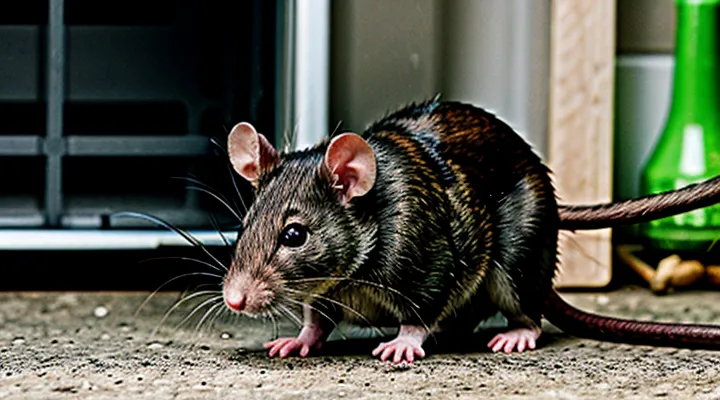
Understanding Rat Infestations
Identifying Rat Activity
Signs of Rats
Rats leave distinct evidence that signals a developing infestation. Recognizing these indicators enables timely intervention with anticoagulant baits and other control measures.
Typical signs include:
- Fresh droppings, ½‑inch long, dark brown, found along walls, in cupboards, or near food sources.
- Gnaw marks on wood, plastic, wiring, and packaging; teeth leave clean, shallow cuts.
- Grease or smudge trails along baseboards and behind appliances, resulting from their oily fur.
- Nests constructed from shredded paper, fabric, insulation, or dried vegetation, often hidden in concealed spaces.
- Scratching noises in ceilings or attics, especially at night when rats are most active.
- Presence of urine stains, which may appear as yellow‑brown spots on surfaces.
- Tracks in dusty areas, showing a tail drag and four‑toed hind footprints.
Additional observations can reinforce suspicion:
- Unexplained food loss or contamination.
- Sudden electrical failures caused by chewed wires.
- Increased activity near water sources, such as leaky pipes or pet bowls.
Identifying these cues promptly supports the deployment of effective rodent control strategies, reduces health risks, and prevents property damage.
Common Hiding Spots
Identifying where rats conceal themselves is essential for any poisoning program, because bait placement must intersect the animals’ pathways and shelters. Rats favor environments that offer darkness, protection from predators, and proximity to food and water sources.
- Wall voids and gaps behind baseboards
- Under floorboards, especially in crawl spaces
- Inside wall cavities and insulation pockets
- Beneath kitchen appliances such as refrigerators and stoves
- In ceiling joist spaces and attic insulation
- Within storage boxes, cardboard stacks, and piled debris
- Around pipe penetrations and utility conduits
- In garden sheds, compost bins, and outdoor tool sheds
- Buried in mulch, leaf litter, or under dense vegetation
Targeting these locations with appropriately formulated poison increases the likelihood of contact, reduces non‑target exposure, and accelerates population reduction. Accurate mapping of hiding spots therefore enhances the efficiency and safety of rodent poisoning initiatives.
Risks Associated with Rats
Health Hazards
Rodent anticoagulant baits contain compounds such as warfarin, brodifacoum, and difethialone that interfere with blood clotting. Exposure to these chemicals can cause internal hemorrhage, leading to rapid blood loss and potentially fatal outcomes. Symptoms appear within hours to days and include bruising, nosebleeds, blood in urine or stool, and severe weakness.
Human health risks arise from several pathways:
- Accidental ingestion of bait directly from packaging or contaminated surfaces.
- Secondary poisoning after handling dead rodents that have consumed bait.
- Cross‑contamination of food, water, or household items that have contacted the poison.
- Inhalation of dust particles generated during bait preparation or cleaning.
Chronic low‑dose exposure may affect liver function and disrupt vitamin K metabolism, increasing susceptibility to bleeding disorders. Vulnerable groups—children, pets, and individuals with pre‑existing clotting deficiencies—experience heightened risk. Prompt medical intervention with vitamin K1 therapy can reverse anticoagulant effects, but delayed treatment reduces efficacy.
Environmental persistence of second‑generation anticoagulants contributes to bioaccumulation in wildlife, posing additional indirect health hazards to ecosystems and, by extension, to human populations reliant on affected food chains.
Property Damage
Improper deployment of rodenticide baits frequently results in structural and material damage. Bait spillage on flooring, insulation, or stored goods creates corrosive residues that degrade wood, fabric, and metal components. Secondary poisoning of non‑target animals can lead to costly veterinary treatment and loss of valuable livestock or pets.
Typical manifestations of property damage include:
- Corrosion of metal pipes and wiring caused by anticoagulant chemicals.
- Staining and weakening of drywall and carpet where bait pellets are scattered.
- Contamination of food inventories, requiring disposal and replacement.
- Damage to electrical equipment from rodent consumption of bait‑laden wires.
Applying control measures with precision eliminates these risks. Targeted bait stations, sealed containers, and placement in inaccessible locations contain the poison, preventing accidental contact with building materials. Regular inspection of bait stations ensures no leakage, while integrated pest‑management practices reduce reliance on chemicals and limit exposure. Proper documentation of bait locations and quantities supports compliance with safety regulations and facilitates rapid response if contamination occurs.
Rodenticide Control Methods
Types of Rodenticides
Anticoagulants
Anticoagulant rodenticides disrupt blood clotting by inhibiting vitamin K epoxide reductase, leading to fatal hemorrhage in rats after ingestion. Their efficacy depends on the active ingredient, concentration, and the target species’ susceptibility.
Common anticoagulant formulations include:
- First‑generation compounds (e.g., warfarin, chlorophacinone) – require multiple feedings to achieve lethal dose.
- Second‑generation compounds (e.g., bromadiolone, difenacoum, brodifacoum) – potent enough for a single lethal dose.
- Indandiones (e.g., diphacinone) – intermediate potency, often used where resistance to second‑generation agents is detected.
Resistance management involves rotating active ingredients and integrating non‑chemical measures such as sanitation, exclusion, and trapping. Monitoring bait uptake and post‑mortem examination confirms effectiveness and identifies emerging resistance patterns.
Safety considerations demand strict adherence to label rates, placement of bait in tamper‑resistant stations, and segregation from non‑target wildlife and domestic animals. Personal protective equipment is required during handling, and disposal of dead rodents must follow local hazardous waste regulations.
Regulatory frameworks typically classify anticoagulant rodenticides as restricted‑use products, mandating certification for applicators and record‑keeping of application sites, quantities, and dates. Compliance ensures traceability and minimizes environmental contamination.
Non-Anticoagulants
Non‑anticoagulant rodenticides provide an alternative to blood‑clotting agents for managing rat populations. Their primary action disrupts cellular processes, often targeting the nervous system, metabolic pathways, or gastrointestinal function, leading to rapid mortality without the prolonged bleeding associated with anticoagulants.
Common non‑anticoagulant active ingredients include:
- Bromethalin – inhibits mitochondrial oxidative phosphorylation, causing cerebral edema.
- Cholecalciferol (vitamin D₃) – induces hypercalcemia, resulting in renal failure.
- Zinc phosphide – releases phosphine gas in the acidic stomach environment, producing systemic toxicity.
- Phosphonic acid derivatives – interfere with calcium metabolism and bone formation.
Advantages of these compounds encompass reduced risk of secondary poisoning, lower likelihood of resistance development, and suitability for indoor use where anticoagulant residues pose a contamination concern. However, toxicity to non‑target species remains a consideration; bait stations must be tamper‑proof, and placement should avoid access by wildlife and domestic animals.
Effective deployment follows a systematic protocol:
- Conduct a thorough inspection to identify infestation hotspots and estimate population size.
- Select a formulation matched to the target environment (e.g., pellet, block, or liquid bait).
- Position tamper‑resistant stations at identified locations, ensuring consistent exposure while minimizing human contact.
- Monitor bait consumption and replace stations as needed, documenting mortality rates to evaluate control efficacy.
Regulatory frameworks typically classify non‑anticoagulant rodenticides as restricted-use products, requiring certification for purchase and application. Compliance with label directions and local legislation is essential to maintain safety and legal accountability.
Application Strategies
Bait Placement
Effective bait placement determines the success of a rat control program that relies on poison baits. Placement must align with rat behavior, environmental conditions, and safety requirements.
Select locations where rats travel regularly: along walls, behind appliances, near food storage, in dark corners, and at entry points to burrows. Avoid open areas where non‑target species can access the bait. Position stations at a height of 2–4 inches above the floor, close to the baseboard, and orient them so that rats can enter from the side opposite the wall.
- Place baits within 1 ft of known activity signs (droppings, gnaw marks).
- Space stations 10–15 ft apart in high‑traffic zones; reduce spacing to 5 ft where activity is dense.
- Secure stations to prevent displacement by wind or cleaning equipment.
- Use tamper‑resistant containers to protect children and pets.
Safety measures include mounting stations on walls or under cabinets, shielding baits with weather‑proof covers, and labeling each station with a warning sign. Verify that placement complies with local regulations regarding distance from food preparation surfaces and public access areas.
Inspect stations daily during the first week, then at least twice weekly thereafter. Replace depleted baits promptly, rotate active ingredients to delay resistance, and record observations of rat activity to adjust station density.
Regular evaluation of placement effectiveness—through tracking of dead rodents, bait consumption, and reduction of signs of infestation—guides refinements in station locations and density, ensuring sustained control of the rat population.
Safety Precautions
Effective rodent control with anticoagulant baits demands strict safety measures to protect humans, pets, and non‑target wildlife. Failure to observe these protocols can result in accidental poisoning, legal liability, and environmental contamination.
- Store baits in locked, labeled containers made of non‑transparent material. Keep them away from food, feed, and water sources.
- Restrict access to trained personnel only. Document each application with date, location, and product details.
- Wear disposable gloves, protective eyewear, and, when necessary, a respirator. Avoid direct skin contact and inhalation of dust.
- Apply baits in tamper‑resistant stations that prevent removal by children or animals. Position stations along walls, behind appliances, and in concealed corners.
- Do not place baits where food preparation occurs or where children play. Maintain a minimum distance of 10 feet from edible surfaces.
- Inspect stations regularly for damage, spillage, or depletion. Replace or replenish baits only after thorough cleaning of the site.
- Dispose of unused or expired baits according to local hazardous‑waste regulations. Seal waste in approved containers before transport to a licensed disposal facility.
- In case of suspected exposure, administer activated charcoal or appropriate antidote immediately and seek medical assistance. Keep the product’s safety data sheet accessible for emergency responders.
Adhering to these precautions minimizes risk, ensures compliance with regulatory standards, and supports the overall efficacy of rodent‑management programs.
Environmental Considerations
Impact on Non-Target Animals
Rodent control agents, particularly anticoagulant baits, pose measurable risks to wildlife, domestic pets, and livestock that encounter the poison unintentionally. Exposure routes include direct ingestion of bait, secondary poisoning after consuming poisoned rodents, and contamination of water or feed sources.
Primary consumers such as birds of prey, foxes, and coyotes often ingest poisoned prey, leading to accumulation of toxic compounds in their bodies. Small mammals, including shrews and voles, may consume bait directly when it is not secured. Scavenging species, such as raccoons and feral cats, are vulnerable to secondary ingestion.
Physiological effects manifest as hemorrhagic disorders, reduced clotting ability, and organ damage. Morbidity and mortality rates rise sharply in affected populations, disrupting local ecosystems and potentially reducing biodiversity.
Effective mitigation requires precise application techniques and non‑target protection measures. Recommended actions include:
- Deploy bait stations with lock‑out mechanisms that restrict access to rodents only.
- Use biodegradable, low‑density bait formulations that deter larger mammals.
- Implement rigorous monitoring of non‑target mortality and adjust placement accordingly.
- Apply alternative control methods—such as trapping or habitat modification—in areas with high wildlife activity.
- Conduct regular training for personnel on safe handling and disposal procedures.
Adhering to these practices limits unintended toxicity while maintaining the efficacy of rodent management programs.
Proper Disposal
Proper disposal of rodent anticoagulants prevents secondary poisoning, environmental contamination, and legal liability.
Unused or expired bait must be rendered inert before removal from the site. Follow these steps:
- Transfer product to a sealed, leak‑proof container.
- Add an approved chemical neutralizer or follow the manufacturer’s deactivation instructions.
- Place the sealed container in a licensed hazardous‑waste collection bin.
- Document the quantity, batch number, and disposal date in a logbook.
Dead rodents that have consumed poison require separate handling to avoid accidental exposure. The recommended protocol includes:
- Wear disposable gloves and protective eyewear.
- Place the carcass in a double‑layered biohazard bag, sealing each layer securely.
- Label the outer bag with “Rodenticide‑contaminated waste” and the date of collection.
- Deliver the sealed package to an authorized animal‑carcass disposal service or incineration facility.
All bait containers must remain sealed until disposal. Labels should display hazard symbols, active ingredient concentration, and a “Do not discard in regular trash” warning. Store containers away from food, water sources, and unauthorized personnel.
Compliance with local, state, and federal regulations is mandatory. Verify the applicable hazardous‑waste statutes, obtain necessary permits, and retain disposal records for the period required by law. Regular audits of disposal practices ensure adherence and reduce the risk of enforcement actions.
Integrated Pest Management (IPM) for Rats
Non-Chemical Control Methods
Trapping Techniques
Effective trapping remains a cornerstone of rodent management when chemical control is employed. Proper trap selection, strategic placement, and diligent maintenance directly influence capture rates and reduce the likelihood of secondary poisoning incidents.
Common trap categories include:
- Snap traps: steel spring mechanisms, suitable for indoor and outdoor use, require precise bait placement to ensure rapid kill.
- Live‑catch traps: wire cages with trigger plates, allow relocation of captured rats, minimize exposure to toxicants.
- Glue boards: adhesive surfaces, best for monitoring activity rather than population reduction, must be positioned away from non‑target species.
- Electronic traps: high‑voltage circuits, deliver instant death, reduce mess and are reusable after cleaning.
Best‑practice guidelines:
- Position traps along walls, behind objects, and near known runways; rats rarely cross open spaces.
- Use bait that complements the toxic bait program, such as peanut butter, dried fruit, or fish oil, to attract target rats without competing with poison baits.
- Check traps daily; remove captured rodents promptly, reset or replace traps as needed.
- Wear gloves and protective clothing when handling traps to prevent disease transmission.
- Record capture locations and frequencies to identify hotspots and adjust poisoning bait distribution accordingly.
Integrating these techniques with targeted anticoagulant placement creates a layered approach: traps reduce the immediate population, while poison baits address survivors that evade capture. Consistent monitoring and data‑driven adjustments ensure sustained control and limit environmental impact.
Exclusion and Sanitation
Effective rat management relies on preventing access to structures and eliminating conditions that attract rodents. Exclusion and sanitation constitute the foundational non‑chemical strategy, reducing the need for toxic baits and limiting secondary poisoning risks.
Physical barriers block entry points. Seal cracks, gaps, and openings larger than ¼ inch with steel wool, cement, or metal flashing. Install door sweeps and self‑closing vents. Repair damaged screens, roof soffits, and utility penetrations. Regular inspections identify new breaches before infestations develop.
Sanitation removes attractants. Store grain, feed, and waste in sealed containers with tight‑fitting lids. Keep floors, countertops, and storage areas clean of spills, crumbs, and debris. Dispose of garbage in containers equipped with secure lids and remove waste from premises daily. Eliminate standing water by fixing leaks, draining puddles, and maintaining proper drainage.
Implementing these measures creates an environment where rats cannot locate food, water, or shelter, thereby reducing population pressure and the likelihood of poison exposure. Continuous maintenance of exclusion and sanitation practices sustains long‑term control and minimizes reliance on hazardous rodenticides.
Combining Methods for Optimal Control
Monitoring and Evaluation
Effective oversight of rodent anticoagulant programs requires systematic observation and objective assessment. Monitoring captures real‑time information on bait deployment, mortality rates, and non‑target exposure, while evaluation compares observed outcomes with predefined objectives to determine overall success.
Key performance indicators include:
- Number of bait stations installed per hectare
- Percentage of target rodents removed within a specified interval
- Incidence of secondary poisoning among wildlife or domestic animals
- Cost per kilogram of rodent biomass eliminated
- Compliance with label restrictions and safety protocols
Data acquisition relies on field surveys, motion‑activated cameras, and carcass analysis. Survey teams record bait consumption, verify species identity, and document environmental conditions. Laboratory testing of recovered specimens confirms ingestion of the intended toxicant and detects any resistance markers.
Evaluation proceeds on a cyclical schedule: initial baseline assessment, mid‑term review after 30 days, and final audit at program completion. Findings inform adjustments such as bait concentration, placement density, or alternative control tactics. Comprehensive reports summarize trends, highlight deviations, and provide actionable recommendations for future interventions.
Long-Term Prevention
Effective long‑term prevention of rodent infestations requires a systematic approach that combines environmental management, structural modifications, and ongoing monitoring. Reducing access to food, water, and shelter eliminates the conditions that attract rats and sustains low population levels.
Key components of a sustainable prevention program include:
- Sanitation control: Store food in sealed containers, promptly clean spills, and remove garbage regularly. Eliminate standing water and fix leaks to deny rats a reliable water source.
- Physical exclusion: Seal entry points larger than ¼ inch with steel wool, cement, or metal flashing. Install door sweeps and repair damaged vent covers to prevent ingress.
- Habitat reduction: Trim vegetation away from building foundations, keep landscaping tidy, and store firewood off the ground. Remove clutter that can serve as nesting material.
- Bait station management: Deploy tamper‑resistant bait stations in strategic locations, rotate active stations periodically, and replace expired or depleted bait to maintain efficacy.
- Monitoring and documentation: Conduct quarterly inspections, record sightings, and use tracking powders or motion‑activated cameras to verify activity levels. Adjust control measures based on observed trends.
Training personnel on proper bait handling, safety protocols, and inspection techniques reinforces program integrity. Maintaining detailed records of interventions, bait usage, and inspection results supports regulatory compliance and facilitates data‑driven adjustments.
Integrating these practices into a formal pest‑management plan creates a resilient defense against rat populations, minimizes reliance on chemical controls, and ensures consistent protection over extended periods.