
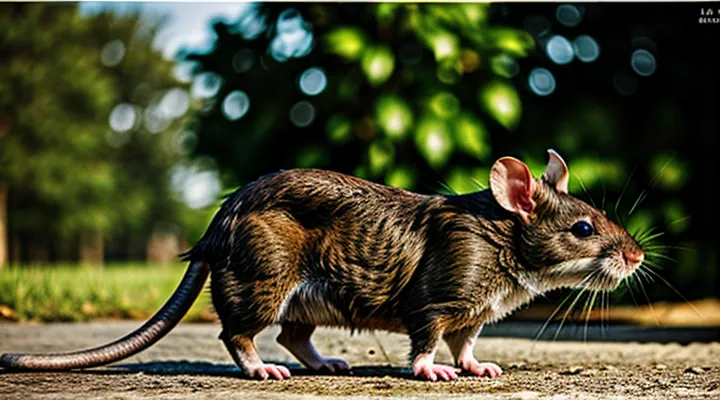
The Allure of Rat Photography
Why Photograph Rats?
Dispelling Myths: Rats as Intelligent and Emotional Creatures
Rats are frequently dismissed as pests, yet scientific investigations consistently reveal sophisticated mental capacities. Laboratory experiments demonstrate that individuals solve multi‑step puzzles, remember spatial layouts for weeks, and adapt strategies after observing conspecifics. These findings invalidate the myth that rodents operate solely on instinct.
- Maze navigation with variable routes, achieving success rates above 80 % after limited exposure.
- Object manipulation, such as using sticks to retrieve inaccessible food, documented in controlled settings.
- Social learning, where naïve rats replicate novel foraging techniques after observing experienced peers.
Emotional complexity emerges alongside cognition. Behavioral patterns indicate attachment, grief, and play, challenging the belief that rats lack affective depth. Observations include:
- Vocalizations that vary with positive or negative contexts, suggesting nuanced emotional signaling.
- Consolation behavior, where an uninvolved rat approaches and gently contacts a distressed companion, described as «Rats display consolation behavior after a partner's distress».
- Playful chase and wrestling that persist into adulthood, reflecting sustained social motivation.
Photographic collections that capture these moments provide visual evidence of intelligence and emotion. Images portraying problem‑solving actions, affectionate interactions, or expressive vocalizations convey a narrative contrary to longstanding stereotypes. By focusing on authentic behavior rather than static poses, photographers contribute to a broader understanding of rats as sentient beings.
Aesthetic Appeal: Unique Textures and Expressions
Rats captured in photographic form reveal a striking visual language defined by texture and expression. Fine fur strands create a micro‑landscape that responds to light, producing subtle gradients and highlights. Whisker shafts, often rendered as slender lines, add structural contrast and convey tactile realism. Skin surfaces, especially around the snout and paws, display minute pores and scales that enrich the overall texture palette.
Eye placement and pupil dilation convey distinct emotional states. Direct gaze, reflected light, and slight squinting signal curiosity, alertness, or calm. Mouth curvature, from relaxed to slightly open, signals relaxation or anticipation. Body posture—arched back, relaxed limbs, or poised stance—communicates confidence, tension, or exploration.
Key visual elements that enhance aesthetic impact:
- Fur texture variation (soft undercoat, coarse guard hairs)
- Whisker definition and orientation
- Eye reflection and pupil size
- Mouth shape and subtle furrow lines
- Postural silhouette against background
Effective lighting strategies accentuate these features. Side lighting emphasizes fur depth, while diffused front light softens whisker detail. Shallow depth of field isolates facial expressions, whereas deeper focus integrates environmental context, highlighting the contrast between domestic settings and natural habitats.
Equipment and Techniques for Rat Photography
Essential Gear
Cameras: DSLRs, Mirrorless, and Smartphones
When capturing rodents, image quality depends heavily on sensor size, lens speed, and autofocus precision. DSLRs provide large sensors that record fine detail and low‑light performance, while interchangeable lenses enable focal lengths from macro to telephoto. Mirrorless models match sensor dimensions but reduce mechanical complexity, resulting in quieter operation and faster electronic viewfinders—advantages for shy or easily startled subjects. Smartphones offer convenience and rapid deployment; modern devices incorporate computational photography to enhance dynamic range and reduce motion blur, though physical lens limitations restrict depth‑of‑field control.
Key considerations for each platform include:
- Sensor format: full‑frame or APS‑C in DSLRs and mirrorless bodies; 1‑inch or smaller in smartphones.
- Lens aperture: f/1.8 or wider for shallow depth; macro lenses with 1:1 magnification for close‑up detail.
- Autofocus system: phase‑detect points in DSLRs; on‑sensor contrast or hybrid focus in mirrorless cameras; AI‑driven focus tracking in smartphones.
- Burst rate: 10 fps or higher in professional bodies; up to 30 fps in high‑end smartphones using electronic rolling shutter.
Lighting control remains critical. External flash units or continuous LED panels provide consistent illumination, minimizing shadows that obscure whisker texture. Reflectors redirect ambient light, preserving natural coloration. When using a smartphone, built‑in night mode or HDR processing can compensate for uneven lighting, but external accessories such as clip‑on lenses or portable lights improve results.
Post‑capture workflow benefits from RAW file formats available on DSLRs and mirrorless cameras, allowing precise exposure adjustments and color correction. Smartphones typically output high‑resolution JPEGs with embedded metadata; third‑party apps enable RAW capture on compatible models. Consistent file naming and metadata tagging facilitate cataloguing of pet and wild rat images for future reference.
Lenses: Macro, Prime, and Zoom Options
Rats present unique photographic challenges that demand precise optical tools. Selecting the appropriate lens directly influences image sharpness, depth of field, and the ability to capture fleeting behavior.
-
«Macro» lenses provide 1:1 magnification, short minimum focusing distances, and typically high‑resolution optics. They excel at revealing whisker texture, eye detail, and fur patterns when the subject remains relatively still. A focal length of 90 mm to 105 mm balances working distance with magnification, reducing the risk of startling the animal.
-
«Prime» lenses offer fixed focal lengths and large maximum apertures (f/1.4‑f/2.8). Their simplicity yields superior contrast and low‑light performance, allowing isolation of a rat against a blurred background. Shorter primes (35 mm‑50 mm) suit indoor environments, while longer options (85 mm‑135 mm) accommodate controlled outdoor setups.
-
«Zoom» lenses deliver variable focal ranges (e.g., 24‑70 mm, 70‑200 mm) that adapt to rapidly changing scenes. They enable quick framing of moving subjects without repositioning the camera. Modern zooms incorporate constant apertures and advanced coatings, mitigating typical compromises in sharpness and chromatic aberration.
Practical guidance: employ a macro lens for detailed portraiture of pet rats or stationary field subjects; choose a prime lens for low‑light indoor shoots where background separation is desired; opt for a zoom lens when tracking wild individuals across diverse distances. Matching lens characteristics to shooting conditions maximizes image quality and minimizes disturbance to the subjects.
Lighting: Natural Light vs. Artificial Setups
Effective lighting determines detail, texture, and mood in photographs of pet and wild rats. Natural illumination provides a broad spectrum that renders fur coloration accurately, while artificial arrangements offer control over direction, intensity, and repeatability.
-
«Natural light»
• Soft shadows during early morning or late afternoon enhance three‑dimensional appearance.
• Variable weather conditions require rapid exposure adjustments.
• High dynamic range reduces need for post‑processing in most outdoor scenes. -
«Artificial setups»
• Continuous LED panels deliver consistent color temperature, facilitating batch shooting.
• Strobes enable freezing of rapid movements, essential for active subjects.
• Modifiers such as softboxes or diffusers shape shadows, allowing creative contrast.
For indoor sessions, combine diffused daylight through windows with supplemental LED fill to preserve natural hue while eliminating harsh edges. When capturing fast‑moving wild rats, prioritize high‑speed strobes synchronized with the camera's shutter to freeze motion without motion blur. Adjust ISO minimally to retain image quality; rely on lighting modifications rather than sensor amplification.
Photography Techniques
Focusing on Details: Eyes, Whiskers, and Paws
Capturing the subtle expressions of rats requires meticulous attention to three primary features: eyes, whiskers, and paws. Each element conveys personality, health, and movement, allowing photographers to differentiate between domestic companions and wild specimens.
The eyes serve as the focal point of a portrait. Use a fast lens with a wide aperture to isolate the iris, then position the light source at a slight angle to create a catchlight that accentuates depth. Adjust the focus manually to avoid the camera’s autofocus system misreading the small pupil.
Whiskers reveal tactile activity and emotional state. A shallow depth of field isolates the fine hairs, while a side‑lighting setup highlights their texture. Employ a macro extension tube or close‑up lens to capture the individual strands without distortion.
Paws illustrate posture and interaction with the environment. Position the camera low to the ground, matching the rat’s eye level, to emphasize the pads and claws. A high‑speed shutter freezes rapid movements, preventing blur when the animal climbs or scurries.
Practical checklist:
- Select a focal length between 50 mm and 100 mm for portrait compression.
- Set ISO to a level that maintains detail without excessive noise; typically 400–800 for indoor shoots.
- Use a diffuser to soften harsh shadows on the face and whiskers.
- Clean the lens front element to prevent stray reflections that obscure eye clarity.
- Review images at 100 % zoom to verify sharpness of whisker tips and paw pads.
By concentrating on these details, photographers achieve images that communicate the rat’s character and natural behavior, whether the subject resides in a household or inhabits a forest floor.
Capturing Movement: Action Shots and Playful Behavior
Capturing rapid movement in rat photography demands precise control of exposure, focus, and timing. Fast shutter speeds freeze the swift gestures of a pet rat during a chase or a wild individual leaping across a branch. Selecting a shutter speed of at least 1/1000 s eliminates motion blur while preserving detail in whiskers and fur.
A wide aperture such as f/2.8 increases light intake, allowing the high shutter speed without raising ISO excessively. Maintaining ISO between 400 and 800 balances noise and sensitivity, especially when shooting indoors or under dim natural light.
Continuous autofocus (AF‑C) tracks the subject’s path, adjusting focus as the animal darts. Pairing AF‑C with a single‑point focus area positioned ahead of the rat’s expected motion improves lock‑on accuracy. When possible, employ a camera’s pre‑focus technique: set focus on a spot where the rat will cross, then trigger the shot as it enters the frame.
Lighting considerations differ between domestic and wild settings. For indoor pets, softbox diffusion reduces harsh shadows, while a reflector positioned opposite the light source fills in detail on the animal’s underside. In outdoor environments, a portable flash with a diffuser provides supplemental illumination without startling the subject, and a high‑speed sync setting prevents overexposure.
Practical steps for action shots:
- Set shutter speed ≥ 1/1000 s and aperture ≤ f/2.8.
- Activate continuous autofocus with a single‑point focus zone.
- Pre‑focus on the anticipated path of movement.
- Use a low‑noise ISO range (400–800).
- Apply soft, diffused lighting or a flash with a diffuser.
- Anticipate the moment of peak motion and trigger the shutter promptly.
Burst mode captures a sequence of frames, increasing the probability of obtaining a perfectly timed image. Review the series on the camera’s playback screen to select the frame that best illustrates the rat’s playful dynamics, such as a tumble, a sprint, or a mid‑air stretch.
Post‑processing should enhance contrast and sharpness while preserving natural color. Selective sharpening of the eyes and whiskers draws attention to the animal’s expressive features without amplifying noise in the background.
By integrating rapid exposure settings, responsive autofocus, strategic lighting, and burst shooting, photographers achieve compelling action photographs that reveal the energetic behavior of both companion and wild rats.
Creating Depth: Backgrounds and Foreground Elements
Creating depth in rat photography relies on deliberate placement of background and foreground elements. A well‑chosen backdrop separates the subject from surrounding clutter, while foreground objects add layers that guide the viewer’s eye toward the main animal.
Key techniques include:
- Selecting a shallow depth of field to isolate the rat, achieved with wide apertures (f/1.8–f/2.8).
- Positioning the subject several meters from the background, allowing the lens to compress space and emphasize distance.
- Incorporating natural textures—such as leaves, grasses, or stones—in the foreground to create a sense of scale.
- Using leading lines created by fences, tunnels, or shadows that converge on the rat, reinforcing perspective.
- Adjusting lighting angle to cast subtle shadows behind the animal, enhancing three‑dimensional appearance.
Balancing these elements demands consistent attention to composition. When the background offers contrasting color or tone, the rat’s fur stands out, while a muted foreground prevents visual competition. Employing a tripod stabilizes the camera for longer exposures required in low‑light settings, ensuring sharpness across all layers.
Finally, reviewing images on a calibrated monitor helps verify that depth cues—blur gradients, overlapping objects, and tonal separation—function as intended. This systematic approach yields photographs where the rat appears embedded within a richly textured environment, producing compelling visual narratives without reliance on artificial staging.
Photographing Pet Rats
Posing and Interaction
Building Trust and Comfort
Establishing trust with rats precedes any successful photograph. Consistent, gentle interaction reduces stress, allowing the animal to remain still long enough for clear, detailed images.
Key practices for building comfort include:
- Offer food rewards at regular intervals; associate the camera’s presence with positive experiences.
- Maintain a calm voice and slow movements; abrupt actions trigger flight responses.
- Use a familiar enclosure; repeated exposure to the same environment reinforces safety.
- Allow the rat to explore the shooting area before positioning lighting equipment; free movement eliminates fear of confinement.
When handling, support the rat’s body securely yet lightly, avoiding pressure on the spine. A hand‑held grip that mimics natural holding positions encourages relaxation. After each session, return the animal to its bedding promptly, reinforcing the notion that the activity ends without lingering threat.
Lighting should be soft and diffused, mimicking natural daylight. Harsh shadows create anxiety, while gentle illumination highlights fur texture without startling the subject.
Documenting each rat’s preferences—favorite treats, preferred perches, and typical activity periods—creates a personalized approach. Over time, the animal learns to anticipate the photographer’s routine, resulting in steadier poses and clearer shots.
Using Treats and Toys for Engagement
Engaging rats with appropriate incentives increases the likelihood of natural, expressive poses and reduces stress during photographic sessions.
High‑value treats should be small, easily consumable, and offered immediately after a desired behavior. Preferred options include millet seeds, tiny pieces of fruit, and specially formulated rodent treats. Presenting the treat directly in the camera’s field of view encourages the animal to look toward the lens.
Toys that stimulate curiosity and movement support dynamic composition. Lightweight climbing structures, tunnels, and chewable items made from safe, untreated wood create opportunities for varied angles. Rotating toys between takes prevents habituation and maintains interest.
Practical steps for effective use of rewards and play:
- Position a treat on a non‑reflective surface within the shot’s focal plane; withdraw the hand after placement to avoid distraction.
- Introduce a toy a few seconds before framing the scene; allow the rat to explore briefly, then capture the moment of interaction.
- Alternate between food and play incentives to sustain engagement over extended sessions.
- Record the specific treat or toy that elicits the strongest response; reuse the successful item in similar lighting conditions.
«Reward‑based training enhances focus», notes a leading small‑animal behavior specialist, emphasizing that consistent positive reinforcement translates directly into sharper, more authentic images.
Creative Poses: Sleeping, Grooming, and Exploring
Rats present distinct opportunities for compelling imagery when captured in natural, expressive moments such as sleep, self‑care, and investigation. Recognizing the subtle cues that precede each behavior enables consistent acquisition of high‑quality photographs.
Sleeping rats reveal a relaxed musculature and characteristic curled posture. Optimal results arise from low‑intensity, diffused lighting that preserves soft shadows without startling the subject. Position the camera at eye level or slightly above to emphasize the contour of the body, and employ a moderate aperture to maintain focus on the face while gently blurring the surrounding environment.
Grooming behavior offers insight into the animal’s routine and personality. Observe the whisker‑to‑body movements that signal cleaning activity; a slight tilt of the head often produces a flattering profile. Use a shallow depth of field to isolate the grooming paw and facial expression, and select a shutter speed that captures motion without introducing blur.
Exploratory actions generate dynamic compositions. Rapid movement across textured surfaces benefits from a fast shutter speed combined with a higher ISO setting to retain detail. Incorporate natural elements—branches, tunnels, or scattered objects—to provide context and guide the viewer’s eye through the frame. Position the rat off‑center to create visual tension and convey a sense of discovery.
Key considerations for all three pose categories:
- Consistent observation of behavior patterns before shooting.
- Controlled lighting that complements the mood of each activity.
- Appropriate depth of field to highlight the focal point while maintaining background relevance.
- Precise camera settings tailored to the speed and stillness of the subject.
Environmental Considerations
Safe and Stimulating Settings
Creating high‑quality images of rats demands environments that protect the animal while encouraging natural behavior. Safety and stimulation intersect in three core areas: enclosure design, sensory enrichment, and photographic setup.
- Secure enclosure with smooth, chew‑resistant walls eliminates escape risk.
- Transparent or removable barriers allow unobstructed framing without direct contact.
- Stable platform prevents slipping; non‑slip mats reduce stress on paws.
- Immediate access to fresh water and hideaways satisfies basic needs during sessions.
Sensory enrichment enhances curiosity and movement, producing dynamic poses. Natural materials such as untreated wood, shredded paper, and tunnels mimic wild habitats. Small obstacles—ramp, climbing rings, or textured balls—prompt exploration. Rotating props between takes maintains interest and prevents habituation.
Photographic considerations focus on lighting, background, and perspective. Diffused natural light reduces harsh shadows and avoids startling the subject. Neutral, matte backdrops prevent reflections and keep attention on the rat. Low angles capture eye level, emphasizing personality; overhead shots reveal body posture. When flash is necessary, employ a softbox or bounce technique; direct flash can cause temporary blindness and stress.
Adhering to these guidelines yields images that reflect authentic behavior while ensuring the well‑being of both domestic and wild specimens. «Never use flash directly on the animal» serves as a concise reminder of ethical lighting practice.
Backgrounds: Simple vs. Themed
Choosing an appropriate backdrop determines whether a rat photograph emphasizes the animal’s form or conveys a narrative. A clear background isolates the subject, while a contextual setting adds meaning.
Simple backdrops consist of uniform colors or unobtrusive textures. They reduce visual noise, highlight fur detail, and facilitate consistent lighting.
- Neutral tones prevent color competition.
- Plain surfaces enable precise focus on eyes and whiskers.
- Minimal distractions improve post‑processing efficiency.
Themed backdrops incorporate elements that suggest a habitat or story. They enrich composition, provide scale, and engage viewers emotionally.
- Natural materials (leaves, bark) convey wild environments.
- Props (cheese, tunnels) suggest domestic life.
- Varied textures create depth, guiding the eye toward the rat’s posture.
Selection depends on photographic intent. For portrait‑style images intended for identification or breed comparison, a simple backdrop ensures accurate detail capture. For editorial spreads, social media series, or educational material, a themed backdrop supplies context and visual interest. Consistency within a series maintains coherence, regardless of the chosen approach.
Avoiding Distractions and Clutter
Eliminate extraneous elements that compete with the rat’s form. Choose backgrounds with uniform tone or subtle texture; solid‑colored fabrics, natural earth tones, or simple foliage provide contrast without overwhelming the subject. Position lighting to accentuate fur and whiskers while suppressing shadows that create visual noise.
Maintain a clean composition by applying these guidelines:
- Use a shallow depth of field to isolate the animal from surrounding objects.
- Crop tightly around the head and torso, removing peripheral clutter.
- Arrange props sparingly; a single piece of chew toy or a leaf can add context without detracting from focus.
- Keep the shooting area free of unrelated items such as cables, equipment, or stray debris.
Control the environment before the shoot. Remove unnecessary objects from the set, cover reflective surfaces, and ensure the floor or bench is free of dust. When photographing wild individuals, select natural settings where the rat is already positioned against a simple backdrop, such as a plain patch of sand or a smooth stone surface.
During post‑processing, sharpen the subject and apply selective blur to background areas that remain busy. This final step reinforces the primary focus and delivers a clear, compelling image of the rat without distraction.
Photographing Wild Rats
Ethical Approaches to Wildlife Photography
Respecting Natural Habitats
Photographing rats—whether domestic companions or free‑roaming individuals—requires deliberate protection of the environments where the animals live. Disturbance of burrows, nesting sites, or foraging areas compromises both the subjects’ well‑being and the authenticity of the images.
For captive rodents, maintain enclosure integrity. Avoid flash that triggers stress responses. Position the camera at a distance that preserves natural postures. Ensure that handling is limited to routine care, not staged for the shoot.
For wild specimens, follow these practices:
- Identify the habitat type before approaching; limit movement to established trails.
- Use long lenses to keep a safe distance, preventing intrusion into feeding or shelter zones.
- Refrain from baiting or manipulating food sources to obtain a shot.
- Record observations without altering the landscape; leave vegetation and litter untouched.
- Exit the area promptly after capturing the image, allowing the animal to resume normal activity.
Adhering to these guidelines safeguards ecological balance while delivering high‑quality visual documentation of rats in their true surroundings.
Maintaining Distance and Avoiding Disturbance
Maintaining a respectful distance while photographing rats ensures natural behavior and protects both subject and photographer. A minimum separation of five meters for urban pets and ten meters for wild individuals reduces the risk of stress-induced flight or defensive actions. Employing a telephoto lens eliminates the need to approach closely, preserving the animal’s routine.
Key practices for disturbance avoidance:
- Move slowly, avoid sudden gestures that could startle the animal.
- Use a tripod or stable platform to eliminate camera shake, allowing longer exposure without approaching.
- Silence any audible equipment; disable autofocus beeps and lens motors when possible.
- Position yourself upwind of the subject to prevent scent cues that may trigger avoidance.
- Refrain from offering food or water as a lure; such actions alter foraging patterns and can lead to dependency.
When documenting rats in their natural habitats, select times of low human activity to minimize external stressors. Respect territorial boundaries; if a rat exhibits alert postures or retreats, increase distance immediately. Recording observations from a distance not only yields authentic images but also complies with ethical wildlife photography standards.
Understanding Rat Behavior in the Wild
Rats occupying natural habitats exhibit a repertoire of behaviors that directly influence photographic opportunities. Understanding these patterns enables the capture of authentic moments without reliance on staged scenes.
Key behavioral traits include:
- Foraging excursions that extend from ground litter to arboreal niches, driven by seasonal food availability.
- Social organization centered on hierarchical colonies, where dominant individuals patrol perimeters and subordinate members engage in grooming and cooperative nesting.
- Nocturnal activity peaks during twilight, with heightened movement along established runways.
- Predator avoidance strategies such as rapid zig‑zag runs, use of cover, and vocal alarm signals.
Photographers aiming to document wild specimens should align equipment deployment with these cycles. Positioning camera traps along established runways during dusk maximizes encounter rates. Anticipating grooming sessions near nest sites yields close‑up images of facial features and fur texture.
Research techniques that furnish reliable behavioral data comprise continuous video monitoring, infrared motion sensors, and non‑invasive tagging. Data aggregation from multiple sites reveals regional variations in diet, group size, and territorial range, informing precise timing and location choices for fieldwork.
Accurate interpretation of rat conduct therefore underpins the production of compelling visual records, bridging scientific insight with artistic representation.
Location and Timing
Identifying Common Habitats: Urban and Rural
Rats occupy a broad spectrum of environments, each offering distinct visual opportunities for photographers. Understanding the typical settings in which these rodents appear enhances the ability to capture compelling images of both domestic and free‑living specimens.
In urban areas, rats are frequently observed in locations that provide shelter, food, and water. Common sites include:
- Sewer systems and drainage pipes
- Alleyways with accumulated waste
- Underground utilities such as subway tunnels
- Building basements and crawl spaces
- Commercial kitchens and restaurant dumpsters
These habitats are characterized by high human activity, artificial lighting, and a prevalence of refuse, which influence rat behavior and posture, often resulting in dynamic, close‑up compositions.
Rural environments present a contrasting backdrop, where natural elements dominate. Typical rural settings comprise:
- Grain storage barns and silos
- Farmyard compost heaps and feed troughs
- Vegetated hedgerows and field margins
- Burrows in loose soil or under rocks
- Riverbanks and irrigation channels
The presence of vegetation, natural light, and open space in these locales creates opportunities for broader, landscape‑oriented shots that highlight the interaction between rats and their ecological surroundings.
Recognizing these habitats allows photographers to anticipate rat activity patterns, select appropriate equipment, and plan shoots that emphasize the species’ adaptability across diverse human‑made and natural landscapes.
Best Times for Observation: Dusk and Dawn
Rats display peak activity during the transitional periods of day, making twilight the optimal window for capturing compelling images. Light levels at these times produce a soft, diffused illumination that reduces harsh shadows and highlights subtle fur textures. The low-angle sunlight enhances depth, allowing the subject’s form to emerge against the background without overexposure.
Key advantages of photographing during the early morning and late evening include:
- Natural contrast that accentuates whisker detail and eye reflections.
- Cooler ambient temperatures, encouraging rats to remain active and visible.
- Diminished human disturbance, resulting in more natural behavior.
Technical considerations for these periods:
- Set aperture between f/2.8 and f/4 to maximize light intake while preserving depth of field.
- Increase ISO modestly (400‑800) to compensate for reduced illumination, monitoring noise levels.
- Use a fast shutter speed (1/500 s or higher) to freeze rapid movements common at «dawn» and «dusk».
Positioning the camera low to the ground aligns the perspective with the rat’s eye level, improving engagement. Employ a tripod or monopod to stabilize the setup, especially when employing longer exposure times in low light.
Monitoring weather conditions is essential; clear skies provide consistent lighting, whereas cloud cover can introduce unpredictable shadows. Planning sessions based on local sunrise and sunset schedules ensures readiness to capture the brief period when rats are most photogenic.
Patience and Observation Skills
Patience determines the success of any image that captures a rat, whether the subject is a domestic companion or a creature observed in its natural habitat. Rapid movements, sudden retreats, and unpredictable pauses require the photographer to remain still for extended periods, allowing the animal to become accustomed to the presence of the camera. The ability to wait without disturbing the environment ensures that the final frame reflects natural posture rather than a forced reaction.
Observation translates subtle cues into decisive actions. Recognizing patterns such as grooming, foraging, or territorial marking informs the optimal moment for exposure. Accurate assessment of ambient light, background textures, and the rat’s line of sight guides composition and focus settings, reducing reliance on post‑processing corrections. Continuous monitoring of the subject’s behavior also prevents missed opportunities caused by brief bursts of activity.
Practical measures to develop these competencies include:
- Maintaining a low, unobtrusive position to minimize shadows and scent trails.
- Using silent shutter modes or remote triggers to avoid startling the animal.
- Recording brief video snippets to study recurring gestures before committing to a still shot.
- Adjusting aperture and ISO gradually while observing changes in depth of field and grain, ensuring the image remains true to the scene’s lighting conditions.
Consistent application of these techniques refines both the temporal discipline and the perceptual acuity necessary for producing compelling rat photography.
Post-Processing and Editing
Basic Editing Principles
Cropping and Composition Adjustments
Effective cropping removes distractions and emphasizes the rat’s form, eye‑level focus, or movement. By trimming excess space, the subject occupies a larger portion of the frame, increasing visual impact and clarity.
Key composition adjustments include:
- Placement of the animal along intersecting points of the rule of thirds, guiding viewer attention toward the head or whiskers.
- Alignment of natural lines—such as a tunnel, fence, or branch—with the rat’s direction, creating a sense of motion.
- Balancing foreground and background elements so that textures complement rather than compete with the subject.
- Selecting an aspect ratio that matches the rat’s posture; a taller ratio suits standing or climbing poses, while a wider ratio suits lateral runs.
- Applying subtle diagonal or triangular arrangements to convey depth and three‑dimensional space.
When photographing domestic rats, a shallow depth of field isolates the pet against a soft backdrop, while for wild specimens a deeper focus captures surrounding habitat details that contextualize behavior. Adjustments to cropping and composition should be evaluated on a per‑image basis, ensuring that each frame presents the rat clearly, without unnecessary visual clutter.
Exposure and White Balance Correction
Accurate exposure ensures that the delicate fur of a pet rat and the textured coat of a wild specimen are rendered with correct tonal range. Under‑exposed images conceal whisker detail; over‑exposed shots wash out the subtle variations in fur color. Metering mode selection—spot, center‑weighted, or evaluative—should correspond to the subject’s lighting conditions. For indoor settings with artificial light, a slower shutter speed combined with a low ISO prevents noise while preserving detail. In outdoor environments, a faster shutter speed compensates for bright sunlight, and a moderate ISO maintains image clarity.
White balance correction aligns the camera’s color temperature with the ambient light, preventing unwanted color casts that distort the rat’s natural hues. When shooting under tungsten lighting, a “tungsten” preset or a custom Kelvin setting around 3200 K restores neutral tones. Daylight conditions typically require a setting near 5600 K; shade or overcast scenes benefit from a warmer adjustment, approximately 6500–7000 K. If the scene contains mixed lighting, a custom white balance using a neutral gray card provides the most reliable reference.
Practical steps for optimal results:
- Evaluate lighting source; note temperature and direction.
- Select appropriate metering mode; prioritize the rat’s body as the focal point.
- Set ISO to the lowest value that still allows a proper exposure.
- Adjust shutter speed to freeze motion or capture ambient light as needed.
- Apply a white balance preset matching the dominant light, or calibrate with a gray reference.
- Review histogram for clipped shadows or highlights; fine‑tune exposure compensation if necessary.
- Capture a RAW file; post‑process exposure and white balance with non‑destructive tools for precise control.
Consistent application of these techniques yields images where the rat’s anatomy and environment are faithfully reproduced, supporting both artistic presentation and scientific documentation.
Color Grading and Tonal Adjustments
Color grading refines the visual impact of rat imagery, converting neutral raw data into a cohesive aesthetic that highlights fur texture, eye sparkle, and environmental context. Tonal adjustments manipulate luminance distribution, ensuring that shadows retain detail while highlights remain free of clipping.
Key technical considerations include:
- Dynamic range: preserve information in deep shadows and bright fur highlights.
- White balance: correct color temperature to prevent unwanted amber or cyan casts that distort natural fur tones.
- Contrast curves: shape the midtone slope to accentuate the subtle gradations of whisker and skin texture.
- Saturation control: enhance coat colors without oversaturation that masks pattern intricacy.
A typical workflow proceeds as follows:
- Import raw files and apply a neutral profile to maintain maximum data fidelity.
- Adjust exposure to position the histogram’s median within the optimal range for the subject’s lighting conditions.
- Set precise white balance using a gray card reference or temperature sliders, confirming accuracy on the rat’s eye reflections.
- Employ tone curves to lift shadow detail and gently compress highlights, preserving fur definition.
- Introduce selective color grading: desaturate background elements, boost warm tones on the coat, and fine‑tune hue shifts on distinct markings.
- Sharpen selectively on the eye region and whisker edges, avoiding halo artifacts on smoother fur areas.
- Export in the intended color space—sRGB for web platforms, Adobe RGB for high‑quality prints—to maintain consistency across display mediums.
«Color grading transforms raw data into visual narrative», reinforcing the role of precise tonal sculpting in delivering compelling rat photographs that engage viewers while respecting the subject’s natural appearance.
Advanced Techniques
Retouching and Noise Reduction
Retouching and noise reduction are essential steps in producing high‑quality rat photography, whether the subject is a domestic pet or a wild specimen. Effective post‑processing enhances texture, color fidelity, and overall visual impact while preserving the animal’s natural character.
Key retouching actions include:
- Adjustment of white balance and exposure to reveal fur tones and eye detail.
- Selective sharpening of the whiskers, paws, and facial features without amplifying background grain.
- Removal of distracting elements such as litter, shadows, or stray objects that compete with the subject.
- Fine‑tuning of contrast and saturation to maintain realistic coloration while emphasizing depth.
Noise reduction strategies focus on minimizing sensor‑generated artifacts that are common in low‑light or high‑ISO captures of nocturnal rodents. Recommended practices are:
- Application of luminance noise reduction first, using algorithms that preserve edge definition.
- Subsequent chroma noise suppression to eliminate color speckles without dulling fur hues.
- Utilization of raw files to retain maximum data, allowing for controlled reduction before final output.
- Balancing noise removal with detail preservation; excessive smoothing can obscure fine fur strands.
Best‑practice workflow:
- Import raw images and create a non‑destructive editing stack.
- Perform exposure and white‑balance corrections.
- Apply noise reduction at a moderate level, reviewing the image at 100 % magnification.
- Execute selective sharpening on anatomical highlights.
- Export the final image in a lossless format for archival or high‑resolution display.
Adhering to these procedures results in clear, compelling images that showcase the unique appearance of both companion and wild rats, while maintaining scientific accuracy and aesthetic appeal.
Sharpening and Detail Enhancement
Precision in rat imagery demands careful attention to edge definition and texture fidelity. Effective sharpening isolates fine contours of whiskers, fur, and skeletal structure without introducing halos or noise. Selecting an appropriate radius—typically 0.5–1.0 px for high‑resolution files—preserves subtle gradations while accentuating genuine edges. Adjusting the amount parameter between 50 % and 150 % tailors contrast enhancement to the subject’s lighting conditions.
Detail enhancement complements sharpening by amplifying micro‑textures. Techniques such as high‑pass filtering, localized contrast boosting, and deconvolution restore surface intricacies that raw capture may suppress. Applying a high‑pass layer at 2–3 px radius, set to overlay mode (soft light or overlay), reinforces fur patterns without compromising overall tonal balance. Deconvolution algorithms, calibrated to the lens’s point‑spread function, recover depth in tightly focused regions, particularly around the eyes and nose.
A reliable workflow integrates capture and post‑processing stages:
- Record in RAW format to retain maximum data.
- Use a macro‑capable lens with a wide aperture (f/2.8–f/4) to isolate the subject.
- Perform basic exposure correction, then apply «Sharpening and Detail Enhancement» in a non‑destructive editing environment.
- Validate results at 100 % view, ensuring edge clarity without artificial ringing.
Consistent application of these methods yields images where the minutiae of domestic and wild rodents are rendered with scientific accuracy and visual impact.
Creating Artistic Effects
Artistic techniques enhance the visual impact of rat photography, whether the subject is a domestic companion or a wild specimen. Careful manipulation of light, composition, and post‑processing creates images that stand out in galleries and online collections.
Key methods include:
- Selective lighting – use side or backlighting to accentuate fur texture and highlight silhouette contours.
- Depth of field control – employ wide apertures for shallow focus that isolates the animal from background clutter, or narrow apertures to preserve environmental detail.
- Color grading – apply muted or high‑contrast palettes to convey mood; cooler tones emphasize natural habitats, while warmer tones suggest intimacy.
- Motion blur – introduce intentional blur to suggest speed or curiosity, achieved by slower shutter speeds combined with precise subject tracking.
- Layered composites – blend multiple exposures to showcase different behavioral moments within a single frame, preserving sharpness in each layer.
Effective application of these techniques requires consistent equipment calibration, disciplined exposure planning, and a thorough understanding of rat anatomy to avoid distortion. Resulting photographs capture the subject’s personality while meeting the standards of professional visual storytelling.
Showcasing Your Rat Photographs
Online Platforms and Communities
Social Media: Instagram, Flickr, and Facebook Groups
Social media platforms provide primary channels for distributing images of domestic and wild rats, reaching audiences that range from casual observers to dedicated enthusiasts. Effective use of these networks enhances discoverability, encourages feedback, and supports the growth of niche photographic communities.
Key characteristics of each platform include:
- Instagram – visual‑centric feed algorithm favors high‑resolution, well‑composed shots; hashtags such as #ratphotography and location tags increase reach; Stories and Reels allow brief behind‑the‑scenes content.
- Flickr – organized galleries and metadata fields enable precise categorization; licensing options protect intellectual property; groups dedicated to rodent photography facilitate peer review.
- Facebook Groups – closed or public communities foster discussion; posting schedules and pinned announcements maintain activity; direct messaging supports collaborations and model‑sharing arrangements.
Optimizing visibility requires consistent posting cadence, use of descriptive tags, and engagement with comments and reactions. Caption text should contain relevant keywords, brief context about the subject’s environment, and any technical notes that interest fellow photographers.
Community standards emphasize respectful representation of animals, adherence to platform policies regarding animal welfare, and attribution of collaborative contributions. Maintaining these practices sustains a professional environment where rat photography can thrive across social networks.
Photography Websites and Portfolios
Photography platforms dedicated to animal imagery provide essential exposure for high‑quality rat photographs, whether the subjects are domestic companions or wild specimens. Visibility on reputable sites increases the likelihood of discovery by enthusiasts, researchers, and commercial clients.
Key general‑purpose photography websites include:
- «Flickr» – robust tagging system, community groups focused on rodents, extensive metadata fields.
- «500px» – curated collections, licensing options, analytics for image performance.
- «Instagram» – visual‑first format, hashtag ecosystem («#ratphotography», «#rodentportrait»), direct audience engagement.
- «Pinterest» – visual bookmarking, long‑term traffic generation, searchable boards for pet and wildlife categories.
Portfolio‑oriented services cater to professional presentation and brand control:
- «Squarespace» – customizable templates, integrated e‑commerce, SEO tools tailored to image galleries.
- «SmugMug» – secure image hosting, client proofing galleries, flexible pricing for prints and digital downloads.
- «Format» – minimalist design, straightforward portfolio management, built‑in contact forms for commissions.
Effective portfolio construction follows a clear structure: select a limited set of standout images, apply consistent cropping and color grading, annotate each photograph with species, age, and setting details, and embed descriptive alt‑text for accessibility and search optimization. Regular updates keep the collection current and signal active engagement to platform algorithms.
Strategic use of these websites maximizes reach, protects intellectual property through watermarking or licensing presets, and establishes a professional reputation within the niche of rat photography.
Engaging with Other Rat Enthusiasts
Connecting with fellow rat photography enthusiasts creates a reliable source of technical insight and artistic inspiration. Peer networks supply prompt critique, expose emerging lighting techniques, and reveal optimal composition strategies for both domesticated and wild subjects.
Online platforms host active discussions. Dedicated forums feature searchable galleries, enabling rapid comparison of exposure settings and lens choices. Social media groups aggregate recent captures, fostering real‑time feedback loops. Specialized websites archive high‑resolution images, accompanied by detailed metadata that supports reproducible results.
Collaboration opportunities extend beyond digital exchange. Regional meet‑ups allow hands‑on workshops, where participants practice shooting in natural habitats and controlled environments. Annual contests celebrate creative vision, encouraging participants to experiment with unconventional angles and post‑processing methods.
Practical steps for engagement:
- Register on established rat photography forums and contribute to ongoing threads.
- Follow curated social media accounts that showcase exemplary work.
- Submit images to thematic competitions and review judges’ comments.
- Attend local gatherings focused on small‑animal photography.
- Share camera settings and post‑processing presets alongside each posted photograph.
Competitions and Exhibitions
Local and International Photography Contests
Rats captured in high‑quality photographs increasingly appear in competitive venues that celebrate both domestic pets and wild specimens. Organizers of such contests aim to highlight technical skill, creative composition, and the unique behavior of the subjects.
Local competitions typically operate under the auspices of regional wildlife societies, pet‑owner clubs, or community art festivals. Eligibility often extends to amateur and semi‑professional photographers residing within a defined radius. Submission periods run from early spring to late autumn, with judging panels composed of zoologists, seasoned photographers, and museum curators. Awards frequently include cash prizes, exhibition slots, and equipment vouchers.
International contests attract a broader pool of entrants, ranging from dedicated rodent photographers to documentary specialists. Prominent events feature multiple categories, such as pet portraiture, urban wildlife, and macro detail. Submission formats require high‑resolution digital files, accompanied by metadata that records location, date, and equipment settings. Evaluation criteria prioritize sharpness, lighting control, and the ability to convey the subject’s personality or ecological context. Winners may receive international travel grants, publication contracts, and inclusion in traveling exhibitions.
Key considerations for prospective participants:
- Verify contest deadlines and adhere strictly to the stated timeline.
- Prepare images in the required resolution (typically minimum 300 dpi).
- Include concise captions that identify species, setting, and any notable behavior.
- Review the judging rubric published by each organizer to align artistic choices with scoring priorities.
Notable contests that regularly feature rat imagery include:
« National Rodent Photography Challenge » – annual event hosted by a United States wildlife association.
« Global Small Mammal Photo Awards » – worldwide competition organized by an international nature magazine.
« Urban Wildlife Lens Fest » – European festival emphasizing city‑dwelling species, with a dedicated rat category.
Engagement in these contests provides exposure, professional feedback, and opportunities for collaboration across the global community of animal photographers.
Pet Photography Shows
Pet photography shows gather professional and amateur photographers to present animal portraits, with a growing emphasis on small‑mammal subjects such as rats. These exhibitions provide a platform for visual storytelling, technical demonstration, and market exposure for niche pet owners.
Typical shows feature curated galleries, live demonstrations, and educational workshops. Galleries display high‑resolution prints and digital slideshows, allowing visitors to compare lighting techniques, composition styles, and background choices. Demonstrations reveal camera settings, macro lenses, and flash modifiers in real time. Workshops focus on ethical handling, animal comfort, and post‑production workflows.
Key components for a successful exhibition include:
- Clear thematic focus on companion and exotic small mammals.
- Structured layout that separates portrait series from action sequences.
- Interactive stations where attendees can practice shooting with guidance from experienced photographers.
- Printed catalogs that list equipment specifications and artist statements.
Effective promotion relies on targeted outreach to pet clubs, veterinary practices, and online communities dedicated to rodent enthusiasts. Partnerships with specialty retailers secure sponsorships and provide product displays that complement the visual content. Media coverage highlights innovative techniques and the artistic merit of rat imagery, attracting broader audience interest.
Sharing Your Passion with a Wider Audience
Sharing rat photography with a broader audience requires deliberate planning, consistent execution, and respect for legal norms. High‑resolution images that reveal texture, posture, and environment attract viewers who appreciate both domestic and wild subjects. Captions that provide brief context—species, setting, and behavioral note—enhance comprehension without overwhelming the visual focus.
Effective distribution channels include:
- Major social networks (Instagram, Facebook, TikTok) where visual content drives algorithmic promotion.
- Dedicated photography platforms (Flickr, 500px) that offer categorization tools and community feedback.
- Niche forums and mailing lists centered on small‑animal enthusiasts and wildlife conservation groups.
- Personal websites equipped with galleries, SEO‑optimized descriptions, and downloadable media kits.
Engagement strategies rely on timely interaction. Responding to comments within 24 hours sustains conversation flow. Collaborative projects—such as joint shoots with other animal photographers or partnerships with rescue organizations—expand reach through shared follower bases. Hosting live Q&A sessions or behind‑the‑scenes streams demonstrates expertise and builds trust.
Legal and ethical compliance is non‑negotiable. Obtain written permission when photographing owned pets to avoid disputes over image rights. For wild specimens, verify that local wildlife regulations permit photography and that no disturbance occurs. Credit sources for any ancillary content, and embed watermarks to protect intellectual property while maintaining visual integrity.
Performance assessment uses analytics dashboards to track impressions, engagement rates, and audience demographics. Regularly reviewing these metrics informs content adjustments, ensuring that future releases align with viewer preferences and platform algorithms.
«Capture the character, not just the creature» encapsulates the guiding principle: presenting rats as compelling subjects fosters curiosity, encourages responsible stewardship, and secures a lasting place for this niche within the visual culture of animal photography.