
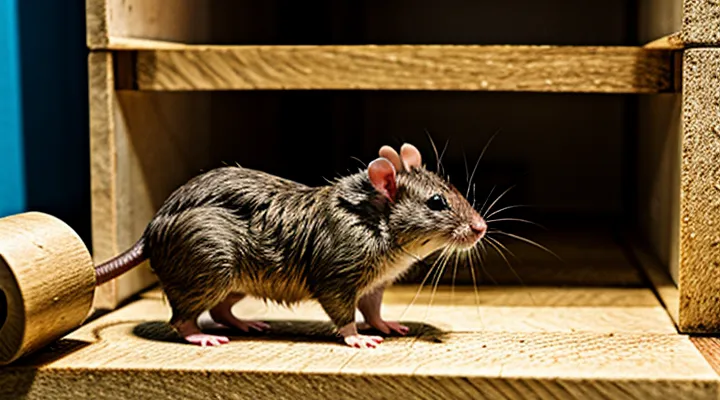
Historical Context of Rat Mazes
Early Research and Pioneers
Initial Designs and Objectives
The initial phase of the rodent navigation system focused on constructing a modular environment that permits precise control of spatial variables while delivering targeted sensory stimulation. The design incorporated interchangeable wall sections, adjustable corridor widths, and removable platforms to accommodate a range of experimental configurations. Materials were selected for durability and ease of cleaning, with non‑reflective surfaces to minimize visual artifacts during data acquisition.
Key objectives guided the development process:
- Provide reproducible spatial cues that can be systematically altered to assess learning curves.
- Integrate programmable stimulus delivery (e.g., auditory tones, tactile vibrations) synchronized with animal movement.
- Enable high‑resolution tracking of locomotion through overhead cameras and embedded sensors.
- Maintain animal welfare by ensuring safe entry/exit points and unobstructed ventilation.
The architecture prioritized scalability, allowing researchers to expand the maze from simple T‑shapes to complex multi‑level networks without compromising measurement fidelity. Early prototypes underwent validation through pilot trials, confirming that the modular components retained structural integrity under repeated use and that stimulus timing remained within millisecond precision. These results established a reliable foundation for subsequent investigations into cognitive mapping and neural response to controlled environmental challenges.
Key Discoveries
Research on rodent navigation tasks has produced several pivotal findings that shape current understanding of brain development and sensory-motor stimulation.
- Early exposure to complex labyrinths accelerates synaptic pruning in the hippocampus, resulting in measurable improvements in spatial memory by adolescence.
- Chronic intermittent stimulation through variable maze configurations enhances long‑term potentiation in the dentate gyrus, indicating heightened plasticity.
- Genetic knock‑out models lacking the BDNF gene fail to exhibit typical performance gains, confirming the neurotrophin’s essential role in experience‑dependent learning.
- Cross‑modal enrichment, combining tactile and olfactory cues, yields superior acquisition rates compared with unimodal designs, demonstrating the importance of multisensory integration.
Longitudinal studies reveal that rats trained in progressively demanding mazes develop robust prefrontal‑cortical networks, correlating with improved decision‑making under uncertainty. Electrophysiological recordings show increased theta‑gamma coupling during navigation, linking rhythmic activity to predictive coding mechanisms.
Pharmacological manipulations further delineate the circuitry involved. Administration of NMDA antagonists selectively impairs maze learning without affecting motor function, isolating glutamatergic pathways as critical mediators of spatial cognition. Conversely, cholinergic agonists amplify acquisition speed, suggesting synergistic action between acetylcholine release and environmental challenge.
Collectively, these discoveries define a framework in which structured navigational challenges serve as potent modulators of neural maturation, providing a translational platform for investigating developmental disorders and therapeutic interventions.
Evolution of Maze Designs
Simple T-Mazes and Y-Mazes
Simple T‑mazes consist of a start arm that leads to a bifurcation, offering a left or right choice. Y‑mazes present three arms arranged at 120° angles, allowing a rat to enter one arm, explore the other two, and return to the start. Both configurations provide binary decision points that quantify spatial learning, working memory, and exploratory behavior without extensive training.
Key characteristics of these mazes include:
- Geometric simplicity – minimal construction materials, easy replication across laboratories.
- Rapid assessment – trials last seconds to minutes, enabling high‑throughput data collection.
- Quantifiable outcomes – correct arm choice, latency to decision, number of arm entries, and pattern of alternation.
- Developmental relevance – suitable for juvenile, adolescent, and adult rodents, allowing comparison of age‑dependent performance.
- Stimulation flexibility – compatible with sensory cues (visual, olfactory, tactile) and pharmacological manipulations to probe neural circuits.
In practice, a typical protocol places the animal in the start arm, removes the barrier, and records the first arm entered. Repeated trials with randomized arm rewards assess learning curves and memory retention. Alternation tests in the Y‑maze evaluate spontaneous shifting between arms, reflecting working memory capacity. Data are analyzed using proportion correct, error rates, and statistical comparisons across experimental groups, providing insight into developmental trajectories and the impact of experimental interventions on spatial cognition.
Radial Arm Mazes and Barnes Mazes
Radial arm mazes consist of a central platform from which multiple arms radiate outward, each arm terminating in a food well. The design tests spatial working memory by requiring rodents to remember which arms have been visited within a single session. Errors are recorded as re‑entries into previously baited arms, providing a direct measure of memory load and strategy use. Variations such as eight‑arm or twelve‑arm configurations adjust difficulty, while modifications to arm length or cue placement allow investigation of cue‑dependence and navigation strategies.
Barnes mazes comprise a circular platform with numerous peripheral escape holes, only one of which leads to a safe enclosure. The task assesses spatial reference memory by training rodents to locate the target hole using distal visual cues. Performance metrics include latency to locate the escape, path length, and the number of incorrect holes explored. Adjusting the number of holes, the diameter of the platform, or the lighting conditions can manipulate stress levels and motivational factors, thereby probing the influence of environmental stimulation on learning.
Key comparative points:
- Memory type: Radial arm maze emphasizes working memory; Barnes maze focuses on reference memory.
- Stress profile: Barnes maze typically induces lower anxiety because it lacks water or shock; radial arm maze may generate moderate stress due to confined arms.
- Data richness: Radial arm maze yields discrete error counts per arm; Barnes maze provides continuous trajectory data suitable for path‑analysis algorithms.
- Training duration: Radial arm tasks often require fewer trials per day; Barnes maze protocols commonly extend over several days to consolidate long‑term memory.
Both apparatuses serve as core tools for evaluating how developmental stages, pharmacological interventions, or environmental enrichment affect rodent cognition and behavioral plasticity. Their complementary designs enable researchers to dissect distinct memory components while controlling for motivational and affective variables.
Automated and Virtual Mazes
Automated and virtual mazes provide reproducible environments for investigating rat navigation, learning, and neural activation. Physical mazes equipped with motorized doors, infrared sensors, and programmable reward dispensers eliminate manual intervention, allowing precise timing of stimulus presentation and data collection.
Key hardware elements of automated mazes include:
- Motorized barriers that modify corridor configurations in real time.
- High‑resolution infrared or video tracking systems that record position with millisecond precision.
- Controlled reward delivery units (liquid or pellet) synchronized to behavioral events.
- Central control software that logs trial parameters, adjusts maze geometry, and triggers optogenetic or pharmacological interventions.
Virtual mazes simulate spatial tasks on computer screens while preserving the sensory and decision‑making demands of physical environments. Software platforms generate two‑dimensional or three‑dimensional arenas, project visual cues, and integrate with head‑mounted tracking devices to map locomotion onto the virtual space. Advantages of virtual implementations are:
- Rapid alteration of layout without physical reconstruction.
- Ability to present complex, dynamic cues (e.g., moving landmarks) that are impractical in real mazes.
- Seamless coupling with electrophysiological recording systems for simultaneous neural monitoring.
- Reduced animal handling, decreasing stress‑related variability.
Combining automated physical structures with virtual simulations enables researchers to compare behavioral outcomes across modalities, validate computational models of spatial cognition, and enhance the scalability of rat‑based experiments.
Design Principles and Construction
Material Selection
Durability and Safety Considerations
Durability and safety are essential factors when constructing a rodent maze for experimental use. Selecting materials that resist wear, moisture, and repeated cleaning cycles ensures the apparatus remains functional over multiple studies. High‑density polyethylene, acrylic, and anodized aluminum provide the required strength while allowing easy disinfection. Reinforced joints and modular connections prevent frame deformation and simplify replacement of damaged sections.
Safety considerations focus on preventing injury to the animals and protecting researchers from exposure to hazards. Design guidelines include:
- Rounded edges and smooth surfaces to eliminate cut or puncture risks.
- Non‑toxic, fire‑retardant coatings that do not leach chemicals into the environment.
- Secure locking mechanisms that stop accidental opening during trials.
- Transparent barriers that allow visual monitoring without direct contact.
- Adequate ventilation and escape‑proof seals to maintain a controlled atmosphere and prevent unintended exits.
Regular inspection schedules should verify structural integrity, detect material fatigue, and confirm that all safety features function as intended. Documentation of maintenance activities supports reproducibility and compliance with institutional animal‑care standards.
Ease of Cleaning and Sterilization
Cleaning and sterilization are fundamental requirements for any laboratory maze used in rat behavior studies. Residual food, urine, and bedding can introduce pathogens and alter experimental outcomes; therefore, rapid removal of contaminants is mandatory after each trial.
Design elements that simplify maintenance include:
- Seamless interior walls made from non‑porous polymers, eliminating crevices where debris accumulates.
- Modular sections that detach without tools, allowing individual components to be washed separately.
- Rounded corners and smooth joints that prevent material buildup and facilitate fluid flow during rinsing.
Sterilization procedures must align with the material properties of the maze. Autoclavable components tolerate high temperature and pressure, ensuring complete microbial inactivation. When heat resistance is limited, validated chemical disinfectants—such as 10 % bleach solution or 70 % ethanol—provide effective surface decontamination. Ultraviolet (UV‑C) lamps can be employed for additional sterilization of non‑metallic parts, provided exposure times meet established dosage guidelines.
A practical cleaning cycle typically follows these steps:
- Disassemble detachable sections.
- Rinse with warm water to remove gross debris.
- Immerse in approved disinfectant for the manufacturer‑specified duration.
- Rinse thoroughly to eliminate chemical residues.
- Reassemble and conduct a final UV‑C exposure, if applicable.
Consistent application of these measures preserves the integrity of behavioral data and extends the service life of the maze apparatus.
Maze Architecture
Dimensions and Proportions
The maze architecture must align with the physical size of the test subjects and the experimental objectives. Standard laboratory rats range from 150 mm to 250 mm in body length; corridor widths therefore fall between 30 mm and 50 mm to permit unobstructed movement while preventing escape. Ceiling height is set at 150 mm to accommodate vertical exploration without encouraging climbing. Platform surfaces are leveled within 2 mm tolerance to ensure consistent footfall patterns across trials.
Proportional relationships dictate navigation difficulty and stimulus exposure. A common ratio of corridor length to width is 4:1, producing a balance between linear travel and decision points. Intersection angles are maintained at 90° or 45°, providing predictable turn options while preserving spatial complexity. The total maze footprint, measured in square centimeters, scales with the number of decision nodes; each additional node adds approximately 2500 cm² of area, preserving the 4:1 length‑to‑width proportion.
Key dimensional parameters:
- Corridor width: 30–50 mm
- Corridor length: 120–200 mm (maintaining 4:1 ratio)
- Intersection angle: 90° or 45°
- Platform height: 150 mm
- Surface flatness: ≤ 2 mm variance
When adjusting the maze for developmental stages, dimensions shrink proportionally: juvenile rats (80 mm body length) receive corridors of 20–30 mm width, preserving the same length‑to‑width ratio. Stimulus placement follows the same proportional logic; reward zones occupy 10 % of corridor length, ensuring equal exposure regardless of overall size. This systematic scaling guarantees that spatial cues and motor demands remain consistent across age groups and experimental conditions.
Entry and Exit Points
In maze designs for rodent behavioral research, the placement and structure of entry and exit points determine the animal’s navigation patterns and the reliability of data on learning and motivation. The entry should provide a clear, unobstructed path that encourages the rat to move forward without hesitation, while the exit must be positioned to require a decision point that reflects the animal’s problem‑solving ability.
Key design considerations for these points include:
- Visibility: Ensure the entrance is easily perceived from the start area, using contrasting colors or lighting to reduce confusion.
- Orientation: Align the entry with the primary axis of the maze to promote straight‑line movement initially.
- Barrier control: Use removable or automated gates to standardize the moment of entry across trials.
- Exit location: Place the exit at a strategic junction that forces the rat to navigate at least one turn or choice before reaching it.
- Reward placement: Position food or water rewards near the exit to reinforce successful completion without altering the maze’s structural integrity.
Consistent implementation of these parameters minimizes variability in start‑point behavior, enhances comparability across experimental sessions, and supports precise assessment of learning curves and stimulus responses.
Obstacles and Decision Points
The rat labyrinth designed for developmental training and stimulation incorporates a series of physical barriers and branching pathways that compel subjects to evaluate alternatives and execute precise movements. Obstacles are engineered to vary in height, width, texture, and mobility, thereby challenging locomotor coordination, sensory integration, and problem‑solving capacity.
Key obstacle types include:
- Elevated platforms that require vertical climbing or jumping.
- Narrow tunnels that test body compression and whisker‑guided navigation.
- Rotating arms that introduce temporal variation and demand timing adjustments.
- Adjustable gaps that assess reach and risk assessment.
Decision points arise where the maze bifurcates or presents multiple routes. Each junction presents a choice between a high‑risk shortcut and a longer, safer corridor, enabling measurement of impulsivity, learning speed, and strategy formation. Researchers record choice latency, error frequency, and path preference to quantify cognitive flexibility and adaptive behavior. The systematic placement of obstacles and decision nodes creates a controlled environment for evaluating developmental progress and the efficacy of stimulation protocols.
Sensory Cues and Distractors
Visual Cues
Visual cues provide spatial information that rats use to navigate mazes designed for developmental and stimulation studies. Researchers place distinct markings, patterns, or objects at strategic locations within the maze to create reference points that guide locomotion and decision‑making. These cues can be static, such as colored walls or patterned floors, or dynamic, such as moving lights or rotating symbols, allowing investigators to examine how rats adapt to changes in their environment.
Typical visual cue implementations include:
- High‑contrast geometric shapes on walls or platforms.
- Color‑coded zones that differentiate start, goal, and intermediate areas.
- Patterned floor tiles that form a recognizable grid.
- Illuminated markers that can be switched on or off during trials.
The effectiveness of visual cues depends on their salience, consistency, and distance from the animal’s line of sight. Salient cues must contrast sharply with the background to ensure detection under low‑light conditions. Consistency across sessions reduces learning variability, while appropriate placement prevents occlusion by the animal’s own body or maze structures. Adjusting cue intensity or frequency enables precise control over stimulus exposure, facilitating the study of sensory processing, memory formation, and behavioral flexibility.
Data collection typically involves tracking software that records the rat’s position relative to each visual cue. Metrics such as latency to reach a cue, dwell time in cue‑associated zones, and error rates when cues are altered provide quantitative measures of spatial learning and stimulus responsiveness. Proper calibration of camera angles and lighting conditions ensures accurate detection of cue‑guided movements.
Potential confounds include unintended olfactory traces, tactile differences on the maze surface, and habituation to repetitive cues. Mitigation strategies involve regular cleaning, randomized cue placement across sessions, and periodic introduction of novel visual elements to maintain engagement. By adhering to these design principles, visual cues become reliable tools for probing rat behavior within maze paradigms aimed at development and stimulation research.
Olfactory Cues
Olfactory cues serve as primary navigational signals in rodent maze experiments that assess learning, memory, and sensory integration. When a scent is introduced at a specific location, rats detect concentration gradients through the nasal epithelium, enabling them to orient toward or away from the source. This mechanism supports the evaluation of spatial discrimination and decision‑making processes under controlled laboratory conditions.
Key characteristics of olfactory stimuli in maze protocols include:
- Chemical identity: common odors such as vanilla, peppermint, or synthetic pheromones are selected for their distinct molecular signatures and low toxicity.
- Concentration gradient: a calibrated dilution series creates a measurable gradient, allowing researchers to quantify detection thresholds and response latency.
- Temporal stability: odor delivery systems are designed to maintain consistent emission rates throughout trials, preventing fluctuations that could confound performance metrics.
- Spatial placement: cues are positioned at decision points, goal zones, or start locations to test specific aspects of spatial strategy, such as cue‑guided versus path‑integration navigation.
Empirical data indicate that rats adjust their exploration patterns in response to odor cues, demonstrating faster acquisition of the correct route when a reliable scent marks the target area. Comparative studies using visual or tactile markers reveal that olfactory information can dominate when multiple modalities are available, highlighting its potency in guiding behavior within complex mazes.
Auditory Cues
Auditory cues provide precise temporal signals that guide navigation and learning in rodent maze experiments. Researchers embed tones, clicks, or broadband noise at specific maze locations to mark decision points, reward zones, or error states. The cues can be synchronized with video tracking to trigger immediate feedback, allowing assessment of auditory‑driven spatial memory and reaction times.
Key functions of auditory stimuli in maze protocols include:
- Marking the entrance to a target arm, prompting direction changes without visual interference.
- Signaling successful completion of a trial, reinforcing learning through conditioned sound‑reward associations.
- Delivering brief aversive sounds to indicate incorrect choices, facilitating error detection and adaptive behavior.
- Modulating arousal levels by varying intensity or frequency, enabling study of stress‑related performance changes.
Implementation guidelines emphasize consistent sound pressure levels, calibrated across sessions to avoid habituation. Playback devices should be positioned to ensure uniform distribution, minimizing echo artifacts. Integration with electrophysiological recordings permits correlation of auditory‑evoked potentials with behavioral outcomes, enriching the analysis of neural circuitry underlying maze navigation.
Stimulation and Experimental Paradigms
Cognitive Stimulation
Learning and Memory Tasks
Learning and memory tasks in rodent maze studies require systematic design to isolate acquisition, consolidation, and retrieval processes. Protocols begin with habituation to the testing arena, followed by defined trial structures that control cue exposure, reward placement, and inter‑trial intervals. Data acquisition includes latency to goal, error count, and path efficiency, providing quantitative indices of spatial cognition.
Key maze paradigms employed include:
- T‑maze alternation, assessing working memory through forced‑choice navigation.
- Radial arm maze, measuring reference and working memory by tracking arm entries and revisits.
- Barnes circular platform, evaluating spatial learning via escape hole discovery under visual cues.
- Elevated plus maze, offering auxiliary assessment of anxiety that may confound cognitive performance.
Stimulation techniques integrate with these tasks to probe neural substrates. Optogenetic activation of hippocampal circuits during specific trial phases can reveal causal links between neuronal firing patterns and task performance. Pharmacological manipulation of NMDA receptors modifies synaptic plasticity, reflected in altered error rates and latency trends. Developmental timing of stimulation—prenatal, juvenile, or adult—affects the trajectory of learning capacity, as evidenced by age‑dependent performance curves.
Interpretation of results demands statistical rigor. Mixed‑effects models accommodate repeated measures across subjects, while permutation tests verify robustness of observed differences. Correlating behavioral metrics with electrophysiological recordings or imaging data strengthens inference about underlying mechanisms of spatial memory formation.
Problem-Solving Scenarios
The rat maze paradigm offers a controlled environment for evaluating how rodents resolve complex navigation problems. Researchers design scenarios that isolate specific cognitive functions, allowing precise measurement of learning curves, memory retention, and adaptive behavior.
Typical problem‑solving scenarios include:
- Simple binary choice – a T‑shaped junction forces the animal to select one of two arms, testing immediate decision making and reward association.
- Multi‑stage sequence – a series of interconnected chambers requires the rat to remember a predetermined order, revealing working memory capacity.
- Variable cue maze – visual, olfactory, or tactile cues are altered between trials, assessing flexibility in shifting strategies when familiar signals become unreliable.
- Delayed‑match-to‑place – the target location changes after a fixed interval, measuring the ability to update spatial representations and suppress previous learning.
- Obstacle navigation – movable barriers introduce physical challenges, examining motor planning and problem‑solving under altered terrain.
Each scenario is paired with quantitative metrics such as latency to reach the goal, error rate, path efficiency, and exploration patterns. Data are collected via video tracking and automated sensors, then analyzed with statistical models that control for individual variability and habituation effects.
The progression from elementary to intricate tasks mirrors developmental stages in rodent cognition. Early exposure to simple binary choices accelerates acquisition of basic associative learning, while later introduction of multi‑stage and variable cue mazes promotes higher‑order problem solving and neural plasticity. Researchers adjust stimulus intensity, reward magnitude, and inter‑trial intervals to modulate motivation and stress levels, ensuring that performance reflects cognitive ability rather than extraneous factors.
By systematically varying maze configurations and reward contingencies, investigators generate a comprehensive profile of problem‑solving competence. This profile informs comparative studies across strains, ages, and genetic models, and supports translational research aimed at understanding human executive function disorders.
Spatial Navigation Challenges
The rat maze paradigm provides a controlled environment for investigating how rodents acquire and refine spatial navigation abilities. Researchers manipulate maze geometry, cue configurations, and reward schedules to isolate specific components of navigation, allowing precise measurement of learning curves and behavioral flexibility.
Key challenges associated with spatial navigation in this context include:
- Sensory integration – rodents must combine visual, olfactory, and tactile information to generate a reliable internal map.
- Cue ambiguity – overlapping or shifting landmarks can disrupt orientation, requiring the animal to adjust its strategy.
- Memory consolidation – retention of route information across sessions depends on developmental stage and neural plasticity.
- Motor coordination – complex pathways demand fine‑grained control of locomotion, especially in young subjects.
- Stimulation parameters – electrical or pharmacological interventions must be timed to avoid interference with natural learning processes.
Addressing these challenges involves systematic variation of maze features, rigorous control of environmental variables, and careful scheduling of stimulation protocols. Data collection typically combines video tracking, electrophysiological recording, and behavioral scoring to capture both overt performance and underlying neural dynamics.
Interpretation of results benefits from cross‑species comparisons and computational modeling, which clarify how specific deficits in cue processing or memory affect overall navigation. Such analyses inform broader theories of spatial cognition and guide the design of therapeutic interventions targeting navigation‑related disorders.
Behavioral Stimulation
Reward-Based Learning
Reward‑based learning in rodent maze protocols relies on the systematic pairing of a specific behavior with a positive outcome, typically a food pellet or a sucrose solution. The association strengthens the probability that the animal will repeat the action that led to the reward, thereby shaping navigation patterns across successive trials.
During initial exposure, rats receive a brief habituation period within the maze to reduce stress‑induced variability. Following habituation, the training phase introduces a consistent reward location—often at the maze’s terminus or at a designated arm. Repeated trials with a fixed reinforcement schedule produce measurable improvements in:
- Latency to reach the reward site
- Path efficiency, as indicated by reduced dead‑ends and backtracking
- Consistency of route choice across sessions
The reinforcement schedule can be manipulated to probe learning dynamics. A continuous reinforcement schedule (reward after every correct choice) accelerates acquisition but may generate rapid extinction when rewards are withdrawn. Variable‑ratio or variable‑interval schedules sustain behavior longer, offering insight into the persistence of learned routes.
Neurobiological correlates of reward‑based learning emerge from parallel recordings of dopaminergic activity in the ventral tegmental area and striatal activation patterns. Elevated dopamine release coincides with reward delivery, reinforcing synaptic pathways that encode spatial cues. Pharmacological blockade of dopamine receptors attenuates maze performance, confirming the neurotransmitter’s critical involvement.
Data analysis typically employs repeated‑measures ANOVA to assess performance trends across sessions, complemented by trajectory mapping software that quantifies spatial precision. Researchers report effect sizes that distinguish between rapid learners and animals requiring extended exposure to achieve comparable performance levels.
In summary, reward‑driven conditioning within rat maze environments provides a robust framework for dissecting the mechanisms of spatial learning, motivational processes, and underlying neural circuitry.
Aversion-Based Learning
Aversion‑based learning exploits the rat’s natural tendency to avoid unpleasant stimuli, shaping behavior through negative reinforcement within maze environments. When a specific corridor or decision point is paired with a mild electric shock, a bitter taste, or a bright flash, the animal rapidly reduces entry into that area, demonstrating the acquisition of an avoidance response. This method provides a quantifiable measure of learning speed, error rates, and retention by comparing the frequency of entries before and after stimulus pairing.
Key characteristics of aversion‑driven protocols in rodent navigation tasks include:
- Precise timing of the aversive event, typically delivered immediately after the animal crosses a predefined boundary.
- Adjustable intensity of the stimulus to maintain motivation without causing excessive stress.
- Automated recording of entry attempts, latency to avoidance, and subsequent re‑exploration patterns.
- Ability to test extinction by removing the aversive cue and observing the persistence of the learned avoidance.
Integration of aversion‑based paradigms with maze development enhances the assessment of neural circuits underlying fear conditioning, decision‑making under threat, and the efficacy of pharmacological agents targeting anxiety‑related pathways. Data derived from these experiments contribute to a detailed mapping of behavioral phenotypes and inform the design of more sophisticated stimulation protocols for cognitive research.
Social Interaction Paradigms
Social interaction paradigms integrate conspecific presence into maze‑based assessments of rodent development and neural activation. By embedding partner animals within the testing environment, researchers obtain behavioral metrics that reflect both individual learning and the influence of social cues.
Key paradigms include:
- Dyadic choice: Two rats navigate a shared maze, each making independent decisions while visual, auditory, and olfactory signals are available.
- Group exploration: Small cohorts (3–5 animals) travel together, allowing observation of hierarchy formation, collective route selection, and synchronized activity bursts.
- Competitive access: A single reward zone is contested by multiple rats, measuring aggression, displacement, and strategy adaptation under limited resources.
- Cooperative problem solving: Pairs must coordinate actions—such as simultaneous lever presses—to unlock a shared reward, revealing joint planning and communication.
Effective implementation requires control of variables that could confound social influence: identical lighting, standardized handling, and balanced prior exposure to the maze. Data collection typically combines video tracking with ultrasonic vocalization analysis, producing quantitative indices of approach latency, proximity duration, and interaction frequency.
When applied correctly, these paradigms extend traditional maze outcomes, providing a multidimensional view of developmental trajectories and stimulus‑driven plasticity in rodent models.
Physiological Measurements
Electrophysiological Recordings
Electrophysiological recordings capture the real‑time electrical activity of neuronal populations as rats navigate increasingly complex mazes. Implantable microelectrode arrays positioned in hippocampal subfields, prefrontal cortex, and striatum enable simultaneous acquisition of single‑unit spikes and local field potentials (LFPs). High‑impedance tungsten or silicon probes provide resolution sufficient to discriminate action potentials from individual pyramidal cells, while tetrodes allow clustering of spike waveforms for sorting.
Data acquisition systems sample at rates of 20–30 kHz for spikes and 1–2 kHz for LFPs, preserving temporal fidelity required to correlate firing patterns with specific maze segments. Event markers—such as arm entry, decision point crossing, and reward consumption—are synchronized with the electrophysiological stream via digital I/O lines, facilitating precise alignment of neural events with behavioral phases.
Analysis pipelines typically include:
- Spike detection and sorting using automated clustering algorithms (e.g., K‑means, Gaussian mixture models) followed by manual refinement.
- Time‑frequency decomposition of LFPs (wavelet or multitaper methods) to identify theta, gamma, and ripple oscillations associated with navigation and memory encoding.
- Cross‑correlation and coherence measures between regions to assess functional connectivity during exploration, decision making, and learning.
- Phase‑locking analysis to determine whether neuronal firing preferentially occurs at specific phases of ongoing oscillations, revealing mechanisms of temporal coding.
Stimulation protocols integrate with recordings to probe causality. Closed‑loop systems deliver brief current pulses or optogenetic activation contingent on detected neural signatures, such as theta bursts or error‑related spikes. Open‑loop stimulation applies patterned pulses to modulate excitability in targeted circuits, allowing assessment of how altered activity influences maze performance.
Chronic implantation permits longitudinal monitoring across training sessions, revealing plastic changes in firing rates, place field stability, and ensemble reactivation during sleep. Combined with behavioral metrics—latency, path efficiency, and error count—electrophysiological data elucidate the neural dynamics underlying maze acquisition, adaptive strategy selection, and stimulus‑driven modulation.
Neurochemical Analysis
Neurochemical analysis provides quantitative insight into the biochemical processes that accompany learning and motor adaptation in rodent maze experiments. By measuring concentrations of neurotransmitters, metabolites, and signaling molecules, researchers can link behavioral performance with underlying neural activity.
Typical analytical approaches include:
- High‑performance liquid chromatography (HPLC) with electrochemical detection for dopamine, serotonin, and norepinephrine.
- Gas chromatography–mass spectrometry (GC‑MS) for amino acids and energy substrates.
- Enzyme‑linked immunosorbent assays (ELISA) targeting brain‑derived neurotrophic factor and cytokines.
- In vivo microdialysis coupled with rapid sampling to capture real‑time fluctuations during maze navigation.
Data obtained through these methods reveal patterns such as elevated dopamine release during initial acquisition phases, followed by increased acetylcholine during consolidation. Parallel shifts in glutamate and GABA levels correspond to adjustments in exploratory versus goal‑directed behavior. Comparative studies across training sessions demonstrate that repeated exposure to complex pathways induces a stable neurochemical signature associated with enhanced spatial memory.
Integrating neurochemical profiles with performance metrics enables the identification of biomarkers predictive of learning efficiency. Such biomarkers support the development of targeted pharmacological interventions aimed at modulating specific neurotransmitter systems to improve maze navigation outcomes in experimental models.
Imaging Techniques
Imaging techniques provide quantitative insight into neural and behavioral dynamics during maze navigation in rodents. High‑resolution structural MRI captures volumetric changes in hippocampal subfields that correlate with learning curves. Functional MRI, despite limited temporal resolution, identifies activation patterns in prefrontal and parietal cortices when animals encounter decision points.
Two‑photon microscopy permits in‑vivo observation of calcium transients in neuronal populations at the level of individual dendritic spines while the subject traverses a transparent maze segment. This approach links synaptic plasticity directly to spatial choices.
Positron emission tomography (PET) supplies metabolic maps of glucose uptake, revealing regional demand shifts during acquisition versus reversal phases. When combined with radiolabeled ligands, PET quantifies dopamine receptor occupancy in reward‑related circuits.
Optical imaging modalities, such as wide‑field fluorescence and intrinsic signal imaging, deliver rapid cortical activity maps across the entire dorsal surface. These techniques detect wave propagation associated with exploratory bursts and error correction.
A concise list of commonly employed modalities includes:
- Structural MRI for anatomy and morphometry
- Functional MRI for whole‑brain activation
- Two‑photon calcium imaging for cellular‑level activity
- PET for metabolic and neurotransmitter profiling
- Wide‑field optical imaging for cortical dynamics
Integration of multimodal data through co‑registration pipelines enhances spatial precision and enables cross‑validation of findings. Automated segmentation algorithms reduce observer bias, while machine‑learning classifiers predict performance metrics from imaging signatures. The resulting datasets support reproducible models of spatial learning and neural plasticity in maze‑based experiments.
Applications in Research
Neuroscience Research
Studies on Learning and Memory Impairments
Research employing maze apparatuses for rodents has become a primary method for quantifying deficits in acquisition, retention, and flexibility of spatial information. Experimental protocols typically involve training sessions in which animals must locate a reward based on external cues, followed by probe trials that assess memory persistence after varying delay intervals.
Key features of these investigations include:
- Task variants – radial arm, T‑maze, and Morris water configurations each isolate distinct components of cognition such as working memory, reference memory, and reversal learning.
- Manipulations – pharmacological agents, genetic modifications, or lesion surgeries introduce specific disruptions that model pathological conditions.
- Performance metrics – error count, latency to reach the goal, and path efficiency provide quantitative indices of impairment severity.
Findings consistently demonstrate that lesions of the hippocampus markedly increase reference‑memory errors, whereas prefrontal cortex damage primarily elevates working‑memory lapses. Pharmacological blockade of NMDA receptors produces dose‑dependent reductions in acquisition speed, indicating the necessity of glutamatergic signaling for synaptic plasticity in maze learning. Genetic models of neurodegenerative disease exhibit progressive deterioration in reversal learning, reflecting deficits in cognitive flexibility.
Data derived from these rodent navigation studies inform translational research by identifying neural substrates vulnerable to injury or disease, guiding therapeutic target selection, and establishing benchmark performance standards for novel interventions.
Investigation of Neurological Disorders
The maze environment for rodents provides a controlled setting in which spatial navigation, decision‑making, and motor execution can be quantified with high temporal resolution. By recording behavior alongside electrophysiological or imaging data, researchers obtain direct links between observable performance and underlying neural activity.
Adjustments to maze geometry, reward contingencies, and sensory cues enable selective interrogation of circuit components. For example, altering turn sequences isolates hippocampal place‑cell dynamics, while varying cue reliability tests prefrontal involvement in prediction error processing.
Integration of stimulation methods—optogenetic activation, chemogenetic inhibition, or patterned electrical currents—allows causal manipulation of targeted neuronal populations during task execution. Real‑time control of excitatory or inhibitory pathways reveals their contribution to navigation strategies and error correction.
The paradigm has been applied to several disease models:
- Parkinsonian motor deficits: assessment of bradykinesia and turning bias under dopaminergic depletion.
- Alzheimer‑type memory loss: measurement of trial‑to‑trial learning curves in amyloid‑expressing rodents.
- Epileptic network hyperexcitability: detection of seizure‑related navigation pauses and escape behaviors.
- Schizophrenia‑related cognitive inflexibility: evaluation of set‑shifting performance after NMDA‑receptor antagonism.
Advantages include reproducibility across laboratories, compatibility with chronic recording implants, and the capacity to test pharmacological agents while animals perform a defined task. Limitations involve the need for extensive training periods and potential stress effects that may confound neural readouts. Careful experimental design mitigates these factors, ensuring that maze‑based investigations remain a robust tool for dissecting the neural substrates of neurological disorders.
Drug Discovery and Efficacy Testing
The rodent maze paradigm offers a controlled environment for evaluating pharmacological candidates that target cognitive and motor functions. Researchers introduce compounds to test subjects, then monitor navigation performance, error rates, and latency to reach goal zones. These metrics provide quantitative evidence of a drug’s ability to modify neural circuits implicated in learning and memory.
Key stages in the discovery pipeline using the maze assay include:
- Compound screening: High‑throughput libraries are administered to cohorts, with automated tracking systems capturing movement data.
- Dose‑response assessment: Multiple concentrations are tested to establish the minimal effective dose and the therapeutic window.
- Mechanistic validation: Pharmacological antagonists or genetic knockouts are employed to confirm target engagement.
- Safety profiling: Repeated exposure evaluates potential adverse effects on locomotion, anxiety‑related behavior, and physiological parameters.
Efficacy conclusions derive from statistical comparison between treated and control groups, applying metrics such as mean path length reduction and error frequency decline. Robust findings support progression to higher‑order animal models and eventual clinical investigation.
Behavioral Psychology
Understanding Animal Cognition
Rat maze experiments provide a controlled environment for probing the mental capacities of rodents. By varying maze complexity and stimulation parameters, researchers isolate specific aspects of cognition while minimizing extraneous variables.
The primary cognitive domains assessed include:
- Spatial navigation, measured through latency to reach a goal and path efficiency.
- Working memory, evaluated by alternating arm choices in a plus‑maze.
- Decision‑making, inferred from choice latency under ambiguous cue conditions.
- Problem‑solving, observed when subjects must modify strategies to overcome novel barriers.
Experimental design influences data quality. Maze geometry (e.g., linear, radial, or T‑shaped) determines the sensory cues available for orientation. Training schedules that alternate reinforcement and omission phases reveal flexibility in learning. Precise timing of stimuli, such as auditory or tactile pulses, modulates arousal levels and can differentiate between attentional and motivational contributions.
Findings from these studies illuminate neural substrates of cognition. Lesion or pharmacological manipulation of hippocampal circuits produces predictable deficits in spatial performance, confirming the region’s role in map formation. Prefrontal cortex disruptions selectively impair working‑memory tasks, highlighting its involvement in rule maintenance. Patterns of neuronal firing recorded during maze navigation correlate with decision points, offering a real‑time view of information processing.
The methodological rigor of rat maze research underpins its translational relevance. Behavioral phenotypes identified through maze performance serve as benchmarks for genetic models of neuropsychiatric disorders. Moreover, the ability to manipulate environmental stimulation provides a platform for testing cognitive enhancers and rehabilitation protocols.
Stress and Anxiety Modeling
The use of maze environments for rodents provides a controlled platform to quantify physiological and behavioral responses associated with stress and anxiety. By manipulating maze complexity, lighting, and reward contingencies, researchers can induce measurable changes in corticosterone levels, heart rate variability, and exploratory patterns that reflect heightened arousal. Data collected from these sessions enable the construction of predictive models linking specific maze parameters to stress intensity.
Key variables influencing anxiety-like behavior in maze trials include:
- Elevation of open arms or exposed sections, which typically increase avoidance and reduce time spent in these zones.
- Unpredictable reward schedules, creating uncertainty that amplifies anticipatory stress.
- Olfactory or auditory stressors introduced intermittently, producing rapid shifts in locomotor activity.
Statistical modeling of these variables often employs mixed‑effects regression or Bayesian hierarchical frameworks to accommodate inter‑individual variability and repeated‑measure designs. Model outputs identify thresholds at which behavioral indices, such as entry latency or arm preference, diverge significantly from baseline, offering quantitative markers for anxiety phenotypes.
Integration of neurochemical assays with maze performance data strengthens model validity. Correlations between elevated plasma corticosterone and reduced open‑arm exploration, for example, confirm that observed behaviors correspond to physiological stress markers. Such multimodal approaches support the development of robust, translational models of anxiety that can be applied to pharmacological screening and genetic manipulation studies.
Developmental Studies
Research on rodent maze navigation provides a precise platform for examining how neural circuits mature and respond to environmental challenges. By manipulating maze complexity, reward schedules, and sensory cues, investigators can isolate developmental milestones such as synaptic pruning, myelination progress, and the emergence of spatial cognition. These experiments generate quantitative metrics—including latency to goal, error rates, and path efficiency—that directly reflect the functional state of the developing brain.
Key developmental parameters evaluated in maze studies include:
- Growth of hippocampal place cells and their stability over successive trials.
- Changes in prefrontal cortex activity associated with decision‑making under increasing task difficulty.
- Temporal patterns of dopamine release linked to reward anticipation and learning consolidation.
- Structural alterations in white‑matter tracts measured through diffusion imaging after prolonged training.
The data derived from such investigations inform models of neurodevelopmental disorders, guide the timing of therapeutic interventions, and support the validation of pharmacological agents aimed at enhancing cognitive resilience. By aligning behavioral outcomes with molecular and electrophysiological markers, maze‑based protocols deliver a comprehensive view of brain maturation and stimulus‑driven plasticity.
Ethology
Natural Behaviors in Controlled Environments
Rats navigating laboratory mazes exhibit a repertoire of innate actions that persist despite artificial constraints. Exploration, whisker‑mediated tactile scanning, and rapid decision‑making at junctions reflect evolutionary foraging strategies. When maze complexity increases, animals adjust locomotor patterns, displaying heightened pause durations and increased head‑turn frequency to integrate spatial cues.
Stimulus presentation within the maze modulates these behaviors. Variable lighting, odor gradients, and textured flooring provoke differential engagement of sensory modalities, prompting adjustments in speed, route choice, and error correction. Repeated exposure leads to measurable reductions in latency and trial‑to‑trial variability, indicating learning curves that parallel natural habitat adaptation.
Key observable natural behaviors include:
- Thigmotaxis – preference for wall proximity during initial trials.
- Path integration – internal tracking of distance and direction without external markers.
- Risk assessment – hesitation at open arms or elevated platforms, signifying predator‑avoidance instincts.
- Social investigation – brief pauses to scent cues from conspecifics when introduced.
Quantitative analysis of these actions provides insight into neural mechanisms governing development and stimulation. Metrics such as turn angle distribution, inter‑step interval, and whisker‑contact frequency serve as proxies for cognitive load and sensory processing efficiency, enabling precise evaluation of experimental manipulations.
Social Dynamics and Communication
Rats navigating mazes exhibit complex social structures that influence both learning speed and problem‑solving strategies. Individuals positioned at the entrance often emit ultrasonic vocalizations that signal motivation levels, while those deeper in the maze produce contact calls that coordinate movement and reduce collision risk. These acoustic signals combine with pheromonal cues deposited on the maze floor, creating a dynamic information field that guides conspecifics toward rewarding zones.
The presence of a familiar cohort modifies exploratory behavior. When a group of rats enters a maze together, latency to reach the goal decreases by up to 30 % compared to solitary trials. Dominance hierarchies affect route selection: subordinate animals preferentially follow the path chosen by dominant peers, relying on visual tracking of whisker contacts and tail‑base positioning. This leader‑follower pattern accelerates collective learning and stabilizes maze navigation across repeated sessions.
Key communication channels in maze environments include:
- Ultrasonic vocalizations: encode stress, anticipation, and success cues.
- Chemical traces: convey recent occupancy and food location.
- Tactile feedback: whisker‑mediated detection of conspecific proximity.
- Visual cues: body posture and movement direction for hierarchical guidance.
Environmental Enrichment
Environmental enrichment refers to modifications of the housing conditions that increase sensory, cognitive, and motor stimulation for laboratory rats. In maze research, enriched environments provide additional objects, varied textures, and opportunities for voluntary exercise, thereby influencing neural development and behavioral flexibility.
Typical enrichment elements include:
- Nesting materials (e.g., shredded paper, cotton)
- Structural complexity (e.g., tunnels, platforms, climbing ladders)
- Novel objects rotated on a regular schedule
- Access to running wheels or exercise cages
- Social grouping that permits interaction while maintaining experimental control
Research demonstrates that rats raised in enriched cages exhibit faster acquisition of maze tasks, reduced latency to reach goal locations, and lower error rates compared to animals housed in standard barren cages. Enhanced neurogenesis in the hippocampus and increased synaptic density correlate with these performance improvements, suggesting that enrichment promotes the neural substrates underlying spatial learning.
Experimental design must account for enrichment variables. Researchers should:
- Define enrichment protocols clearly, including duration and frequency of object changes.
- Maintain consistent enrichment across all experimental groups unless the variable itself is under investigation.
- Record baseline behavioral metrics before introducing enrichment to isolate its effects.
Implementing enrichment in maze studies improves animal welfare and yields data that more accurately reflect the capacity for learning under naturalistic conditions.
Ethical Considerations and Animal Welfare
Ethical Guidelines for Animal Experimentation
Minimizing Stress and Discomfort
Effective reduction of stress and discomfort in rodent maze investigations requires systematic control of environmental, procedural, and handling variables. Consistent temperature (21 ± 2 °C), humidity (45–55 %), and low ambient noise prevent physiological arousal. Light intensity should remain within 150–200 lux, with a stable light‑dark cycle matching the colony schedule.
Procedural measures include:
- Pre‑experiment habituation: expose each animal to the testing room and a simplified version of the maze for 5–10 min over two consecutive days.
- Gentle handling: use tunnel or cup methods rather than tail grabs to minimize fear responses.
- Gradual introduction of maze elements: start with an open field, then add barriers or decision points as the animal acclimates.
- Consistent timing: conduct all trials at the same circadian phase to avoid fluctuations in stress hormones.
- Immediate reward delivery: provide a palatable food pellet or sucrose solution at the goal location within 2 s of arrival to reinforce positive association.
Maze design considerations further diminish discomfort. Use smooth, non‑slippery flooring (e.g., PVC or plexiglass) and avoid sharp corners or abrupt height changes. Ensure all passages are wide enough for unobstructed passage (minimum 10 cm). Clean the apparatus with a mild, non‑irritant solution between sessions and allow sufficient drying time to eliminate residual odors that may provoke anxiety.
Monitoring and documentation are essential. Record body weight, grooming behavior, and latency to explore the maze before each trial. Apply a validated stress index, such as the elevated plus‑maze or corticosterone assay, to quantify the impact of experimental modifications. Continuous refinement based on these metrics sustains animal welfare while preserving data integrity.
Housing and Enrichment
Rats used in maze research require housing that minimizes stress and supports physiological stability. Standard cages should provide at least 0.1 m² floor space per animal, with solid flooring, absorbent bedding, and a nesting material that allows thermoregulation. Environmental controls must maintain temperature between 20–24 °C, relative humidity of 40–60 %, and a 12‑hour light/dark cycle synchronized with experimental schedules. Ventilation should ensure air exchange without drafts, and cage cleaning must follow a regular schedule that preserves odor cues relevant to spatial learning.
Enrichment directly influences exploratory behavior and learning efficiency. Effective enrichment combines structural complexity, sensory stimulation, and social interaction. Recommended elements include:
- Multi‑level platforms and tunnels that create vertical space.
- Objects with varied textures (e.g., wood blocks, PVC tubes) for tactile exploration.
- Chewable items (e.g., untreated wooden sticks) to satisfy gnawing needs.
- Nesting material of different consistencies to promote construction activity.
- Rotating novel objects introduced weekly to sustain curiosity.
- Group housing of compatible individuals to preserve social hierarchy while preventing aggression.
Consistent housing parameters and purposeful enrichment reduce anxiety, improve motor coordination, and enhance memory acquisition during maze testing. Empirical data show that rats housed with enriched environments achieve higher success rates and exhibit more stable navigation patterns than those kept in barren conditions. Implementing these standards ensures reliable behavioral outcomes and aligns with ethical obligations for laboratory animal care.
Humane Endpoints and Procedures
Monitoring Animal Health
Effective health surveillance is essential for reliable outcomes in rodent navigation experiments. Continuous assessment of physiological status prevents confounding variables and safeguards animal welfare.
Key indicators include:
- Body weight measured daily; deviations beyond 5 % of baseline trigger intervention.
- Food and water consumption recorded each shift; abrupt changes suggest stress or illness.
- Grooming and coat condition observed during handling; poor grooming may signal pain or infection.
- Locomotor activity and maze performance logged; sudden declines often precede health issues.
- Temperature and respiratory rate measured with non‑invasive devices; abnormal values require immediate veterinary review.
Data collection should follow standardized templates, enabling trend analysis across cohorts. All observations must be entered promptly into a secure digital log, with timestamps and observer identification. Regular audits of the log ensure completeness and facilitate early detection of systematic problems.
Veterinary oversight is mandatory. A qualified professional reviews health records weekly, conducts physical examinations, and authorizes any experimental modifications required for a compromised subject. Ethical compliance demands that any animal exhibiting persistent distress be removed from the study and provided appropriate care.
Integrating rigorous health monitoring into maze‑based research preserves data integrity, reduces variability, and upholds the highest standards of laboratory animal practice.
Responsible Data Collection
Responsible data collection underpins the reliability of maze-based research on rodents. Precise recording of trial parameters—such as maze configuration, lighting conditions, and reward schedules—ensures that observed behavioral changes can be attributed to experimental manipulations rather than uncontrolled variables.
Data integrity requires systematic documentation at each stage. Researchers should:
- Assign unique identifiers to each animal and session.
- Log raw sensor outputs, video files, and observer notes in a time‑stamped format.
- Store metadata describing hardware specifications, software versions, and calibration procedures.
- Verify data completeness through automated checks before analysis.
Ethical considerations demand that data handling respects animal welfare regulations. Protocols must include:
- Immediate reporting of any equipment failure that could compromise animal safety.
- Secure archiving of data to prevent loss, with access limited to authorized personnel.
- Transparent sharing of anonymized datasets in public repositories, facilitating replication while protecting sensitive information.
Consistent application of these practices enhances reproducibility, supports regulatory compliance, and strengthens the scientific value of rodent maze experiments.
Regulatory Frameworks
Institutional Animal Care and Use Committees (IACUC)
Research involving rats navigating mazes requires approval from an Institutional Animal Care and Use Committee (IACUC). The committee evaluates each protocol to ensure that animal welfare standards are met before any experimental work begins.
Members of the IACUC include a veterinarian, scientists experienced with rodents, a non‑scientist community representative, and an institutional official. This composition provides expertise in veterinary care, scientific methodology, ethical considerations, and administrative oversight.
The review process follows a defined sequence: the investigator submits a detailed protocol describing maze design, housing conditions, and stimulation procedures; the committee assesses the justification for using rats, evaluates alternatives, and examines pain‑relief measures; the protocol is either approved, returned for modification, or rejected. After approval, the committee conducts periodic inspections to verify compliance with the approved plan.
Key responsibilities of the IACUC include:
- Evaluating scientific merit and ethical justification of each study.
- Verifying that housing, handling, and experimental procedures minimize distress.
- Requiring training certification for all personnel who interact with the animals.
- Maintaining records of protocol approvals, amendments, and adverse events.
- Conducting annual reviews of ongoing projects and updating guidelines as needed.
Compliance with IACUC requirements safeguards animal welfare, supports reproducible maze data, and fulfills regulatory obligations for laboratory animal research.
National and International Regulations
National regulations governing maze-based behavioral testing on rodents vary by jurisdiction but share common requirements for ethical review, animal welfare, and documentation. In the United States, the Animal Welfare Act and the Public Health Service Policy mandate Institutional Animal Care and Use Committee (IACUC) approval, specification of environmental enrichment, and justification of sample size. The United Kingdom enforces the Animals (Scientific Procedures) Act 1986, which requires Home Office licensing, regular inspections, and adherence to the 3Rs (replacement, reduction, refinement). Canada’s Health Canada guidelines stipulate a Veterinary Services Committee review, mandatory reporting of adverse events, and compliance with the Canadian Council on Animal Care standards. Australia’s National Health and Medical Research Council (NHMRC) Code of Practice outlines similar oversight, emphasizing humane endpoints and post‑procedural monitoring.
International frameworks provide additional benchmarks that complement national laws. The OECD Guideline for the Testing of Chemicals (Test No. 471) includes provisions for maze protocols, requiring standardized environmental conditions and reproducible data collection. The International Council for Laboratory Animal Science (ICLAS) recommends uniform housing specifications and stress‑minimization strategies across borders. The ARRIVE (Animal Research: Reporting of In Vivo Experiments) guidelines, adopted by many journals, demand transparent reporting of maze design, randomization, and blinding procedures. The EU Directive 2010/63/EU, applicable to all member states, enforces strict limits on procedural pain, mandates ethical review at the institutional level, and requires detailed record‑keeping for each experimental session.
Compliance checklist for maze research projects:
- Obtain institutional ethical approval (IACUC, Home Office, etc.).
- Document housing conditions, enrichment, and lighting cycles.
- Justify animal numbers and experimental endpoints.
- Implement 3R strategies and monitor stress indicators.
- Follow standardized maze dimensions and cue placement.
- Record all procedural details in accordance with ARRIVE and OECD specifications.
- Submit periodic reports to regulatory bodies and retain records for audit.