
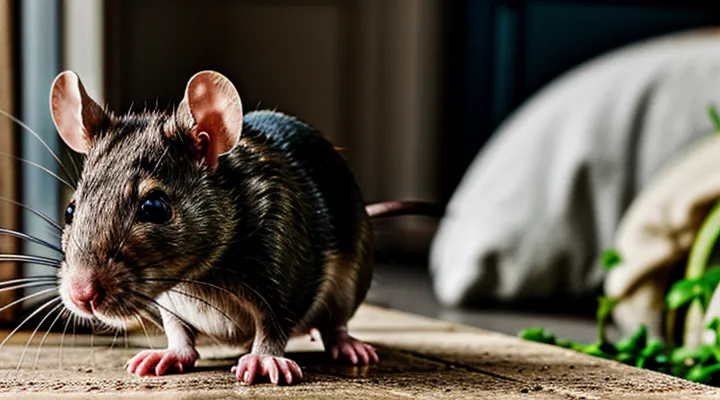
Understanding Rat Gasping
Common Causes of Respiratory Distress
Respiratory Infections
When a pet rat exhibits rapid, shallow breathing or audible gasps, respiratory infection is a likely cause. Immediate assessment of the animal’s environment, clinical signs, and potential pathogens can prevent rapid deterioration.
Observe the rat for additional symptoms such as nasal discharge, sneezing, wheezing, lethargy, or loss of appetite. Note the color of the mucous membranes; pale or blue-tinged gums indicate hypoxia and require urgent intervention. Record the duration and frequency of the breathing episodes to provide accurate information to a veterinarian.
If infection is suspected, follow these steps:
- Isolate the affected rat to reduce transmission to cage mates.
- Ensure the enclosure is well‑ventilated, free of drafts, and maintained at a stable temperature (20‑24 °C).
- Provide fresh, high‑quality water and easily digestible food to support hydration and nutrition.
- Contact a qualified veterinarian promptly; request a diagnostic work‑up that may include nasal swabs, chest radiographs, or PCR testing for common agents such as Mycoplasma pulmonis, Streptococcus spp., and viral pathogens.
- Administer prescribed antibiotics or supportive therapies only under veterinary guidance; avoid over‑the‑counter medications that can be toxic to rodents.
- Monitor temperature and breathing rate every 30 minutes until professional care is obtained.
After treatment begins, continue to:
- Keep the cage clean; replace bedding regularly to prevent bacterial growth.
- Limit stressors such as loud noises, sudden handling, or overcrowding.
- Re‑evaluate the rat’s condition daily; report any worsening symptoms to the veterinarian without delay.
Understanding that respiratory infections progress quickly in rats underscores the necessity of swift, decisive action and professional veterinary involvement.
Heart Problems
When a rat shows signs of labored breathing, cardiac dysfunction is a common underlying factor. Impaired heart function reduces blood flow, leading to oxygen deprivation and rapid, shallow respiration. Recognizing heart-related causes is essential for timely intervention.
Symptoms that suggest a cardiac problem include:
- Irregular or rapid heartbeat detectable by palpating the chest wall.
- Pale or bluish gums indicating poor oxygenation.
- Weakness, lethargy, or collapse accompanying the gasping.
- Swelling in the abdomen or limbs due to fluid buildup.
Immediate actions:
- Place the rat in a quiet, temperature‑controlled environment to minimize stress.
- Gently assess the pulse by feeling the femoral artery; record rate and rhythm.
- If the heartbeat is irregular or absent, administer emergency cardiac compressions: use the thumb and forefinger to apply firm, rhythmic pressure over the sternum at 100–120 compressions per minute.
- Provide supplemental oxygen if an oxygen source is available; a small, low‑flow mask can improve tissue oxygenation.
- Contact a veterinarian experienced with small mammals without delay; convey observed symptoms and any emergency measures taken.
Long‑term management may involve:
- Diagnostic imaging (X‑ray or ultrasound) to identify structural heart disease.
- Blood tests for cardiac biomarkers such as troponin.
- Prescription of cardioprotective medications (e.g., ACE inhibitors, diuretics) as directed by a veterinarian.
- Dietary adjustments to support cardiovascular health, including reduced sodium and balanced omega‑3 fatty acids.
Prompt identification of heart problems and swift supportive care improve the likelihood of recovery for a rat experiencing respiratory distress.
Allergies and Irritants
When a rodent shows signs of respiratory distress, allergens and irritants often trigger the condition. Common culprits include dust from bedding, mold spores in cages, strong fragrances, and food additives such as soy or wheat proteins. Exposure to these agents can inflame the nasal passages and lungs, leading to rapid, shallow breathing.
Identify the source promptly. Remove the animal from the suspect environment, replace bedding with low‑dust, untreated material, and clean the cage with a mild, fragrance‑free solution. Inspect the diet for potential allergens; switch to a hypoallergenic feed formulated without common protein triggers. Ensure ventilation is adequate but free from drafts that may carry airborne particles.
If symptoms persist after environmental changes, consider the following steps:
- Observe the rat for wheezing, nasal discharge, or eye irritation.
- Contact a qualified veterinarian experienced with small mammals.
- Provide supplemental oxygen if available, using a small mask or chamber designed for rodents.
- Keep the animal warm and minimize handling to reduce stress.
Documentation of any recent changes—new bedding, cleaning products, or dietary adjustments—facilitates accurate diagnosis and effective treatment. Prompt removal of identified allergens and irritants, combined with professional veterinary care, offers the best chance of restoring normal breathing.
Tumors and Growths
When a rat exhibits rapid, labored breathing, the presence of tumors or abnormal growths should be considered a priority. Tumors in the respiratory tract, thoracic cavity, or surrounding lymph nodes can obstruct airflow, compress the diaphragm, or induce pleural effusion, all of which produce gasping. Immediate assessment and intervention improve prognosis.
First, isolate the animal to reduce stress and prevent injury. Perform a brief physical examination: check for visible masses in the neck, chest, or abdomen; palpate for firmness or asymmetry; listen for abnormal lung sounds with a stethoscope if available. Record the respiratory rate and note any wheezing, crackles, or stridor.
Next, obtain a definitive diagnosis. Options include:
- Radiography – reveals pulmonary nodules, mediastinal masses, or fluid accumulation.
- Ultrasound – identifies soft‑tissue growths and assesses vascularization.
- Fine‑needle aspiration or biopsy – provides cytology or histopathology for tumor typing.
- Computed tomography – offers detailed 3‑dimensional imaging for complex cases.
Based on the findings, determine the appropriate therapeutic plan:
- Surgical excision – indicated for accessible, well‑encapsulated masses causing airway obstruction.
- Chemotherapy – employed for malignant neoplasms that cannot be removed surgically or have metastasized.
- Radiation therapy – useful for localized tumors that are difficult to excise.
- Supportive care – includes oxygen supplementation, analgesics, and anti‑inflammatory medication to alleviate respiratory distress while definitive treatment proceeds.
If the rat’s condition deteriorates rapidly (e.g., cyanosis, loss of consciousness), provide emergency oxygen via a small mask or chamber and consider humane euthanasia if the prognosis is hopeless and suffering cannot be mitigated.
Monitoring after treatment is essential. Conduct regular follow‑up imaging to detect recurrence, and adjust therapeutic protocols according to tumor response. Early detection and prompt, targeted intervention are the most effective measures to address tumor‑related gasping in rats.
Stress and Environmental Factors
Stressful conditions provoke rapid breathing in rats. Overcrowding, sudden noise, predator cues, or handling without habituation elevate cortisol, increase heart rate, and can trigger bronchoconstriction. Exposure to extreme temperatures, high humidity, or poor ventilation reduces oxygen availability and aggravates respiratory effort. Toxic fumes—including ammonia from urine buildup, cleaning agents, or scented sprays—irritate the airway mucosa, leading to gasping.
Environmental factors compound stress effects. Dust particles settle on nasal passages, obstruct airflow. Inadequate bedding absorbs moisture, fostering mold spores that inflame the lungs. Improper cage positioning near drafts or direct sunlight creates thermal stress, further compromising breathing.
When a rat exhibits gasping, immediate actions reduce mortality risk:
- Transfer the animal to a quiet, temperature‑controlled area (20‑24 °C, 40‑60 % humidity).
- Provide fresh, filtered air; eliminate sources of fumes or strong odors.
- Offer a small amount of water using a dropper; avoid forcing food.
- Observe for additional signs (blue gums, lethargy, nasal discharge).
- If symptoms persist beyond five minutes, administer a low‑dose bronchodilator (e.g., nebulized salbutamol) under veterinary guidance.
- Contact a veterinarian promptly; request a respiratory assessment and possible chest X‑ray.
Long‑term prevention centers on minimizing stressors and optimizing the environment. Maintain low cage density, introduce handling gradually, use low‑odor bedding, and schedule regular cleaning to keep ammonia levels below 25 ppm. Consistent temperature and humidity control, alongside proper ventilation, reduce the likelihood of respiratory distress.
Immediate Actions When Your Rat Is Gasping
Assessing the Severity
When a rat shows signs of gasping, immediate assessment of the situation’s seriousness determines whether emergency intervention is required. Observe the animal’s breathing pattern, coloration, and behavior without delay.
- Respiratory rate: Count breaths per minute. A rate exceeding 120 breaths per minute, or irregular pauses, indicates critical distress.
- Effort of breathing: Look for flaring nostrils, visible chest contractions, or abdominal movement without corresponding airflow. Excessive effort signals severe obstruction or respiratory failure.
- Skin and mucous membrane color: Pale, gray, or bluish gums point to hypoxia. Normal pink coloration suggests adequate oxygenation.
- Activity level: Lethargy, unresponsiveness, or collapse reflect advanced impairment. A rat that remains alert but gasps may still be in a moderate state.
- Audible sounds: Wheezing, rattling, or high‑pitched squeaks accompany airway blockage; absence of sound does not rule out internal compromise.
Document each observation, noting the exact numbers and descriptions. Compare findings against the thresholds above to classify severity as mild, moderate, or severe. Severe cases—characterized by rapid, irregular breathing, cyanotic mucosa, and marked lethargy—require immediate veterinary care. Moderate presentations warrant prompt professional consultation, while mild signs may be monitored with supportive measures such as a calm environment, gentle warming, and ensuring unobstructed airflow.
Creating a Calm Environment
When a rat shows signs of respiratory distress, immediate attention to the surroundings can reduce stress and improve breathing. A quiet, temperature‑controlled area prevents additional panic and supports oxygen intake.
- Eliminate loud noises, sudden movements, and bright lights.
- Keep the room temperature between 68‑74 °F (20‑23 °C); avoid drafts.
- Use a low‑profile, soft bedding material that does not obstruct airflow.
- Place a small, stable container with fresh, clean air nearby; avoid scented cleaners or strong odors.
- Limit human contact to brief, gentle handling; use gloved hands to reduce the animal’s fear response.
Maintain a steady supply of fresh air by opening a window slightly or using a low‑speed fan directed away from the rat. Monitor the environment continuously, adjusting temperature and ventilation as needed until the animal stabilizes or veterinary care is obtained.
Providing First Aid at Home
Steam Therapy
When a rat shows signs of respiratory distress, steam therapy can be an immediate, non‑invasive measure to open airways and reduce mucosal irritation. Warm, moist air loosens secretions, eases bronchial constriction, and promotes more efficient oxygen exchange.
Apply the technique as follows:
- Fill a heat‑proof container with water and bring it to a gentle boil.
- Remove the container from heat, allowing the surface temperature to drop to approximately 50‑55 °C (122‑131 °F).
- Position the rat in a secure, well‑ventilated enclosure that can be partially sealed around the container to trap steam without exposing the animal to direct heat.
- Maintain the environment for 5–10 minutes, monitoring the rat’s breathing pattern continuously.
- After exposure, provide fresh, cool air and observe for improvement in respiratory rhythm.
Precautions are essential. Do not exceed the recommended temperature, as excessive heat can cause burns or exacerbate stress. Ensure the enclosure prevents the animal from contacting the water directly. If breathing does not improve within a few minutes, discontinue steam exposure and seek veterinary assistance promptly.
Steam therapy is a temporary support tool; it does not replace professional medical treatment. Use it only as an adjunct while arranging definitive care for the affected rat.
Hydration
When a rat exhibits labored breathing, immediate correction of fluid balance can prevent worsening of respiratory distress. Dehydration reduces blood volume, impairs oxygen transport, and exacerbates airway obstruction. Restoring adequate hydration stabilizes circulation and supports mucosal moisture, which facilitates easier airflow.
Effective rehydration requires:
- Assessment – Check skin elasticity, eye recession, and capillary refill time to gauge fluid deficit.
- Fluid choice – Use sterile, isotonic solutions such as 0.9% saline or balanced electrolyte mixes formulated for small mammals.
- Dosage – Administer 10 ml/kg subcutaneously for mild dehydration; increase to 20 ml/kg intraperitoneally if severe, observing for signs of overload.
- Frequency – Repeat dosing every 2–4 hours until skin turgor normalizes and the rat resumes steady breathing.
- Monitoring – Record weight, respiratory rate, and behavior after each administration; discontinue fluid therapy if edema or respiratory compromise appears.
If oral intake is possible, provide a small amount of water‑based electrolyte gel using a syringe without a needle. For rats unable to drink, prioritize injectable routes to ensure rapid plasma expansion.
Combine hydration with supportive measures such as a warm, low‑stress environment and gentle airway clearance. Prompt, measured fluid therapy markedly improves the likelihood of recovery in a gasping rodent.
When to Seek Veterinary Care
If a rat shows persistent gasping, immediate veterinary evaluation is essential. Delay increases the risk of irreversible damage and may compromise recovery.
Signs that warrant professional care include:
- Continuous open‑mouth breathing lasting more than a few minutes.
- Rapid, shallow breaths accompanied by audible wheezing or crackles.
- Bluish discoloration of the gums, tongue, or skin, indicating hypoxia.
- Sudden collapse, loss of consciousness, or inability to right itself.
- Visible swelling or discharge from the nasal passages, eyes, or mouth.
- Fever above normal body temperature (approximately 101–103 °F).
- Recent exposure to toxic substances, inhalants, or extreme temperatures.
- History of respiratory infection, heart disease, or recent surgical procedures.
Additional circumstances requiring prompt attention:
- The rat fails to eat or drink for more than 12 hours.
- The owner observes blood‑tinged secretions from the nose or mouth.
- The animal exhibits lethargy, trembling, or seizures alongside breathing difficulties.
- There is a known outbreak of infectious respiratory disease in the household or facility.
Veterinary assessment should involve physical examination, auscultation of lung sounds, and diagnostic imaging such as radiographs. Laboratory tests may include complete blood count, blood gas analysis, and cultures to identify pathogens or toxins.
Early intervention improves prognosis. When any listed symptom appears, contact a qualified exotic‑animal veterinarian without hesitation.
Veterinary Diagnosis and Treatment
Diagnostic Procedures
Physical Examination
When a rat exhibits labored breathing, a systematic physical examination determines the urgency of intervention and guides treatment choices.
First, place the animal on a flat, non‑slippery surface and observe the thoracic movements for at least 30 seconds. Count respiratory cycles; normal rates range from 70 to 120 breaths per minute. Note any irregularity, shallow effort, or prolonged inspiratory pauses.
Next, assess the nasal and oral mucosa. Gently open the mouth with a blunt instrument; healthy tissue appears pink and moist. Pale, cyanotic, or dry membranes indicate hypoxia or dehydration and require immediate oxygen supplementation.
Palpate the chest wall lightly to detect crepitus, rigidity, or abnormal expansion. Uneven inflation suggests pneumothorax or pleural effusion. Simultaneously listen with a small veterinary stethoscope for abnormal sounds such as wheezes, crackles, or diminished breath sounds on one side.
Evaluate cardiovascular status by locating the femoral pulse. Count beats for 15 seconds and extrapolate to beats per minute; normal values are 250–350. Weak or absent pulses demand rapid fluid therapy and possible cardiopulmonary support.
Measure core temperature with a rectal probe. Hypothermia (<37 °C) often accompanies respiratory distress in small rodents and can exacerbate metabolic decline. Warm the animal gently if temperature falls below normal range.
Finally, perform a quick neurological check: observe righting reflex, eye response to light, and limb tone. Depressed reflexes may signal severe hypoxia or systemic toxicity.
Summary of examination steps
- Observe and count respiratory rate; note pattern.
- Inspect mucous membranes for color and moisture.
- Palpate thorax; listen for abnormal lung sounds.
- Locate femoral pulse; assess heart rate and strength.
- Record rectal temperature; provide warming if needed.
- Test basic neurological responses.
Each finding contributes to a rapid decision: if any parameter deviates markedly from normal, initiate emergency oxygen delivery, supportive fluid therapy, and contact a qualified veterinarian without delay.
Imaging (X-rays)
When a rat exhibits labored breathing, immediate radiographic assessment can identify life‑threatening thoracic conditions. X‑ray imaging provides a rapid, non‑invasive view of the airway, lungs, and cardiovascular silhouette, allowing clinicians to differentiate between obstructive, inflammatory, and traumatic causes.
Before imaging, restrain the animal gently to minimize stress and prevent movement artifacts. Use a calibrated small‑animal X‑ray unit, set at 35–45 kVp and 0.2–0.3 mAs, and employ a collimated beam focused on the thoracic region. Position the rat in dorsal recumbency for a lateral view and in ventral recumbency for a ventro‑dorsal (VD) view; ensure the diaphragm is clearly visible.
Interpretation should focus on the following radiographic indicators:
- Presence of air in the pleural space (pneumothorax)
- Hyperinflated lung fields suggesting emphysema or airway obstruction
- Pulmonary infiltrates indicative of edema or pneumonia
- Radiopaque foreign bodies within the trachea or bronchi
- Enlarged cardiac silhouette suggesting heart failure
If the lateral view reveals a collapsed lung or mediastinal shift, initiate immediate thoracocentesis or decompression. Detecting a foreign object mandates prompt removal via endoscopy or surgical retrieval. Diffuse alveolar patterns require supportive oxygen therapy, antibiotics, or diuretics according to the underlying diagnosis. Follow up with repeat X‑rays after intervention to confirm resolution or progression.
Blood Tests
When a rat shows signs of respiratory distress, immediate assessment of its physiological status is essential. Blood analysis provides objective data that can identify underlying causes such as hypoxia, infection, metabolic imbalance, or toxin exposure.
A basic panel should include:
- Arterial blood gas (ABG) – measures pH, partial pressures of oxygen (pO₂) and carbon dioxide (pCO₂); detects respiratory acidosis or alkalosis.
- Complete blood count (CBC) – evaluates white blood cell count for infection, hemoglobin level for anemia, and platelet count for coagulopathy.
- Serum electrolytes – sodium, potassium, chloride, and bicarbonate reveal disturbances that may affect muscle function and breathing.
- Blood glucose – identifies hypoglycemia, a possible contributor to weakness and altered respiration.
- Lactate – elevated levels indicate tissue hypoxia and can guide the urgency of intervention.
If the initial panel suggests a specific pathology, targeted tests may follow. For suspected bacterial infection, perform a blood culture before initiating antimicrobial therapy. In cases of suspected toxin exposure, include a toxicology screen for common rodent poisons and heavy metals. For metabolic disorders, assess renal and hepatic panels to determine organ involvement.
Interpretation should be rapid. An ABG showing low pO₂ and high pCO₂ confirms inadequate ventilation, prompting supplemental oxygen or assisted ventilation. Acidosis combined with elevated lactate signals severe hypoxia, requiring immediate stabilization. Leukocytosis or left shift on CBC supports infection, justifying empirical antibiotics pending culture results. Electrolyte imbalances, especially hyperkalemia, demand correction to prevent cardiac complications.
After laboratory results, adjust treatment accordingly, monitor trends, and repeat critical tests (ABG, lactate) at regular intervals until respiratory parameters stabilize. Continuous observation ensures that interventions are effective and that the rat’s condition improves.
Swabs and Cultures
When a rat exhibits labored breathing, rapid diagnostic sampling is essential to identify infectious agents. Collecting appropriate specimens and processing them correctly can determine the cause and inform treatment decisions.
- Choose swabs made of nylon‑flocked or polyester material; these provide optimal specimen release and are compatible with most transport media.
- Select a swab length that fits the small anatomy of a rodent, typically a mini‑tipped or micro‑tipped design.
Perform the swab with aseptic technique. Insert the tip gently into the nasal cavity, oral cavity, or tracheal opening, rotate several times, and withdraw without contacting external surfaces. Immediately place the swab into a sterile tube containing a non‑nutritive transport medium, such as Amies or Stuart solution, and seal the container.
Transport the specimen to the laboratory within two hours. If delay is unavoidable, keep the sample at 4 °C and avoid freezing, which can damage bacterial cells.
In the laboratory, inoculate the swab onto a range of culture media: blood agar for general bacterial growth, MacConkey agar for Gram‑negative organisms, and chocolate agar for fastidious pathogens. Incubate plates at 35–37 °C in 5–10 % CO₂ for 24–48 hours. Observe colony morphology, hemolysis patterns, and perform Gram staining. Use biochemical panels or MALDI‑TOF mass spectrometry for species identification.
Interpretation of results guides therapeutic choices. Isolation of Streptococcus or Pasteurella species suggests bacterial pneumonia and warrants targeted antibiotic therapy. Absence of bacterial growth, combined with clinical signs, may indicate viral infection or non‑infectious causes, prompting supportive care rather than antimicrobial use.
Treatment Options
Antibiotics
When a rat shows sudden labored breathing, bacterial infection must be considered before starting antimicrobial therapy. Antibiotics are appropriate only if clinical signs, such as nasal discharge, fever, or radiographic evidence, suggest a bacterial cause; viral or allergic conditions do not respond to these drugs.
Indications for antimicrobial treatment include:
- Purulent nasal or ocular secretions
- Positive culture or Gram stain from respiratory samples
- Fever above normal rodent range accompanied by lethargy
- Rapid deterioration despite supportive care
Commonly prescribed agents for rodents are:
- Enrofloxacin: broad‑spectrum fluoroquinolone, 10 mg/kg subcutaneously every 24 h
- Trimethoprim‑sulfamethoxazole: 30 mg/kg orally twice daily, effective against common gram‑negative pathogens
- Doxycycline: 5 mg/kg orally once daily, suitable for atypical bacteria
Selection depends on pathogen suspicion, drug safety profile, and the rat’s age and weight. Veterinarians often prefer agents with proven efficacy in small mammals and minimal toxicity.
Administration guidelines:
- Deliver the full prescribed course; premature cessation encourages resistance.
- Monitor for adverse reactions such as gastrointestinal upset, loss of appetite, or neurologic signs.
- Adjust dosage based on weight changes and renal or hepatic function assessments.
Antibiotic therapy without veterinary confirmation risks inappropriate treatment, drug resistance, and potential harm to the animal. Immediate veterinary evaluation, followed by targeted antimicrobial use, offers the best chance of recovery for a rat experiencing respiratory distress.
Anti-inflammatory Medications
When a rat exhibits sudden labored breathing, inflammation of the respiratory tract often contributes to the condition. Prompt administration of anti‑inflammatory agents can reduce edema, improve airway patency, and prevent further deterioration.
Select a drug based on the suspected cause, severity, and the animal’s health status. Commonly used anti‑inflammatory medications for rodents include:
- Non‑steroidal anti‑inflammatory drugs (NSAIDs) such as meloxicam or carprofen; effective for mild to moderate inflammation, administered orally or subcutaneously at dosages calibrated for small mammals.
- Corticosteroids like dexamethasone or prednisolone; indicated for severe inflammatory responses, delivered intramuscularly or intravenously. Rapid onset of action mitigates swelling of the trachea and bronchi.
- Cyclooxygenase‑2 (COX‑2) selective inhibitors (e.g., celecoxib); provide anti‑inflammatory effects with reduced gastrointestinal risk, suitable for prolonged treatment when NSAIDs are contraindicated.
Dosage calculation must reference the rat’s weight in grams and follow veterinary guidelines to avoid toxicity. Monitor the animal for signs of improvement within 15–30 minutes after injection; reduction in respiratory effort and normalization of breathing rate indicate therapeutic effect.
If the rat shows no response within the expected timeframe, reassess the diagnosis. Consider additional interventions such as nebulized bronchodilators, supplemental oxygen, or emergency veterinary care, as inflammation may be only one component of a complex respiratory emergency.
Diuretics
Diuretics increase urinary fluid loss and can reduce pulmonary edema that may cause a rat to gasp. When fluid accumulation in the lungs is suspected, administer a loop diuretic such as furosemide at 1‑2 mg/kg subcutaneously; monitor respiratory rate and heart rhythm for improvement or adverse effects. If the animal tolerates the initial dose, repeat every 12 hours while checking serum electrolytes; correct hypokalemia with potassium‑sparing agents if needed.
Consider the following actions:
- Verify that the gasping is not due to airway obstruction or infection; treat those conditions first.
- Choose a diuretic appropriate for the rat’s size and health status; avoid thiazides in animals with low blood pressure.
- Record baseline weight, blood pressure, and blood chemistry before treatment.
- Re‑evaluate respiratory effort 30 minutes after the first dose; if no change, increase dose cautiously or consult a veterinarian.
Avoid prolonged use without electrolyte monitoring, as rapid fluid loss can precipitate arrhythmias or renal failure. Immediate cessation of diuretics is required if the rat shows signs of dehydration, lethargy, or worsening breathing.
Oxygen Therapy
When a rat shows rapid, shallow breaths or appears to gasp, immediate supplemental oxygen can prevent hypoxia and improve survival chances. Delivering oxygen raises arterial oxygen tension, supports tissue metabolism, and buys time for further assessment.
Oxygen can be supplied through a small face mask, a custom‑fitted nasal cannula, or a sealed chamber. Flow rates of 1–2 L/min provide sufficient enrichment for a typical laboratory rat; higher rates risk barotrauma and should be avoided. Use medical‑grade oxygen with a purity of at least 95 %.
Procedure
- Place the rat in a quiet, temperature‑controlled area to reduce stress.
- Attach a mask or cannula, ensuring a snug but non‑compressive fit.
- Set the flowmeter to 1 L/min; adjust upward only if pulse oximetry shows SpO₂ < 90 %.
- Monitor respiration rate, heart rate, and SpO₂ continuously for the first five minutes.
- If SpO₂ stabilizes above 92 % and breathing normalizes, maintain therapy for an additional 10–15 minutes before weaning.
- Remove the delivery device gradually, observing for any decline in respiratory effort.
Key precautions include checking for leaks, avoiding excessive pressure, and confirming that the oxygen source is free of contaminants. Record flow rate, duration, and physiological responses for each case to inform future interventions.
Surgery
A rat that is gasping requires immediate evaluation of surgical intervention. First, confirm that non‑surgical measures (oxygen, airway clearance, fluid therapy) have failed or are insufficient. If the animal’s condition does not improve within minutes, prepare for emergency surgery.
Assess the patient’s vital signs, establish intravenous access, and administer a short‑acting anesthetic that allows rapid induction and recovery (e.g., isoflurane via a precision vaporizer). Maintain ambient temperature at 30–32 °C to prevent hypothermia.
The surgical plan focuses on relieving obstruction, repairing traumatic injuries, or addressing internal bleeding that compromises breathing. Typical procedures include:
- Tracheostomy to secure an airway when upper airway collapse is present.
- Thoracotomy to evacuate hemothorax or pneumothorax, followed by lung lobe repair if perforation is identified.
- Abdominal exploration if diaphragmatic rupture is suspected, with suturing of the diaphragm and placement of drains.
During the operation, monitor heart rate, respiratory rate, and oxygen saturation continuously. Use a sterile field, fine micro‑instruments, and absorbable sutures appropriate for rodent tissue. Limit operative time to under 30 minutes to reduce anesthetic risk.
Post‑operative care involves:
- Placement in a recovery chamber with supplemental oxygen for at least 30 minutes.
- Analgesia using buprenorphine or meloxicam at species‑specific doses.
- Monitoring for signs of airway obstruction, bleeding, or infection every hour for the first six hours, then at regular intervals for 24 hours.
- Fluid therapy to maintain hydration and support cardiovascular function.
Successful surgical management depends on rapid decision‑making, precise technique, and vigilant postoperative observation. Delays or inadequate care dramatically increase mortality in rats experiencing severe respiratory distress.
Preventing Future Episodes
Maintaining Optimal Cage Conditions
Proper Ventilation
When a rat shows signs of gasping, the first priority is to secure an environment with sufficient fresh air. Stagnant or poorly circulated air can quickly reduce oxygen levels, worsening respiratory distress.
Adequate airflow delivers oxygen, removes carbon dioxide, and helps regulate temperature. Without proper ventilation, a struggling rodent may experience hypoxia within minutes.
Steps to establish proper ventilation:
- Move the animal to a room with open windows or a well‑functioning exhaust system.
- Ensure the airflow is gentle; strong drafts can cause additional stress.
- Keep the room temperature between 68‑74 °F (20‑23 °C) to avoid overheating or chilling.
- Monitor humidity; maintain levels around 40‑60 % to prevent airway irritation.
- Use a low‑noise fan to circulate air if natural ventilation is insufficient, positioning it to avoid direct blows on the rat.
- Check for any sources of toxic fumes (e.g., cleaning agents, cigarette smoke) and eliminate them immediately.
After establishing ventilation, observe the rat for improvement in breathing rhythm. If gasping persists beyond a few minutes, seek veterinary assistance without delay.
Dust-Free Bedding
When a pet rat shows signs of respiratory distress, the environment can exacerbate the condition. One of the most effective environmental adjustments is replacing standard bedding with a dust‑free alternative.
Dust particles irritate the nasal passages and lungs, increasing the work of breathing. Eliminating airborne dust reduces inflammation and helps the animal recover more quickly. A clean, low‑residue substrate also limits the growth of mold and bacteria, both of which can trigger or worsen respiratory problems.
Recommended dust‑free bedding options include:
- Paper‑based products (e.g., shredded paper, paper pulp)
- Untreated wood pulp (e.g., cellulose pellets)
- Commercially formulated dust‑free fleece mats
- Hemp or cotton fiber bedding that has been washed and dried thoroughly
When selecting a product, verify that the manufacturer lists “0 % dust” or “dust‑free” in the specifications. Avoid cedar, pine, or scented bedding, as volatile oils can further irritate the airway.
To transition a rat to new bedding:
- Remove all existing substrate from the cage.
- Clean the cage with a mild, unscented disinfectant; rinse and dry completely.
- Lay a thin layer (1–2 cm) of the chosen dust‑free material.
- Observe the rat for changes in breathing rate and behavior over the next 24–48 hours.
- If improvement is noted, maintain the bedding and replace it weekly to prevent buildup of waste and moisture.
Implementing a dust‑free substrate promptly after the onset of gasping can stabilize respiratory function and support the overall health of the rat. Regular monitoring and timely replacement of bedding remain essential components of effective care.
Regular Cleaning
A rat that shows signs of respiratory distress is highly sensitive to airborne contaminants and accumulated waste. Regular sanitation removes dust, mold spores, and ammonia from urine, all of which can aggravate breathing problems and delay recovery.
Cleaning should focus on the cage interior, accessories, and surrounding environment. Perform a thorough wipe‑down at least once a week, and a spot‑clean after each mess. Replace bedding regularly to prevent moisture buildup, and inspect ventilation openings for blockages.
- Remove all food, water bottles, and toys.
- Disassemble cage components; soak them in warm, mild detergent for 10 minutes.
- Rinse with hot water, then dry completely before reassembly.
- Scrub interior surfaces with a solution of one part white vinegar to three parts water; let sit for 5 minutes, then wipe clean.
- Disinfect with a pet‑safe sanitizer, following manufacturer’s contact time.
- Re‑fill with fresh, low‑dust bedding; arrange toys and enrichment items after they have dried.
After cleaning, verify that airflow is unobstructed and that temperature remains within the species‑appropriate range. Monitor the rat for improvement; if gasping persists, seek veterinary assessment promptly. Regular sanitation, combined with proper ventilation, creates a stable environment that supports respiratory health and reduces the likelihood of further complications.
Nutritional Support
When a rat shows signs of respiratory distress, immediate nutritional care can stabilize energy reserves and support recovery. Provide easily digestible, high‑calorie foods to prevent hypoglycemia and maintain body weight.
- Offer a small amount of softened pelleted diet or high‑protein wet mash every 2–3 hours. Ensure the texture is moist enough for effortless swallowing.
- Supplement with a commercial rodent formula that contains balanced vitamins, especially B‑complex and vitamin C, which aid cellular metabolism.
- Add a measured dose of a sterile, low‑fat liquid diet (e.g., unflavored Pedialyte diluted 1:1 with warm water) to deliver fluids and electrolytes while supplying calories.
- Introduce a tiny portion of cooked, skinless chicken or boiled egg white for additional protein, limiting each serving to 0.2 g to avoid overloading the digestive system.
- Monitor intake closely; if the rat rejects food, gently stimulate appetite with a warm, aromatic supplement such as a few drops of diluted apple juice on the food surface.
Maintain a clean, quiet environment, keep the cage temperature between 20–24 °C, and observe for any changes in breathing pattern. Promptly adjust the feeding schedule if the rat’s condition improves or worsens, and seek veterinary assistance if the animal fails to eat for more than 12 hours.
Regular Veterinary Check-ups
Regular veterinary examinations are essential for owners who notice a rat having difficulty breathing. Early professional assessment determines whether respiratory distress stems from infection, environmental factors, or underlying disease, allowing prompt intervention.
A typical exam for a pet rat includes:
- Physical inspection of nasal passages, throat, and lungs
- Auscultation to detect abnormal sounds
- Weight measurement and body condition scoring
- Blood work to identify infections or organ dysfunction
- Fecal analysis for parasites that may affect respiratory health
- Review of cage hygiene, bedding, and ventilation
Consistent check‑ups, performed at least twice a year, reveal subtle changes before symptoms become severe. Detecting a mild upper‑respiratory infection early prevents progression to pneumonia, which often manifests as gasping.
When a rat shows signs of breathlessness, owners should:
- Schedule an immediate veterinary visit, even if a routine exam is not due.
- Provide the clinician with details of recent diet, cage conditions, and any observable changes in behavior.
- Follow prescribed treatment plans exactly, including medication schedules and environmental adjustments.
- Maintain regular health reviews to monitor recovery and prevent recurrence.
Adhering to a structured preventive care program reduces emergency situations, supports long‑term well‑being, and equips owners with the knowledge to act decisively when respiratory issues arise.
Recognizing Early Warning Signs
When a pet rat begins to struggle for breath, the first opportunity to intervene lies in spotting subtle changes before full‑scale gasping occurs. Early indicators appear in behavior, appearance, and physiological cues.
- Rapid, shallow breathing that seems irregular rather than steady.
- Audible wheezing or soft clicking sounds when the rat is at rest.
- Reddened or pale gums and inner ear skin, suggesting oxygen deficiency.
- Decreased activity, reluctance to move, or a sudden preference for hiding.
- Unusual posture: head lowered, chest slightly lifted, or limbs trembling.
Observe the rat’s normal pattern and compare any deviation against these signs. Promptly measuring respiration rate (normal is 70‑120 breaths per minute) provides an objective baseline. If the rate exceeds the upper limit or shows irregular bursts, treat it as an emergency.
Immediate actions include placing the rat in a warm, quiet area, ensuring unobstructed airflow, and gently opening the mouth to clear potential obstructions. Contact a veterinarian without delay, supplying details of observed symptoms and the timeline of their appearance. Early detection combined with swift professional care dramatically improves the chance of recovery.