
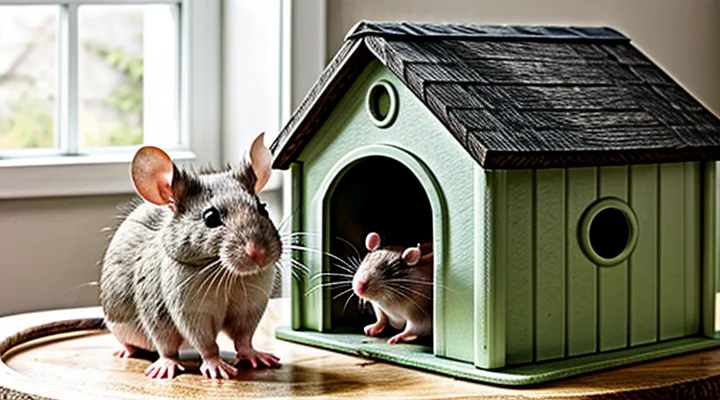
Why a Cozy Home Matters for Your Rat
Understanding Rat Needs
Natural Behaviors and Instincts
Rats instinctively seek shelter, darkness, and secure pathways. A well‑designed enclosure should replicate these conditions to promote natural activity and reduce stress.
- Nesting: Provide soft, absorbent material such as shredded paper or untreated cotton for building nests. Place the material in a secluded corner where the rats can retreat from light.
- Foraging: Scatter small portions of food throughout the cage to encourage exploration and mimic the search for resources in the wild. Use a mix of pellets, seeds, and fresh produce.
- Chewing: Offer untreated wooden blocks, cardboard tubes, or mineral chews. Continuous gnawing maintains dental health and satisfies the innate need to wear down incisors.
- Climbing: Install vertical elements—ropes, ladders, or branches—allowing rats to ascend and descend. Elevation offers a sense of safety and satisfies the desire to survey the environment.
- Social interaction: House rats in compatible groups. Provide multiple hideouts and tunnels to enable hierarchy formation and reduce aggression.
Ventilation must be adequate to prevent humidity buildup, which can lead to respiratory issues. Temperature should remain within the 65‑75 °F (18‑24 °C) range, reflecting typical indoor climates that rats find comfortable.
Regular cleaning of waste zones, combined with fresh bedding, preserves hygiene while maintaining the scent cues essential for territorial marking. Rotating enrichment items weekly prevents habituation and sustains curiosity.
By aligning cage components with these innate behaviors, the habitat becomes a functional extension of the rat’s natural world, fostering health, activity, and well‑being.
Health and Well-being Benefits
A thoughtfully arranged rat enclosure supports physical health, mental balance, and overall vitality. Proper space allocation, enrichment items, and hygienic conditions create an environment that mirrors natural habitats while meeting the specific needs of domesticated rodents.
- Adequate floor area encourages regular movement, strengthening muscles and joint flexibility.
- Varied climbing structures stimulate natural foraging behavior, reducing boredom and anxiety.
- Consistent cleaning routines lower pathogen load, decreasing the risk of respiratory and skin infections.
- Balanced lighting cycles regulate circadian rhythms, promoting stable sleep patterns and hormonal balance.
- Access to fresh water and nutrient‑dense food sources prevents malnutrition and supports immune function.
- Inclusion of nesting material allows nest building, which lowers stress levels and enhances social bonding.
By integrating these elements, caretakers provide a foundation for robust health, reduced stress responses, and extended lifespan, reinforcing the principle that a comfortable habitat is integral to a rat’s well‑being.
Essential Elements of a Cozy Rat Home
Choosing the Right Cage
Size and Space Considerations
When planning a comfortable habitat for pet rats, the first metric to establish is the cage footprint. A minimum of 2 sq ft (approximately 0.19 m²) per pair of rats provides sufficient room for movement, nesting, and foraging. Larger enclosures reduce stress and encourage natural behavior; a 4‑sq‑ft (0.37 m²) cage accommodates three or four individuals comfortably.
Vertical space complements floor area. Rats climb, explore, and perch. Shelves, ladders, and hammocks should be spaced at intervals of 6‑8 in (15‑20 cm) to allow easy access without risking injury. The cage height should be at least 12 in (30 cm) to support multiple tiers, but taller structures are advisable when incorporating deep tunnels or multi‑level platforms.
Efficient layout maximizes usable area. Arrange accessories—wheel, hideout, water bottle, feeding station—in a triangular configuration to create clear pathways and prevent congestion. Group items that require regular interaction near the front of the cage; place nesting material toward the back to encourage a quiet retreat.
Consider future growth. Rats increase in size from juvenile to adult, and a breeding pair will produce offspring that temporarily raises population density. Selecting an expandable cage system or adding modular panels allows the enclosure to adapt without complete replacement.
Key dimensions to record for each enclosure:
- Floor space per rat: ≥ 1 sq ft (0.09 m²)
- Minimum cage height: 12 in (30 cm)
- Shelf spacing: 6‑8 in (15‑20 cm)
- Vertical clearance for climbing structures: ≥ 10 in (25 cm)
Adhering to these measurements ensures that the habitat provides ample room for exercise, social interaction, and personal space, laying the foundation for a healthy, content rat community.
Bar Spacing and Material
When constructing a rat enclosure, the distance between horizontal support bars determines both structural integrity and animal safety. Proper spacing prevents escape, reduces the risk of injury, and allows easy cleaning.
- Minimum gap: ½ inch (≈12 mm) – small enough to stop even the smallest rats from slipping through.
- Recommended gap: ¾ inch (≈19 mm) – balances ventilation with security.
- Maximum gap: 1 inch (≈25 mm) – acceptable only for larger, adult rats in robust cages.
Material selection influences durability, hygiene, and weight. Choose metals or plastics that resist corrosion, are easy to sterilize, and support the chosen bar spacing without deformation.
- Stainless steel: corrosion‑resistant, high tensile strength, tolerates frequent cleaning.
- Powder‑coated steel: protects against rust, offers a variety of colors, slightly lighter than stainless.
- High‑density polyethylene (HDPE): non‑metallic, lightweight, resistant to chemicals and odors.
- Anodized aluminum: lightweight, corrosion‑resistant, suitable for portable setups.
Secure each bar with reinforced joints or welded connections to maintain consistent spacing over time. Verify that the selected material complies with pet‑safety standards and can withstand the enclosure’s load.
Location and Environment
Choosing a site for a rodent habitat requires assessing safety, accessibility, and environmental stability. The area should be free from predators, away from direct sunlight, and positioned on a level surface that supports a sturdy base.
- Ground‑level placement avoids excessive climbing stress.
- Indoor locations benefit from controlled temperature and humidity.
- Outdoor spots need shelter from rain, wind, and extreme heat.
- Proximity to food storage reduces transport distance while preventing contamination.
- Quiet zones minimize stress from sudden noises.
After locating the structure, regulate the surrounding conditions to maintain comfort. Insulate walls to keep temperature within 65‑75 °F (18‑24 °C). Use breathable materials that allow airflow without drafts, preventing moisture buildup. Monitor humidity, keeping it between 40 % and 60 % to avoid respiratory issues. Provide a stable light‑dark cycle, replicating natural patterns with dim lighting during active periods. Regularly inspect the site for signs of mold, pests, or structural wear, and address problems promptly to preserve a healthy environment.
Bedding and Substrate
Safe and Absorbent Options
Choosing materials that protect health while managing moisture is essential for a comfortable rodent enclosure. Safe, absorbent options address two primary concerns: preventing exposure to harmful substances and controlling humidity to avoid mold growth.
- Paper-based bedding – shredded paper or compressed pads absorb moisture quickly, generate minimal dust, and are fully biodegradable. Rats cannot ingest large particles, reducing gastrointestinal risk.
- Hemp fiber – naturally antimicrobial and highly absorbent, hemp maintains structural integrity when damp. It is free of aromatic oils that could irritate respiratory passages.
- Aspen shavings – soft, low‑dust wood chips that do not contain harmful phenols found in pine or cedar. Their porous structure retains liquid without compacting.
- Fleece blankets – washable, reusable fabric that wicks moisture away from the animal’s skin. When laundered regularly, fleece eliminates bacterial buildup and eliminates the need for disposable bedding.
- Microfiber pads – engineered to draw liquid into a core layer, these pads keep the cage floor dry. They are chemically inert and can be sterilized in hot water.
Each option meets safety criteria: non‑toxic composition, low particulate emission, and ease of cleaning. Combining a primary absorbent layer (e.g., paper bedding) with a secondary barrier (e.g., fleece) maximizes moisture control while preserving a clean environment for the resident.
Depth and Enrichment
Creating a rat dwelling that offers depth requires multi‑level platforms, tunnels, and varied floor heights. Each tier should be securely attached to the cage frame, allowing safe climbing and descending. Use natural wood or sturdy acrylic for structures; avoid flimsy plastic that can collapse under weight. Provide at least three distinct elevations, spaced no more than 12 cm apart, to encourage vertical exploration without risking injury.
Enrichment elements enhance mental stimulation and physical health. Include items that promote natural foraging, nesting, and problem‑solving:
- Hide‑away boxes with removable lids for food discovery.
- Chew‑resistant branches or untreated sisal ropes to support dental wear.
- Puzzle feeders that release treats only after manipulation.
- Adjustable tunnels that can be rearranged to alter the layout regularly.
Regularly rotate accessories and reconfigure platform placements. This prevents habituation and maintains a dynamic environment that mirrors the complexity of a wild habitat.
Cleaning and Maintenance
Creating a comfortable habitat for pet rats requires regular cleaning and diligent maintenance. Routine cleaning prevents odor buildup, reduces disease risk, and sustains a pleasant environment for both animals and owners.
- Remove food remnants and droppings daily; use a small scoop or paper towel.
- Spot‑clean the cage interior with warm water and a mild, unscented detergent once a week.
- Disinfect all surfaces bi‑weekly with a diluted vinegar solution (1 part vinegar to 4 parts water) or an approved pet‑safe sanitizer; rinse thoroughly before reassembly.
- Replace bedding material every 5‑7 days, depending on usage, to maintain dryness and reduce ammonia levels.
- Inspect chew toys, tunnels, and climbing structures weekly; discard cracked or splintered items and replace with safe alternatives.
Structural upkeep extends the cage’s lifespan. Check hinges, locks, and wire mesh for signs of wear; tighten loose screws and repair torn sections with pet‑grade wire mesh patches. Ensure ventilation openings remain unobstructed to promote airflow. Store all cleaning supplies out of reach of the animals to avoid accidental ingestion.
Consistent application of these practices preserves hygiene, supports rat health, and sustains the overall coziness of the living space.
Hiding Spots and Shelters
Types of Hides
Creating a comfortable environment for pet rats requires a variety of hiding places that satisfy natural instincts for security and privacy. Each hide should be sized appropriately, easy to clean, and made from safe, non‑toxic materials.
- Wooden cabins – Solid blocks with a small entrance provide sturdy shelter; smooth interior surfaces prevent injuries.
- PVC tunnels – Transparent sections allow visual monitoring while offering enclosed pathways; connectors create customizable mazes.
- Fabric igloos – Soft, breathable fabrics give a warm nest; removable covers simplify laundering.
- Ceramic caves – Heavy, heat‑retaining structures maintain stable temperature; glazed finishes deter chewing.
- Hammock-style shelters – Suspended fabric or rope nets create elevated retreat zones; beneficial for rats that enjoy climbing.
Integrating several hide types distributes activity throughout the enclosure, reduces stress, and encourages natural exploration. Regular rotation of hides prevents habituation and maintains interest. Ensure all hides are inspected weekly for wear, and replace any compromised components promptly.
Placement and Accessibility
When setting up a rat enclosure, location determines temperature stability, noise levels, and safety. Place the cage on a solid, level surface away from direct sunlight, drafts, and kitchen appliances. A sturdy table or low cabinet provides elevation that protects against floor vibrations while keeping the habitat within easy reach for daily maintenance.
Accessibility hinges on two factors: entry for the animals and entry for the keeper. Install a wide, secure door that opens without forcing, allowing rats to explore freely and facilitating quick removal for health checks. Include a removable top or side panel that slides or lifts, granting unobstructed access to bedding, food dishes, and water bottles during cleaning.
Key considerations:
- Height: keep the cage no higher than the caretaker’s elbow when standing, reducing strain during routine tasks.
- Clearance: maintain at least 2 inches of space around the enclosure for ventilation and to accommodate cleaning tools.
- Mobility: use lock‑able casters if the cage must be moved, ensuring they lock firmly to prevent accidental rolling.
- Visibility: position the habitat where natural light enters indirectly, allowing observation without disturbing nocturnal activity.
By arranging the habitat in a stable, well‑ventilated spot and providing effortless entry points, the environment remains comfortable for the rats and efficient for the caretaker.
Enrichment and Playthings
Toys and Chews
Providing appropriate toys and chews enhances a rat’s physical health, mental stimulation, and natural chewing behavior. Select items that are non‑toxic, durable, and sized for a small rodent. Avoid plastic parts that can break into sharp fragments; prefer untreated wood, natural fibers, or safe polymers.
Key considerations when choosing toys and chews:
- Material safety – untreated hardwoods (e.g., apple, willow), sisal rope, and mineral chews pass safety tests.
- Size and shape – items must be large enough to prevent accidental swallowing but small enough for easy manipulation.
- Texture variety – smooth, ridged, and porous surfaces encourage gnawing, climbing, and nesting.
- Ease of cleaning – removable, dishwasher‑safe components reduce bacterial buildup.
Common effective items include:
- Wooden chew blocks – promote dental wear and can be repositioned to refresh the enclosure.
- Hanging foraging toys – stimulate problem‑solving when food is concealed inside.
- Tunnel systems – provide enclosed pathways that satisfy exploratory instincts.
- Puzzle feeders – require manipulation to release treats, extending activity periods.
- Sisal or hemp ropes – support climbing and satisfy the need to gnaw.
Maintenance practices:
- Inspect toys daily for cracks, splinters, or frayed edges; remove damaged pieces immediately.
- Rotate a selection of toys every two weeks to prevent habituation and maintain interest.
- Sanitize reusable items with mild soap and hot water; avoid abrasive chemicals that could leave residues.
Integrating a balanced assortment of safe, varied toys and chews creates a dynamic environment that encourages natural behaviors and supports overall well‑being.
Tunnels and Ramps
Tunnels and ramps provide essential vertical and horizontal pathways that enable rats to explore, exercise, and retreat. Properly designed passages reduce stress, encourage natural foraging behavior, and improve overall health.
Materials such as untreated wood, PVC, or acrylic should be smooth, non‑toxic, and easy to clean. Internal diameters of 2–3 inches accommodate adult rats comfortably while preventing entrapment. Lengths of 6–12 inches allow for gentle curvature, minimizing sharp turns that could cause injury.
Connection points must be secure yet removable for inspection and cleaning. Use snap‑fit joints, slide‑in connectors, or low‑profile hinges that do not protrude into the tunnel interior. Seal gaps with silicone or non‑slip tape to prevent escape.
Placement considerations:
- Align tunnels with existing cage walls to create continuous routes.
- Position ramps at angles between 30° and 45° to balance climbing ease and safety.
- Incorporate platforms or ledges at junctions for resting spots.
- Ensure lighting does not create glare inside transparent sections.
Regularly inspect for wear, sharp edges, or loose fittings. Replace damaged components promptly to maintain a safe environment. Properly integrated tunnels and ramps transform a simple enclosure into a dynamic, enriching habitat.
Foraging Opportunities
Providing varied foraging options enhances a rat’s environment, encourages natural behaviors, and reduces boredom. Incorporate edible items that are safe, nutritionally balanced, and easy to rotate.
- Fresh vegetables such as carrot strips, broccoli florets, and cucumber slices can be placed in a shallow dish. Replace them daily to maintain freshness.
- Small pieces of fruit, like apple wedges (core removed) or blueberries, offer occasional sweetness. Limit portions to prevent excess sugar.
- Protein sources, including boiled egg whites, cooked chicken breast, or low‑fat cheese cubes, should be offered a few times per week.
- Whole grains—rolled oats, quinoa, or millet—can be scattered across the cage floor, mimicking natural seed foraging.
- Natural chew items, such as dried herbs (rosemary, thyme) or unsprayed pine cones, satisfy gnawing instincts while providing subtle flavors.
Rotate items every 2–3 days to keep interest high and monitor for any adverse reactions. Clean any uneaten food promptly to prevent spoilage and maintain hygiene. By integrating these foraging opportunities, the rat’s habitat becomes a dynamic, stimulating space that supports health and well‑being.
Food and Water Stations
Types of Bowls and Bottles
Choosing appropriate feeding containers is essential for a comfortable rat dwelling. Bowls should be sturdy, easy to clean, and sized to prevent spillage. Bottles must deliver water reliably while resisting chewing.
- Ceramic bowls – heavy, break-resistant, dishwasher safe; ideal for dry food and treats.
- Stainless‑steel bowls – rust‑free, hygienic, lightweight; suitable for mixed diets.
- Plastic bowls – inexpensive, lightweight; recommend BPA‑free models and regular replacement to avoid scratches.
- Glass bowls – transparent, inert; useful for monitoring food levels, but fragile.
Water bottles come in several designs:
- Sipper bottles with metal caps – durable, leak‑proof, compatible with standard cage mounts.
- Sipper bottles with plastic caps – lighter, often equipped with anti‑chew guards; replace caps periodically.
- Gravity‑fed bottles – larger reservoirs, maintain consistent flow; best for multi‑rat setups.
- Filtered bottles – incorporate charcoal or membrane filters; improve water taste and reduce contaminants.
Material choice influences durability and hygiene. Metal and glass resist bacterial growth, while plastic requires vigilant inspection for wear. Bottle spouts should be sized to match a rat’s incisors, preventing excessive flow that can lead to flooding. Regular cleaning—warm water and mild detergent—extends the lifespan of both bowls and bottles and maintains a healthy environment.
Placement and Hygiene
A well‑chosen location reduces stress and protects both the pet and the household. Place the enclosure on a stable, level surface away from direct sunlight, drafts, and loud appliances. Ensure the area is easy to reach for daily maintenance yet out of reach of other pets that might cause injury. Keep the cage at least 30 cm from walls to allow ventilation and prevent accidental knocks.
Hygiene directly influences health and longevity. Follow these steps each week:
- Remove all waste, uneaten food, and soiled bedding.
- Wash the cage interior with mild, unscented soap; rinse thoroughly.
- Disinfect with a diluted vinegar solution or a pet‑safe sanitizer; let dry completely.
- Replace bedding with fresh, absorbent material such as paper‑based or aspen shavings.
- Clean feeding dishes and water bottles; inspect for cracks before refilling.
Daily tasks include spot‑cleaning droppings, refreshing water, and checking for signs of mold or odors. Rotate bedding regularly to prevent buildup of ammonia. Use separate containers for food and litter to avoid cross‑contamination. Regular inspections of cage components—bars, doors, and locks—ensure structural integrity and prevent escape.
Consistent placement and rigorous cleaning create a stable environment that supports natural behaviors, reduces disease risk, and promotes a comfortable living space for the rat.
Designing and Arranging Your Rat's Habitat
Layout Principles
Creating Zones
Creating distinct zones within a rodent habitat enhances comfort, encourages natural behaviors, and simplifies maintenance. Separate areas for sleeping, feeding, exercise, and hygiene allow rats to navigate a structured environment that mirrors their instincts.
A sleeping zone should feature a secluded nest box lined with soft, washable material. Position the box away from direct drafts and high‑traffic sections to reduce stress. Incorporate a low‑profile entrance that matches the animal’s size, ensuring easy access while preserving privacy.
The feeding zone requires a sturdy platform or bowl holder placed on a stable surface. Use metal or heavy‑plastic containers to prevent tipping. Separate fresh food from water sources to maintain cleanliness and reduce contamination. Rotate food items regularly to encourage foraging activity.
An exercise zone benefits from climbing structures, tunnels, and wheels. Install vertical elements such as rope ladders or wooden branches at varying heights to promote muscular development. Ensure all equipment is securely anchored to prevent collapse during vigorous activity.
A hygiene zone includes a litter area equipped with absorbent bedding that can be changed frequently. Locate this zone near the sleeping area but far enough to avoid odors affecting rest. Provide a shallow, easy‑to‑clean tray for waste collection, and replace bedding weekly to maintain sanitary conditions.
Integrating these zones into a cohesive layout requires careful spacing. Allow at least 10 cm between each area to prevent overlap and to give rats clear visual cues. Use non‑toxic, easy‑to‑sanitize materials for all partitions, and verify that each zone complies with the species’ size and activity requirements. This structured approach yields a functional, comfortable home for pet rats.
Vertical Space Utilization
Creating a comfortable rat habitat often means working with limited floor area. Maximizing vertical space transforms a small enclosure into a multi‑level environment that promotes exploration and security.
Vertical structures can be built from safe, chew‑resistant materials such as untreated wood, PVC pipe, and acrylic. Secure each element to the cage frame with stainless‑steel hardware to prevent collapse. Provide at least two levels of differing heights; rats prefer to climb, hide, and observe from elevated positions.
Key considerations for effective vertical use:
- Stability: Attach ladders, ramps, and platforms firmly; test with gentle pressure before introducing rats.
- Accessibility: Ensure all levels are reachable via gentle slopes or short ladders; avoid steep angles that could cause injury.
- Ventilation: Leave airflow gaps around platforms to maintain healthy humidity and temperature.
- Cleaning: Design removable sections to simplify spot‑cleaning and deep sanitation.
Integrate nesting boxes or hammocks on higher platforms to offer private resting spots. Position food and water dispensers on the lower level to reduce spillage on elevated areas. Rotate toys and tunnels vertically to keep the environment stimulating.
By structuring the enclosure vertically, the overall footprint remains modest while the usable space expands, delivering a richer, more engaging home for pet rats.
Safety Considerations
Avoiding Hazards
Creating a safe rat enclosure requires systematic identification of potential dangers and immediate corrective actions. Electrical cords, loose wires, and exposed outlets present electrocution risks; secure them with conduit sleeves and keep all power sources out of reach. Sharp edges on cage panels or accessories can cause injuries; sandpaper rough spots and choose smooth‑finished materials. Toxic substances, including certain paints, adhesives, and cleaning agents, must be stored separately and never applied inside the habitat.
Key hazards and preventive measures:
- Chewing damage – Provide ample untreated wood blocks and stainless‑steel chew toys to divert gnawing from structural components.
- Ventilation failure – Install adjustable vents, check them weekly for blockage, and ensure airflow meets the species’ respiratory needs.
- Temperature extremes – Use a thermostat‑controlled heater for winter and a cooling pad or fan for summer; monitor ambient temperature with a digital probe.
- Water contamination – Employ sealed water bottles with stainless‑steel spouts; replace water daily and clean bottles with mild, non‑toxic detergent.
- Escape routes – Inspect all locks, latches, and hinges for wear; replace compromised hardware and test each closure before introducing rats.
Routine inspections, proper material selection, and diligent maintenance eliminate most hazards, resulting in a durable, comfortable environment for pet rats.
Ventilation and Airflow
Effective ventilation prevents respiratory issues, controls humidity, and removes odors that can stress small mammals. Proper airflow also discourages mold growth and deters pests that thrive in stagnant environments.
A well‑designed rat habitat should include at least two openings positioned at different heights. The lower inlet draws fresh air, while the upper outlet allows warm, moist air to escape. This vertical gradient creates a natural convection current without the need for mechanical fans.
Key considerations for airflow design:
- Size of openings – each vent should be no larger than 1 cm² per 100 cm³ of cage volume to avoid drafts while ensuring sufficient exchange.
- Placement – position the intake near the cage’s base and the exhaust near the roof, aligning with the animal’s typical activity zones.
- Material – use stainless steel mesh or fine nylon to prevent escape while permitting unrestricted passage of air.
- Adjustability – incorporate sliding shutters or removable plugs to fine‑tune ventilation as seasonal temperature and humidity shift.
Regular monitoring of temperature and relative humidity confirms that the system functions correctly. Aim for a stable range of 18‑24 °C and 40‑60 % humidity; deviations indicate the need to modify vent size or add supplemental airflow.
When constructing a new enclosure, integrate the ventilation framework before adding bedding and accessories. This ensures that structural components do not obstruct the intended air pathways and that cleaning procedures do not inadvertently block vents.
Cleaning and Maintenance Schedule
Daily Spot Cleaning
Daily spot cleaning preserves hygiene and comfort in a rat habitat. Removing waste, food crumbs, and damp bedding each day prevents odor buildup and reduces the risk of illness.
Key tasks for each cleaning session include:
- Inspect the enclosure for visible droppings and discard them promptly.
- Sweep loose bedding away from corners and corners where debris accumulates.
- Wipe feeding stations and water bottles with a damp cloth to eliminate residue.
- Spot‑clean any soiled sections of the substrate, replacing only the affected area rather than the entire floor.
Use materials that are safe for rodents: unscented paper towels, soft cloths, and mild soap diluted in water. Avoid harsh chemicals, bleach, or fragrances that could irritate sensitive respiratory systems. Rinse cleaning tools thoroughly before reuse.
Implement a consistent schedule: perform spot cleaning at the same time each day, preferably after feeding, to establish routine and ensure no area is overlooked. Regular observation of the enclosure will reveal problem spots early, allowing swift corrective action and maintaining a cozy environment for the rats.
Weekly Deep Clean
A weekly deep clean maintains a healthy, comfortable environment for pet rats and prolongs the life of the enclosure. Begin by removing all accessories, nesting material, and food dishes. Discard any soiled bedding and replace it with fresh, absorbent substrate. Clean the cage frame, bars, and corners with a mild, non‑toxic detergent; rinse thoroughly to eliminate residue. Sanitize water bottles and food containers with a diluted vinegar solution, then rinse with boiled water. After drying, reassemble the habitat, add fresh bedding, and return the rats once the surfaces are completely dry.
- Empty and discard old bedding
- Wash cage components with mild detergent
- Rinse and dry all surfaces
- Sanitize water bottles and feeding dishes
- Refill with fresh bedding and supplies
- Return rats after confirming dryness
Regular deep cleaning prevents odor buildup, reduces parasite risk, and supports the overall well‑being of the rodents. Scheduling the process every seven days creates a predictable routine that aligns with the animals’ natural habits and the caretaker’s maintenance plan.
Seasonal Overhauls
Seasonal overhauls keep a rat enclosure comfortable, healthy, and stimulating throughout the year. Each change addresses temperature, humidity, bedding, and enrichment appropriate for the current climate.
During spring, replace heavy winter bedding with a lighter, absorbent material such as shredded paper or aspen shavings. Increase ventilation by opening side panels for a few hours daily, allowing fresh air while monitoring drafts. Add climbing structures made from untreated natural branches to encourage activity after the colder months.
In summer, prioritize cooling. Install a shallow water dish filled with ice cubes for short periods, and position the cage in a shaded area away from direct sunlight. Rotate bedding daily to prevent moisture buildup, and provide frozen vegetables as a chilled snack that also supplies hydration.
Autumn preparation involves transitioning back to warmer bedding and reducing ventilation to retain heat. Introduce a small, insulated hide box lined with fleece to give rats a warm retreat. Increase dietary fiber by offering root vegetables, supporting digestion as metabolism slows.
Winter maintenance focuses on insulation and humidity control. Wrap the cage exterior with a breathable fabric blanket, leaving the top open for airflow. Place a ceramic heat pad beneath the enclosure, set to low, and verify that the temperature stays within the safe range of 65‑75 °F (18‑24 °C). Add a humidity monitor and mist the bedding lightly if levels drop below 40 %.
Key tasks for each seasonal overhaul:
- Inspect cage for wear, replace cracked bars or damaged panels.
- Clean all surfaces with a pet‑safe disinfectant, rinse thoroughly.
- Refresh enrichment items, ensuring they are free of mold or excessive wear.
- Adjust feeding schedule to match metabolic changes dictated by temperature.
- Record temperature and humidity readings to track environmental stability.
Consistent seasonal revisions create a stable habitat, reduce stress, and promote natural behaviors, ensuring the rats remain healthy and content year round.
Customizing Your Rat's Home
DIY Enrichment Ideas
Homemade Toys
Providing rats with homemade toys enhances mental stimulation and encourages natural behaviors, essential for a comfortable enclosure. Use safe, non‑toxic materials such as untreated wood, solid cardboard, and natural fibers. Avoid plastics that may release chemicals or break into hazardous shards.
Common DIY toys
- Chew blocks – cut pine or beech wood into 2 × 2 × 2 inch cubes, sand edges, and drill a small hole for hanging.
- Tunnel system – roll cardboard tubes, cut openings at both ends, and secure with non‑adhesive tape.
- Puzzle feeder – hollow a small wooden block, insert a treat, and cover the opening with a sliding wooden lid.
- Climbing ladder – attach thin wooden dowels between two sturdy platforms using screws, spacing rungs 1 inch apart.
- Hanging swing – braid natural fiber rope, attach to a sturdy branch or metal bar, and suspend a lightweight wooden platform.
Construction steps
- Measure and cut each component to the rat’s size range (approximately 2–3 inches in length).
- Sand all surfaces to a smooth finish, removing splinters.
- Assemble using non‑toxic glue or small screws; avoid nails that may protrude.
- Clean the finished toys with warm water and mild soap; rinse thoroughly and dry before placement.
- Position toys at varying heights within the enclosure to promote vertical exploration.
Regularly rotate toys every two weeks to maintain interest and inspect for wear. Replace any damaged items immediately to prevent injuries. Implementing these homemade accessories contributes to a well‑rounded, enriching environment for pet rats.
Upcycled Items
Upcycled materials provide an economical, environmentally responsible foundation for building a comfortable rat habitat. By repurposing everyday objects, owners can tailor the enclosure to the specific size, activity level, and nesting preferences of their pets while reducing waste.
The primary advantages of using reclaimed items include lower cost, easy customization, and the ability to create varied textures that stimulate natural behaviors. Materials such as cardboard, untreated wood, and fabric remnants can be assembled into platforms, tunnels, and hideaways without compromising durability.
- Cardboard tubes from paper towels or toilet rolls serve as low‑profile tunnels; cut openings on both ends and secure with non‑toxic glue.
- Untreated wooden crates, when sanded smooth, become sturdy platforms; attach with small nails or zip ties.
- Plastic food containers, cleaned thoroughly, convert into nesting chambers; drill ventilation holes and line with shredded paper.
- Fabric scraps, washed and dried, can be layered to form soft bedding pads; stitch edges to prevent fraying.
- Cork sheets, cut into circles, function as chew toys and perch bases; glue to a wooden base for stability.
Safety measures require that all items be free of paint, varnish, or adhesives containing harmful chemicals. Edges must be sanded or covered to avoid injuries, and surfaces should be washable to maintain hygiene. Regular inspection for wear ensures that the habitat remains secure and comfortable.
Routine maintenance involves cleaning removable components with mild soap, replacing soiled bedding weekly, and rotating upcycled accessories to preserve novelty. Consistent attention to these details sustains a healthy, inviting environment for resident rats.
Adapting to Multiple Rats
Space and Resource Distribution
Designing a functional rat habitat requires deliberate allocation of floor area, vertical space, and material resources. Compact cages benefit from defined zones: sleeping, foraging, and exercise. Separate zones prevent competition for shelter and reduce stress.
Effective distribution of resources follows three principles:
- Zoning: Assign each corner or shelf a specific purpose; keep food stations away from nesting boxes to maintain cleanliness.
- Vertical utilization: Install multiple levels using sturdy platforms, allowing rats to climb and explore without expanding the cage footprint.
- Material balance: Use chew‑safe wood for tunnels, soft bedding for nests, and absorbent liners for waste areas; replace each material according to wear rate.
When arranging these elements, measure available dimensions before adding accessories. Allocate at least 100 cm² per rat for sleeping space, and provide a minimum of 150 cm² of climbable surface per individual. Ensure that water bottles and feeders occupy no more than 10 % of the total floor area to preserve room for movement.
Regularly audit the layout. Remove damaged items, rotate enrichment objects, and adjust platform heights to match growth. Consistent re‑evaluation maintains optimal space usage and resource efficiency throughout the lifespan of the colony.
Managing Group Dynamics
Effective management of group dynamics is essential for maintaining a harmonious rat community within a well‑designed habitat. Rats establish hierarchies quickly; unchecked aggression can lead to injuries, stress, and reduced longevity. A stable social structure supports natural behaviors, encourages exploration, and enhances overall welfare.
Key practices include:
- Provide ample space: Allocate at least 0.5 sq ft per individual, with vertical platforms and tunnels to allow subordinate members to avoid dominant confrontations.
- Offer multiple resources: Install several feeding stations, water bottles, and shelters so competition for essentials remains minimal.
- Monitor hierarchy: Observe interactions daily; intervene only when persistent bullying or severe injuries occur, using temporary separation and gradual reintroduction.
- Introduce new rats carefully: Quarantine newcomers for 2 weeks, then conduct neutral‑zone introductions to reduce territorial disputes.
- Maintain consistent enrichment: Rotate toys, chew blocks, and foraging puzzles to prevent boredom‑driven aggression.
Regular health checks reinforce these strategies. Early detection of wounds or stress‑related ailments signals a breakdown in social balance, prompting immediate adjustment of group composition or habitat layout. By applying these measures, caretakers create a stable, cooperative environment that mirrors the comfort and security of an ideal small‑animal dwelling.
Addressing Specific Needs
Senior Rats
Senior rats require adjustments in a comfortable living environment to accommodate age‑related changes. Their reduced activity and slower metabolism demand specific modifications that promote health and reduce stress.
A well‑designed rat dwelling for older occupants should include:
- Soft, low‑pile bedding such as fleece or recycled paper to prevent joint strain.
- Elevated platforms with gentle ramps, avoiding steep angles, to aid mobility.
- Consistent ambient temperature between 20‑24 °C; older rats are less able to regulate body heat.
- Fresh water at all times, preferably in a gravity‑driven dispenser that minimizes splashing.
- A diet enriched with high‑quality protein, omega‑3 fatty acids, and vitamin E; reduce seed‑heavy treats that can cause obesity.
- Daily health checks focusing on coat condition, eye clarity, and signs of respiratory distress.
- Limited but stimulating enrichment, such as chew toys with soft textures, to maintain mental engagement without overexertion.
Regular veterinary examinations are essential. Schedule visits every six months, or sooner if weight loss, lethargy, or respiratory noises appear. Early detection of common age‑related issues—such as dental wear, cataracts, or arthritis—extends lifespan and improves quality of life.
Maintain a stable routine. Feedings, cleaning, and interaction at the same times each day reduce anxiety. Minimize sudden changes in cage layout; when modifications are necessary, introduce them gradually.
By integrating these measures, caretakers create a safe, nurturing habitat that addresses the physiological and behavioral needs of senior rats, ensuring a comfortable and dignified later life.
Young Pups
Young rats require a habitat that balances warmth, security, and stimulation. The enclosure should maintain a temperature between 18 °C and 24 °C, with a stable ambient level to prevent stress. Provide a low‑profile heat source, such as a ceramic heater, placed behind a barrier to avoid direct contact.
Soft, absorbent bedding supports healthy skin and facilitates waste management. Choose paper‑based material or aspen shavings; avoid cedar and pine, which contain volatile oils harmful to developing respiratory systems. Replace a portion of the bedding daily and conduct a full change weekly.
Nutritional needs differ from adult rats. Offer a diet formulated for juveniles, enriched with protein and essential fatty acids. Supplement with fresh vegetables and a small amount of fruit, ensuring that treats do not exceed 10 % of total intake. Fresh water must be available at all times, preferably in a sipper bottle to maintain cleanliness.
Key considerations for safety and enrichment:
- Hideouts positioned low to the ground, preventing falls.
- Chewable objects sized appropriately for small incisors.
- Climbing structures with gentle slopes rather than steep ladders.
- Regular, brief handling sessions to promote social confidence.
Rats with Health Issues
Rats commonly experience respiratory infections, dental overgrowth, and gastrointestinal disturbances, each requiring specific adjustments to a well‑designed habitat.
Respiratory problems often stem from poor ventilation or damp bedding. Provide a cage with multiple air‑flow openings, use absorbent but dry substrate, and replace soiled material weekly. Monitor for sneezing, nasal discharge, or labored breathing; early veterinary assessment prevents chronic conditions.
Dental overgrowth results from insufficient chewing opportunities. Include wooden chew blocks, untreated branches, and mineral sticks to wear teeth naturally. Inspect incisors weekly; excessive length can cause difficulty eating and facial injury.
Gastrointestinal issues may arise from abrupt diet changes or low‑fiber food. Offer a balanced mix of high‑quality pellets, fresh vegetables, and occasional fruit, ensuring fiber content supports regular peristalsis. Observe stool consistency; watery or bloated signs warrant dietary revision and possible veterinary consultation.
Skin lesions and parasites thrive in contaminated environments. Perform weekly cage cleaning, replace nesting material, and conduct visual checks for hair loss or redness. Apply appropriate ectoparasite treatments only under professional guidance to avoid toxicity.
Overall, a comfortable rat dwelling must incorporate:
- Adequate airflow and moisture control
- Regularly refreshed, low‑dust bedding
- Durable chewable objects for dental health
- Balanced, high‑fiber nutrition
- Routine hygiene and health inspections
Implementing these measures creates a resilient environment that mitigates common health challenges while maintaining the warmth and security essential for a happy pet rat.