
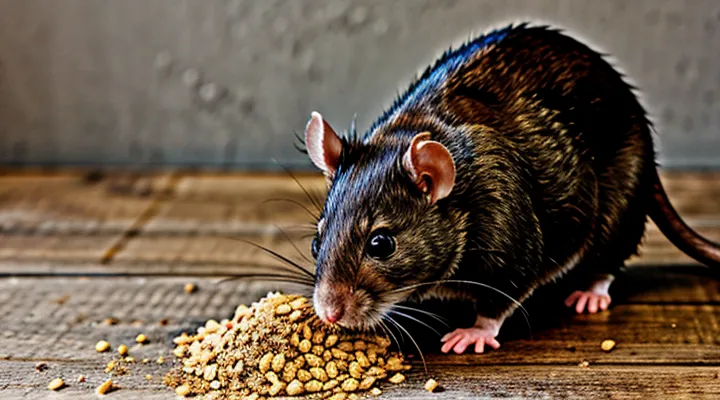
Understanding Rat Nutritional Needs
Essential Nutrients for Rats
Proteins and Amino Acids
Proteins supply the building blocks required for tissue growth, repair, and metabolic functions in laboratory rodents. Amino acids, the individual components of proteins, are classified as essential when the organism cannot synthesize them and must obtain them from the diet. A balanced amino acid profile supports immune competence, hormone synthesis, and enzymatic activity.
Key considerations for formulating a nutritionally adequate diet include:
- Inclusion of high‑quality protein sources that deliver a complete set of essential amino acids, such as casein, soy isolate, or purified whey.
- Maintenance of a protein‑to‑energy ratio that aligns with the species’ growth stage; young rats typically need 18–20 % of dietary calories from protein, while adults require 14–16 %.
- Monitoring of specific amino acids that often limit growth, notably lysine, methionine, and tryptophan; supplementation may be necessary when plant‑based proteins dominate the formulation.
- Evaluation of digestibility using standardized assays (e.g., apparent ileal digestibility) to ensure that the majority of ingested protein becomes bioavailable.
Adequate provision of proteins and essential amino acids minimizes the risk of stunted development, fur abnormalities, and compromised reproductive performance. Selecting ingredients with proven digestibility scores and adjusting ratios to meet the species‑specific amino acid requirements yields a diet that promotes optimal health and experimental reliability.
Fats and Fatty Acids
Fats supply the dense energy required for rapid growth and active metabolism in laboratory rats. Their caloric contribution exceeds that of carbohydrates and proteins, making them a pivotal component of a balanced diet.
Fatty acids are classified by chain length and saturation. Saturated fatty acids contain no double bonds, while monounsaturated and polyunsaturated fatty acids (PUFAs) contain one or multiple double bonds, respectively. PUFAs further divide into omega‑3 and omega‑6 families, each influencing inflammatory pathways and cellular membrane fluidity.
Key considerations for selecting dietary fats include:
- Source stability: Choose fats with low oxidation potential, such as refined soybean oil or sunflower oil, to prevent rancidity.
- Ratio of omega‑6 to omega‑3: Maintain a proportion near 4:1 to support optimal immune function without promoting excessive inflammation.
- Inclusion of essential fatty acids: Linoleic acid (omega‑6) and alpha‑linolenic acid (omega‑3) must be present, as rats cannot synthesize them.
- Avoidance of trans‑fatty acids: Synthetic trans fats disrupt lipid metabolism and should be excluded from formulations.
Regular analysis of feed composition ensures that fat content remains within 5–10 % of total diet weight, aligning with the nutritional requirements for healthy adult rodents. Adjustments based on life stage, reproductive status, or experimental objectives may be necessary to fine‑tune fatty acid intake.
Carbohydrates and Fiber
Carbohydrates supply the primary energy required for the high activity levels of laboratory and pet rats. Rapidly digestible sources, such as cooked rice, oatmeal, and plain whole‑grain pasta, deliver glucose that supports muscular function and thermoregulation. Complex carbohydrates, including barley, quinoa, and sweet potato, release energy more steadily, reducing spikes in blood sugar and contributing to sustained activity.
Fiber performs two distinct functions. Soluble fiber, found in apples, carrots, and psyllium, forms a viscous gel that moderates nutrient absorption and stabilizes glucose levels. Insoluble fiber, present in wheat bran, beet pulp, and leafy greens, adds bulk to the gastrointestinal tract, promoting regular peristalsis and preventing fecal impaction. Adequate fiber intake also supports a diverse gut microbiota, which influences immune competence and nutrient synthesis.
Guidelines for inclusion in a balanced rat diet:
- Total carbohydrate contribution: 45 %–55 % of caloric intake.
- Soluble fiber: 2 %–4 % of total diet weight.
- Insoluble fiber: 5 %–8 % of total diet weight.
- Preference for unprocessed, low‑sugar ingredients to avoid excess caloric density.
Monitoring stool consistency and body condition provides direct feedback on carbohydrate and fiber adequacy. Adjustments should be made by varying the proportion of grain‑based versus vegetable‑based components while maintaining the overall caloric target. This approach ensures that energy demands are met and digestive health is sustained.
Vitamins and Minerals
A nutritionally complete diet for pet rats must contain the full spectrum of vitamins and minerals required for growth, reproduction, and immune competence. Deficiencies manifest as weight loss, coat deterioration, skeletal abnormalities, or reduced fertility; excesses can cause toxicity, organ damage, or metabolic imbalance.
Vitamins
- Vitamin A – supports vision, epithelial health, and cellular differentiation; abundant in carrots, sweet potatoes, and fortified pellets.
- Vitamin D₃ – regulates calcium absorption and bone mineralization; supplied by exposure to ultraviolet light and fortified diets.
- Vitamin E – functions as an antioxidant, protecting cell membranes; found in seeds, nuts, and enriched feed.
- Vitamin K – essential for blood clotting; present in leafy greens and liver.
- B‑complex (B₁, B₂, B₆, B₁₂, niacin, pantothenic acid, folic acid) – facilitate energy metabolism, nerve function, and red blood cell formation; available in whole grains, legumes, and fortified mixes.
- Vitamin C – not required in large amounts because rats synthesize it endogenously, but supplemental sources can aid stress recovery; citrus peels and certain fruits provide modest quantities.
Minerals
- Calcium – critical for skeletal strength and neuromuscular signaling; sourced from dairy, bone meal, and calcium‑fortified pellets.
- Phosphorus – partners with calcium in bone formation; abundant in meat, fish, and whole‑grain products.
- Magnesium – co‑factor for enzymatic reactions and nerve transmission; found in nuts, seeds, and leafy vegetables.
- Potassium – maintains fluid balance and cardiac function; supplied by bananas, potatoes, and legumes.
- Sodium – required in limited amounts for electrolyte equilibrium; present in small quantities in commercial feeds.
- Iron – essential for hemoglobin synthesis; delivered through meat, liver, and iron‑enriched pellets.
- Zinc – supports immune response and wound healing; available in meat, seeds, and zinc‑fortified mixes.
- Copper – participates in iron metabolism and antioxidant defenses; found in organ meats and copper‑supplemented feeds.
- Selenium – acts as an antioxidant enzyme component; supplied by Brazil nuts and fortified diets.
When selecting a commercial rat diet, verify that the label lists all essential vitamins and minerals at levels matching the National Research Council recommendations for rodents. If the product relies heavily on a single ingredient, consider supplementing with a balanced vitamin‑mineral mix to avoid gaps. Fresh produce should complement, not replace, the fortified base, ensuring that rats receive both macro‑ and micronutrients in bioavailable forms. Regular monitoring of body condition and coat quality provides practical feedback on the adequacy of the chosen nutrition plan.
Dietary Considerations by Life Stage
Young Rats (Pups and Juveniles)
Young rats experience rapid growth; their diet must supply sufficient energy and building blocks to support tissue development and immune function.
Protein constitutes the primary source of amino acids for muscle, organ, and hair formation. A minimum of 20 % of caloric intake should derive from high‑quality animal or plant proteins, such as lean meat, eggs, soy, or specialized rodent formulas. Fat provides dense energy and essential fatty acids; 5–10 % of calories from sources like fish oil or sunflower oil promote neural maturation. Carbohydrates supply readily available glucose; complex grains and vegetables prevent sudden blood‑sugar spikes.
Vitamins A, D, E, and K regulate vision, calcium metabolism, antioxidant defenses, and coagulation. B‑complex vitamins facilitate metabolic pathways, while vitamin C, though synthesized by adult rats, supports stress resistance in juveniles. Mineral requirements include calcium (1.0–1.5 % of diet), phosphorus (0.8–1.0 %), magnesium, zinc, and iron; imbalances impair skeletal growth and hemoglobin synthesis.
Feeding frequency influences digestive efficiency. Offer small meals three to four times daily, adjusting portion size to maintain a body condition score within the optimal range. Monitor weight gain; a steady increase of 2–3 % of body mass per week indicates adequate nutrition.
Safe food selections:
- Commercial rodent starter pellets formulated for growth
- Fresh, unseasoned boiled chicken or turkey
- Soft‑cooked eggs, scrambled without oil
- Whole grains: oatmeal, brown rice, barley
- Fresh vegetables: carrots, peas, spinach, broccoli
Items to avoid:
- Citrus fruits, which can cause gastrointestinal irritation
- High‑sugar treats, leading to obesity and dental issues
- Raw beans or legumes containing lectins
- Processed human foods with added salt, spices, or preservatives
Implementing these guidelines ensures that pups and juveniles receive balanced nutrition, fostering healthy development and reducing the risk of deficiencies or metabolic disorders.
Adult Rats
Adult rats require a diet that supplies sufficient protein, fat, fiber, vitamins and minerals to maintain body condition, reproductive health and immune function. Energy needs increase with activity level; a balanced ration prevents obesity and nutrient deficiencies.
Key components of an appropriate diet include:
- Protein sources such as soy, casein, fish or insect meal, providing 15‑20 % of total calories.
- Healthy fats from vegetable oils or animal fats, contributing 5‑10 % of calories.
- Complex carbohydrates and soluble fiber from grains, legumes and vegetables to support digestion.
- Essential micronutrients: calcium, phosphorus, vitamin A, vitamin D, vitamin E, B‑complex vitamins and trace elements like zinc and selenium.
Commercial rodent pellets formulated for adult specimens meet these criteria when they contain a minimum of 18 % protein and are free of excessive sugar or filler ingredients. Supplementary fresh foods can enhance variety and nutrient density; suitable options are:
- Leafy greens (kale, romaine, spinach) – limited to 10 % of daily intake to avoid oxalate overload.
- Root vegetables (carrots, sweet potatoes) – provide beta‑carotene and fiber.
- Small portions of fruit (apple, banana) – occasional treat due to high sugar content.
Foods to avoid include raw beans, unripe fruit pits, high‑fat cheese, processed snacks and any items containing artificial sweeteners such as xylitol, which are toxic to rodents.
Water must be continuously available, clean and fresh. Automated dispensers reduce contamination risk. Monitoring body weight and coat condition weekly helps identify dietary imbalances early, allowing adjustments to protein levels or fiber content.
In summary, a diet centered on high‑quality pellets, complemented by measured fresh produce and constant access to safe water, ensures adult rats achieve optimal health and longevity.
Pregnant and Lactating Does
Pregnant and lactating does require a diet that supplies increased energy, protein, calcium, and essential vitamins to support fetal development and milk production. Energy density should be raised by 10‑15 % compared to the maintenance level, achieved through higher‑quality grain blends or added vegetable oil. Protein content must reach 18‑22 % of the diet, with a balanced amino‑acid profile to prevent deficiencies that could impair growth.
Key nutrients and recommended sources:
- Calcium : 1.2‑1.5 % of the diet; include finely ground limestone, bone meal, or fortified commercial pellets.
- Phosphorus : 0.8‑1.0 % of the diet; ensure a calcium‑to‑phosphorus ratio of roughly 1.2 : 1.
- Vitamin D : 1 500‑2 000 IU kg⁻¹; provide through fortified feed or controlled exposure to UV‑B light.
- Vitamin E : 150‑200 IU kg⁻¹; incorporate wheat germ oil or commercial supplements.
- B‑complex vitamins: supply through a complete premix to maintain metabolic functions.
Feeding management should include fresh water at all times, daily inspection of feed for spoilage, and gradual transition to the enriched diet to avoid digestive upset. Monitor body condition and litter growth; weight gain of 2‑3 g per day indicates adequate nutrition, while excessive gain may signal over‑feeding. Adjust feed quantities based on observed intake and litter size to maintain optimal health throughout gestation and nursing.
Senior Rats
Senior rats experience reduced metabolic rate and gradual loss of dentition, requiring diets that compensate for lower energy demand while supporting tissue maintenance.
Protein intake should remain adequate, typically 15–20 % of total calories, to preserve muscle mass. High‑quality sources such as cooked chicken, boiled egg whites, and low‑fat soy isolate provide essential amino acids without excess fat.
Calcium‑phosphorus ratio must stay close to 1 : 1 to prevent skeletal degeneration; fortified rodent blocks, powdered bone meal, and small portions of low‑oxalate leafy greens maintain this balance. Vitamin B12 and vitamin E levels decline with age; supplementation through fortified pellets or a few drops of liquid vitamin concentrate prevents neurological and oxidative stress.
Recommended food items for older rodents include:
- Cooked lean poultry, shredded into bite‑size pieces
- Softened commercial pellets formulated for mature rats
- Steamed carrots, zucchini, or pumpkin (no added salt)
- Small amounts of low‑fat cottage cheese for calcium
- Commercially available calcium‑phosphorus fortified blocks
Portion sizes should be reduced to 70–80 % of the amount offered to young adults, divided into two smaller meals to aid digestion and prevent over‑eating. Fresh water must be available at all times; heated dispensers prevent chilling in colder environments.
Health monitoring focuses on body condition score, coat quality, and dental wear. Sudden weight loss, abnormal stool consistency, or decreased activity signal the need for dietary adjustment or veterinary assessment. Regular weighing and visual inspection enable timely interventions, ensuring senior rats maintain optimal nutrition and quality of life.
Commercial Rat Food Options
Types of Commercial Rat Diets
Pelleted Diets
Pelleted diets provide a balanced source of nutrients in a single, easy‑to‑manage form. Each pellet contains a precise ratio of proteins, fats, carbohydrates, vitamins, and minerals, ensuring consistent intake without the need for mixing separate components.
Advantages include reduced waste, as pellets are less likely to be scattered and left uneaten, and improved hygiene, because the compact shape limits exposure to contaminants. The uniform size also supports accurate portion control, simplifying feeding schedules and preventing over‑consumption.
When selecting a pelleted product, consider the following criteria:
- Protein content between 15 % and 20 % of total weight, derived from high‑quality sources such as soy or fish meal.
- Inclusion of essential fatty acids, particularly omega‑3 and omega‑6, to support skin health and immune function.
- Presence of fortified vitamins A, D, E, and B‑complex, without excessive synthetic additives.
- Absence of artificial colors, flavors, or preservatives that could irritate the digestive system.
- Compliance with recognized pet‑food safety standards, indicated by certifications from reputable agencies.
Transitioning to pellets should be gradual: mix a small proportion of new pellets with the current diet, increasing the ratio over several days to allow adaptation of the gut flora. Monitor weight, coat condition, and activity levels throughout the change; any sudden decline may signal an unsuitable formulation.
Storage recommendations: keep pellets in an airtight container, protected from moisture and direct sunlight, to preserve nutritional integrity and prevent mold growth. Use a measured scoop to dispense the appropriate daily amount, based on the rat’s age, size, and activity level.
Overall, a well‑formulated pelleted diet offers reliable nutrition, minimizes feeding complications, and supports long‑term health when chosen and administered correctly.
Blocks and Extruded Foods
Blocks and extruded foods represent two prevalent formats in commercial rat diets. Blocks are compact, solid pieces that rats can gnaw, providing a steady source of nutrients and encouraging dental wear. Their dense structure limits moisture loss, preserving vitamin stability over extended storage periods. Extruded foods are produced by forcing a cooked mixture through a die, creating crunchy pellets or kibble. The extrusion process applies heat and pressure, which can enhance digestibility and reduce antinutritional factors.
Key characteristics of blocks:
- High moisture retention, reducing spoilage risk.
- Uniform nutrient distribution throughout the mass.
- Ability to incorporate larger particles, supporting natural foraging behavior.
Key characteristics of extruded foods:
- Controlled texture, encouraging chewing and oral health.
- Efficient production, allowing consistent nutrient profiles.
- Potential for fortification with added vitamins, minerals, and functional fibers.
When selecting between the two formats, consider the following criteria:
- Nutrient density required for the specific life stage of the rat.
- Preference for texture that promotes natural chewing patterns.
- Storage conditions and shelf‑life expectations.
- Presence of additives such as prebiotic fibers or probiotic cultures.
Both formats can meet the dietary needs of pet rats when formulated according to established nutritional guidelines. A balanced regimen may combine blocks for sustained nutrient release with extruded foods for variety and enhanced dental maintenance. «Proper formulation» ensures that essential amino acids, fatty acids, vitamins, and minerals are supplied in appropriate ratios, supporting growth, reproduction, and overall health.
Seed Mixes (and Why to Avoid Them)
Seed mixes are often marketed as convenient rat fare, yet they present several nutritional drawbacks. Their composition typically emphasizes grains and dried fruits, resulting in high carbohydrate levels and insufficient protein. Rats require a diet with a balanced ratio of protein to carbohydrate to support growth, reproduction, and immune function; seed mixes frequently fall short of this requirement.
Excess carbohydrates promote rapid weight gain and can lead to obesity, a common health problem in pet rodents. Low protein content hampers muscle development and fur quality, while the limited presence of essential fatty acids affects skin health and hormone regulation. Moreover, many seed blends lack adequate vitamins and minerals, such as vitamin C, calcium, and phosphorus, which must be supplied through supplemental sources.
Additional concerns include:
- Presence of anti‑nutritional factors (phytic acid, tannins) that reduce mineral absorption.
- High fiber from hulls that may cause gastrointestinal irritation if consumed in large amounts.
- Potential contamination with mold spores or mycotoxins, especially in bulk storage.
For these reasons, seed mixes should be considered a supplemental treat rather than a staple. A diet centered on high‑quality pellets, fresh vegetables, and occasional protein sources delivers the nutrients required for robust health and longevity.
Evaluating Commercial Food Labels
Ingredient Analysis
Ingredient analysis provides the basis for formulating a diet that supports growth, reproduction and disease resistance in laboratory and pet rodents. Each component must meet specific nutritional thresholds while avoiding substances that compromise health.
Key macronutrients:
- «Protein» – minimum 18 % of dry matter; animal‑derived sources such as soy isolate, whey or fish meal deliver high‑quality amino acid profiles.
- «Fat» – 4–6 % of dry matter; include omega‑3 and omega‑6 fatty acids from flaxseed oil or fish oil to promote coat condition and immune function.
- «Fiber» – 5–7 % of dry matter; insoluble cellulose and soluble beet pulp aid gastrointestinal motility and microbial fermentation.
Critical micronutrients:
- «Vitamins» – vitamin A, D3, E, K, B‑complex and C supplied through fortified premixes; stability ensured by microencapsulation.
- «Minerals» – calcium, phosphorus, magnesium, potassium, sodium, zinc, copper, selenium and iodine in ratios that prevent metabolic bone disease; calcium : phosphorus kept between 1.2 : 1 and 2 : 1.
- «Trace elements» – iron and manganese included at levels that avoid toxicity while meeting enzymatic requirements.
Safety considerations:
- Exclude anti‑nutritional factors such as phytates, oxalates and tannins that impair mineral absorption.
- Verify absence of mycotoxins, heavy metals and pesticide residues through accredited laboratory testing.
- Avoid ingredients known to trigger allergies, for example, peanut or egg proteins, unless a specific strain tolerance is documented.
Practical selection guidelines:
- Source ingredients from certified suppliers with documented batch analysis.
- Prioritize single‑ingredient protein isolates to reduce variability.
- Incorporate a balanced premix that meets the recommended daily allowances for the target species and life stage.
- Conduct periodic nutrient profiling of the final feed to confirm compliance with established specifications.
Consistent application of these analytical criteria yields a nutritionally complete formulation that promotes optimal health outcomes for rats.
Nutritional Guarantees
Proper nutritional guarantees ensure that a rat’s diet meets established dietary requirements, supporting growth, reproduction, and immune competence. Guarantees are expressed through defined nutrient ranges, minimum levels of essential vitamins, and maximum tolerances for harmful substances.
Key components of a reliable guarantee include:
- Protein content between 14 % and 18 % of total weight, derived from high‑quality animal or plant sources.
- Fat concentration limited to 5 %–7 % to provide energy without promoting obesity.
- Fiber (both soluble and insoluble) comprising 4 %–6 % to maintain gastrointestinal health.
- Calcium‑phosphorus ratio maintained at 1.2 : 1 to prevent skeletal disorders.
- Inclusion of vitamin A, D3, E, B‑complex, and vitamin C at levels meeting the National Research Council (NRC) recommendations.
- Absence of mycotoxins, heavy metals, and pesticide residues beyond permissible limits.
Labeling standards, such as the Association of Pet Food Manufacturers (APFM) certification, require third‑party analysis of each batch. Test reports must be accessible to consumers and include quantitative data for all listed nutrients. Compliance with these standards provides measurable assurance that the product delivers the promised nutritional profile.
When selecting a product, verify the presence of:
- A detailed nutrient guarantee table on the packaging.
- Certification logos from recognized regulatory bodies.
- Batch‑specific laboratory results or a QR code linking to an online report.
- Statements confirming the use of fresh, high‑quality ingredients and the exclusion of artificial preservatives.
Adhering to these criteria minimizes the risk of nutritional deficiencies and promotes overall health in pet rats.
Reputable Brands
Reputable rat food manufacturers adhere to strict quality standards, employ controlled ingredient sourcing, and provide transparent nutritional information. Products from these companies typically undergo independent testing for contaminants, guarantee appropriate protein‑to‑fat ratios, and include clear feeding guidelines.
Key criteria for evaluating a brand include:
- Certification by recognized pet‑food authorities (e.g., AAFCO, EU Feed Legislation).
- Detailed ingredient list specifying whole grains, seed mixes, and fortified vitamins without unnecessary fillers.
- Proven track record of positive health outcomes reported by veterinary professionals.
Examples of widely trusted manufacturers:
• «Harlan Laboratories» – offers grain‑free formulas tailored for adult rats, with documented micronutrient profiles.
• «Kaytee» – provides balanced pellet diets enriched with pre‑biotic fibers and omega‑3 fatty acids.
• «Mazuri» – supplies high‑protein mixes formulated for breeding and growth phases, supported by peer‑reviewed research.
Selecting a brand that satisfies these standards supports optimal growth, immune function, and longevity in pet rats.
Supplemental Foods and Treats
Safe and Healthy Human Foods for Rats
Fresh Fruits
Fresh fruits provide rats with essential vitamins, minerals, and dietary fiber that support immune function and digestive health. Vitamin C from citrus and berries helps prevent oxidative stress, while potassium from bananas contributes to proper muscle activity. Dietary fiber from apples and pears promotes regular bowel movements and reduces the risk of gastrointestinal issues.
When incorporating fresh fruit into a rat’s diet, follow these guidelines:
- Offer small portions; a piece roughly the size of a pea delivers nutrients without excessive sugar.
- Remove seeds and pits, especially from stone fruits, to avoid choking hazards and toxic compounds.
- Wash fruit thoroughly to eliminate pesticide residues.
- Introduce new varieties gradually, monitoring for signs of intolerance such as diarrhea or reduced appetite.
Commonly accepted fruits include:
- Apples (core removed, skin optional)
- Blueberries
- Strawberries
- Pears (seedless)
- Kiwi (skin removed)
Limit high‑sugar fruits like grapes and mangoes to occasional treats, as excessive sugar can lead to obesity and dental problems. Fresh fruit should complement a balanced diet of high‑quality pellets, protein sources, and vegetables, rather than replace them. Regular rotation of fruit selections ensures a broad spectrum of nutrients while preventing palate fatigue.
Vegetables
Vegetables supply essential vitamins, minerals, and dietary fiber that support the digestive health and immune function of pet rats.
Key nutrients found in common vegetables include vitamin C for antioxidant protection, vitamin A for vision and skin integrity, potassium for electrolyte balance, and soluble fiber that promotes gut motility.
Selection should prioritize freshness, absence of chemical residues, and appropriate texture. Choose produce that is firm, brightly colored, and free from bruises or mold. Rinse thoroughly under running water; a brief soak in a diluted vinegar solution can reduce surface contaminants.
Recommended vegetables:
- Carrots, sliced thinly
- Broccoli florets, steamed lightly
- Bell peppers, red or yellow, diced
- Spinach leaves, washed and torn
- Zucchini, raw or lightly cooked
Preparation guidelines:
- Remove any woody stems or tough outer layers.
- Cut into bite‑size pieces to prevent choking.
- Offer no more than 10 % of the total daily diet by weight; excess can cause diarrhea.
- Introduce new vegetables gradually, monitoring for adverse reactions.
A balanced inclusion of these vegetables contributes to a nutritionally complete diet, promoting longevity and vitality in rats. «Proper vegetable selection and preparation are fundamental to maintaining optimal health».
Grains and Legumes
Grains and legumes constitute a significant portion of a balanced diet for rats, delivering carbohydrates, dietary fiber, protein, and essential micronutrients. Their inclusion supports digestive health, energy metabolism, and tissue maintenance without excess fat.
-
Common grains
• Brown rice – low in sugar, high in fiber.
• Oats – source of soluble fiber, moderate protein.
• Quinoa – complete protein profile, rich in magnesium.
• Barley – contains beta‑glucan, promotes gut motility.
• Whole‑wheat kernels – provide B‑vitamins and iron. -
Typical legumes
• Lentils – high protein, folate, and iron.
• Chickpeas – source of lysine, calcium.
• Green peas – supply vitamin C and phosphorus.
• Mung beans – contain antioxidants and potassium.
Preparation guidelines ensure safety and nutrient availability. Cook grains and legumes thoroughly; soaking reduces phytic acid, which can impair mineral absorption. Avoid raw beans, as they contain lectins harmful to rodents. Recommended proportion ranges from 20 % to 30 % of the total daily intake, complementing a base of high‑quality pellets and fresh vegetables.
Potential concerns include anti‑nutrient content and caloric density. Rotate varieties to prevent dietary monotony and monitor weight to avoid obesity. When introduced gradually, grains and legumes enhance nutritional diversity while maintaining overall diet stability.
Lean Proteins
Lean proteins constitute a fundamental component of a balanced rat diet, supplying the amino acids required for tissue repair, growth, and metabolic efficiency while limiting excess fat intake. High‑quality sources deliver protein ratios that support lean body mass without contributing to obesity or cardiovascular strain.
Key characteristics of suitable lean protein ingredients include:
- Protein content of at least 20 % by weight, with minimal saturated fat.
- Absence of added salts, spices, or preservatives.
- Preparation through gentle cooking (boiling, steaming) to eliminate pathogens while preserving nutrient integrity.
Commonly recommended options are:
- «skinless chicken breast», boiled and shredded.
- «egg whites», hard‑boiled and cooled.
- «low‑fat cottage cheese», plain.
- «lean turkey meat», cooked without skin.
- «white fish» such as tilapia, steamed.
- «whey protein isolate», dissolved in water and offered in small portions.
Portion sizing should correspond to the animal’s body weight, typically 1–2 g of protein per 10 g of body mass per day, divided across multiple feedings to ensure steady amino acid availability. Rotation among different protein types prevents nutritional monotony and broadens the amino acid profile.
Raw meat carries a risk of bacterial contamination and should be avoided unless sourced from certified, pathogen‑free suppliers and subjected to thorough cooking. Introduce new protein sources gradually, monitoring for digestive tolerance and weight stability.
Foods to Avoid or Limit
High-Sugar Foods
High‑sugar foods contain a large proportion of simple carbohydrates that are rapidly absorbed, causing spikes in blood glucose. Common items presented to pet rodents include candy, sweetened cereals, dried fruit with added sugar, honey, and flavored syrups.
Elevated glucose levels promote excessive weight gain, increase the risk of insulin resistance, and accelerate dental decay. Rats metabolize carbohydrates efficiently, yet persistent intake of sugary substances overwhelms pancreatic function and leads to fatty liver development.
Guidelines for managing sugary content:
- Eliminate candy, chocolate, and confectionery entirely.
- Restrict dried fruit to unsweetened varieties, and limit portions to no more than one teaspoon per week.
- Avoid processed treats containing added sucrose, fructose, or corn syrup.
- Offer occasional natural sweeteners, such as a thin slice of fresh apple, only as a rare supplement.
Healthier carbohydrate sources include fresh vegetables (e.g., carrots, broccoli), whole‑grain pellets, and low‑sugar fruits (e.g., berries). These options provide fiber, vitamins, and minerals without the adverse effects associated with high‑sugar diets.
High-Fat Foods
High‑fat foods provide a concentrated source of energy that supports rapid growth, thermoregulation and reproductive performance in rats. Fat contributes essential fatty acids, aids in the absorption of fat‑soluble vitamins and supplies more calories per gram than protein or carbohydrate.
Recommended fat sources include:
- Lard, rendered pork fat, low in additives;
- Fish oil, rich in omega‑3 fatty acids;
- Sunflower or safflower oil, high in linoleic acid;
- Butter, a source of saturated fats and vitamin A;
- Commercial rodent pellets that list animal fat or vegetable oil as primary ingredients.
Inclusion rates should align with established dietary guidelines: 5 %–10 % of total caloric content for standard laboratory strains, up to 15 % for breeding or lactating females. Exceeding these levels may lead to obesity, hepatic lipidosis and altered lipid metabolism, reducing overall health and experimental reliability.
When selecting commercial products, verify that the ingredient list specifies the type and proportion of fat, and that the formulation avoids trans‑fat additives. Nutrient analysis panels should confirm compliance with the target fat percentage and the presence of essential fatty acids.
Toxic Foods
Rats require a diet that supplies essential nutrients while avoiding substances that can cause acute or chronic health problems. Certain foods contain compounds that are poisonous to rodents and must be excluded from any feeding regimen.
Common toxic items include:
- Chocolate, especially dark varieties, due to theobromine and caffeine.
- Caffeine‑containing products such as coffee, tea, and energy drinks.
- Alcohol, which depresses the central nervous system and can lead to organ failure.
- Raw or undercooked beans, especially kidney beans, which hold high levels of phytohemagglutinin.
- Citrus peels and large amounts of citrus fruit, which can cause digestive irritation.
- Avocado flesh and pit, containing persin, a toxin harmful to many mammals.
- High‑salt foods, including processed snacks, which can result in electrolyte imbalance.
- Sugar substitutes like xylitol, which can trigger rapid insulin release and hypoglycemia.
- Moldy or spoiled food, which may harbor mycotoxins causing liver damage.
When planning a balanced rat diet, replace these hazards with safe alternatives: fresh vegetables (carrots, broccoli, leafy greens), fruits in moderation (apple slices, berries), whole grains, and high‑quality commercial rodent pellets. Regularly review ingredient lists to ensure no hidden sources of the above toxins. Monitoring for signs of poisoning—such as lethargy, tremors, or loss of appetite—allows prompt veterinary intervention and helps maintain optimal health.
Moderation and Portion Control
Moderation and portion control are essential components of a balanced diet for pet rodents. Overfeeding leads to rapid weight gain, reduced activity, and increased risk of metabolic disorders, while underfeeding compromises growth and immune function.
Portion size should correspond to the animal’s body weight, activity level, and life stage. A typical adult rat requires roughly 5 %–10 % of its body weight in food per day, divided into two to three meals to mimic natural foraging behavior. Adjustments are necessary for juveniles, pregnant females, and highly active individuals.
Practical guidelines for daily feeding:
- Calculate the target gram amount based on current weight.
- Divide the total into equal portions for each feeding session.
- Use a calibrated kitchen scale to ensure accuracy.
- Record daily intake and body weight to detect trends.
- Replace uneaten food within two hours to prevent spoilage.
Consistent monitoring allows early detection of excessive or insufficient intake. Maintaining a stable feeding schedule supports digestive health, promotes optimal body condition, and reduces the likelihood of obesity‑related complications.
Water: An Essential Nutrient
Importance of Fresh Water
Adequate hydration underpins every aspect of a rat’s health. Water supplies the medium for metabolic reactions, transports nutrients across cell membranes, and supports thermoregulation.
Digestive efficiency depends on sufficient fluid intake. Moisture dissolves solid food, enabling enzymes to act effectively, while absorption of vitamins and minerals occurs primarily in an aqueous environment. Renal function relies on continuous water flow to eliminate waste products and maintain electrolyte balance.
Practical measures for providing optimal hydration:
- Replace water daily with fresh, clean supply.
- Use stainless‑steel or ceramic dispensers to prevent bacterial growth.
- Keep containers free of food debris and standing water.
- Maintain ambient temperature between 18 °C and 24 °C to discourage excessive evaporation.
Signs of inadequate intake include reduced skin elasticity, sunken eyes, and lethargy. Immediate response involves offering water at room temperature, monitoring consumption, and, if necessary, consulting a veterinarian for electrolyte supplementation.
Water Delivery Systems
Water Bottles
Providing clean, readily available water is a fundamental component of a balanced diet for pet rats. Specialized bottles designed for small rodents deliver hydration while minimizing contamination and spillage.
Key characteristics of an appropriate bottle include:
- Material resistant to chewing and corrosion, such as high‑density polyethylene or stainless steel.
- Capacity ranging from 120 ml to 250 ml, sufficient for a group of several rats without frequent refilling.
- Drop‑per tip that releases water only under gentle pressure, preventing waste and keeping bedding dry.
- Secure, leak‑proof seal that maintains sterility during handling.
Routine maintenance ensures water quality. Disassemble the bottle after each refill, rinse with warm water, and sanitize with a mild solution of diluted white vinegar or a pet‑safe disinfectant. Allow all components to air‑dry completely before reassembly to avoid mold growth.
When selecting a bottle, prioritize models that feature a removable tip for easy cleaning and a transparent reservoir for quick visual assessment of water level. Products meeting these criteria support optimal hydration, contributing to overall health and longevity of the animal.
Water Bowls
Water bowls constitute a fundamental element of a balanced diet for pet rats, providing the fluid necessary for metabolic processes and digestion.
Choosing an appropriate container influences both health outcomes and ease of maintenance.
- Stainless steel bowls resist corrosion, withstand repeated cleaning, and prevent bacterial growth.
- Ceramic vessels offer durability and stability; glazed surfaces must be free of lead‑based coatings.
- Food‑grade plastic bowls are lightweight and inexpensive but may develop scratches that harbor microbes.
Capacity should match the size of the cage and the number of inhabitants; a 150‑200 ml bowl typically supplies a small group, while larger colonies benefit from multiple 300 ml containers to reduce competition. Shallow designs facilitate access for tiny paws, whereas overly deep bowls increase the risk of spillage and contamination.
Placement near the feeding area encourages regular drinking, yet bowls must be positioned away from direct sunlight and ventilation drafts to maintain water temperature. Daily inspection for debris, followed by a thorough wash with mild detergent and a rinse with boiled water, eliminates residues that could compromise health.
Regular replacement of worn or damaged bowls prevents the accumulation of micro‑cracks where bacteria can proliferate, thereby supporting optimal hydration and overall well‑being.
Maintaining Water Quality
Maintaining optimal water quality is essential for the health of laboratory and pet rodents. Contaminated water can introduce pathogens, disrupt digestive balance, and impair nutrient absorption, undermining the benefits of a balanced diet.
Key water quality parameters include:
- Temperature: keep within 18‑22 °C to prevent bacterial proliferation.
- pH: maintain between 6.5 and 7.5 for physiological compatibility.
- Hardness: moderate mineral content avoids kidney strain.
- Chlorine and chloramine levels: reduce to below 0.5 ppm to prevent irritation of mucous membranes.
- Turbidity: ensure clarity below 1 NTU to indicate low particulate load.
Regular monitoring involves weekly testing with calibrated kits or electronic meters. Documentation of results supports early detection of trends and facilitates timely corrective actions.
Effective control measures consist of:
- Daily replacement of water bottles or dispensers to eliminate biofilm formation.
- Use of stainless‑steel or glass containers to minimize leaching of plastics.
- Installation of activated‑carbon filters when tap water contains high chlorine or heavy‑metal concentrations.
- Periodic disinfection of delivery systems with diluted hydrogen peroxide or veterinary‑approved sanitizers, followed by thorough rinsing.
Providing fresh, contaminant‑free water complements nutritional strategies, ensuring that rodents receive the full spectrum of vitamins, minerals, and energy from their diet without interference from substandard hydration.
Common Dietary Problems and Solutions
Obesity and Weight Management
Obesity in pet rats results from excess caloric intake combined with limited physical activity. Excess body fat reduces lifespan, impairs cardiovascular function, and predisposes to metabolic disorders such as insulin resistance.
Effective weight management requires precise control of daily energy consumption. Nutrient-dense, low‑calorie feed formulations provide essential vitamins and minerals while limiting surplus calories. Portion sizes should correspond to the individual’s age, sex, and activity level, measured in grams rather than subjective estimates.
Key practices include:
- Monitoring body condition score weekly and adjusting rations accordingly.
- Offering high‑fiber vegetables (e.g., kale, carrot) to increase satiety without adding significant calories.
- Reducing treats to no more than 5 % of total daily intake.
- Encouraging enrichment activities that promote movement, such as tunnels and climbing structures.
Research indicates that a consistent feeding schedule, combined with regular health assessments, stabilizes weight and supports overall vitality. «Consistent caloric regulation correlates with lower incidence of obesity in laboratory rodents» (Journal of Rodent Nutrition, 2022).
Digestive Issues
Choosing a diet that supports gastrointestinal health is essential for maintaining optimal rat wellbeing. Fiber content, moisture level, and ingredient quality directly influence digestive function. Excessive simple carbohydrates can cause fermentation, leading to bloating and diarrhea, while insufficient fiber may result in constipation and impaction.
Key nutritional factors to consider:
- Fiber source: Include moderate amounts of soluble and insoluble fiber from whole grains, oats, and safe vegetables such as carrots or broccoli.
- Moisture: Provide fresh water at all times and incorporate foods with natural moisture (e.g., cucumber, apple) to prevent dehydration of the intestinal tract.
- Protein quality: Select protein from reputable sources, avoiding excessive animal‑based meals that may be difficult to digest.
- Avoidance of irritants: Exclude foods high in sugar, artificial sweeteners, and dairy products, which can disrupt gut flora and provoke inflammation.
Monitoring stool consistency and frequency offers immediate feedback on dietary suitability. Adjusting the fiber‑to‑protein ratio, ensuring adequate hydration, and eliminating known irritants together form a reliable strategy for preventing common digestive disturbances in pet rats.
Nutrient Deficiencies
Nutrient deficiencies undermine the health of laboratory and pet rats, leading to impaired growth, weakened immune response, and reduced reproductive performance. Identifying and correcting these gaps is essential for maintaining a balanced diet.
Common deficiencies and their manifestations include:
- Vitamin A shortage: diminished night vision, rough skin, and increased susceptibility to respiratory infections.
- Vitamin D insufficiency: poor calcium absorption, resulting in bone softening and skeletal deformities.
- Calcium deficit: muscle tremors, delayed tooth eruption, and compromised bone density.
- Protein scarcity: stunted growth, loss of body condition, and reduced litter size.
- B‑complex vitamins lacking: lethargy, neurological disturbances, and impaired metabolism.
Detection relies on clinical observation of symptoms, regular weight monitoring, and laboratory analysis of feed composition. Blood tests can quantify serum levels of critical vitamins and minerals, confirming suspected deficits.
Preventive measures focus on selecting feed formulations that meet established nutritional standards for rodents. Commercially prepared pellets labeled for rats typically contain balanced proportions of macro‑ and micronutrients. When supplementing with fresh produce, ensure variety and avoid excessive quantities of items low in essential nutrients. Periodic rotation of protein sources—such as soy, fish, and insect meal—helps maintain amino acid adequacy.
Consistent evaluation of dietary content, coupled with vigilant health monitoring, reduces the risk of deficiency‑related disorders and supports optimal physiological function in rats.
Allergies and Sensitivities
Allergies and sensitivities affect a significant portion of pet rats, influencing dietary choices and overall health. Symptoms may include skin irritation, respiratory distress, gastrointestinal upset, and reduced activity. Early identification relies on observing changes after introducing new foods and documenting reactions.
Common allergens in commercial and homemade rat diets include:
- Soy protein
- Wheat gluten
- Dairy products
- Certain nuts (e.g., peanuts, almonds)
- Artificial flavorings and colorants
Ingredient transparency is essential for preventing exposure. Labels should list each component, specifying the source of protein, grain, and any additives. When unclear, contact manufacturers for detailed composition.
A systematic approach to managing sensitivities involves:
- Selecting a baseline diet free of known allergens, preferably formulated for hypoallergenic needs.
- Introducing single novel ingredients at low levels, monitoring for adverse reactions over a 7‑ to 10‑day period.
- Maintaining a rotation schedule that alternates protein sources every 4‑6 weeks to reduce the risk of sensitization.
- Consulting a veterinarian familiar with rodent nutrition for diagnostic testing, such as skin prick or serum IgE assays, when symptoms persist.
Hydration status and vitamin supplementation should be reviewed regularly, as malabsorption caused by allergic inflammation can lead to deficiencies. Adjusting fiber content helps maintain gut motility, especially when inflammatory responses affect the digestive tract.
Overall, a vigilant selection process, combined with detailed ingredient scrutiny and gradual dietary trials, safeguards rats from allergic complications and supports consistent nutritional well‑being.
Creating a Balanced Feeding Plan
Daily Feeding Schedule
A consistent feeding routine is essential for maintaining optimal health in pet rodents. Providing meals at the same times each day stabilises metabolism, supports digestive efficiency, and encourages regular activity patterns.
Typical daily schedule includes three primary feedings:
- Morning (07:00–08:00): Freshly prepared staple diet, approximately 10 % of the animal’s body weight in dry pellets or lab blocks.
- Midday (12:00–13:00): Small portion of fresh vegetables, limited to 5 % of body weight; include leafy greens such as kale, romaine, or carrot shreds.
- Evening (18:00–19:00): Complementary protein source, such as boiled egg white or low‑fat cottage cheese, not exceeding 2 % of body weight.
Water must be available at all times, refreshed daily. Treats should be limited to no more than 5 % of total caloric intake and offered only after the main meals. Monitoring body condition weekly allows adjustments to portion sizes, ensuring the animal remains within a healthy weight range.
Monitoring Food Intake
Monitoring food consumption is a fundamental component of maintaining optimal rat nutrition. Accurate measurement of each portion enables detection of deficiencies, excesses, and shifts in appetite that could affect health.
Practical methods for tracking intake include:
- Weighing dry and wet foods before and after a 24‑hour period; record the difference to calculate actual consumption.
- Maintaining a daily log that notes the type of feed, quantity offered, and leftovers; use a spreadsheet or specialized pet‑care software for consistency.
- Employing automated dispensers with built‑in counters that log each delivery; review the data weekly to identify trends.
Regular assessment intervals—such as daily for newly weaned pups and weekly for adult colonies—provide timely insight into dietary adequacy. Observations of uneaten pellets, spillage, or hoarding behavior serve as indirect indicators of palatability or nutritional imbalance.
When recorded intake deviates from established benchmarks, adjust the formulation by altering protein, fiber, or fat ratios. Re‑evaluate after a minimum of three days to confirm that the modification aligns consumption with target levels.
Consistent documentation, combined with precise weighing, creates a reliable feedback loop that supports informed decisions about feed selection and promotes long‑term well‑being.
Adapting to Individual Needs
Adapting rat diets to individual requirements maximizes health outcomes and prevents nutritional deficiencies. Each animal presents a unique combination of age, physiological condition, activity level, and environmental stressors that must guide feed selection.
Key variables influencing diet formulation include:
- Age – Juvenile rats need higher protein and calcium for rapid growth; adult specimens require balanced macronutrients to maintain lean body mass; seniors benefit from reduced caloric density and added joint‑supporting nutrients.
- Health status – Animals with dental wear, gastrointestinal disorders, or metabolic diseases require softened textures, easily digestible ingredients, and tailored fiber levels.
- Activity and breeding – Highly active or breeding rats demand increased energy provision, whereas sedentary individuals thrive on lower‑calorie rations to avoid obesity.
- Allergies and sensitivities – Identification of specific protein or grain intolerances enables substitution with hypoallergenic alternatives such as soy‑free or gluten‑free formulations.
Practical guidelines for personalized feeding:
- Conduct a baseline health assessment, recording weight, body condition score, and any clinical signs.
- Match feed composition to the animal’s life stage: select starter pellets for weanlings, maintenance blends for adults, and senior formulas for older rats.
- Adjust portion sizes according to calculated daily energy requirements, factoring in metabolic rate and activity intensity.
- Incorporate supplemental items—fresh vegetables, lean protein sources, or fortified treats—only after confirming tolerance and nutritional compatibility.
- Re‑evaluate diet quarterly, modifying macronutrient ratios and supplement inclusion as the rat’s condition evolves.
Implementing these individualized strategies ensures that each rat receives nutrition aligned with its specific physiological demands, supporting optimal growth, reproduction, and longevity.