
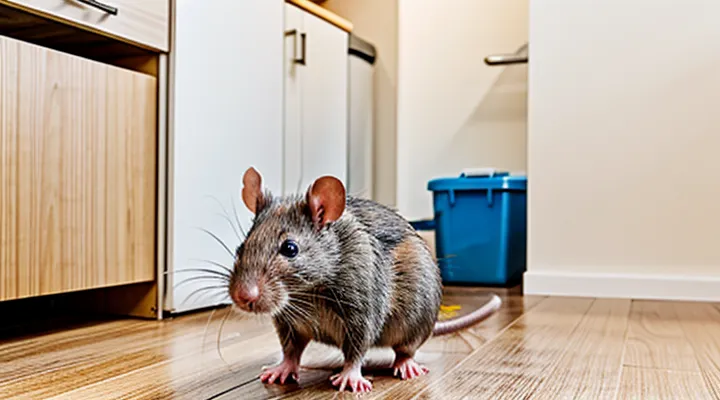
Understanding the Rat Problem
Identifying Rat Infestation Signs
Droppings and Urine
Droppings and urine are primary evidence of a rat presence in a dwelling and pose severe health risks. Their detection confirms infestation, while exposure can transmit leptospirosis, hantavirus, and salmonella.
- Fresh droppings: dark, pellet‑shaped, ½‑inch long, found along walls, behind appliances, and in cupboards.
- Dried droppings: lighter in color, crumbly texture, located in hidden corners or attic spaces.
- Urine stains: yellowish discoloration on surfaces, often accompanied by a strong, musky odor.
Immediate removal of these contaminants prevents disease spread. Follow a systematic decontamination protocol:
- Wear disposable gloves, N95 respirator, and eye protection.
- Ventilate the area for at least 15 minutes before beginning work.
- Moisten droppings with a disinfectant solution (e.g., 10 % bleach) to reduce aerosolization.
- Collect material with a disposable shovel or paper towel; place in a sealed plastic bag.
- Dispose of the bag according to local hazardous‑waste regulations.
- Clean the affected surface with a bleach‑water mixture (1 part bleach to 9 parts water) or an EPA‑approved rodent disinfectant.
- Rinse with clean water and allow to dry completely.
Prevent recurrence by eliminating sources that attract rodents. Seal cracks and gaps larger than ¼ inch, install door sweeps, and ensure garbage containers have tight lids. Conduct monthly visual inspections of hidden zones—under sinks, behind refrigerators, and in crawl spaces—to detect early signs of droppings or urine. Regular maintenance reduces the likelihood of re‑infestation and protects occupants from associated health hazards.
Gnaw Marks and Damage
Rats leave distinctive gnaw marks that reveal the extent of their intrusion. Sharp, clean cuts on wood, plastic, or wiring indicate active chewing, while irregular, ragged edges suggest older damage. Identifying the material and location of each mark helps prioritize repairs and prevent further hazards.
Common damage includes:
- Compromised structural integrity of wooden framing, leading to weakened support.
- Severed electrical insulation, creating fire risk and potential outages.
- Punctured plumbing, resulting in leaks and water damage.
- Chewed insulation, reducing thermal efficiency and encouraging drafts.
Each type of damage requires a specific response. Replace any cut or splintered wood with pressure‑treated lumber to restore strength. Inspect all exposed wiring; replace damaged sections with conduit‑protected cable and verify compliance with local codes. Seal plumbing breaches with pipe‑repair clamps or replace affected sections entirely. Remove contaminated insulation and install new material that meets fire‑resistance standards.
Document all gnaw marks before remediation. Photographs and notes on material, size, and proximity to entry points create a clear record for pest‑control professionals and maintenance crews. This documentation also supports insurance claims by demonstrating the scope of rodent‑related loss.
Prompt repair of gnaw‑induced damage eliminates attractive conditions for further infestation. After fixing structural and utility issues, apply sealant or steel wool to all identified entry holes, then implement a comprehensive baiting or trapping program to eradicate the remaining population. Continuous monitoring of repaired areas ensures that any new gnaw activity is detected early and addressed before it escalates.
Unusual Sounds
Unusual noises often precede a rat infestation in a residential unit. Their patterns reveal the location, activity level, and species involved, allowing targeted intervention.
Scratching, gnawing, or scurrying sounds typically occur behind walls, under floorboards, or within ceiling voids. These noises intensify during nighttime when rodents are most active. A high‑pitched squeak may indicate a young rat, while low, repetitive thumps suggest adult movement along structural cavities.
Dropping or clattering sounds from stored items can signal foraging behavior. If you hear intermittent tapping near pantry shelves, rats may be accessing food supplies. Persistent rustling within insulation points to nesting activity.
Key auditory indicators:
- Sharp, intermittent gnawing on wood or plastic surfaces
- Continuous rustling in concealed spaces (e.g., behind cabinets)
- Low‑frequency thumping from ceiling or attic areas
- High‑pitched squeaks from small openings or vents
When unusual sounds are detected, follow these steps:
- Identify the approximate origin by moving quietly and listening from different positions.
- Seal obvious entry points (cracks, gaps around pipes, vent covers).
- Set traps or bait stations near the sound source, using snap traps for immediate reduction or live‑catch traps for humane removal.
- Inspect trapped rodents for signs of disease; handle with gloves and disinfect surfaces afterward.
- Conduct a thorough cleaning of contaminated areas, removing droppings and urine to eliminate attractants.
Monitoring acoustic activity after implementing control measures confirms success. A noticeable decline in the described noises indicates reduced rodent presence; persistent sounds require reassessment of trap placement or professional pest‑management assistance.
Sightings
Rats reveal their presence through distinct signs that require prompt attention. Recognizing these indicators enables effective control measures before infestations spread.
Typical evidence includes:
- Dark, pellet‑shaped droppings near food sources, corners, and hidden areas.
- Gnaw marks on wood, plastic, wiring, or insulation.
- Scratching or scurrying noises, especially at night.
- Fresh urine stains that emit a strong, musky odor.
- Visible tracks in dust, flour, or on smooth surfaces.
- Nest material such as shredded paper, fabric, or insulation fibers.
Each sign should be documented, noting location, quantity, and timing. This information guides targeted bait placement, trap deployment, and sanitation improvements. Early detection reduces the need for extensive eradication procedures and minimizes damage to property and health risks.
Common Entry Points in Apartments
Gaps in Walls and Floors
Rats enter apartments through openings as small as a quarter‑inch; gaps in walls and floors provide the most common pathways. Unsealed cracks around baseboards, utility penetrations, and floor joist seams allow rodents to move between rooms and into hidden spaces.
Identify vulnerable points by conducting a systematic visual inspection. Use a flashlight to trace the perimeter of each room, focusing on:
- seams where walls meet floors
- gaps around pipes, cables, and vents
- spaces behind appliances and cabinets
- cracks in plaster or drywall
Seal identified openings before applying any extermination measures. Effective sealing materials include:
- Steel wool packed tightly into gaps, then coated with expanding foam to prevent gnawing.
- Copper mesh (½‑inch gauge) for larger openings, secured with construction adhesive.
- Silicone or acrylic caulk for narrow cracks less than ¼ inch.
- Rigid metal flashing for gaps around plumbing stacks and vent ducts.
After sealing, install monitoring stations near previously active entry points to confirm that rats can no longer access the interior. Continuous inspection and maintenance of wall and floor integrity reduce the likelihood of reinfestation.
Plumbing and Utility Openings
Plumbing and utility openings provide direct pathways for rodents to enter residential units. Seal gaps around pipe penetrations, vent stacks, and sewage lines with stainless‑steel mesh or cement‑based caulk. Inspect under‑sink cabinets and behind appliances for visible holes; fill any openings larger than ¼ inch with steel wool followed by expanding foam. Replace damaged gaskets on washing‑machine hoses and dryer vents, ensuring a tight fit against the wall.
Maintain clear access to all utility chambers. Install removable covers that latch securely, preventing rats from slipping through while allowing routine inspection. When renovating, route new pipes away from exterior walls whenever possible, and use conduit sleeves that extend to the interior surface to eliminate gaps.
Regularly test for signs of infestation in these areas. Look for droppings, gnaw marks, or urine stains near water supply lines and electrical conduits. If evidence appears, set snap traps or bait stations directly adjacent to the compromised opening, then reseal the entry point after capture.
A systematic approach to sealing and monitoring plumbing and utility penetrations reduces the likelihood of rodent ingress and supports long‑term pest‑free living conditions.
Vents and Chimneys
Vents and chimneys often serve as the most accessible routes for rats to enter an apartment building. Their open structures provide shelter, a path to food sources, and a conduit between floors, making them high‑priority targets in any rodent‑control plan.
- Examine each vent cover, chimney flue, and exhaust fan for gaps, rusted sections, or loose fittings.
- Use a flashlight to inspect the interior for droppings, gnaw marks, or nesting material.
- Record locations that show signs of activity for focused treatment.
Seal identified openings with durable materials:
- Install stainless‑steel mesh (¼‑inch or smaller) over vent openings; the mesh resists chewing and allows airflow.
- Apply expanding polyurethane foam to fill cracks around vent frames and chimney crowns, then cover with metal flashing for added protection.
- Replace cracked or corroded vent covers with reinforced models designed for pest resistance.
Maintain and monitor the sealed structures:
- Schedule quarterly visual checks to verify that seals remain intact and that no new damage has occurred.
- Clean chimney interiors regularly to remove debris that could attract rodents.
- Deploy snap traps or electronic bait stations near vent shafts and chimney bases, checking them weekly and disposing of captures according to local regulations.
By systematically inspecting, sealing, and maintaining vents and chimneys, residents reduce the likelihood of rat intrusion and support long‑term pest‑free living conditions.
Preparing for Extermination
Safety Precautions for Residents and Pets
Storing Food and Water
Storing food and water properly is a critical component of effective rodent management in an apartment. Food must be kept in sealed, airtight containers made of plastic, glass, or metal; these materials block scent and prevent rats from gnawing through. Water sources, including pet dishes and indoor plant trays, should be emptied nightly and refilled only with fresh water in containers that can be tightly closed. Regularly inspect storage areas for cracks, tears, or open seams, and repair any damage immediately.
Key practices for maintaining a rat‑proof environment:
- Use containers with lock‑tight lids for all dry goods, cereals, and snacks.
- Store bulk items in smaller, secondary containers after opening the original packaging.
- Keep countertops and floors free of crumbs; wipe surfaces after meals.
- Place trash cans with fitted lids inside the apartment and empty them daily.
- Seal pantry shelves with silicone or wood filler to eliminate gaps.
Implementing these measures eliminates accessible food and water, depriving rats of the resources needed to establish a presence and supporting long‑term pest control.
Protecting Children and Animals
When eliminating rats in a dwelling, the safety of children and pets must be the primary consideration. Choose control methods that do not expose non‑target occupants to toxic substances. Mechanical traps, such as snap or live‑catch devices, avoid chemical hazards; place them behind appliances, under furniture, or in concealed corners where children cannot reach them. If poison baits are deemed necessary, select tamper‑resistant stations approved for residential use, install them at heights or locations inaccessible to youngsters and animals, and monitor them daily.
Seal potential entry points before deploying any device. Use steel wool or copper mesh to block gaps around pipes, vents, and utility openings; then apply a durable caulking sealant. This prevents re‑infestation and reduces the need for recurring chemical applications.
Maintain a clean environment to discourage rodents. Store food in airtight containers, promptly clean spills, and dispose of waste in sealed bins. Regularly inspect and clean pet feeding areas to avoid attracting rats.
If professional exterminators are engaged, require a written plan outlining how they will protect vulnerable occupants. Verify that the service uses low‑toxicity products and follows local regulations for indoor pest control.
During the extermination process, keep children and animals out of the work area. Remove toys, bedding, and pet supplies from rooms where traps or baits are set. After each treatment, ventilate the space for at least 30 minutes before re‑entry.
Key actions for safeguarding children and pets:
- Install child‑proof, tamper‑resistant bait stations.
- Position mechanical traps out of reach.
- Block all rodent entry points with durable materials.
- Store food securely and maintain cleanliness.
- Restrict access to treated areas until safe.
- Document and review the exterminator’s safety protocol.
Cleaning and Sanitation Before Treatment
Eliminating Food Sources
Eliminating food sources is a necessary component of effective rat control in a residential unit. Rats survive by exploiting any accessible nutrition, so removing these opportunities directly reduces population growth and attraction.
Rats locate sustenance through scent trails, visual cues, and by probing cracks and gaps. Unsealed containers, leftover crumbs, and exposed garbage provide the primary incentives for infestation.
- Store dry goods in airtight, rodent‑proof containers; metal or heavy‑wall plastic is preferred.
- Clean countertops and tabletops after each meal; wipe spills immediately.
- Sweep or vacuum floors daily to remove small particles that can accumulate.
- Use a trash can with a tight‑fitting lid; empty it before it becomes full.
- Keep compost bins sealed and located away from entry points.
- Seal pet food in sealed bags; feed pets only at scheduled times and remove uneaten portions promptly.
- Inspect pantry shelves for damage; repair or replace compromised sections.
- Eliminate standing water; fix leaks and wipe up condensation to deny rats a hydration source.
Consistent application of these practices limits the food supply, making the apartment environment hostile to rats and supporting long‑term pest management. Regular inspections confirm that no new food sources have emerged, allowing rapid response if signs of activity reappear.
Reducing Clutter
Clutter provides hiding places and pathways that enable rats to move freely within an apartment. Removing unnecessary items limits shelter, making the environment hostile to infestations and improving the effectiveness of any control measures.
- Store food in sealed containers; eliminate open packages and crumbs.
- Clear under‑sink cabinets and behind appliances; keep these areas empty or organized with removable trays.
- Dispose of cardboard boxes, newspapers, and paper bags promptly; replace them with plastic bins that close tightly.
- Consolidate clothing and linens; use vacuum‑sealed bags or hanging racks instead of piles on the floor.
- Arrange furniture away from walls; create open space that prevents rats from nesting behind sofas or beds.
Regularly inspect storage areas for new debris and discard items that are no longer needed. Maintaining a tidy layout reduces the likelihood of rat entry points and simplifies the identification of droppings or gnaw marks. Consistent decluttering, combined with proper sanitation, creates an environment where rats cannot establish a foothold.
Extermination Methods
Trapping Strategies
Snap Traps
Snap traps provide a rapid, humane method for eliminating rats inside a residential unit. The mechanism delivers a single, powerful strike that kills the animal instantly, preventing prolonged suffering and reducing the chance of disease transmission.
When choosing a snap trap, consider the following factors:
- Size: Select a model capable of gripping a rat’s neck and jaw, typically 8–10 inches long.
- Spring tension: Opt for a high‑tension spring to ensure sufficient force.
- Bait compatibility: Choose traps with a secure bait cup that holds food without slipping.
- Safety features: Prefer traps with a trigger guard to reduce accidental activation.
Effective placement maximizes capture rates. Position traps along established rodent pathways, such as:
- Near walls, where rats travel close to surfaces.
- Behind appliances, under sinks, and inside cupboards.
- At the entry points of known burrows or holes.
- In dark corners, away from direct human traffic.
Secure each trap with the trigger set to the most sensitive position. Use attractive baits like peanut butter, dried fruit, or small pieces of meat. Replace bait daily to maintain freshness.
After a capture, wear disposable gloves, remove the trap, and place the dead rat in a sealed plastic bag. Dispose of the bag according to local waste regulations. Reset the trap promptly if additional activity is observed.
Regular monitoring of trap locations, combined with sealing entry holes and maintaining cleanliness, sustains long‑term rat control in an apartment environment.
Live Traps
Live traps provide a humane method for removing rats from a residential unit without using poison. The device consists of a cage that closes automatically when the animal takes the bait, allowing capture and subsequent release away from the building.
Key benefits include immediate removal, elimination of secondary poisoning risk, and the ability to verify capture success. Live traps also reduce the likelihood of odor problems associated with dead rodents.
When choosing a trap, prioritize models with sturdy wire mesh, a spring‑loaded door, and a size that accommodates adult rats (approximately 10–12 inches long). Ensure the trap features a secure latch to prevent escape.
- Position traps along walls, behind appliances, and near known gnawing sites.
- Place traps perpendicular to the wall, with the entry side facing the baseboard.
- Keep traps out of reach of children and pets.
Effective bait combinations are:
- Peanut butter mixed with oats.
- Fresh fruit pieces (apple or banana).
- Small amounts of cooked meat or fish.
Refresh bait daily to maintain attractiveness. Check traps at least twice daily; release captured rats at least five miles from the residence, following local wildlife regulations.
Maintain cleanliness by wearing disposable gloves during handling, disinfecting the trap after each use, and sealing any entry points discovered during the process. This approach maximizes capture efficiency while preserving a safe, sanitary living environment.
Glue Traps
Glue traps provide a non‑chemical option for capturing rats inside a dwelling. They consist of a flat board coated with a strong adhesive that immobilises the animal when it steps onto the surface.
The traps work best when placed along established rodent pathways. Typical locations include:
- Behind kitchen appliances and under the sink.
- Near garbage cans and food storage areas.
- In gaps between cabinets and walls.
- Along baseboards where droppings have been observed.
Effective placement requires observation of gnaw marks, droppings, or urine trails to identify high‑traffic zones. Traps should be positioned with the adhesive side facing the expected direction of travel and secured to the floor or wall to prevent displacement.
Advantages of glue traps:
- Immediate visual confirmation of capture.
- No risk of toxic residues contaminating food surfaces.
- Low purchase cost and easy availability.
Disadvantages include:
- Potential for prolonged suffering if the rat is not removed promptly.
- Risk of accidental capture of non‑target species, such as small pets or wildlife.
- Limited capacity; a single trap may hold only one or two rodents before losing effectiveness.
Safety considerations are critical. Use gloves when handling traps to avoid skin contact with the adhesive. Keep traps out of reach of children and pets, and store them in sealed containers when not in use. After a rat is caught, dispose of the trap according to local waste regulations, preferably in a sealed bag to prevent accidental release.
When employing glue traps as part of a broader rodent‑control strategy, combine them with sanitation measures—sealing food containers, eliminating water sources, and repairing structural entry points. This integrated approach maximises the likelihood of reducing the rat population in an apartment setting.
Using Baits and Rodenticides
Types of Baits
Effective rat control in a residential unit relies on selecting the appropriate bait. Different formulations target specific behavior patterns and safety requirements.
-
Anticoagulant baits – contain compounds such as brodifacoum, bromadiolone, or chlorophacinone. They disrupt blood clotting, leading to death after several days of consumption. Ideal for indoor use where quick kill is not essential but long‑term suppression is desired.
-
Metal phosphide baits – zinc phosphide releases phosphine gas in the stomach, causing rapid mortality. Suitable for severe infestations; handle with extreme caution due to toxic gas production.
-
Non‑anticoagulant acute baits – include bromethalin or diphacinone, delivering a fast‑acting poison that kills within hours. Best for situations demanding immediate reduction of the population.
-
Natural attractants – peanut butter, dried fruit, or canned fish serve as base carriers for powdered or pelletized poisons. Their strong odor and taste increase acceptance by wary rats.
-
Pre‑baited snap or electronic traps – incorporate a small amount of food or scent to lure rats into a mechanical device. Provide instant kill without chemical exposure.
-
Rodenticide blocks – solid blocks infused with anticoagulants or acute toxins. Offer prolonged availability, reducing the need for frequent replacement.
When deploying baits, follow these practices:
- Position stations along walls, behind appliances, and near known runways; rats avoid open spaces.
- Use tamper‑resistant containers to prevent accidental contact by children or pets.
- Replace or rotate bait types every two weeks to counter bait shyness.
- Record placement dates and monitor consumption to assess effectiveness.
Choosing the correct bait type, combined with strategic placement, maximizes eradication efficiency while minimizing risk to non‑target occupants.
Safe Placement of Rodenticides
When using rodenticides in a residential unit, placement must prevent accidental ingestion by children, pets, and non‑target wildlife. Secure locations reduce the risk of secondary poisoning and legal liability.
Key considerations for safe positioning:
- Choose concealed areas inaccessible to non‑target species, such as behind appliances, inside wall voids, or within sealed bait stations.
- Install bait stations at least 6 feet above floor level and away from food preparation surfaces, sinks, and trash bins.
- Ensure stations are anchored to prevent displacement by movement of furniture or pets.
- Label each station with a clear hazard warning that complies with local regulations.
- Verify that the chosen spot does not interfere with ventilation ducts or fire safety equipment.
Before deployment, inspect the area for cracks, gaps, or openings that could allow rodents to bypass the bait. Seal any identified entry points to enhance control efficacy and limit the need for additional toxicants. Regularly monitor stations, replace depleted baits, and document observations to maintain a controlled environment.
Professional Extermination Services
When to Call an Expert
Rats can damage wiring, contaminate food, and spread disease. Early detection is essential, but certain conditions demand professional intervention rather than DIY measures.
Signs that an expert should be called include:
- Persistent droppings or gnaw marks despite traps and bait.
- Evidence of a large population, such as multiple active nests or continuous sightings.
- Damage to structural elements, plumbing, or electrical systems.
- Inability to locate entry points after thorough inspection.
- Health concerns for vulnerable occupants (children, elderly, immunocompromised).
When these indicators appear, a licensed pest control provider can assess the infestation, identify concealed access routes, and apply approved eradication methods safely. Professional treatment also ensures compliance with local regulations and reduces the risk of re‑infestation. Prompt contact with an expert minimizes property damage and health hazards.
What to Expect from Professionals
Professional rodent control services begin with a thorough inspection of the entire dwelling. Inspectors identify entry points, nesting sites, and the extent of contamination. They document findings with photographs or written notes, providing a clear basis for treatment.
The next step is a detailed plan that outlines the specific methods to be used. Options may include bait stations, traps, and, when necessary, rodenticides applied according to safety regulations. Professionals explain the rationale for each choice and any precautions tenants must observe.
Implementation proceeds with the placement of devices and, if required, sealing of gaps that allow rats to enter. Technicians wear protective gear, follow local health codes, and ensure minimal disruption to residents. All chemicals are labeled, stored, and disposed of in compliance with environmental standards.
After treatment, the service includes a monitoring period. Professionals check bait stations and traps regularly, record activity, and adjust tactics if rats persist. They provide a written report summarizing results, any additional actions taken, and recommendations for long‑term prevention.
Clients receive a guarantee covering re‑infestation within a specified timeframe. If rats reappear, the company returns at no extra charge to reassess and remediate. Payment terms, warranty length, and any follow‑up visits are clearly stated in the contract before work begins.
Post-Extermination Measures
Sealing Entry Points
Repairing Holes and Cracks
Sealing openings eliminates the pathways rats use to infiltrate a living space, directly reducing the likelihood of infestation. Effective closure of holes and cracks cuts off access to food, water, and shelter, forcing rodents to seek alternative habitats.
To repair structural gaps:
- Identify all visible openings in walls, floors, baseboards, and around utility penetrations. Use a flashlight and mirror to locate concealed cracks.
- Clean each area of debris, dust, and gnaw marks. Apply a disinfectant to prevent secondary contamination.
- Fill small cracks (up to ¼ inch) with high‑quality silicone caulk, smoothing the surface to create a seamless barrier.
- For larger holes (¼ inch to several inches), insert steel wool or copper mesh, then cover with expanding polyurethane foam or cement-based filler. Ensure the material adheres firmly to surrounding surfaces.
- Allow the repair material to cure according to manufacturer instructions before repainting or reinstalling trim.
Regular inspection of repaired sites, especially after heavy rain or building vibrations, maintains integrity. Reapply sealant promptly if any deterioration appears, thereby sustaining a rat‑proof environment.
Installing Mesh on Vents
Installing a fine‑mesh screen over each ventilation opening creates a physical barrier that blocks rats while allowing airflow. The mesh should have openings no larger than ¼ inch (6 mm) to stop even juvenile rodents.
Materials required:
- Stainless‑steel or heavy‑duty aluminum mesh (¼‑inch gauge)
- Self‑adhesive foil tape or metal staples
- Scissors or wire cutters
- Measuring tape
- Protective gloves
Preparation:
- Measure the width and height of each vent to determine the exact size of the mesh piece.
- Cut the mesh slightly larger than the vent opening to ensure a secure overlap.
- Clean the vent frame to remove dust, grease, or debris that could interfere with adhesion.
Installation steps:
- Position the cut mesh over the vent, aligning edges with the frame.
- Secure the mesh using foil tape, pressing firmly along all seams, or staple it to the metal frame at 2‑inch intervals.
- Trim excess mesh with scissors, leaving a ½‑inch margin around the perimeter.
- Inspect the seal for gaps; reinforce any loose sections with additional tape or staples.
Maintenance:
- Check the mesh monthly for rust, tears, or displacement.
- Replace damaged sections promptly to preserve the barrier.
- Clean accumulated dust with a vacuum or damp cloth to maintain airflow efficiency.
Ongoing Prevention and Monitoring
Regular Inspections
Regular inspections form the backbone of any effective rat control program in a residential unit. By systematically checking vulnerable areas, residents can identify early signs of activity before infestations become unmanageable. The process reduces reliance on reactive measures and limits property damage.
Key components of a routine inspection schedule:
- Frequency – Conduct a thorough walk‑through once a month; increase to weekly during warmer months when rodent activity peaks.
- Target zones – Examine kitchen cabinets, pantry shelves, behind appliances, utility closets, bathroom cabinets, and any gaps around pipes or vents.
- Visual cues – Look for droppings, gnaw marks, shredded insulation, urine stains, and fresh burrows. Confirm observations with a flashlight and, if needed, a handheld UV light to reveal urine trails.
- Entry points – Inspect exterior walls, basement windows, and basement door seals for cracks larger than ¼ inch; seal with steel wool and caulk.
- Documentation – Record findings in a log, noting location, type of evidence, and date. Use the log to track patterns and verify that corrective actions are effective.
Implementing the above routine enables swift elimination of entry routes, timely placement of traps or bait stations, and a measurable reduction in rodent presence throughout the apartment.
Maintaining Cleanliness
Clean living spaces remove food and shelter that attract rats, reducing the likelihood of infestation. When waste is promptly disposed of and surfaces are free of crumbs, rodents lose access to essential resources, weakening their ability to establish colonies.
Implement routine practices that eliminate potential rat habitats. Daily tasks include wiping countertops, sweeping floors, and storing food in sealed containers. Weekly actions involve deep‑cleaning appliances, vacuuming behind furniture, and inspecting trash cans for damage.
- Dispose of garbage in tightly fitted lids; empty bins at least every 24 hours.
- Store pantry items in metal or heavy‑plastic containers with airtight seals.
- Clean pet feeding areas after each meal; rinse bowls and remove leftovers.
- Sweep under cabinets, appliances, and furniture to remove dropped food particles.
- Maintain dry conditions; fix leaks and wipe up spills immediately.
- Use a damp cloth to clear dust from vents, ducts, and window sills where droppings may accumulate.
Legal and Ethical Considerations
Landlord-Tenant Responsibilities
Effective rat control in a rented dwelling hinges on clear division of duties between property owner and occupant. Landlords must ensure the premises meet health‑safety standards by delivering a structure free of rodent access points. This includes sealing cracks, repairing broken screens, and maintaining functional waste disposal systems. When an infestation is confirmed, the landlord is obligated to engage a licensed exterminator, cover treatment costs, and verify that the problem is resolved before the tenant resumes normal use of the space. Documentation of inspections, service reports, and follow‑up actions should be retained in the lease file.
Tenants are responsible for practices that deter rodent activity. Promptly reporting sightings, droppings, or gnaw marks to the landlord creates a record that triggers professional intervention. Maintaining cleanliness—regularly disposing of food waste, storing groceries in sealed containers, and avoiding clutter in kitchens and storage areas—reduces attractants. Tenants must also comply with any access requests for pest‑control visits and avoid actions that could compromise sealed entry points, such as removing weather‑stripping or blocking vent covers.
Both parties benefit from a written agreement that outlines these obligations. A typical clause may state:
- Landlord: inspect unit annually, seal structural openings, arrange and fund extermination, provide written confirmation of eradication.
- Tenant: notify landlord within 24 hours of evidence, keep premises sanitary, permit entry for treatment, refrain from self‑administered pesticides.
Failure to adhere to these responsibilities can lead to lease violations, health‑code citations, or liability for damages caused by untreated infestations. Clear communication, documented procedures, and adherence to local housing regulations ensure that rat problems are addressed swiftly and safely.
Humane Extermination Practices
Effective rat control in a residential unit requires methods that eliminate the problem without causing unnecessary suffering. Humane practices focus on prevention, live capture, and safe release, reducing reliance on lethal poisons.
Maintaining an environment that deters rodents is the first line of defense. Seal cracks, gaps around pipes, and openings behind appliances with steel wool or cement. Keep food storage sealed, remove standing water, and dispose of waste in tightly closed containers. Regular cleaning eliminates crumbs and residue that attract rats.
Live‑capture devices provide a non‑lethal alternative. Snap‑free traps are prohibited under humane guidelines; instead, use cage traps equipped with bait such as peanut butter or dried fruit. Check traps at least twice daily to prevent stress or injury. Once captured, transport the animal in a ventilated container to a suitable release site at least five miles from the residence, following local wildlife regulations.
If an infestation persists, consider professional services that specialize in Integrated Pest Management (IPM). IPM practitioners combine habitat modification, monitoring, and targeted, low‑toxicity interventions. They may employ ultrasonic repellents or pheromone‑based deterrents, which discourage activity without harming the animals.
Key steps for humane rat management:
- Inspect and seal entry points using durable materials.
- Store food in airtight containers; clean surfaces after each use.
- Deploy cage traps with appropriate bait; monitor and release promptly.
- Engage certified IPM professionals for complex cases.
- Document actions and outcomes to refine future prevention strategies.
Adhering to these practices minimizes health risks, preserves tenant well‑being, and aligns with ethical standards for pest control in an apartment setting.
Disposal of Rodents
Proper disposal of dead rodents prevents disease transmission, eliminates odors, and reduces the chance of attracting additional pests.
When a rat is removed, follow these steps:
- Wear disposable gloves to avoid direct contact.
- Place the carcass in a sturdy, sealable plastic bag.
- Remove excess air, tie the knot tightly, and place the sealed bag inside a second bag for double containment.
- Label the outer bag with “Dead Animal – Dispose Immediately” and store it in a cool, dry area until removal.
Municipal waste collection is the most common disposal method. Verify local regulations to confirm that sealed bags may be placed in regular trash; some jurisdictions require submission to a hazardous‑waste facility or a licensed pest‑control service. If municipal disposal is prohibited, arrange for a professional exterminator to transport the carcass to an incineration or rendering plant.
After removal, disinfect all surfaces that contacted the animal. Use a solution of one part bleach to nine parts water, apply thoroughly, and allow a five‑minute contact time before rinsing. Clean and disinfect any traps, tools, and gloves, then wash hands with soap and hot water.
Adhering to these procedures ensures safe, compliant, and effective rodent disposal in an apartment setting.