
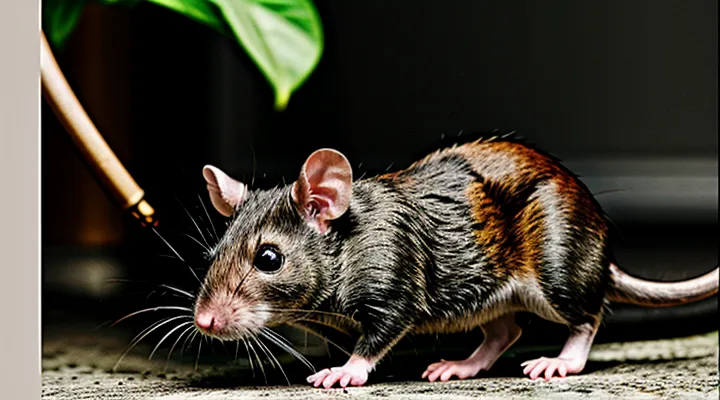
Understanding Rat Control
What Are Rats?
Common Rat Species
The most frequently encountered rodents in urban and agricultural environments belong to three species that dominate control programs. Their adaptability, reproductive capacity, and proximity to human food sources make them primary targets for mitigation efforts.
The Norway rat (Rattus norvegicus), often called the brown rat, reaches lengths of 20‑25 cm excluding the tail. It prefers ground-level habitats such as basements, sewers, and fields. This species constructs extensive burrow systems, tolerates low temperatures, and exhibits nocturnal foraging patterns. Its diet includes grains, waste, and small invertebrates, contributing to contamination of stored products.
The roof rat (Rattus rattus), also known as the black rat, measures 15‑20 cm in body length. It favors elevated locations—attics, trees, and roof spaces—where it builds nests from insulation and vegetation. Highly arboreal, the roof rat exploits fruit trees, garden crops, and indoor pantry items. Its agility and preference for higher humidity environments distinguish it from the Norway rat.
The Polynesian rat (Rattus exulans) is the smallest of the three, with a body length of 12‑15 cm. It is common on islands and in coastal regions, where it inhabits both ground and low vegetation. This species feeds on seeds, fruits, and invertebrates, often causing ecological damage by preying on native bird eggs and seedlings.
Key identification factors for effective rat mitigation:
- Body size and tail length: Norway rat—large body, blunt tail; roof rat—smaller body, long tapered tail; Polynesian rat—smallest size.
- Preferred habitat: ground burrows (Norway), elevated structures (roof), island vegetation (Polynesian).
- Behavioral traits: nocturnal ground foraging (Norway), agile climbing (roof), opportunistic island foraging (Polynesian).
Rat Behavior and Biology
Rats of the genus Rattus dominate urban and rural environments worldwide, with the Norway rat (R. norvegicus) and the roof rat (R. rattus) accounting for most infestations. Adults weigh 150–300 g, reach lengths of up to 30 cm, and can live 2–3 years under favorable conditions.
These mammals are nocturnal, highly adaptable foragers that establish extensive burrow networks or occupy existing structures. Social organization revolves around hierarchies within colonies, with dominant individuals defending nesting sites and peripheral members scouting for food.
Reproductive capacity drives rapid population expansion. Gestation lasts 21–23 days; each litter contains 6–12 pups, and females can breed as early as five weeks of age. Multiple litters per year enable exponential growth when resources are plentiful.
Dietary flexibility underpins survival in diverse habitats. Rats consume grains, fruits, meat, waste, and even inorganic materials. Their ability to exploit human-generated waste makes them persistent in residential and commercial settings.
Sensory systems facilitate efficient navigation and detection of threats. Vibrissae provide tactile feedback; olfactory receptors discern food and pheromonal cues; auditory acuity detects low-frequency sounds; vision is limited to motion detection in low light.
Key biological traits influencing management:
- High reproductive rate → requires prompt intervention before population spikes.
- Omnivorous diet → control measures should eliminate accessible food sources.
- Burrowing and nesting behavior → sealing entry points and removing shelter curtails habitation.
- Social hierarchy → removal of dominant individuals can destabilize colonies but may also trigger dispersal; integrated approaches are preferred.
Understanding these characteristics allows practitioners to design targeted strategies that interrupt breeding cycles, reduce attractants, and deny shelter, thereby enhancing the effectiveness of rat management programs.
Why Is Rat Control Necessary?
Health Risks Posed by Rats
Rats transmit a range of pathogens that affect humans directly through bites, scratches, or indirect contact with contaminated surfaces. Their saliva, urine, and feces contain bacteria such as Salmonella and Leptospira, viruses including hantavirus, and parasites like Echinococcus tapeworms. These agents can cause gastroenteritis, kidney failure, respiratory illness, and severe systemic infections.
Key health hazards associated with rat infestations include:
- Foodborne illness – contamination of stored food leads to bacterial infection and food poisoning.
- Waterborne disease – urine and droppings infiltrate water supplies, introducing leptospirosis and other pathogens.
- Allergic reactions – inhalation of dried droppings and urine particles triggers asthma and hypersensitivity pneumonitis.
- Vector‑borne infections – fleas and mites that infest rats serve as carriers for plague and typhus.
- Psychological impact – chronic exposure to rodent activity increases stress and anxiety, potentially aggravating cardiovascular conditions.
Effective rodent management reduces these risks by eliminating food sources, sealing entry points, and employing traps or baits in accordance with public‑health guidelines. Prompt removal of dead rats and thorough disinfection of contaminated areas are essential to prevent secondary outbreaks.
Property Damage Caused by Rats
Rats cause extensive property damage through physical and biological mechanisms. Their incisors continuously grow, compelling the animals to gnaw on a wide range of materials. This behavior compromises structural integrity, breaches walls, floors, and roofing, and creates entry points for additional pests.
- Wood and structural components: Gnawing weakens joists, beams, and support columns, increasing the risk of collapse.
- Electrical systems: Chewed insulation and wiring lead to short circuits, equipment failure, and fire hazards.
- Plumbing: Rats bite through pipe insulation, exposing metal and fostering corrosion, which can result in leaks.
- Insulation and HVAC: Damage to insulation reduces energy efficiency; contaminated ducts spread pathogens throughout the building.
- Stored goods: Grain, fabric, and paper products suffer contamination from urine, feces, and saliva, rendering them unusable and prompting costly disposal.
Biological impacts exacerbate physical damage. Pathogen-laden droppings and urine promote mold growth and attract insects, further degrading indoor environments. Financial losses accumulate from repair costs, replacement of contaminated inventory, and increased insurance premiums.
Effective mitigation requires prompt identification of gnaw marks, regular inspection of vulnerable areas, and implementation of comprehensive rodent management protocols. Early intervention limits the cascade of damage and preserves the longevity of residential and commercial structures.
Economic Impact of Rat Infestations
Rats generate measurable financial losses across residential, commercial, and agricultural sectors. Damage to structures, wiring, and stored goods translates into immediate repair and replacement expenses, while contamination of food products forces product recalls and waste disposal. These direct costs are compounded by lost productivity, increased insurance premiums, and legal liabilities when infestations breach health‑safety regulations.
Key economic components include:
- Infrastructure damage: gnawed insulation, pipes, and building materials require costly repairs.
- Food loss: contamination leads to discarded inventory and contract penalties.
- Health‑related expenses: disease transmission prompts medical treatment and heightened workplace absenteeism.
- Regulatory fines: non‑compliance with pest‑control standards incurs penalties.
- Insurance impact: elevated risk assessments raise premiums for affected properties.
Quantifying these factors informs budgeting for preventive measures. Effective management programs reduce the frequency and severity of infestations, thereby stabilizing operating costs and protecting profit margins. Investment in monitoring, sanitation, and targeted eradication yields a favorable return by limiting the financial burden associated with rat‑related damage.
Methods of Rat Control
Prevention Strategies
Sealing Entry Points
Effective rat management begins with eliminating the pathways that allow rodents to enter structures. Identify gaps, cracks, and openings in foundations, walls, roofs, and utility penetrations. Pay special attention to areas where pipes, vents, and cables pass through building envelopes, as these are frequent access points.
Common entry points and recommended sealing actions:
- Foundation cracks: Fill with hydraulic cement or polyurethane sealant; ensure material adheres to moisture‑exposed surfaces.
- Wall gaps around doors and windows: Install steel wool or copper mesh, then apply expanding foam to close residual spaces.
- Roof openings: Repair damaged eaves, seal vent flaps, and cover soffit gaps with metal flashing.
- Utility penetrations: Wrap pipes with steel wool, then encase with silicone or epoxy sealant; use metal sleeves for larger conduits.
- Crawl‑space vents: Install fine‑mesh screens rated for rodent exclusion; secure to frame with screws.
After sealing, inspect the building periodically to verify the integrity of repairs. Replace deteriorated materials promptly to maintain a barrier that prevents re‑entry. This systematic approach reduces the likelihood of infestation and supports long‑term rodent control.
Proper Sanitation and Food Storage
Proper sanitation eliminates the resources rats need to survive. Regular removal of food debris, spilled liquids, and animal waste prevents attraction and nesting. Clean surfaces with detergent followed by a disinfectant that is effective against rodent‑carried pathogens. Dispose of garbage in sealed containers that close tightly and are emptied frequently.
Effective food storage reduces the likelihood of contamination and access. Store dry goods in metal or heavy‑plastic containers with airtight lids. Keep perishables in refrigeration units set below 4 °C (40 °F) and inspect seals for damage. Rotate stock on a first‑in, first‑out basis, discarding items past their expiration dates.
Key sanitation and storage practices:
- Sweep and mop floors daily, especially in kitchens, pantry areas, and food‑preparation zones.
- Clean behind appliances, under counters, and in cracks where crumbs accumulate.
- Use pest‑resistant trash cans with foot‑operated lids; line them with heavy‑duty bags.
- Seal cracks, gaps, and openings in walls, floors, and ceilings to block entry points.
- Maintain a schedule for deep cleaning of storage rooms, including removal of dust, insulation, and debris.
Consistent implementation of these measures deprives rodents of food and shelter, thereby supporting any broader rodent‑management program.
Landscape Maintenance
Landscape maintenance directly influences the effectiveness of rodent mitigation programs. Properly trimmed vegetation eliminates shelter and foraging sites that attract rats, reducing population pressure. Regular removal of leaf litter, grass clippings, and fallen fruit prevents the accumulation of debris that can serve as nesting material.
Key maintenance actions include:
- Height control: keep grass at 2–3 inches to discourage burrowing.
- Pruning: cut back shrubs and trees to create open ground around building foundations.
- Debris clearance: eliminate piles of wood, compost, and mulch that retain moisture.
- Waste management: store trash in sealed containers and remove it from the site daily.
- Drainage upkeep: repair leaky irrigation systems and ensure water runoff does not pool near structures.
Implementing a scheduled inspection routine verifies that these practices remain consistent. Inspectors should assess vegetation density, identify new debris sources, and confirm that drainage systems function correctly. Documentation of findings supports accountability and enables rapid corrective action.
Integrating landscape maintenance with other rat control measures—such as bait stations, trapping, and structural sealing—creates a comprehensive approach that lowers infestation risk and sustains long‑term site hygiene.
Non-Lethal Control Methods
Trapping and Relocation
Trapping and relocation constitute a direct method for managing rat populations by capturing individuals and moving them to a designated release site. This approach reduces immediate infestation levels while avoiding the use of chemical agents.
Various trap designs are available. Live‑catch cages, constructed of metal or sturdy plastic, contain a door mechanism that closes when the rodent enters. Snap traps provide rapid kill and are unsuitable for relocation. Glue boards immobilize rats but cause severe distress and are therefore excluded from humane relocation programs.
Effective baiting relies on species‑specific preferences. High‑protein foods such as peanut butter, dried fruit, or small meat pieces attract rats more reliably than grain alone. Bait should be placed at the rear of the cage to ensure the animal contacts the trigger before reaching the food. Traps must be positioned along established runways—near walls, behind appliances, or in concealed corners—where rats travel habitually.
Once a rat is captured, personnel should wear thick gloves, handle the cage gently, and transport it in a ventilated container. Relocation sites must be at least 5 kilometers from the original property to prevent rapid return. The release environment should offer shelter, water, and abundant food, yet lack predators that could cause immediate mortality. The following checklist ensures compliance:
- Verify legal permission for relocation in the jurisdiction.
- Record capture date, location, and animal condition.
- Transport the cage in an insulated carrier to maintain temperature stability.
- Release the rat at dusk, allowing it to seek shelter before nightfall.
- Disinfect equipment after each use to prevent disease transmission.
Regulatory frameworks often restrict relocation of invasive rodents because introduced individuals can disrupt local ecosystems and spread pathogens. Authorities may require permits, designate approved release zones, or prohibit the practice altogether. Operators must consult local wildlife agencies and adhere to documented guidelines.
Post‑relocation monitoring includes weekly inspections of the original site for new activity, assessment of trap success rates, and adjustment of bait or placement strategies. Data collected over several weeks inform whether additional control measures—such as exclusion sealing or population‑wide eradication—are necessary to achieve long‑term reduction.
Repellents
Repellents are agents designed to deter rats from entering or remaining in a targeted area without causing mortality. They complement trapping and sanitation by creating an environment that rats find unattractive.
Common categories include:
- Chemical formulations: synthetic compounds such as naphthalene, methyl anthranilate, or essential‑oil blends that emit strong odors or unpleasant tastes.
- Ultrasonic devices: emit high‑frequency sound waves beyond human hearing, causing discomfort for rodents.
- Biological cues: predator‑derived scents (e.g., fox urine) or pheromones that trigger avoidance behavior.
- Physical barriers: mesh screens or sealants that block access points, effectively acting as passive repellents.
Effectiveness depends on several factors:
- Active ingredient potency: concentration must exceed the rat’s sensory threshold.
- Persistence: formulation should retain activity despite humidity, temperature fluctuations, or rodent grooming.
- Safety profile: non‑toxic to humans, pets, and non‑target wildlife.
- Regulatory compliance: product must be registered with relevant authorities (EPA, FDA, etc.) for indoor or outdoor use.
Application guidelines:
- Identify entry points and high‑traffic pathways.
- Place repellents at intervals of 3–5 feet along walls, near burrows, and around food sources.
- Reapply or recharge devices according to manufacturer specifications, typically every 30 days for chemical products and every 60 days for ultrasonic units.
- Combine with sanitation measures—remove food residues, seal garbage containers, and repair structural gaps—to prevent habituation.
Limitations include reduced efficacy in cluttered environments where scent dispersion is hindered, and the potential for rats to acclimate to low‑intensity stimuli. Integrating repellents with trapping, exclusion, and habitat modification yields a comprehensive control strategy that minimizes reinfestation risk.
Lethal Control Methods
Snap Traps and Live Traps
Snap traps are mechanical devices that kill rats instantly by delivering a rapid, high‑force closure onto the animal’s neck or spine. The trigger mechanism typically consists of a spring‑loaded bar that releases when the rodent applies pressure to a baited platform. Effective placement includes walls, along travel routes, and near food sources; the trap should be oriented so the rat approaches from the side of the trigger. Bait selection—peanut butter, dried fruit, or meat—enhances capture rates. Maintenance involves checking traps daily, disposing of carcasses hygienically, and resetting the spring to ensure consistent performance.
Live traps capture rats without killing them, allowing relocation or humane euthanasia. These cages feature a hinged door that closes when the animal steps onto a pressure plate or pulls a trigger. Successful deployment requires:
- Placement in low‑traffic areas where rats are known to forage.
- Use of strong, aromatic bait such as bacon or fish.
- Regular inspection (at least once per day) to prevent stress or injury to the captured animal.
- Compliance with local regulations regarding relocation distances and release sites.
Both trap types demand proper sanitation, protective gloves during handling, and integration into a broader integrated pest management plan that includes sanitation, exclusion, and structural repairs. Choosing between snap and live traps depends on the desired outcome—immediate population reduction versus humane capture—and on regulatory or ethical considerations specific to the operating environment.
Rodenticides
Rodenticides are chemical agents specifically formulated to kill rats and other rodents. They work by disrupting physiological processes, leading to rapid mortality after ingestion.
Common categories include:
- Anticoagulant rodenticides – block vitamin K recycling, causing internal bleeding; examples are warfarin, bromadiolone, and difenacoum.
- Non‑anticoagulant rodenticides – act on the nervous system or metabolic pathways; examples include bromethalin, zinc phosphide, and cholecalciferol.
Application methods vary according to the environment and target species. Bait stations provide controlled access, reducing non‑target exposure. Broadcast granules or liquid formulations are used for outdoor infestations where bait stations are impractical. Placement follows established patterns: along walls, near burrows, and in concealed pathways to maximize contact.
Regulatory frameworks mandate labeling, dosage limits, and mandatory training for applicators. Integrated pest management (IPM) protocols recommend rotating active ingredients to prevent resistance, monitoring bait consumption, and combining chemical treatment with sanitation and structural repairs.
Safety considerations focus on protecting humans, pets, and wildlife. Secondary poisoning risks are mitigated by using tamper‑resistant stations, selecting low‑toxicity compounds for residential settings, and adhering to withdrawal periods for food‑producing animals.
Environmental impact assessments address persistence in soil and water, potential accumulation in non‑target species, and disposal of unused product. Biodegradable formulations and targeted delivery systems are emerging to reduce ecological footprints.
Effective rat management relies on selecting appropriate rodenticides, applying them correctly, and integrating chemical control with broader preventive measures.
Professional Extermination Services
Professional extermination services address rat infestations through systematic evaluation, targeted treatment, and ongoing monitoring. Technicians begin with a thorough inspection to identify entry points, nesting sites, and activity indicators such as droppings, gnaw marks, and trails. This assessment informs a customized control plan that aligns with local regulations and property specifications.
The treatment phase employs approved methods, including:
- Placement of bait stations containing anticoagulant or non‑anticoagulant rodenticides, secured to prevent non‑target exposure.
- Installation of snap traps or electronic devices at high‑traffic zones, calibrated for rapid kill and minimal disturbance.
- Application of rodent‑proofing materials (steel mesh, concrete sealants) to seal gaps larger than ¼ inch.
- Use of infrared cameras or motion sensors to verify activity levels after intervention.
Safety protocols are mandatory: technicians wear personal protective equipment, follow label directions for chemicals, and document placement locations. Waste disposal complies with hazardous material guidelines, reducing environmental impact.
Post‑treatment monitoring involves scheduled site visits, trap checks, and data logging to confirm eradication. Clients receive detailed reports outlining actions taken, observed results, and recommendations for preventive maintenance, such as regular sanitation audits and structural repairs.
Engaging licensed professionals ensures that rat control measures are effective, legally compliant, and executed with expertise that minimizes risk to occupants and pets.
Choosing the Right Rat Control Method
Assessing the Infestation
Signs of Rat Activity
Detecting rat presence is essential for effective management. Early identification prevents infestations from expanding and reduces damage to property and health risks.
Typical indicators include:
- Dark, cylindrical droppings ½ to ¾ inch long, often found near food sources, along walls, or in hidden corners.
- Gnawed wood, plastic, or electrical wiring, showing irregular, orange‑brown teeth marks.
- Runways or smoothed pathways on dusty surfaces, revealing frequent traffic.
- Small, shallow burrows in soil, mulch, or insulation, typically 2–4 inches wide.
- Nests constructed from shredded paper, fabric, or insulation, located in concealed areas such as attics, crawl spaces, or wall voids.
- Scratching or scurrying sounds, especially at night, emanating from ceilings, walls, or ductwork.
- Strong, musky odor, often described as ammonia‑like, resulting from urine and glandular secretions.
- Damaged food packaging, including torn bags, chewed seals, and contaminated stores.
Each sign warrants immediate inspection and, if confirmed, the implementation of control measures to eliminate the infestation.
Locating Rat Nests
Locating rat nests is a prerequisite for any effective eradication program. Rats establish burrows close to food sources, water, and shelter, making the identification of these sites essential for targeted treatment.
Typical indicators include:
- Concentrated droppings near walls, cabinets, or concealed corners
- Gnaw marks on wood, plastic, or insulation
- Strong musky odor, especially in enclosed spaces
- Visible pathways of shredded material, such as paper or fabric
- Presence of rat urine stains, often yellowish and accompanied by a distinct scent
Inspect interior and exterior structures systematically. Begin with the kitchen, pantry, and storage rooms, then move to utility areas, crawl spaces, and building foundations. Use a flashlight to examine dark voids, behind appliances, and within wall cavities. Infrared cameras or thermal imaging devices can reveal heat signatures of active nests hidden behind insulation.
When a potential nest is identified, document its exact location, dimensions, and surrounding conditions. This information guides the selection of appropriate control measures—such as bait placement, trapping, or exclusion techniques—and ensures that follow‑up inspections focus on the most critical zones.
Safety Considerations
Protecting Children and Pets
Effective rodent mitigation must prioritize the safety of children and pets. Exposure to toxic baits, snap traps, or collapsing burrows can cause serious injury or poisoning. Implementing preventative measures reduces the need for hazardous control methods.
Key practices for safeguarding vulnerable household members include:
- Seal all entry points larger than a quarter‑inch with steel wool, metal flashing, or concrete.
- Store bait and chemicals in locked containers, out of reach of curious hands and paws.
- Choose tamper‑resistant bait stations that open only with a key or special tool.
- Place snap traps in locations inaccessible to non‑target animals, such as behind appliances or inside wall voids.
- Keep pets supervised outdoors and restrict access to areas where active control devices are deployed.
When infestation levels exceed DIY capability, enlist licensed pest‑management professionals. Certified technicians employ integrated pest‑management (IPM) strategies that combine habitat modification, exclusion, and targeted treatments while adhering to strict safety protocols. They also provide guidance on maintaining a rodent‑free environment after treatment.
Regular inspection of the property reinforces protection. Look for signs of gnawing, droppings, or nesting material in concealed spaces. Promptly repair water leaks and eliminate food sources to discourage rodent activity. Consistent vigilance minimizes the risk of accidental exposure and preserves a safe living space for children and pets alike.
Environmental Impact
Rat mitigation efforts inevitably alter ecological conditions. Direct removal of individuals reduces food availability for predators that rely on rodents, potentially shifting predator–prey dynamics. Habitat modification, such as sealing entry points or clearing vegetation, changes microhabitats used by insects, birds, and small mammals.
- Chemical baits introduce anticoagulants or neurotoxins into the environment; secondary poisoning can affect scavengers and carnivores that consume poisoned rats.
- Snap traps and live‑capture devices generate waste and may unintentionally harm non‑target species if not monitored.
- Habitat alteration eliminates shelter for invertebrates and diminishes ground cover, influencing soil erosion and nutrient cycling.
Mitigation strategies aim to limit ecological disturbance. Integrated pest management prioritizes sanitation, exclusion, and population monitoring before deploying toxins. Biodegradable bait formulations reduce persistence in soil and water. Regular assessment of non‑target impacts ensures that rat control actions remain compatible with broader environmental health goals.
Integrated Pest Management (IPM) for Rats
Combining Multiple Approaches
Effective rodent mitigation often requires the simultaneous use of several tactics. Relying on a single method can lead to resistance, reinfestation, or incomplete coverage. Integrating chemical, mechanical, biological, and environmental measures creates redundancy, targets different life stages, and reduces the likelihood of failure.
- Chemical control – baits and rodenticides applied in secured stations to eliminate adult populations while minimizing non‑target exposure.
- Mechanical control – traps (snap, live‑capture, glue) positioned along established runways to capture individuals that avoid baits.
- Biological control – introduction of natural predators or use of pathogen‑based products to suppress breeding rates.
- Environmental management – removal of food sources, sealing entry points, and modifying habitat to make the area unattractive to rats.
Coordinating these elements involves several steps:
- Conduct a site assessment to identify infestation density, entry routes, and food availability.
- Prioritize environmental modifications to remove attractants and block access.
- Deploy bait stations in locations where monitoring indicates high activity, ensuring compliance with safety regulations.
- Install traps along confirmed pathways to capture bait‑averse individuals.
- Introduce biological agents where regulatory approval permits, monitoring for efficacy.
- Review data weekly, adjust placement of baits and traps, and reinforce habitat changes as needed.
Continuous monitoring and data‑driven adjustments sustain control gains. By layering methods, each approach compensates for the weaknesses of others, delivering a robust and adaptable rat management program.
Monitoring and Follow-Up
Effective rat management relies on systematic monitoring and follow‑up to confirm that interventions achieve the desired outcome and to detect any resurgence promptly.
During the post‑treatment phase, field personnel should conduct regular inspections of known activity sites, including burrows, gnaw marks, droppings, and food sources. Visual checks are complemented by passive devices such as chew cards, motion‑activated cameras, and live‑trap counts, providing quantitative data on rodent presence. Data collection must be recorded in a standardized log, noting date, location, method, and observed indices.
Follow‑up actions are guided by the collected metrics:
- If activity indices fall below predefined thresholds, maintain routine surveillance at reduced frequency (e.g., monthly) to ensure stability.
- If indices remain above thresholds, intensify control measures, adjust bait placement, or modify habitat‑modification strategies.
- Document all adjustments and outcomes to create a performance history that supports future decision‑making.
A typical monitoring schedule includes:
- Initial assessment immediately after treatment.
- Weekly inspections for the first month.
- Bi‑weekly checks during months two and three.
- Monthly evaluations thereafter, extending to six months or longer depending on infestation severity.
Continuous evaluation of trends enables early detection of re‑infestation, informs resource allocation, and validates the effectiveness of the control program.