
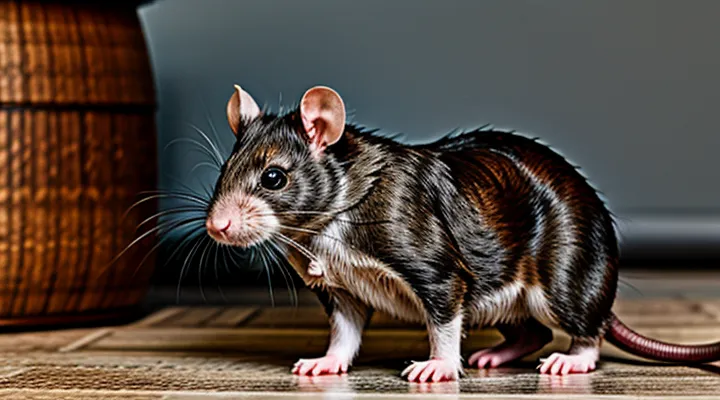
Understanding Rat Breeds
The Domestic Rat: A Brief History
The domestic rat (Rattus norvegicus domestica) descends from the wild brown rat, a species native to northern China and Mongolia. Early agricultural societies captured wild specimens for food storage protection, creating the first human‑rat interactions.
Domestication accelerated in the 18th century when European merchants introduced brown rats to ports worldwide. By the early 1800s the species appeared in scientific collections, and naturalists began systematic observation of its behavior and morphology.
Laboratory use emerged in the mid‑19th century, when researchers such as Claude Bernard recognized the rat’s suitability for physiological experiments. The animal’s rapid breeding cycle and genetic uniformity made it a standard model organism, prompting the establishment of dedicated breeding colonies.
The pet market expanded in the late 20th century. Selective breeding produced distinct coat colors, patterns, and body types, each documented with photographs and breed names to aid identification. Contemporary breeders rely on visual records to maintain lineage integrity and to differentiate among the growing number of varieties.
Key historical milestones:
- 1700s: Introduction of brown rats to Europe via maritime trade.
- 1800s: First scientific descriptions and captive breeding efforts.
- 1856: Claude Bernard’s physiological studies, establishing the rat as a laboratory model.
- 1900s: Development of standardized laboratory strains (e.g., Wistar, Sprague‑Dawley).
- 1970s–present: Emergence of pet‑oriented breeding, creation of numerous color and pattern variants, extensive photographic catalogs.
Why Breed Matters
Health Considerations
When evaluating the well‑being of various rat varieties, focus on breed‑specific health patterns, preventive care, and environmental factors. Each strain exhibits distinct susceptibility to ailments; recognizing these differences guides effective management.
Key health considerations include:
- Respiratory disorders: prevalent in hairless and long‑haired lines; require low‑dust bedding and regular ventilation.
- Dental wear: all rats develop continuously growing incisors, but brachycephalic breeds may experience misalignment; provide chew toys and routine oral inspections.
- Skin conditions: hairless types are prone to dermatitis and temperature loss; maintain ambient warmth and moisturize skin with pet‑safe emollients.
- Metabolic issues: dwarf and miniature strains can develop obesity; monitor caloric intake, offer high‑fiber pellets, and encourage exercise.
Routine veterinary visits, vaccination against common pathogens, and parasite control form the foundation of preventive health. Record weight, grooming needs, and behavioral changes to detect problems early and adjust care protocols accordingly.
Temperament Differences
Rats display distinct temperamental patterns that affect handling, training, and suitability for different environments. Recognizing these patterns helps owners match a pet to their lifestyle and supports responsible breeding practices.
- Standard (Fancy) Rat: Generally curious, adaptable, and sociable with humans and other rats. Responds well to gentle interaction and short training sessions.
- Dumbo Rat: Often calmer and more tolerant of prolonged handling. Exhibits lower aggression levels, making it a frequent choice for novice caretakers.
- Rex Rat: Shows heightened sensitivity to environmental changes. Requires consistent routine and steady exposure to new stimuli to maintain confidence.
- Hairless (Satin) Rat: Frequently energetic and exploratory. Demonstrates strong play drive, demanding regular enrichment to prevent boredom.
Temperament originates from genetic predisposition, yet it is shaped by early socialization, cage configuration, and daily interaction frequency. Rats raised with regular human contact and compatible companions develop reduced fear responses and increased problem‑solving ability. Conversely, limited exposure leads to heightened wariness and defensive behaviors.
When selecting a rat, evaluate desired traits—such as docility, activity level, or tolerance for handling—against the breed’s typical profile. Pairing a calm, low‑energy rat with a quiet household minimizes stress, while an active, inquisitive rat thrives in environments offering varied toys and frequent exploration opportunities.
Appearance Variations
Rats exhibit a broad spectrum of visual characteristics that distinguish each breed. The diversity stems from selective breeding, genetic mutations, and regional adaptations, resulting in distinct phenotypes that are readily identifiable in photographic records.
Key appearance variables include:
- Coat coloration: solid black, brown, white, agouti, and spotted patterns; each color may appear in multiple shades.
- Pattern types: hooded, tuxedo, piebald, and mottled; patterns combine with base colors to create unique markings.
- Fur texture: short, dense hair, long silky hair, and curly or wavy coats; texture influences overall silhouette.
- Body size and shape: dwarf varieties with compact frames versus standard breeds with elongated torsos; weight ranges from 150 g to over 500 g.
- Ear dimensions: narrow, upright ears versus broad, floppy ears; ear size correlates with breed standards.
- Tail length and fur coverage: fully furred tails, partially furred tails, and bare tails; length varies proportionally to body size.
- Eye coloration: red, pink, black, and pearl; eye color often matches or contrasts with coat hue.
These attributes combine to produce recognizable visual profiles for each rat breed, enabling accurate identification without reliance on textual descriptors. Photographic documentation highlights these variations, providing a practical reference for enthusiasts and professionals alike.
Common Rat Breeds and Their Characteristics
Standard Rat
Physical Traits
Physical characteristics serve as primary identifiers for distinct rat varieties. Size, coat texture, coloration, ear shape, tail proportion, and body conformation vary markedly among recognized types.
- Body length: Small breeds range from 6 to 8 inches; larger strains exceed 10 inches.
- Weight: Miniature specimens weigh 120–150 g, while standard specimens reach 250–300 g.
- Coat: Textures include smooth, short hair; dense, plush fur; and hairless skin. Length spans from sleek to long, with some breeds featuring curly or wiry strands.
- Color patterns: Uniform shades (black, white, albino) coexist with multi‑color markings such as sable, agouti, and roan. Specific breeds display distinctive patches or brindle patterns.
- Ear morphology: Ears may be rounded, pointed, or slightly folded; size correlates with overall body dimensions.
- Tail: Length varies from proportionally short (≈ body length) to extended (1.5 × body length). Surface texture ranges from smooth to sparsely haired.
- Head shape: Some breeds possess a blunt, rounded skull; others exhibit a more elongated, angular profile.
These attributes enable accurate classification, support breeding decisions, and guide photographic documentation of each rat type.
Personality
Different rat varieties display distinct temperaments that influence suitability as companions, research subjects, or show animals. Understanding these behavioral patterns helps owners match a rat’s character to their expectations.
- Standard Fancy Rat – Curious, sociable, adapts quickly to handling; thrives on interaction with humans and other rats.
- Dumbo Rat – Gentle, tolerant of novice handlers; often less prone to aggressive displays.
- Hairless (Satin) Rat – Confident, seeks attention; may become dominant in group settings.
- Rex Rat – Playful, energetic; enjoys exploratory activities and puzzle enrichment.
- Manx Rat – Calm, reserved; prefers steady environments and may need gradual socialization.
Selection based on temperament reduces stress for both animal and caretaker, promotes healthy group dynamics, and supports optimal performance in breeding or exhibition contexts.
Rex Rat
Distinctive Coat
Rats exhibit a wide range of coat patterns that aid identification and influence grooming requirements. Each breed’s fur texture, coloration, and length are genetically determined, providing distinct visual markers.
Common coat types include:
- Standard short‑haired – smooth, close‑lying fur; colors range from solid black to agouti.
- Long‑haired – soft, flowing hair; often seen in “Dumbo” or “Rex” varieties with increased length on the head and tail.
- Hairless – absence of fur; skin may display pigmentation patterns such as patches of pink or black.
- Satin – glossy, slightly longer hair with a sheen; typical in “Satin” rats.
- Rex – curly, plush fur; texture resembles that of a rabbit.
- Manx – short, dense coat combined with a naturally occurring tailless trait.
Coat coloration follows recognized categories:
- Solid – uniform hue across the body (e.g., black, white, chocolate).
- Bicolor – two distinct colors, often with a sharp division at the head or tail.
- Tricolor – three colors, typically black, white, and a third shade such as brown.
- Dappled – irregular patches of contrasting color.
- Mink – dark base with lighter underparts, creating a graded effect.
- Siamese – dark points on ears, mask, tail, and feet with a lighter body.
Understanding these coat characteristics enables accurate visual documentation and supports proper care protocols for each rat variety.
Care Requirements
Proper care for pet rats ensures health, longevity, and a calm temperament. Select a spacious cage with a solid floor, provide at least 12 inches of height per animal, and include multiple levels for climbing. Use safe bedding such as paper‑based or aspen shavings; avoid pine, cedar, or cotton fibers that can cause respiratory issues.
Maintain a balanced diet by offering a high‑quality commercial rat mix supplemented with fresh vegetables, occasional fruit, and a protein source like cooked egg or mealworms. Provide constant access to clean water in a bottle with a stainless‑steel tip to prevent contamination.
Implement a regular grooming routine: trim overgrown nails every four to six weeks, check ears and eyes for debris, and monitor the coat for signs of parasites. Schedule veterinary examinations at least twice yearly, focusing on dental health, weight, and skin condition.
Rats are highly social; house them in compatible groups of at least two individuals to prevent loneliness and stress. Ensure each rat has opportunities for mental stimulation through chew toys, tunnels, and puzzle feeders. Rotate enrichment items weekly to maintain interest.
Clean the enclosure weekly: replace soiled bedding, wash food dishes, and disinfect surfaces with a mild, rat‑safe solution. Perform spot cleaning daily to remove waste and wet spots, reducing odor and disease risk.
Hairless Rat
Unique Appearance
Rats display a remarkable range of physical characteristics that set each breed apart. Distinctive fur colors, body proportions, and facial features provide reliable visual cues for identification.
- Hairless Rat – smooth, bare skin; prominent veins and a glossy appearance; elongated ears and a slender body shape.
- Dumbo Rat – oversized, low‑set ears that fold forward; round head with a short muzzle; dense, short coat available in many color patterns.
- Rex Rat – velvety, curly fur covering the entire body; plush texture with a slightly rounded silhouette; ears and tail match the curl pattern.
- Manx Rat – naturally tailless or with a very short stub; compact torso; short, glossy fur; ear placement similar to standard rats but with a truncated rear.
- Satin Rat – highly reflective, silky coat that catches light; sleek body profile; ears and tail proportionate to a typical rat, emphasizing the sheen of the fur.
- Blaze Rat – striking dorsal stripe running from the forehead to the tail tip; contrast between the stripe and the surrounding coat; standard body shape with a vivid color division.
- Mosaic Rat – irregular patches of two or more colors creating a patchwork effect; coat may combine solid and spotted areas; overall body structure remains typical.
These visual markers enable enthusiasts and researchers to differentiate breeds quickly, supporting accurate documentation and appropriate care practices.
Special Care Needs
Rats of different breeds exhibit distinct physical traits that influence their maintenance requirements. Recognizing these traits through photographs and breed names helps owners apply appropriate care protocols.
All breeds need a balanced diet of high‑quality pellets, fresh vegetables, and limited treats. Enclosures must provide solid flooring, adequate ventilation, and enrichment items such as tunnels and chew toys. Temperature should remain between 18 °C and 24 °C; humidity above 60 % can promote respiratory problems.
- Dumbo rats – enlarged ears increase susceptibility to ear mites; regular inspection and gentle cleaning are essential. Provide low‑profile shelters to prevent ear injury.
- Hairless rats – lack of fur reduces insulation; supplemental heating pads and moisturising skin sprays prevent dryness and hypothermia.
- Rex rats – curly coat traps debris; weekly grooming with a soft brush reduces matting and skin irritation.
- Standard albino rats – heightened sensitivity to bright light; housing should avoid direct sunlight and use dim lighting during daytime.
Health monitoring includes daily observation of appetite, grooming behavior, and stool consistency. Prompt veterinary consultation is required for signs such as sneezing, nasal discharge, or unexplained weight loss. Implementing breed‑specific adjustments alongside universal standards ensures optimal well‑being for each rat.
Dumbo Rat
Ear Placement
Ear placement is a primary visual cue for distinguishing among rat varieties. The position of the pinna relative to the skull varies between standard, fancy, and dwarf types, providing a quick reference when evaluating photographs and breed listings.
- Low‑set ears: ears sit close to the top of the head, often overlapping the skull ridge. Common in the Standard Longhair and the Rex, this arrangement gives a compact silhouette.
- High‑set ears: ears rise above the skull ridge, exposing a larger surface area. Breeds such as the Dumbo and the Hairless exhibit this trait, making the ears a dominant feature in images.
- Lateral placement: ears project outward from the sides of the head rather than upward. The Manx and certain Asian dwarf lines display this orientation, which affects the profile view.
Ear size correlates with placement. Breeds with low‑set ears typically have smaller pinnae, while high‑set varieties possess larger, more pronounced ears. When reviewing photographic records, note the angle of the head: a frontal shot reveals ear height, whereas a side view highlights lateral projection. Accurate identification relies on matching these ear characteristics with the documented breed descriptions.
Temperament
Temperament varies significantly among the many rat varieties, influencing suitability for companionship, research, or exhibition. Understanding each breed’s behavioral profile helps owners match expectations with the animal’s natural disposition.
- Standard Fancy Rat – Calm, adaptable, enjoys handling; responds well to routine interaction.
- Dumbo Rat – Gentle, sociable, prefers group living; exhibits a higher tolerance for new environments.
- Hairless (Satin) Rat – Curious, energetic, seeks attention; may become nervous if isolated for extended periods.
- Rex Rat – Playful, confident, quick to explore; demonstrates strong territorial instincts when introduced to unfamiliar spaces.
- Manx (Tailless) Rat – Affectionate, steady, less prone to stress; maintains focus during training sessions.
- Hooded Rat – Reserved, observant, forms bonds slowly; excels in environments with consistent lighting and minimal sudden changes.
Temperament assessment should consider age, socialization history, and housing conditions, as these factors modulate innate breed traits. Consistent gentle handling, enrichment, and stable group dynamics reinforce desired behavioral outcomes across all rat types.
Satin Rat
Luxurious Coat
Rats distinguished by a luxurious coat exhibit dense, silky fur that often exceeds the length of standard varieties. The coat’s texture, sheen, and coloration are primary identifiers for breeders and photographers seeking precise visual documentation.
Examples of breeds with notable plush coats include:
- Abyssinian – short, wavy fur that appears glossy under natural light, often captured in high‑resolution close‑ups.
- Rex – velvety, plush hair covering the entire body, creating a uniform matte appearance suitable for detailed macro photography.
- Satin – fine, glossy hair with a subtle luster, frequently highlighted in portrait‑style images to emphasize reflective qualities.
- Silk‑backed – long, flowing fur resembling miniature mink, demanding careful lighting to avoid shadows that obscure texture.
- Standard Long‑Haired – extended hair on the tail and hindquarters, best displayed in side‑profile shots that reveal length and movement.
When documenting these rats, photographers prioritize lighting that accentuates the coat’s natural luster while minimizing glare. Naming conventions for each breed follow established taxonomic guidelines, pairing the breed name with a descriptive adjective when necessary (e.g., “Abyssinian – Wavy Coat”). Accurate labeling ensures that visual records remain consistent across databases and reference collections.
Breeding Notes
Breeding notes serve as the central reference for maintaining the integrity of rat varieties while achieving predictable outcomes. Accurate documentation of parentage, phenotypic traits, and litter performance enables selective improvement and prevents inadvertent genetic drift.
Genetic considerations focus on confirming pure lines, avoiding close‑inbreeding, and tracking recessive alleles that affect coat color, body size, and temperament. Pedigree charts should reflect at least three generations, highlighting any carriers of undesirable traits.
Health management requires pre‑breeding health checks, parasite screenings, and vaccination records for both sire and dam. Post‑natal examinations of newborns must include weight monitoring and early detection of respiratory or metabolic issues.
Environmental standards include cages with a minimum floor area of 1 ft² per animal, nesting material, and chew‑safe enrichment. Temperature should remain between 65–75 °F, with humidity below 60 % to reduce respiratory stress.
Nutrition guidelines prescribe a balanced diet of commercial rat pellets supplemented with fresh vegetables, limited fruit, and occasional protein treats. Water must be available continuously and refreshed daily.
Effective record‑keeping incorporates the following elements:
- Date of pairing and separation
- Identity of each parent (including ID numbers)
- Litter size, birth dates, and individual weights
- Observed traits and any health interventions
- Outcome of each breeding cycle (success, failure, culling)
Consistent use of this structured information supports reliable breed identification, facilitates photographic documentation, and ensures the long‑term viability of rat collections.
Manx Rat
Tailless Trait
The tailless condition in domestic rats results from a single‑gene mutation that eliminates or severely reduces tail development. The mutation follows an autosomal recessive inheritance pattern; two copies of the allele are required for a rat to display a complete absence of tail, while heterozygous carriers possess a normal tail but can transmit the gene to offspring.
Physically, tailless rats present a smooth, uninterrupted dorsal line where the vertebral column ends near the base of the pelvis. The skin over the vestigial tail area may be slightly puckered or covered by a thin layer of fur, depending on the individual. Breeders most frequently encounter the trait in the “tailless” or “Manx‑type” rat, a recognized variety within the broader spectrum of rat breeds.
Breeding programs must account for the recessive nature of the gene. Mating two carriers produces a 25 % probability of tailless offspring, a 50 % probability of carrier offspring, and a 25 % probability of fully tailed offspring. Genetic testing or careful pedigree analysis identifies carriers before pairing, reducing unexpected outcomes and maintaining colony health.
Health considerations include a higher incidence of spinal malformations, such as vertebral fusion or curvature, due to the altered skeletal structure. Regular veterinary examinations focusing on spinal alignment, gentle handling to avoid stress on the lumbar region, and environmental enrichment that minimizes the need for high climbing mitigate these risks.
Key points
- Autosomal recessive mutation eliminates tail formation.
- Visible as a smooth dorsal line; skin may be slightly puckered.
- Known variety: tailless or Manx‑type rat.
- Breeding: 25 % tailless, 50 % carriers, 25 % normal tail per litter.
- Health: increased spinal anomaly risk; requires monitoring and careful handling.
Genetic Considerations
Genetic analysis provides the foundation for distinguishing rat varieties, confirming lineage, and predicting phenotypic traits. Accurate identification relies on inherited markers rather than visual assessment alone, reducing misclassification caused by similar coat patterns or body proportions.
Inheritance of coat color, size, and behavior follows Mendelian principles. Dominant alleles produce black or agouti fur, while recessive alleles generate albino or pastel shades. Polygenic factors influence body mass and skeletal development, resulting in the spectrum from dwarf to giant forms. Mutations in the Mc1r gene alter melanin production, whereas variations in the Igf1 locus affect growth rate.
DNA testing validates breed records and assists breeders in selective programs. Sample collection, polymerase chain reaction (PCR) amplification, and sequencing generate reliable genotype data. Results guide mating decisions to preserve desired traits and avoid propagation of deleterious alleles.
Key genetic markers used in rat breed assessment:
- Mc1r (coat color regulation)
- Tyr (albinism)
- Igf1 (growth and size)
- Gabra2 (behavioral response)
- Hox clusters (skeletal pattern)
Implementing these genetic tools enhances documentation, supports health monitoring, and ensures consistency across photographic catalogs and naming conventions.
Dwarf Rat
Size and Lifespan
Rats display a wide range of body dimensions, influencing both housing requirements and care strategies. The smallest varieties, such as the Fancy dwarf, reach a length of 4–5 inches (10–13 cm) and weigh 100–150 g. Medium-sized types, including the standard pet rat, typically measure 7–9 inches (18–23 cm) and weigh 250–300 g. Large breeds, like the Giant hairless, can exceed 10 inches (25 cm) and approach 500 g.
Lifespan correlates closely with size and genetic health. Common pet rats live 2–3 years on average; optimal nutrition and veterinary oversight can extend longevity to 4 years. Dwarf breeds often experience slightly shorter lifespans, averaging 1.5–2 years, while larger specimens may reach 3 years under ideal conditions. Factors affecting survival include diet quality, environmental enrichment, and disease prevention.
Key considerations for owners:
- Provide enclosure space proportional to the rat’s length plus an additional 2 inches for movement.
- Adjust feeding portions to weight class: 20 g of high‑protein pellets per 100 g of body mass daily.
- Schedule health checks every six months; early detection of respiratory or tumor issues improves survival odds.
- Monitor for age‑related weight loss after the second year; adjust caloric intake accordingly.
Activity Levels
Rats exhibit distinct activity patterns that correlate with breed characteristics. Understanding these patterns assists owners in selecting a pet that matches lifestyle demands.
The most energetic breeds include the Standard Rat and the Rattus norvegicus “Dumbo” variant. They engage in continuous exploration, frequent climbing, and prolonged wheel running. Environmental enrichment—multiple levels, tunnels, and chew toys—maximizes their well‑being.
The intermediate‑activity group comprises the Rex and the Hairless breeds. They display regular movement during daylight hours, interspersed with periods of rest. A balanced cage setup with moderate space and occasional novel objects sustains engagement without overstimulation.
Low‑activity breeds, such as the Japanese Fancy and the Satin, prefer brief bursts of activity followed by extended lounging. Minimalistic habitats with comfortable nesting material and limited vertical space meet their preferences.
Key considerations for matching activity level to owner:
- High activity: owners who can provide daily interaction, large enclosures, and varied stimulation.
- Moderate activity: owners seeking regular but manageable engagement, with standard cage dimensions.
- Low activity: owners favoring a calm pet, requiring fewer environmental modifications.
Rare and Emerging Rat Breeds
Harley Rat
Wavy Fur
Wavy fur describes a coat that forms gentle, undulating waves rather than straight or tightly curled hair. The texture results from a specific hair shaft structure that creates a soft ripple across the body, giving the animal a plush appearance.
In the rat breed catalog, several varieties are recognized for this coat type:
- Wavy‑Haired Rat – standard wavy coat, medium length, common in both colors.
- Dumbo Wavy – wavy fur combined with large, low‑set ears; the waves remain uniform across the back and sides.
- Satin Wavy – glossy base coat with a wavy overlay; the sheen accentuates the wave pattern.
- Mink Wavy – dark, dense fur with a subtle wave; the texture adds depth to the coloration.
Photographic considerations for wavy fur include using soft, diffused lighting to highlight the ripple without creating harsh shadows. A shallow depth of field isolates the coat texture, while a slight side‑light emphasizes the three‑dimensional quality of the waves.
Care guidelines specific to wavy fur focus on moisture balance and gentle grooming. Weekly brushing with a soft‑bristle comb removes loose hair and prevents matting. Occasional misting with distilled water maintains elasticity; excessive moisture can cause frizz, so drying should be performed with a low‑heat blower or natural air flow.
Health monitoring for rats with wavy coats should include regular inspection of the skin for irritation, as the wave pattern can trap debris. Prompt cleaning of any localized buildup reduces the risk of dermatitis and maintains the coat’s visual quality.
Availability
The availability of visual references and nomenclature for domestic rat varieties is determined by several distinct channels. Commercial breeders often maintain online galleries that display high‑resolution images alongside breed names. Academic institutions and zoological collections provide curated photo archives accessible through digital repositories, offering verified identification data. Dedicated enthusiast forums host user‑submitted photographs, typically organized by breed category, and include community‑verified naming conventions. Commercial stock‑photo libraries supply licensed images for professional use, with searchable tags that correspond to recognized breed descriptors. Government agricultural agencies sometimes publish breed registries that incorporate both visual documentation and official terminology.
Key sources for acquiring reliable images and breed names include:
- Specialized breeder websites with dedicated breed pages
- University and museum digital collections (e.g., natural history museums)
- Peer‑reviewed journals that publish breed‑specific studies
- Established pet‑owner forums and breed‑focused social groups
- Licensed stock‑photo platforms with taxonomy‑aligned metadata
Access to these resources varies by region and subscription status. Open‑access repositories and community forums provide free entry, while academic databases and stock‑photo services may require institutional affiliation or purchase. Consistent cross‑referencing among multiple sources ensures comprehensive coverage of available rat breed visual and nomenclatural material.
Bristle Coat Rat
Coarse Texture
Coarse texture refers to the visibly thicker, stiffer hair found on certain rat varieties. This fur type contrasts with the finer, smoother coats seen in other breeds and can be identified by the tactile firmness of individual guard hairs and the slightly raised appearance of the coat surface.
Photographic documentation of rats with coarse texture requires lighting that emphasizes the hair’s structure. Side lighting creates subtle shadows that reveal the depth of each guard hair, while a higher aperture preserves detail without excessive background blur. Consistent background colors prevent the texture from blending into the surroundings, ensuring that the coat’s roughness remains the focal point.
When naming rat breeds that exhibit this characteristic, registries often incorporate descriptors such as “coarse‑haired,” “rugged,” or “bristly.” These qualifiers appear alongside standard breed names, for example, “Coarse‑Haired Dumbo” or “Rugged Rex.” The inclusion of texture descriptors aids breeders and collectors in distinguishing between phenotypes that share similar body shapes but differ in coat quality.
Key considerations for maintaining rats with coarse texture include:
- Regular brushing with a firm‑bristle comb to prevent mats.
- Monitoring for skin irritation, as the denser hair can trap moisture.
- Providing a diet rich in omega‑3 fatty acids to support healthy coat condition.
Understanding coarse texture enhances visual records, supports accurate breed classification, and informs proper care practices.
Novelty
The field of rat breed documentation has experienced notable innovation in recent years. Breeders introduce uncommon coat patterns, such as merle, agouti‑spotted, and iridescent fur, expanding the genetic diversity recognized by enthusiasts. These novel phenotypes arise from targeted selective breeding and occasional spontaneous mutations, offering fresh material for classification and exhibition.
Photographic practice has likewise evolved. High‑resolution macro lenses capture fine whisker detail and subtle fur texture, while controlled lighting rigs reveal coloration previously indistinguishable in standard images. Digital post‑processing techniques, including focus stacking and color calibration, ensure consistent visual standards across online galleries.
Key developments include:
- Introduction of three newly registered color morphs within the past twelve months.
- Adoption of standardized image metadata protocols for breed databases.
- Implementation of 3‑D scanning to generate interactive models of specimens.
Collectively, these advances enrich the visual and scientific record of rat varieties, providing collectors, researchers, and the broader community with up‑to‑date resources that reflect contemporary breeding achievements.
Choosing the Right Rat Breed for You
Lifestyle Match
Choosing a rat variety that complements an owner’s daily routine enhances animal welfare and reduces caretaker burden. Compatibility hinges on three measurable factors: activity intensity, spatial demand, and grooming frequency. High‑energy individuals thrive in environments with regular enrichment, while low‑energy rats succeed in quieter settings with limited handling. Compact breeds require minimal cage dimensions; larger, fluffy types need extra floor space and routine coat maintenance.
Key criteria for a lifestyle match:
- Active urban professional – prefers a rat that enjoys short, frequent play sessions and tolerates limited cage time. Suitable breeds: standard brown, black, or albino rats with sleek coats.
- Home‑based artist or student – benefits from a sociable rat that engages in extended handling and responds to visual stimuli. Suitable breeds: hooded or blazed patterns, which display striking coloration.
- Family with children – needs a calm, patient rat that tolerates frequent petting and occasional mishandling. Suitable breeds: Rex or Dumbo rats, known for gentle temperament.
- Minimal‑space apartment dweller – requires a compact rat with low grooming needs. Suitable breeds: standard short‑haired varieties, which occupy less vertical space and shed minimally.
Matching a rat’s physical and behavioral profile to the owner’s schedule, living area, and grooming commitment creates a sustainable partnership. Photographic references and precise breed names assist prospective owners in verifying visual characteristics before acquisition.
Commitment Level
Commitment level quantifies the ongoing responsibilities required to maintain a particular rat variety. It includes daily care, health monitoring, environmental upkeep, and social interaction.
Factors shaping commitment level encompass: lifespan expectancy, susceptibility to breed‑specific ailments, group dynamics, enclosure dimensions, and grooming demands.
Typical commitment classifications for common rat varieties:
- Standard laboratory or domestic rats – moderate effort; daily feeding, weekly cage cleaning, routine health checks.
- Hairless strains (e.g., Rex, Dwarf Hairless) – high effort; skin protection, frequent humidity control, meticulous temperature regulation.
- Large‑bodied breeds (e.g., Giant, Jumbo) – moderate to high effort; larger cages, reinforced structures, increased food volume, regular joint examinations.
- Highly social breeds (e.g., Fancy, Color‑patterned) – moderate effort; need for companionship, daily interaction, enrichment rotation.
Matching the breed’s commitment level with the owner’s available time, resources, and experience ensures sustainable care and reduces the risk of neglect.
Ethical Sourcing
Ethical sourcing of visual and nomenclatural material for rat breed documentation requires strict adherence to legal and moral standards. Ownership of photographs, illustrations, and breed names must be verified before inclusion in any collection, ensuring that all assets originate from legitimate channels.
Key principles include:
- Verified copyright or explicit permission for each image.
- Accurate attribution of photographers, breeders, and institutions.
- Use of breed names that reflect recognized standards without alteration.
- Exclusion of content obtained through illegal capture, exploitation, or misrepresentation.
Practices for content creators and publishers:
- Request written consent from image owners, confirming scope of use.
- Maintain a ledger linking each asset to its source documentation.
- Cross‑check breed names against recognized registries to prevent misinformation.
- Implement a review process that flags any material lacking proper provenance before publication.
Compliance with these measures protects intellectual property, upholds animal welfare, and preserves the credibility of rat breed references.