
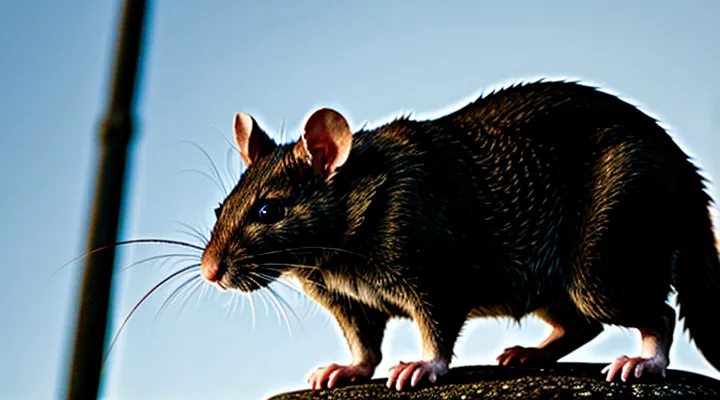
The Rat in Global Mythology and Folklore
Ancient Beliefs and Cultural Perspectives
Eastern Interpretations: Prosperity and Resourcefulness
The rat occupies a prominent position in East Asian totemic systems, where it is consistently linked to material abundance and clever survival tactics. Historical records from China, Japan, and Korea describe the creature as a harbinger of wealth, noting that households associated with the rat often experience heightened financial activity. This connection arises from the animal’s reputation for gathering and storing food, a behavior interpreted as a model for prudent resource management.
Cultural narratives emphasize several traits that translate into practical guidance:
- Strategic accumulation – the rat’s habit of hoarding supplies reflects disciplined saving and investment practices.
- Adaptive ingenuity – ability to navigate confined spaces illustrates flexible problem‑solving and rapid response to changing market conditions.
- Social networking – communal foraging habits suggest the value of building and maintaining extensive trade relationships.
In traditional folklore, the rat’s appearance at the start of a new lunar year signals an auspicious period for launching enterprises. Rituals frequently involve offerings that honor the animal’s spirit, aiming to secure its favor for prosperous ventures. Literary works from the Tang dynasty onward portray the rat as a cunning figure whose success stems from foresight and efficient use of limited resources.
Modern interpretations maintain these themes, applying the rat’s symbolism to contemporary financial planning, entrepreneurship, and sustainability initiatives. By emulating the creature’s resourcefulness, individuals and organizations can enhance resilience, optimize asset allocation, and achieve consistent growth.
Western Perceptions: Cautionary Tales and Pestilence
Western folklore frequently casts the rat as a warning symbol, linking its presence to disease and social disruption. Early colonial narratives portrayed rats as carriers of plague, reinforcing their reputation as harbingers of mortality. These accounts contributed to a persistent association between the animal and the spread of contagion, shaping collective attitudes across Europe and North America.
Literature and oral tradition amplify this cautionary image through recurring motifs:
- Tales of hidden infestations that devastate grain stores, illustrating vulnerability to famine.
- Legends of plague‑bearing rodents arriving aboard ships, serving as allegories for foreign threats.
- Moral fables in which a deceitful rat betrays trust, underscoring the danger of hidden treachery.
In symbolic analysis, the rat functions as a totemic embodiment of excess and decay. Its adaptability and rapid reproduction mirror unchecked growth, while its nocturnal habits evoke secrecy and unseen danger. Consequently, the animal appears in artistic representations as a visual shorthand for impending crisis.
Contemporary media retain these themes, employing rat imagery to critique urban neglect, environmental degradation, and the spread of new pathogens. The enduring cautionary narrative demonstrates how Western cultures continue to interpret the rat’s presence as a signal for vigilance against hidden hazards.
Core Symbolic Attributes of the Rat Totem
Adaptability and Resilience
Survival Instincts and Urban Environments
The rat, recognized as a spirit guide in many indigenous traditions, embodies a suite of survival mechanisms that thrive within densely built landscapes. Its reputation rests on observable behaviors rather than abstract symbolism, making it a practical model for navigating urban complexity.
Key survival traits include:
- Rapid reproductive cycles that ensure population continuity despite high mortality.
- Omnivorous diet capable of extracting nutrition from refuse, discarded food, and organic detritus.
- Keen spatial memory enabling efficient navigation of sewer systems, subways, and building interiors.
- Highly social colonies that share information about resources and threats through scent and vocal cues.
- Nocturnal activity patterns that reduce exposure to human activity and predation.
These adaptations translate directly to city life. Rats exploit the constant flow of waste, infiltrate ventilation shafts, and use underground tunnels to bypass surface obstacles. Their ability to thrive in cramped, polluted, and ever‑changing environments mirrors the challenges faced by human residents who must adjust to fluctuating housing conditions, unpredictable resource availability, and pervasive surveillance.
Adopting the rat as a totem animal encourages a mindset focused on flexibility, opportunism, and discreet movement. Practitioners can draw lessons on maintaining low‑profile resilience, leveraging marginal resources, and fostering cooperative networks that enhance collective survival in metropolitan settings.
Navigating Challenges and Overcoming Adversity
The rat, when regarded as a totem, embodies resourcefulness and relentless adaptation. Its mythic image conveys an instinct for survival that thrives on limited means and constant change.
These qualities translate directly into strategies for confronting difficulty. The totemic rat demonstrates how to locate hidden opportunities, reconfigure plans when obstacles appear, and maintain momentum despite scarcity. Its behavior illustrates a preference for swift assessment over prolonged deliberation, enabling rapid response to shifting conditions.
When adversity intensifies, the rat’s symbolism offers a blueprint for recovery. It stresses the value of strategic withdrawal, temporary disengagement to reassess, and subsequent re‑engagement with revised tactics. The creature’s capacity to rebuild nests from discarded material mirrors the human ability to reconstruct goals from fragmented resources.
Practical implications:
- Continuously scan the environment for overlooked assets.
- Prioritize flexible methods over rigid structures.
- Embrace brief retreats to gather information before advancing.
- Convert setbacks into data for iterative improvement.
By internalizing these rat‑derived principles, individuals can navigate complex challenges and convert adversity into sustained progress.
Intelligence and Cunning
Problem-Solving Abilities
The rat, revered as a totem, embodies sharp analytical instincts that translate into effective problem‑solving. Its survival strategy relies on quick assessment of complex environments, enabling rapid identification of threats and resources. This adaptive mindset mirrors the cognitive processes required for dissecting intricate challenges and devising practical solutions.
Key aspects of the rat’s problem‑solving repertoire include:
- Persistent exploration of hidden pathways to locate optimal outcomes.
- Flexible restructuring of plans when obstacles appear, reflecting an ability to pivot without losing momentum.
- Utilization of limited resources through inventive manipulation, demonstrating efficiency under constraints.
- Collaborative signaling with conspecifics to share information, illustrating the value of collective intelligence in resolving difficulties.
When the rat appears as a guiding symbol, it encourages individuals to cultivate a mindset that prioritizes observation, adaptability, and resourcefulness. Embracing these traits fosters decisive action and enhances the capacity to navigate unpredictable scenarios.
Strategic Thinking and Quick Wit
The rat, when regarded as a spiritual emblem, embodies a mindset built on foresight and nimble intellect. Its natural tendency to assess environments, secure supplies, and anticipate obstacles translates into a model of strategic planning that emphasizes efficiency and risk mitigation.
Strategic thinking manifested by the rat includes:
- Mapping routes to avoid predators, reflecting deliberate path selection.
- Storing surplus food, illustrating preparation for future scarcity.
- Exploiting narrow passages, demonstrating the use of limited resources to gain advantage.
Quick wit appears in the rat’s capacity for rapid adaptation. It reacts to sudden threats with immediate, inventive responses, such as:
- Switching escape routes the moment a blockage emerges.
- Employing objects in the surroundings as temporary tools.
- Communicating alerts to conspecifics through concise vocalizations.
Collectively, these behaviors illustrate how the rat totem serves as a template for individuals seeking to cultivate calculated foresight and agile problem‑solving in complex situations.
Fertility and Abundance
Prolific Nature and Growth
The rat, when regarded as a totem, embodies an intense capacity for multiplication and development. Its biological profile features a gestation period of approximately three weeks, litters ranging from six to twelve offspring, and the ability to breed year‑round under favorable conditions. This reproductive efficiency translates into a symbolic association with abundance and continual renewal.
In spiritual practice, the rat’s rapid life cycle serves as a model for personal expansion. Its instinct to seek out food and shelter mirrors the drive to acquire knowledge and resources, encouraging practitioners to pursue growth even in constrained environments. The animal’s agility in navigating tight spaces reflects an inner flexibility that supports ongoing evolution.
Key characteristics that illustrate the rat’s prolific nature and growth:
- Short reproductive cycle enabling multiple generations within a single year.
- High offspring count per litter, ensuring population resilience.
- Adaptability to diverse habitats, from sewers to fields, demonstrating environmental versatility.
- Persistent foraging behavior, symbolizing relentless pursuit of sustenance and opportunity.
By aligning with this totem, individuals are reminded to cultivate a mindset of continual reproduction of ideas, skills, and ambitions, fostering sustained personal and communal advancement.
Opportunities and New Beginnings
The rat, revered as a spirit guide in many traditions, embodies resourcefulness, swift movement, and acute perception. Its presence in totemic practice signals an environment where hidden possibilities surface and quick decisions yield results.
When the rat appears as a totem, it marks a period ripe for initiative. Its instinct for finding nourishment in scarce settings translates into an invitation to identify undervalued assets and convert them into tangible gains. The animal’s ability to navigate complex networks mirrors the strategic planning needed to capitalize on emerging markets or personal projects.
New cycles align with the rat’s seasonal emergence. Its habit of nesting after periods of scarcity reflects the commencement of fresh endeavors following a phase of restraint. The totem encourages the establishment of solid foundations, emphasizing preparation and adaptability as prerequisites for sustainable growth.
Practical applications:
- Conduct a rapid inventory of current resources; isolate elements with untapped potential.
- Initiate small‑scale experiments that test unconventional ideas, mirroring the rat’s exploratory behavior.
- Adopt flexible routines that allow swift adjustments when opportunities shift.
- Cultivate networks that facilitate information flow, echoing the animal’s proficiency in navigating intricate pathways.
The Rat Totem in Spiritual Contexts
Guidance and Messages
Intuition and Hidden Knowledge
The rat, when embraced as a totem, embodies acute intuition and access to concealed knowledge. Its natural vigilance translates into a heightened sensitivity to subtle cues, allowing the bearer to perceive patterns hidden from ordinary awareness. This capacity fosters rapid insight into complex situations, guiding decisions before events fully unfold.
Key aspects of the rat’s intuitive symbolism include:
- Perceptive awareness – constant scanning of the environment for minute changes.
- Memory of hidden pathways – retention of routes and information overlooked by others.
- Adaptable cognition – flexible thinking that uncovers solutions in unexpected places.
By aligning with the rat’s totemic energy, individuals cultivate an inner compass that directs attention toward unspoken truths and latent possibilities, thereby enhancing personal and collective understanding.
Shadow Work and Facing Fears
The rat, when regarded as a spirit guide, embodies survival, resourcefulness, and the willingness to explore concealed environments. These traits mirror the objectives of shadow work, which demands attention to aspects of the psyche that remain out of ordinary awareness.
Shadow work involves systematic examination of suppressed emotions, limiting beliefs, and unresolved trauma. The process requires confronting fear directly, observing its origins, and integrating the insight gained into conscious behavior. Failure to address these elements often results in repetitive patterns that undermine personal growth.
The rat’s instinct to navigate tight, dark passages provides a metaphor for entering the inner labyrinth of fear. Its capacity to thrive in marginal conditions illustrates how embracing discomfort can reveal hidden strengths. By aligning with the rat’s energy, individuals can cultivate courage to examine uncomfortable memories and dismantle the power structures that sustain anxiety.
Practical application of rat totem symbolism in shadow work:
- Identify a fear that feels “invisible” or avoided; visualize the rat moving through the same darkness.
- Journal specific moments when the fear surfaces, noting bodily sensations and thought patterns.
- Conduct a brief meditation, inviting the rat’s resourcefulness to guide you toward a solution or new perspective.
- After each session, record any shift in emotional intensity, reinforcing the link between the totem’s attributes and your progress.
Connection to the Underworld and Transformation
Cycles of Life, Death, and Rebirth
Rats embody the perpetual rhythm of existence, illustrating how vitality emerges from decay and returns anew. Their rapid reproduction mirrors the surge of life, while their capacity to thrive in waste underscores the transition from death to regeneration. Observations across cultures reveal that the rat’s nocturnal foraging corresponds to the hidden phases of growth, where unseen processes prepare the ground for future emergence.
Key aspects of the rat’s symbolic cycle include:
- Prolific renewal: each female can produce multiple litters annually, illustrating continuous creation.
- Adaptation to loss: survival in environments marked by scarcity demonstrates transformation of decline into opportunity.
- Seasonal migration: movements toward stored food stores during colder periods reflect withdrawal before rebirth in warmer seasons.
Mythic narratives often assign the rat the role of messenger between realms, conveying that endings are not terminus but a conduit for subsequent beginnings. Archetypal stories from East Asian traditions describe the rat as the first creature to awaken at dawn, heralding the transition from night’s silence to daylight’s vigor, a metaphor for rebirth after darkness.
In practical terms, the rat’s behavior offers a model for recognizing the interdependence of life phases. By observing their cycles, one can infer that decay fuels growth, mortality fuels regeneration, and the pattern repeats without interruption. This perspective reinforces the understanding that the rat, as a totem, encapsulates the endless loop of existence.
Personal Growth Through Difficult Periods
The rat, revered as a spirit guide, embodies survival, adaptability, and strategic thinking. When life presents obstacles, these qualities become a framework for personal development.
Survival instincts translate into resilience. The animal’s capacity to thrive in cramped, unpredictable environments mirrors the human need to persist despite limited resources. By observing this behavior, individuals learn to maintain momentum when external conditions are hostile.
Adaptability appears in the rat’s habit of exploiting new opportunities. It navigates mazes, discovers hidden pathways, and adjusts its diet to suit availability. This pattern encourages flexible problem‑solving, prompting a shift from rigid expectations to dynamic responses during crises.
Strategic thinking is evident in the creature’s cautious foraging and efficient use of space. It stores food, anticipates scarcity, and coordinates movements to avoid danger. Applying this mindset fosters foresight, prompting proactive planning and risk assessment when confronting personal trials.
Practical applications:
- Identify immediate threats and prioritize actions that protect core stability.
- Reevaluate routines; incorporate small, incremental changes that enhance flexibility.
- Allocate resources—time, energy, finances—in a manner that anticipates future constraints.
- Cultivate networks that provide information and support, mirroring the rat’s communal foraging.
By internalizing these attributes, a person transforms periods of difficulty into catalysts for growth, emerging with heightened endurance, inventive coping mechanisms, and a clearer strategic outlook.
Working with Rat Totem Energy
Embracing Resourcefulness and Innovation
Practical Applications in Daily Life
The rat, when recognized as a totem, conveys traits of adaptability, resourcefulness, and keen observation. Translating these qualities into everyday behavior creates tangible benefits.
First, adaptability can be exercised by maintaining flexibility in routine. When schedules shift, quickly reorganize tasks rather than resisting change. This reduces stress and preserves productivity.
Second, resourcefulness appears in problem‑solving. Identify inexpensive alternatives for common needs—repurposing containers, using leftovers creatively, or selecting multi‑purpose tools. Such practices lower expenses and increase self‑sufficiency.
Third, keen observation improves decision‑making. Allocate brief periods each day to notice patterns in personal habits, work flow, or environmental cues. Recognizing recurring obstacles enables preemptive adjustments before issues escalate.
Practical applications can be organized as follows:
- Financial management: Track small expenditures daily; adjust spending based on observed trends, mirroring the rat’s attentiveness to scarce resources.
- Time allocation: Divide the day into focused intervals, allowing for quick transitions between activities, reflecting the animal’s swift movements.
- Space optimization: Declutter living areas by storing items in compact, accessible ways, emulating the rat’s efficient use of limited space.
- Social interaction: Approach conversations with curiosity, ask clarifying questions, and listen actively, fostering rapport through the rat’s inquisitive nature.
- Health habits: Monitor dietary intake and exercise patterns, making incremental tweaks that align with observed bodily responses.
Implementing these strategies aligns daily conduct with the symbolic lessons of the rat totem, fostering resilience and effectiveness in ordinary circumstances.
Fostering Creativity and Ingenuity
The rat, when regarded as a totemic figure, embodies adaptability, acute perception, and problem‑solving agility. These qualities translate into practical guidance for nurturing creative thought and inventive capacity.
- Observe details: the rat’s sensitivity to subtle changes encourages meticulous attention, a prerequisite for innovative design.
- Embrace resourcefulness: the animal’s ability to repurpose scarce materials illustrates how constraints can spark novel solutions.
- Practice rapid iteration: the rat’s swift movements model a workflow that cycles quickly between experimentation and refinement.
- Leverage communal networks: the species’ social structures demonstrate the value of collaborative brainstorming and shared knowledge.
Integrating these behavioral patterns into daily practice cultivates a mindset that seeks unconventional angles, exploits limited resources, and iterates with speed. The resulting creative environment aligns with the rat’s totemic symbolism, fostering ingenuity that persists across varied disciplines.
Understanding Your Inner Rat
Recognizing Your Strengths and Weaknesses
The rat, when regarded as a totem, embodies adaptability, strategic thinking, and resourcefulness. These traits serve as a mirror for personal capability, highlighting areas where individuals excel and where development is needed.
Observing the rat’s instinct to navigate complex environments reveals a natural propensity for problem‑solving. Recognizing this strength encourages the application of similar tactics in professional and personal challenges. Conversely, the animal’s tendency toward opportunistic behavior can signal a susceptibility to short‑term gain at the expense of long‑term stability; acknowledging this weakness prevents repeating counterproductive patterns.
Practical steps for self‑assessment, aligned with rat symbolism, include:
- Identify situations where swift adaptation produced measurable results; catalog the methods used.
- Examine decisions driven by immediate benefit; evaluate outcomes and long‑term impact.
- Compare personal reaction time to that of the rat’s rapid response to threats; note any delays that hinder effectiveness.
- Establish a feedback loop that measures strategic adjustments, mirroring the rat’s continual reassessment of its surroundings.
Integrating the rat’s symbolic lessons into daily reflection creates a structured framework for balancing innate strengths with identified shortcomings, fostering continuous growth.
Cultivating Adaptability and Perseverance
The rat, revered in many cultural traditions as a spirit guide, embodies swift adaptation to shifting environments and relentless pursuit of goals. Its reputation for navigating cramped spaces and exploiting scarce resources illustrates a model for flexible thinking and sustained effort.
Applying rat symbolism to personal growth emphasizes two core practices:
- Rapid assessment: Observe changes in surroundings, identify emerging opportunities, and adjust strategies within moments.
- Steady persistence: Maintain focus on objectives despite obstacles, mirroring the rat’s habit of repeatedly attempting routes until success is achieved.
Developing these habits requires deliberate actions:
- Routine variation: Alter daily routines weekly to prevent complacency and reinforce mental elasticity.
- Goal segmentation: Break long‑term aims into micro‑tasks, completing each with the same tenacity a rat shows when securing food.
- Resource scouting: Regularly inventory available tools and knowledge, seeking unconventional uses that align with evolving demands.
- Feedback loops: Record outcomes, analyze setbacks, and refine approaches without hesitation.
By internalizing the rat’s adaptive mindset and unyielding drive, individuals cultivate resilience capable of thriving amid uncertainty.