
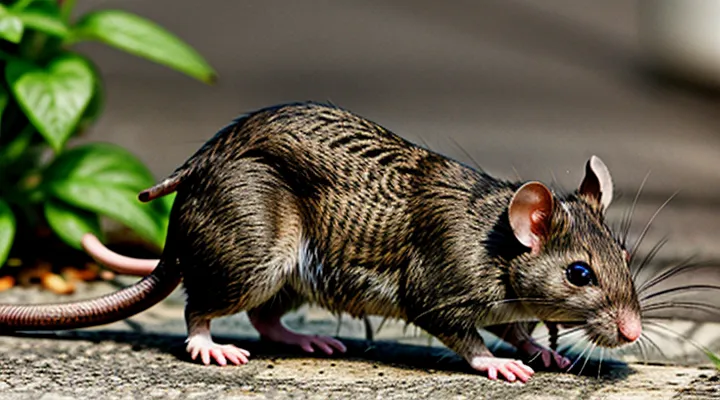
Understanding Rat and Mouse Repellers
Why Repellers are Necessary
Health Risks Posed by Rodents
Rodent infestations create direct health hazards that influence the selection of an effective deterrent system. Species such as rats and mice carry pathogens capable of infecting humans through bites, scratches, urine, and feces. Common illnesses include hantavirus pulmonary syndrome, leptospirosis, salmonellosis, and rat‑bite fever. Contaminated food sources and surfaces can trigger gastrointestinal infections, while airborne particles from droppings may cause respiratory irritation and allergic reactions.
Key health concerns associated with rodents:
- Transmission of viral, bacterial, and parasitic diseases via saliva, urine, and feces.
- Contamination of stored food, leading to foodborne illness outbreaks.
- Allergens and endotoxins from droppings and urine that provoke asthma attacks and hypersensitivity.
- Secondary infections from bites or scratches, often requiring medical treatment.
- Indirect risks such as structural damage that encourages mold growth, further compromising indoor air quality.
Evaluating these risks helps determine whether a chemical repellent, ultrasonic device, or trapping system offers the most reliable protection for occupants’ well‑being.
Property Damage Caused by Rodents
Rodents inflict significant damage on structures, utilities, and stored goods. Their incisors gnaw through wood, plastic, and insulation, compromising the integrity of walls, floors, and roofing. Continuous chewing creates entry points for moisture, fostering mold growth and accelerating decay.
Electrical systems suffer when rodents strip wiring insulation. Exposed conductors increase the risk of short circuits, fire hazards, and costly repairs. In commercial settings, compromised wiring can interrupt operations and lead to downtime.
Food storage areas are vulnerable to contamination. Rodent droppings, urine, and saliva introduce pathogens that spoil inventory and may trigger health‑code violations. Structural components such as cabinets and pantry doors often show bite marks that weaken closures and facilitate further intrusion.
Typical manifestations of rodent‑induced property damage include:
- Chewed structural timber and support beams
- Damaged HVAC ducts and insulation
- Stripped electrical wiring and connector pins
- Punctured plastic piping and water lines
- Contaminated food packaging and storage containers
Mitigating these losses depends on selecting an effective deterrent system. Devices that emit ultrasonic frequencies, release scent‑based repellents, or combine motion‑activated shocks address the specific behaviors that lead to gnawing and nesting. The choice of technology should align with the identified damage patterns to prevent recurrence and protect assets.
Types of Rodent Repellers
Ultrasonic Repellers
Ultrasonic devices emit high‑frequency sound waves that are inaudible to humans but cause discomfort to rodents. The emitted tones fluctuate rapidly, creating an environment that rodents perceive as hostile, prompting them to vacate the area.
Effectiveness depends on several factors. Rodents quickly adapt to a single frequency, so devices that cycle through multiple tones maintain deterrent pressure. Coverage area is limited by obstacles; walls, furniture, and dense materials reflect or absorb the waves, reducing reach. Placement near entry points, such as gaps under doors or cracks in foundations, maximizes exposure.
Key considerations when selecting an ultrasonic unit:
- Frequency range: broader ranges disrupt a wider variety of species.
- Programmable cycles: randomization prevents habituation.
- Power source: battery‑operated models offer flexibility; plug‑in units provide continuous operation.
- Warranty and certifications: indicate manufacturer confidence and compliance with safety standards.
Safety aspects are straightforward. The sound level remains below thresholds that affect human hearing or domestic pets when devices are installed according to manufacturer guidelines. However, ultrasonic repellers do not eliminate food sources or structural entry points; they complement, not replace, sanitation and sealing measures.
When comparing ultrasonic options to alternative technologies—such as snap traps, glue boards, or chemical baits—the primary advantage lies in humane, silent operation without direct contact. The downside includes variable success rates in cluttered environments and the need for ongoing monitoring to ensure rodents have not become desensitized. Integrating ultrasonic units with comprehensive pest‑management practices yields the most reliable reduction in rat and mouse activity.
How Ultrasonic Repellers Work
Ultrasonic repellers emit sound waves at frequencies typically between 20 kHz and 65 kHz, a range inaudible to humans but well within the hearing capabilities of rats and mice. The emitted signal is designed to be uncomfortable, prompting the animals to vacate the area.
The device contains piezoelectric transducers that convert electrical energy into high‑frequency acoustic energy. A microcontroller controls the output, often varying frequency and pattern to prevent adaptation. Typical specifications include:
- Frequency range: 20 kHz – 65 kHz
- Power output: 0.5 W – 2 W per transducer
- Modulation: continuous, pulsed, or random sweep
Rodents possess an auditory sensitivity peak around 30 kHz to 40 kHz. Exposure to sustained ultrasonic energy triggers a stress response, causing disorientation and avoidance behavior. The aversive effect relies on the animal’s inability to habituate quickly when the signal changes unpredictably.
Effective coverage depends on line‑of‑sight propagation. Obstacles such as walls, furniture, or dense insulation attenuate the waves, reducing the radius of influence. Placement guidelines recommend mounting devices at a height of 1 m to 1.5 m, oriented toward open pathways, and spacing units no more than 6 m apart in larger spaces.
Limitations include reduced efficacy in environments with high ambient noise at similar frequencies, and potential habituation if the signal remains static. Regularly updating the modulation pattern or integrating multiple devices mitigates these issues.
Pros and Cons of Ultrasonic Repellers
Ultrasonic devices are frequently considered for controlling rats and mice because they emit high‑frequency sound waves that are inaudible to humans but disturbing to rodents.
Advantages
- Immediate activation; devices begin emitting upon plug‑in.
- No chemicals; eliminates risk of poisoning pets, children, or food supplies.
- Maintenance‑free after installation; no refilling or bait replacement.
- Portable models allow placement in multiple locations without structural changes.
Disadvantages
- Effectiveness diminishes as rodents become habituated to the frequency, reducing long‑term impact.
- Sound waves attenuate quickly; walls, furniture, and flooring limit coverage area, often requiring several units for full‑house protection.
- Some species, particularly larger rats, show limited sensitivity to ultrasonic frequencies.
- Devices rely on constant power; outages or unplugging render them inactive.
When evaluating rodent control options, weigh the rapid, chemical‑free action against the limited range, potential habituation, and dependence on uninterrupted electricity. The decision should reflect the specific layout, target species, and willingness to supplement ultrasonic units with additional methods if necessary.
Electromagnetic Repellers
Electromagnetic repellers generate high‑frequency magnetic fields that disrupt the nervous systems of rodents, causing discomfort and encouraging them to vacate the area. The devices consist of a coil powered by an alternating‑current source; the emitted field penetrates walls, ceilings, and floors, reaching hidden nesting sites without direct contact.
Key operational characteristics include:
- Frequency range typically between 10 kHz and 30 kHz, selected to target rodent sensory receptors while remaining inaudible to humans.
- Continuous or timed emission modes, allowing energy savings and adaptation to occupancy schedules.
- Installation requirements limited to a power outlet and mounting surface; no chemicals, traps, or maintenance of bait stations.
Advantages of electromagnetic technology:
- Eliminates risk of poison exposure to pets, children, or wildlife.
- Provides silent, odorless operation, suitable for residential, commercial, and food‑processing environments.
- Reduces need for periodic trap checking and disposal, lowering labor costs.
Limitations to consider:
- Effectiveness diminishes in large, open spaces where field strength drops beyond a few meters.
- Rodents may acclimate over extended exposure, potentially reducing deterrence after several weeks.
- Devices do not address existing infestations; they function as a preventive or supplemental measure.
When evaluating options for rodent control, assess the target area’s size, construction materials, and occupancy patterns. Electromagnetic repellers are most appropriate for confined zones such as basements, storage rooms, or interior sections of warehouses where the magnetic field can maintain sufficient intensity. For expansive or heavily infested sites, combine electromagnetic units with physical barriers or trapping systems to achieve comprehensive management.
How Electromagnetic Repellers Work
Electromagnetic rodent deterrents generate a high‑frequency magnetic field that interferes with the nervous system of rats and mice. A coil, powered by an alternating current source, produces a rapidly changing flux; the resulting electromagnetic radiation penetrates the animal’s body and induces abnormal neuronal firing, causing discomfort that prompts the creature to vacate the area.
Key operational elements include:
- Power supply – delivers a stable voltage to maintain the required frequency, typically between 10 kHz and 100 kHz.
- Coil assembly – windings of insulated copper wire create the magnetic field; coil geometry determines the coverage radius.
- Control circuitry – regulates frequency and amplitude, ensuring the field stays within safety limits for humans and pets while remaining effective against rodents.
The device’s effectiveness depends on field strength, placement, and the duration of exposure. Proper installation near entry points maximizes coverage, while continuous operation sustains the repellent effect without the need for chemical agents.
Pros and Cons of Electromagnetic Repellers
Electromagnetic repellers generate high‑frequency magnetic fields that interfere with the nervous system of rodents, prompting them to leave the treated area. The technology is often marketed as a non‑chemical alternative for indoor and outdoor use.
Advantages
- No toxic substances; safe for humans, pets, and food storage.
- Continuous operation without the need for periodic re‑application.
- Minimal maintenance; devices typically require only power supply checks.
- Silent and invisible; no audible alarms or visible deterrents.
- Compatible with other control methods, allowing integrated pest‑management strategies.
Disadvantages
- Effectiveness varies with species, age, and exposure duration; some rodents may become habituated.
- Limited range; coverage often restricted to a few meters, requiring multiple units for large spaces.
- Dependence on reliable electricity; power outages render devices inactive.
- Initial cost higher than conventional traps or bait stations.
- Lack of immediate physical evidence of activity, making performance assessment difficult.
When evaluating electromagnetic options, consider the size of the target area, availability of power, budget constraints, and the need for a chemical‑free solution. Balancing these factors determines whether the technology aligns with specific rodent‑control objectives.
Scent-Based Repellers
Scent‑based repellents rely on odorants that rodents find intolerable. Common active ingredients include peppermint oil, eucalyptus, ammonia, and predator urine extracts. These substances create an environment that discourages entry and nesting without physical traps.
Effectiveness depends on concentration, coverage area, and species sensitivity. Rats generally tolerate stronger odors than mice, so formulations targeting rats often contain higher percentages of active compounds. Mouse‑specific products may use milder scents but require more frequent reapplication.
Advantages
- Non‑lethal, suitable for households with pets or children
- Simple application: spray, plug‑in, or sachet placement
- Minimal maintenance after initial deployment
Limitations
- Volatile compounds dissipate within weeks, demanding regular renewal
- Limited success in severe infestations where food sources dominate
- Potential for habituation; rodents may become less responsive over time
Optimal deployment involves positioning repellents along known travel routes, near entry points, and in concealed storage areas. Combining scent deterrents with sanitation measures—sealing food containers, eliminating clutter, and repairing structural gaps—enhances overall control. For persistent problems, integrate scent devices with mechanical traps or professional exclusion strategies to achieve comprehensive management.
Natural Scent Repellents
Natural scent repellents rely on volatile compounds that rodents find unpleasant. Common agents include peppermint oil, eucalyptus, citronella, and clove. Each emits a strong odor that interferes with the animal’s olfactory receptors, reducing the likelihood of entry and habitation.
- Peppermint oil: high menthol concentration, short‑term deterrent, requires reapplication every 2–3 days.
- Eucalyptus oil: contains eucalyptol, effective in enclosed spaces, volatile for up to a week.
- Citronella: blends citronellal and geraniol, works best on outdoor perimeters, dissipates quickly under rain.
- Clove oil: rich in eugenol, strong irritant, suitable for small cracks and crevices.
Application methods involve soaking cotton balls, spraying diluted solutions, or embedding scented sachets in target areas. Concentrations typically range from 10 % to 25 % essential oil mixed with water or carrier oil; higher percentages may cause surface damage or irritate humans and pets.
Effectiveness depends on environmental factors. High ventilation, heavy rain, or frequent cleaning diminish scent persistence, demanding more frequent treatment. Rodents can habituate to low‑intensity odors; rotating between different scents mitigates adaptation. Natural repellents do not provide physical barriers, so pairing them with sealing entry points and traps yields comprehensive control.
Safety considerations include avoiding direct skin contact with undiluted oils, storing solutions away from children, and ensuring pets are not exposed to concentrated vapors. Regulatory guidelines classify most essential oils as non‑toxic at recommended dilutions, yet prolonged inhalation may cause respiratory irritation.
In summary, natural scent repellents offer a chemical‑free option for deterring rats and mice, best employed as part of an integrated management plan that includes exclusion techniques and monitoring.
Chemical Scent Repellents
Chemical scent repellents rely on volatile compounds that create an olfactory environment unfavorable to rodents. Common active ingredients include phenols, ammonia, peppermint oil, and capsaicin derivatives. These substances trigger sensory irritation or aversion, prompting rats and mice to vacate treated areas.
Effectiveness hinges on concentration, delivery method, and persistence. Aerosol sprays provide rapid coverage but dissipate within hours, requiring frequent reapplication. Granular formulations embed the scent in a matrix, releasing it slowly over several days. Liquid concentrates diluted with water allow targeted application on surfaces, cracks, and entry points.
Safety considerations involve toxicity to non‑target species and humans. Phenolic compounds can cause skin irritation and respiratory discomfort; proper protective equipment and ventilation are mandatory during application. Natural oils such as peppermint present lower toxicity but may degrade quickly under sunlight, reducing longevity.
Advantages of chemical scent repellents:
- Immediate odor impact
- Simple DIY preparation
- Compatibility with existing pest‑management programs
Limitations:
- Short residual activity for many formulations
- Potential habituation if rodents become desensitized
- Need for regular monitoring and re‑treatment
When selecting a repellent, evaluate the target environment (indoor vs. outdoor), required duration of control, and regulatory restrictions on active ingredients. Integrating scent repellents with physical barriers or trapping systems typically yields more reliable rodent suppression.
Pros and Cons of Scent-Based Repellers
Scent-based repellents rely on strong odors to deter rats and mice without physical contact. They are commonly deployed as liquid sprays, granules, or impregnated pads placed near entry points, food storage, or nesting areas.
Advantages
- Immediate odor release creates an environment rodents avoid.
- Non‑lethal method aligns with humane pest‑control policies.
- Easy application; most products require no tools or professional installation.
- Low visibility; devices blend with existing infrastructure, reducing visual clutter.
- Minimal risk of structural damage compared with traps or poisons.
Disadvantages
- Effectiveness diminishes as odor dissipates; frequent re‑application necessary.
- Some species develop tolerance, reducing long‑term impact.
- Strong scents may affect humans or pets, causing discomfort or respiratory irritation.
- Limited reach; odors do not penetrate deep wall voids or hidden cavities.
- Regulatory restrictions on certain chemicals can limit product availability.
When evaluating scent-based solutions, consider the size of the infested area, the presence of non‑target animals, and the required maintenance schedule. For short‑term, localized problems, scented pads or sprays provide rapid deterrence. In extensive or chronic infestations, the need for regular replenishment and potential habituation may favor alternative methods such as ultrasonic devices or bait stations. Balancing immediate efficacy against ongoing labor and safety constraints determines whether a scented repellent fits the overall rodent‑control strategy.
Electronic Traps and Zappers
Electronic traps and zappers are devices that eliminate rodents through high‑voltage shock. A battery‑ or mains‑powered circuit delivers an instantaneous discharge when an animal completes the circuit, causing immediate incapacitation. The technology eliminates the need for poison, reduces secondary exposure, and provides a visible confirmation of a kill.
Key operational features include:
- Voltage range: 2,000–10,000 V, sufficient to affect both rats and mice.
- Trigger mechanism: Infrared or pressure sensors detect entry, then release the charge.
- Power source: Rechargeable lithium‑ion batteries for portable units; AC adapters for stationary models.
- Safety interlocks: Protective shields prevent accidental discharge to humans or pets.
Advantages:
- Immediate result, no waiting period for toxin to act.
- Minimal odor, suitable for food‑handling areas.
- Reusable; eliminates ongoing purchase of bait.
Limitations:
- Initial cost higher than traditional snap traps.
- Effectiveness declines if the animal avoids the sensor zone.
- Requires regular cleaning to maintain conductivity.
- Potential legal restrictions in jurisdictions that limit high‑voltage devices.
Selection criteria depend on the target species and environment. Rats, with larger body mass, respond reliably to higher voltage settings, while mice may require lower thresholds to avoid premature avoidance. Indoor settings benefit from models with sealed chambers to contain debris; outdoor use demands weather‑proof enclosures and UV‑resistant casings.
Maintenance involves disassembling the unit, removing residual tissue, and inspecting the electrode plates for corrosion. Battery life typically spans 2,000–3,000 cycles before replacement is necessary. Proper documentation of kills satisfies regulatory requirements for pest‑control reporting.
How Electronic Traps Work
Electronic traps eliminate rodents by delivering a high‑voltage shock that instantly incapacitates the animal. The device contains a capacitor bank that stores electrical energy from a mains supply or a rechargeable battery. When a rodent completes the circuit, the stored charge discharges through its body, causing immediate cessation of activity.
The core components are:
- Power source: Mains adapter or sealed lithium‑ion cell providing consistent voltage.
- Capacitor array: Rapidly charges to several thousand volts; release is controlled by a solid‑state switch.
- Sensing mechanism: Infrared beam, piezoelectric pressure plate, or dual‑sensor array detects the presence and size of the target.
- Safety interlock: Low‑voltage shielding and insulated housing prevent accidental contact by humans or pets.
- Indicator circuit: LED or audible alert confirms a successful strike and prompts trap reset.
Detection systems differentiate rodents from larger animals. Infrared beams measure the interruption duration; a brief blockage indicates a small creature, while a longer interruption triggers a bypass to avoid harming non‑target species. Pressure plates register a specific weight range, typically 30–300 g, matching the mass of rats and mice.
When the sensor validates a target, the controller closes the switch, allowing the capacitor to discharge through the animal’s body. The shock voltage usually exceeds 3,000 V, while the current remains below 10 mA, a level sufficient to cause fatal cardiac arrest in rodents without posing a fire hazard.
Maintenance involves emptying the debris compartment, inspecting the sensor for obstructions, and verifying capacitor health through the built‑in test routine. Replacement batteries or power adapters restore full performance after prolonged use.
Overall, electronic traps provide a rapid, humane, and contact‑free method for rodent control, making them a reliable option within any comprehensive rodent‑deterrent strategy.
Pros and Cons of Electronic Traps
Electronic traps offer a rapid, contact‑free method for controlling rats and mice. They deliver a high‑voltage shock that kills the animal instantly, eliminating the need for handling carcasses or exposure to poison.
Advantages
- Immediate lethality reduces the risk of disease transmission.
- No chemical residues; safe for households with children or pets when properly installed.
- Reusable device lowers long‑term cost compared to disposable baits.
- Timer or motion sensors allow targeted activation, conserving battery life.
- Quiet operation minimizes disturbance in residential or commercial settings.
Disadvantages
- High initial purchase price may deter budget‑conscious users.
- Requires a reliable power source; battery failure can render the unit ineffective.
- Effectiveness depends on proper placement; rodents may avoid poorly positioned units.
- Some species develop trap aversion after repeated exposure, reducing capture rates.
- Disposal of dead rodents still necessary, which may be unpleasant for some owners.
Choosing the Right Repeller
Factors to Consider
Infestation Severity
Infestation severity determines the effectiveness required from a rodent deterrent system. Light activity, such as occasional droppings or a single sighting, may be managed with low‑intensity ultrasonic units that cover a limited area. Moderate presence, indicated by multiple nests, frequent gnawing, or steady droppings, calls for higher‑power devices with broader coverage and, optionally, integrated bait stations. Severe outbreaks, characterized by extensive damage, large populations, and rapid spread across several rooms, demand professional‑grade solutions that combine high‑frequency emitters, strong electromagnetic fields, and continuous operation.
- Light infestation: single‑room coverage, ultrasonic or ultrasonic‑plus‑vibration units, battery‑powered, short deployment.
- Moderate infestation: multi‑room coverage, higher wattage ultrasonic devices, optional bait, plug‑in power source, 24‑hour operation.
- Severe infestation: whole‑house coverage, industrial‑strength emitters, electromagnetic pulse technology, reinforced sealing of entry points, professional installation recommended.
Choosing a repeller aligns with these severity tiers. Selecting a low‑output model for a severe problem yields inadequate control, while deploying an industrial system for a minor issue incurs unnecessary expense and may cause discomfort to occupants. Matching device capacity to infestation level ensures optimal results and cost efficiency.
Area Size and Layout
When evaluating a rodent deterrent, the dimensions of the target area and its configuration determine the appropriate device type and deployment strategy.
Larger, open spaces such as warehouses, garages, or expansive basements require units with greater coverage radii and higher output power. Devices rated for up to 1,500 square feet typically employ ultrasonic or electromagnetic emissions capable of penetrating obstacles and maintaining effectiveness across the full footprint. In contrast, compact rooms, closets, or kitchen cabinets benefit from low‑power models designed for 100–300 square feet; these units fit discreetly and conserve energy while delivering sufficient intensity for short distances.
The layout influences placement density. Environments with multiple walls, partitions, or storage racks create acoustic shadow zones where signal strength diminishes. Mitigation measures include:
- Installing a device near the center of each unobstructed zone.
- Adding secondary units at junctions of adjacent rooms to overlap coverage.
- Positioning emitters at ceiling height to maximize line‑of‑sight propagation.
Outdoor applications introduce additional variables. Ground cover, vegetation, and weather‑proofing requirements reduce effective range. Selecting a weather‑rated model with an extended reach (up to 2,000 square feet) and mounting it on elevated structures—fences, sheds, or poles—ensures consistent exposure to target areas.
Finally, power source considerations align with area size. Large facilities often integrate devices into existing electrical circuits or use dedicated circuits to avoid voltage drop, while small residential spaces can rely on plug‑in units or battery‑operated models for flexibility.
By matching coverage specifications to the physical dimensions and structural characteristics of the space, users can choose a repeller that delivers reliable performance without unnecessary redundancy.
Presence of Pets or Children
When household members include pets or children, the choice of a rodent deterrent must prioritize safety. Devices that emit high‑frequency sound can disturb dogs, cats, and small mammals; some species may experience stress or temporary hearing impairment. Chemical formulations that contain anticoagulants, repellents, or toxic oils present ingestion hazards for toddlers and inquisitive pets. Mechanical traps with exposed springs or snap mechanisms pose bite or pinch risks, especially for children who may reach into baited areas.
Key safety factors:
- Ultrasonic emitters: Verify manufacturer specifications for frequency range; avoid units above 30 kHz, which affect canine hearing. Choose models with automatic shut‑off when motion sensors detect non‑target presence.
- Chemical repellents: Select products classified as non‑toxic to mammals, with clear labeling of active ingredients. Apply only in inaccessible locations, such as crawl spaces or exterior perimeters.
- Physical traps: Prefer live‑capture cages with smooth interiors and secure locking lids. Ensure bait stations are positioned out of reach of children, ideally at heights above 4 ft (1.2 m).
- Electronic bait stations: Use units that require a key‑activated entry, preventing accidental contact. Confirm that the electrical voltage complies with safety standards for domestic environments.
For homes with vulnerable occupants, the most reliable approach combines non‑chemical, low‑frequency ultrasonic devices placed in rooms without pets, and live‑capture cages positioned in concealed, elevated locations. This configuration minimizes direct exposure while maintaining effective rodent control.
Budget Considerations
When evaluating financial constraints for a rodent deterrent system, the first factor is the initial purchase price. Rat‑focused devices often carry a higher upfront cost because they are built to emit stronger ultrasonic frequencies or larger bait stations. Mouse‑specific units tend to be cheaper, reflecting the lower power requirements for smaller pests.
Ongoing expenses form the second consideration. Devices that rely on consumable attractants or replaceable cartridges generate recurring fees. Models that operate solely on electricity or battery power without disposable components minimize long‑term outlays. Battery life and energy consumption directly affect maintenance budgets.
A third element is durability. Products constructed from robust materials withstand harsher environments, extending service life and reducing replacement frequency. Cheaper units may degrade faster, leading to earlier reinvestment.
Finally, assess the cost‑benefit ratio by comparing projected savings from pest damage prevention against total ownership costs. Calculate:
- Purchase price
- Expected lifespan
- Maintenance and consumable costs
- Estimated damage mitigation value
Summing these figures provides a clear financial picture, enabling an informed decision between a rat‑oriented solution and a mouse‑oriented alternative.
Maintenance Requirements
Choosing a rodent deterrent involves more than initial cost; ongoing upkeep determines long‑term effectiveness. Maintenance requirements differ markedly among ultrasonic units, electronic traps, and chemical repellents, influencing labor, schedule, and replacement parts.
Ultrasonic devices operate on battery power or mains electricity. Their upkeep consists of:
- Battery replacement every 6–12 months for battery‑powered models.
- Cleaning speaker grilles quarterly to prevent dust buildup that degrades sound transmission.
- Verifying power connections during each seasonal change to ensure continuous operation.
Electronic traps rely on mechanical components and power sources. Required actions include:
- Inspecting and clearing the killing chamber after each capture to maintain hygiene and prevent odor accumulation.
- Testing the trigger mechanism weekly; replace the spring or sensor if activation force diminishes.
- Recharging or swapping batteries according to manufacturer specifications, typically every 3–4 months.
Chemical repellents, whether granules, sprays, or bait stations, demand periodic renewal. Maintenance steps are:
- Re‑applying granules or sprays after rain or heavy cleaning, generally every 2–4 weeks.
- Rotating bait stations every 30 days to avoid habituation and to keep active ingredients potent.
- Monitoring storage conditions to prevent degradation of volatile compounds.
Overall, devices with moving parts or consumable chemicals require more frequent attention than passive ultrasonic units. Selecting a solution that aligns with available maintenance capacity reduces downtime and preserves rodent‑free environments.
Comparative Analysis of Repeller Types
Effectiveness in Different Scenarios
When evaluating rodent deterrents, effectiveness varies with environment, target species, and duration of exposure.
Indoor environments
- Ultrasonic devices emit frequencies above human hearing; studies show limited impact on established infestations but can reduce new activity in isolated rooms.
- Chemical repellents (e.g., peppermint oil, ammonia) provide short‑term deterrence; effectiveness declines after 24 hours due to volatilization.
- Snap or electric traps deliver immediate mortality; placement near walls and along travel routes maximizes capture rates.
Outdoor and agricultural settings
- Ground‑level bait stations with anticoagulant pellets achieve high mortality when regularly serviced; risk of non‑target poisoning requires secured enclosures.
- Predator‑scent products (fox urine, hawk feathers) produce modest avoidance behavior; effectiveness peaks when refreshed weekly.
- Physical barriers such as metal mesh (¼‑inch aperture) prevent entry into crop rows and storage silos; durability ensures long‑term protection.
Food‑storage facilities
- Sealed containers and airtight lids eliminate attractants; combined with motion‑activated traps, capture success reaches 80 % in monitored trials.
- Electronic pulse devices placed near entry points reduce activity by up to 60 % when powered continuously.
Pet‑friendly zones
- Natural repellents (vinegar, citrus peel) are safe for animals but require frequent reapplication; they deter exploratory behavior without harming pets.
- Low‑frequency emitters calibrated below 20 kHz avoid distress to dogs and cats while remaining audible to rodents.
Overall, selection should align with the specific scenario: traps and bait for high‑infestation zones, ultrasonic or scent‑based solutions for low‑risk areas, and physical barriers for long‑term exclusion.
Safety and Environmental Impact
Safety and environmental impact constitute decisive criteria when selecting a rodent deterrent system.
Human health considerations focus on exposure risks. Ultrasonic units emit sound frequencies beyond human hearing, eliminating direct contact hazards. Chemical repellents introduce volatile compounds that may irritate respiratory passages or cause skin reactions. Mechanical traps present a physical injury risk if mishandled, especially for children. Pet safety varies: ultrasonic devices generally pose no threat to dogs and cats, whereas snap traps can cause accidental injury.
Environmental consequences differ among technologies.
- Ultrasonic emitters consume modest electricity, produce no waste, and do not alter soil or water chemistry.
- Chemical sprays leave residues that can leach into groundwater, affect non‑target insects, and persist in the ecosystem.
- Mechanical traps generate disposable components; plastic or metal parts may contribute to landfill load if not recycled.
Regulatory frameworks often restrict the use of toxic substances, mandating labeling and disposal protocols. Energy‑efficient ultrasonic models comply with low‑power standards, reducing carbon footprint.
Choosing a solution involves balancing immediate efficacy against long‑term ecological stewardship. Preference should be given to methods that safeguard human occupants, protect companion animals, and minimize chemical discharge or waste generation.
Long-Term Cost-Effectiveness
When evaluating the long‑term cost‑effectiveness of devices designed to deter rats versus those targeting mice, focus on three financial dimensions: upfront investment, operating expenses, and replacement frequency.
The initial purchase price varies widely. Ultrasonic units for rats typically cost more than models marketed for mice because they require higher power output and broader frequency ranges. Mechanical traps, whether snap or live‑catch, have lower price tags but may need multiple units to achieve comparable coverage.
Operating costs depend on energy consumption and maintenance. Electric repellents draw continuous power; a rat‑grade unit may consume up to 30 W, translating to roughly $5–$7 per year at average residential rates. Mouse‑oriented devices often operate at half that power level. Mechanical traps incur no electricity cost but require periodic bait and occasional cleaning, adding $2–$4 per year per trap.
Replacement schedules reflect durability and efficacy loss. Ultrasonic emitters lose effectiveness as rodents acclimate, typically necessitating replacement every 12–18 months for rats and every 18–24 months for mice. Mechanical traps maintain function until physical wear occurs, often lasting 3–5 years with proper upkeep.
A concise comparison:
- Upfront cost: Rat ultrasonic unit ≈ $70–$120; Mouse ultrasonic unit ≈ $40–$80; Mechanical traps ≈ $5–$15 each.
- Annual energy cost: Rat unit ≈ $6; Mouse unit ≈ $3.
- Annual maintenance: Bait/cleaning ≈ $3 per trap.
- Replacement interval: Rat unit ≈ 1.5 years; Mouse unit ≈ 2 years; Mechanical trap ≈ 4 years.
Summing these factors, a high‑power rat repeller often yields a higher total cost over five years than a mouse‑focused system, unless the infestation involves large rats that cause significant property damage. In such cases, the higher expense may be offset by reduced repair costs. Decision‑makers should calculate total ownership cost, incorporating energy use, replacement cadence, and potential damage mitigation, to determine which solution delivers the greatest long‑term economic return.
Best Practices for Repeller Placement
Optimal Locations for Ultrasonic Devices
When deploying ultrasonic deterrents against rats and mice, placement determines effectiveness more than device power. The sound waves travel in straight lines and lose intensity when encountering obstacles, so clear line‑of‑sight between the emitter and the target area is essential.
Optimal positions include:
- Interior corners where rodents travel along walls, typically near baseboards or behind cabinets.
- Underneath appliances such as refrigerators, dishwashers, and stoves, where rodents seek shelter and food sources.
- Within concealed spaces like attics, crawl spaces, and wall voids, provided the unit can be mounted at a height of 12–18 inches above the floor.
- Near entry points—gap under doors, utility openings, and vent shafts—where rodents infiltrate the building.
- Adjacent to waste containers, pantry shelves, and food preparation zones to disrupt foraging routes.
Avoid mounting devices behind thick furniture, inside metal enclosures, or on uneven surfaces that block the acoustic field. Secure each unit to a stable surface, keep it at least 6 inches away from walls or large objects, and ensure continuous power supply for uninterrupted operation.
Strategic Placement for Scent-Based Solutions
Effective scent-based deterrents rely on precise positioning to maximize exposure while minimizing waste. Placement must consider rodent pathways, nesting sites, and food sources. Identify high‑traffic routes by observing gnaw marks, droppings, and burrow entrances; install dispensers at each juncture. Position units near wall–floor junctions, as rodents travel close to surfaces. Secure devices in concealed gaps behind appliances, under cabinets, and within crawl spaces where moisture and shelter attract activity.
Key locations include:
- Entry points: gaps around doors, vents, and utility openings.
- Interior corridors: along baseboards and under shelving.
- Storage areas: near grain bins, pantry shelves, and trash receptacles.
- Nesting zones: adjacent to insulation, wall voids, and attic corners.
Maintain a consistent concentration of repellent by spacing units no more than 10–15 feet apart in continuous passages. In open rooms, place a dispenser at each corner to create overlapping scent fields. For outdoor applications, embed devices in the soil at a depth of 2–3 inches, positioned around the perimeter of sheds, compost piles, and garden beds.
Regular inspection ensures functionality. Replace cartridges when scent intensity diminishes, typically after 30–45 days depending on formulation. Rotate units periodically to prevent habituation; shifting positions by a few feet disrupts learned routes and sustains effectiveness. By adhering to these placement principles, scent-based solutions achieve reliable rodent deterrence while reducing the need for multiple product types.
Considerations for Electromagnetic Units
Electromagnetic rodent deterrents rely on specific field characteristics to achieve the desired effect. Selecting a device requires an understanding of the electrical parameters that determine both efficacy and safety.
- Frequency: Low‑frequency (30–50 kHz) fields penetrate deeper into soil and building materials, while higher frequencies (100–200 kHz) concentrate energy near the source, affecting surface‑bound rodents more directly.
- Field strength: Measured in millitesla (mT) or volts per meter (V/m), higher values increase the likelihood of disrupting nervous systems but also raise the risk of interference with nearby electronics.
- Power consumption: Expressed in watts (W), this figure influences operating cost and battery life for portable units.
- Waveform: Continuous sine waves differ from pulsed or square waves in how they interact with animal tissue; pulsed patterns often reduce habituation.
Safety and regulatory compliance hinge on adherence to exposure limits set by agencies such as the International Commission on Non‑Ionizing Radiation Protection (ICNIRP) and local health authorities. Units must stay below the occupational exposure threshold for the chosen frequency, typically documented in milliamperes per kilogram (mA/kg) for specific absorption rate (SAR). Certification labels (e.g., CE, FCC) confirm that emissions meet these standards.
When comparing options, evaluate the match between the device’s electromagnetic specifications and the target environment. Indoor installations benefit from lower frequencies and moderate field strengths to cover enclosed spaces without causing electronic interference. Outdoor or agricultural settings may require higher power output and broader frequency ranges to compensate for open‑area attenuation. Battery‑operated models should prioritize low wattage and efficient waveform designs to extend runtime, whereas mains‑connected units can sustain higher power levels for continuous operation.
In summary, effective rodent repulsion depends on aligning frequency, field strength, power draw, and waveform with safety limits and the physical context of deployment. Careful assessment of these electromagnetic units ensures optimal performance while maintaining regulatory compliance.
Maximizing Repeller Effectiveness
Complementary Rodent Control Methods
Sealing Entry Points
Sealing entry points eliminates the primary route rodents use to access a building, making any repellent system more effective. Identify gaps larger than a quarter‑inch in foundations, walls, doors, windows, and utility penetrations. Inspect exterior siding, roof eaves, and crawl‑space vents for cracks or missing screens.
Choose durable materials matched to the structure:
- Steel wool combined with expanding foam for small holes around pipes.
- Cement‑based mortar or concrete patch for foundation cracks.
- Metal flashing or heavy‑duty mesh for larger openings in siding.
- Weather‑stripping and door sweeps for gaps beneath doors.
Apply sealants after cleaning surfaces to ensure adhesion. Verify that all repairs are airtight; a simple airflow test with a lit incense stick can reveal remaining leaks. Schedule periodic re‑inspection, especially after seasonal temperature changes, to address new gaps caused by settling or weather damage.
By fully securing entry points, the need for high‑intensity electronic or ultrasonic devices diminishes, and the chosen rodent deterrent operates under optimal conditions.
Proper Food Storage
Proper food storage directly influences the effectiveness of any rodent‑deterrent system. Food that is easily accessible encourages rats and mice to remain in an area, rendering even the most powerful repeller redundant. Secure storage eliminates the primary attraction and allows the chosen device to focus on preventing entry rather than battling an established infestation.
Store all dry goods—cereals, grains, pet food, and snacks—in airtight containers made of metal or heavy‑wall plastic. These containers must have sealing mechanisms that prevent even small gnawing damage. Keep containers on shelves rather than on the floor to reduce exposure to chew marks.
Maintain a routine of cleaning and waste management:
- Remove food residues from countertops, floors, and appliances after each use.
- Dispose of garbage in bins equipped with tight‑fitting lids; empty them regularly.
- Clean pantry shelves with a mild detergent and dry thoroughly before restocking.
Limit the presence of spillage by using trays under feeders and by checking for crumbs after meals. Rotate stock to use older items first, preventing spoilage that can emit odors attractive to rodents.
When evaluating rodent‑deterrent options, consider devices that complement these storage practices. Ultrasonic emitters, for example, work best in environments where food sources are sealed, while bait stations become unnecessary if food is inaccessible. Proper storage thus reduces reliance on chemical or electronic measures and enhances overall pest‑control outcomes.
Regular Cleaning and Sanitation
Consistent cleaning eliminates food residues, water sources, and shelter that draw rats and mice, directly lowering the likelihood of infestation. Removing spilled grains, storing waste in sealed containers, and promptly repairing leaks deprive rodents of the conditions they seek.
Key sanitation actions:
- Sweep and mop floors daily to clear crumbs and droppings.
- Empty trash bins weekly, use lids, and line with sturdy bags.
- Clean behind appliances and under furniture monthly to expose hidden debris.
- Sanitize pet feeding areas after each use; rinse bowls with hot water.
- Inspect and seal entry points—gaps around pipes, vents, and doors—during routine maintenance.
When evaluating deterrent devices, consider that a clean environment enhances their effectiveness. Ultrasonic emitters, chemical repellents, and trap systems rely on the absence of competing attractants; otherwise, rodents may ignore the deterrent and focus on available food or shelter. Maintaining sanitation therefore complements any chosen repellent, ensuring the overall strategy remains reliable.
Troubleshooting Common Repeller Issues
When Repellers Seem Ineffective
When electronic or ultrasonic devices fail to deter rodents, the problem often lies in one or more of the following factors.
- Incorrect placement: devices positioned too far from entry points or nesting sites lose efficacy.
- Inadequate coverage: a single unit cannot protect a large or compartmentalized area.
- Species tolerance: some rats and mice become desensitized to specific frequencies.
- Environmental interference: dense furnishings, walls, or ambient noise can block ultrasonic waves.
Assessing the installation site resolves many issues. Verify that the unit faces open space, avoid obstacles that reflect sound, and ensure the power source remains stable. Replace batteries promptly; low voltage reduces output intensity.
If adjustments do not improve results, combine methods to create a multi‑layered defense.
- Seal gaps, cracks, and utility openings with steel wool or caulk.
- Deploy bait stations or snap traps in high‑traffic zones, following local regulations.
- Use scent‑based repellents (e.g., peppermint oil or predator urine) as supplemental deterrents.
- Consider professional extermination services for severe infestations.
Documenting changes and monitoring rodent activity for at least two weeks provides measurable feedback. Persistent presence after comprehensive measures indicates the need for expert evaluation.
Addressing Power and Placement Problems
When evaluating devices that deter rodents, power source and installation location determine effectiveness. Battery‑operated units provide flexibility but require regular replacement; their runtime varies from 200 hours for low‑output models to over 1,000 hours for high‑capacity designs. Plug‑in systems deliver continuous energy, eliminating maintenance cycles, yet they depend on proximity to an outlet and may be unsuitable for outdoor use without weather‑proofing.
Placement influences coverage and safety. Effective zones extend roughly 30 feet from ultrasonic emitters; positioning the device near entry points—such as gaps under doors, basement vents, or crawl‑space openings—maximizes exposure. For electric models, avoid humid areas and ensure cords do not create tripping hazards. Ultrasonic units should not be placed directly on hard surfaces that reflect sound; mounting on a wall at a 45‑degree angle spreads waves more evenly.
Key considerations:
- Power type: battery vs. mains; assess replacement frequency versus uninterrupted operation.
- Runtime: compare advertised hours; higher wattage typically yields longer coverage.
- Location constraints: indoor vs. outdoor, distance from power outlet, exposure to moisture.
- Coverage radius: match device output to room size; multiple units may be needed for large spaces.
- Safety: verify compliance with electrical standards, especially for plug‑in models.
Choosing a solution that aligns with the available power infrastructure and the specific layout of the target area resolves the most common performance issues. Devices that combine reliable energy delivery with strategic placement deliver consistent deterrence and reduce the likelihood of rodent re‑infestation.
Future Trends in Rodent Repellent Technology
The market for rodent deterrents is shifting toward integrated, data‑driven solutions that combine multiple mechanisms to achieve higher efficacy and lower environmental impact.
Advances in sensor technology enable real‑time monitoring of rodent activity. Devices equipped with infrared, acoustic, and vibration detectors can differentiate species, size, and movement patterns, then trigger targeted responses such as ultrasonic pulses or localized release of repellents. This precision reduces unnecessary exposure for non‑target animals and humans.
Materials science contributes biodegradable and nanostructured coatings that emit controlled pheromone blends. By mimicking natural predator scents, these coatings disrupt rodent communication without relying on chemicals that accumulate in ecosystems. Nanoparticle carriers allow gradual release over months, extending product lifespan.
Artificial intelligence algorithms analyze data collected from distributed sensor networks. Predictive models forecast infestation hotspots, informing proactive deployment of deterrents and optimizing maintenance schedules. Cloud‑based platforms also facilitate remote management of large facilities, reducing labor costs.
Energy efficiency improvements are evident in solar‑powered units and ultra‑low‑power ultrasonic emitters. Hybrid systems combine renewable energy with battery backup, ensuring continuous operation during power outages.
Key emerging trends include:
- Multi‑modal devices that blend ultrasonic, electromagnetic, and chemical deterrents.
- Smart networking of sensors and actuators for coordinated area coverage.
- Biodegradable, pheromone‑based coatings with extended release profiles.
- AI‑driven analytics for predictive infestation management.
- Renewable‑energy integration for autonomous, off‑grid operation.
These developments promise more selective, sustainable, and scalable approaches to managing rat and mouse populations, guiding future purchasing decisions toward technology that delivers measurable results while minimizing ecological footprints.