
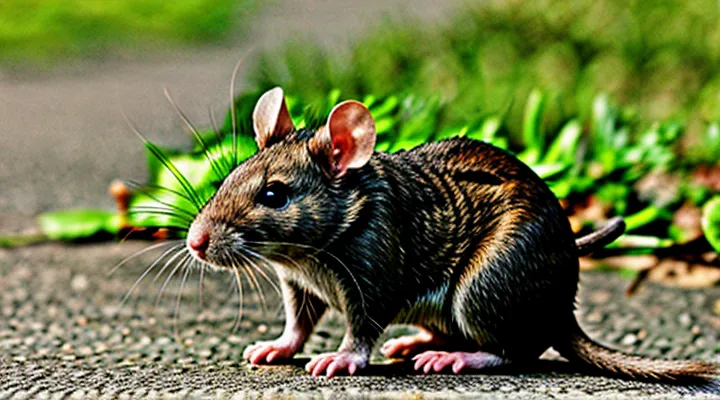
Overview of Rats
Classification and Taxonomy
Rats belong to the order Rodentia, a group distinguished by continuously growing incisors that require constant gnawing. Within this order, they are placed in the family Muridae, the largest rodent family, characterized by a specific dental formula and a diverse range of ecological adaptations.
The taxonomic hierarchy for the common rat is as follows:
- Kingdom: Animalia – multicellular eukaryotes with heterotrophic metabolism.
- Phylum: Chordata – organisms possessing a notochord at some developmental stage.
- Class: Mammalia – warm‑blooded vertebrates with hair and mammary glands.
- Order: Rodentia – mammals with a single pair of continuously growing incisors in each jaw.
- Family: Muridae – includes true mice, rats, and related species, defined by skull morphology and molar patterns.
- Subfamily: Murinae – a subdivision that groups genera with similar cranial and auditory features.
- Genus: Rattus – characterized by robust bodies, long tails, and a high degree of adaptability to human environments.
- Species: Rattus norvegicus (Norwegian rat) and Rattus rattus (Black rat) are the most widely recognized members, each with distinct geographic distributions and behavioral traits.
Molecular analyses of mitochondrial DNA and nuclear genes have refined the phylogenetic placement of Rattus within Murinae, confirming its close relationship to other genera such as Mus and Apodemus. These genetic studies support the monophyly of the genus and clarify evolutionary divergence times, indicating that the major rat lineages separated during the late Miocene to early Pliocene epochs.
Taxonomic revisions continue as new fossil discoveries and genomic data reveal additional subspecies and cryptic diversity. Accurate classification remains essential for epidemiological research, pest management, and conservation efforts, ensuring that each taxon is correctly identified and its ecological role properly understood.
Physical Characteristics
Size and Weight
Rats display considerable variation in body dimensions across species and environments. An adult brown rat (Rattus norvegicus) typically measures 20–25 cm from snout to the base of the tail, with a tail length of 18–25 cm and a mass ranging from 250 g to 500 g. The black rat (Rattus rattus) is smaller, averaging 16–20 cm in body length, a tail that exceeds the body length, and a weight of 150–250 g. Laboratory strains, bred for research, commonly reach 300–400 g and exhibit a body length of 18–22 cm with a proportionally shorter tail. Juvenile individuals of both species weigh less than 50 g and grow rapidly during the first two months of life.
Key measurements:
- Brown rat: 20–25 cm body, 18–25 cm tail, 250–500 g.
- Black rat: 16–20 cm body, tail longer than body, 150–250 g.
- Laboratory rat: 18–22 cm body, 15–20 cm tail, 300–400 g.
- Juveniles (both species): under 50 g, body length under 10 cm.
Fur and Coloration
Rats possess a short, dense coat that provides thermal insulation and protection against mechanical injury. The fur consists of a soft underlayer of down hairs and a coarser outer layer of guard hairs, creating a composite structure that balances heat retention with abrasion resistance. Seasonal molting occurs in many species, with increased shedding in warmer months to prevent overheating.
Coloration in rats exhibits considerable genetic variability. Pigmentation results from melanin distribution, producing a range of hues from light tan to deep brown and black. Specific patterns include:
- Uniform coloration across the body
- Banded or striped markings along the dorsal line
- Piebald patches combining darker and lighter fur
These patterns serve as camouflage within diverse habitats, from urban sewers to agricultural fields. Geographic populations often display characteristic color trends that reflect local environmental pressures and breeding histories.
Tail and Limbs
The tail of a rat is a flexible, hair‑covered extension of the vertebral column, typically measuring 15–20 cm in a 20‑cm body. Its musculature and vertebral articulation permit rapid lateral movements, enhancing balance during rapid runs and vertical climbs. The tail also serves thermoregulatory functions: peripheral blood vessels dilate or constrict to release or retain heat, respectively. Additional roles include:
- Signal transmission through vibrissal contact, allowing the animal to detect obstacles when navigating narrow passages.
- Storage of glycogen reserves, providing a modest energy buffer during periods of food scarcity.
Rats possess four well‑developed limbs. The forelimbs feature five digits with a pronated wrist, enabling precise manipulation of objects, grooming, and food handling. Muscular arrangement includes the flexor and extensor groups that generate powerful grip forces. Hindlimbs exhibit elongated metatarsals and robust gastrocnemius muscles, delivering strong propulsive thrust for jumping and sprinting. Limb characteristics support:
- Quadrupedal locomotion with a duty factor that adjusts for speed, allowing swift transitions between walking, trotting, and galloping.
- Climbing ability facilitated by sharp, retractable claws and a high degree of joint articulation.
- Digging behavior driven by strong forelimb musculature and specialized incisors that work in concert to excavate substrate.
Together, the tail and limbs provide the rat with a versatile locomotor and sensory system, essential for survival in diverse environments.
Dentition and Jaw Structure
Rats possess a specialized dentition that supports their omnivorous diet and constant gnawing behavior. The dental formula is 1/1 incisors, 0/0 canines, 0/0 premolars, and 3/3 molars, reflecting the absence of canines and premolars.
The incisor pair is characterized by continuous eruption. Enamel coats only the labial (front) surface, while dentin forms the lingual (back) surface, creating a self-sharpening chisel edge as the softer dentin wears faster than the enamel. This configuration enables efficient gnawing of hard materials.
Molars and premolar equivalents are brachydont, with low crowns and complex occlusal surfaces. The occlusal pattern consists of alternating cusps that facilitate grinding of plant matter and animal tissue. Wear facets develop with age, preserving functional chewing efficiency.
The jaw apparatus supports the dental arrangement through several adaptations:
- A robust mandible with a pronounced coronoid process for attachment of the temporalis muscle.
- A well‑developed masseter complex anchored to the zygomatic arch, delivering powerful lateral forces.
- A hinge‑type temporomandibular joint permitting a wide gape and precise vertical movements.
- Maxillary sinus expansion that reduces skull weight while maintaining structural integrity.
Collectively, the dentition and jaw structure provide rats with the ability to gnaw, bite, and chew a diverse range of foods, sustaining their ecological success.
Unique Biological Adaptations
Sensory Capabilities
Olfactory System
Rats possess one of the most sensitive olfactory systems among terrestrial mammals. Their nasal cavity contains an extensive olfactory epithelium, covering up to 1 cm², which houses millions of receptor neurons. Each neuron expresses a single odorant receptor, enabling detection of a vast array of volatile compounds.
The olfactory bulb in rats is proportionally large, representing roughly 1 % of total brain mass. This structure processes incoming signals through a layered arrangement of glomeruli, where inputs from receptors with shared specificity converge. Rapid synaptic transmission within the bulb facilitates real‑time discrimination of odor gradients.
Key functional attributes include:
- High receptor diversity: Over 1 000 distinct receptor genes provide fine‑grained chemical resolution.
- Fast turnover: Olfactory receptor neurons regenerate every 30–60 days, maintaining sensitivity throughout the animal’s lifespan.
- Behavioral integration: Olfactory cues guide foraging, predator avoidance, and social communication, linking scent detection to motor and limbic circuits.
Electrophysiological studies reveal that rats can identify individual odorants at concentrations as low as 10⁻¹⁴ M, surpassing many other species. This capability stems from both the dense receptor population and the efficient wiring of the olfactory bulb to higher cortical areas, such as the piriform cortex and orbitofrontal cortex, where complex odor representations are formed.
Overall, the rat’s olfactory apparatus exemplifies a specialized sensory system that combines anatomical expansion, molecular variety, and rapid neural processing to achieve extraordinary chemical perception.
Auditory System
Rats possess a highly developed auditory system that supports survival in complex environments. The ear consists of three functional sections. The outer ear includes a flexible pinna and a short ear canal that funnel sound toward the tympanic membrane. The middle ear contains a robust ossicular chain—malleus, incus, and stapes—that transmits vibrations to the fluid‑filled inner ear. The inner ear houses a coiled cochlea with a dense array of hair cells tuned to specific frequencies.
Auditory sensitivity spans roughly 200 Hz to 80 kHz, exceeding the range of many other mammals. Peak sensitivity occurs between 8 kHz and 32 kHz, enabling detection of ultrasonic vocalizations used in social communication. Thresholds reach as low as 10 dB SPL for frequencies near 20 kHz, indicating fine discrimination of faint sounds.
Key functional outcomes include:
- Precise localization of sound sources through interaural time and intensity differences.
- Rapid identification of predator cues, such as low‑frequency rustling and high‑frequency squeaks.
- Regulation of group behavior via ultrasonic calls that convey alarm, mating, and territorial information.
Adaptations enhancing performance involve a mobile pinna that adjusts orientation to maximize acoustic gain, and a basal turn of the cochlea expanded to accommodate high‑frequency receptors. These structural and physiological traits collectively provide rats with an auditory apparatus capable of processing a broad spectrum of acoustic signals with speed and accuracy.
Vibrissae (Whiskers)
Rats are equipped with a dense array of tactile hairs called vibrissae, which extend from the mystacial region, cheeks, and above the eyes. Each whisker is anchored in a follicle surrounded by a blood‑rich capsule, and is supplied by thousands of myelinated nerve fibers that transmit high‑frequency mechanical signals to the somatosensory cortex.
The morphology of vibrissae includes a tapered shaft, a rigid base, and a flexible tip. This structure enables precise detection of surface contours, airflow, and minute vibrations. The follicles contain Merkel cells, lanceolate endings, and Ruffini endings, each tuned to specific stimulus modalities such as pressure, stretch, and shear forces.
Vibrissae support several observable behaviors:
- Spatial mapping during nocturnal navigation, allowing rats to avoid obstacles without visual input.
- Object discrimination while foraging, where whisker movements generate texture profiles that guide food selection.
- Social signaling through whisker positioning and rhythmic sweeping, which conveys dominance status and emotional state.
Comparative analysis shows that rat vibrissae are longer and more numerous than those of many other rodents, reflecting an adaptation to dense underground habitats. The high density of mechanoreceptors provides a resolution comparable to that of a high‑definition camera, facilitating rapid environmental assessment.
Developmentally, whisker follicles form prenatally and continue to grow post‑natally. If damaged, vibrissae regenerate within weeks, restoring the original length and innervation pattern, which underscores the robustness of the underlying stem‑cell niche.
Overall, vibrissae constitute a sophisticated tactile system that enhances locomotion, foraging efficiency, and intra‑species communication in rats.
Digestive System and Diet
Omnivorous Nature
Rats belong to the order Rodentia and exhibit a highly adaptable feeding strategy. Their dentition, consisting of continuously growing incisors, enables the processing of a broad spectrum of foods, allowing individuals to exploit both animal and plant resources.
The omnivorous habit provides several ecological advantages:
- Consumption of seeds, grains, and fruits supplies carbohydrates and essential nutrients.
- Ingestion of insects, carrion, and small vertebrates contributes protein and lipids.
- Ability to scavenge human refuse expands dietary options in urban environments.
- Seasonal shifts in food availability trigger flexible foraging patterns, reducing competition.
This dietary flexibility underpins the species’ capacity to colonize diverse habitats, from agricultural fields to metropolitan sewers, and sustains population growth under fluctuating environmental conditions.
Coprophagy
Rats regularly consume their own feces, a behavior termed coprophagy. This practice is observed in both wild and laboratory populations and is integral to their digestive strategy.
The primary purpose of re‑ingesting soft cecal pellets is to recover nutrients that escape initial absorption. These pellets contain high concentrations of B‑vitamins, amino acids, and short‑chain fatty acids produced by gut microbes. By passing the material through the gastrointestinal tract a second time, rats maximize the extraction of these compounds.
The process follows a predictable pattern: after a meal, the cecum generates moist pellets that are expelled and quickly consumed. This rapid cycle prevents the pellets from drying, preserving their nutritional content. The behavior aligns with the anatomy of the rat’s hindgut, which is specialized for fermentation and subsequent nutrient reclamation.
Benefits of coprophagy can be summarized as:
- Enhanced synthesis of essential vitamins, particularly B12 and K.
- Stabilization of the intestinal microbiome through continual inoculation.
- Improved protein efficiency, reducing the need for external dietary protein sources.
- Support of growth and reproductive performance under limited food availability.
In experimental settings, the presence of coprophagy influences drug metabolism, toxin clearance, and microbiome‑related outcomes. Researchers often control or monitor this behavior to ensure accurate interpretation of physiological data.
Overall, fecal re‑consumption represents a sophisticated adaptation that enables rats to thrive on nutritionally sparse diets by extracting maximum value from each ingestion cycle.
Reproductive Strategies
High Fecundity
Rats exhibit exceptionally high fecundity compared with most mammals. A female can produce a litter of 6–12 offspring after a gestation period of just 21–23 days. Sexual maturity is reached at 5–6 weeks, allowing multiple breeding cycles within a single year.
Key reproductive parameters:
- Estrous cycle: 4–5 days, enabling frequent ovulation.
- Litter frequency: up to 10 litters per year under optimal conditions.
- Post‑weaning interval: 3–4 weeks before a female can conceive again.
- Lifetime reproductive output: 1,000–1,200 pups for a typical laboratory rat.
High reproductive output results from rapid embryonic development, short interbirth intervals, and early onset of sexual activity. These traits support the species’ capacity to colonize diverse habitats and sustain large populations despite high predation pressure.
Short Gestation Period
Rats reach birth after a remarkably brief gestation of 21–23 days, one of the shortest among placental mammals. This rapid developmental cycle enables females to produce multiple litters each year, often exceeding five, and each litter may contain 6–12 offspring. The condensed prenatal period results from accelerated embryonic growth, high metabolic rates, and efficient nutrient transfer across the placenta.
Key consequences of the brief gestation include:
- High reproductive turnover: Short intervals between pregnancies sustain large population sizes in favorable environments.
- Adaptive flexibility: Quick generation turnover allows rapid genetic response to changing conditions, such as food availability or predation pressure.
- Ecological impact: Dense populations influence seed dispersal, soil aeration, and pathogen dynamics, affecting ecosystem balance.
The combination of a condensed prenatal phase and prolific breeding distinguishes this rodent from larger mammals, whose longer gestations limit reproductive frequency and population growth rates.
Social Behavior
Colony Structure
Rats live in organized colonies that maximize resource acquisition and predator avoidance. Each colony occupies a network of burrows, surface runways, and nesting chambers that are continuously expanded as the group grows.
The social framework consists of distinct roles:
- Dominant individuals that control access to food caches and mating opportunities.
- Subordinate adults that assist in foraging, nest maintenance, and pup care.
- Juveniles that remain within the nest until they achieve independence.
Burrow architecture reflects the colony’s size and habitat. Primary tunnels connect multiple entrances, allowing rapid escape routes. Secondary chambers serve as storage sites for grain, seeds, and other food items. Nesting chambers are lined with soft materials, providing thermal insulation for offspring.
Communication within the group relies on scent marking, ultrasonic vocalizations, and tactile cues. Scent glands on the flank and tail deposit pheromones that delineate territory boundaries and signal reproductive status. Ultrasonic calls coordinate foraging expeditions and alert members to threats.
Reproductive dynamics are regulated by the dominant pair, which monopolizes breeding. Subordinates may assist in raising young, increasing overall survival rates. Seasonal fluctuations in food availability influence colony expansion, with larger groups forming during periods of abundance and consolidating when resources decline.
Communication Methods
Rats communicate through a combination of vocalizations, ultrasonic calls, chemical signals, and tactile interactions. Each channel conveys specific information about social hierarchy, territorial boundaries, and environmental threats.
- Vocal sounds: Low‑frequency squeaks and chirps are audible to humans and signal distress, aggression, or mating intent.
- Ultrasonic calls: Frequencies above 20 kHz are inaudible to humans but detected by conspecifics; these calls encode detailed social cues such as individual identity and reproductive status.
- Pheromones: Glandular secretions deposited on urine, feces, and body surfaces provide long‑lasting markers of dominance, reproductive readiness, and kinship.
- Whisker‑based touch: Direct contact using vibrissae transmits immediate feedback about proximity, grooming behavior, and hierarchical interactions.
Auditory and chemical signals often overlap; a rat may emit ultrasonic chirps while simultaneously marking territory with urine, reinforcing the message through multiple modalities. Tactile exchanges, especially during grooming, strengthen social bonds and reduce stress within groups. The integration of these methods enables rats to maintain complex colony structures despite limited visual acuity.
Ecological Roles and Impact
Habitat and Distribution
Rats occupy a broad spectrum of environments, ranging from densely populated urban centers to remote agricultural fields. In cities, they exploit sewer networks, basements, and waste storage areas where food and shelter are abundant. Rural settings provide access to grain stores, livestock facilities, and natural burrows in soil or under debris. Some species thrive in coastal mangroves, tropical forests, and high‑altitude grasslands, demonstrating adaptability to diverse climatic conditions.
Distribution of the genus Rattus is essentially global. The brown rat (Rattus norvegicus) originated in the steppes of Central Asia and now dominates temperate regions of Europe, North America, and parts of South America and Australia. The black rat (Rattus rattus) emerged from the Indian subcontinent and spread through maritime trade routes, establishing populations across tropical and subtropical zones of Africa, Asia, and the Caribbean. Both species are present on most continents, with isolated populations reported on islands such as Madagascar, New Zealand, and the Galápagos.
Key points of habitat and distribution:
- Urban: sewer systems, basements, alleys, waste sites
- Rural: grain stores, barns, livestock pens, open fields
- Natural: forests, mangroves, grasslands, high‑altitude zones
- Global reach: temperate, tropical, and subtropical regions; all major continents except Antarctica
- Origin centers: Central Asian steppes (brown rat), Indian subcontinent (black rat)
The extensive range reflects the rodent’s capacity to exploit human‑altered landscapes and survive in varied ecological niches.
Role in Ecosystems
Prey Animal
Rats serve as a primary food source for a wide range of carnivorous species. Their abundant populations, rapid reproduction, and nocturnal activity make them readily available to predators that hunt in diverse habitats.
Typical predators include:
- Barn owls and other raptor species, which capture rats during twilight flights.
- Red foxes, which hunt rats in fields and urban outskirts.
- Domestic cats, which exploit rat presence around human dwellings.
- Larger snakes, such as rat snakes, which locate prey through scent and heat detection.
The prey status of rats influences their evolutionary adaptations. Stronger hind limbs facilitate quick escapes, while heightened sensory perception aids in detecting approaching threats. These traits, combined with flexible diet and shelter use, sustain the rat’s role as a reliable food item across ecosystems.
Seed Dispersal
Rats contribute to seed dispersal through several behavioral and ecological processes. Their foraging activities move seeds away from parent plants, reducing competition and enhancing germination opportunities. By storing seeds in nests or burrows, rats create microhabitats that protect propagules from predation and environmental stress. When stored seeds are forgotten or abandoned, they become available for seedling establishment.
Key mechanisms include:
- Scatter hoarding: Rats collect seeds and hide them in multiple locations, increasing spatial distribution.
- Transport via fur: Seeds attach to the animal’s coat during movement through vegetation and detach in new sites.
- Consumption of fruit pulp: Ingested seeds pass through the digestive tract, often emerging viable and deposited with fecal nutrients.
These actions affect plant community dynamics by promoting genetic mixing and colonization of disturbed areas. Species with hard-coated seeds, such as certain grasses and legumes, show higher survival rates after rat-mediated dispersal. Conversely, soft-fruited plants may experience reduced dispersal efficiency due to rapid consumption.
Overall, rat-mediated seed dispersal represents a significant vector in ecosystem regeneration, influencing vegetation patterns across urban, agricultural, and natural landscapes.
Interaction with Humans
Pests and Disease Vectors
Rats exemplify mammals whose biological traits facilitate close association with human environments, making them prominent pests and vectors of disease. Their high reproductive rate, adaptability to varied habitats, and nocturnal foraging behavior allow populations to expand rapidly in urban and rural settings. These characteristics create persistent challenges for sanitation and public health.
Key aspects of rat‑borne pest problems include:
- Consumption and contamination of stored food, leading to economic loss.
- Structural damage caused by gnawing on wiring, insulation, and building materials.
- Competition with native wildlife, disrupting ecological balances.
As disease carriers, rats transmit pathogens through direct contact, contaminated urine or feces, and ectoparasites such as fleas and mites. Notable infections linked to rat populations are:
- Leptospirosis – bacterial disease spread via water or soil tainted with infected urine.
- Hantavirus pulmonary syndrome – respiratory illness transmitted by inhalation of aerosolized droppings.
- Salmonellosis – bacterial infection resulting from ingestion of contaminated food.
- Plague – bacterial disease carried by fleas that feed on rat blood.
Effective management relies on integrated pest‑control strategies: environmental sanitation, exclusion of entry points, population monitoring, and targeted rodenticides. Monitoring rodent activity and pathogen prevalence provides data for risk assessment and informs timely intervention, reducing both economic impact and health hazards associated with these mammals.
Research Models
The laboratory rat serves as a primary organism for experimental investigation because its genome shares considerable homology with that of humans, enabling translational insights. Its short reproductive cycle and large litter size facilitate rapid generation of experimental cohorts, while its well‑characterized physiology supports reproducible measurements across diverse fields.
Researchers exploit several specialized rat strains to model specific conditions:
- Hypertensive strains (e.g., SHR) – reproduce elevated blood pressure and vascular remodeling.
- Diabetic models (e.g., Goto‑Kakizaki) – exhibit impaired insulin secretion and glucose tolerance.
- Neurodegenerative variants (e.g., TgF344‑AD) – develop amyloid plaques and tau pathology.
- Knock‑out lines – lack targeted genes to assess functional consequences.
Behavioral assays benefit from the species’ capacity for complex learning, social interaction, and sensory processing. Cognitive tasks such as maze navigation, operant conditioning, and social preference tests generate quantitative data on memory, motivation, and anxiety.
Physiological studies leverage the rat’s size to accommodate surgical instrumentation, chronic catheterization, and in vivo imaging. Cardiovascular dynamics, respiratory mechanics, and renal function are measurable with high temporal resolution, supporting drug efficacy and safety evaluations.
Limitations include species‑specific metabolic pathways that may not mirror human responses, and ethical considerations governing animal use. Ongoing development of genetically engineered lines and refined housing conditions aims to mitigate these constraints while preserving experimental validity.
Pet Rats
Pet rats are highly social rodents frequently kept in domestic environments. Their natural intelligence and adaptability make them responsive to handling and training, resulting in strong bonds with owners. Unlike many small mammals, rats exhibit problem‑solving abilities comparable to those of larger companion animals, allowing them to learn tricks, navigate obstacle courses, and recognize individuals.
Proper husbandry centers on three core areas: nutrition, habitat, and health monitoring.
- Nutrition: a balanced diet combines commercial rat pellets, fresh vegetables, and occasional protein sources; sugary treats should be limited to prevent obesity.
- Habitat: cages require solid flooring, ample space for climbing, and enrichment items such as tunnels, chew toys, and nesting material. Regular cleaning prevents respiratory issues caused by ammonia buildup.
- Health monitoring: routine checks for signs of respiratory infection, skin lesions, or dental overgrowth enable early intervention; a veterinarian experienced with exotic pets should conduct annual examinations.
Lifespan averages 2–3 years, with variations linked to genetics, diet, and environmental conditions. Reproductive maturity occurs around five weeks, so separating sexes before breeding age prevents unwanted litters. Legal restrictions on keeping rats differ by jurisdiction; prospective owners must verify local regulations before acquisition.
Behavioral traits include nocturnal activity patterns, vocalizations ranging from chirps to squeaks, and a pronounced curiosity that drives exploration. Providing mental stimulation through puzzle feeders and interactive play reduces stress and curtails destructive chewing. Rats also display empathy, often grooming each other and seeking proximity to familiar humans during periods of uncertainty.
Overall, pet rats represent a low‑maintenance yet intellectually engaging choice for individuals seeking a small, affectionate companion. Their combination of social complexity and ease of care positions them as a distinctive option within the broader spectrum of domesticated rodents.
Evolutionary History
Origin and Diversification
Rats belong to the subfamily Murinae, which emerged in the late Oligocene, around 23 million years ago, as part of the broader murid radiation that followed the diversification of early rodents. Fossil evidence from Eurasia shows a gradual increase in body size and dental complexity, indicating adaptation to varied diets and habitats.
During the Miocene, murines expanded into Africa, Asia, and eventually North America, exploiting ecological niches left vacant by extinct mammals. This geographic spread coincided with climatic fluctuations that created new forested and open environments, driving speciation through isolation and ecological specialization.
Key outcomes of this evolutionary process include:
- Emergence of the Rattus genus in the Pleistocene, characterized by high reproductive rates and omnivorous dentition.
- Parallel evolution of arboreal and terrestrial forms among related genera, reflecting divergent foraging strategies.
- Development of physiological traits such as enhanced olfactory sensitivity and metabolic flexibility, supporting survival in urban and rural settings alike.
Domestication of Rats
Rats have been tamed for specific purposes since antiquity, with evidence of intentional breeding in ancient Egypt and China. Early domestication focused on pest control, laboratory research, and companionship. Over centuries, selective breeding enhanced traits such as docility, coat color, and reduced aggression, creating distinct lines used in scientific and pet contexts.
Key developments in rat domestication include:
- Laboratory strains – derived from wild populations in the early 20th century; selected for genetic uniformity and ease of handling.
- Pet varieties – bred for aesthetic traits (e.g., hairless, dwarf) and temperament; widespread in urban households.
- Working rats – trained for detection of landmines, tuberculosis, and illicit substances; leverage keen olfactory abilities.
Genetic studies show that domesticated rats exhibit altered stress‑response pathways compared to their wild counterparts, reflecting the impact of human‑directed selection. Behavioral assessments confirm higher tolerance for human contact and reduced flight responses, facilitating their integration into laboratory and domestic environments.
Current research explores the potential of domesticated rats in biomedical applications, such as modeling neurodegenerative diseases and testing gene‑editing techniques. Their rapid reproductive cycle and well‑characterized genome make them valuable assets for advancing scientific knowledge while maintaining manageable husbandry requirements.
Health and Disease
Common Rat Ailments
Rats frequently suffer from health problems that affect both wild and laboratory populations. Recognizing these conditions is essential for proper care and disease control.
- Respiratory infections – Often caused by Mycoplasma pulmonis or viral agents; symptoms include nasal discharge, labored breathing, and reduced activity.
- Parasitic infestations – Ectoparasites such as mites and fleas, and endoparasites like Hymenolepis nana; infestations lead to skin irritation, anemia, and weight loss.
- Dermatological disorders – Ringworm (Trichophyton mentagrophytes) and ulcerative skin lesions; present as hair loss, crusting, and ulceration.
- Gastrointestinal disturbances – Bacterial enteritis (e.g., Salmonella spp.), coccidiosis, and dysbiosis; manifest as diarrhea, dehydration, and abdominal discomfort.
- Zoonotic diseases – Leptospirosis, hantavirus, and plague; rats act as reservoirs, posing infection risks to humans.
- Neoplastic diseases – High incidence of mammary tumors and mesothelioma in aged individuals; tumors appear as palpable masses or organ enlargement.
Effective monitoring, sanitation, and targeted veterinary interventions reduce morbidity and limit transmission to other species.
Zoonotic Diseases
Rats possess physiological adaptations that enable survival in diverse habitats, including high reproductive rates, omnivorous diets, and strong gnawing abilities. These traits facilitate close contact with human environments, increasing the likelihood of pathogen transmission.
Zoonotic pathogens associated with rats are well documented. They include bacterial, viral, and parasitic agents that cause disease in humans after direct or indirect exposure.
- Leptospira spp. – spirochetes transmitted through contaminated water or soil, leading to leptospirosis.
- Salmonella spp. – bacteria spread via fecal contamination of food, resulting in gastroenteritis.
- Hantavirus – virus carried in rodent urine, droppings, or saliva; inhalation causes hantavirus pulmonary syndrome.
- Yersinia pestis – bacterium responsible for plague; fleas feeding on infected rats act as vectors.
- Rickettsia typhi – organism causing murine typhus, transmitted by fleas that have fed on infected rodents.
- Bartonella spp. – bacteria linked to febrile illnesses; rat fleas serve as vectors.
Control measures focus on reducing rodent populations, securing food storage, and maintaining sanitation to limit environmental contamination. Surveillance of rat colonies for pathogen prevalence supports early detection of emerging threats and informs public‑health interventions.
Rat as a Biomedical Model
Rats have long served as a primary organism for experimental biology because of their well‑characterized genome, rapid reproductive cycle, and physiological systems that closely resemble those of humans. Their size permits surgical manipulation, while their behavior allows assessment of cognitive and motor functions.
Key attributes that support biomedical research include:
- High degree of genetic homology with humans, enabling transgenic and knockout models.
- Predictable pharmacokinetic responses, facilitating dose‑response studies.
- Availability of standardized strains, reducing variability across laboratories.
- Compatibility with imaging technologies, allowing longitudinal observation of disease progression.
Research applications span several domains. In disease modeling, rats reproduce pathological features of cardiovascular disorders, metabolic syndromes, and neurodegenerative conditions, providing platforms for mechanistic investigation. Toxicology studies rely on rat metabolism to extrapolate human risk assessments. Neuroscience exploits rodent learning paradigms to explore synaptic plasticity and circuit dynamics. Pharmacological screening utilizes rat responses to evaluate efficacy and safety of novel compounds before clinical trials.
Regulatory frameworks mandate adherence to ethical standards, including refinement of procedures, reduction of animal numbers, and replacement where feasible. Institutional oversight ensures that experimental designs meet reproducibility criteria and that data generated contribute to translational outcomes.