
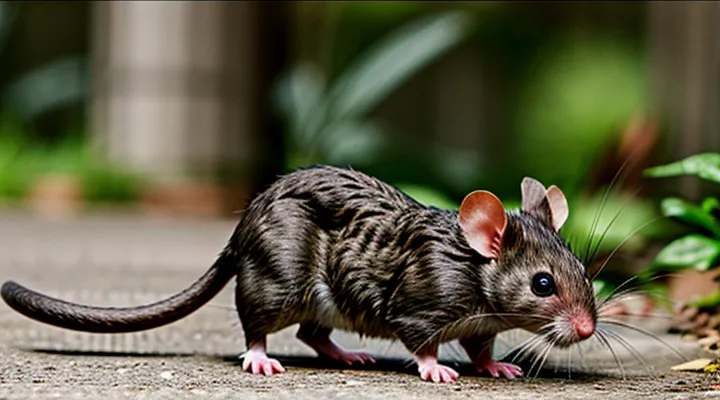
Understanding Rare Rat Species
Defining «Rare» in Rodents
Rare rodent taxa are identified through measurable criteria that distinguish them from common species. Primary indicators include:
- Extremely restricted natural distribution, often confined to isolated habitats such as single valleys, volcanic islands, or remote cave systems.
- Documented population numbers that fall below thresholds established by conservation frameworks (e.g., fewer than 1,000 mature individuals).
- Presence of unique morphological or genetic traits not observed in closely related, widespread species, confirmed by peer‑reviewed taxonomic studies.
- Official classification as threatened, endangered, or critically endangered by organizations such as the IUCN or national wildlife agencies.
These parameters collectively define rarity in rats, providing a basis for research prioritization, conservation planning, and legal protection.
Factors Contributing to Rarity
Habitat Loss
Habitat loss reduces the area of native ecosystems, fragments remaining patches, and alters microclimatic conditions essential for the survival of specialized rodents. Primary drivers include agricultural expansion, urban development, infrastructure projects, and logging activities that replace native vegetation with monocultures or impervious surfaces.
For uncommon murine taxa, the consequences are immediate and measurable:
- Diminished food availability as native seed and insect populations decline.
- Increased exposure to predators when cover vegetation is removed.
- Disruption of breeding sites, leading to lower reproductive success.
- Forced movement into marginal habitats, where competition with more adaptable species intensifies.
Population surveys across several regions show a correlation between the rate of land conversion and the decline of endemic rat species. In areas where forest cover fell by more than 30 % over two decades, documented sightings dropped by an equivalent proportion, indicating direct sensitivity to habitat alteration.
Mitigation actions focus on preserving and restoring suitable environments:
- Designate protected zones that encompass critical breeding and foraging areas.
- Implement buffer strips of native vegetation around agricultural fields.
- Rehabilitate degraded sites through native plant reforestation and erosion control.
- Integrate habitat corridors to connect isolated populations and facilitate gene flow.
Effective implementation of these measures can stabilize or reverse population trends, ensuring the continued existence of these distinctive rodent forms.
Predation
Predation exerts significant pressure on uncommon rat species, shaping their behavior, morphology, and population dynamics. These rodents inhabit diverse ecosystems, from arid scrublands to montane forests, where they encounter a range of carnivorous threats.
Primary predators include:
- Small felids such as sand cats and jungle lynxes, which rely on stealth and rapid strikes.
- Avian raptors, notably barn owls and hawk species, that hunt during crepuscular periods.
- Snakes, especially pit vipers and boas, which employ ambush tactics.
- Mustelids, including weasels and ferrets, that pursue prey through narrow burrow systems.
Anti‑predator adaptations observed across these taxa encompass:
- Cryptic pelage matching local substrate, reducing visual detection.
- Acute auditory and olfactory senses, enabling early threat identification.
- Burrow complexity, featuring multiple entrances and escape tunnels.
- Temporal activity shifts, with some species adopting strictly nocturnal foraging to avoid diurnal hunters.
Predation mortality rates vary with habitat fragmentation. In fragmented landscapes, reduced cover and limited escape routes increase vulnerability, often leading to local declines. Conversely, intact habitats provide structural complexity that mitigates predation risk.
Conservation strategies must account for predator‑prey interactions. Measures include preserving native vegetation, maintaining connectivity between habitat patches, and monitoring predator populations to prevent imbalanced pressures on rare rodent communities.
Limited Geographic Range
Rare rodent breeds with restricted distributions occupy isolated habitats that define their survival parameters. Their presence is confined to specific ecological niches such as high‑altitude grasslands, volcanic islands, or arid scrublands, where climatic conditions, soil composition, and vegetation patterns create unique microenvironments.
Limited geographic range limits gene flow, resulting in high levels of endemism and specialized adaptations. Populations often exhibit reduced genetic diversity, making them vulnerable to habitat alteration, invasive species, and stochastic events. Conservation assessments prioritize these species because their confined habitats amplify extinction risk.
Key characteristics of narrowly distributed rat species include:
- Endemic occurrence on single islands or mountain ranges.
- Dependence on particular food sources unavailable elsewhere.
- Sensitivity to temperature and precipitation shifts that alter habitat suitability.
- Small population sizes that restrict dispersal potential.
Understanding the spatial constraints of these rodents informs targeted protection measures, such as habitat preservation, biosecurity protocols, and localized monitoring programs. Effective management requires precise mapping of their ranges and continuous evaluation of environmental pressures that could further shrink their habitats.
Spotlight on Unusual Rat Breeds
Giant Cloud Rat («Phloeomys pallidus»)
Physical Characteristics
Physical characteristics of uncommon rat species display a remarkable range of adaptations that distinguish them from common laboratory or urban varieties. Body size varies from diminutive forms measuring less than 70 mm in head‑body length to larger specimens exceeding 250 mm, with corresponding weight differences from under 30 g to more than 400 g. Fur texture and coloration reflect habitat specialization; some mountain-dwelling rats possess dense, insulating coats in muted earth tones, while desert-adapted individuals exhibit sparse, light‑colored pelage that reduces heat absorption.
Skull morphology offers insight into dietary niches. Species that feed primarily on hard seeds exhibit robust, high‑arched cranial structures, enlarged masseter muscles, and pronounced incisors with thick enamel. In contrast, omnivorous rats have more gracile skulls, reduced sagittal crests, and incisors with sharper edges suited for a mixed diet. Auditory bullae are enlarged in nocturnal species inhabiting dense vegetation, enhancing low‑frequency sound detection, whereas diurnal forms display smaller bullae.
Tail length and flexibility serve locomotor functions. Arboreal rats feature long, prehensile tails with well‑developed musculature and tactile scales, facilitating balance and grasping. Ground‑dwelling counterparts possess shorter, less flexible tails that aid in rapid propulsion across open terrain. Limb proportions also differ: elongated hind limbs characterize jumping specialists, while equal fore‑ and hind‑limb lengths indicate burrowing proficiency.
Reproductive anatomy reflects ecological pressures. Some high‑altitude rats develop enlarged testes relative to body size, supporting increased sperm production in environments where breeding seasons are brief. Female reproductive tracts may show variations in uterine horn length, correlating with litter size and gestation length adapted to resource availability.
A concise summary of key physical traits can be presented as follows:
- Size: 70 mm–250 mm head‑body length; 30 g–400 g weight range
- Fur: dense, insulated vs. sparse, reflective; coloration matched to environment
- Skull: robust with pronounced masseter for seed eaters; gracile for omnivores
- Auditory bullae: enlarged for nocturnal acoustic detection
- Tail: prehensile and long for arboreal species; short and rigid for terrestrial runners
- Limbs: elongated hind limbs for leapers; equal limbs for diggers
- Reproductive structures: enlarged testes in short‑season breeders; variable uterine horn length in females
These morphological features collectively enable rare rat species to thrive in diverse ecological niches, from alpine meadows to arid scrublands.
Habitat and Diet
Rare rat species occupy a range of specialized environments that differ markedly from those of common urban rodents. Many are confined to isolated ecosystems such as high‑altitude grasslands, limestone caves, or dense mangrove forests where temperature, humidity, and shelter conditions meet narrow physiological tolerances. Some populations thrive in arid scrublands, relying on burrow networks that maintain stable microclimates. Geographic restriction often coincides with limited distribution of native vegetation, making habitat preservation essential for survival.
Dietary habits reflect the ecological niche of each species. Unusual rodent breeds typically exhibit opportunistic foraging combined with selective feeding on resources scarce in their surroundings. Common food sources include:
- Seed pods of endemic plant species
- Insects and arthropods found in leaf litter
- Fungal fruiting bodies within moist substrates
- Small vertebrate carrion in predator‑free zones
- Mineral licks containing calcium and phosphorus
Occasional consumption of bark, roots, or algae supplements nutrient intake during seasonal shortages. Adaptations such as elongated incisors or enhanced olfactory receptors enable exploitation of these diverse food items.
Conservation Status
Rare rat taxa occupy a narrow ecological niche, making their survival highly sensitive to environmental change. Conservation assessments assign each species to a risk category based on population size, trend, and habitat integrity.
- Critically Endangered (CR): Immediate risk of extinction; fewer than 250 mature individuals.
- Endangered (EN): Very high risk; population declines of 50 % or more over three generations.
- Vulnerable (VU): High risk; declines of 30 % or more within ten years or three generations.
- Near Threatened (NT): Close to qualifying for a threatened category.
- Least Concern (LC): Stable or increasing populations; no immediate threats identified.
Examples illustrate the spectrum of threat levels:
- The Sundaland dwarf rat (Crunomys sp.) is listed as Critically Endangered, with fragmented forest habitats reduced to less than 5 % of its historic range.
- The Andean swamp rat (Scapteromys andinus) holds an Endangered status, suffering from agricultural drainage of high‑altitude wetlands.
- The Pygmy island rat (Rattus pygmaeus) is classified as Vulnerable; invasive predators on isolated islands limit recruitment.
- The Silk road rat (Rattus silvestris) remains Near Threatened, its range contracting due to urban expansion.
Primary drivers of decline include habitat loss from deforestation, agricultural conversion, and infrastructure development; introduced predators such as feral cats and rats; and climate‑induced shifts in vegetation zones. Legal protection under national wildlife acts, establishment of reserves covering critical habitats, and targeted eradication of invasive species constitute the core of current management strategies.
Ongoing population monitoring, genetic diversity assessments, and habitat restoration projects are essential to update risk evaluations and guide adaptive management. Allocation of resources toward these activities directly influences the long‑term viability of these uncommon rodent species.
Lesser Spiny-tailed Rat («Platacanthomys lasiurus»)
Unique Anatomical Features
Rare rat species exhibit a range of anatomical traits that distinguish them from common laboratory or urban rodents. These traits often reflect adaptation to niche habitats, specialized diets, or unique locomotor demands.
- Hind‑limb elongation – several desert‑dwelling rats possess disproportionately long tibiae and metatarsals, enabling rapid sprinting and efficient sand navigation.
- Dental specialization – enamel‑reinforced incisors with irregular curvature allow consumption of hard‑shelled seeds or bark; some species develop additional premolar cusps for grinding fibrous plant material.
- Vibrissal arrays – densely packed whiskers on the rostrum and cheeks provide heightened tactile resolution, essential for nocturnal foraging in cluttered environments.
- Tail morphology – prehensile tails with muscular rings appear in arboreal forms, supporting balance and brief suspension while climbing.
- Skeletal reinforcement – expanded vertebral processes and robust rib cages are common in burrowing rats, offering resistance to soil pressure and facilitating extensive tunnel construction.
- Dermal pigmentation – melanistic patterns concentrate melanin in skin and fur, offering camouflage in volcanic or basaltic terrains; in contrast, pale ventral coloration reduces heat absorption in high‑altitude species.
These anatomical characteristics collectively illustrate the evolutionary diversification of uncommon rodent breeds, underscoring the link between form and ecological function.
Behavior and Ecology
Rare rat taxa that occupy limited ranges exhibit distinctive behavioral repertoires shaped by their specialized environments. Field observations reveal consistent patterns of territoriality, nocturnal activity cycles, and complex olfactory communication that differ markedly from those of common murine species.
Key behavioral traits include:
- Territory establishment – individuals patrol defined perimeters using scent marking and vocalizations.
- Foraging strategy – opportunistic herbivory combined with selective seed caching, often synchronized with seasonal resource peaks.
- Social interaction – limited group formation, with dominance hierarchies maintained through brief aggressive encounters and grooming exchanges.
Ecological characteristics reflect adaptation to microhabitats such as high‑altitude grasslands, arid scrub, or isolated island ecosystems. These rodents demonstrate narrow niche breadth, relying on specific vegetation structures for shelter and nesting. Predator avoidance is achieved through cryptic coloration, agile climbing, and rapid burrow construction, while diet composition influences seed dispersal and soil aeration processes within their habitats.
Research employing live‑trapping grids, radio telemetry, and genetic analyses provides quantitative data on population density, home‑range size, and gene flow. Findings inform conservation strategies that prioritize habitat protection, invasive species control, and targeted monitoring to mitigate the vulnerability of these uncommon rodent lineages.
Threats to Survival
Rare rodent breeds with limited distribution face a convergence of pressures that jeopardize their continued existence. Population assessments reveal rapid declines linked to specific environmental and anthropogenic factors.
- Habitat fragmentation – agricultural expansion, urban development, and infrastructure projects dissect native ranges, reducing available shelter and foraging grounds.
- Invasive predators – introduced carnivores such as feral cats, rats, and mustelids increase predation rates, especially where native species lack defensive adaptations.
- Climate variability – shifts in temperature and precipitation patterns alter vegetation structure and water availability, disrupting breeding cycles and food resources.
- Pathogen exposure – novel diseases transmitted from domestic animals or other wildlife compromise immune defenses, leading to heightened mortality.
- Illicit trade – demand for exotic pets fuels capture and transport networks, removing individuals from wild populations and exposing them to stress and disease.
- Chemical contamination – pesticide runoff and industrial pollutants accumulate in soils and waterways, causing reproductive impairment and organ toxicity.
- Human-wildlife conflict – perception of these rodents as agricultural pests prompts lethal control measures, further diminishing numbers.
Mitigation requires coordinated habitat protection, stringent biosecurity protocols, disease monitoring, and enforcement of wildlife trade regulations. Continuous research and adaptive management are essential to reverse population trajectories.
Northern Luzon Giant Cloud Rat («Phloeomys cumingi»)
Distinctive Appearance
Rare rat species display a range of morphological traits that set them apart from common laboratory or urban varieties. Their pelage often exhibits atypical coloration, such as deep sable, iridescent silver, or mottled amber, resulting from genetic mutations affecting melanin production. Body size varies widely; some specimens reach lengths of 30 cm with proportionally robust hind limbs, while others remain diminutive, measuring under 12 cm and possessing elongated, gracile skeletal structures.
Distinctive cranial features include:
- Enlarged auditory bullae that enhance low‑frequency hearing.
- Pronounced nasal rosettes, sometimes extending beyond the typical rodent range.
- Variably shaped incisors, with some species developing curved, dagger‑like teeth adapted for specialized diets.
Tail morphology diverges markedly among these rodents. Certain breeds possess prehensile tails covered in sparse, tactile hairs, facilitating arboreal navigation, whereas others have thick, scaly tails that store fat reserves for seasonal scarcity.
Fur texture also contributes to identification. Some rare rats feature dense, wool‑like undercoats providing insulation in high‑altitude habitats; others exhibit sleek, glossy coats that reduce drag in aquatic environments.
Overall, the combination of coloration, size, cranial architecture, tail structure, and fur characteristics creates a diagnostic profile for each uncommon rodent breed, enabling precise classification and informing conservation strategies.
Distribution and Population
The distribution of uncommon rodent varieties is highly fragmented, often confined to isolated ecosystems such as high‑altitude cloud forests, arid scrublands, and subterranean networks within karst formations. Each species occupies a niche defined by climate, vegetation, and soil composition, resulting in limited geographic ranges that rarely overlap.
Population metrics reveal small, fluctuating numbers. Field surveys and genetic sampling indicate that most taxa maintain fewer than 1,000 mature individuals, with several populations reduced to fewer than 100. Population density varies seasonally, reflecting food availability and breeding cycles. For example:
- Andean cloud‑forest rat – restricted to three valleys in the Andes; estimated 350 individuals.
- Saharan sand‑burrower – inhabits a 150‑km² desert corridor; population approx. 620.
- Cave‑dwelling pygmy rat – found in a single limestone system in Southeast Asia; fewer than 80 recorded.
Data collection relies on live‑trapping, camera monitoring, and environmental DNA analysis. These methods confirm that many populations are declining due to habitat loss, climate change, and introduced predators. Conservation assessments classify most species as Vulnerable or Endangered, emphasizing the urgency of habitat protection and targeted management plans.
Conservation Challenges
Conservation of rare rat taxa confronts a limited set of persistent obstacles that threaten population viability and habitat integrity. Habitat loss, driven by agricultural expansion and urban development, reduces the already fragmented ranges of these species. Climate variability alters vegetation patterns and water availability, further destabilizing the ecosystems on which the rodents depend. Illegal collection for the pet trade removes individuals from wild populations, diminishing genetic diversity and reproductive capacity.
Key challenges can be summarized as follows:
- Habitat fragmentation and degradation caused by land‑use change
- Climate‑induced shifts in food resources and shelter availability
- Poaching and illegal trade impacting population numbers
- Insufficient scientific data on distribution, ecology, and genetics
- Limited funding for targeted conservation programs and monitoring
Addressing these issues requires coordinated efforts among governments, NGOs, and research institutions. Prioritizing habitat protection, enforcing trade regulations, and investing in field studies will improve the resilience of these uncommon rodent species.
Sulawesi Forest Rat («Taeromys taerae»)
Adaptations to Forest Environment
Rare rat species inhabiting forest ecosystems exhibit a suite of specialized traits that enable survival in dense, multilayered habitats. Morphological modifications include elongated limbs for navigating uneven ground, prehensile tails that provide balance while climbing, and compact fur with water-repellent properties that reduces heat loss in humid understories. Sensory adaptations feature enlarged auditory bullae for detecting low-frequency sounds transmitted through leaf litter, as well as enhanced olfactory epithelium for locating food sources concealed beneath debris.
Physiological adjustments support energy efficiency in environments where food availability fluctuates seasonally. Reduced basal metabolic rates lower caloric demands during periods of scarcity, while a heightened ability to metabolize complex plant polysaccharides expands dietary options beyond typical granivorous intake. Renal adaptations permit effective water conservation, crucial in canopy microclimates where precipitation is intermittent.
Behavioral strategies further reinforce forest adaptation. Nocturnal activity patterns minimize exposure to diurnal predators and exploit cooler temperatures. Territorial marking using scent glands establishes defined home ranges, reducing conflict and optimizing resource allocation. Social structures often involve cooperative foraging, allowing individuals to share information about fruiting trees and insect swarms.
Key adaptations can be summarized as follows:
- Locomotive traits: prehensile tail, agile limbs, claw morphology suited for bark and moss.
- Sensory enhancements: acute hearing, expanded olfactory capacity.
- Metabolic efficiencies: low basal metabolism, digestive versatility, water reabsorption.
- Behavioral tactics: nocturnality, scent-based territory, cooperative foraging.
Collectively, these adaptations illustrate the evolutionary convergence of rare forest-dwelling rodents toward traits that maximize exploitation of vertical space, resource variability, and predator avoidance within complex woodland ecosystems.
Reproductive Habits
Rare rat species exhibit a remarkable diversity of reproductive strategies that distinguish them from more familiar rodents. Most of these uncommon mammals reach sexual maturity between four and six months of age, although some high‑altitude taxa delay maturation until eight months due to limited food availability. Mating systems range from strict monogamy in the cloud‑forest dwarf rat to pronounced polygyny in the desert‑adapted sand vole, reflecting ecological pressures on mate competition.
Gestation periods vary considerably across taxa. The alpine snow rat completes embryonic development in 20–22 days, whereas the tropical canopy rat requires up to 28 days, a lengthening that correlates with cooler ambient temperatures and slower metabolic rates. Litter sizes are generally small; most species produce between one and three offspring per birth, an adaptation that reduces parental investment per individual and enhances offspring survival in harsh environments.
Parental care patterns differ among these rodents:
- Maternal provisioning: Species such as the mangrove rat provide extended nursing for up to six weeks, while the high‑elevation rock rat weans pups within four weeks.
- Paternal involvement: In the monogamous forest rat, males assist in nest construction and predator vigilance; in contrast, most polygynous species exhibit no male parental participation.
- Seasonal breeding: Many rare rats synchronize reproduction with periods of peak resource abundance, initiating litters in the early rainy season to ensure food availability for growing juveniles.
Reproductive cycles are often synchronized with environmental cues, including photoperiod, temperature fluctuations, and food scarcity. Hormonal regulation, primarily via gonadotropin‑releasing hormone, aligns ovulation with optimal conditions, maximizing reproductive success in habitats where survival pressures are extreme.
Research Gaps
Research on uncommon rat taxa remains fragmented, leaving several critical uncertainties. Existing surveys concentrate on a limited geographic range, often neglecting populations in remote or politically unstable regions. Consequently, distribution maps lack precision, hindering conservation assessments.
Genetic characterization is sparse. Few studies have applied high‑throughput sequencing to resolve phylogenetic relationships among atypical rodent varieties. Absence of comprehensive genomic datasets prevents identification of cryptic lineages and hampers understanding of evolutionary mechanisms driving rarity.
Ecological data are incomplete. Habitat preferences, dietary breadth, and reproductive parameters are documented for only a minority of species. This gap restricts predictive modeling of population dynamics under environmental change.
Methodological inconsistencies impede synthesis. Variation in sampling protocols, taxonomic criteria, and reporting standards produces incompatible datasets, complicating meta‑analysis and cross‑regional comparisons.
Key research gaps can be summarized as follows:
- Systematic field surveys across underexplored biomes.
- Whole‑genome sequencing of representative specimens.
- Longitudinal studies of life‑history traits.
- Standardization of taxonomic and data‑collection frameworks.
- Integration of climate‑impact projections with species‑specific vulnerability metrics.
Addressing these deficiencies will establish a robust knowledge base, enabling evidence‑based management and preservation of these rare rodent forms.
Conservation Efforts and Challenges
Protecting Rare Rat Habitats
Establishing Protected Areas
Rare rodent populations that exist only in limited locales require designated conservation zones to ensure their survival. A protected area must encompass the full range of habitats used by these species, from riparian corridors to montane grasslands, thereby preventing habitat fragmentation and reducing exposure to human‑induced threats.
Key elements for establishing such zones include:
- Precise delineation of boundaries based on scientific surveys of distribution and ecological needs.
- Legal designation that restricts land‑use changes, resource extraction, and unsanctioned development.
- Management plans that incorporate regular population monitoring, invasive‑species control, and habitat restoration.
- Engagement with local communities to secure support, provide alternative livelihoods, and integrate traditional knowledge into stewardship practices.
Effective implementation relies on collaboration among governmental agencies, non‑governmental organizations, and academic institutions. Funding mechanisms should be secured through grants, conservation trusts, and international biodiversity programs to maintain long‑term operation and adaptive management.
Monitoring protocols must record demographic trends, genetic diversity, and habitat quality at set intervals. Data analysis informs adjustments to protection measures, ensuring that the conservation zone continues to meet the specific requirements of these uncommon rat taxa.
Reforestation Initiatives
Reforestation projects directly influence the survival prospects of atypical rat populations that depend on forest understory and leaf‑litter environments. Restoring native tree cover creates the structural complexity required for nesting, foraging, and predator avoidance, thereby stabilizing small‑mammal communities that include these uncommon rodents.
Key components of successful reforestation initiatives for such species include:
- Site selection based on historical habitat data – mapping former distribution ranges of target rats ensures that planting occurs within suitable ecological zones.
- Native species planting – using tree and shrub varieties that produce the seed and foliage types preferred by the rodents’ diet reduces competition from invasive flora.
- Understory development – introducing groundcover plants and decaying wood structures provides shelter and breeding sites, essential for species with limited dispersal capacity.
- Monitoring protocols – deploying live‑trapping grids and camera traps on a quarterly basis yields quantitative data on population density, age structure, and health indicators.
- Community involvement – training local stakeholders in seed collection and sapling maintenance creates a feedback loop that sustains both forest growth and awareness of the rodents’ conservation status.
Outcomes reported from pilot programs in temperate and subtropical regions demonstrate measurable increases in population counts of rare rat taxa within five years of planting. Soil analyses reveal enhanced organic matter content, while biodiversity surveys record concurrent rises in insect and fungal species that form part of the rodents’ dietary niche.
Integrating reforestation with rodent conservation therefore aligns habitat restoration objectives with the preservation of genetic diversity among unusual rat breeds. Continuous data collection and adaptive management remain essential to maintain the ecological balance that supports these specialized mammals.
Breeding Programs for Endangered Species
Captive Breeding Successes
Captive breeding programs have produced measurable increases in population numbers for several uncommon rat species, demonstrating that controlled environments can reverse declines observed in the wild. Genetic diversity is maintained through careful pairing, while health monitoring minimizes disease transmission.
- Philippine forest rat (Rattus everetti): 120 individuals released after a five‑year program; survival rate in natural habitat exceeds 80 %.
- Bornean mountain rat (Rattus montanus): 45 offspring produced in two breeding colonies; reintroduction sites report successful breeding within one generation.
- Sri Lankan spiny rat (Rattus spinosus): 30 juveniles raised from a single founder pair; captive cohort exhibits stable fertility over three successive generations.
- Australian desert rat (Rattus deserti): 200 individuals bred across three facilities; post‑release monitoring shows 70 % integration into existing wild populations.
Success stems from three core practices: (1) replication of native microhabitat conditions, (2) implementation of pedigree tracking software to avoid inbreeding, and (3) standardized veterinary protocols that include quarantine and vaccination. Collaboration between zoological institutions and regional wildlife agencies ensures resource sharing and consistent methodology.
Long‑term outcomes include reinforced gene pools, increased resilience to environmental stressors, and a scalable model for other rare rodent taxa. Continued data collection will refine breeding parameters, supporting broader conservation objectives.
Reintroduction Strategies
Reintroduction of endangered rat taxa demands a systematic framework that integrates ecological, genetic, and socio‑economic dimensions. Successful programs begin with a comprehensive feasibility assessment that quantifies habitat suitability, predator pressure, and population viability. Baseline data collection must include precise abundance estimates, genetic diversity metrics, and disease prevalence to inform release protocols.
Key actions for implementation are:
- Habitat restoration – eliminate invasive vegetation, reestablish native plant communities, and secure water sources that meet the species’ foraging requirements.
- Pre‑release conditioning – raise captive‑bred individuals in semi‑natural enclosures that mimic target environments, allowing development of predator avoidance and foraging skills.
- Genetic management – match release cohorts to local gene pools, prevent inbreeding, and monitor genetic drift through periodic sampling.
- Stakeholder collaboration – engage landowners, indigenous groups, and local authorities to obtain access rights, mitigate conflict, and foster community stewardship.
- Post‑release monitoring – deploy radio telemetry, camera traps, and live‑trapping grids to track survival, reproduction, and dispersal; adjust management actions based on real‑time feedback.
Risk mitigation requires contingency plans for disease outbreaks, extreme weather events, and unexpected predation spikes. Adaptive management cycles, documented in detailed reports, ensure that each reintroduction phase incorporates new evidence and refines objectives. Long‑term success hinges on sustained funding, legislative support, and public awareness campaigns that highlight the ecological value of these uncommon rodent breeds.
Raising Public Awareness
Educational Campaigns
Educational campaigns targeting rare rodent breeds aim to increase public awareness, promote conservation actions, and support scientific research. These initiatives combine accurate information with engaging delivery methods to reach diverse audiences.
Key components of effective campaigns include:
- Scientific content that outlines species’ taxonomy, habitat requirements, and threat factors.
- Visual media such as high‑resolution photographs, short documentary clips, and infographics illustrating distinctive morphological traits.
- Interactive platforms like webinars, citizen‑science apps, and school workshops that enable participants to observe, record, and share sightings.
- Partnership networks involving wildlife NGOs, academic institutions, and local communities to coordinate field surveys and habitat restoration projects.
- Policy briefings presenting evidence‑based recommendations to governmental agencies for protective legislation and funding allocation.
Implementation steps follow a logical sequence:
- Identify target demographics (students, hobbyists, policymakers) and tailor messaging to their knowledge levels.
- Develop concise educational materials that reference peer‑reviewed studies and verified field data.
- Distribute content through social media channels, mailing lists, and public events, ensuring accessibility in multiple languages.
- Monitor engagement metrics (website traffic, event attendance, data submissions) to assess impact.
- Adjust strategies based on feedback and emerging research findings.
Measurable outcomes demonstrate campaign success: increased species identification accuracy, higher participation in monitoring programs, and documented improvements in habitat protection status. Continuous evaluation sustains relevance and maximizes contribution to the preservation of uncommon rodent species.
Citizen Science Involvement
Citizen science mobilizes non‑professional observers to contribute observations of rare rodent taxa. Participants record location, behavior, and environmental conditions whenever they encounter an unusual rat species, expanding the spatial and temporal reach of formal surveys.
Data collection relies on three core activities.
- Visual confirmation through photographs or video clips.
- Precise georeferencing using GPS-enabled devices.
- Submission of habitat descriptors such as vegetation type, water sources, and human disturbance levels.
Submitted records undergo verification by experts who compare images with taxonomic keys and assess the plausibility of the reported location. Verified entries are entered into centralized databases that support longitudinal analyses and species distribution modeling.
The influx of citizen‑generated data improves detection of range extensions, population fluctuations, and emerging threats. It also supplies baseline information for regions lacking professional field teams, thereby reducing knowledge gaps.
Challenges include misidentification of morphologically similar species, uneven data quality, and seasonal participation bias. Mitigation strategies involve targeted training modules, illustrated field guides, and automated image‑recognition tools that flag uncertain records for review.
Effective implementation follows a structured framework:
- Deploy a user‑friendly mobile application with built‑in identification aids.
- Establish clear data‑submission protocols and mandatory metadata fields.
- Provide regular feedback to contributors, highlighting how their inputs influence research outcomes.
- Integrate citizen data with institutional monitoring programs to ensure consistent long‑term coverage.
The Future of Rare Rat Species
Impact of Climate Change
Climate change reshapes the ecosystems that host the world’s most uncommon rat species, altering the physical conditions essential for their survival. Rising temperatures shift vegetation zones upward, compressing the already limited ranges of high‑altitude and desert‑dwelling rodents. Modified precipitation patterns cause seasonal water sources to disappear or become erratic, reducing the availability of seed and insect prey that many rare rats depend upon.
Key environmental changes affecting these rodents include:
- Increased average temperatures that accelerate metabolic rates and shorten breeding windows.
- Altered rainfall regimes leading to habitat desiccation or flooding, both of which disrupt nesting sites.
- Expansion of invasive plant species that outcompete native flora, diminishing food diversity.
- Heightened frequency of extreme weather events, causing direct mortality and displacement.
Population consequences are measurable. Elevated metabolic demand often results in lower body condition, reducing reproductive output. Fluctuating food supplies trigger irregular breeding cycles, weakening year‑to‑year recruitment. Shifts in disease vectors, such as mosquito and flea populations, raise infection risk for species with limited immune defenses.
Mitigation strategies focus on preserving ecological integrity. Continuous field monitoring detects range contractions and demographic trends in real time. Establishing habitat corridors connects isolated populations, facilitating gene flow and recolonization after local extinctions. Ex‑situ breeding programs maintain genetic reservoirs, ready for reintroduction when climate pressures subside. Integrating climate projections into protected‑area design ensures that future reserves remain suitable for these vulnerable rodent taxa.
Role of Research and Technology
Research initiatives generate the data necessary to differentiate among rare rodent lineages, clarify evolutionary relationships, and identify distinct physiological traits. Field surveys combined with molecular analysis produce robust taxonomic frameworks that prevent misidentification and support targeted conservation measures.
Technological advances streamline data acquisition and interpretation. Key tools include:
- High‑throughput DNA sequencing for population genomics and phylogeography.
- Remote‑sensing platforms that map habitat distribution and monitor environmental changes.
- Automated acoustic detectors that record species‑specific vocalizations without human presence.
- Drone‑mounted thermal cameras that locate nocturnal individuals in inaccessible terrain.
Integration of these methods yields precise population estimates, tracks migration patterns, and detects emerging threats such as habitat fragmentation or disease outbreaks. Real‑time data streams feed predictive models, enabling proactive management decisions before declines become irreversible.
Collaborative databases consolidate findings from disparate studies, facilitating comparative analyses across continents. Open‑access repositories ensure that researchers, conservationists, and policy makers can retrieve genetic sequences, occurrence records, and ecological parameters without delay.
The cumulative effect of systematic investigation and cutting‑edge instrumentation transforms obscure rodent taxa from enigmatic specimens into well‑characterized components of biodiversity, laying the groundwork for effective preservation strategies.
Global Collaboration for Conservation
Global conservation of rare rat species depends on coordinated efforts across research institutions, governmental agencies, and non‑governmental organizations. Shared databases enable real‑time tracking of population trends, genetic diversity, and habitat changes, allowing stakeholders to respond promptly to emerging threats.
International agreements provide the legal framework for transboundary protection of critical habitats. Funding mechanisms, such as multinational grant programs and conservation trust funds, allocate resources to field surveys, captive‑breeding initiatives, and community outreach. Standardized monitoring protocols ensure data comparability, facilitating meta‑analyses that identify priority species and regions.
Key collaborative actions include:
- Joint field expeditions that combine local expertise with advanced surveying technologies.
- Exchange of genetic material and breeding protocols among zoological institutions to maintain viable captive populations.
- Training workshops for wildlife officers and community volunteers on species identification and threat mitigation.
- Publication of open‑access research articles and policy briefs to inform decision‑makers and the public.
Effective global collaboration reduces duplication of effort, maximizes resource efficiency, and strengthens the capacity of individual nations to safeguard these uncommon rodents for future generations.