
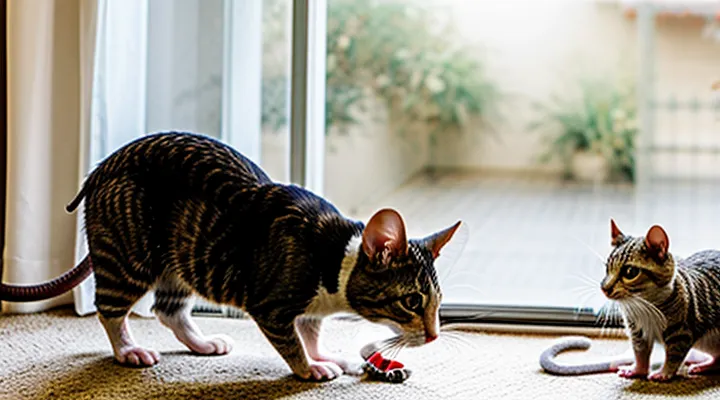
The Historical Relationship Between Cats and Rodents
Cats as Natural Predators
Evolution of Hunting Instincts
The predatory drive of domestic cats descends from Felidae ancestors that relied on stealth, acute vision, and rapid acceleration to capture small mammals. Over millions of years natural selection favored individuals capable of detecting minute movements, judging distance with binocular sight, and delivering a lethal bite to the neck. These traits persist in indoor environments, where the same sensory mechanisms trigger pursuit of household rodents.
Rodents, in contrast, evolved heightened vigilance, rapid reproductive cycles, and flexible foraging strategies to evade predators. Their nervous systems prioritize auditory and vibrational cues, enabling swift escape through narrow passages. The evolutionary pressure to avoid capture has produced a population of mice that can navigate complex indoor layouts while remaining undetected.
Key evolutionary adaptations influencing the domestic setting include:
-
Cats:
- Tapetum lucidum enhancing low‑light vision.
- Muscular hind limbs delivering bursts of speed up to 30 mph.
- Retractable claws for silent grip.
-
Mice:
- Whisker array providing tactile mapping of confined spaces.
- High‑frequency hearing detecting predator footsteps.
- Reproductive capacity allowing rapid population turnover.
The interaction between these evolved traits shapes everyday encounters in homes. A cat’s instinctual stalk may be interrupted by a mouse’s sudden change of direction, while the mouse’s avoidance behavior can trigger a cat’s renewed focus, resulting in a dynamic, ongoing cycle of pursuit and evasion.
Domestication and Pest Control
Domesticated cats retain innate hunting instincts that can be directed toward reducing rodent populations in residential settings. Selective breeding has emphasized traits such as alertness, agility, and predatory drive, allowing owners to rely on feline presence as a biological control method without chemical interventions.
Effective pest management with cats requires understanding of both animal behavior and environmental factors. Key considerations include:
- Providing safe access to areas where rodents hide, such as basements, attics, and storage rooms.
- Maintaining a diet that supports health without diminishing hunting motivation; occasional feeding of raw prey or interactive toys can sustain natural predatory responses.
- Ensuring regular veterinary care to prevent disease transmission between cats and captured rodents.
When integrated with proper sanitation and structural sealing, feline predation contributes to a measurable decline in rodent activity, offering a sustainable, low‑maintenance solution for households seeking biological pest control.
Rodents in the Household
Types of Common Household Rodents
Household rodents that commonly share living spaces with feline companions include several species distinguished by size, habits, and adaptability. Understanding these species helps predict how cats may respond to their presence and informs effective coexistence strategies.
- House mouse (Mus musculus) – Small, agile, primarily nocturnal; exploits cracks, stored food, and cluttered areas.
- Norwegian rat (Rattus norvegicus) – Larger, robust, prefers basements and sewer connections; active at night and dusk.
- Roof rat (Rattus rattus) – Slimmer, excellent climbers; occupies attics, rafters, and high shelves; displays crepuscular activity.
- Wood mouse (Apodemus sylvaticus) – Similar in size to the house mouse but more inclined toward outdoor access points; often found near garden doors.
- House shrew (Sorex araneus) – Not a true rodent but frequently encountered indoors; slender, insectivorous, and highly mobile.
Each species presents distinct challenges for cats. The house mouse’s rapid movements and confined hiding spots trigger predatory chase behaviors, while the larger rats may deter less experienced felines due to their size and defensive bites. Roof rats, capable of vertical escape, can test a cat’s climbing ability, and wood mice may be intercepted near entryways, offering opportunities for brief interaction. Recognizing these differences enables owners to anticipate feline responses and implement targeted control measures without compromising animal welfare.
Dangers Posed by Rodents
Rodents entering a household create several serious risks. Their presence can compromise human health, damage property, and affect the well‑being of resident cats.
Health threats arise from pathogens carried on fur, saliva, urine, and feces. Common agents include hantavirus, salmonella, leptospira, and various parasites such as fleas and ticks. These organisms may be transferred directly to people or indirectly through contaminated food, surfaces, or water.
Physical damage results from gnawing behavior. Rodents chew electrical wiring, which can trigger short circuits or fire hazards. They also infiltrate insulation, furniture, and stored goods, leading to costly repairs and loss of personal items.
Contamination of the indoor environment occurs when droppings and urine accumulate. The resulting odor and ammonia vapors degrade air quality, potentially aggravating respiratory conditions. Mold growth may follow when moisture from urine collects in hidden areas.
Interaction with cats introduces additional concerns. Predatory attempts can cause injuries to both animals; sharp claws may puncture rodent bodies, releasing blood and increasing exposure to disease. Conversely, cats that ingest infected rodents risk internal infection or gastrointestinal obstruction.
Key dangers summarized:
- Transmission of bacterial, viral, and parasitic diseases
- Electrical and structural damage from gnawing
- Air‑quality degradation due to waste products
- Increased fire risk from compromised wiring
- Potential harm to pets during hunting encounters
Mitigating these hazards requires prompt detection, sealing entry points, and employing appropriate control measures to protect occupants and their feline companions.
Understanding the Interaction
Why Cats Hunt Rodents
Instinct vs. Hunger
Domestic felines encounter small rodents frequently, yet their response is shaped by two distinct motivations: innate predation and nutritional need. The predatory instinct originates from evolutionary programming that triggers stalking, pouncing, and capture behaviors even when the animal has sufficient caloric intake. This drive persists in well‑fed indoor cats, manifesting as play‑like attacks on moving objects that resemble prey.
Conversely, hunger‑induced predation emerges when energy reserves fall below a physiological threshold. In this state, the cat’s behavior shifts from exploratory to goal‑directed, prioritizing efficient killing and consumption of the captured rodent. Observations show quicker bite placement, reduced latency before swallowing, and a higher likelihood of repeated hunting bouts.
Rodents display a parallel duality. Their instinctual escape response includes rapid darting, freezing, and utilization of narrow passages, regardless of food availability. When faced with scarcity, mice intensify foraging activity, expanding territory and increasing exposure to feline presence. The combination of heightened movement and reduced caution raises encounter rates.
Key distinctions between the two motivations can be summarized:
- Trigger: Genetic programming vs. energy deficit.
- Behavioral pattern: Play‑like, intermittent attacks vs. focused, sustained pursuit.
- Outcome: Often non‑lethal capture for stimulation vs. lethal capture for nourishment.
- Frequency: Regular, low‑intensity encounters vs. clustered, high‑intensity hunting sessions.
Understanding how instinct and hunger interact clarifies why a well‑fed cat may still “hunt” a mouse without consuming it, while a starving feline will more consistently convert encounters into meals. This dual framework also explains why mice adapt their risk‑assessment strategies based on both predator presence and their own nutritional state.
The Thrill of the Chase
The chase between a house cat and a mouse generates a surge of adrenaline that sharpens sensory perception and accelerates motor response. Cats rely on acute vision and whisker feedback to locate prey, while the mouse employs rapid auditory cues and evasive maneuvers to survive.
Physiological changes in the cat include elevated heart rate, increased cortisol, and heightened release of norepinephrine, which together enhance focus and muscle coordination. The mouse experiences a parallel stress response, characterized by a spike in catecholamines that fuels sprint bursts and erratic direction changes.
Behavioral patterns emerge from this physiological backdrop. Cats alternate between stalking, pouncing, and retreating, adjusting tactics based on the mouse’s escape routes. Mice exploit narrow gaps, sudden reversals, and vertical jumps to maintain distance.
Typical phases of the pursuit can be summarized as:
- Detection: visual or auditory cue triggers alertness.
- Stalk: low‑profile movement reduces visibility.
- Attack: rapid acceleration and claw extension.
- Evasion: zig‑zag sprints, use of obstacles.
- Reset: pause for reassessment before the next cycle.
The interplay of these elements sustains the chase’s intensity, reinforcing instinctual hunting skills in the cat and survival strategies in the mouse within the domestic setting.
Rodent Behavior Around Cats
Evasion Tactics
Mice employ rapid, unpredictable movements to reduce the likelihood of capture. Sudden changes in direction, combined with short bursts of speed, exploit the cat’s slower acceleration and longer stride length. When a predator approaches, rodents often freeze momentarily, lowering their profile and relying on auditory and visual masking to blend with background noise. This “freeze‑and‑dash” sequence interrupts the cat’s tracking algorithm, forcing the feline to recalibrate its pursuit.
Physical structures within the home further aid avoidance. Narrow gaps beneath furniture, holes in walls, and cluttered surfaces provide escape routes inaccessible to larger predators. Mice habitually test openings for size before entry, ensuring a safe retreat path. Vertical climbing on walls and ceilings utilizes adhesive pads on their feet, allowing movement along surfaces the cat cannot navigate.
Sensory adaptations complement behavioral strategies. Vibrissae detect airflow changes caused by an approaching cat, prompting immediate evasive action. High‑frequency hearing captures ultrasonic vocalizations emitted by felines during stalking, alerting the rodent to danger before visual cues appear. Olfactory cues, such as the presence of feline scent marks, trigger heightened alertness and increased use of concealed pathways.
Typical evasion tactics include:
- Rapid zigzag runs across open floor space
- Immediate retreat into concealed burrows or crevices
- Temporary immobility to avoid detection
- Utilization of vertical surfaces for escape
- Exploitation of ambient noise to mask movement
These methods collectively enhance rodent survival in environments where domestic cats are present, demonstrating an intricate balance of locomotor agility, environmental exploitation, and sensory acuity.
Hiding Strategies
Mice adopt multiple concealment tactics to reduce exposure to domestic felines. Their primary objective is to occupy spaces that limit visual and olfactory detection while preserving access to food and shelter.
- Utilization of narrow apertures – mice squeeze through gaps behind appliances, under floorboards, and within wall cavities where a cat’s paws cannot reach.
- Exploitation of vertical surfaces – climbing into ceiling joists or attic insulation creates a three‑dimensional refuge beyond a cat’s typical hunting range.
- Integration with clutter – nesting among stored boxes, laundry piles, or upholstery layers masks movement and dampens sound.
- Temporal avoidance – activity peaks during night hours when cat alertness often declines; rapid forays to and from food sources occur in brief, concealed bursts.
- Scent masking – rodents disperse urine and feces in hidden corners, reducing the chemical trail that a cat might follow.
Cats respond by extending patrol routes, sharpening auditory focus, and employing whisker‑guided probing of tight spaces. Nevertheless, the effectiveness of mouse concealment remains high when structural gaps are unsealed and clutter is abundant. Reducing these variables—sealing entry points, limiting loose materials, and regularly inspecting hidden zones—directly diminishes the opportunities for rodents to employ their hiding strategies.
The «Quiet» Aspect: When Cats Don’t Hunt
Well-Fed Felines
Well‑fed cats often exhibit reduced hunting activity because satiety lowers the drive to chase moving prey. Studies show that a diet meeting caloric needs diminishes the frequency of ambush attempts on small rodents that share the household environment.
Key observations include:
- Food abundance correlates with longer periods of rest and grooming, limiting opportunities for predatory behavior.
- Cats receiving high‑protein meals maintain muscle tone but may redirect energy toward play rather than lethal pursuit.
- Indoor feeding schedules that align with natural feeding times can synchronize cat activity with the peak movement of house mice, yet the presence of ample food typically suppresses instinctual attacks.
Physiological mechanisms explain the shift. Elevated insulin and leptin levels after a meal signal satiety to the hypothalamus, which in turn reduces the release of catecholamines that stimulate aggressive hunting responses. Consequently, well‑nourished felines prioritize comfort over predation.
Owners wishing to manage rodent populations should consider that simply increasing feline food intake will not guarantee effective control. Combining adequate nutrition with environmental enrichment—such as interactive toys and scheduled play—can maintain a cat’s predatory instincts without compromising health.
Age and Health Factors
Age determines a cat’s hunting capacity. Kittens exhibit high energy but limited coordination; adult cats possess fully developed reflexes and stamina; senior cats often experience reduced agility, slower reaction times, and diminished sensory acuity. These variations directly affect the likelihood of successful pursuit of house mice.
Health status modifies the same variables. Vision loss, hearing impairment, arthritis, or chronic disease lower a cat’s ability to detect and capture prey. Conversely, a cat in optimal condition maintains sharp sensory input and swift motor function, increasing predation efficiency.
Mice display comparable age‑related trends. Juvenile rodents have underdeveloped escape responses and weaker musculature, making them more vulnerable. Mature mice demonstrate refined evasive maneuvers and heightened alertness. Aged mice may suffer from reduced speed and sensory decline, yet they often develop cautious behaviors that compensate for physical deficits.
Health considerations for mice include:
- Respiratory infections that diminish stamina.
- Dental problems that limit rapid chewing motions during escape.
- Parasite loads that impair mobility.
The interaction between feline and rodent populations therefore hinges on the combined age and health profiles of both species. Predation pressure intensifies when young, healthy cats encounter young, compromised mice; it wanes when senior, infirm cats face robust adult mice.
Personality and Breed Influence
Cats and mice coexist in domestic settings only when specific behavioral traits align. Individual feline temperament determines whether a cat perceives a mouse as prey, curiosity, or neutral. Bold, high‑energy cats often chase, while shy or older cats may ignore small rodents. Conversely, mouse personality influences risk assessment; confident mice explore more, increasing encounter frequency, whereas timid mice remain concealed.
Breed characteristics shape these tendencies.
- Siamese and Bengal cats exhibit strong hunting instincts and high activity levels, leading to frequent pursuit of rodents.
- British Shorthair and Ragdoll cats display lower predatory drive, often tolerating mouse presence without aggression.
- Pet store–bred mice (e.g., fancy varieties) are selected for docility, reducing escape responses and making them less likely to trigger a cat’s chase reflex.
- Wild‑type or feral‑derived mice retain heightened vigilance and rapid evasion, increasing the probability of conflict with any cat.
Environmental factors modulate the interaction. Access to alternative toys or prey substitutes can redirect a cat’s hunting focus, while structured hideouts for mice lower visibility. Adjusting these variables according to the specific cat and mouse profiles minimizes stress and promotes peaceful cohabitation.
Potential Risks and Benefits
Health Concerns
Diseases Transmitted by Rodents
Rodents living in residential environments can carry pathogens that affect both humans and felines. Direct contact with droppings, urine, saliva, or bites provides routes for transmission. Recognizing the most common agents enables targeted prevention.
- Hantavirus – inhalation of aerosolized particles from dried rodent excreta; causes febrile illness with respiratory distress in humans; cats rarely show clinical signs but can serve as mechanical carriers.
- Salmonella spp. – ingestion of contaminated food or water; produces gastroenteritis in people and can lead to septicemia in cats.
- Leptospira interrogans – exposure to urine-contaminated surfaces; results in renal failure and hemorrhagic symptoms in humans; feline infection is uncommon but possible.
- Bartonella henselae – transmitted through flea bites on rodents; primary agent of cat‑scratch disease; humans develop lymphadenopathy, while cats often remain asymptomatic carriers.
- Yersinia pestis – rare in modern homes but persists in wild rodent reservoirs; bubonic plague in humans, rapid septicemia in cats if infected.
Control measures focus on eliminating rodent access, maintaining strict hygiene, and managing ectoparasites. Seal entry points, store food in sealed containers, and dispose of waste regularly. Use traps or professional extermination to reduce populations. Disinfect surfaces with bleach solutions after cleaning droppings. Regular veterinary check‑ups for cats, including flea control and health monitoring, further limit cross‑species spread. Implementing these steps reduces the risk of disease transmission within households where cats and mice coexist.
Parasites from Prey
Cats that hunt indoor rodents are exposed to a spectrum of parasites carried by their prey. These organisms can establish infections in the feline host, potentially affecting health and requiring veterinary intervention.
Common parasites transmitted from captured mice include:
- Toxoplasma gondii – a protozoan that may cause systemic illness and reproductive complications.
- Hymenolepis spp. (dwarf tapeworm) – intestinal tapeworms that develop after ingestion of infected rodent tissue.
- Eimeria spp. – coccidian parasites that cause diarrheal disease in cats.
- Sarcoptes scabiei – mite responsible for mange, occasionally transferred through close contact with infested rodents.
- Fleas (Ctenocephalides felis) – often acquired when rodents carry adult fleas or larvae, leading to secondary infestations.
Transmission occurs when a cat consumes raw rodent flesh or ingests ectoparasites attached to the prey. Internal parasites develop within the gastrointestinal tract, while ectoparasites may attach to the cat’s skin or fur during the hunt.
Preventive measures focus on limiting predation and controlling rodent populations within the home. Regular deworming protocols, flea control products, and routine fecal examinations help detect and eliminate infections early. Veterinary assessment is essential when a cat shows signs of gastrointestinal upset, skin irritation, or unexplained weight loss after a hunting episode.
Environmental Impact
Reduced Need for Chemical Pest Control
Domestic cats possess innate hunting instincts that translate into regular predation on household rodents. This natural behavior directly suppresses mouse and rat populations, limiting their reproduction cycles and reducing the likelihood of infestations.
With fewer rodents present, homeowners can avoid or substantially decrease the application of chemical insecticides, rodenticides, and associated bait stations. The diminished need for these substances eliminates exposure risks for residents, pets, and the surrounding ecosystem.
Key outcomes of reduced chemical reliance include:
- Lower incidence of accidental poisoning among children and non‑target animals.
- Decreased environmental contamination of soil and water sources.
- Cost savings from reduced purchase of pesticides and professional extermination services.
- Preservation of beneficial insect populations that might otherwise be harmed by broad‑spectrum chemicals.
Overall, the presence of a cat in a residential setting creates a biological control mechanism that replaces synthetic pest management methods, delivering health, safety, and ecological advantages without compromising rodent control effectiveness.
Maintaining Ecological Balance
Domestic cats and house mice coexist in many households, creating a micro‑ecosystem that mirrors larger ecological processes. When feline predation is moderated, rodent populations remain at levels that prevent over‑consumption of stored food while still providing stimulation for the cat’s natural hunting instincts. This equilibrium reduces the need for chemical pest control and limits waste from dead rodents.
Effective management of this balance relies on several practical measures:
- Provide cats with scheduled play sessions using interactive toys to satisfy predatory drive without excessive hunting of live rodents.
- Install secure food storage containers to limit rodent access, thereby lowering population pressure.
- Use humane traps or exclusion devices to remove surplus mice without disrupting the predator‑prey dynamic.
- Monitor health of both species; regular veterinary check‑ups for cats and sanitation checks for rodent habitats prevent disease transmission.
By integrating these actions, homeowners maintain a self‑regulating environment where feline activity controls rodent numbers, and rodents contribute to waste reduction through their foraging behavior. The resulting stability supports animal welfare, minimizes chemical interventions, and preserves the functional integrity of the household ecosystem.
Managing the Cat-Rodent Dynamic
Preventing Rodent Infestations
Sealing Entry Points
Sealing potential openings blocks rodents from entering the residence, thereby reducing the likelihood of confrontations with indoor cats and limiting damage to property.
Typical ingress locations include:
- Gaps around exterior doors and windows
- Cracks in foundation walls or basement floors
- Openings around utility penetrations (pipes, cables, vent ducts)
- Spaces beneath siding, trim, or roof eaves
- Holes in garage doors, pet doors, and screen enclosures
Effective sealing measures consist of:
- Expanding polyurethane foam for irregular cracks larger than ¼ inch
- Steel wool or copper mesh combined with caulk for narrow gaps
- Rigid metal flashing or sheet metal patches for larger apertures
- Weather‑stripping and door sweeps on all entry doors
- Silicone or acrylic sealant around window frames and vent louvers
Regular inspection guarantees long‑term integrity. Conduct a visual sweep of the building envelope quarterly, apply touch‑up sealant to any newly formed cracks, and replace worn weather‑stripping annually. Maintaining a sealed environment minimizes rodent presence, supporting a harmonious coexistence between cats and any remaining quiet mice.
Proper Food Storage
Proper food storage directly influences the relationship between domestic cats and house‑bound rodents. Secure containers prevent scent leakage, reducing the attraction of mice and rats to kitchen areas where cats typically hunt. When food is inaccessible, rodent activity declines, limiting opportunities for feline predation and associated stress.
Effective storage practices include:
- Airtight, rodent‑proof containers for dry goods such as cereal, grains, and pet food.
- Refrigerated or frozen storage for perishable items, ensuring lids seal tightly.
- Placement of food containers on elevated shelves or within cabinets equipped with metal or thick plastic doors.
- Regular inspection for damaged packaging and immediate replacement of compromised containers.
- Removal of food scraps and spillages promptly, followed by thorough cleaning of surfaces.
Reduced rodent presence benefits cats by lowering the frequency of hunting attempts, which can prevent injuries from defensive bites and limit exposure to parasites carried by rodents. Consistent application of these storage measures creates a safer environment for both species, supporting harmonious coexistence within the household.
Cat Care and Training
Providing Mental Stimulation
Mental stimulation is essential for both felines and small rodents sharing a domestic environment. Engaging activities reduce boredom, prevent the development of repetitive behaviors, and support cognitive health. Proper enrichment also minimizes stress‑induced aggression, promoting coexistence.
Effective enrichment strategies include:
- Puzzle feeders that require problem‑solving to release food, suitable for cats and adaptable for rodents with appropriate size.
- Rotating toy collections every few days to sustain novelty; items may range from feather wands for cats to tunnels and climbing structures for mice.
- Interactive sessions using laser pointers or feather sticks, followed by brief, supervised free‑play periods to reinforce positive associations.
- Scent enrichment using safe, natural herbs (catnip for cats, lavender or rosemary for rodents) placed in separate zones to encourage exploration without direct competition.
- Environmental complexity such as multi‑level shelving, hideaways, and textured surfaces that cater to climbing instincts of cats and the burrowing behavior of mice.
Regular monitoring of behavior provides feedback on the effectiveness of each enrichment element. Adjustments—such as increasing puzzle difficulty or introducing new textures—maintain optimal mental challenge. Consistent application of these practices fosters a balanced, stimulating household for both species.
Encouraging Safe Play
Encouraging safe play between domestic felines and small rodents requires clear boundaries, supervision, and appropriate enrichment.
First, separate initial introductions. Allow the cat to observe the mouse from a secure distance, using a clear container or a pet‑safe playpen. This reduces predatory stress while the mouse becomes accustomed to the cat’s presence.
Second, provide dedicated play zones. Install climbing structures, tunnels, and hideaways for the mouse that are inaccessible to the cat. Position these items near the cat’s activity area so visual contact remains, but physical interaction is prevented.
Third, use interactive toys to channel the cat’s hunting instincts. Feather wands, laser pointers, and motorized toys mimic the movements of small prey without involving the mouse. Conduct short, frequent sessions—five to ten minutes each—to satisfy predatory drive and prevent boredom.
Fourth, train the cat with positive reinforcement. Reward calm behavior near the mouse’s enclosure with treats or gentle petting. Consistent reinforcement builds an association between the mouse’s presence and a non‑aggressive response.
Fifth, monitor behavior continuously. Signs of excessive stalking, intense focus, or aggressive lunges indicate the need for increased separation or additional enrichment. Adjust the environment promptly to maintain safety.
Practical checklist:
- Use a transparent, lockable barrier for first encounters.
- Install mouse‑specific enrichment (wheels, tunnels) out of cat reach.
- Schedule multiple short play sessions with cat‑appropriate toys.
- Apply treat‑based reinforcement for relaxed behavior around the mouse.
- Observe daily; intervene at any sign of heightened predatory tension.
By following these steps, owners can foster a household where both species enjoy mental stimulation and physical activity without compromising the rodent’s well‑being.
When Intervention is Necessary
Humane Rodent Removal
Humane rodent removal in households that host both cats and small rodents requires strategies that protect pets while eliminating pests without lethal force. Effective methods combine physical barriers, behavioral deterrents, and non‑toxic traps.
- Seal entry points: Install steel wool or copper mesh in gaps around doors, windows, and utility openings.
- Use catch‑and‑release traps: Opt for snap‑free designs with bait such as peanut butter or oat flakes; release captured rodents at least 200 meters from the residence.
- Deploy ultrasonic repellents: Position devices away from cat resting areas to avoid interference with feline hearing.
- Maintain clean environments: Store food in sealed containers, remove crumbs, and manage waste to reduce attractants.
- Provide enrichment for cats: Offer interactive toys and climbing structures to channel hunting instincts toward safe play rather than live prey.
Monitoring the effectiveness of these measures involves regular inspection of trap placement, verification of sealed openings, and observation of cat behavior for signs of stress or heightened predatory drive. Adjustments—such as relocating ultrasonic units or modifying bait types—ensure both animal welfare and pest control objectives are met.
Protecting Your Pet's Health
Keeping a cat healthy while it shares a home with small rodents requires proactive measures. Parasite control, nutrition, and environmental safety are the primary areas of focus.
Regular veterinary examinations detect early signs of disease and confirm that vaccinations are up to date. Flea and tick preventatives should be chosen based on the cat’s lifestyle and approved by a veterinarian.
Nutrition must meet the feline’s specific requirements. Feed high‑quality protein sources, limit treats, and provide fresh water at all times. Avoid feeding raw mouse meat, which can harbor pathogens.
Environmental safeguards reduce accidental injuries and disease transmission:
- Secure all mouse habitats in cages that prevent cat access.
- Inspect cages daily for signs of stress, injury, or illness in the rodents.
- Remove loose bedding or objects that could trap a cat’s claws or cause entanglement.
- Keep litter boxes clean and placed away from mouse enclosures to prevent cross‑contamination.
Hygiene practices protect both species. Wash hands after handling rodents, clean feeding dishes, and disinfect surfaces with pet‑safe solutions. If a cat catches a mouse, monitor the cat for gastrointestinal upset and contact a veterinarian promptly.
By maintaining strict parasite control, providing balanced nutrition, and designing a safe living environment, owners can preserve the health of their cat while allowing coexistence with household rodents.