
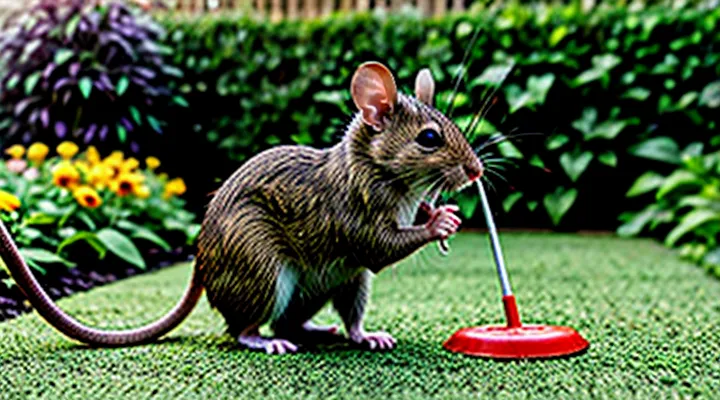
«Understanding the Rodent Threat»
«Identifying Common Garden Rodents»
«Mice»
Mice are small, omnivorous rodents that thrive in garden environments where food, shelter, and water are readily available. Their sharp incisors enable them to gnaw through plant stems, roots, and protective coverings, leading to wilting, stunted growth, and loss of yield. Burrowing activity damages soil structure, creates tunnels that expose roots, and facilitates the entry of other pests and diseases.
Identification relies on visible signs: fresh droppings (approximately ¼ inch long, dark brown), gnaw marks on stems and bulbs, and the presence of thin, sandy-colored tracks along pathways. Damage often appears as chewed foliage, missing seed heads, and holes in fruit skins. Early detection prevents extensive loss.
Effective prevention combines habitat modification and physical barriers:
- Remove fallen fruit, seeds, and garden debris that attract foraging.
- Store feed and compost in sealed containers to eliminate food sources.
- Trim low vegetation and maintain a clear perimeter to reduce cover.
- Install hardware cloth (¼‑inch mesh) around raised beds, greenhouse vents, and irrigation lines.
- Place smooth, metal or plastic guards on plant stems to deter gnawing.
Control strategies focus on population reduction and exclusion:
- Snap traps positioned near active runways, baited with high‑protein items such as peanut butter or sunflower seeds.
- Live‑capture traps placed along established pathways, checked and released at a distance from the garden.
- Rodenticides applied according to label instructions, reserved for severe infestations and used with caution to protect non‑target wildlife.
- Natural predators, including barn owls, hawks, and domestic cats, encouraged by providing nesting boxes and perches.
Monitoring involves regular inspection of traps, assessment of damage, and recording of activity patterns. Adjusting barrier placement and trap locations in response to observed behavior sustains long‑term protection of garden crops from mouse interference.
«Rats»
Rats infiltrate vegetable beds, fruit bushes, and compost piles, gnawing roots, contaminating produce, and spreading disease. Their presence undermines the productivity of any cultivated plot.
Typical garden rats include the Norway rat (Rattus norvegicus) and the roof rat (Rattus rattus). Both species thrive in dense vegetation, near water sources, and where food residues accumulate. They are nocturnal, excellent climbers, and capable of burrowing up to 2 feet deep, which enables them to reach underground storage structures.
Effective prevention relies on habitat modification and exclusion:
- Remove fallen fruit, seeds, and vegetable scraps daily.
- Store feed and compost in sealed containers with tight-fitting lids.
- Trim low-lying branches and dense ground cover to eliminate shelter.
- Install hardware cloth (½‑inch mesh) around raised beds and garden structures.
- Seal gaps beneath shed foundations, fences, and utility lines.
When prevention proves insufficient, direct control methods include:
- Snap traps positioned along runways, baited with peanut butter or dried fruit.
- Live‑catch traps checked every few hours to prevent suffering.
- Commercial bait stations placed in tamper‑proof boxes, following label instructions.
- Predatory birds (e.g., owls) encouraged by installing perches and nesting boxes.
Continuous monitoring ensures long‑term success. Conduct weekly inspections for fresh droppings, gnaw marks, or burrow entrances. Record trap captures and adjust placement based on activity patterns. Replace damaged exclusion barriers promptly.
Integrating sanitation, physical barriers, and targeted trapping creates a comprehensive defense that limits rat damage and protects garden yields.
«Voles»
Voles are small, burrowing rodents that frequently inhabit garden soils, especially in moist, loamy conditions. Their cylindrical bodies, short tails, and continuously growing incisors distinguish them from mice, which have longer tails and more agile movement above ground. Voles create extensive tunnel networks that can damage plant roots, undermine seedlings, and produce visible surface runways.
Typical signs of vole activity include:
- Surface tunnels about 2‑3 cm wide, often forming fan‑shaped patterns near plant bases.
- Fresh gnaw marks on bark, stems, and tender roots.
- Small, crescent‑shaped bite holes on foliage, especially on young leaves.
- Piles of soil or shredded vegetation at tunnel entrances.
Effective control relies on habitat alteration, physical barriers, trapping, and biological agents.
Management tactics
- Habitat modification – eliminate dense ground cover, trim grass to a maximum of 5 cm, and remove excess mulch or leaf litter that provides shelter.
- Soil barriers – install hardware cloth or fine mesh (¼‑inch opening) around the base of vulnerable plants, extending 12‑18 inches below the soil surface.
- Trapping – place snap traps or live‑capture traps in active tunnel lines; bait with peanut butter or apple slices. Check traps daily and dispose of captured voles promptly.
- Repellents – apply granular castor‑oil products or liquid formulations containing predator urine along tunnel perimeters; reapply after heavy rain.
- Predator encouragement – provide nesting boxes for owls and raptors, and maintain perches for domestic cats to increase natural predation pressure.
Consistent monitoring and prompt implementation of these measures prevent vole populations from establishing a foothold, safeguarding root systems and preserving overall garden health.
«Signs of Rodent Infestation»
«Gnaw Marks»
Gnaw marks are the unmistakable evidence of mice activity in a garden. They appear as clean, crescent‑shaped bite edges on wood, plastic, or plant stems, often accompanied by small piles of chewed material.
The most common locations for these signs include garden fences, wooden trellises, mulch borders, and the bases of vegetable plants. Mice prefer to gnaw where they can gain access to shelter or food, so damage near seed trays, compost piles, and low‑lying structures warrants immediate attention.
Distinguishing mouse gnaw marks from those of other pests relies on bite size and pattern. Mouse teeth leave holes approximately 2–3 mm wide, with parallel edges, whereas larger rodents produce broader, irregular cuts. Insect damage typically shows ragged edges and may involve leaf tissue rather than structural material.
Effective response requires a systematic approach:
- Conduct a thorough visual inspection of all garden perimeters and support structures.
- Seal entry points with metal flashing, hardware cloth, or cement, focusing on gaps under ¼ inch.
- Install snap traps or electronic devices along established runways, positioning bait at the rear of gnawed sections.
- Remove and replace heavily damaged components to eliminate nesting sites.
- Apply non‑toxic deterrents, such as peppermint oil or ultrasonic emitters, near vulnerable zones.
Preventive maintenance reduces future gnawing. Regularly tighten fence panels, replace worn mulch, and keep vegetation trimmed to deny mice concealment. Monitoring for fresh gnaw marks on a weekly basis ensures early detection and swift corrective action.
«Droppings»
Mouse droppings provide the most reliable evidence of an infestation in a garden. Their presence confirms that rodents are feeding, nesting, or traveling through the area, prompting immediate action to protect plants and soil health.
Typical droppings measure 3–6 mm, appear as dark, cylindrical pellets with pointed ends. Fresh specimens are moist and glossy; they darken and become brittle as they dry. Common locations include the base of vegetable rows, under mulch, near compost bins, and within garden sheds.
Health risks stem from pathogens carried in the feces. Bacteria such as Salmonella and Leptospira can contaminate edible crops, while parasites may survive long enough to infect humans or pets. Additionally, droppings attract predatory insects that can further damage plants.
Effective control relies on prompt removal and sanitation:
- Wear disposable gloves and a mask; avoid direct contact with droppings.
- Sweep or vacuum loose pellets into a sealed bag.
- Disinfect the area with a solution of 1 part bleach to 9 parts water; allow a 10‑minute contact time.
- Dispose of contaminated material in a sealed container; do not compost.
- Replace disturbed mulch or soil with fresh material to eliminate residual contamination.
Regular inspection for fresh droppings, combined with the cleaning protocol above, reduces disease transmission and limits mouse activity, preserving garden productivity.
«Burrows and Tunnels»
Mice construct extensive burrow systems that connect garden beds, mulch, and compost piles. Tunnels are typically shallow, 2–4 inches deep, and branch into multiple chambers where food is stored and offspring are raised. Soil type influences stability: loose loam permits rapid expansion, while compacted clay limits depth but encourages surface runs.
Detecting active tunnels requires systematic inspection.
- Look for fresh soil mounds, usually 1–2 inches high, near plant roots.
- Observe gnawed vegetation and droppings concentrated at tunnel exits.
- Use a garden fork to gently probe suspect areas; loose soil that collapses indicates recent activity.
Interrupting burrow networks reduces mouse populations.
- Fill entry points with coarse sand or steel wool, then cover with a layer of mulch to deter re‑excavation.
- Install underground barriers—hardware cloth or mesh with ¼‑inch openings—around high‑value plants, extending 6 inches below the surface.
- Apply non‑toxic repellents (e.g., peppermint oil‑infused granules) directly into tunnels, allowing the scent to permeate the chambers.
- Rotate compost piles and keep them sealed to eliminate food sources that attract burrowing rodents.
Consistent monitoring and prompt sealing of tunnels prevent re‑colonization, maintaining a garden free of mouse damage.
«Damaged Plants»
Mice gnaw on stems, leaves, and roots, leaving visible wounds that disrupt nutrient transport and weaken structural integrity. Feeding scars often appear as irregular holes or ragged edges, while chewed roots may be partially exposed or missing altogether. These injuries reduce photosynthetic capacity, lower yield, and increase susceptibility to secondary infections.
Typical signs of mouse‑induced plant damage include:
- Holes or bite marks on tender foliage and young shoots
- Chewed or stripped bark on stems and trunks
- Exposed or truncated root systems visible at the soil surface
- Wilting or discoloration of leaves adjacent to damaged tissue
When left unchecked, compromised plants become entry points for fungi and bacteria, accelerating decay and potentially spreading disease throughout the garden. Early detection allows targeted interventions such as physical barriers, traps, or habitat modification to prevent further loss.
Implementing preventative measures—tightening soil around plant bases, installing metal or mesh guards, and maintaining a clean, debris‑free environment—reduces mouse access and protects vulnerable growth stages. Prompt removal of damaged tissue also limits nutrient loss and discourages rodents from revisiting the same plant.
«Prevention Strategies»
«Garden Maintenance»
«Removing Debris»
Removing debris eliminates shelter and food sources that attract mice to garden spaces. Leaves, twigs, fallen fruit, and discarded plant material create hidden pathways and nesting sites; clearing them reduces the likelihood of infestation.
Effective debris removal includes the following steps:
- Collect fallen leaves and grass clippings weekly; compost only after they are fully decomposed.
- Trim back overgrown shrubs and vines to maintain open ground around beds.
- Dispose of rotting fruit, vegetables, and damaged plant parts in sealed containers.
- Sweep pathways, patios, and mulched areas to prevent accumulation of loose material.
- Store garden tools, pots, and equipment in a dry, enclosed area to avoid providing cover.
Regular maintenance of a clean garden environment deprives mice of essential resources, thereby supporting broader pest‑control measures.
«Trimming Vegetation»
Trimming vegetation creates an environment that discourages mice from entering garden beds and structures. Dense foliage offers cover, nesting sites, and pathways that facilitate rodent movement. By reducing plant mass, you eliminate shelter and force mice to seek alternatives away from cultivated areas.
Effective pruning follows these principles:
- Cut back shrubs to a maximum height of 12 inches from the ground.
- Maintain a clear zone of at least 24 inches between plant bases and fences, walls, or storage sheds.
- Remove dead or overgrown stems before the peak breeding season, typically early spring.
- Use sharp tools to make clean cuts, preventing ragged edges that can trap debris.
- Dispose of trimmed material away from the garden, preferably in sealed containers or compost bins that rodents cannot access.
Schedule regular inspections every four weeks during warm months. Adjust cutbacks as plants mature, ensuring the clearance zone remains consistent. Record dates and observations to track changes in rodent activity.
Integrate vegetation management with other deterrents, such as sealing entry points and deploying bait stations. Coordinated actions amplify the overall effectiveness of mouse control, protecting crops and ornamental plants without reliance on chemical treatments.
«Securing Food Sources»
Securing food sources eliminates the primary incentive for mice to invade garden areas. By removing or protecting edible material, the probability of rodent activity declines sharply.
Store harvested produce in sealed containers made of plastic or metal. Ensure lids close tightly and inspect seals regularly for damage. Place storage units on raised platforms to prevent direct ground contact, which reduces moisture accumulation and deters burrowing.
Handle compost with care. Use bins equipped with tight‑fitting lids and solid walls. Turn compost frequently to accelerate decomposition and discourage nesting. Avoid adding meat, dairy, or oily foods, as these attract rodents more than plant matter.
Maintain bird feeders and pet food stations. Install baffles or weight‑activated covers that close when not in use. Clean spillage promptly and keep feeders at least two meters away from garden beds and structures.
Implement the following checklist:
- Seal all entry points to storage sheds and tool sheds with steel wool or hardware cloth.
- Elevate seed bags and fertilizer bags off the floor.
- Dispose of garden waste in sealed bags before placing it in a trash receptacle.
- Rotate crops annually to prevent buildup of food residues in the soil.
- Inspect mulch layers for signs of gnawing and replace with coarse, inorganic material when necessary.
By rigorously controlling access to food, gardeners limit the resources that sustain mouse populations, thereby protecting plants and infrastructure without resorting to chemical measures.
«Physical Barriers»
«Fencing»
Effective fencing creates a physical barrier that prevents mice from entering garden beds, compost piles, and storage areas. Proper design, material selection, and maintenance determine the barrier’s reliability.
A solid fence must meet three criteria: height of at least 12 inches, mesh size no larger than ¼ inch, and secure anchoring to the ground. Materials commonly used include:
- Galvanized steel mesh – resistant to rust, retains shape under pressure.
- Heavy‑duty polypropylene – lightweight, UV‑stabilized, suitable for temporary setups.
- Welded wire – inexpensive, easy to cut, but may sag without reinforcement.
Installation steps:
- Measure perimeter and mark fence line, allowing a 2‑inch gap between ground and mesh.
- Dig a trench 6 inches deep along the line; lay a compacted base of sand or fine gravel.
- Position mesh, ensuring no tears or loose edges.
- Secure mesh with metal staples or heavy‑duty staples every 12 inches.
- Backfill trench, tamp soil to eliminate voids, and compact firmly.
- Inspect for gaps around gates, irrigation lines, and support posts; seal with metal flashing or silicone.
Regular inspection identifies damage caused by weather, wildlife, or garden equipment. Replace compromised sections promptly and reinforce joints with additional staples or wire ties. Integrating the fence with other control measures—such as bait stations placed at least 5 feet from the barrier—enhances overall effectiveness, limiting mouse access while reducing the likelihood of population resurgence.
«Hardware Cloth»
Hardware cloth is a welded wire mesh made from galvanized steel, stainless steel, or aluminum. Its rigid structure resists gnawing, making it one of the most reliable physical barriers against mice in vegetable beds, raised planters, and compost piles.
The mesh size determines effectiveness. Openings no larger than ¼ inch prevent mice from squeezing through while still allowing water and air flow. Thicker gauges (e.g., 19‑ gauge) increase durability and reduce the likelihood of rust in moist soil.
Installation guidelines:
- Cut the cloth to fit the perimeter of the planting area, leaving a 1‑inch overlap at each corner.
- Secure the edges with stainless‑steel staples or U‑shaped nails driven into the soil or framing wood.
- Bury the bottom edge 6‑12 inches deep, or fold it outward and cover with a layer of mulch to block burrowing.
- Seal any gaps around irrigation pipes, trellises, or support stakes with additional strips of mesh and silicone sealant.
Maintenance practices:
- Inspect the barrier monthly for rust, tears, or displacement caused by wind or animal activity.
- Replace compromised sections promptly to maintain a continuous shield.
- Clean debris from the surface to prevent moisture buildup that accelerates corrosion.
Advantages over alternative solutions:
- Provides a permanent, reusable barrier without relying on chemicals or traps.
- Allows sunlight penetration, preserving soil temperature and plant growth.
- Withstands repeated exposure to rain, UV light, and soil movement better than plastic or fabric covers.
When combined with proper sanitation—removing fallen fruit, storing feed in sealed containers, and limiting ground cover—hardware cloth forms an integral component of an integrated mouse‑control strategy. Its mechanical strength, ease of installation, and long‑term cost efficiency make it a practical choice for gardeners seeking durable protection against rodent damage.
«Raised Beds»
Raised beds create a physical barrier that limits mice access to soil and plant roots. By elevating the growing medium, the distance between the ground and foliage increases, making it harder for rodents to reach tender shoots. The soil surface inside a raised bed is often covered with mulch or fabric, which adds an extra layer of protection against burrowing.
Construction material matters. Untreated wood, composite panels, or metal frames resist gnawing better than soft plastics. Seamless joints and tight-fitting corners prevent small rodents from slipping through gaps. When assembling the bed, use stainless‑steel screws and reinforce corners with metal brackets to maintain structural integrity over time.
To enhance deterrence, incorporate the following measures:
- Install a hardware cloth (¼‑inch mesh) beneath the bottom of the bed, extending at least six inches outward to block entry points.
- Line the interior with a layer of coarse sand or gravel before adding soil; the abrasive texture discourages chewing.
- Elevate the bed at least twelve inches off the ground using sturdy legs or a frame, creating a gap that mice cannot easily bridge.
- Secure the perimeter with a low fence of fine mesh, anchored firmly into the ground to eliminate climbing routes.
Regular maintenance supports the barrier’s effectiveness. Inspect the perimeter weekly for signs of gnawing or displacement. Replace any compromised panels promptly. Keep surrounding vegetation trimmed to reduce shelter for rodents, and remove fallen fruit or seeds that could attract foraging behavior.
When selecting soil, opt for a sterile, nutrient‑rich mix rather than garden compost that may harbor eggs or larvae. Adding a thin layer of copper tape along the outer rim of the bed can provide an additional repellent effect, as rodents avoid contact with copper surfaces.
In summary, raised beds reduce mouse intrusion by raising the growing environment, employing durable construction, and integrating physical deterrents. Consistent inspection and upkeep ensure the system remains a reliable component of an overall rodent‑management strategy.
«Humane Rodent Control Methods»
«Repellents»
«Natural Repellents»
Natural repellents offer an effective, chemical‑free strategy for keeping mice away from vegetable beds, fruit bushes, and ornamental plants. They rely on odors, tastes, or environmental conditions that rodents find intolerable, allowing gardeners to protect crops without harming beneficial insects or soil health.
Common natural options include:
- Strong‑smelling herbs such as mint, rosemary, and thyme; planting them around perimeter rows creates a volatile barrier.
- Essential oil sprays containing peppermint, clove, or eucalyptus; a diluted solution applied to soil surface and plant stems deters foraging.
- Predator cues like dried fox urine or powdered owl pellets; spreading a thin layer near entry points triggers instinctive avoidance.
- Ground cover adjustments using coarse mulch, shredded pine bark, or sand; these textures are uncomfortable for mouse paws and reduce nesting sites.
Application guidelines:
- Mix 10–15 drops of essential oil with one liter of water and a few drops of mild dish soap; spray weekly after rain or irrigation.
- Plant herbs at least 12 inches apart from crops to prevent competition while maintaining aromatic protection.
- Refresh predator cue materials every two weeks, especially after heavy rain, to preserve potency.
- Maintain a clean garden floor by removing fallen fruit, seeds, and debris that attract foraging.
Effective use of natural repellents requires regular monitoring. Set up simple snap traps or motion‑activated cameras to verify reduced mouse activity. Combine repellents with physical barriers—such as fine mesh around raised beds—to create a layered defense that minimizes damage throughout the growing season.
«Commercial Repellents»
Commercial repellents represent the most widely available solution for deterring mice in vegetable beds, flower borders, and ornamental shrubs. Formulations fall into three categories: ultrasonic devices, scent‑based sprays, and granular bait‑free barriers. Each type targets the rodent’s sensory systems without relying on poison, allowing safe coexistence with beneficial insects and pets.
- Ultrasonic units emit frequencies above 20 kHz, disrupting mouse communication and causing avoidance of the treated zone. Placement should cover the entire perimeter, with units mounted 12–18 in. above ground to maximize coverage.
- Scent sprays contain essential oils such as peppermint, clove, or citronella at concentrations that exceed the animal’s olfactory threshold. Application requires thorough coating of plant stems, mulch, and entry points, refreshed every 7–10 days or after heavy rain.
- Granular barriers consist of powdered capsaicin or dried rosemary mixed with inert carrier material. Spread a thin layer (≈¼ in.) along pathways, raised beds, and around root zones; reapply monthly.
Effectiveness hinges on proper installation and consistent maintenance. Rotate between two repellent types every few weeks to prevent habituation, and combine with physical exclusions—such as mesh fencing or sealed soil containers—for comprehensive protection. Commercial products with documented active ingredients and EPA registration provide reliable results when used according to label instructions.
«Trapping»
«Live Traps»
Live traps capture mice without killing them, offering a humane alternative for garden pest control.
Effective use of live traps depends on proper selection, placement, baiting, and monitoring.
- Trap types – Snap‑back cages, multi‑entry boxes, and tube traps each allow single‑catch or multiple‑catch operation. Multi‑entry models increase capture rates in high‑traffic areas, while single‑catch cages simplify handling.
- Placement – Position traps along walls, under vegetation, and near known foraging routes. Align the entrance with the mouse’s natural travel direction; a 30‑degree angle from the wall encourages entry.
- Bait – Use high‑fat foods such as peanut butter, sunflower seeds, or dried fruit. Apply a pea‑sized amount to the trigger plate to avoid spillage that may deter mice.
- Monitoring – Check traps at least twice daily. Prompt removal prevents stress and reduces the risk of escape. Record capture times to identify peak activity periods.
- Release – Transfer captured mice to a location at least 200 meters from the garden, preferably a wooded area with natural cover. Release during daylight to improve survival odds.
Advantages of live traps include compliance with humane pest‑management policies, avoidance of secondary poisoning, and the ability to relocate individual mice that may be beneficial for nearby ecosystems. Limitations involve the need for regular inspection, potential escape if traps are not secured, and local regulations that may restrict release of captured wildlife.
Integrating live traps with complementary measures—such as habitat modification, exclusion fencing, and sanitation—creates a comprehensive strategy to diminish mouse populations while preserving garden integrity.
«Placement and Baiting»
Effective control of mice in a garden relies on precise trap positioning and appropriate bait selection. Place devices along established runways, near walls, under eaves, and close to food sources. Position traps perpendicular to the mouse’s travel direction, with the trigger end facing the anticipated entry point. Secure stations on stable surfaces to prevent displacement by wind or other animals.
- Install near burrow openings or gnaw marks.
- Situate at the junction of two walls or a wall and a fence.
- Set at ground level, not higher than 4 inches, to match mouse height.
- Space multiple stations 10–15 feet apart to cover the entire garden perimeter.
Choosing bait that appeals to the target species increases capture rates. Use high‑protein or high‑fat items that retain scent despite exposure. Freshness is critical; replace bait every two days or after a capture.
- Peanut butter mixed with rolled oats.
- Soft cheese cubes.
- Sunflower seed paste.
- Commercial rodent attractant gels.
Maintain efficacy by regularly inspecting stations, discarding dead mice, and resetting triggers. Rotate bait types weekly to prevent habituation. Keep traps away from non‑target wildlife and children by using enclosed bait stations or protective covers. Continuous monitoring and adjustment ensure sustained protection of the garden from mouse intrusion.
«Relocation Best Practices»
Relocating mice from a garden provides a humane alternative to lethal control while reducing damage to plants and soil structure. Effective relocation requires careful planning, secure containment, and strategic placement of release sites.
- Capture using live traps positioned near activity zones; check traps at least twice daily to minimize stress.
- Select a release location at least one kilometer from the garden, ideally in a wooded or field area with abundant natural cover and food sources.
- Transport trapped mice in ventilated containers, handling them with gloves to prevent disease transmission.
- Release each animal during daylight hours when predators are less active, opening the container away from the edge of the release site to encourage immediate dispersal.
- Record the number of individuals relocated, trap locations, and release coordinates for future reference.
After relocation, monitor the garden for signs of re‑infestation, such as gnaw marks, droppings, or new burrows. Adjust trap placement and habitat modifications, such as removing dense ground cover and sealing entry points, to maintain low mouse populations. Consistent observation and prompt response sustain the effectiveness of the relocation strategy.
«Integrated Pest Management (IPM) for Rodents»
«Combining Strategies for Effectiveness»
A successful mouse‑control program in a vegetable plot relies on the interaction of several tactics rather than a single method. Physical barriers, such as fine‑mesh fencing placed at least six inches below ground, block entry points and protect root zones. Traps—snap, electric, or live‑catch—provide immediate population reduction; positioning them along established runways maximizes capture rates. Chemical or natural repellents, applied to perimeter soil and plant bases, deter foraging without harming beneficial insects. Sanitation measures, including regular removal of fallen fruit, seed heads, and excess mulch, eliminate food sources that sustain infestations. Predatory allies, such as barn owls, snakes, or domestic cats, add a biological layer that pressures mouse numbers over time. Monitoring tools, like motion‑activated cameras or track plates, supply data to adjust the mix of interventions as conditions change.
Implementing these elements together creates a feedback loop: barriers reduce ingress, traps lower density, repellents discourage lingering, sanitation curtails reproduction, predators increase pressure, and monitoring informs refinements. The cumulative effect exceeds the sum of isolated actions, delivering durable protection for the garden.
«Monitoring and Adaptation»
Effective rodent management begins with continuous observation of mouse activity throughout the garden. Place snap traps, motion‑activated cameras, or non‑lethal live traps in known travel corridors; check them daily and record capture counts, locations, and times. Use a simple spreadsheet or notebook to track trends, noting seasonal spikes or changes after weather events.
When data reveal a pattern, adjust control tactics accordingly. Increase trap density in hotspots, rotate bait types to prevent habituation, and reinforce vulnerable entry points such as gaps under decking or around irrigation lines. If captures decline, reduce trap numbers to avoid unnecessary mortality and shift focus to preventive measures like habitat modification.
Adaptation also involves evaluating the effectiveness of each method. After a two‑week monitoring cycle, compare capture rates before and after any change. Retain strategies that show measurable improvement; discard or modify those that produce stagnant or rising activity.
Regular review of the monitoring log ensures that the garden’s defense against mice remains responsive to evolving conditions, minimizing damage while maintaining ecological balance.
«Long-Term Rodent Management»
«Creating an Uninviting Environment»
Mice thrive in gardens that offer easy access to food, shelter, and water. Eliminating these attractions forces the rodents to search elsewhere, reducing damage to plants and soil structure.
- Remove fallen fruit, seeds, and vegetable debris daily; store harvest in sealed containers.
- Keep compost bins tightly covered and positioned away from planting beds.
- Install drip irrigation or soaker hoses to eliminate standing water; fix leaks promptly.
- Trim dense vegetation, low‑lying branches, and weeds that create nesting sites.
- Use metal or fine‑mesh barriers around tree trunks and raised beds; ensure gaps are no larger than ¼ inch.
- Choose plant varieties with aromatic foliage (e.g., mint, rosemary) that deter gnawing behavior.
Regular inspection of garden edges and prompt repair of cracks or holes in fences further restricts entry points. Consistent application of these measures creates an environment where mice find no viable resources, leading to a sustained reduction in their presence.
«Community Involvement»
Community participation amplifies efforts to keep gardens free of rodents. When neighbors collaborate, resources such as traps, bait, and monitoring tools become shared, reducing individual costs and increasing coverage. Joint observation schedules allow early detection of mouse activity, enabling rapid response before infestations spread.
Effective collective actions include:
- Organizing regular garden meetings to discuss rodent sightings and prevention strategies.
- Creating a shared inventory of traps, snap devices, and humane catch‑and‑release kits.
- Establishing a neighborhood alert system (e‑mail, messaging app, or bulletin board) for immediate reporting of new rodent evidence.
- Conducting joint workshops on proper sanitation, compost management, and habitat modification to eliminate shelter opportunities.
- Coordinating synchronized trapping days to maximize pressure on mouse populations across adjacent plots.
Volunteer groups can maintain perimeter barriers, seal entry points, and remove debris that attracts rodents. By pooling labor, the community ensures consistent upkeep of garden edges, storage sheds, and irrigation systems, which are common entry routes for mice.
Educational outreach within the neighborhood reinforces best practices. Distributing concise guidelines on waste handling, seed storage, and plant selection reduces attractants. When residents understand the impact of their actions, compliance with preventive measures rises, and the overall risk of infestation declines.
A coordinated approach also facilitates interaction with local authorities. Community petitions for municipal pest‑control services or funding for larger‑scale deterrent installations gain credibility when backed by organized resident groups. Engaging city officials through formal channels accelerates the implementation of public‑space interventions that benefit all garden owners.
In summary, collective vigilance, resource sharing, and structured communication empower neighborhoods to defend garden environments against mice, delivering sustained protection with minimal individual burden.