
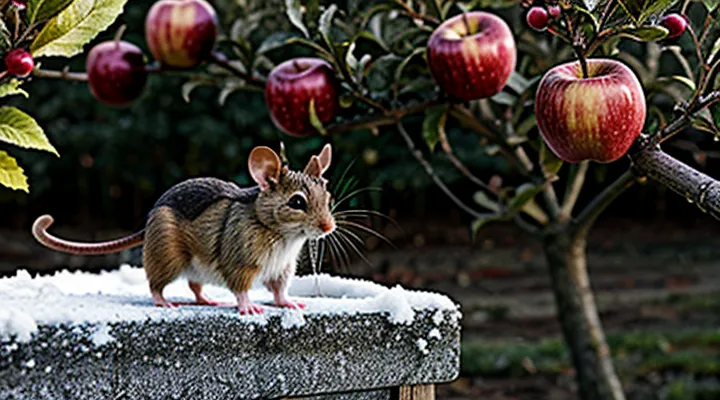
Understanding the Threat
Why Mice Are a Problem for Apple Trees in Winter
Types of Mouse Damage
Winter conditions drive mice to seek shelter and food within orchard rows, increasing the risk of injury to apple trees. Understanding the specific ways rodents compromise tree health is essential for effective preventive measures.
- Bark gnawing – Mice chew thin bark on young trunks and branches, creating entry points for pathogens and disrupting nutrient flow. Damage is most visible as shallow, ragged scars near the base of the tree.
- Root excavation – Small burrows near the root zone expose roots to cold temperatures and soil erosion, reducing water uptake and weakening structural stability.
- Graft‑union attack – The junction where a scion meets the rootstock is a favored feeding site. Mice strip bark and chew cambium tissue, jeopardizing the graft’s integrity and potentially causing graft failure.
- Seedling consumption – Newly emerged seedlings are vulnerable to complete removal, diminishing orchard regeneration and future yields.
- Insulation removal – Mice strip away protective wraps, straw, or burlap used to shield trunks from frost, leaving exposed tissue to freeze damage.
- Stored wood damage – Cuttings and pruning debris stored on‑site are chewed, creating additional sources of infection that can be transferred back to living trees.
Each damage type compromises the tree’s ability to withstand cold stress, increases susceptibility to disease, and can lead to reduced productivity. Prompt identification and targeted barriers—such as metal guards, wire mesh, or repellents—prevent the progression of these injuries throughout the winter months.
Factors Attracting Mice to Orchards
Mice are drawn to orchards by a combination of food, shelter, moisture, and environmental conditions that become more pronounced during the colder months. Understanding these attractants is essential for effective winter protection of apple trees.
- Fallen or rotting fruit on the ground provides an accessible, high‑energy food source.
- Seed pods, nuts, and discarded orchard waste offer additional nutrition.
- Mulch, leaf litter, and dense ground cover create protected nesting sites and conceal movement.
- Irrigation lines, leaky pipes, or puddles supply the water mice need for survival.
- Low temperatures drive rodents to seek the relative warmth of tree canopies and bark crevices.
- Overripe fruit remaining on trees after harvest creates a persistent feeding platform.
- Compost heaps or manure piles placed near the orchard attract mice with both food and shelter.
- Adjacent habitats such as hedgerows, grass fields, or wooded edges serve as entry corridors.
Each factor contributes to the likelihood of mouse presence. Reducing or eliminating these attractants—prompt fruit removal, regular mulching management, moisture control, and strategic placement of waste—lowers the risk of rodent damage to apple trees during winter.
Identifying Mouse Presence
Detecting mouse activity before winter damage begins is essential for effective orchard management.
- Chewed bark or twigs, especially near the base of the tree.
- Small holes in the trunk or root collar, often ¼‑inch in diameter.
- Visible gnaw marks on wooden stakes, fences, or nearby structures.
Additional indicators include:
- Dark, pellet‑shaped droppings on the ground, on lower branches, or inside mulch.
- Fresh tracks in soft soil, snow, or leaf litter, showing small, four‑toed footprints.
- Nests constructed from shredded bark, leaves, or insulation material tucked into cracks or hollow branches.
- Scratching or rustling sounds heard at night when the orchard is quiet.
Systematic monitoring improves early identification:
- Conduct visual inspections weekly, focusing on the tree trunk, root zone, and surrounding debris.
- Place motion‑activated cameras at low height to capture nocturnal movement.
- Deploy snap or live‑catch traps near suspected entry points, checking them daily for captures.
Document each finding with date, location, and type of evidence. Consistent records enable timely intervention, reducing the risk of winter‑related mouse damage to apple trees.
Preventive Measures Before Winter
Orchard Sanitation and Maintenance
Clearing Debris and Weeds
Removing fallen leaves, twigs, and unwanted vegetation from the orchard floor creates a hostile environment for mice seeking shelter during the cold months. Exposed soil and clear pathways deter rodents from nesting near the trunk base, reducing the likelihood of gnawing on bark and fruit buds.
Key actions for effective site preparation:
- Gather all leaf litter, fruit remnants, and broken branches within a 3‑meter radius of each tree.
- Dispose of organic material in a sealed compost bin or burn it according to local regulations.
- Pull or mow weeds that reach the tree’s drip line; cut roots to prevent regrowth.
- Apply a thin layer of coarse mulch (e.g., bark chips) to improve drainage while maintaining a barrier that discourages burrowing.
- Inspect the cleared area weekly throughout winter, removing any new debris promptly.
Consistent execution of these measures limits rodent access points, maintains tree health, and supports overall orchard resilience in the winter season.
Mowing Grass Around Trees
Mowing the grass surrounding apple trees creates a physical barrier that discourages mice from accessing the root zone during the cold months. Short, even grass reduces cover where rodents can hide and travel, limiting their ability to reach bark and lower trunks.
Key benefits of regular mowing in winter:
- Exposes the soil surface, making it harder for mice to burrow unnoticed.
- Eliminates tall grass that can serve as a runway for rodents moving between shelter and the tree base.
- Allows easier inspection of the tree trunk for signs of gnawing or nesting material.
To maximize effectiveness, follow these guidelines:
- Trim grass to a height of 2–3 cm before the first hard freeze.
- Maintain the cut height throughout the winter, mowing after each snowfall that allows growth.
- Remove clippings from the immediate tree perimeter to prevent debris accumulation.
Consistent grass management, combined with other winter rodent‑deterrent measures, strengthens the overall defense of apple orchards against mouse damage.
Physical Barriers
Tree Guards and Wraps
Tree guards and wraps form the primary physical barrier against winter‑time rodent damage to apple orchards. A properly installed guard encircles the trunk, preventing mice from climbing and gnawing bark, while a wrap shields the lower branches and cambium from bite marks and cold injury.
Effective guard materials include:
- Rigid plastic or metal collars, at least 4 inches wide, fastened with stainless‑steel straps.
- Heavy‑duty wire mesh (½‑inch gauge) formed into a cylindrical sheath, overlapped and secured with zip ties.
- Composite foam sleeves that combine insulation with a smooth exterior, reducing grip for rodents.
Wrap options for the trunk and scaffold branches consist of:
- Breathable horticultural fleece, wrapped tightly from ground level to the first major branch, then stapled or taped.
- Polyethylene shrink‑film applied in overlapping layers, heat‑shrunken to create a seamless sheath.
- Biodegradable cellulose cloth, impregnated with a low‑toxicity repellent, wrapped in a spiral pattern and bound with twine.
Installation guidelines:
- Remove all debris and loose bark from the trunk before fitting any guard.
- Position the guard low enough to block the typical climbing height of mice, typically 12–18 inches above ground.
- Overlap the ends of the guard by at least 2 inches and secure with corrosion‑resistant fasteners to maintain pressure throughout freezing cycles.
- Apply the wrap after the guard is in place, ensuring no gaps at the junction between trunk and guard.
- Inspect the assembly after each snowfall; adjust fasteners if ice accumulation loosens the barrier.
Regular monitoring throughout the winter months confirms the integrity of the barrier and allows prompt repair before rodents can breach the protection.
Materials for Tree Guards
Winter rodent activity can damage the bark and cambium of apple trees, making effective tree guards indispensable. Selecting the appropriate material influences durability, ease of installation, and protection level.
- Galvanized hardware cloth (½‑inch mesh) – resists chewing, tolerates snow load, and can be wrapped tightly around the trunk. Requires staples or zip ties for secure attachment.
- PVC or polyethylene sleeves – lightweight, water‑resistant, and simple to slide over the stem. Limited resistance to persistent gnawing; best combined with an inner metal mesh layer.
- Rigid metal flashing (steel or aluminum) – provides a hard barrier that rodents cannot penetrate. Heavy and may require support brackets to prevent bending under snow weight.
- Wooden bark guard (treated pine or cedar) – blends with the tree’s appearance and offers moderate protection. Must be treated with rodent‑deterrent preservatives to avoid rapid wear.
- Burlap or horticultural fabric – inexpensive and easy to secure with twine. Offers minimal defense against determined mice; suitable only as a secondary layer over stronger materials.
When constructing a guard, overlap the material by at least 6 inches and seal joints with metal staples or weather‑proof tape. Ensure the barrier extends from the root flare to a point above the expected snow line, typically 12–18 inches. Regular inspection after storms helps identify gaps or damage before rodents can exploit them.
Proper Installation Techniques
Winter rodent damage to apple trees requires a reliable barrier system. Proper installation of protective devices prevents mice from gnawing bark and accessing stored food, ensuring tree health through the cold season.
- Position hardware cloth (minimum 1‑mm mesh) around the trunk, extending 12–18 inches above ground and wrapping at least 12 inches below the soil line. Secure edges with stainless‑steel staples, overlapping sections by 2 inches to eliminate gaps.
- Install a rigid, cylindrical pipe sleeve of at least 4 inches diameter over the trunk, anchored with concrete‑set rebar stakes at the base. The sleeve should be sealed with silicone caulk to block entry points.
- Attach a smooth‑barked, UV‑treated plastic sheet around the lower trunk, overlapping the hardware cloth by 3 inches. Fasten the sheet with galvanized wire ties, tightening every 6 inches.
- Place a low‑profile, reinforced metal ring at ground level, secured with ground anchors. The ring must be continuous, with a minimum inner diameter of 6 inches to accommodate root expansion.
After installation, verify integrity weekly. Remove any debris that could serve as shelter, and reinforce fasteners after heavy snowfall. Replace damaged sections promptly to maintain an uninterrupted barrier.
Fencing Solutions
Effective fencing is a primary barrier against winter rodent incursions in apple orchards. Solid, low‑profile barriers prevent mice from entering the root zone where they seek shelter and food during cold months.
Materials such as galvanized steel mesh, high‑density polyethylene (HDPE) panels, and reinforced wire netting provide durability against snow load and persistent chewing. Mesh apertures no larger than ¼ inch (6 mm) block even juvenile mice while allowing airflow and light penetration.
Installation guidelines:
- Embed the fence at least 12 inches (30 cm) below ground to stop burrowing.
- Extend the top edge 6–8 inches (15–20 cm) above the soil surface to deter climbing.
- Secure corners with steel stakes or concrete anchors to resist wind uplift.
- Overlap sections by 12 inches (30 cm) and fasten with corrosion‑resistant clips to eliminate gaps.
Maintenance practices:
- Inspect for damage after heavy snowfall or strong winds.
- Repair torn mesh or loosened fasteners promptly.
- Apply a rodent‑repellent coating to steel components to discourage gnawing.
Combining robust fencing with proper installation and regular checks creates a reliable shield, reducing mouse activity and protecting apple trees throughout the winter season.
Repellents and Deterrents
Natural Repellents
Natural repellents offer effective, non‑chemical protection for orchard apple trees against rodent damage during the cold season. Their efficacy relies on odors, textures, or substances that mice find unappealing, reducing the likelihood of gnawing bark or feeding on buds.
Common botanical options include:
- Peppermint oil – strong menthol scent deters rodents; apply a few drops to cotton balls placed near the trunk base.
- Clove oil – pungent aroma interferes with mouse olfactory cues; dilute with water and spray on lower branches.
- Garlic extract – sulfur compounds act as repellents; mix crushed garlic with water and soak the soil around the tree.
- Cinnamon powder – dry, spicy dust creates an uninviting surface on bark; sprinkle thinly around the trunk.
Physical deterrents derived from natural materials complement these scents:
- Steel wool – tightly pack around holes or gaps in the trunk to block entry.
- Mesh made from natural fibers – wrap loosely around the lower trunk, allowing airflow while preventing chewing.
Implementation guidelines:
- Prepare repellent solutions before the first frost to ensure coverage before mice become active in search of shelter.
- Reapply volatile oils every two weeks, as low temperatures diminish scent intensity.
- Combine multiple repellents to address varied mouse sensitivities; rotate peppermint and clove applications to avoid habituation.
- Inspect trees weekly for fresh gnaw marks; reinforce mesh or steel wool where damage appears.
Integrating these natural measures with proper sanitation—removing fallen fruit, limiting debris, and maintaining a tidy orchard floor—creates an environment that discourages rodents without resorting to synthetic chemicals. The result is a healthier canopy and reduced loss of fruiting potential throughout winter.
Commercial Repellents
Commercial repellents provide a practical option for deterring rodents that target apple trees during the cold months.
Formulations fall into three principal categories:
- Rodent‑specific granules containing active ingredients such as diphenhydramine, piperidine, or capsaicin; applied around the trunk and root zone at a rate of 2–3 kg per hectare.
- Aerosol sprays with pyrethroid or neonicotinoid compounds; directed onto bark crevices and pruning cuts before snowfall.
- Liquid emulsions based on essential oil blends (e.g., peppermint, clove) mixed with carrier agents; dripped onto soil surface to create a repellent barrier.
Effectiveness depends on correct timing: application should occur before temperatures consistently drop below 5 °C, allowing the product to establish a protective layer before mice become active in the shelter of the orchard floor. Re‑application is required after heavy rain or snow melt, typically every 30–45 days.
Safety considerations include adherence to label‑specified pre‑harvest intervals and observation of non‑target impacts; many products are registered for use on fruit trees and meet EPA standards for residue limits.
Cost analysis reveals that granular repellents represent the lowest per‑acre expense, while aerosol systems demand higher upfront investment but offer rapid coverage of difficult‑to‑reach areas.
Integrating commercial repellents with physical barriers—such as tree guards or mulch rings—enhances overall protection, reducing the likelihood of rodent entry and subsequent bark damage.
Selection of a product should be based on active ingredient compatibility with orchard management plans, local regulatory approvals, and documented field performance against winter‑active mice populations.
Active Protection During Winter
Trapping Strategies
Types of Traps
Effective control of rodent damage to orchard fruit trees in the cold season relies on selecting appropriate trapping methods. Different trap designs address specific behaviors of mice and accommodate the limited activity window typical of winter.
-
Snap traps: Mechanical devices that deliver a rapid kill upon trigger. Ideal for placement along mouse runways near the base of trees. Their small size allows concealment under mulch or bark. Requires regular inspection to remove carcasses and reset.
-
Live‑catch cages: Wire enclosures with a one‑way entry door. Capture mice unharmed for relocation or humane dispatch. Suitable for areas where non‑lethal management is mandated. Must be checked daily to prevent stress or freezing of captured animals.
-
Electronic traps: Battery‑powered units that administer a high‑voltage shock. Provide instant kill and contain the body within a sealed compartment, reducing exposure to predators. Effective in cold weather because the circuitry remains functional at low temperatures.
-
Glue boards: Adhesive sheets placed on flat surfaces near feeding sites. Offer a passive capture method without moving parts. Their efficacy declines when snow or ice covers the board, so they are best used in sheltered micro‑habitats.
-
Bait stations with sealed traps: Enclosed containers that house a poisoned bait and a trigger mechanism. Designed to limit non‑target access while allowing mice to ingest the toxin. Winter deployment requires insulation to prevent bait freeze‑over.
Each trap type presents trade‑offs between immediacy of kill, humane considerations, maintenance frequency, and resistance to harsh weather. Combining multiple methods—such as snap traps along perimeter runways and live‑catch cages near tree trunks—maximizes reduction of mouse populations while ensuring continuous protection throughout the winter months.
Placement and Baiting
Effective rodent control for orchard apple trees during the cold season relies on strategic trap placement and appropriate bait selection. Proper positioning maximizes capture rates while minimizing damage to the trees and fruit.
- Position traps along the perimeter of the orchard, focusing on low‑lying vegetation where mice travel.
- Install traps near tree trunks, especially where bark is exposed or mulch accumulates.
- Place devices under shelters such as wooden boards, stone piles, or dense shrubbery to match mouse hiding spots.
- Space traps 10–15 feet apart to cover typical foraging ranges without overlap.
- Secure traps to the ground or a stable base to prevent displacement by wind or snow.
Bait choice influences attraction and safety. Use edible items that remain palatable in low temperatures and avoid substances that may harm the trees.
- Offer high‑fat foods like peanut butter, sunflower seeds, or dried corn, which retain energy value in winter.
- Combine a small amount of grain with a scent‑enhancing additive, such as vanilla or anise oil, to increase detectability.
- Refresh bait weekly to counter freezing and loss of aroma.
- Position bait directly on the trigger mechanism to ensure immediate contact.
- Avoid sugary baits that can attract non‑target insects or encourage mold growth on the orchard floor.
Baits and Poisons
Considerations for Safe Use
When employing deterrents, ensure they do not expose the orchard to toxic residues. Choose products labeled for horticultural use, verify expiration dates, and follow label directions precisely.
Maintain physical barriers without creating hazards. Install wire mesh or hardware cloth around trunks, securing edges to prevent sharp protrusions that could injure workers or wildlife. Verify that mesh openings are no larger than ¼ inch to exclude juvenile rodents while allowing air flow.
Select trapping devices that comply with local regulations. Use snap traps or live‑capture cages made of sturdy, non‑corrosive material; avoid glue boards, which can cause prolonged suffering and may attract predators. Position traps away from pathways to reduce the risk of accidental contact by humans or domestic animals.
Apply repellents only in accordance with manufacturer safety data sheets. Dilute concentrates to the recommended strength, wear protective gloves and eye protection during application, and keep children and pets out of the treated area until the product has dried.
Monitor and document all interventions. Record dates of installation, type of product, and observations of rodent activity. Regular review enables timely adjustments, prevents over‑use of chemicals, and supports compliance with safety standards.
By adhering to these practices, orchard managers protect apple trees from winter rodent damage while safeguarding personnel, non‑target species, and the surrounding environment.
Placement and Monitoring
Effective placement of deterrents and systematic observation are essential for preventing rodent damage to apple trees during the cold season. Install protective barriers—such as metal mesh or hardware cloth—around the trunk at a minimum height of 12 inches and extend them at least 18 inches above ground to block gnawing. Secure the mesh with sturdy staples or wire ties, ensuring no gaps where mice can squeeze through. Position bait stations or ultrasonic devices at least 10 feet from the tree base to avoid accidental consumption by wildlife while maintaining a deterrent field.
Implement a monitoring routine that includes:
- Weekly visual inspection of trunk wraps for signs of chewing or displacement.
- Bi‑weekly checking of bait stations for activity indicators (e.g., consumed bait, disturbed covers).
- Monthly recording of any fresh gnaw marks on bark, noting location and extent.
Document observations in a simple log, noting date, weather conditions, and any remedial actions taken. Promptly repair damaged barriers and relocate ineffective devices based on recorded patterns. Consistent placement and diligent monitoring reduce the likelihood of winter rodent infestations and preserve tree health.
Pruning and Tree Structure
Removing Low-Hanging Branches
Removing low‑hanging branches is a critical step in winter rodent management for apple orchards. Short branches create easy pathways for mice to reach the trunk and bark, where they can gnaw and cause damage. Trimming these limbs eliminates the bridge between ground cover and the tree canopy, reducing the likelihood of mouse intrusion.
Key actions:
- Identify branches that extend within 12–18 inches of the ground or that touch surrounding vegetation.
- Use clean, sharp pruning tools to cut each selected branch at a 45‑degree angle, leaving a smooth wound that heals quickly.
- Dispose of cut material away from the orchard or burn it to prevent mice from nesting in the debris.
- Apply a protective sealant to larger cuts if severe weather is expected, preventing moisture loss and secondary pest entry.
Consistently applying this practice each autumn prepares the orchard for the cold months, limits mouse access, and supports overall tree health.
Encouraging Strong Central Leaders
Strong central leadership provides the coordination needed to shield orchard trees from rodent damage during the cold season. A single authority can allocate resources, enforce protective measures, and monitor outcomes across multiple sites, ensuring consistent application of best practices.
Key actions a decisive leader can implement:
- Deploy insulated barriers around tree trunks to prevent mice entry.
- Organize community‑wide distribution of feeding stations that divert rodents from vulnerable trees.
- Mandate regular inspections of bark and root zones, with immediate remediation of any signs of infestation.
- Allocate funding for research into low‑temperature repellents and for training personnel in their proper use.
- Establish a reporting system that aggregates data on rodent activity, allowing rapid response to emerging threats.
By centralizing decision‑making, the leader eliminates fragmented efforts, reduces duplication of work, and creates a unified strategy that maximizes protection of apple orchards throughout winter. This approach yields measurable reductions in rodent‑induced loss and promotes long‑term orchard health.
Post-Winter Assessment and Recovery
Inspecting Trees for Damage
Signs of Mouse Activity
Mice become active around apple trees during the cold months, seeking shelter and food. Detecting their presence early prevents damage to bark, roots, and stored fruit.
- Gnaw marks on bark, especially near the base or lower branches.
- Small piles of shredded bark, twigs, or mulch near the trunk.
- Fresh droppings, dark and pellet‑shaped, found on the ground or on the tree’s lower limbs.
- Chewed or missing bark strips, exposing cambium tissue.
- Entry holes in protective covers, wire mesh, or burlap wraps.
- Tracks in snow or frost, showing tiny, clawed footprints leading to the tree.
- Signs of burrowing under the root zone, such as displaced soil or visible tunnels.
These indicators confirm rodent activity and signal the need for immediate protective measures, such as reinforcing barriers, applying deterrents, and removing food sources. Prompt response reduces the risk of girdling, sap loss, and weakened winter resilience.
Assessing Severity of Damage
Assessing the extent of rodent‑induced injury to apple trees during the cold season requires systematic observation and quantifiable criteria. Begin by inspecting the trunk, branches, and root zone for signs of gnawing, bark stripping, or burrow entrances. Record the number of active tunnels and the size of each opening; larger diameters usually indicate more aggressive feeding behavior.
Next, evaluate foliage loss. Count the number of buds and young shoots that have been chewed away or appear wilted. Compare this count to the total number of buds on the tree to calculate a percentage of loss. A loss exceeding 20 % typically signals a serious threat to fruit production in the upcoming season.
Examine the cambium layer for signs of disruption. Use a sharp knife to make a small incision at the base of the trunk; healthy tissue should exude a clear, milky sap. Discolored or dried sap suggests damage that can impede nutrient transport. Document the length of any exposed cambium in centimeters.
Consider secondary effects such as fungal infection. Mice wounds often serve as entry points for pathogens. Identify any fungal growth, discoloration, or resin exudation around injury sites. Presence of these symptoms increases the overall risk rating.
Summarize findings using a simple scoring matrix:
- 0–2 points – Minimal damage; no immediate intervention required.
- 3–5 points – Moderate damage; implement protective barriers and monitor closely.
- 6–9 points – Severe damage; apply rodent control measures and consider wound treatment.
The final score derives from adding points assigned to each assessment category (e.g., tunnel size, bud loss, cambium exposure, fungal presence). This quantitative approach enables growers to prioritize trees for remediation, allocate resources efficiently, and reduce the likelihood of substantial yield loss.
Repairing Damaged Bark
Bridge Grafting Techniques
Bridge grafting provides a practical method for reinforcing apple trees that are vulnerable to winter rodent damage. By joining a robust scion to a weakened trunk, the tree gains additional vascular flow, which supports rapid tissue repair after mice gnaw through bark or cambium. The increased sap movement also strengthens the tree’s natural defenses, making it less attractive to burrowing rodents seeking moisture.
The technique consists of the following steps:
- Cut a vertical incision (about 2–3 cm deep) into the host tree’s bark at a point where damage is evident.
- Prepare a scion of compatible apple variety, shaping its lower end into a wedge that matches the host incision.
- Insert the scion wedge into the cut, ensuring cambium layers of both pieces align closely.
- Secure the union with grafting tape or biodegradable twine, tightening to eliminate gaps.
- Apply a protective coating of parafilm or grafting wax to shield the graft from cold and rodent intrusion.
Successful bridge grafts restore nutrient transport within days, allowing the tree to produce new growth that deters mice from re‑entering damaged areas. Regular inspection during the dormant season confirms the graft’s integrity; any exposed tape or cracked coating should be repaired promptly to maintain a barrier against winter pests.
Integrating bridge grafting into an orchard’s winter management plan reduces losses caused by rodent activity. The method requires minimal equipment, can be performed by trained staff, and yields immediate structural support for trees under threat. Implementing this practice alongside other protective measures—such as mulch barriers and bait stations—creates a comprehensive defense against seasonal mouse damage.
Wound Dressings
Wound dressings form a critical barrier that shields freshly cut or damaged apple tree limbs from rodent intrusion during the cold months. By covering exposed tissue, they reduce the scent of sap and the visual cue of an open wound, both of which attract mice seeking easy access to carbohydrate reserves.
Effective dressings for winter conditions include:
- Biodegradable burlap strips soaked in a diluted, food‑grade antifreeze solution; the material conforms to irregular surfaces and degrades without harming the tree.
- Commercially available tree wound sealants containing pine resin and mineral oil; these create a tacky, odor‑blocking film that remains flexible in sub‑zero temperatures.
- Thick layers of horticultural fleece wrapped tightly around the wound; the fleece insulates the area and prevents mice from gnawing through.
Application protocol:
- Clean the wound with a mild disinfectant to remove debris and sap residues.
- Apply a thin coat of sealant or antifreeze solution to the cut surface.
- Wrap the chosen dressing material around the wound, overlapping edges by at least 2 cm to eliminate gaps.
- Secure the wrap with biodegradable twine or a stretch‑band, ensuring tension is sufficient to resist wind but not so tight as to constrict growth.
- Inspect the dressing after each thaw‑freeze cycle and replace any compromised sections before the next freeze.
Properly executed wound dressing reduces the likelihood of mice breaching the protective barrier, thereby preserving the tree’s vascular integrity and supporting healthy spring growth.
Long-Term Orchard Health
Soil Management
Effective soil management reduces the likelihood of rodent intrusion into apple orchards during the cold months. Maintaining a compact, well‑drained substrate discourages mice from burrowing near tree roots, while also supporting tree health.
Key practices include:
- Apply a 3–4 inch layer of coarse mulch (e.g., straw, wood chips) around the trunk. The material insulates the soil, stabilizes temperature, and creates a physical barrier that mice find difficult to penetrate.
- Incorporate organic matter such as compost or well‑rotted manure before winter. Improved soil structure limits loose pockets where rodents can create tunnels.
- Ensure proper drainage by grading the orchard floor away from the trunk base. Water‑logged soil attracts rodents seeking shelter; a gentle slope prevents pooling.
- Install a perimeter of fine mesh (½ inch or smaller) buried 6–8 inches deep around each tree. The mesh confines the root zone, preventing mice from entering from the surrounding ground.
- Reduce excess food sources by removing fallen fruit, cracked nuts, and discarded plant debris. A clean soil surface eliminates attractants that draw mice into the orchard.
Periodically inspect the mulch and mesh for gaps or displacement caused by wind or snowfall. Prompt repairs maintain the integrity of the protective barrier throughout winter. By combining these soil‑focused measures, orchard managers create an environment that deters rodents while preserving optimal growing conditions for apple trees.
Maintaining Tree Vigor
Maintaining robust apple trees during the cold season reduces susceptibility to rodent damage. Healthy, vigorous trees allocate resources to bark thickness, root reserves, and leaf retention, all of which deter mice from gnawing on tender tissues.
Adequate nutrition supports winter resilience. Apply a balanced fertilizer containing nitrogen, phosphorus, and potassium in late summer, followed by a light application of micronutrients (iron, zinc, manganese) in early fall. Avoid excessive nitrogen, which promotes tender growth prone to damage.
Water management remains critical after leaf fall. Ensure soil moisture stays above the wilting point throughout winter, especially after heavy snowfall melt. Install drip lines with insulated tubing to deliver measured amounts without freezing.
Pruning should focus on removing weak, crossing, or diseased branches before dormancy. A clean canopy improves air circulation, reduces moisture accumulation, and limits shelter for rodents. Limit cuts to no more than 25 % of total branch volume per year to prevent stress.
Soil health and mulching protect roots and discourage burrowing. Spread a 5‑10 cm layer of organic mulch (straw, shredded bark) around the trunk, extending to the drip line. Mulch conserves moisture, moderates temperature, and creates a physical barrier against mice.
Regular monitoring identifies early signs of vigor loss. Check for:
- Yellowing or premature leaf drop
- Cracked or sunken bark
- Reduced bud density
- Visible gnaw marks on bark or roots
When symptoms appear, adjust irrigation, supplement nutrients, and consider protective wraps around trunks. Prompt corrective actions preserve tree vigor and enhance resistance to winter rodent threats.