
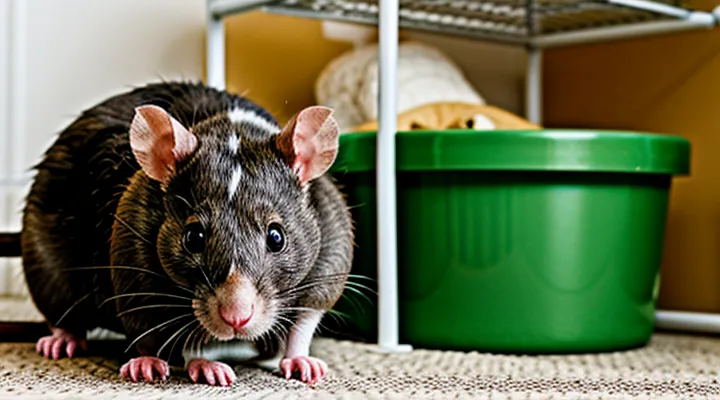
The Social Lives of Rats
Why Rats Need Companionship
Rats are inherently social mammals; they exhibit natural behaviors such as grooming, nesting, and play only when other rats are present. Isolation deprives them of these interactions, leading to chronic stress and abnormal activity patterns.
Research shows that rats housed with at least one compatible partner display lower corticosterone levels, fewer self‑injurious behaviors, and improved immune function. The presence of a conspecific also stimulates natural foraging and exploration, which contributes to overall physical health.
- Decreased anxiety and aggression
- Enhanced learning and problem‑solving abilities
- More stable body weight and reduced risk of obesity
- Lower incidence of repetitive pacing, bar‑chewing, and self‑mutilation
For optimal companionship, provide a pair or small group of same‑sex rats that have been gradually introduced under supervised conditions. Monitor initial interactions for signs of dominance or distress, and separate individuals that exhibit persistent aggression. Adequate space, multiple hiding places, and enrichment items support harmonious group dynamics and prevent competition over resources.
Introducing New Rats
Introducing a new rat to an existing colony requires a structured approach to minimize stress and prevent disease transmission. Begin with a quarantine period of at least two weeks in a separate cage. During this time, provide a balanced diet, fresh water, and regular health observations. Record any signs of respiratory issues, skin lesions, or abnormal behavior.
After quarantine, employ scent exchange to facilitate acceptance. Swap bedding between the cages for 24 hours, then introduce a few pieces of each other's bedding into the other's environment. This allows the rats to become familiar with each other's odor without direct contact.
Proceed to visual exposure by placing the cages side‑by‑side, ensuring a clear barrier that prevents physical interaction. Observe reactions for a minimum of 15 minutes, noting signs of aggression or curiosity. If the rats display calm or investigative behavior, advance to a neutral neutral arena.
Set up a neutral enclosure free of established territory markers. Allow the rats to explore together for short intervals, starting with five minutes and gradually increasing to 30 minutes over several days. Supervise closely; intervene immediately if biting or dominant posturing occurs.
Maintain consistent feeding schedules and provide multiple enrichment items—tunnels, chew toys, and climbing structures—to reduce competition for resources. Continue daily health checks for at least two weeks after full integration.
Key steps:
- Quarantine for 14 days in a separate cage.
- Conduct bedding and scent swaps for 24 hours.
- Arrange side‑by‑side visual contact; monitor behavior.
- Introduce to a neutral arena; increase interaction time gradually.
- Provide ample food, water, and enrichment to minimize territorial disputes.
- Perform ongoing health assessments for two weeks post‑integration.
Adhering to this protocol promotes harmonious cohabitation and safeguards the well‑being of all rats involved.
Housing Essentials
Cage Size and Type
A rat requires a spacious enclosure to accommodate movement, climbing, and nesting. Minimum floor area should be 2 sq ft (≈0.19 m²) for a single adult; each additional rat adds at least 1 sq ft (≈0.09 m²). Height must allow vertical activity; 12 in (30 cm) is the absolute minimum, 18–24 in (45–60 cm) is preferable. Larger dimensions improve health and reduce stress.
Cage construction influences comfort and safety. Wire-bottom cages cause foot injuries and should be avoided. Solid flooring covered with safe bedding provides proper support. Metal bars must be spaced no wider than ½ in (1.3 cm) to prevent escape. Acrylic or polycarbonate panels offer visibility and durability but require adequate ventilation; incorporate mesh windows or drilled holes to ensure airflow without compromising security.
Access points affect hygiene. Doors should open fully and lock securely to allow thorough cleaning. Removable trays simplify waste removal and reduce odor. Interior accessories—ramps, platforms, chew toys—must be attachable without damaging the cage structure.
Key specifications:
- Floor area: ≥2 sq ft per rat, +1 sq ft for each extra rat.
- Height: 12–24 in, higher for active individuals.
- Bar spacing: ≤½ in.
- Flooring: solid with appropriate bedding; no wire mesh.
- Ventilation: mesh windows or drilled openings.
- Cleaning: hinged doors, removable trays.
Bedding and Substrate Choices
Bedding supplies moisture absorption, odor control, and nesting material for a pet rat.
When selecting a substrate, consider absorbency, low dust production, non‑toxicity, and suitability for chewing.
- Paper‑based products (e.g., shredded paper, kiln‑dried paper pellets) – high absorbency, minimal dust, safe to gnaw.
- Aspen shavings – low aromatic oils, moderate dust, provides a natural feel.
- Coconut fiber (coir) – excellent moisture wicking, low dust, biodegradable.
- Hemp bedding – strong absorbency, low dust, resistant to mold.
- Reusable fleece liners – zero dust, washable, long‑term cost efficiency.
Avoid pine or cedar shavings because aromatic compounds can irritate respiratory passages.
Maintain cleanliness by removing soiled sections daily, replacing the entire substrate weekly, and washing fleece liners according to manufacturer instructions. Regular inspection prevents mold growth and ensures a healthy environment for the rat.
Cage Furnishings and Enrichment
A well‑equipped cage supports natural behaviors and prevents boredom in pet rats. Choose items that are safe, easy to clean, and sized for the animal’s activity level.
- Solid floor or thick, chew‑proof substrate; avoid wire mesh that can injure feet.
- Multiple levels or platforms constructed from untreated wood or acrylic, providing vertical space for climbing.
- Hideouts such as PVC tunnels, ceramic caves, or fabric hammocks; ensure they have no loose threads that could be swallowed.
- Chew toys made of untreated hardwood, willow, or natural paper; replace when worn to avoid splinters.
- Exercise wheels with a minimum diameter of 12 in (30 cm) and a solid running surface to protect tiny feet.
Enrichment should vary daily to stimulate curiosity. Rotate toys, rearrange platforms, and introduce safe foraging materials like shredded paper or small vegetable pieces. Puzzle feeders that require manipulation encourage problem‑solving and extend feeding time.
Regular maintenance preserves hygiene and durability. Clean all surfaces with a mild, unscented detergent; rinse thoroughly before returning items to the cage. Inspect wooden components for splintering and replace damaged pieces promptly. Store spare furnishings in a dust‑free container to keep them ready for rotation.
By integrating sturdy furnishings, diverse enrichment, and consistent upkeep, owners create an environment that promotes health, activity, and mental stimulation for domestic rats.
Toys and Chew Items
Toys and chew items are essential for a pet rat’s mental stimulation and dental health. Proper selection and maintenance prevent boredom, reduce stress, and promote natural gnawing behavior.
Suitable toys include:
- Multi‑level climbing frames with solid rungs
- Plastic wheels with a solid running surface, at least 12 cm in diameter
- PVC or cardboard tunnels that allow exploration
- Puzzle feeders that dispense small treats when manipulated
- Hanging hammocks or fabric ladders for resting
Effective chew items consist of:
- Untreated hardwood blocks (e.g., apple, willow)
- Natural branches free of pesticides, trimmed to avoid splinters
- Uncoated cardboard rolls or tubes
- Sisal rope or braiding material, secured to the cage
- Commercial chew sticks formulated for small rodents
Safety guidelines:
- Ensure all items are large enough to prevent ingestion of small pieces
- Choose non‑toxic, chemical‑free materials; avoid painted or dyed products
- Inspect regularly for cracks, sharp edges, or mold; replace damaged pieces promptly
- Clean reusable toys with warm water and mild soap; rinse thoroughly
Enrichment strategy:
- Rotate toys and chew items every 3–4 days to sustain interest
- Observe individual preferences and adjust the selection accordingly
- Provide a minimum of two distinct chew sources per rat to support continuous tooth wear
Consistent attention to toy variety and chew safety enhances overall well‑being and encourages natural behaviors in domestic rats.
Hiding Spots
Rats instinctively seek enclosed spaces where they can retreat from stress and predators. Providing appropriate hiding spots reduces anxiety, supports natural behaviors, and promotes overall health.
Suitable hiding structures include:
- Small wooden boxes with ventilation holes
- Ceramic or plastic igloos with smooth interiors
- PVC pipe sections (diameter 2–3 inches) cut to 6–8 inches long, capped at both ends
- Fabric pouches made from breathable, washable material
When selecting or constructing a hide, consider the following criteria:
- Size: interior dimensions should allow the rat to turn comfortably without touching the walls; a minimum of 4 × 4 × 4 inches is recommended.
- Material safety: avoid toxic paints, adhesives, or treated wood; use food‑grade plastics or untreated natural wood.
- Accessibility: place the entrance low enough for easy entry, but high enough to prevent accidental falls into the enclosure floor.
- Placement: distribute multiple hides throughout the cage to create a network of safe zones; include at least one near the feeding area and another in a quieter corner.
Maintenance practices are essential. Clean hides weekly with mild, unscented soap and rinse thoroughly to prevent residue buildup. Inspect for cracks, splinters, or sharp edges before each cleaning cycle and replace damaged items promptly.
In multi‑rat households, ensure each animal has access to at least one personal hide to prevent competition. Monitoring usage patterns can reveal preferences and indicate potential health concerns if a rat consistently avoids all hides.
Exercise Wheels
Exercise wheels provide the primary outlet for a rat’s natural running instinct, supporting cardiovascular health and preventing obesity.
Select a wheel that meets three criteria: a minimum diameter of 12 inches to allow a natural gait, a solid running surface to protect the tail from hairline injuries, and a quiet, durable material such as reinforced plastic or metal.
Place the wheel on a stable platform within the cage, ensuring it is securely anchored to prevent wobbling. Keep the wheel at least two inches from cage walls to avoid entrapment, and verify that the entry gap does not exceed ½ inch.
Clean the wheel weekly with mild soap and warm water; rinse thoroughly and dry before returning it to the cage. Inspect spokes, bearings, and the rim for cracks or looseness at each cleaning session.
Observe the rat’s activity each day. If the animal spends less than 30 minutes on the wheel, reassess size, placement, or surface texture, and adjust accordingly.
Nutritional Guidelines
Staples of a Healthy Diet
A balanced diet for a pet rat hinges on three core components: commercially formulated pellets, fresh produce, and supplemental protein. Pellets supply calibrated levels of vitamins, minerals, and energy; they should constitute the majority of each feeding.
- Fresh vegetables: leafy greens (kale, romaine), carrots, bell peppers; introduce 1‑2 tablespoons daily, removing uneaten portions within a few hours.
- Fruit: apple slices, berries, melon; limit to a few small pieces twice a week to prevent excess sugar.
- Protein sources: boiled egg, cooked chicken, mealworms, low‑fat cottage cheese; offer 1‑2 teaspoons several times a week.
Clean water must be available at all times, refreshed daily in a chew‑proof bottle. Avoid processed human snacks, sugary treats, and citrus fruits, which can cause digestive upset. Rotate items regularly to maintain interest and ensure a comprehensive nutrient intake.
Acceptable Treats and Supplements
Domestic rats thrive when their diet includes occasional treats and appropriate supplements that complement a balanced pellet or mash base. High‑quality treats should be nutritionally sound, low in sugar, and free of artificial additives.
- Fresh vegetables: broccoli florets, carrots, spinach, kale, bell pepper strips. Offer in small portions to avoid digestive upset.
- Fresh fruits: apple slices (core removed), berries, banana chunks. Limit to 10 % of total intake due to natural sugars.
- Protein snacks: cooked egg white, small pieces of lean chicken or turkey, plain boiled shrimp. Ensure no seasoning, salt, or sauces.
- Whole‑grain options: unsalted popcorn, plain whole‑grain crackers, small pieces of cooked brown rice.
Supplements support health when the regular diet lacks specific nutrients. Use only products formulated for small rodents and follow label dosages.
- Vitamin C powder or tablets: rats cannot synthesize sufficient vitamin C; a low‑dose supplement prevents deficiency.
- Calcium source: calcium carbonate tablets or powdered mineral mix, especially for breeding females or young rats.
- Omega‑3 fatty acids: fish‑oil capsules (halved) or algae‑derived oil to promote coat health and cognitive function.
- Probiotic blends: rodent‑specific strains improve gut flora and digestion; administer according to manufacturer instructions.
Always introduce new foods gradually, monitor for adverse reactions, and keep treats below 10 % of daily caloric intake. Store perishables in the refrigerator and discard any uneaten portions after a few hours to prevent spoilage. Use supplements sparingly; excess vitamins or minerals can cause toxicity. Regular veterinary check‑ups confirm that the chosen treats and supplements meet the individual rat’s nutritional requirements.
Foods to Avoid
Rats require a diet that mirrors their natural omnivorous habits while avoiding items that can cause digestive distress, organ damage, or toxic reactions. The following substances must be excluded from any rat’s feeding regimen:
- Citrus fruits and juices – high acidity irritates the stomach lining and can lead to ulceration.
- Chocolate and cocoa products – contain theobromine, a stimulant toxic to rodents even in small quantities.
- Caffeinated beverages or foods – caffeine accelerates heart rate and may provoke seizures.
- Alcohol – depresses the central nervous system, resulting in respiratory failure and death.
- Raw beans, especially kidney beans – contain lectins that damage intestinal cells and can cause severe vomiting.
- High‑salt snacks (chips, pretzels, processed meats) – excess sodium strains kidneys and raises blood pressure.
- Sugary candies and syrups – promote obesity, dental decay, and metabolic disorders.
- Avocado flesh and pit – persin, a fatty acid derivative, is hepatotoxic to rats.
- Onions, garlic, and related Allium species – compounds break down red blood cells, leading to anemia.
- Dairy products – many rats lack lactase; consumption results in diarrhea and dehydration.
Eliminating these foods prevents acute poisoning and supports long‑term health. When offering treats, select fresh vegetables, small fruit portions, lean cooked proteins, and commercially formulated rat pellets that meet nutritional standards. Regular monitoring of weight and stool consistency confirms that the diet remains appropriate and safe.
Health and Hygiene
Common Rat Ailments
Domestic rats commonly encounter several health problems that demand prompt recognition and appropriate management. Understanding typical ailments enables owners to maintain optimal welfare and reduce veterinary emergencies.
- Respiratory infections (e.g., Mycoplasma pulmonis, Streptococcus spp.) – symptoms: sneezing, nasal discharge, labored breathing; prevention: clean bedding, low dust, proper ventilation; treatment: antibiotic therapy prescribed by a veterinarian.
- Dental overgrowth – signs: difficulty chewing, drooling, weight loss; prevention: provide chew toys and a balanced diet rich in fibrous material; treatment: professional trimming under anesthesia.
- Skin parasites (mites, fur mites) – indicators: itching, hair loss, scabs; prevention: regular cage cleaning, quarantine of new animals; treatment: topical or systemic acaricides as directed by a veterinarian.
- Gastrointestinal stasis – manifestations: reduced food intake, lethargy, abdominal distension; prevention: consistent feeding schedule, adequate hydration, high‑fiber diet; treatment: fluid therapy, motility‑stimulating medications, supportive care.
- Tumors (especially mammary and pituitary adenomas) – detection: palpable masses, abnormal behavior, hormonal changes; prevention: regular physical examinations; treatment: surgical removal or palliative care based on veterinary assessment.
Routine health monitoring—daily observation of appetite, activity, coat condition, and respiratory sounds—allows early detection of deviations. Any abnormal sign warrants immediate veterinary consultation to confirm diagnosis and initiate targeted therapy. Maintaining a sterile environment, balanced nutrition, and stress‑free handling constitute the core of effective rat husbandry and minimize the incidence of these common diseases.
Recognizing Signs of Illness
Recognizing early symptoms of disease in a pet rat is essential for timely veterinary intervention and reduces the risk of complications. Observe the animal daily for deviations from normal behavior, physical condition, and physiological functions.
- Reduced appetite or refusal to eat
- Lethargy, decreased activity, or reluctance to explore
- Weight loss visible as a thinning of the body or a pronounced spine
- Respiratory changes: noisy breathing, persistent sneezing, or nasal discharge
- Ocular signs: watery eyes, crusting, or redness
- Skin abnormalities: hair loss, sores, scabs, or excessive scratching
- Digestive issues: diarrhea, abnormal stool consistency, or blood in feces
- Changes in urination: reduced output, difficulty urinating, or blood in urine
- Abnormal posture: hunching, arching the back, or difficulty moving
Any single sign warrants close monitoring; multiple or rapidly progressing symptoms require immediate veterinary assessment. Maintaining a record of observations, including onset time and duration, assists the clinician in diagnosing the underlying condition. Regular health checks, combined with prompt response to these indicators, support optimal welfare for a domestic rat.
Regular Vet Check-ups
Regular veterinary examinations are a cornerstone of maintaining a healthy pet rat. Professional assessment identifies health issues that are difficult for owners to detect, such as early respiratory infections, dental overgrowth, and internal parasites.
Key aspects of routine rat veterinary care:
- Frequency: Schedule a comprehensive check‑up at least twice a year; increase to quarterly for senior or medically compromised animals.
- Physical exam: Vet will evaluate weight, coat condition, eye clarity, and respiratory sounds. Any deviation from normal parameters warrants immediate attention.
- Dental inspection: Rats’ continuously growing incisors require regular trimming. The veterinarian can assess bite alignment and detect overgrowth before it causes ulceration.
- Vaccination and parasite control: While no specific vaccines exist for rats, vets may recommend immunizations against common pathogens in laboratory settings. External and internal parasite prophylaxis should be administered according to the clinic’s protocol.
- Diagnostic testing: Blood work, fecal analysis, and radiographs are optional tools for detecting hidden conditions. Request these tests if the rat shows subtle signs such as reduced activity or weight loss.
- Record keeping: Maintain a log of each visit, including findings, treatments, and recommendations. Accurate records streamline future consultations and support continuity of care.
Preparing for the appointment enhances efficiency. Transport the rat in a secure, ventilated carrier, provide a brief health history, and bring any recent observations of abnormal behavior. Prompt veterinary attention, combined with scheduled examinations, significantly extends the lifespan and quality of life for domestic rats.
Grooming and Nail Care
Regular grooming maintains a rat’s coat health and reduces the risk of skin problems. Brushing with a soft, small‑tooth comb removes loose hair and detangles mild mats. Perform this routine two to three times a week, focusing on the back, sides, and hindquarters. If a mat forms, gently loosen it with a damp cotton swab before combing; avoid cutting hair with scissors, as this can injure the skin.
Bathing is rarely necessary because rats self‑clean. A brief, lukewarm sponge wash may be used after a spill or when the coat becomes excessively dirty. Pat the animal dry with a soft towel and keep it warm until the fur is completely dry.
Nail management prevents overgrowth that can impair movement or cause injury. Inspect the claws weekly; healthy nails appear translucent with a slight curve. Trim only the free‑growing tip, leaving the pink quick untouched. Use a small animal nail clipper or human manicure scissors, applying steady pressure to avoid crushing the nail. If the quick is accidentally cut, apply a tiny amount of styptic powder to stop bleeding.
A concise checklist for routine care:
- Brush coat 2‑3 times weekly with a soft comb.
- Spot‑clean with a damp cloth; reserve full sponge baths for emergencies.
- Examine nails weekly; trim the tip if longer than the pad.
- Keep grooming tools sterilized after each use.
Consistent attention to coat condition and nail length supports comfort, mobility, and overall health for a domestic rat.
Odor Control and Cage Cleaning
Rats emit a distinct smell when waste accumulates, so regular cage maintenance is essential for a healthy environment.
Daily spot cleaning removes fresh droppings and food remnants, preventing bacterial growth and odor buildup. Use a small scoop or paper towel to clear visible messes, then replace the water bottle and check that the food dish is free of crumbs.
Weekly deep cleaning restores the cage’s overall hygiene. Remove the rat, discard all bedding, and wash the cage with warm water and a mild, unscented detergent. Rinse thoroughly to eliminate residue that could irritate the animal’s respiratory system. After drying, apply a thin layer of a safe, absorbent substrate—paper-based bedding, aspen shavings, or hemp—chosen for low dust and minimal odor.
Ventilation reduces stagnant air and disperses odors. Position the cage away from enclosed corners, and ensure any built‑in ventilation slots remain unobstructed. If the cage includes a wire top, consider adding a breathable mesh cover to balance airflow with protection.
Odor‑absorbing accessories can extend intervals between deep cleans. Place a small dish of activated charcoal or a commercial pet‑safe deodorizers beneath the bedding; replace these items according to manufacturer guidelines.
Cleaning routine checklist
- Spot clean daily: remove droppings, wipe food dish, refresh water.
- Replace wet or soiled bedding weekly.
- Wash cage interior with mild detergent; rinse completely.
- Dry all surfaces before adding fresh bedding.
- Inspect cage for wear, repair cracks, and verify ventilation openings.
Adhering to this schedule keeps the enclosure odor‑free, supports respiratory health, and creates a comfortable habitat for a domestic rat.
Training and Interaction
Taming Your Rat
Taming a domestic rat requires consistent, low‑stress interaction that builds trust and reduces fear. Begin with a quiet environment; sudden noises or bright lights can trigger defensive reactions. Offer the rat a hand‑held treat within reach of its cage, allowing it to approach voluntarily. Keep sessions brief—five to ten minutes—so the animal associates handling with a predictable, manageable experience.
Key steps for successful taming:
- Hand introduction: Place a clean hand in the cage, palm down, and remain still. Allow the rat to sniff and climb onto the hand at its own pace.
- Gentle grasp: Once the rat is comfortable, gently cup it with both hands, supporting its body without restraining movement.
- Positive reinforcement: Reward each calm interaction with a small piece of favorite food, reinforcing the behavior.
- Routine exposure: Conduct daily sessions, gradually increasing handling time while monitoring the rat’s stress signals (e.g., rapid breathing, excessive grooming).
- Safe retreat: Provide an easy escape route, such as a tunnel or hideaway, to let the rat withdraw if it becomes uneasy.
Consistent practice leads to a rat that readily accepts handling, simplifies health checks, and enhances the overall bond between owner and pet. Maintaining a calm demeanor and respecting the animal’s boundaries are essential for lasting tameness.
Basic Training Techniques
Training a pet rat enhances its wellbeing and simplifies daily care. Begin with litter training: place a small, absorbent tray in the cage, line it with paper bedding, and position the tray where the rat naturally rests. Observe the rat’s habits; when it urinates or defecates, gently guide it onto the tray and reward with a brief treat. Repeat consistently until the behavior becomes routine.
Handling builds trust and reduces stress. Offer a hand with a treat, allow the rat to climb onto the palm, then support its body with both hands. Keep sessions short—one to two minutes—progressing to gentle lifts and brief laps around a safe surface. Increase duration only after the rat remains calm.
Recall training uses a distinct cue, such as “come,” paired with a high‑value treat. Call the rat from a short distance, reward immediately upon approach, and repeat several times daily. Gradually extend the distance and introduce mild distractions, maintaining consistent reinforcement.
Target training introduces a small stick or ball as a focus point. Touch the target to the rat’s nose, then reward. Move the target incrementally, prompting the rat to follow. This technique prepares the animal for more complex tasks, such as stepping onto a platform for health checks.
Clicker conditioning provides precise timing for reinforcement. Press the clicker the instant the desired action occurs, then deliver a treat. Over successive trials, the rat associates the click with correct behavior, accelerating learning across tasks.
If outdoor exploration is desired, introduce a lightweight harness. Fit the harness snugly without restricting movement, allow the rat to wear it inside the cage for several minutes, then attach a short leash. Begin with slow walks in a secure, enclosed area, rewarding calm steps. Increase leash length only after the rat demonstrates confidence and responsiveness.
Consistent, positive reinforcement, brief sessions, and a calm environment form the foundation of effective rat training. Mastering these basic techniques reduces unwanted habits, facilitates health monitoring, and strengthens the owner‑pet relationship.
Playtime and Bonding
Play sessions provide essential physical exercise and mental stimulation for pet rats, reducing obesity risk and preventing repetitive‑behaviour disorders. Structured interaction also creates predictable routines that help rats recognize their caregiver as a safe presence.
- Offer tunnels, chew toys, and cardboard mazes for climbing and exploring.
- Rotate enrichment items every few days to maintain novelty.
- Schedule 15‑20 minutes of supervised floor time daily; extend gradually as the rat becomes more confident.
- Use a gentle hand‑hold technique: support the body with both palms, allowing the rat to move freely without feeling restrained.
Bonding develops through consistent, low‑stress contact. Begin with quiet observation, then progress to hand‑feeding treats and brief petting sessions. Reward calm behavior with soft vocal cues and occasional treats to reinforce trust.
- Hand‑feed small pieces of fruit or millet directly from the fingertips.
- Gently stroke the back and sides; avoid the tail and hindquarters initially.
- Introduce a soft, familiar scent (e.g., a worn cotton cloth) near the cage to associate the caregiver with comfort.
- Maintain a calm environment: low lighting, minimal sudden noises, and steady breathing while handling.
Regular, positive play and bonding interactions strengthen the rat’s confidence, improve health markers, and foster a reliable human‑animal relationship.
Environmental Considerations
Temperature and Humidity
Domestic rats thrive when ambient temperature stays between 65 °F and 75 °F (18 °C–24 °C). Temperatures below 60 °F (15 °C) can slow metabolism, reduce activity, and increase susceptibility to respiratory infections. Temperatures above 80 °F (27 °C) raise the risk of heat stress, dehydration, and overheating of the cage’s bedding. Use a reliable thermometer placed at cage height to verify conditions; adjust room heating or cooling devices accordingly.
Ideal relative humidity ranges from 40 % to 60 %. Lower humidity accelerates skin drying and can cause nasal irritation; higher humidity encourages mold growth and bacterial proliferation in bedding and food dishes. A digital hygrometer positioned near the cage provides accurate readings. If humidity falls short, add a shallow water dish with clean stones or employ a humidifier set to a low output. If humidity exceeds the upper limit, increase ventilation, replace damp bedding promptly, and consider a dehumidifier.
Key points for maintaining stable climate:
- Monitor temperature and humidity daily.
- Keep cage away from direct sunlight, drafts, and heating vents.
- Replace bedding weekly; discard any damp or soiled material immediately.
- Ensure water bottles are functional and provide fresh water at least twice daily.
Safe Play Areas
A safe play area provides a controlled space where a pet rat can explore, exercise, and exhibit natural behaviors without risk of injury or escape. The enclosure should be constructed of sturdy, chew‑resistant material such as metal mesh or thick acrylic, with secure lids and no gaps larger than ½ inch. Floor surfaces must be solid and non‑slippery; avoid wire flooring, which can cause foot injuries.
- Minimum dimensions: 18 in × 12 in × 12 in for a single rat; larger cages are required for groups.
- Escape‑proof construction: all joints reinforced, doors equipped with latch mechanisms.
- Ventilation: ample airflow without drafts; mesh panels positioned opposite each other.
- Cleaning access: removable trays or doors to facilitate regular sanitation.
- Hazard removal: eliminate cords, small objects, and toxic plants from the interior.
Routine inspection of the play area is mandatory. Check for loose wires, frayed mesh, and sharp edges before each session. Replace damaged components immediately. Clean the enclosure weekly with mild, unscented soap and hot water; rinse thoroughly to prevent residue buildup.
Enrichment items—tunnels, climbing ladders, and chew blocks—must be secured to prevent shifting. Rotate toys regularly to sustain interest and reduce stress. Provide a separate nesting zone within the same enclosure, using soft bedding that does not shed fibers capable of ingestion.
By adhering to these specifications, owners create a secure environment that supports physical health, mental stimulation, and overall well‑being for their domestic rat.
Protecting Your Home from Your Rat
A well‑secured living environment protects both the animal and the household. Choose a cage with solid bars, lockable doors, and a base that prevents escape. Position the cage on a stable surface away from cords and small openings that a rat could gnaw through.
Maintain hygiene to deter pests and damage. Remove food scraps promptly, store dry feed in sealed containers, and clean the cage daily. Dispose of bedding and droppings in a sealed bag before discarding to eliminate odors that attract insects.
Implement preventive measures throughout the home:
- Cover electrical wires with protective tubing or conduit.
- Seal gaps around doors, windows, and vents with metal mesh or caulk.
- Use chew‑resistant materials for furniture legs and baseboards.
- Keep plants in pots with sturdy soil to prevent root tunneling.
- Store cleaning supplies and toxic substances in locked cabinets.
When allowing supervised free‑range time, confine the area with a playpen or a room that has been inspected for hazards. Supervision prevents the rat from accessing hazardous objects and reduces the risk of accidental escapes. Regularly inspect the cage, play area, and surrounding rooms for signs of wear, chewed material, or new entry points, and repair them immediately.
Responsible Rat Ownership
Spaying and Neutering Considerations
Spaying or neutering a pet rat eliminates the risk of unintended litters and reduces the likelihood of reproductive‑related diseases. The procedure removes the gonads, preventing ovarian or testicular tumors that become common in middle‑aged rodents.
Key health considerations include:
- Early sterilization (around 8‑10 weeks) lowers the incidence of uterine or prostate issues.
- Delaying the operation may increase surgical complications due to larger organ size.
- Pre‑operative assessment should verify normal weight (≥ 150 g) and absence of respiratory infection.
The surgery is performed under general anesthesia, typically lasting 15‑20 minutes. Post‑operative care involves:
- Providing a warm, quiet cage for 24‑48 hours.
- Monitoring incision site for swelling, redness, or discharge.
- Offering soft food and water; avoid hard pellets for the first day.
- Administering any prescribed analgesics according to the veterinarian’s schedule.
Behavioral changes after sterilization are generally positive. Aggression toward cage mates diminishes, and territorial marking declines. Some rats may exhibit a brief reduction in activity during recovery, but normal play and exploration resume within a week.
Ethical responsibility dictates that owners prevent overpopulation and avoid the stress of pregnancy in a small animal. Selecting a qualified veterinary practice ensures the procedure follows aseptic standards and minimizes risk.
Handling Emergencies
When a pet rat shows sudden weakness, labored breathing, uncontrolled bleeding, seizures, or loss of consciousness, treat the situation as an emergency. Prompt recognition of these signs prevents deterioration and increases survival chances.
Isolate the affected rat to reduce stress and prevent injury to cage mates. Check the airway for obstructions; clear visible debris with tweezers, not fingers. Apply gentle pressure to stop bleeding, using a clean gauze pad. Keep the animal warm by wrapping it in a soft, insulated cloth, but avoid overheating. Contact an experienced exotic‑animal veterinarian immediately; provide details about symptoms, duration, and any recent changes in diet or environment. If transportation is required, place the rat in a secure carrier with minimal movement.
Essential items for a rat emergency kit
- Sterile gauze pads and non‑adhesive bandages
- Small hemostatic forceps or tweezers
- Saline solution for wound cleaning
- Heat pack or warm blanket (low temperature)
- Contact list of local exotic‑pet veterinarians, including phone numbers and after‑hours service
- Record sheet for noting time of onset, observed symptoms, and actions taken
Prepare a written emergency plan that assigns responsibilities, outlines step‑by‑step procedures, and lists all required supplies. Review the plan regularly, update contact information, and rehearse the actions to ensure a swift, coordinated response when an emergency occurs.
End-of-Life Care
When a pet rat approaches the end of its life, attentive care can ease discomfort and preserve dignity. Recognize terminal signs such as rapid weight loss, persistent lethargy, labored breathing, and loss of appetite. Early identification allows timely intervention.
- Consult a veterinarian experienced with rodents to assess pain levels and determine appropriate analgesics. Common options include meloxicam or buprenorphine, administered according to professional dosage guidelines.
- Maintain a warm, quiet enclosure free from drafts. Use soft bedding and limit handling to essential moments, reducing stress.
- Offer easily digestible foods—softened pellets, mashed banana, or warm water with electrolytes—to sustain hydration and nutrition without forcing intake.
- Monitor waste output; reduced or absent feces may signal gastrointestinal slowdown, requiring medical attention.
- Prepare for humane euthanasia if quality of life declines sharply. Discuss the procedure with a veterinarian to ensure a painless, stress‑free process.
Support the owner emotionally by encouraging regular observation, documenting changes, and providing resources such as support groups or counseling services. After death, follow proper disposal guidelines: burial in a pet‑friendly zone, cremation, or contact with local animal control for safe handling. Preserve memories through photos or keepsakes, acknowledging the rat’s role in the household.