
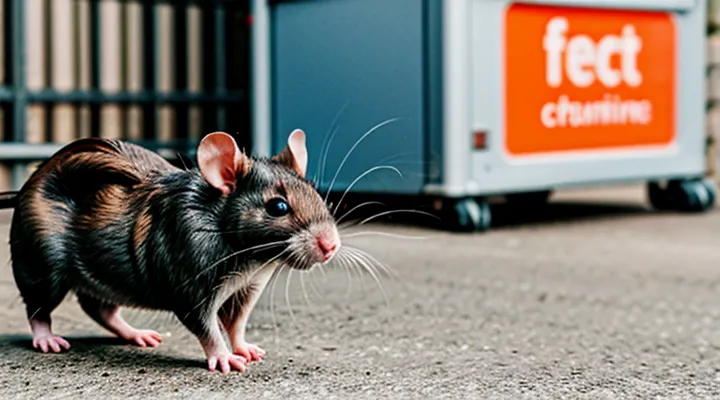
Understanding the Rat Problem
The Scale of Rat Infestations
Health Risks Associated with Rats
Rats transmit a range of pathogens that jeopardize public health and create liability for property owners. Direct contact with rodent urine, feces, saliva, or bites introduces bacterial, viral, and parasitic agents. Indirect exposure occurs when rats contaminate food, water, or surfaces, allowing microorganisms to persist and multiply.
Key illnesses linked to rat infestations include:
- Leptospirosis – bacterial infection acquired through skin contact with contaminated urine; symptoms range from flu‑like illness to kidney failure.
- Hantavirus pulmonary syndrome – inhalation of aerosolized droppings or urine; rapid onset of respiratory distress and high mortality.
- Salmonellosis – ingestion of food tainted with rat feces; causes gastroenteritis, dehydration, and possible bloodstream infection.
- Rat‑bite fever (Streptobacillus moniliformis) – bacterial infection following a bite or scratch; presents with fever, rash, and joint pain.
- Plague (Yersinia pestis) – rare but severe; transmitted by flea bites that have fed on infected rats; leads to bubonic, septicemic, or pneumonic forms.
Additional concerns involve allergic reactions to rodent dander and psychological stress from visible infestations, which can affect productivity and well‑being in workplaces and residential settings.
Control professionals mitigate these risks by implementing integrated strategies: systematic inspection, exclusion of entry points, sanitation improvements, and targeted use of rodenticides or traps. Proper training ensures safe handling of hazardous materials and compliance with health regulations, reducing exposure for staff and occupants alike. Continuous monitoring detects reinfestation early, limiting disease transmission cycles and protecting community health.
Property Damage Caused by Rats
Rats compromise structural integrity by gnawing on wood, insulation, and electrical wiring. Continuous chewing weakens beams, creates fire hazards, and can lead to costly repairs.
Their presence contaminates food supplies and surfaces with urine, droppings, and pathogens. This contamination forces replacement of stored goods, cleaning of affected areas, and sometimes relocation of entire inventories.
Additional damage includes:
- Burrowing in foundations, creating voids that settle and crack walls.
- Chewing through plastic and rubber seals, allowing water intrusion and mold growth.
- Disrupting HVAC systems by nesting in ducts, reducing efficiency and increasing maintenance expenses.
Effective mitigation requires prompt identification of activity signs, targeted bait placement, and regular monitoring to prevent escalation. Professional intervention reduces the likelihood of extensive material loss and minimizes downtime for residential or commercial properties.
Common Entry Points and Harborage Areas
Exterior Vulnerabilities
Exterior vulnerabilities constitute the primary pathways through which rats infiltrate structures. Identifying and eliminating these openings is essential for effective rodent management.
- Cracks in foundation walls and footings
- Gaps around utility penetrations (pipes, cables, conduits)
- Unsealed openings at vent pipes, chimney flues, and roof eaves
- Damaged soffit or fascia boards exposing attic space
- Loose or missing siding, weather‑stripping, and door sweeps
- Overgrown vegetation and debris that bridge ground level to the building envelope
Professional rat controllers conduct thorough exterior inspections, measuring gap dimensions, evaluating material integrity, and documenting all potential ingress points. Their expertise enables prioritization of repairs based on risk level and cost‑effectiveness.
- Apply stainless‑steel mesh or metal flashing to seal cracks and gaps larger than ¼ inch
- Install rodent‑proof caps on vent pipes and chimney flues, using UL‑listed products
- Replace deteriorated siding, repair fascia, and secure soffit panels with corrosion‑resistant fasteners
- Fit door sweeps and threshold seals to block floor‑level entry
- Trim trees, shrubs, and vines to maintain a minimum 10‑foot clearance from building walls
- Route utility lines through sealed conduit sleeves, employing expanding foam or caulk where needed
Continuous monitoring complements initial remediation. Scheduled exterior audits detect new vulnerabilities caused by settlement, weather, or wildlife activity. Prompt repair of emerging gaps preserves the integrity of the building envelope and sustains long‑term rat exclusion.
Interior Hiding Spots
Rats exploit concealed areas within buildings to avoid detection and access food sources. Common interior hiding spots include:
- Wall voids and cavities behind drywall, insulation, or paneling. These spaces provide darkness, protection from temperature fluctuations, and direct routes to structural openings.
- Ceiling joist spaces and attic crawl areas. Rats use these zones to travel between rooms while remaining unseen, often entering through gaps around light fixtures or vent ducts.
- Underfloor voids, especially in raised or slab‑on‑grade constructions. Gaps beneath flooring allow movement and storage of nesting material.
- Behind appliances such as refrigerators, ovens, and dishwashers. The heat and moisture generated by these devices create favorable micro‑environments for breeding.
- Inside cabinetry, particularly where food residue accumulates. Loose shelves, back panels, and unsealed joints serve as discreet nesting sites.
- Utility closets and storage rooms with stacked boxes or pallets. The clutter creates multiple concealment layers and easy escape routes.
Identifying these locations requires systematic inspection. Professionals remove removable panels, use flashlights to probe dark recesses, and employ inspection mirrors to view hidden corners. Evidence such as droppings, gnaw marks, and urine stains confirms occupancy.
Control measures focus on eliminating access and reducing suitability. Sealing entry points with steel wool, metal mesh, or expanding foam blocks movement. Removing food residues, cleaning spills promptly, and storing supplies in sealed containers deprive rats of nutrition. In areas where nests are confirmed, targeted bait placement and, when necessary, live‑trap deployment reduce the population directly within the hiding spot.
Regular monitoring after intervention ensures that newly created gaps do not become alternative shelters. Documentation of inspected zones and applied remedies creates a reference for future maintenance and helps maintain a rat‑free interior environment.
The Role of Professional Rat Control Services
Why Professional Intervention is Crucial
Limitations of DIY Methods
DIY rat control often appears attractive because of low upfront cost and perceived simplicity. In practice, self‑implemented measures encounter several critical constraints that reduce effectiveness and increase risk.
- Traps and bait stations lack the placement precision achieved by trained technicians, allowing rats to avoid capture.
- Homemade solutions rarely incorporate professional‑grade rodenticides, resulting in sublethal dosing that fosters resistance.
- Safety protocols for handling toxic substances are typically absent, exposing occupants and pets to hazardous exposure.
- Monitoring and follow‑up inspections are omitted, so reinfestations remain undetected until populations surge.
- Legal regulations governing pesticide use differ by jurisdiction; untrained users may unintentionally violate compliance requirements.
These limitations translate into prolonged infestations, higher long‑term expenses, and potential health hazards. Professional rodent management provides systematic site assessments, calibrated bait distribution, and ongoing surveillance, ensuring comprehensive eradication while adhering to safety and regulatory standards. Opting for expert services mitigates the shortcomings inherent in amateur approaches and secures lasting control.
The Expertise of Pest Control Technicians
Pest control technicians specializing in rat management possess a focused knowledge base that enables accurate assessment and effective intervention. Their work begins with a thorough site inspection, during which they identify species, population size, and activity patterns. This data drives the selection of appropriate control measures.
Training programs combine classroom instruction with practical experience, covering topics such as rodent biology, integrated pest management (IPM) principles, and regulatory compliance. Certification agencies validate competence through examinations and periodic recertification, ensuring technicians remain current with evolving techniques.
Core competencies include:
- Species identification and behavior analysis
- Inspection of structural vulnerabilities and sanitation conditions
- Selection and placement of traps, bait stations, and exclusion devices
- Safe handling of rodenticides, adhering to label instructions and personal protective equipment (PPE) standards
- Documentation of findings, actions taken, and follow‑up recommendations
Control strategies employed by technicians prioritize minimal environmental impact. Mechanical traps provide immediate removal, while strategically positioned bait stations address hidden infestations. Physical barriers, such as sealed entry points and utility penetrations, prevent re‑entry. Sanitation measures reduce food sources, lowering attractivity.
Equipment proficiency extends to the use of infrared cameras for nocturnal activity monitoring, electronic monitoring devices that record trap captures, and data‑logging software that tracks treatment efficacy over time. Safety protocols mandate regular calibration of devices, proper storage of hazardous substances, and adherence to occupational health guidelines.
Effective communication with property owners or managers completes the service cycle. Technicians deliver concise reports outlining observed conditions, implemented actions, and recommended preventive steps, enabling informed decisions and sustained rodent control.
Key Services Offered by Professionals
Thorough Inspections and Assessment
Thorough inspections form the foundation of effective rat management. Inspectors begin by surveying interior spaces, identifying signs such as droppings, gnaw marks, and burrows. They document entry points, including gaps around utilities, vents, and foundations, then measure distances to locate potential pathways. Exterior evaluation covers waste storage, vegetation, and drainage, pinpointing conditions that support rodent activity.
Key components of the assessment process include:
- Visual examination of all rooms, crawl spaces, and attics.
- Use of infrared cameras to detect hidden activity behind walls.
- Placement of motion-activated sensors to confirm nocturnal movement.
- Mapping of discovered evidence on a site plan for strategic planning.
After data collection, inspectors analyze infestation severity by classifying evidence density (low, moderate, high) and correlating it with structural vulnerabilities. This analysis informs a customized control strategy, prioritizing sealing of entry points, sanitation improvements, and targeted bait or trap deployment. The final report delivers actionable recommendations, timelines for remediation, and metrics for monitoring progress.
Customized Treatment Plans
Customized treatment plans are essential components of effective rat management programs. They translate site‑specific data into actionable control measures, reducing waste and improving outcomes.
The professionals responsible for creating these plans include:
- Licensed pest‑control operators with rat‑specific certification.
- Integrated pest‑management (IPM) consultants trained in vertebrate pest biology.
- Veterinary entomologists who advise on disease‑related risks.
- Facility managers who coordinate implementation with internal teams.
Development of a customized plan follows a systematic sequence:
- Conduct a thorough site inspection to locate signs of activity, entry points, and food sources.
- Record environmental variables such as temperature, humidity, and structural layout.
- Identify the rat species present to select appropriate control agents.
- Evaluate population density using trap counts or visual surveys.
- Choose control tactics—mechanical, chemical, or biological—based on efficacy, safety, and regulatory compliance.
- Calculate dosage and placement of baits or traps to achieve optimal coverage.
- Establish a monitoring schedule that includes follow‑up inspections and data logging.
Implementing a tailored plan yields measurable advantages:
- Higher success rates due to precise targeting of infestation hotspots.
- Lower exposure of non‑target organisms because chemicals are applied only where needed.
- Compliance with local health and safety regulations through documented risk assessments.
- Cost efficiency derived from reduced product usage and minimized repeat visits.
By aligning expertise, data collection, and method selection, customized treatment plans provide a disciplined framework for professional rat control initiatives.
Exclusion and Proofing Strategies
Excluding rats from a property requires a systematic approach that combines structural modifications, environmental management, and ongoing verification. Effective exclusion reduces the need for chemical interventions and limits the likelihood of re‑infestation.
Structural barriers focus on sealing entry points. Common measures include:
- Installing metal flashing around utility penetrations and pipe sleeves.
- Applying high‑grade sealants to gaps around doors, windows, and foundation cracks.
- Fitting self‑closing doors or shutters on vents, crawl‑space openings, and attic accesses.
- Replacing damaged or missing roofing tiles and flashing to prevent roof‑board entry.
Environmental management eliminates attractants that draw rodents toward shelter. Key actions involve:
- Storing waste in sealed containers and removing it from the premises regularly.
- Maintaining landscaping to keep vegetation trimmed away from building walls.
- Elevating food storage and processing areas above ground level.
- Ensuring water sources are not stagnant and are inaccessible to rodents.
Proofing strategies verify that exclusion measures remain effective over time. Practices include:
- Conducting quarterly inspections of sealed openings and repair logs.
- Using motion‑activated cameras or tracking boards to detect any new activity.
- Recording findings in a centralized system to track trends and schedule preventive maintenance.
- Engaging qualified pest‑management professionals for annual audits and recommendations.
Integrating these exclusion and proofing components creates a durable defense against rat incursions, supporting long‑term control objectives while minimizing reliance on toxic control methods.
Ongoing Monitoring and Maintenance
Ongoing monitoring and maintenance are integral to any effective rodent management program. Continuous observation verifies that bait stations, traps, and exclusion measures remain functional, while periodic inspections detect new activity before infestations expand.
Field technicians conduct site visits on a schedule determined by risk assessment. During each visit they:
- Examine bait stations for consumption levels and replace depleted units.
- Inspect traps for catches, reset mechanisms, and clean debris.
- Survey building perimeters for signs of gnawing, burrows, or droppings.
- Verify integrity of seals, door sweeps, and utility penetrations.
- Document findings in a centralized log, noting dates, locations, and corrective actions.
Data collected during these rounds feed into a management dashboard that flags trends, such as increasing activity in specific zones, prompting targeted reinforcement. Maintenance crews address deficiencies promptly, tightening seals, repositioning devices, or adjusting bait formulations to match observed rodent behavior. Regular calibration of monitoring equipment ensures accurate detection thresholds and reduces false‑positive reports.
How Professionals Tackle Rat Infestations
Integrated Pest Management (IPM) Approach
Non-Chemical Control Methods
Effective rat management often relies on physical and environmental interventions that avoid toxic substances. These methods target the rodents’ habitat, behavior, and access points, reducing populations while minimizing health risks and regulatory burdens.
Exclusion techniques involve sealing cracks, gaps, and openings in walls, floors, and roofing. Materials such as steel wool, metal flashing, and cement mortar create barriers that rats cannot gnaw through. Regular inspection of utility penetrations, pipe sleeves, and door sweeps ensures that new entryways are promptly closed.
Sanitation measures remove food and water sources that attract rats. Storing grain, pet food, and waste in sealed containers, promptly cleaning spills, and maintaining proper garbage collection schedules deprive rodents of sustenance. Landscaping adjustments—trimming tree branches away from structures, removing debris piles, and keeping grass short—reduce cover and travel routes.
Mechanical controls include traps and devices that capture or kill rats without chemicals. Snap traps, electronic kill traps, and multi-catch live traps provide immediate reduction of active individuals. Proper placement along walls, behind objects, and near known runways maximizes capture rates. Regular checking and humane disposal prevent secondary infestations.
Population monitoring uses tracking stations, infrared cameras, and chew‑mark surveys to assess activity levels. Data collected informs targeted exclusion and sanitation actions, allowing resources to focus on high‑risk zones.
Integrating these non‑chemical strategies creates a comprehensive, low‑risk approach to rat control that aligns with professional standards and regulatory expectations.
Strategic Rodenticide Application
Strategic rodenticide application is a core component of professional rat management programs. Its effectiveness depends on precise planning, targeted delivery, and strict adherence to regulatory standards.
Application planning begins with a thorough site assessment. Inspectors identify infestation hotspots, determine species behavior patterns, and evaluate environmental factors that influence bait uptake. Data from this assessment informs the selection of active ingredients, bait formulations, and placement density.
Execution follows a defined protocol:
- Product selection – Choose rodenticides with proven efficacy against the target species and documented low risk to non‑target organisms. Preference is given to anticoagulant baits with secondary‑action properties only when warranted.
- Placement strategy – Position baits along walls, near gnawing sites, and in concealed locations where rats travel. Use tamper‑resistant stations in public or food‑handling areas.
- Dosage control – Apply the minimum quantity required to achieve lethal exposure, based on manufacturer guidelines and local pest pressure.
- Safety measures – Equip applicators with personal protective equipment, enforce restricted access zones, and label all bait stations clearly.
Post‑application monitoring validates outcomes. Inspectors record bait consumption, capture rates, and any signs of secondary poisoning. If activity persists, they adjust placement patterns, rotate active ingredients, or integrate alternative control methods such as trapping or habitat modification.
Regulatory compliance is non‑negotiable. Practitioners must maintain up‑to‑date licenses, submit usage reports to relevant authorities, and ensure that all documentation—including safety data sheets and disposal records—is readily available for audit.
Continuous training enhances proficiency. Certified personnel receive instruction on emerging rodenticide formulations, resistance management techniques, and best practices for minimizing environmental impact.
By integrating meticulous assessment, disciplined execution, and rigorous follow‑up, strategic rodenticide application delivers reliable reductions in rat populations while safeguarding human health and ecological integrity.
Trapping and Removal Techniques
Effective rat management relies on precise trapping and removal methods. Professional operators select devices based on target species, infestation severity, and environment. Snap traps provide immediate kill, suitable for indoor use where rapid reduction is required. Live‑catch traps allow relocation, but demand strict handling protocols to prevent injury and disease transmission. Glue boards capture rodents passively; they are best reserved for monitoring rather than eradication because of humane considerations.
Bait formulation influences capture rates. High‑protein foods such as peanut butter, fish oil, or commercial rodent attractants create strong olfactory cues. Bait placement follows two principles: proximity to active runways and avoidance of non‑target exposure. Traps should be positioned perpendicular to walls, with the trigger end facing the anticipated travel direction. In sewers or crawl spaces, multiple devices spaced 10–15 feet apart increase coverage.
Removal procedures begin with verification of capture. Operators inspect each trap, record date, location, and number of rodents, then transfer captured animals to sealed containers. Live specimens are released at least five miles from the original site, following local regulations. Deceased rodents are placed in biohazard bags, autoclaved or incinerated according to health‑safety guidelines.
Post‑capture actions prevent re‑infestation. All entry points—cracks, gaps, vent openings—must be sealed with steel wool, caulk, or metal flashing. Waste management practices include regular cleaning of trap zones, proper disposal of droppings, and disinfection with EPA‑approved agents. Documentation of trap performance and environmental modifications supports ongoing monitoring and informs future control strategies.
Advanced Technologies and Tools
Thermal Imaging for Detection
Thermal imaging provides a reliable method for locating active rat populations in structures where visual inspection is limited. The technology detects infrared radiation emitted by the animals, creating a temperature contrast that distinguishes rodents from surrounding materials.
Key benefits include rapid identification of hidden activity, reduced need for invasive probing, and the ability to monitor movement patterns over time. Infrared cameras capture real‑time video that can be reviewed on-site or archived for later analysis, supporting evidence‑based decision‑making.
Typical equipment consists of handheld thermal scopes, mounted infrared cameras, and software that translates temperature data into visual overlays. Devices calibrated for the temperature range of small mammals deliver sufficient resolution to detect the heat signatures of rats as they navigate ducts, walls, and crawl spaces.
Implementation steps:
- Conduct a preliminary survey to define target zones such as utility rooms, attic spaces, and sewer lines.
- Position the thermal sensor at a safe distance, ensuring unobstructed line‑of‑sight to potential pathways.
- Scan each area systematically, noting hotspots that exceed ambient temperature by 2–4 °C, which commonly indicate rodent presence.
- Record video or still images for documentation and coordinate with pest‑remediation teams to plan bait placement or exclusion measures.
- Re‑scan after intervention to verify reduction or elimination of thermal signatures.
Limitations involve sensitivity to ambient temperature fluctuations, potential false positives from other heat sources, and the requirement for operator training to interpret thermal patterns accurately. Regular calibration of equipment and integration with complementary detection methods, such as visual traps or acoustic monitoring, enhance overall effectiveness.
Remote Monitoring Systems
Remote monitoring systems provide continuous visibility into rodent activity across commercial and municipal environments. Sensors placed in sewers, storage areas, and building perimeters transmit real‑time data to a central platform, allowing pest‑control teams to assess infestation levels without physical inspection.
Typical system components include:
- Motion‑detecting infrared units that register movement patterns consistent with rat behavior.
- Acoustic microphones calibrated to capture characteristic squeaks and gnawing sounds.
- Environmental probes measuring temperature, humidity, and waste accumulation, factors that influence rodent proliferation.
- Cloud‑based dashboards that aggregate sensor inputs, generate alerts, and produce trend graphs for strategic planning.
Early detection reduces the need for extensive baiting campaigns, limits exposure of non‑target species, and lowers labor costs associated with routine scouting. Historical data enable predictive modeling, helping operators schedule interventions before populations reach thresholds that trigger damage or health hazards.
Successful deployment follows three steps. First, evaluate site layout to identify high‑risk zones and select sensors with appropriate detection ranges. Second, integrate the hardware with existing pest‑management software, ensuring secure data transmission and compatibility with mobile devices used by field technicians. Third, establish a maintenance schedule that includes sensor calibration, battery replacement, and periodic review of alert thresholds to adapt to seasonal variations.
By converting raw observations into actionable intelligence, remote monitoring systems transform rat control from reactive extermination to proactive population management.
Specialized Baits and Traps
Specialized baits and traps constitute the core tools for expert rat management. Their design targets specific rodent behaviors, ensuring high efficacy while minimizing non‑target exposure.
Bait formulations are engineered for rapid consumption and lethal potency. Common categories include:
- Anticoagulant blocks and pellets (first‑generation and second‑generation compounds) that disrupt blood clotting.
- Acute toxicants such as bromethalin or zinc phosphide, delivering swift mortality.
- Non‑lethal attractants (e.g., scented gels) used in monitoring programs to assess infestation levels.
Trap options are divided into mechanical and electronic devices. Mechanical varieties consist of:
- Snap traps calibrated for precise jaw pressure, suitable for indoor use.
- Multi‑catch cage traps that capture several individuals before requiring service.
Electronic traps employ high‑voltage pulses to cause instantaneous death, offering a humane alternative and easy disposal.
Selection criteria focus on infestation size, environment, and regulatory constraints. Professionals evaluate:
- Species identification and resistance patterns.
- Accessibility of target zones (e.g., wall voids, crawl spaces).
- Local licensing requirements for toxicants.
- Safety protocols for occupants and pets.
Deployment follows a systematic approach: initial inspection, placement of bait stations at established runways, verification of trap performance, and documentation of capture data. Regular maintenance includes replenishing bait, resetting traps, and rotating product types to prevent bait aversion.
Compliance with occupational safety standards mandates personal protective equipment during handling, proper labeling of bait stations, and secure storage of toxic substances. Record‑keeping aligns with pest‑management regulations, facilitating traceability and audit readiness.
Effective rat control relies on integrating these specialized baits and traps within a comprehensive management plan, delivering consistent reductions in population density and preventing reinfestation.
Safety and Environmental Considerations
Responsible Use of Pesticides
Responsible pesticide application is a core component of effective rat management. Only certified professionals may mix, transport, and apply rodenticides, ensuring compliance with local licensing requirements and occupational safety standards. Personal protective equipment—including gloves, goggles, and respirators—must be worn throughout the process, and a safety data sheet should be consulted before each use.
All applications require precise dosage calculations based on target species, bait type, and environmental conditions. Over‑application increases resistance risk and endangers non‑target wildlife; under‑application reduces efficacy and prolongs infestations. Calibration of dispensing equipment before each operation guarantees uniform distribution and prevents drift.
Documentation is mandatory. Each treatment record must list the product name, active ingredient concentration, quantity applied, location coordinates, date, and the responsible technician’s identifier. This log supports regulatory audits and facilitates follow‑up assessments.
Integration with non‑chemical methods enhances long‑term control. Mechanical exclusion, sanitation, and habitat modification reduce reliance on toxicants and lower overall pesticide load. When chemicals are necessary, select bait formulations with the lowest toxicity to humans and domestic animals, and employ tamper‑resistant stations to limit accidental exposure.
Continuous education sustains competence. Professionals should attend periodic training on emerging rodenticide formulations, updated legal thresholds, and best‑practice disposal methods. Participation in industry certification programs validates expertise and reinforces commitment to public health and environmental stewardship.
Protecting Non-Target Species
Professional rat management programs must incorporate measures that prevent harm to wildlife, domestic pets, and beneficial insects. Effective protection relies on precise targeting, selective tools, and ongoing assessment.
- Use baits formulated with low secondary toxicity; choose products that are unattractive to non‑rodent species and that degrade rapidly after consumption.
- Deploy mechanical traps equipped with size‑specific entry points that exclude larger mammals and birds.
- Apply rodenticides only in sealed bait stations placed out of reach of non‑target animals; secure stations with tamper‑proof locks and label them clearly.
- Conduct pre‑treatment surveys to identify the presence of vulnerable species; map habitats and adjust placement accordingly.
- Implement post‑treatment monitoring to detect unintended exposures; record observations and modify methods if non‑target impacts are observed.
Regulatory frameworks often require documentation of non‑target risk assessments before approval of control actions. Compliance with these standards demonstrates due diligence and reduces liability.
Training personnel in species identification, safe handling of toxicants, and emergency response procedures further minimizes accidental damage. Continuous education ensures that staff remain aware of evolving best practices and emerging alternatives.
Integrating these protocols into every phase of a rat control operation safeguards ecological balance while achieving the primary objective of rodent reduction.
Adherence to Regulations
Adherence to regulations underpins reliable rodent management services. It ensures that interventions protect public health, preserve environmental integrity, and maintain professional credibility.
Responsibility for compliance rests with pest‑control firms, certified technicians, and property owners who contract services. Companies must verify that all staff hold current licenses and receive ongoing training. Technicians must follow approved application methods and maintain accurate records. Property owners should provide access to premises and cooperate with documentation requests.
Regulatory domains include:
- Licensing requirements that authorize the use of specific control techniques.
- Pesticide statutes governing product selection, dosage, and application timing.
- Waste‑handling rules that dictate disposal of carcasses, traps, and contaminated materials.
- Reporting obligations that mandate notification of infestations to local health authorities when mandated.
Practical steps to ensure compliance:
- Confirm that every operative possesses a valid pest‑control license before deployment.
- Review product labels and safety data sheets to match usage with legal specifications.
- Document each treatment, noting date, location, chemicals applied, and personnel involved.
- Store and transport hazardous substances in containers that meet safety standards.
- Submit required infestation reports within prescribed timeframes.
Failure to meet regulatory standards can result in fines, loss of licensure, civil liability, and damage to reputation. Strict observance of legal frameworks safeguards both clients and the industry.
Choosing a Professional Rat Control Company
What to Look For in a Service Provider
Licensing and Certifications
Licensing requirements for rat control professionals vary by jurisdiction but share common elements. Most states mandate a general pest‑control license, which obliges applicants to pass a written exam covering biology, safety regulations, and control methods. The exam often includes a section on rodent‑specific knowledge, such as species identification, behavior, and disease transmission. Applicants must also demonstrate a clean criminal record and meet age or residency criteria.
Certification programs provide additional credibility and may be required for contractors bidding on public projects. Key certifications include:
- Certified Rodent Control Operator (CRCO) – offered by the National Pest Management Association, focuses on integrated pest management (IPM) strategies specific to rats.
- Certified Pest Management Professional (CPMP) – broader credential covering all major pests, with a rodent specialization module.
- State‑issued Certified Rodent Control Specialist – available in several states, requires documented field experience and a practical skills assessment.
Renewal cycles typically span two to three years. Renewal processes demand proof of continuing education, often quantified in credit hours. Acceptable topics for credit include advances in bait technology, resistance management, and updated health‑code regulations. Failure to maintain license or certification results in suspension of service privileges and potential legal liability.
Employers frequently verify both license and certification before hiring. Documentation includes a copy of the active license, certification cards, and transcripts of recent continuing‑education courses. Maintaining accurate records simplifies compliance audits and supports client confidence in the professionalism of rat control services.
Experience and Reputation
Experience and reputation are the primary indicators of a rat‑control provider’s reliability. Decades of field work demonstrate familiarity with species behavior, habitat preferences, and seasonal activity patterns, enabling precise bait placement and trap selection. Companies that have documented case histories across residential, commercial, and industrial settings can anticipate complications such as resistance to anticoagulants or structural concealment, reducing the likelihood of recurring infestations.
Reputation reflects consistent performance and client satisfaction. Verify credibility through:
- Verified customer reviews on independent platforms, focusing on repeat business and resolution speed.
- Accreditation from recognized pest‑management associations, which requires adherence to industry standards and ongoing education.
- References from property managers or facilities that have faced similar rodent challenges.
When evaluating a service, request a portfolio of past projects that includes details on infestation severity, control methods employed, and post‑treatment monitoring results. Compare success rates and warranty terms; providers offering documented guarantees demonstrate confidence in their methods and accountability for outcomes.
Insurance and Guarantees
Professional rat control firms must carry liability insurance to protect clients from financial loss caused by property damage, injuries, or pest‑related contamination that occur during treatment. The policy typically covers third‑party claims, legal defense costs, and compensation for damages verified by an independent assessment.
Key insurance components include:
- General liability coverage for bodily injury and property damage.
- Workers’ compensation to address employee injuries on the job.
- Professional indemnity for errors, omissions, or ineffective control measures.
- Property insurance for loss of equipment and tools used in the service.
Guarantees offered by reputable providers often specify a remediation period during which additional treatments are performed at no extra charge if rodent activity reappears. Guarantees may also detail the scope of coverage, such as exclusion of infestations caused by structural deficiencies that the client must repair. Clear documentation of the guarantee terms, together with the insurer’s policy limits, enables clients to evaluate risk exposure and ensure that remedial actions are financially supported.
Questions to Ask Before Hiring
Treatment Process and Timeline
Effective rat mitigation follows a defined sequence that aligns responsibilities with specific timeframes. The process typically begins with a site assessment conducted by a certified pest‑control specialist. During this visit, the technician identifies infestation hotspots, evaluates structural conditions, and records evidence such as droppings, gnaw marks, and nesting material. The findings form the basis for a customized control plan.
The control plan is implemented in three stages:
- Initial intervention (Days 1‑3). Placement of bait stations, traps, and exclusion devices occurs according to the assessment. All devices are positioned to target active pathways while minimizing non‑target exposure. The specialist verifies correct placement and calibrates bait concentrations to match local regulations.
- Monitoring and adjustment (Days 4‑14). The technician conducts weekly inspections, records trap catches, and measures bait consumption. Data guide any necessary redistribution of devices or escalation to more aggressive measures, such as rodenticides with higher potency, if catch rates remain above threshold levels.
- Final evaluation (Days 15‑30). A comprehensive review confirms eradication criteria: no new signs of activity, empty traps, and negligible bait depletion. The specialist provides a written report, outlines preventive recommendations, and schedules a follow‑up visit after one month to ensure long‑term stability.
Throughout the timeline, communication between the property owner and the service provider remains essential. Owners receive daily updates during the first week and weekly summaries thereafter, enabling timely decisions and resource allocation. Completion of the process is documented with photographic evidence and a signed clearance statement, confirming that the premises meet the required health and safety standards.
Cost and Payment Structure
Professional rat control services are billed according to measurable variables rather than generic statements. Pricing generally reflects three core components: the scope of the infestation, the methods employed, and the service agreement format.
The scope of the infestation determines the baseline charge. Common calculations include:
- Square footage: Rates range from $0.10 to $0.30 per square foot for comprehensive treatment.
- Number of active nests: Each identified nest adds $50‑$120, covering bait placement and monitoring.
- Property type: Residential units average $150‑$300 per visit; commercial facilities typically start at $250 and increase with complexity.
Method‑based costs address the technology and materials used. Typical categories are:
- Baiting programs – $75‑$150 per station, plus consumable fees.
- Trapping operations – $100‑$200 per trap, inclusive of placement and removal.
- Integrated pest management (IPM) plans – Fixed contracts of $500‑$1,200 quarterly, covering inspection, treatment, and reporting.
Payment structures adapt to client preferences and risk management. Common options include:
- One‑time payment: Full amount due after the initial service, suitable for short‑term projects.
- Installment plan: Divided into two or three equal payments, aligned with follow‑up visits.
- Retainer agreement: Pre‑paid monthly fee ranging from $100 to $400, guaranteeing continuous monitoring and rapid response.
- Performance guarantee: Conditional refunds or additional visits if rodent activity persists beyond a specified period, typically 30‑45 days.
Additional charges may arise from ancillary services such as structural repairs, sanitation consulting, or emergency call‑outs, each billed at a predefined hourly rate of $80‑$120.
Clients receive itemized invoices detailing each cost element, ensuring transparency and facilitating budget planning. Selecting a payment model that aligns with the infestation severity and operational timeline optimizes both financial predictability and control effectiveness.
Follow-Up Services
Follow‑up services are the critical phase after an initial rat mitigation operation. They verify that the infestation has been eliminated, confirm that preventive measures remain effective, and address any re‑appearance promptly.
A typical follow‑up package includes:
- Site inspection – visual assessment of all previously treated areas, checking for new signs of activity such as droppings, gnaw marks, or burrows.
- Trap and bait station maintenance – resetting, cleaning, or replacing devices to maintain lethal or exclusionary pressure.
- Monitoring reports – documenting findings, trends, and actions taken; reports are shared with the client for transparency.
- Warranty enforcement – honoring any guarantee period by providing additional treatment at no extra cost if rats return.
- Client education – delivering concise guidance on sanitation, waste handling, and structural repairs that reduce attractants.
Scheduling follows a predefined timeline, often at 30‑day, 60‑day, and 90‑day intervals, with flexibility for seasonal adjustments. Prompt response to any reported activity shortens the window for population rebound, preserving the effectiveness of the original intervention.
By integrating systematic inspections, device upkeep, and clear communication, follow‑up services sustain long‑term rat control outcomes and protect property from recurring damage.
Prevention and Long-Term Management
Post-Treatment Recommendations
Sanitation Best Practices
Effective rodent management begins with rigorous sanitation. Eliminating food, water, and shelter sources reduces rat populations more reliably than chemical measures alone. Proper waste handling, structural maintenance, and routine cleaning create an environment where rodents cannot thrive.
- Store all food in sealed, rodent‑proof containers; label and date items to prevent prolonged exposure.
- Remove organic debris, such as fruit skins, vegetable scraps, and spilled grain, within minutes of generation.
- Dispose of garbage in containers equipped with tight‑fitting lids; empty bins daily and keep them away from building openings.
- Clean floors, countertops, and equipment with detergents that break down grease and protein residues; rinse thoroughly to avoid attracting pests.
- Repair cracks, gaps, and holes in walls, foundations, and utility penetrations; use steel wool, caulk, or metal flashing to seal openings larger than ¼ inch.
- Maintain drainage systems to prevent standing water; clear gutters, downspouts, and floor drains regularly.
- Implement a scheduled inspection program that documents sanitation conditions, identifies potential attractants, and triggers corrective actions promptly.
Consistent application of these practices limits food availability, removes nesting sites, and discourages rat activity. Integrating sanitation protocols with monitoring and control tactics yields a comprehensive, sustainable approach to rodent suppression.
Structural Repairs and Maintenance
Structural integrity directly influences the effectiveness of rodent management. Gaps, cracks, and deteriorated components provide entry points and shelter for rats, undermining any trapping or baiting program. Addressing these weaknesses eliminates the environmental conditions that sustain infestations.
Key repair actions include:
- Sealing foundation cracks with hydraulic cement or epoxy.
- Installing metal flashing around utility penetrations.
- Replacing damaged soffits, eaves, and roof sheathing.
- Reinforcing or repairing damaged walls and floor joists.
- Securing door and window frames with weatherstripping or steel mesh.
Regular maintenance prevents new vulnerabilities. A quarterly inspection schedule should cover:
- Visual assessment of exterior walls, roof, and crawl spaces.
- Verification that all vents, drains, and vent pipes retain intact screens.
- Confirmation that stored materials are elevated and contained.
- Documentation of any observed wear and prompt remediation.
Responsibility for repairs rests with property owners, facility managers, and contracted building engineers. Professional rat control providers often perform a preliminary structural audit, then recommend specific interventions. Coordination between maintenance crews and pest‑control specialists ensures that repairs align with ongoing baiting or trapping efforts, reducing the likelihood of re‑infestation.
Collaboration with Property Owners
Education on Rat Prevention
Education on rat prevention equips property owners, employees, and the public with knowledge that reduces infestations before they require professional intervention. Accurate identification of rat activity, understanding of habitat preferences, and recognition of early signs enable rapid response and limit population growth.
Effective instructional programs cover three core areas:
- Sanitation standards: proper waste handling, regular cleaning schedules, and secure storage of food and compost.
- Structural safeguards: sealing entry points, maintaining drainage systems, and installing barriers on utility lines.
- Behavioral practices: avoiding feeding wildlife, managing vegetation near buildings, and reporting sightings to qualified pest‑management services.
Training materials should present data on rodent biology, seasonal activity patterns, and the consequences of delayed action. Case studies illustrate successful reduction of infestations through combined community awareness and targeted exclusion measures.
Professional rat control providers rely on this education to align client expectations with evidence‑based strategies, ensuring that preventive steps complement chemical and mechanical treatments for lasting results.
Regular Inspections and Monitoring
Regular inspections are the cornerstone of an effective rat management program. Trained technicians conduct visual surveys of interior and exterior spaces, focusing on entry points, food sources, and signs of activity such as droppings, gnaw marks, and burrows. Inspections follow a defined schedule—typically monthly for high‑risk facilities and quarterly for lower‑risk sites—to capture population changes before infestations reach critical levels.
Monitoring complements inspections by providing continuous data. Devices placed in strategic locations include:
- Snap traps equipped with digital counters that record capture dates.
- Motion‑activated cameras that document nocturnal movement.
- Infrared sensors that detect temperature variations associated with nesting.
These tools transmit real‑time alerts to a central dashboard, allowing rapid response when thresholds are exceeded. Data from inspections and monitoring are logged in a standardized format, detailing location, date, observed evidence, and corrective actions taken. Consistent record‑keeping supports trend analysis, informs adjustments to bait placement, and satisfies regulatory reporting requirements.
Responsibility for inspections and monitoring rests with the pest‑control service provider, which must assign qualified personnel, maintain calibrated equipment, and adhere to the agreed‑upon schedule. Clients are required to grant unrestricted access to inspected areas and to implement recommended sanitation practices that reduce attractants.
Integration of inspection findings with broader control measures ensures that interventions—such as exclusion sealing, baiting, and population reduction—are targeted and efficient. Continuous monitoring validates the effectiveness of these measures, confirming that rat activity declines as anticipated and signaling the need for further action if resurgence occurs.