
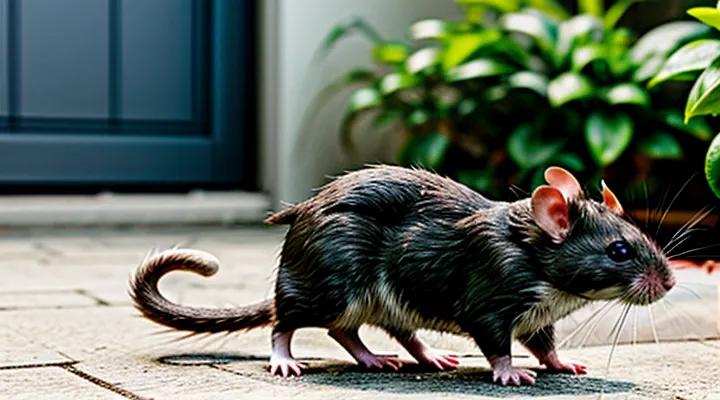
Understanding the Rat Problem
Identifying Rat Infestation Signs
Droppings and Urine Trails
Droppings and urine trails are primary indicators of active rat activity and must be addressed promptly to prevent health risks and structural damage. Fresh droppings are typically 1–2 cm long, dark, and have a distinct odor; they accumulate near food sources, nesting sites, and travel routes. Urine leaves a faint, oily residue that can be detected with ultraviolet light and may stain surfaces, leaving a lingering scent that attracts additional rodents.
Effective management of these contaminants requires a systematic approach:
- Identify all accumulation zones by inspecting kitchens, storage areas, waste containers, and utility spaces.
- Use disposable gloves and a N95 respirator when handling droppings to avoid inhalation of hantavirus particles and other pathogens.
- Remove solid waste with a sealed, puncture‑resistant bag; dispose of it in a designated biohazard container.
- Clean surfaces with a detergent solution, followed by a disinfectant proven against bacterial and viral agents (e.g., a 1 % bleach solution, contact time of at least 10 minutes).
- Treat porous materials (carpet, insulation) that cannot be fully decontaminated by removal and replacement.
- After cleaning, seal the area with a rodent‑deterrent barrier or apply a non‑toxic repellent to discourage re‑infestation.
Document each cleaning operation, noting locations, dates, and personnel involved. Regular monitoring of droppings and urine trails, combined with consistent sanitation, reduces the likelihood of disease transmission and supports long‑term rodent control objectives.
Gnaw Marks and Damage
Gnaw marks and associated damage serve as primary evidence of rat activity in any building. Their presence confirms feeding, nesting, or movement routes and signals immediate risk to structural integrity, electrical wiring, and food safety.
Typical gnaw marks appear as clean, shallow cuts on wood, plastic, or metal surfaces, often aligned with the direction of travel. Damage to insulation, conduit, or packaging shows up as exposed fibers, frayed wires, or perforated containers. Chewed edges are smooth and lack splintering, distinguishing them from accidental cuts.
To evaluate the extent of damage, follow these steps:
- Conduct a systematic visual sweep of all accessible areas, focusing on corners, wall voids, and utility shafts.
- Record location, material type, and dimensions of each gnaw mark or compromised component.
- Use a flashlight or borescope to inspect concealed spaces where direct sight is limited.
- Prioritize findings that involve electrical wiring, fire‑blocking materials, or food storage zones.
Remediation actions include:
- Seal identified entry points with steel wool, caulk, or metal flashing to prevent further ingress.
- Replace or repair damaged wiring, insulation, and structural elements in accordance with local building codes.
- Apply rodent‑resistant materials such as hard‑plastic conduits or metal shelving in high‑risk zones.
- Implement a regular monitoring schedule, documenting new gnaw marks and evaluating the effectiveness of control measures after each inspection.
Sounds and Sightings
Observations of auditory cues and visual evidence are essential components of an effective rodent control program for commercial and industrial facilities.
Rats generate distinctive noises that differ from typical building sounds. High‑pitched squeaks, rapid foot‑stomping, and gnawing on hard surfaces indicate active burrows or movement within walls and ceilings. Recording devices placed near suspected activity zones can capture these sounds, allowing staff to verify presence without direct contact.
Visual indicators provide immediate confirmation and help locate infestation hotspots. Key sightings include:
- Droppings: dark, cylindrical pellets, 0.5–1 cm in length, often found along walls, near food storage, or in concealed corners.
- Gnaw marks: parallel scratches on wood, plastic, or metal, typically 2–5 mm deep.
- Grease trails: oily residue left by rats as they navigate narrow passages.
- Nests: shredded materials such as paper, insulation, or fabric gathered in concealed spaces.
- Live or dead rodents: direct evidence of population size and activity patterns.
When auditory and visual data converge, prioritize treatment in the overlapping area. Implement targeted bait stations, traps, or exclusion measures within a 3‑meter radius of confirmed activity. Document each detection with date, location, and type of evidence to track progress and adjust strategies.
Regular monitoring cycles, conducted weekly for high‑risk zones and monthly elsewhere, sustain early detection and prevent escalation. Continuous documentation supports compliance audits and validates the efficacy of the control plan.
Common Rat Species in Premises
Norway Rats
Norway rats (Rattus norvegicus) are the most common rodent encountered in commercial, residential, and agricultural buildings. Effective management requires a systematic approach that integrates inspection, sanitation, exclusion, population reduction, and ongoing monitoring.
Accurate identification is the first step. Norway rats are larger than roof rats, have a robust body, coarse brown fur, and a blunt tail that is shorter than the head‑body length. They prefer ground‑level habitats, burrows, and sewer systems, and they are capable of chewing through concrete, wood, and plastic.
Key components of a facility‑wide control program include:
- Inspection and assessment – Conduct a thorough survey of all interior and exterior areas, noting signs such as droppings, gnaw marks, burrows, and runways. Map activity zones to prioritize treatment.
- Sanitation – Eliminate food and water sources by storing grain, waste, and refuse in sealed containers, promptly cleaning spills, and repairing leaky pipes. Reduce clutter that provides shelter.
- Exclusion – Seal entry points using steel wool, cement, metal flashing, or hardware cloth. Pay special attention to utility penetrations, foundation cracks, and door sweeps.
- Population reduction – Deploy a combination of snap traps, electronic traps, and approved rodenticides. Place devices along established runways and near burrow entrances. Follow label directions, rotate active ingredients, and use tamper‑resistant bait stations to protect non‑target species.
- Monitoring – Install tracking plates or motion‑activated cameras to verify activity levels after interventions. Record trap success rates and adjust placement or product choice accordingly.
When using chemical controls, adhere to integrated pest management (IPM) principles: select products with the lowest toxicity to humans and pets, apply bait in secured stations, and maintain documentation of dosage, location, and disposal procedures. Rotate anticoagulant and non‑anticoagulant rodenticides to mitigate resistance development.
Training of personnel is essential. Staff should be instructed on proper trap handling, bait placement, personal protective equipment, and reporting protocols. Regular refresher courses reinforce compliance and reduce the likelihood of accidental exposure.
Documentation supports accountability. Maintain a log that includes inspection dates, findings, corrective actions taken, and outcomes. Review the log quarterly to identify trends and adjust the control strategy.
By implementing these evidence‑based measures, facilities can achieve sustained reduction of Norway rat populations, protect public health, and preserve structural integrity.
Roof Rats
Roof rats (Rattus rattus) inhabit attics, eaves, and upper story walls, where they build nests from insulation, paper, or fabric. Their presence is confirmed by nocturnal activity, greasy smears along beams, gnaw marks on wiring, and droppings that are dark, cylindrical, and approximately 0.5 cm in length.
Effective control requires a coordinated approach:
- Inspection: Conduct a thorough visual survey of roof spaces, looking for entry points such as gaps around vent pipes, roof sheathing, and soffit vents. Seal openings with steel mesh or cement‑based caulk; avoid materials rodents can chew through, such as soft wood or plastic.
- Sanitation: Remove food sources by storing grain, pet food, and refuse in sealed containers. Eliminate standing water and clear debris that can serve as shelter.
- Trapping: Deploy snap traps or electronic devices along wall junctions and near identified runways. Position bait (e.g., peanut butter, dried fruit) on the trigger mechanism. Check traps daily, dispose of captured rats promptly, and reset as needed.
- Rodenticides: Apply bait stations only in inaccessible areas to prevent non‑target exposure. Use anticoagulant formulations that require multiple feedings for lethality; follow label instructions for dosage and placement.
- Monitoring: Install motion‑activated cameras or tracking powder to verify activity reduction. Re‑inspect sealed openings after a two‑week interval to ensure integrity.
Long‑term prevention hinges on maintaining structural integrity, routine inspections, and prompt repair of any damage that could create new access points. Regular documentation of inspection findings and control actions supports compliance with health and safety standards.
House Mice (Distinction)
House mice differ from rats in size, behavior, and habitat preferences, requiring distinct control strategies within commercial and residential buildings. Mice are typically 2–4 inches long, exhibit rapid breeding cycles, and exploit small openings, whereas rats are larger, slower to reproduce, and favor larger entry points. Recognizing these differences prevents misapplication of control measures and enhances efficacy.
Effective management of house mice on premises includes the following actions:
- Seal all gaps larger than ¼ inch with steel wool, caulk, or metal flashing to block typical mouse entry routes.
- Install snap or electronic traps along walls, behind appliances, and in concealed areas where mouse activity is evident.
- Use bait stations containing anticoagulant or non‑anticoagulant rodenticides, positioned in tamper‑resistant units and monitored weekly for consumption and disposal.
- Maintain rigorous sanitation: store food in sealed containers, remove spillage promptly, and eliminate clutter that provides nesting material.
- Conduct quarterly inspections of structural voids, attic spaces, and utility tunnels to detect early signs of infestation such as gnaw marks, droppings, or urine stains.
- Document all interventions, including trap locations, bait types, and inspection findings, to track population trends and adjust tactics accordingly.
Implementing these measures alongside a comprehensive pest‑management plan reduces mouse populations, minimizes damage to property, and lowers the risk of disease transmission. Continuous monitoring and prompt remediation of new ingress points ensure long‑term control.
Prevention Strategies
Sealing Entry Points
Exterior Walls and Foundations
Exterior walls serve as the primary barrier against rodent entry. Seal all gaps larger than ¼ inch with durable, weather‑resistant material such as steel wool combined with caulking, metal flashing, or expanding foam. Install lintels or steel mesh over vent openings, utility penetrations, and roof eaves to prevent climbing. Regularly inspect brick, stucco, and siding for cracks, loose mortar, or deteriorated sealant; repair promptly with appropriate mortar or patching compound.
Foundations provide underground access routes. Conduct a thorough survey of the perimeter to locate voids, cracks, and utility pipe entries. Apply concrete or hydraulic cement to fill foundation cracks, ensuring a smooth, continuous surface. Install a continuous concrete or metal sill cap at the base of the wall to block horizontal movement. Where drainage is inadequate, grade the soil away from the building and install a French drain to reduce moisture that attracts burrowing activity.
Additional measures to reinforce both walls and foundations include:
- Installing a buried metal or heavy‑gauge hardware cloth barrier at least 12 inches deep around the building’s perimeter.
- Maintaining a clear zone of at least 18 inches between stored materials and the exterior wall surface.
- Using rodent‑proof vent covers and chimney caps with mesh screens rated for ¼‑inch openings.
- Conducting quarterly visual inspections and documenting any signs of gnawing, nesting, or droppings.
Implementing these actions creates a robust physical defense, limits habitat suitability, and supports the broader rat control strategy for the property.
Roof and Attic Access
Effective rat control on a property depends on securing all roof and attic entry points. Inspect the roof surface, eaves, soffits, and any skylights for cracks, holes, or damaged flashing. Seal openings larger than ¼ inch with steel wool, copper mesh, or appropriate sealants; reinforce smaller gaps with expanding foam that contains a rodent‑proof additive. Install sturdy, weather‑resistant traps or bait stations in attic spaces, positioning them away from insulation and electrical wiring. Ensure ventilation openings are fitted with metal grilles that prevent rodent passage while allowing airflow. Conduct quarterly visual checks and after severe weather to verify that seals remain intact and that no new access routes have developed. Maintain a record of inspections, repairs, and trap placements to track compliance and effectiveness.
Utility Pipes and Wires
Utility pipes and wires provide pathways and shelter that attract rats, increasing the risk of damage and disease transmission. Effective rat control on premises requires targeted actions to protect these critical components.
- Seal all pipe penetrations, conduit openings, and cable entries with metal flashing, steel wool, or cement‑based sealants. Verify integrity after construction or maintenance work.
- Install rigid conduit or protective sleeves around exposed wiring in crawl spaces and attics to prevent gnawing.
- Maintain a clearance of at least 12 inches between pipe insulation and stored materials; remove debris that could serve as nesting sites.
- Apply rodent‑resistant insulation materials, such as mineral wool, in areas where pipes run through walls or ceilings.
- Conduct quarterly inspections of pipe and wire routes, documenting any signs of gnaw marks, droppings, or burrows. Promptly replace compromised sections.
- Use bait stations and snap traps strategically positioned near pipe junctions, ensuring they are inaccessible to non‑target species and comply with safety regulations.
Integrating these measures into routine maintenance schedules reduces the likelihood of rat‑induced failures, extends the lifespan of utility infrastructure, and supports overall health and safety on the property.
Sanitation and Food Storage
Proper Waste Management
Effective waste handling is essential for controlling rodent populations in commercial and institutional environments. Improper disposal creates food sources, shelter, and pathways that attract rats, undermining any chemical or mechanical control measures.
Key practices include:
- Use sealed, pest‑proof containers for all refuse.
- Position containers away from walls and equipment, with a minimum clearance of 12 inches.
- Schedule waste collection at intervals that prevent accumulation; daily removal is recommended for high‑traffic areas.
- Separate organic waste from dry waste to reduce attraction.
- Clean container interiors and surrounding floors after each collection, removing residues and spills.
- Inspect containers for damage before each use; replace compromised units immediately.
Monitoring waste management performance supports continuous improvement. Record collection times, container integrity checks, and any incidents of spillage. Review logs weekly to identify trends and adjust schedules or equipment as needed.
Staff training reinforces compliance. Provide concise instructions on container usage, reporting of breaches, and sanitation procedures. Conduct refresher sessions quarterly to maintain awareness and accountability.
Securing Food Sources Indoors
Securing indoor food supplies is essential for effective rat control on any property. Rats locate nourishment quickly; eliminating accessible food removes a primary incentive for infestation.
Begin by storing all consumables in containers that meet the following criteria:
- Material: heavy‑gauge plastic, metal, or glass with airtight seals.
- Seal integrity: lids must lock firmly, leaving no gaps larger than 2 mm.
- Placement: keep containers off the floor, preferably on shelves or in cabinets.
Maintain rigorous cleaning routines:
- Wipe countertops, tables, and floors after each meal preparation.
- Remove food residues from appliances, including microwaves and ovens.
- Empty trash bins daily; use bins equipped with tight‑fitting lids and line them with reinforced bags.
Control access points that could allow rodents to reach stored food:
- Seal cracks, gaps, and openings around pipes, vents, and door frames with steel wool or silicone caulk.
- Install door sweeps on all exterior and interior doors.
- Use screen mesh on ventilation openings that cannot be closed permanently.
Implement monitoring measures:
- Place non‑toxic bait stations near potential entry points to detect activity.
- Conduct weekly inspections of storage areas for signs of gnawing, droppings, or urine stains.
- Record findings in a log to track trends and adjust preventive actions promptly.
By enforcing airtight storage, routine sanitation, physical barriers, and systematic monitoring, indoor food sources become unattractive to rats, supporting broader pest‑management protocols.
Managing Outdoor Food Sources
Effective rat control on a property depends on eliminating outdoor food sources that attract rodents. Food residues, unsecured waste, and improperly stored feed create predictable foraging zones. Reducing these resources limits population growth and discourages new infestations.
- Store animal feed in sealed, rodent‑proof containers; place containers on pallets away from walls.
- Keep garbage bins closed with tight‑fitting lids; position bins on a hard, non‑absorbent surface.
- Remove fallen fruit, nuts, and vegetable scraps from landscaping daily.
- Clean outdoor cooking equipment after each use; avoid leaving grease or food debris.
- Install bird feeders at least 10 feet from building foundations and use squirrel‑proof designs.
- Conduct regular inspections of dumpsters, loading docks, and storage sheds for spillage; clean any debris immediately.
- Apply mulch or ground cover only in designated areas; avoid thick layers that conceal waste.
A systematic approach to outdoor food management complements structural repairs and trapping programs. Consistent enforcement of these practices reduces rodent activity, supports long‑term sanitation, and aligns with best‑practice rat control recommendations for facilities.
Landscape Management
Trimming Vegetation
Effective vegetation management is a core component of facility‑wide rat control programs. Dense shrubs, tall grass, and overgrown trees create shelter, foraging routes, and travel corridors that support rodent populations. Removing these elements limits shelter availability and forces rats to seek exposure in less favorable environments.
- Cut grass to a height of 2–3 inches within a 5‑meter perimeter of building foundations.
- Trim back shrubs so that canopy edges are at least 1 meter from walls and vents.
- Remove dead or decaying plant material, including fallen leaves and fruit, that can serve as food sources.
- Maintain a clear zone of at least 1 meter around utility lines, drainage grates, and waste containers.
Perform trimming operations quarterly, increasing to monthly during peak breeding seasons (spring and early summer). After each session, inspect trimmed areas for signs of rodent activity—droppings, gnaw marks, or burrows—and document findings for trend analysis.
Use protective equipment such as gloves and eye protection when handling vegetation that may harbor pests or disease agents. Dispose of cut material in sealed containers or incinerate it to prevent reintroduction of food sources. Coordinate trimming schedules with waste‑management and pest‑monitoring teams to ensure consistent implementation across the entire property.
Removing Debris and Clutter
Effective rat control on any property begins with eliminating shelter and food sources. Debris and clutter provide nesting sites, protect rodents from predators, and conceal waste that attracts them. Removing these materials directly reduces the likelihood of infestation.
- Collect and dispose of all cardboard boxes, paper piles, and fabric scraps. Store discarded items in sealed containers before removal.
- Clear vegetation that contacts building walls, including vines, shrubs, and overgrown grass. Trim trees and bushes to maintain a minimum clearance of 12 inches from exterior surfaces.
- Eliminate standing water by fixing leaks, draining puddles, and emptying containers that hold liquid waste.
- Organize storage areas to keep items off the floor. Use shelving that allows easy inspection and cleaning.
- Conduct regular inspections of crawl spaces, attics, and basements. Remove any accumulated insulation, debris, or abandoned equipment promptly.
A systematic schedule reinforces these actions. Perform a comprehensive clean‑out quarterly, followed by a visual check monthly. Document each removal activity, noting locations, quantities, and disposal methods. Consistent record‑keeping enables rapid identification of problem areas and supports compliance with pest‑management protocols.
Treatment Methods
Non-Toxic Approaches
Trapping Techniques
Trapping is a core component of effective rat management on premises. Proper selection, placement, and maintenance of traps reduce populations quickly and limit damage to structures, food supplies, and equipment.
Common trap categories include:
- Snap traps: Mechanical devices that deliver a rapid kill; suitable for indoor use where quick results are needed.
- Electronic traps: Battery‑powered units that electrocute rodents; offer humane kill and easy disposal of carcasses.
- Live‑capture traps: Cage‑style devices that hold rats alive; appropriate when relocation or non‑lethal control is required.
- Glue boards: Adhesive surfaces that immobilize rodents; best for monitoring rather than population reduction due to low kill efficiency.
Placement guidelines:
- Position traps along walls, behind appliances, and in dark corners where rats travel.
- Set traps perpendicular to the wall, with the trigger end facing the baseboard.
- Space multiple traps 10–15 feet apart in high‑activity zones; increase density in severe infestations.
Maintenance practices:
- Inspect traps daily; remove captured rats promptly to prevent odor buildup.
- Replace bait or reset trigger mechanisms each inspection cycle.
- Rotate trap locations weekly to prevent trap shyness and to locate new activity corridors.
- Record capture data (date, location, trap type) to track trends and adjust strategy.
Integrating these techniques with sanitation, exclusion, and ongoing monitoring forms a comprehensive approach to rat control on facilities. Continuous evaluation ensures that trapping remains effective and that population levels stay below thresholds that threaten health and property.
Repellents and Deterrents
Effective rat control on commercial and residential properties relies on the strategic use of repellents and deterrents to complement trapping and baiting programs. Repellents create an environment that rats find hostile, reducing the likelihood of colonization, while deterrents disrupt established activity patterns, prompting relocation.
- Chemical repellents: Formulations containing predator urine, capsaicin, or bittering agents. Apply to entry points, perimeters, and potential nesting sites; reapply after cleaning or after 30 days, whichever occurs first. Ensure ventilation to prevent occupant discomfort.
- Ultrasonic devices: Emit frequencies above 20 kHz that rats cannot tolerate. Position units at least 1 m apart to avoid overlapping dead zones. Replace batteries annually; monitor for diminished efficacy, as habituation may develop.
- Physical barriers: Steel mesh (minimum 1 mm aperture) installed on vents, gaps, and utility openings. Seal cracks with expanding foam or cement before barrier placement. Inspect quarterly for damage.
- Visual deterrents: Predatory silhouettes or motion-activated lights placed near known pathways. Maintain clear line of sight; clean lenses regularly to preserve effectiveness.
Integration of these measures requires documentation of placement, dosage, and maintenance schedules. Record observations of rat activity weekly; adjust the combination of repellents and deterrents based on trend analysis. Compliance with local health regulations mandates that all products carry appropriate safety data sheets and that personnel receive training on application protocols.
Chemical Control
Rodenticides: Types and Application
Rodenticides are chemical agents formulated to control rat populations in indoor and outdoor environments. They are categorized by active ingredient, mode of action, and delivery system, allowing practitioners to select products that match specific infestation conditions and regulatory constraints.
- Anticoagulants – inhibit vitamin K recycling, causing fatal hemorrhage. Subdivided into first‑generation compounds (warfarin, chlorophacinone) with shorter latency, and second‑generation compounds (bromadiolone, difenacoum, brodifacoum) that require a single dose and remain effective against resistant rodents.
- Metal phosphides – release phosphine gas upon ingestion, producing cellular toxicity. Common forms include zinc phosphide and aluminum phosphide; they act rapidly and are suitable for outdoor burrows where non‑target exposure is limited.
- Neurotoxins – interfere with acetylcholinesterase activity (e.g., organophosphates) or disrupt neuronal ion channels (e.g., bromethalin). These agents produce swift neurological failure and are reserved for severe infestations under strict supervision.
- Calcium channel blockers – such as diltiazem, cause cardiac arrest after ingestion; they are less common but provide an alternative mechanism when resistance to anticoagulants is documented.
Application methods must align with product labeling and safety protocols. Direct bait placement involves sealed stations that protect non‑target species and reduce environmental contamination. Bait stations should be positioned along walls, in concealed corners, and near known activity pathways, spaced no more than 20 feet apart in high‑density infestations. For outdoor sites, broadcast granules or pelletized baits can be dispersed around burrow entrances, ensuring coverage of foraging zones while minimizing runoff.
Effective use requires adherence to dosage guidelines expressed in milligrams of active ingredient per kilogram of target weight. Over‑dosing increases risk of secondary poisoning and may accelerate resistance development; under‑dosing leads to sublethal exposure and selection pressure. Rotating rodenticide classes every 6–12 months mitigates resistance, especially when first‑generation anticoagulants have shown reduced efficacy. Monitoring bait consumption and conducting post‑treatment inspections confirm success and guide subsequent interventions.
Safety considerations include personal protective equipment for handlers, secure storage of uncapped products, and documentation of application dates, locations, and quantities. Integration with sanitation measures—eliminating food sources, sealing entry points, and maintaining structural integrity—enhances control outcomes and reduces reliance on chemical agents.
Safety Precautions for Chemical Use
When applying chemicals for rodent control on a premises, strict safety measures protect staff, occupants, and the environment.
Personnel must wear appropriate personal protective equipment (PPE) that matches the hazards of the specific formulation. This includes chemical‑resistant gloves, goggles or face shields, impermeable gowns, and, when vapors are present, respirators equipped with suitable filters. PPE should be inspected before each use and replaced if compromised.
Ventilation is mandatory in all treatment areas. Mechanical exhaust systems must operate at rates that maintain airborne concentrations below occupational exposure limits. When natural ventilation is used, windows and doors should remain open for a minimum of 30 minutes after application, and airflow direction must prevent contaminant spread to adjacent spaces.
Chemical containers require clear labeling that lists active ingredients, concentration, hazard statements, and emergency contacts. Labels must remain legible throughout storage and use. Storage areas need secondary containment, temperature control, and segregation from incompatible substances.
Spill response procedures must be documented and readily accessible. Immediate actions include isolating the area, containing the spill with absorbent materials, and disposing of waste according to local regulations. Emergency kits containing neutralizing agents, spill pads, and disposal bags should be stocked at each treatment site.
Training programs must cover proper handling techniques, PPE use, ventilation requirements, labeling interpretation, and spill response. Refresher courses are required annually, and records of training completion must be retained for inspection.
Waste generated during treatment—unused product, contaminated PPE, and cleaning materials—must be placed in labeled, sealed containers and removed by licensed hazardous waste contractors. Documentation of waste volumes and disposal dates ensures traceability.
All incidents, including exposure, spills, or equipment failure, must be reported immediately to a designated safety officer. A written incident report, corrective actions taken, and a review of preventive measures are essential components of the safety management system.
Professional Pest Control
When to Call an Expert
Rats in buildings pose health hazards, structural damage, and regulatory concerns. When these signs appear, a qualified pest‑control professional should be engaged promptly.
- Evidence of gnaw marks on wiring, insulation, or structural components.
- Presence of droppings, urine stains, or gnawed food containers in multiple locations.
- Unexplained odors resembling ammonia or rot that persist despite cleaning.
- Reports of bites or sightings by occupants, especially in high‑traffic areas.
- Failure of DIY traps or baits to reduce activity after a reasonable trial period (typically 48–72 hours).
Delaying expert assessment can increase the risk of fire from damaged wiring, accelerate corrosion of building materials, and exacerbate disease transmission. Moreover, many jurisdictions require documented professional intervention to meet health‑code compliance.
Before contacting a specialist, isolate the affected zones, secure food sources, and remove clutter that may conceal activity. Document the extent of damage with photographs and note the dates of initial sightings. This information enables the professional to devise an effective, targeted treatment plan that minimizes disruption and ensures long‑term control.
Integrated Pest Management (IPM)
Integrated Pest Management (IPM) provides a structured framework for controlling rat populations in buildings while minimizing reliance on chemicals. The approach combines preventive measures, systematic monitoring, and targeted interventions to achieve long‑term suppression.
Effective IPM begins with sanitation that eliminates food, water, and shelter sources. Regular inspection of storage areas, waste containers, and structural gaps identifies conditions conducive to rodent activity. Physical exclusion—sealing cracks, installing door sweeps, and maintaining proper ventilation—prevents entry and limits movement within the facility.
When monitoring reveals activity, a calibrated response follows. Options include:
- Mechanical traps positioned along established runways, checked daily and serviced promptly.
- Live‑capture devices for relocation, employed where humane removal aligns with policy.
- Selective use of rodenticides, applied by licensed personnel in tamper‑proof stations, with dosage calibrated to the infestation level.
Documentation of observations, actions taken, and outcomes supports continuous improvement. Records enable trend analysis, facilitate compliance audits, and guide adjustments to the management plan. By integrating these elements, rat control programs achieve consistent results while reducing environmental impact and health risks.
Post-Treatment Management and Monitoring
Cleaning Up After Treatment
Disposing of Carcasses
Effective carcass disposal is a critical component of any rat control program on a property. Prompt removal prevents odor, disease transmission, and attractive cues that can draw other rodents. Procedures must comply with local health regulations and minimize exposure for personnel.
Key steps for safe disposal:
- Wear disposable gloves and protective clothing; change gloves after each carcass.
- Place each carcass in a sealable, puncture‑resistant container such as a heavy‑duty plastic bag or rigid box.
- Add an absorbent material (e.g., sawdust or shredded newspaper) to reduce fluid leakage.
- Label containers with the date of collection and the species.
- Store containers in a secure, temperature‑controlled area away from food preparation zones.
- Transfer sealed containers to an approved waste facility within 24 hours; follow local guidelines for hazardous animal waste if required.
- Clean and disinfect tools, work surfaces, and storage areas after each disposal cycle using an EPA‑registered disinfectant.
Documentation of each disposal event supports traceability and regulatory compliance. Record the number of carcasses, collection dates, and disposal destinations in a log maintained on the premises. Regular audits of the log ensure adherence to the protocol and identify gaps in the overall rat management strategy.
Sanitizing Contaminated Areas
Effective sanitization of contaminated zones is essential for controlling rodent activity in commercial and residential facilities. Contamination typically includes droppings, urine stains, gnawed materials, and food residues that attract rats and spread pathogens. Immediate removal of these hazards reduces the likelihood of infestation and limits disease transmission.
Procedures for decontamination should follow a strict sequence:
- Contain the area – Seal off the zone with barriers or signage to prevent accidental exposure and cross‑contamination.
- Wear appropriate PPE – Use gloves, disposable coveralls, eye protection, and respirators rated for aerosolized particles.
- Collect solid waste – Gather droppings, nesting material, and debris in sealed, puncture‑resistant containers. Dispose of waste according to local biohazard regulations.
- Apply disinfectant – Choose a product proven effective against Leptospira, Salmonella, and hantavirus. Follow manufacturer’s contact time and concentration guidelines.
- Ventilate – After application, ensure adequate airflow to remove residual fumes before re‑entry.
- Inspect and document – Verify that all visible contamination is eliminated, record the disinfectant batch number, application date, and personnel involved.
Regular monitoring reinforces the sanitization protocol. Conduct visual inspections weekly and perform swab testing monthly in high‑risk zones such as kitchens, waste storage, and utility rooms. Promptly address any re‑contamination to maintain a hostile environment for rats.
Integrating these steps into a broader rodent‑management plan improves overall efficacy. Training staff on proper decontamination techniques, maintaining a schedule for routine cleaning, and coordinating with pest‑control professionals create a comprehensive defense against rat‑borne health hazards.
Ongoing Monitoring
Regular Inspections
Regular inspections are a cornerstone of effective rat management in any facility. Inspections must be scheduled, documented, and executed consistently to identify early signs of infestation and to verify the performance of control measures.
Key elements of a systematic inspection program include:
- Frequency – Conduct visual checks at least weekly in high‑risk zones and monthly in lower‑risk areas. Adjust intervals based on seasonal activity and past findings.
- Scope – Examine food storage, waste handling, structural gaps, utility conduits, and exterior perimeters. Record evidence of droppings, gnaw marks, burrows, and live captures.
- Tools – Use flashlights, magnifying lenses, and moisture meters to detect hidden activity. Employ traps and motion‑activated cameras where visual access is limited.
- Documentation – Log date, location, observations, and corrective actions in a centralized database. Include photographs to support trend analysis.
Inspectors should verify that exclusion measures—such as sealing openings, installing door sweeps, and maintaining vegetation buffers—remain intact. Any breach must be repaired immediately to prevent re‑entry.
Following each inspection, implement corrective steps within 24 hours. Replace damaged seals, relocate food sources, and adjust trap placement according to observed patterns. Continuous monitoring of these actions ensures that control efforts remain effective and that rat populations do not regain a foothold.
Maintaining Prevention Measures
Effective rat control depends on continuous prevention. Implementing and sustaining core measures reduces reinfestation risk and protects health standards.
- Maintain rigorous waste management: store refuse in sealed containers, remove garbage daily, and keep collection areas clean.
- Ensure structural integrity: seal cracks, gaps, and openings larger than ¼ inch; install door sweeps and vent screens.
- Control food sources: store feed in rodent‑proof containers, clean spills promptly, and limit access to food preparation zones.
- Conduct regular inspections: schedule visual checks of interior and exterior areas weekly; use bait stations and tracking devices to verify activity levels.
- Train personnel: provide concise instruction on identifying signs of rodent presence, proper sanitation practices, and reporting procedures.
- Document actions: record inspection dates, findings, corrective steps, and outcomes in a centralized log for trend analysis.
Consistent application of these practices sustains a hostile environment for rats, minimizes population resurgence, and aligns with industry‑wide control protocols.
Long-Term Rat Management Plan
Scheduled Maintenance
Scheduled maintenance is essential for effective rodent control in commercial and institutional facilities. Regularly planned activities ensure that bait stations, traps, and monitoring devices remain functional, reducing the likelihood of infestations and supporting compliance with health‑safety regulations.
Key components of a maintenance program include:
- Inspection frequency – Conduct visual checks of all treatment zones at least once per week. Increase to bi‑daily during peak rodent activity periods.
- Bait station upkeep – Replace expired or compromised bait every 30 days. Verify that stations are securely locked and positioned according to the approved layout.
- Trap servicing – Clean mechanical traps after each capture, inspect spring mechanisms, and replace worn parts no later than 60 days after installation.
- Monitoring data review – Record captures, bait consumption, and any signs of activity. Analyze trends monthly to adjust placement density and product selection.
- Documentation – Maintain a logbook with dates, personnel, actions taken, and product batch numbers. Ensure records are accessible for audits and regulatory inspections.
Implementation steps:
- Develop a calendar that aligns inspection dates with operational downtimes to minimize disruption.
- Assign trained staff or a certified pest‑management provider to execute each task, documenting completion in the logbook.
- Conduct quarterly reviews of the maintenance schedule, incorporating findings from monitoring data and any changes in building usage patterns.
- Update protocols promptly when new rodent‑control products receive approval or when pest‑pressure indicators shift.
Adhering to this structured maintenance regimen sustains the efficacy of rodent‑control measures, protects infrastructure, and upholds the health standards expected of well‑managed premises.
Employee and Resident Education
Effective instruction for staff and occupants is a cornerstone of any rat management program on a facility. Proper knowledge reduces attraction sources, improves reporting accuracy, and supports swift response to sightings.
Key instructional topics include:
- Identification of rat signs and activity zones
- Proper storage and disposal of food waste
- Maintenance of structural integrity to block entry points
- Safe handling of traps, baits, and related equipment
- Procedures for incident documentation and escalation
- Legal and regulatory obligations relevant to pest control
Delivery mechanisms should combine classroom sessions, visual aids, and digital modules. On‑site demonstrations reinforce practical steps, while printable quick‑reference cards provide immediate guidance during routine tasks.
Training cycles must occur upon hiring, after any procedural revision, and at least annually thereafter. Records of attendance, assessment scores, and completion dates are to be retained in the facility’s compliance database.
Performance assessment relies on periodic quizzes, simulated inspections, and analysis of incident logs. Results inform curriculum adjustments, ensuring that instruction remains aligned with evolving risks and regulatory expectations.