
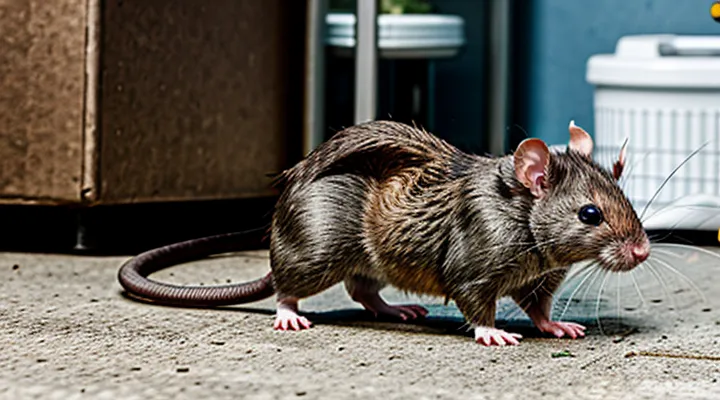
Understanding the Need for Post-Rat Treatment Security
Why Rats Are a Threat to Premises
Health Risks Associated with Rodents
Rodent infestations pose significant health hazards that persist after eradication efforts. Pathogens transmitted by rodents can contaminate surfaces, food supplies, and water sources, leading to acute and chronic illnesses among occupants.
Key diseases linked to rodent exposure include:
- Leptospirosis – bacterial infection acquired through contact with urine‑contaminated material.
- Hantavirus pulmonary syndrome – viral illness spread by inhalation of aerosolized droppings.
- Salmonellosis – bacterial gastroenteritis resulting from ingestion of contaminated food.
- Rat‑bite fever (Spirillum minus infection) – bacterial infection following bites or scratches.
- Lymphocytic choriomeningitis – viral disease transmitted through rodent excreta.
Additional health concerns involve:
- Allergic reactions to rodent dander and urine, which can trigger asthma attacks and dermatitis.
- Parasitic infestations, such as tapeworms and protozoa, that may be carried on rodent fur or in feces.
- Food spoilage and cross‑contamination, increasing the risk of food‑borne outbreaks.
- Secondary mold growth caused by moisture accumulation in rodent‑damaged structures, exacerbating respiratory problems.
Effective post‑infestation security requires thorough decontamination, including:
- Disinfection of all surfaces with EPA‑approved agents.
- Removal of contaminated insulation, wiring, and stored goods.
- Replacement of compromised building materials to prevent future microbial growth.
- Implementation of pest‑exclusion measures, such as sealing entry points and maintaining proper sanitation.
Addressing these health risks promptly reduces the likelihood of disease transmission and supports a safe, resilient environment.
Structural Damage Caused by Infestations
Structural damage resulting from rodent infestations compromises the integrity of walls, ceilings, flooring and support elements, creating vulnerabilities that undermine any security measures applied after pest control. Damage pathways include gnawed joists, compromised insulation, and corrosion from urine deposits, each facilitating unauthorized entry and reducing the effectiveness of barriers.
Common manifestations of infestation‑induced damage:
- Chewed wooden members, especially load‑bearing beams and studs.
- Burrowed cavities within concrete or masonry, weakening structural cohesion.
- Contaminated insulation and drywall, leading to moisture retention and mold growth.
- Corroded metal fasteners and wiring exposed to acidic urine.
Assessment procedures focus on objective detection and documentation:
- Visual inspection for perforations, gnaw marks and discoloration.
- Use of moisture meters to identify hidden water intrusion behind damaged panels.
- Infrared thermography to reveal temperature anomalies associated with voids or insulation loss.
- Structural analysis of load‑bearing elements to verify load capacity after repair.
Remediation actions restore strength and prevent re‑entry:
- Replace compromised timber with grade‑specified lumber, ensuring proper anchorage.
- Fill burrows in concrete using high‑strength repair mortar, followed by surface sealing.
- Remove and replace contaminated insulation, install vapor barriers to inhibit moisture migration.
- Treat corroded metal components with rust‑inhibiting primers and replace where integrity is lost.
- Apply durable sealants around repaired openings, integrating them into the overall security framework.
Integrating damage repair into the post‑infestation security plan eliminates structural weaknesses, reinforces barriers and sustains the long‑term protection of the premises.
Immediate Actions After Rodent Eradication
Assessing the Damage
Identifying Entry Points
Identifying potential ingress routes is a prerequisite for effective post‑infestation protection. A systematic survey of the structure reveals weaknesses that rodents exploit to re‑enter premises. Visual inspection, tactile probing, and infrared scanning together provide a comprehensive assessment of vulnerable zones.
Common ingress routes include:
- Gaps exceeding ¼ inch around utility pipes and cables
- Unsealed openings at vent shafts, chimney flues, and roof fans
- Faulty or worn weatherstripping on doors and windows
- Cracks in the foundation, slab, or exterior walls
- Openings around electrical conduit, plumbing fixtures, and HVAC ducts
- Unfinished gaps beneath stairwells, crawl spaces, and attics
Each identified breach must be sealed with appropriate material—steel wool, metal flashing, expanding foam, or concrete patch—according to the size and location of the opening. Regular re‑inspection after sealing ensures long‑term integrity and prevents recurrence.
Evaluating Contaminated Areas
Evaluating contaminated areas constitutes a critical phase in the aftermath of rodent control, ensuring that a property remains safe for occupants and future use. The process begins with a systematic visual inspection, identifying signs of droppings, urine stains, gnaw marks, and compromised structural elements. Inspectors record observations on site, noting the extent and location of each indicator.
Subsequent sampling provides quantitative data. Swab samples are collected from surfaces with visible contamination, while air samplers capture aerosolized particles in enclosed spaces. All specimens are sealed in certified containers and dispatched to accredited laboratories for microbiological and chemical analysis. Laboratory results reveal pathogen presence, toxin levels, and any secondary infestations.
Mapping integrates inspection and laboratory data, producing a spatial representation of contamination intensity. Geographic information system (GIS) tools generate heat maps that highlight hotspots and delineate zones requiring immediate intervention. The map guides allocation of resources and prioritization of remediation actions.
Risk assessment follows, comparing detected contaminant concentrations against regulatory thresholds. When levels exceed permissible limits, targeted decontamination measures are prescribed, such as enzymatic cleaners for organic residues, disinfectants for bacterial contamination, and sealants for structural repairs. Documentation of each step—inspection notes, sampling logs, lab reports, and risk matrices—creates an audit trail that supports compliance verification and future reference.
Key actions for effective evaluation:
- Conduct thorough visual inspection of all accessible areas.
- Collect representative surface and air samples using validated protocols.
- Submit samples to accredited laboratories for precise analysis.
- Generate contamination heat maps with GIS technology.
- Perform risk assessment against established health standards.
- Implement remediation procedures based on assessed risk levels.
- Maintain comprehensive records for regulatory and operational review.
«Contamination assessment must be systematic, evidence‑based, and fully documented» ensures that post‑control environments achieve the highest standards of safety and integrity.
Cleaning and Disinfection Protocols
Removing Carcasses and Droppings
Effective removal of rodent carcasses and droppings is a critical component of post‑infestation security. Improper handling can spread pathogens, attract predators, and compromise sanitation standards.
- Equip personnel with disposable gloves, protective gowns, N‑95 respirators, and eye protection before any contact.
- Identify all visible carcasses and accumulation sites; include hidden areas such as wall voids, crawl spaces, and attic insulation.
- Place each carcass in a sealed, puncture‑resistant bag; seal droppings in a rigid container with a tight‑fitting lid.
- Transfer sealed containers to an approved biohazard waste bin; label according to local regulations and arrange prompt removal by a licensed disposal service.
- Apply an EPA‑approved disinfectant to surfaces that contacted carcasses or droppings; maintain a wet contact time of at least ten minutes before wiping.
- Record the location, quantity, and disposal method for each item; retain documentation for compliance audits.
Following these steps eliminates residual health risks, prevents secondary infestations, and restores the premises to a secure, hygienic condition.
Sanitizing Surfaces and Air
After rodent removal, residual contamination poses a health risk. Effective decontamination requires thorough surface treatment and air purification before reoccupancy.
- Identify all contact points, including countertops, shelving, and equipment bases.
- Remove visible debris with a disposable brush or vacuum equipped with a HEPA filter.
- Apply an EPA‑registered disinfectant to wet the surface for the manufacturer‑specified dwell time.
- Wipe with a clean microfiber cloth, ensuring no residue remains.
- Dispose of cleaning materials in sealed bags and follow local hazardous‑waste regulations.
Air sanitation proceeds in three phases. First, increase ventilation by opening windows and operating exhaust fans for a minimum of 30 minutes per hour. Second, circulate air through HEPA‑rated portable purifiers positioned centrally in each room; run units for at least 4 hours. Third, employ ultraviolet‑C (UV‑C) devices or ozone generators according to safety guidelines, allowing sufficient exposure time to inactivate airborne pathogens.
Verification includes surface swab testing with rapid assay kits and continuous monitoring of particulate counts using a calibrated air quality meter. Results must meet established thresholds before the premises are declared safe for normal use.
Sealing Entry Points and Vulnerabilities
Inspecting the Exterior
Foundations and Walls
After a rat eradication program, the structural integrity of foundations and walls requires immediate verification. Damage caused by gnawing, burrowing, or nesting can compromise load‑bearing capacity and create pathways for future intrusion.
A systematic inspection includes:
- Visual examination of concrete surfaces for cracks, holes, or exposed rebar.
- Probing of mortar joints in brick or block walls to detect softened material.
- Use of moisture meters to identify water accumulation that may have attracted rodents.
- Deployment of endoscopic cameras in concealed cavities to reveal hidden damage.
When defects are identified, repair procedures must restore strength and seal entry points. Recommended actions are:
- Fill cracks with epoxy‑based sealants that bond to both concrete and masonry.
- Replace compromised bricks or blocks and repoint mortar using a mix compatible with the original composition.
- Install stainless‑steel mesh or reinforcement plates over weakened sections of foundation to prevent structural failure.
- Apply a durable, rodent‑resistant coating to exterior walls, ensuring continuity at joints and penetrations.
Preventive measures reinforce the building envelope and deter re‑infestation. Install metal flashing around utility openings, maintain a clear perimeter free of debris, and schedule periodic structural assessments to verify that foundations and walls remain intact. Continuous monitoring of these critical elements sustains the security of the premises after rodent control.
Roofs and Ventilation Systems
Securing a building after a rat infestation requires attention to the roof envelope and ventilation network. A damaged roof provides entry points for rodents, while compromised ventilation shafts create pathways for movement and nesting. Inspection should focus on gaps, cracked flashing, loose tiles, and deteriorated sealants that enable access.
Key actions for roof integrity:
- Seal all openings larger than ¼ inch with steel‑welded mesh or cement‑based fillers.
- Replace cracked or missing tiles, ensuring proper overlap to prevent water infiltration.
- Reinforce flashing around vents, skylights, and chimneys with corrosion‑resistant tape.
- Install predator‑proof guards on exhaust fans and roof vents, using mesh sized to exclude rodents.
Ventilation system measures:
- Inspect ductwork for holes, loose couplings, and sagging sections; repair with metal tape or duct sealant.
- Fit high‑efficiency filters equipped with fine mesh screens at intake points.
- Mount vent covers with locking mechanisms, preventing removal without tools.
- Schedule periodic cleaning to remove debris that can conceal nesting material.
Integrating these roof and ventilation safeguards reduces the likelihood of re‑infestation, protects structural integrity, and supports long‑term building security.
Securing the Interior
Gaps Around Pipes and Wires
Sealing gaps around pipes and wires eliminates one of the most accessible entry points for rodents, directly reducing the likelihood of infestation.
Typical locations include the space beneath floor joists where plumbing descends, openings around electrical conduit that pass through walls, gaps surrounding HVAC ducts, and voids at utility penetrations in exterior walls.
Effective sealing requires durable, pest‑proof materials. Expandable polyurethane foam, steel wool backed with caulk, and cement‑based sealants provide long‑lasting barriers. For high‑traffic areas, metal mesh or copper flashing offers additional resistance to chewing.
Implementation steps:
- Inspect all interior and exterior walls, noting any visible openings larger than ¼ inch.
- Remove debris and dry the surrounding surface to ensure adhesion.
- Insert steel wool or copper mesh into the gap, filling the majority of the space.
- Apply expanding foam or caulk over the filler, molding it to the surrounding material.
- Trim excess sealant after curing, then paint or finish to match the existing surface.
Regular audits, performed at least twice a year, verify the integrity of sealed areas and allow prompt repair of any new breaches. Maintaining a continuous, unbroken barrier around utilities sustains the overall security of the premises against rat intrusion.
Doors and Windows
Secure doors and windows after a rat‑infestation to prevent re‑entry and protect structural integrity. Inspect frames for gnaw marks, replace compromised wood, and reinforce with metal plates where necessary. Apply weatherstripping to eliminate gaps that provide access points for rodents and drafts.
Key measures for doors and windows include:
- Install self‑closing hinges on exterior doors to ensure they shut completely after each use.
- Fit heavy‑duty deadbolts and strike plates; position bolts at least three inches from the edge of the door.
- Use reinforced glass or laminated panels for windows; consider security film that resists breakage.
- Attach fine‑mesh screens with a stainless‑steel mesh size not larger than one millimeter; secure edges with spline and a sealing bead.
- Seal all peripheral gaps with silicone caulk or expanding foam; prioritize corners, hinges, and locksets.
Regular maintenance checks should verify the integrity of seals, hardware, and screens. Replace any worn components promptly to sustain a rat‑free environment.
Implementing Long-Term Prevention Strategies
Pest-Proofing Your Environment
Proper Waste Management
Effective waste control prevents rodent resurgence and reinforces building security. Improper refuse attracts rats, compromises sanitation, and creates pathways for disease transmission. Eliminating these risks requires systematic handling of all waste streams.
Key actions include:
- Separate organic, recyclable, and hazardous materials at the point of generation.
- Store waste in sealed, rat‑proof containers with tight‑fitting lids.
- Position containers away from walls and entry points to reduce concealment opportunities.
- Schedule removal at least twice daily in high‑traffic areas; increase frequency during peak waste generation periods.
- Employ licensed disposal services that adhere to local health and environmental regulations.
- Record collection times, container inspections, and any incidents of rodent activity for audit purposes.
Compliance with municipal ordinances and industry standards safeguards the premises from contamination and legal liability. Documentation of waste management practices supports continuous improvement and provides evidence of proactive risk mitigation.
Food Storage Best Practices
Effective food storage after eliminating rodent activity safeguards health and prevents re‑infestation. Secure containers, proper labeling, and regular inspections form the core of a reliable system.
- Store all edible items in airtight, rodent‑proof containers made of metal or heavy‑wall plastic. Ensure lids seal tightly and joints are reinforced.
- Position containers off the floor, preferably on shelves or pallets, to eliminate direct contact with potential entry points.
- Label each container with the purchase date and recommended use‑by date. Rotate stock so older items are used first, reducing the chance of spoilage.
- Conduct weekly visual checks for signs of damage, moisture, or gnaw marks. Replace compromised containers immediately.
- Maintain a clean storage area by sweeping debris, removing spills, and disposing of waste in sealed bins. Empty bins regularly to avoid attracting pests.
- Implement a temperature control plan that keeps perishable goods within safe ranges. Use calibrated thermometers and log readings daily.
Documentation of these practices supports compliance with health regulations and facilitates rapid response if rodent activity reappears. Consistent application minimizes contamination risk and preserves the integrity of stored provisions.
Monitoring and Maintenance
Regular Inspections for Reinfestation
Regular inspections form the backbone of any effective rat‑control program after initial eradication. They provide early detection of new activity, allow swift intervention, and protect the integrity of the premises.
Inspection frequency should match the risk profile of the site. High‑traffic storage areas or locations with abundant food sources require weekly checks, while lower‑risk zones may be surveyed monthly. Consistency prevents gaps that pests can exploit.
Key components of each inspection include:
- Visual assessment of walls, ceilings, and hidden cavities for droppings, gnaw marks, or fresh burrows.
- Verification that traps and bait stations remain functional, properly positioned, and stocked.
- Evaluation of structural integrity to identify gaps, cracks, or openings that could serve as entry points.
- Documentation of findings in a standardized log, noting date, location, and observed signs of activity.
When signs of reinfestation appear, immediate response is mandatory. Actions consist of reinforcing barriers, repositioning or adding traps, and, if necessary, applying targeted bait. Follow‑up inspections should be conducted within 48 hours to confirm the efficacy of corrective measures.
Training for personnel conducting inspections is essential. Staff must recognize subtle indicators of rodent presence, understand proper handling of monitoring equipment, and adhere to safety protocols. Regular refresher courses maintain competence and reduce the likelihood of oversight.
Integrating a schedule of systematic inspections with thorough record‑keeping creates a resilient defense against recurring rodent problems, ensuring the premises remain secure long after the initial treatment.
Professional Pest Control Partnerships
Professional pest‑control partnerships provide ongoing protection after a rat‑eradication program, ensuring that the premises remain secure against reinfestation. These collaborations combine specialized expertise with the property owner’s operational knowledge, creating a continuous barrier that extends beyond the initial treatment.
Key elements of a robust partnership include:
- Certified technicians with competency in integrated pest management.
- Rapid response protocols for emerging sightings.
- Detailed reporting that documents inspection results and corrective actions.
- Access to a range of control methods, from baiting to structural modifications.
When selecting a service provider, consider the following criteria:
- Valid licenses and industry certifications.
- Proven track record of post‑treatment monitoring.
- Transparent pricing structure and clear service‑level agreements.
- Availability of 24/7 emergency support.
- Commitment to environmentally responsible practices.
Contractual arrangements should define performance metrics such as inspection frequency, response time, and acceptable thresholds for pest activity. Regular audits verify compliance and enable adjustments to the control strategy as needed.
Coordinated scheduling of inspections, prompt communication of findings, and systematic documentation create a feedback loop that sustains a pest‑free environment. «Effective collaboration reduces recurrence», reinforcing the premise’s long‑term security.
Addressing Psychological Impact
Reassurance and Education for Occupants
Communicating Safety Measures
Effective communication of safety protocols after rodent control is essential for maintaining a secure environment. Clear messages reduce the risk of re‑infestation and protect occupants from residual hazards.
Key elements of communication include:
- Detailed signage placed at entry points, storage areas and waste zones, indicating restricted access, required protective equipment and decontamination procedures.
- Written instructions distributed to maintenance staff, outlining steps for inspecting traps, handling contaminated materials and reporting anomalies.
- Digital alerts sent to all personnel, summarizing recent actions, upcoming inspections and contact details for the pest‑management team.
- Training sessions conducted quarterly, focusing on proper waste management, sealant application and emergency response in case of accidental exposure.
- Documentation logs maintained centrally, recording dates of treatments, observed rodent activity and corrective actions taken.
Message format should be concise, using bullet points or short paragraphs. Language must be direct, avoiding ambiguous terms. Visual aids such as diagrams of safe zones and flowcharts of response steps enhance comprehension. Regular review of communication channels ensures that updates reach all relevant parties promptly.
Dispelling Myths About Rodents
Rodents generate numerous misconceptions that can hinder effective property protection after an infestation. Accurate information prevents wasted resources and enhances long‑term safety.
Common myths and factual corrections:
-
Myth: All rodents carry harmful pathogens.
Fact: Only a subset of species transmit diseases, and proper sanitation reduces exposure risk. -
Myth: Sealing entry points is optional if traps are in place.
Fact: Physical exclusion eliminates re‑entry, making traps and bait less necessary. -
Myth: Poison is the sole effective control method.
Fact: Integrated approaches—combining exclusion, habitat modification, and targeted bait—achieve higher success rates. -
Myth: Rats operate exclusively outdoors.
Fact: Many species thrive indoors, exploiting hidden food sources and structural gaps. -
Myth: Traps cause undue suffering and are therefore unacceptable.
Fact: Modern snap and electronic traps provide rapid, humane dispatch when used correctly.
Dispelling these myths supports a comprehensive security strategy. Key actions include:
- Conducting a thorough inspection to identify species‑specific risks.
- Implementing structural repairs that eliminate shelter and access.
- Applying targeted bait or trapping based on evidence rather than assumption.
- Maintaining rigorous sanitation to remove attractants.
- Monitoring activity continuously to verify the effectiveness of interventions.
Adhering to evidence‑based practices strengthens premises security and minimizes future rodent incursions.
Professional Support for Severe Cases
Trauma Counseling Resources
Trauma counseling resources are essential for individuals exposed to rat‑related incidents and the subsequent security procedures. Psychological impact can impede effective implementation of safety protocols; timely professional support mitigates this risk.
Key resources include:
- Employee assistance programs offering confidential sessions with licensed counselors.
- Regional mental‑health hotlines providing 24‑hour crisis intervention.
- Private practitioners specializing in trauma therapy, accessible through professional directories.
- Online platforms delivering evidence‑based self‑help modules and virtual appointments.
Access procedures require coordination with facility management. Management should supply contact information for internal programs, verify insurance coverage for external services, and ensure that scheduling does not interfere with ongoing remediation tasks. Documentation of referrals must be stored securely, complying with privacy regulations. Continuous monitoring of utilization rates helps identify gaps and adjust resource allocation.
Continued Monitoring by Experts
Continual expert surveillance guarantees that premises remain free of rodent activity after initial eradication measures. Specialized technicians conduct systematic inspections, employ bait‑station checks, and analyze signs of re‑entry such as gnaw marks, droppings, or nesting material.
Monitoring protocols include:
- Scheduled site visits at intervals defined by risk assessment;
- Real‑time sensor deployment to detect movement and moisture levels conducive to rodent habitation;
- Data logging of inspection findings, enabling trend analysis and rapid response.
Documentation generated during each visit supports regulatory compliance and informs maintenance planning. Early detection of breaches reduces remediation costs by allowing targeted interventions before infestations spread.
Integration of continuous expert oversight with structural repairs creates a resilient environment, preserving health standards and protecting property assets.