
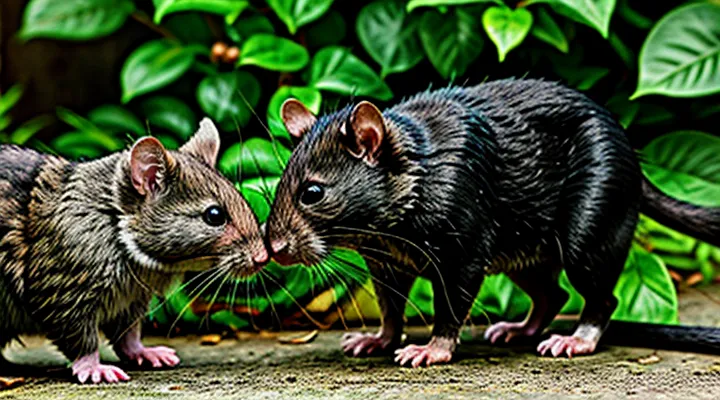
Understanding the Two Worlds of Rats
What Defines a Pet Rat?
Domestication and Breeding
Domesticated rats have undergone selective breeding for generations, resulting in predictable coat colors, temperament, and size. Breeders prioritize traits such as docility, reduced aggression, and ease of handling, which are uncommon in wild populations that retain natural survival adaptations.
Genetic management in captive breeding relies on controlled pairings, pedigree records, and health screening. Common practices include:
- Monitoring for hereditary conditions (e.g., respiratory issues, tumors) and removing affected individuals from breeding programs.
- Rotating breeding pairs to minimize inbreeding coefficients and preserve genetic diversity.
- Selecting for physical characteristics that enhance suitability as companion animals, such as short hair or specific coloration patterns.
In contrast, wild rats reproduce without human intervention, guided solely by environmental pressures. Their breeding cycles align with food availability and seasonal changes, leading to fluctuating litter sizes and rapid population turnover. Natural selection favors traits like heightened wariness, superior foraging ability, and resistance to pathogens encountered in uncontrolled habitats.
Care requirements for domesticated rats reflect their breeding history. Regular veterinary check‑ups, balanced laboratory‑grade diets, and enriched cages mitigate health problems that are rare in wild counterparts, whose diets consist of opportunistic scavenging and whose habitats provide innate stimulation.
Understanding the divergence between intentional breeding programs and natural reproductive strategies informs responsible ownership and effective management of captive rat populations.
Common Breeds and Varieties
Domestic rats are selectively bred for temperament, coat color, and size, resulting in a limited but well‑defined group of varieties. The most prevalent domestic strains include:
- Standard (or Fancy) Rat – medium size, smooth coat, a wide array of color patterns such as albino, hooded, and agouti.
- Dumbo Rat – enlarged, low‑set ears giving a distinctive silhouette; temperament comparable to standard rats.
- Hairless Rat – minimal fur, exposed skin requires regular moisturizing to prevent dryness.
- Rex Rat – curly, plush coat; grooming demands are similar to smooth‑coated counterparts.
- Manx Rat – tailless or short‑tailed; skeletal structure identical to other domestic strains.
Wild rat populations consist of several species adapted to diverse habitats. The most common varieties are:
- Brown Rat (Rattus norvegicus) – robust body, brown to gray dorsal fur, widespread in urban and agricultural settings.
- Black Rat (Rattus rattus) – slender build, black or dark brown coat, prefers higher elevations and attics.
- Polynesian Rat (Rattus exulans) – smallest of the three, grayish fur, often found on islands and coastal regions.
- Bush Rat (Rattus fuscipes) – native to forested areas, dark brown to black fur, less tolerant of human proximity.
Care requirements differ markedly between domesticated and wild specimens. Domestic rats thrive on a balanced laboratory‑grade pellet diet supplemented with fresh vegetables, require regular cage cleaning, and benefit from social housing. Wild rats obtain nutrition from opportunistic foraging, lack controlled sanitation, and exhibit heightened stress when confined. Understanding breed and species characteristics informs appropriate handling, health monitoring, and environmental management.
What Defines a Wild Rat?
Natural Habitat and Behavior
Pet rats live primarily in controlled indoor environments, such as cages or enclosures that provide stable temperature, regular feeding schedules, and limited exposure to predators. Their surroundings are designed to prevent escape, reduce stress, and facilitate health monitoring. In contrast, wild rats occupy diverse outdoor settings, including sewers, abandoned structures, agricultural fields, and densely populated urban areas. These habitats offer abundant shelter opportunities but expose the animals to fluctuating temperatures, predators, and competition for resources.
Behaviorally, domesticated rats exhibit strong social bonds with conspecifics and with human caretakers. They are active during the night, explore confined spaces, and display predictable feeding and grooming routines. Aggression levels are low when individuals are properly socialized, and they readily adapt to handling. Wild rats demonstrate opportunistic foraging, extensive nocturnal activity, and territorial defense. Their interactions involve frequent competition for food and nesting sites, heightened wariness of humans, and the capacity to transmit pathogens across populations.
Key distinctions:
- Habitat control
- Pet: enclosed, climate‑regulated, sanitized.
- Wild: variable, unsanitary, exposed to predators.
- Social structure
- Pet: small, stable groups, human‑oriented bonding.
- Wild: larger, fluid colonies, dominance hierarchies.
- Activity pattern
- Pet: predictable nightly exploration within confined space.
- Wild: extensive roaming, scavenging across diverse terrains.
- Health considerations
- Pet: routine veterinary care, diet monitoring.
- Wild: exposure to parasites, disease vectors, limited medical intervention.
Survival Instincts and Adaptations
Domesticated rats rely on human-provided resources, while feral rats depend on innate foraging skills. Their survival instincts diverge sharply because domestic individuals have reduced predator awareness and limited exploratory drive, whereas wild counterparts exhibit heightened vigilance and rapid threat assessment.
In environments with constant human interaction, domesticated rats develop a preference for predictable food sources and display reduced nocturnal activity. Wild rats maintain flexible feeding patterns, exploit seasonal fluctuations, and employ complex burrow networks to escape predators and extreme weather. Their instinctive drive to explore new territories supports population spread across urban and rural landscapes.
Key adaptations differentiate the two groups:
- Sensory acuity: wild rats possess enhanced olfactory receptors for detecting food and danger; domestic rats show diminished sensitivity due to reduced exposure.
- Musculoskeletal strength: feral specimens retain robust hind‑limb muscles for swift sprinting and climbing; pet rats exhibit softer musculature aligned with confined living spaces.
- Immune resilience: wild rats develop broader pathogen resistance from constant exposure; domesticated rats rely on controlled environments and veterinary care.
- Social hierarchy: feral colonies establish strict dominance structures to regulate resource allocation; pet rats often live in small, stable groups with minimal hierarchy.
These distinctions illustrate how survival instincts and physiological adaptations shape the behavior and care requirements of rats in human‑managed versus natural settings.
Key Distinctions Between Pet and Wild Rats
Physical Differences
Size and Build
Pet rats are generally smaller and more compact than their wild counterparts. Adult domestic specimens typically range from 20 to 25 cm in total length, including the tail, and weigh between 250 and 350 g. Their bodies exhibit a rounded silhouette, short limbs, and a dense, soft coat that requires regular grooming to prevent matting.
Wild rats display greater variation in size due to environmental pressures. Common species such as the brown rat (Rattus norvegicus) can reach 30 cm in length and exceed 500 g in weight. Their musculature is more pronounced, limbs are longer relative to body mass, and fur is coarser, providing protection against parasites and harsh weather.
Key distinctions in build affect handling and habitat needs:
- Body mass – pet rats are lighter, facilitating safe handling by children; wild rats’ larger mass demands stronger restraints.
- Muscle development – domestic rats have reduced muscle tone, reflecting a sedentary lifestyle; wild rats possess stronger forelimbs for burrowing and climbing.
- Coat condition – pet rats’ fine hair benefits from regular cleaning; wild rats’ rugged fur tolerates minimal maintenance but may harbor ectoparasites.
Care considerations derived from these differences include selecting appropriately sized cages, providing enrichment that matches the animal’s physical capabilities, and adjusting diet to support the specific metabolic demands of each size class.
Coat Color and Texture
Domestic rats typically display a range of coat colors, including white, black, beige, and patterned varieties such as agouti or sable. These colors result from selective breeding and are stable across generations. Wild rats, in contrast, exhibit a limited palette dominated by brown, gray, and black shades that provide camouflage in natural habitats.
Texture distinguishes the two groups as well. Domestic rats possess a soft, dense undercoat covered by a fine, glossy outer layer. The fur is easy to groom, sheds minimally, and tolerates handling without damage. Wild rats have coarser, thicker guard hairs and a sparser undercoat, an adaptation that offers protection against parasites and environmental wear. Their fur is prone to matting when confined and may contain more debris.
Key care considerations for coat management:
- Grooming frequency – Domestic rats benefit from weekly gentle brushing to remove loose hair; wild rats rarely require grooming unless kept in captivity.
- Bathing – Domestic rats should not be bathed regularly; a brief, warm water rinse is sufficient for occasional cleaning. Wild rats rarely encounter water sources that necessitate bathing.
- Nutrition – Adequate protein and essential fatty acids support healthy coat growth in both groups, but domestic rats often rely on formulated pellets that guarantee nutrient balance.
- Environmental hygiene – Clean bedding and regular cage cleaning prevent fur contamination for domestic rats; wild rats naturally maintain coat cleanliness through self‑grooming and habitat selection.
Understanding these differences informs appropriate handling, housing, and health monitoring for each type of rat.
Tail Characteristics
Rats kept as companions possess tails that are proportionally shorter and exhibit a smooth, hair‑covered surface. The fur is dense, reducing the risk of skin injuries and facilitating grooming. Tail skin is less prone to ulceration because domestic environments limit exposure to harsh terrain and parasites.
Wild rats display longer tails that may exceed body length, with sparse hair and a rougher texture. Their tails often show signs of wear, such as scarring or discoloration, reflecting frequent contact with abrasive surfaces and predators. The ventral side of the tail is more vulnerable to injuries from traps and environmental hazards.
Key implications for care:
- Temperature regulation: Domestic rats rely on their tails for heat dissipation; provide ambient temperatures between 68–75 °F to prevent overheating. Wild rats adapt to broader temperature swings, but captive individuals require stable conditions.
- Hygiene: Smooth, furred tails in pets are easier to clean; regular inspection prevents fungal growth. Wild‑type tails may accumulate debris; diligent cleaning reduces infection risk.
- Handling: Shorter, hair‑covered tails reduce the chance of accidental bites or tail‑dragging during gentle restraint. Longer, hair‑sparse tails demand careful support to avoid stress‑induced autotomy.
Understanding these tail distinctions informs appropriate housing, temperature control, and handling protocols, ensuring the well‑being of both domesticated and field‑derived rats.
Lifespan Comparison
Pet rats typically live 2 to 3 years, while wild conspecifics average 1 to 1.5 years. The disparity reflects differences in nutrition, predation pressure, disease exposure, and veterinary intervention.
- Domestic rat lifespan: 2 – 3 years (average 2.5 years).
- Wild rat lifespan: 12 – 18 months (average 15 months).
Pet rats benefit from balanced commercial diets, regular health checks, and protection from predators, which collectively extend longevity. Wild rats rely on opportunistic feeding, endure harsh climates, and face constant threats from predators and pathogens, limiting their survival.
Key factors influencing lifespan:
- Diet quality – formulated pellets provide consistent nutrients; wild diets are irregular and may lack essential vitamins.
- Environmental stress – controlled indoor habitats reduce temperature extremes and exposure to toxins; wild habitats expose rats to fluctuating conditions.
- Medical care – routine veterinary examinations detect illnesses early; wild rats lack such intervention.
- Social structure – stable colony dynamics in captivity minimize stress; wild colonies experience territorial conflicts and hierarchy disruptions.
To maximize a pet rat’s lifespan, maintain a clean cage, supply fresh water and high‑quality food, schedule annual veterinary assessments, and provide enrichment that encourages natural behaviors without inducing chronic stress. Wild rats, lacking human care, continue to experience the natural mortality rates described above.
Behavioral Differences
Temperament and Socialization
Domesticated rats exhibit a calm demeanor, readily accept human contact, and show curiosity toward novel objects. Their temperament results from selective breeding and frequent interaction with caregivers.
Wild rats maintain heightened vigilance, display rapid flight responses, and may exhibit aggression when approached. Their behavior reflects survival pressures and limited exposure to humans.
Socialization of pet rats involves daily handling, gentle restraint, and enrichment such as tunnels, chew toys, and group housing. These practices reduce fear, promote bonding, and support mental health.
Wild rats rely on dense colony structures for social stability. Human interaction is rare; social bonds are confined to conspecifics and are reinforced through scent marking, grooming, and hierarchical behaviors.
Key contrasts:
- Fear response: pet rats ‑ low; wild rats ‑ high.
- Human tolerance: pet rats ‑ adaptable; wild rats ‑ avoidant.
- Handling frequency: pet rats ‑ regular; wild rats ‑ none.
- Environmental enrichment: pet rats ‑ required for well‑being; wild rats ‑ provided naturally by the habitat.
Understanding these differences guides appropriate care strategies for each group.
Fear vs. Curiosity
Rats kept in homes display a distinct balance between fear and curiosity. Their initial wariness stems from unfamiliar sounds, sudden movements, and the presence of humans. Over time, repeated gentle handling reduces fear responses, allowing curiosity to dominate as they explore cages, toys, and new objects. This shift is measurable: heart rate and cortisol levels drop while investigative behaviors increase.
Wild rats encounter constant threats from predators, vehicles, and human activity. Their fear response remains high, limiting exploratory behavior to brief foraging bouts. Curiosity is directed toward safe, concealed food sources and shelter, not toward novel objects that could expose them to danger. Consequently, wild individuals exhibit rapid flight reactions and minimal interaction with unfamiliar stimuli.
Key contrasts in care stem from these behavioral patterns:
- Handling: Domestic rats tolerate regular, calm handling; wild rats resist and may bite if approached.
- Enrichment: Pet rats benefit from complex toys, tunnels, and varied textures that stimulate curiosity; wild rats rely on natural debris and burrow systems for stimulation.
- Stress management: Reducing sudden noises and bright lights lowers fear in captive rats; minimizing human presence and limiting exposure to traps lowers stress in feral populations.
Understanding the interplay of fear and curiosity informs appropriate husbandry for domesticated rats and humane management strategies for free‑living counterparts. Recognizing when fear dominates guides interventions that encourage safe exploration, while respecting innate wariness prevents unnecessary stress.
Nocturnal Habits
Rats are primarily nocturnal, exhibiting peak activity during the dark phase of the light‑dark cycle. Their sensory systems, metabolism, and social interactions are optimized for night‑time foraging and exploration.
Domestic rats, accustomed to human schedules, retain a strong night‑time activity pattern but can be conditioned to show increased daytime engagement when provided with consistent lighting and regular handling. Their circadian rhythm is sensitive to artificial light exposure; abrupt changes in photoperiod may cause stress and disrupt sleep cycles.
Wild rats maintain strict nocturnal routines dictated by predator avoidance and food availability. Their activity peaks shortly after sunset and declines before dawn, with brief crepuscular intervals for scouting and nesting. Environmental cues such as moonlight, temperature, and seasonal daylight length directly influence their timing.
Key implications for care:
- Lighting: Provide a stable light‑dark schedule (approximately 12 hours light, 12 hours dark). Dim evening lighting reduces disruption of natural activity peaks.
- Enrichment: Offer nocturnal‑oriented toys (tunnels, climbing structures) during the dark phase to encourage exercise and mental stimulation.
- Feeding: Supply the main meal at the onset of darkness; small supplemental portions can be offered during daylight to promote balanced intake.
- Observation: Conduct health checks during the early night period when rats are most active, ensuring accurate assessment of mobility and behavior.
- Noise management: Minimize sudden sounds during night hours to prevent stress, as wild rats are highly alert to auditory threats.
Understanding these nocturnal patterns enables owners to align husbandry practices with the animal’s innate rhythm, while highlighting the contrast with the more flexible schedule observed in free‑living counterparts.
Health and Disease
Genetic Predispositions in Pet Rats
Domesticated rats exhibit genetic variations that distinguish them from wild populations. Selective breeding over generations has amplified alleles linked to docility, coat coloration, and reduced aggression, creating a lineage optimized for companionship.
Key genetic predispositions in pet rats include:
- Behavioral temperament – mutations affecting neurotransmitter pathways produce a calmer demeanor, facilitating handling and social interaction.
- Coat phenotype – specific pigment genes generate a wide spectrum of fur colors and patterns not commonly seen in wild rats.
- Metabolic efficiency – adaptations in carbohydrate metabolism allow stable weight maintenance on standard laboratory diets.
- Disease susceptibility – certain immune‑related loci increase vulnerability to respiratory infections and neoplasms, necessitating vigilant health monitoring.
Breeders rely on pedigree analysis to identify and propagate desirable traits while minimizing deleterious alleles. Genetic screening tools, such as PCR‑based assays, detect carriers of recessive disorders, enabling informed pairing decisions that reduce the incidence of hereditary conditions.
Parasites and Illnesses in Wild Rats
Wild rats serve as reservoirs for a wide range of parasites and pathogens that differ markedly from those encountered in domesticated specimens. Their exposure to unsanitary environments, dense populations, and diverse food sources creates conditions favorable for ectoparasite infestation, internal helminth infection, and microbial disease.
- Fleas (e.g., Xenopsylla cheopis) attach to the skin, feed on blood, and can transmit plague bacteria.
- Mites (Ornithonyssus bacoti) cause intense itching, skin lesions, and may carry rickettsial agents.
- Ticks (Ixodes spp.) transmit bacterial agents such as Borrelia and viral encephalitis.
Internal parasites commonly identified in wild rats include:
- Nematodes: Trichuris muris (whipworm) and Strongyloides ratti cause gastrointestinal irritation and malabsorption.
- Cestodes: Hymenolepis nana (dwarf tapeworm) leads to weight loss and anemia.
- Protozoa: Giardia duodenalis and Cryptosporidium muris result in watery diarrhea and dehydration.
Bacterial and viral illnesses prevalent among feral populations are:
- Leptospira interrogans – leptospirosis, presenting with renal dysfunction and hemorrhagic symptoms.
- Salmonella spp. – salmonellosis, producing enteric fever and septicemia.
- Hantavirus – hemorrhagic fever with renal syndrome, causing high fever, renal failure, and respiratory distress.
- Rat-bite fever (Streptobacillus moniliformis) – systemic infection following bites or scratches, characterized by fever, rash, and arthralgia.
Zoonotic transmission to humans occurs through direct contact, aerosolization of urine or feces, and bite wounds. Protective measures include wearing gloves, avoiding hand‑to‑mouth contact, and implementing strict hygiene after handling wild specimens.
The presence of these agents necessitates distinct management protocols compared with companion rats. Wild rats require quarantine, thorough ectoparasite treatment, and diagnostic screening before any integration into controlled environments. Failure to address these health risks compromises both animal welfare and public safety.
Zoonotic Risks
Domesticated rats and their wild relatives differ markedly in the probability of transmitting pathogens to humans. Controlled breeding, regular veterinary oversight, and limited environmental exposure reduce the incidence of zoonotic agents in pet rats, whereas wild populations encounter diverse habitats and contaminated food sources, increasing pathogen load.
Common zoonoses linked to rats include:
- Leptospira spp. – bacteria causing leptospirosis, transmitted through urine contact.
- Salmonella enterica – bacteria causing gastroenteritis, spread via fecal contamination.
- Hantavirus – virus responsible for hemorrhagic fever with renal syndrome, aerosolized from dried droppings.
- Rat‑borne rickettsiae – such as Rickettsia typhi, causing murine typhus through flea vectors.
- Streptobacillus moniliformis – bacterium causing rat‑bite fever, introduced by bites or scratches.
Risk assessment shows that pet rats present a lower transmission probability because:
- Housing is confined and regularly cleaned.
- Diet consists of commercially prepared feed, limiting exposure to environmental microbes.
- Veterinary care includes health screenings and vaccinations where available.
Wild rats pose a higher threat due to:
- Uncontrolled movement across sewage, garbage, and agricultural fields.
- Interaction with a broader range of arthropod vectors.
- Lack of health monitoring, allowing asymptomatic carriers to persist.
Mitigation strategies for owners and the general public include:
- Implementing strict hand‑washing protocols after handling animals or cleaning cages.
- Using disposable gloves when cleaning droppings or bedding.
- Ensuring cages are sealed to prevent flea and mite infestation.
- Conducting regular veterinary examinations for pet rats, focusing on stool analysis and serological testing.
- Avoiding direct contact with wild rodents; employing professional pest control for infestations.
- Educating personnel in laboratories or waste‑management facilities about aerosol precautions and personal protective equipment.
Adherence to these practices minimizes the likelihood of disease transmission from both domesticated and wild rat populations.
Caring for a Pet Rat
Housing Requirements
Cage Size and Enrichment
When keeping a domesticated rat, the enclosure must allow unrestricted movement and support natural behaviors. Minimum dimensions of 2 ft × 1 ft × 1 ft (length × width × height) provide sufficient floor space for a single adult; each additional rat requires at least an extra 0.5 ft² of floor area. Vertical space should accommodate climbing structures, as rats are agile climbers. A solid base prevents foot injuries and eases cleaning.
Enrichment items are essential for mental and physical health. Recommended categories include:
- Climbing apparatus: wooden branches, rope ladders, and multi‑level platforms.
- Foraging opportunities: hide small food pieces in paper tubes, cardboard rolls, or treat‑dispensing toys.
- Nesting material: shredded tissue, soft fleece, or untreated paper to encourage nest building.
- Sensory stimulation: safe chewable objects such as untreated wood blocks, mineral chews, or silicone tubes.
Wild rats encounter varied environments and rarely experience confinement. Their habitats provide natural burrows, extensive underground tunnels, and abundant foraging material. Attempting to replicate these conditions in captivity requires larger, more complex enclosures and a broader range of enrichment to approximate the diversity of stimuli found outdoors. Failure to meet these spatial and enrichment standards can lead to stereotypic behaviors, stress, and health problems.
Bedding and Substrate
Bedding and substrate choices distinguish domestic rats from their wild counterparts and directly affect health, behavior, and hygiene.
Domestic rats require absorbent, low‑dust materials that can be changed frequently. Ideal options include paper‑based bedding, compressed wood shavings without aromatic oils, and specially formulated rodent fiber mats. These substrates minimize respiratory irritation, control odor, and allow easy removal of urine and feces.
Wild rats encounter natural substrates such as leaf litter, grass, soil, and decomposing organic matter. These environments provide insulation, nesting material, and foraging opportunities, but also expose the animals to parasites, fungi, and higher pathogen loads.
Key considerations for pet rat bedding:
- Absorbency: retains moisture to keep the enclosure dry.
- Dust level: low particulate content reduces respiratory stress.
- Safety: free of sharp edges, toxic chemicals, or aromatic additives.
- Ease of replacement: allows weekly cleaning without extensive disassembly.
When transitioning a wild rat to captivity, replicate natural substrate characteristics gradually. Offer untreated shredded paper, dried grasses, or clean soil patches to satisfy nesting instincts while maintaining sanitary standards.
Overall, selecting appropriate bedding aligns with the distinct living conditions of domestic and wild rats, supporting optimal welfare and minimizing health risks.
Temperature and Ventilation
Temperatures suitable for domesticated rats range from 18 °C to 24 °C. Enclosures should stay within this band to prevent heat stress and respiratory problems. Provide a stable ambient temperature; sudden drops below 15 °C increase the risk of hypothermia, while sustained heat above 27 °C accelerates dehydration.
Ventilation in a pet habitat must supply fresh air without creating drafts. A cage with multiple small openings or a low‑speed fan ensures adequate oxygen exchange while maintaining humidity between 40 % and 60 %. Replace filters regularly; clogged filters raise carbon dioxide levels and promote fungal growth.
Wild rats experience broader temperature fluctuations, often tolerating 5 °C to 30 °C. Their burrows and nests benefit from natural airflow, which moderates heat and removes excess moisture. Key environmental factors for wild populations include:
- Access to shaded areas during hot periods.
- Soil or litter that retains warmth in winter.
- Open tunnels that allow cross‑ventilation without exposing the colony to predators.
Caring for a pet rat requires artificial climate control, whereas wild rats rely on habitat structure to achieve temperature stability and ventilation. Adjusting cage placement, using insulated bedding, and monitoring humidity are essential to replicate the natural conditions that wild conspecifics encounter.
Nutritional Needs
Balanced Diet Components
A balanced diet for a domesticated rat differs markedly from the natural intake of a free‑living counterpart, yet both require specific nutrients to maintain health.
Protein sources such as lean meat, boiled egg, or high‑quality rodent pellets supply essential amino acids for muscle development and immune function. Fiber, delivered through fresh vegetables like carrots, broccoli, or leafy greens, supports gastrointestinal motility and prevents hairball formation. Fats, limited to 5‑10 % of total calories, should come from unsaturated oils or nuts to provide energy without promoting obesity. Vitamins A, D, E, and the B‑complex group are obtained from a varied selection of fruits, vegetables, and fortified feeds, ensuring proper vision, bone metabolism, and neural activity. Minerals—calcium, phosphorus, magnesium, and trace elements such as zinc and selenium—are critical for skeletal integrity and enzymatic processes; they are most reliably supplied through commercially prepared mixes. Clean, fresh water must be available at all times to facilitate digestion and thermoregulation.
Key distinctions in dietary composition:
- Pet rat: commercial pellet base, daily fresh produce, occasional protein treats, measured fat intake, vitamin/mineral fortification.
- Wild rat: grains, seeds, nuts, insects, occasional fruit, high‑fat seeds, variable vitamin/mineral content depending on foraging success.
Providing the appropriate balance of these components reduces the risk of metabolic disorders, dental disease, and nutritional deficiencies, thereby supporting optimal growth and longevity in captive rats while reflecting the nutritional principles observed in their wild relatives.
Treats and Supplements
Treats for domesticated rats differ markedly from those offered to wild counterparts. Pet rats thrive on commercially formulated chew sticks, small pieces of fresh fruit, and low‑fat dairy products. These items provide balanced carbohydrates, vitamins, and calcium while encouraging dental wear. Wild rats obtain nutrition primarily from grain kernels, seeds, and occasional insects, which supply higher protein and variable micronutrients but lack the consistency of captive diets.
Supplementation reflects these dietary gaps. For pet rats, calcium tablets, vitamin D3 drops, and probiotic powders maintain skeletal health, immune function, and gut flora. Dosages should align with veterinary guidelines—typically 0.1 mg calcium per gram of body weight and 100–200 IU vitamin D3 daily. Probiotic blends containing Lactobacillus spp. are administered at 0.5 g per kilogram of feed.
Wild rats rarely receive supplemental inputs; natural foraging supplies essential nutrients. When researchers intervene, they may provide mineral blocks enriched with zinc and iron to counteract soil deficiencies. Such blocks are placed in limited quantities to avoid dependency.
Key considerations when selecting treats and supplements for captive rats:
- Choose products free of artificial sweeteners, excessive sugars, or high sodium.
- Verify that each supplement lists precise concentrations and expiration dates.
- Rotate treat varieties weekly to prevent nutrient imbalances.
- Monitor body condition; excessive treats can lead to obesity, while insufficient supplementation may cause hypocalcemia.
In summary, domesticated rats require structured treats and targeted supplements to replicate the diverse, yet unpredictable, diet of their wild relatives, ensuring optimal health and longevity.
Water Provision
Pet rats require constant access to clean, fresh water, regardless of whether they are domesticated or living in the wild. Domestic rats typically drink from hanging bottles equipped with stainless‑steel or plastic nipples; these devices prevent spillage and reduce contamination. Wild rats obtain water from natural sources such as puddles, streams, or seepage, which often contain debris and pathogens.
Hydration levels differ between the two groups. Captive rats consume approximately 30–50 ml of water per 100 g of body weight each day, while wild counterparts may ingest less due to intermittent availability. Providing water at room temperature encourages regular drinking; chilled water can deter intake, and excessively warm water may promote bacterial growth.
Effective water provision for pets includes several practical steps:
- Install a secure bottle with a chew‑resistant tip; replace the tip every 2–3 weeks.
- Clean the bottle and tip with mild soap and rinse thoroughly at least once weekly.
- Check for leaks or drips daily; a leaking system can cause dehydration and hygiene issues.
- Position the bottle away from food dishes to prevent cross‑contamination.
- Monitor consumption; a sudden decrease may indicate illness or a malfunctioning dispenser.
For wild rats, water sources are uncontrolled. Conservation efforts that create safe drinking stations—such as shallow troughs with filtered water—can reduce exposure to contaminants and support healthier populations. Regular maintenance of these stations, including cleaning and refilling, mirrors the care standards applied to domestic animals.
Socialization and Training
Handling Techniques
Handling a domesticated rat differs markedly from handling a feral counterpart. A pet rat is accustomed to human contact, exhibits reduced flight response, and tolerates brief restraint. A wild rat retains high vigilance, heightened stress sensitivity, and a propensity to bite when threatened.
- Approach slowly, keeping the hand low and palm outward to signal non‑threatening intent.
- Allow the animal to sniff the fingertips before any physical contact; this reduces alarm.
- For a pet rat, gently cup the body with both hands, supporting the hindquarters and avoiding pressure on the spine.
- For a wild rat, use a soft cloth or a small animal carrier to contain the animal without direct hand contact; secure the creature only long enough to perform necessary procedures such as health checks or relocation.
- Maintain a calm environment: low ambient noise, stable lighting, and minimal sudden movements prevent escalation of stress hormones.
When restraint is required, employ a “scruff” technique only on a domesticated rat and only for brief periods. Grasp the skin at the back of the neck with a thumb and forefinger, supporting the body with the other hand. Release immediately once the task is complete. This method should never be applied to a wild rat, as it can cause severe injury and increase aggression.
Proper hand hygiene before and after handling prevents pathogen transfer. Wash hands with soap and water, or use an alcohol‑based sanitizer when gloves are not employed. Gloves made of nitrile or latex provide a barrier for handling feral rats, reducing bite risk while allowing tactile feedback.
Consistent, gentle handling builds trust in pet rats, facilitating routine care such as grooming, health examinations, and training. In contrast, handling feral rats should remain minimal, focused on safe capture and release or veterinary intervention, always prioritizing the animal’s stress level and the handler’s safety.
Group Dynamics
Pet rats form stable colonies with clear dominance hierarchies. The alpha individual typically controls access to food, nesting sites, and grooming opportunities. Subordinate members display submissive postures, such as lowered body and reduced vocalizations, to avoid aggression. These dynamics reduce conflict, promote cooperative foraging, and facilitate disease monitoring through mutual grooming.
Wild rats exhibit similar hierarchical structures but with greater fluidity. High population density, limited resources, and predator pressure cause frequent turnover in rank. Aggressive encounters are more common, and territorial boundaries shift rapidly. Group cohesion is maintained through scent marking and brief affiliative contacts, which help individuals locate conspecifics and assess competition.
Key implications for caretakers:
- Recognize the alpha’s influence when introducing new rats; placement of newcomers should minimize disruption of the existing hierarchy.
- Provide multiple feeding stations and nesting options to reduce competition and allow subordinate rats to access resources without confronting the dominant individual.
- Monitor social interactions daily; persistent aggression toward a specific individual signals a breakdown in hierarchy and may require separation.
- Encourage natural grooming behavior by offering soft bedding and low-stress environments, which supports health monitoring and stress reduction.
Understanding these social patterns enables effective management of captive rats, ensuring welfare comparable to their wild counterparts while preventing behavioral problems that arise from misaligned group structures.
Basic Tricks
Pet rats readily learn simple commands, while wild rats show limited responsiveness due to lack of human interaction. Training basic tricks enhances mental stimulation, strengthens the bond with a domesticated rodent, and facilitates safe handling.
- Sit: place a treat above the rat’s head, guide the hindquarters down, reward immediately; repeat until the posture occurs on cue.
- Spin: hold a treat in one hand, move it in a circular motion, encourage the rat to follow, then label the action with a verbal cue and reward.
- Target touch: attach a small stick with a colored tip, present it, reward each time the rat’s nose contacts the tip; progress to moving the target to different locations.
- Retrieve: toss a lightweight chew toy a short distance, encourage the rat to pick it up, and reward when it returns the object to the hand.
- Hand‑off: place a treat in the open palm, wait for the rat to take it, then gently close the hand; repeat to develop confidence in accepting food from a hand.
Training sessions should last no longer than five minutes, occur several times daily, and use high‑value treats such as small pieces of fruit or specialized rodent biscuits. Consistency in verbal cues and hand signals accelerates learning.
For wild rats, attempts at trick training are rarely successful; stress levels rise quickly, and the animals may become aggressive. If a wild rat is captured for rehabilitation, focus on basic handling and health assessment rather than performance training. Domestic rats benefit from regular trick practice as part of a comprehensive care plan that includes proper nutrition, enrichment, and veterinary monitoring.
Health and Veterinary Care
Common Ailments
Both domesticated and feral rodents experience a limited set of health problems, yet the frequency and severity differ because of diet, housing, and exposure to pathogens.
- Respiratory infections – caused by Mycoplasma pulmonis or viral agents; symptoms include sneezing, nasal discharge, and labored breathing. Pet rats benefit from low‑dust bedding and regular cleaning; wild rats often develop chronic conditions due to poor ventilation.
- Skin parasites – mites and fleas attach to the fur, leading to itching and hair loss. In captivity, routine inspection and topical acaricides prevent infestations; wild individuals may carry heavier loads but rarely receive treatment.
- Gastrointestinal disturbances – bacterial overgrowth or coccidiosis produce diarrhea and weight loss. Balanced nutrition and probiotic supplements reduce risk for pets; wild rats face fluctuating food quality, increasing susceptibility.
- Dental overgrowth – incisors grow continuously; inadequate gnawing material results in malocclusion, difficulty eating, and facial deformities. Providing chew toys and hard foods maintains proper wear in domestic settings; wild rats naturally gnaw diverse objects, lowering incidence.
- Neoplastic growths – mammary tumors and fibrosarcomas appear more often in older pet females, detectable as palpable masses. Early veterinary examination enables surgical removal; wild rats rarely live long enough to manifest observable tumors.
- Liver and kidney disease – chronic exposure to toxins and high‑protein diets can impair organ function, presenting as lethargy and abnormal urine. Monitoring water quality and avoiding harmful substances protect captive animals; environmental pollutants affect wild populations unpredictably.
Effective management relies on prompt identification of clinical signs, appropriate veterinary diagnostics, and tailored interventions that reflect the animal’s living conditions. Regular health checks, clean habitats, and balanced diets constitute the core preventive strategy for both groups.
Regular Check-ups
Regular veterinary examinations are essential for domesticated rats, whereas wild populations receive no systematic health monitoring. The controlled environment of a pet rat creates predictable health patterns that can be tracked through scheduled visits, while wild rats encounter unpredictable stressors and pathogens without human intervention.
A typical check‑up program includes:
- Initial assessment within two weeks of acquisition to establish baseline weight, dental alignment, and coat condition.
- Quarterly examinations to measure growth, evaluate respiratory sounds, inspect nails and teeth, and update vaccination status where applicable.
- Annual blood work to screen for common metabolic disorders, such as glucose intolerance and liver enzyme elevations.
- Parasite screening at six‑month intervals, with fecal flotation and ectoparasite inspection.
Veterinarians look for specific indicators that warrant immediate care: sudden weight loss exceeding 10 % of body mass, nasal discharge, wheezing, ocular opacity, or aggressive gnawing of teeth. Early detection through routine appointments reduces morbidity and extends the lifespan of a captive rat, a benefit unavailable to its feral counterparts.
Recognizing Signs of Illness
Rats kept as companions and those living in the wild display overlapping health indicators, but the environment influences the presentation and urgency of each sign. Early detection relies on systematic observation of behavior, appearance, and physiological changes.
Changes in activity level are often the first warning. A normally curious rat that becomes lethargic, hides for extended periods, or shows reluctance to explore signals possible illness. Sudden weight loss, measurable on a kitchen scale, indicates metabolic or gastrointestinal problems. Conversely, rapid weight gain may reflect fluid retention or hormonal imbalance.
Physical examination should focus on the following observable cues:
- Coat condition: Dull, rough, or patchy fur suggests nutritional deficiency, skin infection, or systemic disease.
- Eyes and nose: Discharge, redness, or cloudiness points to respiratory infection or ocular disease.
- Respiration: Audible wheezing, rapid breathing, or open‑mouth breathing signals respiratory distress.
- Excretory patterns: Diarrhea, abnormal urination frequency, or blood in waste denotes gastrointestinal or urinary tract issues.
- Oral health: Drooling, broken teeth, or foul odor indicates dental problems that can affect feeding.
- Temperature: A body temperature below 99 °F (37.2 °C) or above 104 °F (40 °C) requires immediate veterinary assessment.
Behavioral anomalies such as aggression, uncharacteristic fearfulness, or loss of coordination often accompany neurological or pain‑related conditions. Monitoring food and water intake provides additional data; a sudden decline may precede dehydration or organ failure.
Owners of captive rats can control environmental factors, reducing exposure to parasites and pollutants that commonly affect free‑ranging counterparts. Nonetheless, both groups benefit from routine health checks, prompt isolation of symptomatic individuals, and consultation with a veterinarian experienced in rodent medicine. Early intervention based on these clear, observable signs improves outcomes and minimizes suffering.
Coexisting with Wild Rats
Preventing Infestations
Food Storage and Waste Management
Proper food storage and waste management are critical factors distinguishing domesticated rats from their wild counterparts. Pet rats require dry, sealed containers to protect feed from moisture, mold, and contamination. Wild rats rely on natural foraging and opportunistic scavenging, accepting food that is exposed to environmental conditions.
Domestic rats benefit from a consistent diet of commercially prepared pellets, fresh vegetables, and occasional protein treats. Maintaining a clean storage area prevents nutrient degradation and reduces the risk of bacterial growth. Recommended practices include:
- Using airtight containers with UV‑resistant lids.
- Rotating stock weekly to avoid spoilage.
- Keeping storage units away from direct sunlight and heat sources.
Waste generated by pet rats consists mainly of bedding, droppings, and uneaten food. Effective disposal minimizes odor, disease transmission, and pest attraction. Guidelines for waste handling:
- Remove soiled bedding daily; replace with fresh, absorbent material.
- Collect droppings in a sealed bag before discarding in a sealed trash bin.
- Dispose of uneaten food promptly; compost only if the waste is free from pathogens.
In contrast, wild rats dispose of waste through natural processes: discarded food and feces decompose in the environment, contributing to local nutrient cycles but also fostering parasite populations. Their lack of controlled storage leads to frequent exposure to spoiled food and higher pathogen loads.
Understanding these differences informs appropriate care strategies for pet rats, ensuring nutritional integrity and hygienic conditions that are not achievable in uncontrolled wild settings.
Sealing Entry Points
Sealing entry points is a core preventive measure for anyone keeping a domesticated rat and for those managing wild‑rat populations. It eliminates escape routes for pets and blocks access for feral rodents that can introduce disease, damage property, and compete for food.
Effective sealing follows a systematic approach:
- Conduct a thorough visual inspection of walls, floors, ceilings, and foundations. Focus on gaps larger than ¼ inch.
- Apply steel wool or copper mesh to fill openings, then cover with a durable sealant such as silicone or acrylic caulk.
- Install hardware cloth (¼‑inch mesh) over larger voids, especially around pipes, vents, and utility penetrations.
- Repair or replace damaged window screens, door sweeps, and garage door seals.
- Trim vegetation and remove debris that may provide a bridge to the building envelope.
- Use expanding foam for irregular cracks, ensuring it does not create new gaps.
Regular maintenance reinforces protection. Schedule biannual inspections, watch for signs of gnawing or new cracks, and repeat the sealing process as needed. Consistent attention to structural integrity safeguards pet rats from accidental release and reduces the likelihood of wild rat intrusion.
Garden Maintenance
Garden maintenance directly influences the well‑being of domesticated rats and the presence of wild rats. Proper upkeep reduces hazards for pet rats while minimizing attractions for wild rodents.
For pet rats, a clean garden provides a safe environment for supervised outdoor time. Regular removal of fallen leaves, twigs, and debris eliminates hiding places where accidental injuries could occur. Keeping pathways clear of sharp objects prevents foot injuries. Maintaining a low‑height fence with secure mesh deters escape and blocks entry of stray wild rats.
For wild rats, garden practices can discourage colonisation. Key actions include:
- Prompt disposal of food scraps and fallen fruit.
- Frequent emptying of compost bins with tight‑fitting lids.
- Trimming dense vegetation around garden edges to reduce shelter.
- Storing feed for other animals in sealed containers.
Both pet and wild rat management benefit from routine soil aeration and mulching. Aerated soil prevents burrow formation that could be exploited by wild rats, while mulching with inorganic material reduces moisture levels that attract rodents. Consistent watering schedules avoid water pooling, which otherwise creates a favorable micro‑habitat for wild rat activity.
Implementing these maintenance procedures creates a garden that supports the health of pet rats during supervised outings and simultaneously limits the appeal of the area to wild rat populations.
Safe and Humane Deterrence
Trapping Methods
Trapping rats requires methods that match the animal’s status, behavior, and the owner’s objectives. Live‑capture devices allow temporary confinement, enable health assessment, and facilitate release or adoption. Snap mechanisms deliver immediate mortality, suitable for controlling established wild populations. Electronic units emit a high‑voltage shock, offering rapid kill with reduced risk of secondary injury.
- Live‑capture cages: wire mesh, single‑door entry, secure latch; bait with grain or fruit; check intervals of 30 minutes to prevent stress; appropriate for pet‑rat rescues and scientific sampling of wild specimens.
- Snap traps: spring‑loaded bar, trigger plate; place along wall edges, use strong-smelling bait; ensure child‑proof positioning; effective for high‑density wild infestations.
- Electronic traps: insulated chamber, voltage pulse; bait similarly; require power source; minimal mess, lower non‑target capture rates.
Placement strategies influence success. Position devices near known runways, concealed by debris, and at ground level. Use bait that aligns with the rat’s dietary preferences—seeds, nuts, or protein blocks. Set traps in the late afternoon, when nocturnal activity peaks, and inspect early morning. For pet rats, prioritize humane cages, minimize handling time, and provide ventilation. For wild rats, select lethal options, maintain safety barriers, and adhere to local wildlife regulations.
Repellents and Their Efficacy
Effective repellent strategies differ markedly between domesticated rats kept as companions and feral rats encountered outdoors. Understanding the active mechanisms, application methods, and limitations of each product is essential for humane management and health protection.
Chemical repellents rely on volatile compounds that irritate the rodent’s sensory system. Commonly used agents include:
- Methyl nonyl ketone (Mink oil) – strong odor deters exploration; efficacy declines after 24 hours in open environments.
- Capsaicin extracts – activate pain receptors; effective on contact surfaces but ineffective when diluted by rain.
- Ammonia solutions – produce sharp vapors; short‑term avoidance observed, but high concentrations pose respiratory risk to humans and pets.
Ultrasonic devices emit high‑frequency sound waves beyond human hearing. Laboratory tests show a temporary reduction in activity for indoor pet rats, while field studies reveal minimal impact on wild populations due to habituation and ambient noise interference.
Physical barriers provide the most reliable protection. Sealing entry points, installing fine‑mesh screens, and using hardened floor coverings prevent both pet and feral rats from accessing prohibited zones. Barrier integrity must be inspected weekly; even a 2 mm gap permits entry.
Biological repellents exploit predator cues. Synthetic ferret scent and fox urine formulations trigger innate avoidance behaviors. Trials indicate a 30‑45 % decrease in foraging within treated zones for feral rats; domestic rats, accustomed to human environments, display limited response.
When selecting a repellent, consider the following criteria:
- Target environment – indoor, sheltered outdoor, or exposed terrain.
- Safety profile – toxicity to humans, children, and companion animals.
- Persistence – duration of active effect under temperature and humidity variations.
- Regulatory compliance – adherence to local pesticide regulations and animal welfare guidelines.
In practice, a layered approach—combining sealed barriers, targeted chemical deterrents, and periodic ultrasonic reinforcement—delivers the highest efficacy across both pet and wild rat contexts while minimizing health risks. Regular monitoring and adjustment of the regimen are required to maintain deterrent performance over time.
When to Contact Professionals
When a rat exhibits symptoms that deviate from normal behavior, prompt professional consultation prevents escalation. Immediate veterinary attention is warranted if the animal shows any of the following: rapid weight loss, persistent diarrhea, uncontrolled bleeding, difficulty breathing, seizures, or prolonged lethargy. These signs indicate serious health issues that require diagnostic testing and targeted treatment.
If the rat is a pet, owners should also seek expert advice when introducing new foods, medications, or environmental changes that could affect the animal’s well‑being. A qualified veterinarian can assess potential toxicity, adjust dosages, and advise on safe enrichment practices.
In cases involving wild rats, contact a licensed wildlife rehabilitator or pest‑control specialist under these conditions: the animal is trapped and appears injured, exhibits abnormal aggression, or is found in a residential area where it poses a health risk. Professionals can determine whether the individual qualifies for rehabilitation, humane euthanasia, or safe removal.
When uncertainty exists about the rat’s status—whether it is a domesticated companion or a feral intruder—consult a veterinarian or local animal‑control authority. Accurate identification guides appropriate care protocols and legal compliance.
Overall, any situation that threatens the rat’s health, safety, or public health merits professional intervention rather than DIY attempts.