
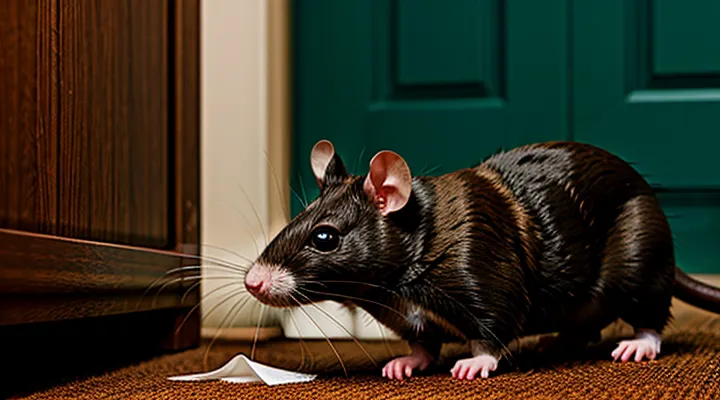
Understanding Nosebleeds in Pet Rats
What is a Nosebleed?
A nosebleed, medically termed epistaxis, denotes the escape of blood from the nasal passages. In small mammals such as pet rats, the event usually appears as fresh blood staining the nostrils, whiskers, or surrounding fur.
The nasal cavity of a rat contains a delicate network of blood vessels supplied by the carotid arteries. These vessels lie close to the mucosal surface, making them vulnerable to rupture when exposed to trauma, inflammation, or systemic disorders.
Typical signs include:
- Bright red blood at the nostril openings
- Blood‑soaked fur around the snout
- Possible difficulty breathing if bleeding is extensive
Recognition of these indicators allows prompt veterinary assessment and intervention.
Why are Nosebleeds Concerning in Rats?
Nasal bleeding in pet rats signals possible serious health problems. Small mammals possess delicate vascular structures in the nasal cavity; disruption often reflects underlying pathology rather than a benign incident.
Common sources of epistaxis include:
- Traumatic injury to the nasal turbinates or snout
- Infectious agents such as Mycoplasma or Streptococcus species
- Coagulopathies caused by vitamin K deficiency or liver dysfunction
- Neoplastic growths within the nasal passages or adjacent sinuses
- Foreign bodies lodged in the nasal vestibule
Each of these conditions can progress rapidly, compromising oxygen exchange and leading to systemic anemia. Persistent blood loss reduces red‑cell count, diminishing tissue oxygenation and weakening the immune response. In severe cases, blood accumulation in the nasal cavity may obstruct airflow, causing respiratory distress and increasing the risk of secondary infections.
Prompt veterinary assessment is essential. Early diagnosis allows targeted treatment—antibiotics for bacterial infections, vitamin K supplementation for clotting disorders, surgical removal of foreign material, or oncologic interventions for tumors. Delayed intervention may result in irreversible organ damage or fatal outcomes.
Common Causes of Nosebleeds in Pet Rats
Environmental Factors
Dust and Irritants
Dust particles suspended in the environment readily infiltrate the delicate nasal passages of pet rats. Small grains of wood shavings, bedding fibers, and airborne pollen adhere to the mucosal lining, causing micro‑abrasions that compromise capillary integrity. When the fragile vessels rupture, fresh blood appears at the nostrils, often without external trauma.
Key irritants include:
- Wood shavings with high lignin content, which release fine dust during handling.
- Paper‑based bedding that fragments into airborne particles when disturbed.
- Household dust containing silica, mold spores, and chemical residues.
- Strong scents from cleaning agents or aromatic oils that irritate nasal mucosa.
Preventive measures focus on environmental control. Maintaining low humidity (40‑55 %) reduces drying of the nasal epithelium, while frequent cleaning removes accumulated dust. Selecting low‑dust bedding, such as aspen chips or recycled paper pads, limits particle load. Installing air filtration devices or using a sealed cage with a filtered ventilation system further decreases exposure.
If a rat presents with nasal bleeding linked to irritants, immediate steps include:
- Gently applying a clean, cool compress to the nostrils for two to three minutes to promote vasoconstriction.
- Isolating the animal in a dust‑free enclosure for observation.
- Administering a topical vasoconstrictive ointment (e.g., a veterinary‑approved phenylephrine gel) under veterinary guidance.
- Monitoring for recurrence; persistent bleeding warrants veterinary evaluation for underlying coagulopathy or secondary infection.
Long‑term management requires regular assessment of cage substrate, ventilation, and cleaning products. Replacing high‑dust bedding with low‑particle alternatives and ensuring that the habitat remains free of strong odors minimizes repeated mucosal irritation, thereby reducing the incidence of nasal hemorrhage in domestic rats.
Low Humidity
Low ambient humidity dries the delicate nasal lining of pet rats, increasing the likelihood of spontaneous epistaxis. When the environment lacks sufficient moisture, the mucosal epithelium loses its protective hydration, leading to micro‑abrasions that can rupture capillaries.
Dry air also reduces the effectiveness of the rats’ natural nasal secretions, which normally trap particles and maintain tissue integrity. The combined effect of desiccation and impaired mucus function creates a direct pathway to bleeding.
Preventive actions focus on maintaining optimal humidity levels and supporting mucosal health:
- Keep relative humidity between 45 % and 55 % using a humidifier or water‑filled terrarium accessories.
- Place a shallow dish of water near the cage to increase local moisture.
- Monitor humidity with a calibrated hygrometer and adjust settings promptly.
- Provide a diet rich in omega‑3 fatty acids to strengthen vascular walls.
- Avoid drafts and sudden temperature fluctuations that exacerbate drying.
If a nosebleed occurs under low‑humidity conditions, immediate steps include:
- Reduce stress by gently restraining the rat and applying light pressure to the nostrils for 1–2 minutes.
- Increase ambient humidity rapidly by moving the animal to a sealed, moist enclosure for 10–15 minutes.
- Inspect the nasal cavity for foreign material; remove debris with sterile tweezers if present.
- Administer a veterinarian‑prescribed topical saline spray to rehydrate the mucosa.
- Schedule a veterinary evaluation to rule out underlying coagulopathies or infections.
Respiratory Issues
Mycoplasma pulmonis
Mycoplasma pulmonis is a wall‑less bacterium that colonises the respiratory epithelium of laboratory and pet rats. Persistent infection produces inflammation of the nasal mucosa, erosion of capillary walls and, consequently, epistaxis. The organism also predisposes rats to secondary bacterial invasions that aggravate bleeding.
Key factors linking this pathogen to nasal hemorrhage include:
- Chronic rhinitis caused by direct bacterial adhesion.
- Ulceration of the nasal turbinates resulting from prolonged inflammatory response.
- Co‑infection with opportunistic microbes that amplify vascular fragility.
- Immunological stress that impairs mucosal repair mechanisms.
Therapeutic measures focus on eliminating the infection and supporting mucosal healing:
- Administration of tetracycline‑class antibiotics (e.g., doxycycline) for a minimum of three weeks, adjusted according to culture sensitivity.
- Use of macrolides (e.g., azithromycin) when tetracycline resistance is documented.
- Supplemental humidified air to maintain mucosal moisture and reduce crust formation.
- Regular cleaning of the cage environment to limit aerosolised bacterial load.
- Monitoring of complete blood counts and coagulation profiles to detect systemic effects.
Preventive strategies reinforce treatment outcomes:
- Quarantine of new arrivals for at least four weeks with respiratory screening.
- Provision of a low‑dust, high‑fiber diet that supports immune competence.
- Maintenance of ambient temperature between 18 °C and 22 °C to minimise respiratory stress.
Effective control of Mycoplasma pulmonis reduces the incidence of nosebleeds and promotes overall respiratory health in pet rats.
Other Bacterial or Viral Infections
Epistaxis in pet rats may result from bacterial or viral agents that affect the respiratory tract. These pathogens compromise nasal mucosa integrity, leading to bleeding episodes.
Common infectious contributors include:
- «Mycoplasma pulmonis» – a primary respiratory pathogen; inflammation of the nasal passages predisposes to hemorrhage.
- «Streptococcus pneumoniae» – can cause sinusitis and secondary bleeding.
- «Pseudomonas aeruginosa» – opportunistic infection associated with moist housing conditions; produces necrotic lesions that may rupture.
- «Rat coronavirus» (RCV) – induces severe rhinitis; vascular damage often manifests as nosebleeds.
- «Bordetella bronchiseptica» – chronic upper‑respiratory infection; mucosal ulceration may trigger bleeding.
Clinical signs accompanying infection often involve nasal discharge, sneezing, labored breathing, and reduced activity. Diagnosis requires:
- Physical examination of the nasal cavity for edema or ulceration.
- Cytological analysis of discharge to identify bacterial morphology.
- PCR or culture to confirm viral presence or specific bacterial species.
- Radiographic or CT imaging when sinus involvement is suspected.
Therapeutic approach centers on targeted antimicrobial or antiviral therapy, supportive care, and environmental management. Recommended actions:
- Administer appropriate antibiotics based on culture sensitivity; fluoroquinolones or macrolides are frequently effective against Mycoplasma and Bordetella.
- Use antiviral agents only when supported by laboratory confirmation; supportive care remains primary for coronavirus infections.
- Provide humidified air and maintain dry bedding to reduce pathogen proliferation.
- Isolate affected individuals to prevent transmission within the colony.
- Monitor hematocrit and coagulation parameters; correct anemia or clotting deficits with supplemental iron or plasma derivatives if needed.
Prompt identification of infectious causes and implementation of specific treatments markedly reduce the frequency and severity of nosebleeds in captive rats.
Trauma
Injuries from Cages or Play
Injuries sustained within the cage or during play can directly damage the delicate nasal vessels of pet rats, leading to epistaxis. Sharp edges of wire bars, loose mesh, or protruding plastic components may puncture or abrade the nostril lining. Rough handling, aggressive chewing, or accidental collisions with toys can produce blunt trauma that ruptures capillaries. The resulting bleeding may appear as fresh blood at the nostril opening or as a darkened discharge that drips onto the fur.
Typical signs accompanying trauma‑induced bleeding include sudden nasal discharge, agitation, reduced activity, and occasional pawing at the face. Rapid assessment should focus on locating the source of hemorrhage, evaluating the extent of tissue damage, and ruling out secondary infection.
Preventive measures:
- Inspect cage construction weekly; replace damaged wire or mesh promptly.
- Ensure all toys are smooth, appropriately sized, and free of sharp points.
- Provide ample soft bedding to cushion falls and reduce impact forces.
- Supervise play sessions, limiting aggressive interactions between multiple rats.
Immediate treatment protocol:
- Apply gentle pressure with a clean, sterile gauze pad for 1–2 minutes to encourage clot formation.
- If bleeding persists, administer a topical hemostatic agent approved for small rodents, following the manufacturer’s dosage guidelines.
- Monitor for continued discharge; persistent bleeding beyond 10 minutes warrants veterinary evaluation.
- After hemostasis, clean the nasal area with a mild saline solution to prevent bacterial colonization.
- Offer a quiet, stress‑free environment and ensure easy access to water and soft food.
Long‑term care may involve veterinary prescription of a short course of antibiotics if infection is suspected, and regular health checks to detect recurrent epistaxis. Maintaining a safe cage environment and controlled play reduces the likelihood of nasal trauma and supports overall respiratory health.
Rough Handling
Rough handling is a direct mechanical factor that can damage the delicate nasal vessels of a pet rat, leading to bleeding. Sudden pressure, squeezing, or abrupt restraint may rupture capillaries within the nasal cavity, producing a visible discharge.
Preventive measures focus on handling technique:
- Support the animal’s body with both hands, avoiding pressure on the head.
- Use gentle, slow movements when picking up or restraining.
- Limit the duration of any necessary restraint to the shortest practical time.
- Provide a calm environment to reduce the rat’s instinctive struggle.
If a nosebleed occurs after rough handling, immediate care includes:
- Applying light pressure with a sterile gauze pad to the nostrils for 1‑2 minutes.
- Keeping the rat in a quiet, warm area to prevent stress‑induced agitation.
- Monitoring for recurring bleeding; persistent episodes warrant veterinary evaluation for possible underlying trauma or secondary infection.
Nutritional Deficiencies
Vitamin K Deficiency
Vitamin K deficiency impairs blood clotting, making epistaxis a frequent symptom in domestic rats.
Insufficient dietary intake is the primary trigger. Rats fed exclusively on low‑fat seed mixes or prolonged grain‑only regimens often lack adequate phylloquinone. Malabsorption syndromes, such as chronic gastrointestinal parasites or inflammatory bowel disease, reduce vitamin absorption and exacerbate the deficiency. Liver disease diminishes the organ’s capacity to store and activate vitamin K, further increasing bleeding risk.
Treatment focuses on rapid restoration of clotting factors and prevention of recurrence.
- Oral supplementation with a balanced vitamin K complex, dosed at 0.5 mg/kg daily for three days, corrects plasma levels.
- In severe cases, a single subcutaneous injection of phytonadione (vitamin K1) at 0.1 mg/kg provides immediate hemostasis.
- Adjust the diet to include fresh leafy greens (e.g., kale, spinach) or a commercial rat chow fortified with vitamin K.
- Monitor for underlying gastrointestinal parasites; administer appropriate anthelmintics if needed.
Regular health checks that include coagulation profiles help detect early deficiencies, allowing timely dietary correction and reducing the incidence of nosebleeds.
«Adequate vitamin K intake is essential for maintaining normal clotting mechanisms in pet rats.»
Tumors and Growths
Nasal Polyps
Nasal polyps are benign growths of the mucosal lining inside the nasal cavity of pet rats. They develop from chronic inflammation, irritation, or infection, and can obstruct airflow, increase mucosal fragility, and predispose the animal to epistaxis.
Common factors contributing to polyp formation include:
- Persistent upper‑respiratory infections
- Exposure to irritants such as dust, strong odors, or ammonia from bedding
- Allergic reactions to food components or environmental allergens
- Recurrent trauma from frequent nose‑picking or aggressive grooming
Clinical signs often overlap with bleeding disorders: intermittent nosebleeds, nasal discharge, audible snoring, and reduced scent detection. Physical examination may reveal a visible mass protruding from the nostril or a swelling palpable through the nasal bridge. Definitive diagnosis requires endoscopic inspection or radiographic imaging to assess size, location, and potential involvement of surrounding structures.
Treatment protocols focus on reducing inflammation, removing the polyp, and preventing recurrence:
- Anti‑inflammatory medication (e.g., corticosteroids) administered systemically or topically to decrease mucosal swelling.
- Surgical excision under anesthesia for polyps causing significant obstruction or recurrent bleeding.
- Antibiotic therapy if bacterial infection is identified, guided by culture and sensitivity results.
- Environmental management: low‑dust bedding, regular cage cleaning, and avoidance of strong scents or smoke.
Prognosis is favorable when polyps are identified early and managed promptly. Ongoing monitoring for recurrence, combined with optimal husbandry, minimizes the risk of future nosebleeds associated with nasal polyps.
Cancerous Growths
Cancerous growths in pet rats can directly cause epistaxis by invading nasal tissues, eroding blood vessels, and inducing inflammation. Tumors may arise in the nasal cavity, sinuses, or adjacent oral structures, creating a persistent source of bleeding.
Typical indicators of neoplastic involvement include unilateral or bilateral nasal discharge mixed with blood, facial swelling, weight loss, and reduced activity. Palpation of the snout may reveal firm masses; progressive worsening of bleeding despite standard care suggests a malignant process.
Accurate diagnosis relies on a combination of imaging and tissue sampling. Recommended steps are:
- Radiography or computed tomography to visualize bone destruction and soft‑tissue masses.
- Fine‑needle aspiration or biopsy of the suspected lesion for histopathological examination.
- Complete blood count and biochemistry panel to assess systemic effects.
Therapeutic options focus on controlling hemorrhage and addressing the tumor:
- Surgical excision when the mass is localized and operable, often combined with cauterization of bleeding vessels.
- Radiation therapy for inoperable or partially resectable tumors, providing local control and reducing bleeding.
- Chemotherapy protocols (e.g., carboplatin or doxorubicin) to target metastatic disease, administered under veterinary supervision.
- Supportive care, including topical hemostatic agents and iron supplementation, to manage anemia.
Prognosis depends on tumor type, size, and metastatic spread. Early detection improves survival odds; regular veterinary examinations and prompt investigation of unexplained nosebleeds are essential preventive measures.
Blood Clotting Disorders
Blood clotting disorders represent a primary internal factor contributing to nasal bleeding in domestic rats kept as companions. Deficiencies in clotting factors, such as factor VIII or IX, impair the formation of stable fibrin clots, resulting in prolonged hemorrhage from the delicate nasal mucosa. Platelet function abnormalities, including thrombocytopenia or qualitative platelet defects, similarly reduce primary hemostasis and predispose to epistaxis.
Diagnosis requires a systematic approach. Initial assessment should include a complete blood count to evaluate platelet numbers and red blood cell indices. Coagulation profiles—prothrombin time (PT), activated partial thromboplastin time (aPTT), and thrombin time—identify deficiencies in the extrinsic, intrinsic, and common pathways. Specialized assays, such as factor activity tests or platelet aggregation studies, confirm specific deficiencies or dysfunctions.
Treatment strategies focus on restoring hemostasis and preventing recurrence. Options include:
- Administration of fresh frozen plasma or specific clotting factor concentrates to replace deficient proteins.
- Transfusion of platelet-rich plasma when platelet counts fall below the species‑specific reference range.
- Use of vitamin K antagonists reversal agents, such as phytonadione, if anticoagulant exposure is suspected.
- Application of topical hemostatic agents (e.g., gelatin sponge or oxidized cellulose) directly to the nasal cavity to control active bleeding.
Long‑term management involves monitoring coagulation parameters, adjusting dietary vitamin K intake, and avoiding trauma or environmental stressors that may exacerbate bleeding. Genetic screening for inherited clotting deficiencies can inform breeding decisions and reduce the incidence of hereditary epistaxis in rat colonies.
Toxicity and Poisons
Toxic exposure is a frequent trigger of nasal hemorrhage in domestic rats. Ingested or inhaled poisons damage the delicate vessels of the nasal mucosa, disrupt clotting mechanisms, or cause systemic irritation that manifests as epistaxis.
Common toxic agents include:
- Heavy metals such as lead, zinc, or copper
- Anticoagulant rodenticides (e.g., bromadiolone, difethialone)
- Plant alkaloids found in nightshade, oleander, or certain household greens
- Household cleaning agents containing ammonia, bleach, or phenolic compounds
- Insecticides and repellent sprays based on pyrethroids or organophosphates
The pathological process varies by agent. Heavy metals induce direct endothelial injury, leading to fragile capillaries that rupture under minor stress. Anticoagulant rodenticides impair vitamin K‑dependent clotting factors, prolonging bleeding time and preventing hemostasis. Irritant chemicals provoke inflammation and edema, increasing pressure on nasal vessels and precipitating rupture.
Accurate diagnosis relies on a thorough exposure history, observation of clinical signs, and laboratory analysis. Blood work should assess coagulation profiles, hepatic function, and metal concentrations when indicated. Nasal swabs may reveal foreign material or chemical residues.
Effective treatment follows a three‑step protocol. First, remove the source of toxicity and prevent further ingestion. Second, administer supportive care: fluid therapy, oxygen supplementation, and gentle nasal compression to control bleeding. Third, apply specific antidotes where available—vitamin K1 for anticoagulant poisoning, chelating agents such as dimercaprol for heavy‑metal toxicity, and activated charcoal for recent oral exposure. Continuous monitoring of respiratory status and hematocrit values guides ongoing intervention.
Prompt identification of toxic causes and targeted therapy markedly reduce mortality risk and facilitate recovery from nasal bleeding in pet rats.
Dental Problems
Dental disease frequently triggers nasal bleeding in pet rats. Overgrown incisors or malocclusion press against the nasal passages, causing vessel rupture and resulting in «epistaxis».
The rat’s upper incisors emerge from sockets adjacent to the nasal cavity; any abnormal growth directly threatens the delicate mucosa. Consequently, untreated dental pathology often manifests as intermittent or persistent nosebleeds.
Typical dental conditions associated with this symptom include:
- excessive incisor length, leading to mucosal abrasion;
- uneven bite alignment, producing chronic pressure on nasal tissue;
- oral abscesses, which may extend into the nasal cavity;
- periodontal infection, compromising vascular integrity.
Accurate diagnosis requires a thorough oral inspection, followed by radiographic imaging to reveal hidden lesions. Observation of blood emanating from the nostril during manipulation of the incisors confirms the dental origin.
Effective treatment combines mechanical correction and medical management. Immediate steps involve precise trimming of overgrown teeth to relieve pressure. Surgical realignment may be necessary for severe malocclusion. Antibiotic therapy addresses secondary infection, while topical hemostatic agents control active bleeding. Supportive care, including fluid therapy and a soft‑food diet, promotes recovery.
Preventive measures reduce recurrence risk. A high‑fiber diet encourages natural tooth wear, preventing overgrowth. Regular veterinary examinations enable early detection of dental abnormalities before they progress to nasal hemorrhage.
Diagnosing the Cause of Nosebleeds
Initial Observation and First Aid
Nosebleeds in pet rats typically present as fresh blood exiting one or both nostrils, sometimes accompanied by drooling or a wet snout. The bleeding may be intermittent or continuous; careful visual inspection determines the severity and whether the source is unilateral or bilateral.
Immediate care focuses on stabilizing the animal and limiting blood loss. The following actions are recommended:
- Place the rat on a soft, non‑absorbent surface to prevent further contamination.
- Gently restrain the head by holding the cheeks with a cotton swab, avoiding excessive pressure on the skull.
- Apply light, constant pressure to the nostrils for 2–3 minutes using a clean gauze pad.
- If bleeding persists, administer a small amount (0.1 ml) of sterile saline to the nasal cavity to flush clots and encourage clotting.
- Keep the animal warm and quiet; stress can exacerbate hemorrhage.
After bleeding stops, monitor the rat for at least an hour. Record the time of onset, duration, and any observable triggers (e.g., trauma, environmental changes). Prompt veterinary consultation is advised if bleeding recurs, is profuse, or if the rat shows signs of weakness or respiratory distress.
Veterinary Examination
Physical Examination
«Effective physical assessment is essential for identifying the origin of nasal hemorrhage».
The examination begins with a calm handling of the rat to reduce stress‑induced bleeding. Visual inspection of the nasal region should note any active flow, blood clots, or discoloration of the surrounding fur. The external nares are examined for trauma, abrasions, or foreign material.
A systematic palpation follows. Gentle pressure applied along the nasal bridge and maxillary area detects swelling, masses, or tenderness. Assessment of the oral cavity includes inspection of the hard and soft palate for lesions that could communicate with the nasal passages.
Evaluation of systemic signs complements the local findings. Respiratory rate, heart rhythm, and mucous membrane color provide clues to anemia, hypovolemia, or coagulopathy. Body temperature and weight are recorded to identify underlying metabolic disturbances.
Interpretation of the collected data directs further action:
- Active bleeding with visible trauma → immediate hemostasis, wound cleaning, and monitoring.
- Localized swelling or mass → referral for imaging (radiography or ultrasound) and possible biopsy.
- Pale mucous membranes or prolonged bleeding → complete blood count and coagulation profile.
- Absence of local lesions but persistent epistaxis → investigation for systemic disease (e.g., infectious agents, renal failure).
The clinician should document all observations precisely, initiate appropriate emergency measures, and arrange diagnostic testing based on the identified abnormalities.
Diagnostic Tests
When a pet rat exhibits epistaxis, systematic diagnostic evaluation determines underlying pathology and guides therapy.
A thorough physical assessment includes inspection of the nasal cavity, evaluation of mucosal color, and palpation of the head for swelling or trauma. Observation of respiratory rate and auscultation of the thorax identify concurrent respiratory compromise.
Laboratory analysis provides essential data on hematologic and metabolic status. Recommended tests are:
- Complete blood count to detect anemia, leukocytosis, or thrombocytopenia.
- Coagulation profile (prothrombin time, activated partial thromboplastin time) to reveal clotting disorders.
- Serum chemistry panel to assess renal and hepatic function, which may influence bleeding risk.
Imaging techniques visualize structural abnormalities. Plain radiographs identify nasal bone fractures or foreign bodies; computed tomography offers detailed evaluation of sinus cavities and potential neoplasia. Endoscopic examination permits direct visualization and targeted sampling of lesions.
Microbiological and molecular assays identify infectious agents. Nasal swabs cultured on appropriate media detect bacterial pathogens; polymerase chain reaction assays target viral agents such as Sendai or rat coronavirus. Histopathologic examination of biopsy specimens confirms neoplastic or inflammatory processes.
Collectively, these diagnostic modalities establish a comprehensive picture of the cause of nasal bleeding, enabling precise and effective treatment planning.
Blood Tests
Blood tests provide objective data that help differentiate benign epistaxis from systemic disorders in pet rats. A complete blood count evaluates red and white cell numbers, revealing anemia, leukocytosis, or leukopenia that may accompany chronic bleeding or infection. Coagulation profiling, including prothrombin time and activated partial thromboplastin time, identifies clotting deficiencies that can predispose to nasal hemorrhage. Biochemical panels detect hepatic or renal dysfunction, conditions that can impair platelet production and function.
Diagnostic panels target specific pathogens known to affect rodents. Serologic or PCR assays for Mycoplasma pulmonis, Streptobacillus moniliformis, and viral agents such as rat coronavirus determine whether infectious agents contribute to vascular inflammation. Positive results guide antimicrobial or antiviral therapy, reducing the likelihood of recurrent bleeding.
Key blood‑test categories for evaluating nasal bleeding in rats:
- Complete blood count (CBC) with differential
- Prothrombin time (PT) and activated partial thromboplastin time (aPTT)
- Serum chemistry panel (liver enzymes, renal markers, electrolytes)
- Pathogen‑specific serology or PCR (bacterial, viral, parasitic)
Interpretation of results directs treatment choices: anemia may require iron supplementation or blood transfusion; coagulopathies often respond to vitamin K or plasma transfusion; identified infections dictate targeted antimicrobial regimens. Regular monitoring of hematologic parameters ensures therapeutic effectiveness and early detection of complications.
X-rays and Imaging
Imaging provides objective assessment of nasal bleeding sources in domestic rats. Radiographic examination reveals skeletal abnormalities, such as nasal bone fractures, and can highlight opaque masses suggestive of neoplasia. Advanced modalities, including computed tomography and magnetic resonance imaging, deliver cross‑sectional detail that distinguishes soft‑tissue lesions, vascular malformations, and foreign material lodged within the nasal cavity.
Key imaging techniques:
- Conventional radiography: rapid, low‑cost, identifies bony disruption and gross opacities.
- Computed tomography: high resolution, three‑dimensional reconstruction, superior for tumor localization and sinus involvement.
- Magnetic resonance imaging: excellent soft‑tissue contrast, useful for distinguishing inflammatory tissue from neoplastic growth.
- Endoscopic visualization: direct inspection, facilitates biopsy but requires specialized equipment.
Procedural considerations emphasize adequate sedation to prevent movement artifacts, while minimizing anesthetic risk in small mammals. Radiation exposure should be limited to the smallest effective dose, adhering to veterinary safety standards. Image interpretation demands familiarity with normal rat nasal anatomy to avoid misdiagnosis of physiological variations.
Accurate imaging findings guide therapeutic decisions, ranging from surgical excision of identified masses to targeted medical management of vascular disorders. Integration of radiographic data with clinical signs enhances prognosis estimation and informs owner counseling.
Biopsy
A biopsy provides definitive tissue assessment when epistaxis in a domestic rat resists initial medical management. Histopathological examination distinguishes inflammatory, neoplastic, or traumatic origins that cannot be resolved by visual inspection alone.
Typical sampling techniques include:
- Nasal mucosal brush or punch biopsy, targeting the visible bleeding site.
- Endoscopic-guided mucosal biopsy, allowing access to deeper septal lesions.
- Bone core biopsy of the nasal turbinates, reserved for suspected neoplasia or severe osteolysis.
The procedure follows a sterile protocol: anesthesia induction, gentle nasal cavity dilation, instrument insertion, tissue acquisition, hemostasis, and sample fixation in formalin. Post‑procedure monitoring emphasizes respiratory stability and prevention of secondary hemorrhage.
Interpretation of the specimen informs treatment pathways. Inflammatory infiltrates suggest antimicrobial or anti‑inflammatory therapy; neoplastic cells direct oncologic evaluation and possible surgical excision; vascular malformations may require embolization or targeted laser coagulation. Biopsy results thus guide precise, evidence‑based intervention for persistent nasal bleeding in pet rats.
Treatment Options for Nosebleeds in Pet Rats
Immediate Care at Home
Nosebleeds in pet rats demand swift action to stop bleeding and prevent complications. Prompt home intervention stabilizes the animal, reduces blood loss, and creates conditions for professional veterinary assessment.
Steps for immediate care
- Gently restrain the rat with a soft towel, avoiding pressure on the head.
- Apply a clean, dry gauze pad to the nostrils for 5–10 minutes, maintaining light pressure.
- If bleeding persists, use a sterile cotton swab moistened with a diluted saline solution («0.9 % NaCl») to rinse the nasal cavity, then re‑apply gauze.
- Keep the rat in a quiet, warm environment (approximately 24 °C) to limit stress.
- Monitor respiration and behavior; note any signs of lethargy, labored breathing, or continued discharge.
After bleeding stops, examine the rat for visible injuries or foreign material. Provide fresh water and a high‑quality diet to support recovery. Contact a veterinarian within 24 hours for diagnostic evaluation and to determine whether underlying conditions, such as hypertension or trauma, require treatment. Continuous observation for recurrence is essential; any repeat episode warrants immediate professional attention.
Veterinary Treatments
Antibiotics
Nasal bleeding in domestic rats may result from bacterial infections of the nasal passages or sinuses; in such cases, antimicrobial therapy becomes a necessary component of management. Antibiotics are indicated only after a veterinarian confirms a bacterial etiology through clinical examination, culture, or imaging, thereby avoiding unnecessary drug exposure.
Appropriate antimicrobial selection follows these principles:
- The pathogen’s susceptibility profile guides drug choice.
- Agents with proven efficacy in rodents include enrofloxacin, trimethoprim‑sulfamethoxazole, and amoxicillin‑clavulanate.
- Dosage is calculated on a milligram‑per‑kilogram basis, typically administered orally or subcutaneously once or twice daily for a minimum of five to seven days.
- Treatment duration may extend if infection persists or recurs.
Potential complications of antibiotic use demand careful oversight:
- Disruption of normal gut flora can lead to diarrhea or secondary infections.
- Improper dosing increases the risk of antimicrobial resistance.
- Certain drugs, such as fluoroquinolones, may cause cartilage damage in growing animals; veterinary assessment mitigates this risk.
Successful resolution of nasal hemorrhage integrates antimicrobial therapy with supportive measures: humidified environment, gentle nasal cleaning, and monitoring of hemoglobin levels. Continuous veterinary evaluation ensures that antibiotics remain appropriate and that any adverse reactions are identified promptly.
Anti-inflammatory Medications
Anti‑inflammatory drugs are employed to reduce vascular inflammation that can trigger or exacerbate epistaxis in domesticated rats. By diminishing inflammatory mediators, these agents help stabilize capillary walls and limit hemorrhagic episodes.
Common anti‑inflammatory options include:
- Non‑steroidal anti‑inflammatory drugs (NSAIDs) such as meloxicam or carprofen – inhibit cyclo‑oxygenase enzymes, decreasing prostaglandin synthesis and vascular permeability.
- Corticosteroids like dexamethasone – suppress broad immune responses, lower cytokine production, and reinforce endothelial integrity.
- COX‑2 selective inhibitors – provide anti‑inflammatory effects with reduced gastrointestinal toxicity compared with non‑selective NSAIDs.
Dosage must be calculated on a milligram‑per‑kilogram basis, reflecting the rat’s body weight and health status. Therapeutic ranges are narrow; exceeding recommended limits raises the risk of gastric ulceration, renal impairment, and immunosuppression. Concurrent use of anticoagulants or high‑dose vitamin K antagonists is contraindicated because of additive bleeding risk.
Veterinary assessment should confirm the underlying cause of nasal bleeding before initiating anti‑inflammatory therapy. Baseline blood work, including complete blood count and renal panel, guides safe drug selection. Monitoring includes daily observation for changes in nasal discharge, appetite, and stool consistency. If adverse effects emerge, prompt discontinuation and supportive care—fluid therapy, gastroprotectants, and wound management—are advised.
Surgery
Surgical intervention is reserved for severe or recurrent nasal hemorrhage in companion rats when conservative measures fail. Indications include persistent bleeding despite pressure, clotting disorders unresponsive to medication, and structural damage such as septal perforation or tumor involvement.
Pre‑operative evaluation requires complete blood work to assess coagulation status, imaging—typically high‑resolution radiography or micro‑CT—to locate the bleeding source, and anesthesia planning tailored to the species’ rapid metabolism. Stabilization with intravenous fluids and, if needed, blood products precedes the procedure.
The operative technique commonly employed is a partial rhinotomy. After induction, a dorsal midline incision exposes the nasal cavity; the bleeding vessel is identified, cauterized, or ligated, and damaged tissue may be excised. Hemostatic agents such as gelatin sponge or fibrin sealant are applied to reinforce clot formation. Closure uses absorbable sutures to minimize postoperative irritation.
Post‑operative care includes analgesia with non‑steroidal anti‑inflammatory drugs, monitoring for re‑bleeding, and environmental modifications—low humidity and soft bedding—to reduce stress on the surgical site. Complications may involve infection, airway obstruction, or recurrence of hemorrhage; prompt veterinary assessment is essential for optimal recovery.
Nutritional Support
Nutritional support plays a decisive part in preventing and managing epistaxis in domestic rats. A diet rich in essential vitamins and minerals strengthens capillary integrity, reduces the likelihood of spontaneous bleeding, and aids recovery after an episode.
Key dietary components include:
- Vitamin C: enhances collagen synthesis, stabilizing blood vessel walls. Fresh vegetables such as bell peppers, broccoli, and kale supply adequate amounts.
- Vitamin K: essential for coagulation factor activation. Leafy greens (spinach, collard greens) and small portions of liver provide reliable sources.
- Iron: supports hemoglobin production, preventing anemia that can exacerbate bleeding. Iron‑rich foods like cooked lentils and fortified rat chow are appropriate.
- Omega‑3 fatty acids: possess anti‑inflammatory properties that mitigate mucosal irritation. Small quantities of fish oil or flaxseed oil can be mixed into the diet.
- Calcium and magnesium: maintain vascular tone. Calcium‑fortified pellets and mineral blocks supply these minerals without excess.
Hydration status directly influences mucosal health. Constant access to clean, fresh water prevents drying of the nasal passages, which can precipitate hemorrhage. Water bottles should be inspected daily for leaks and contamination.
Supplementation should follow a measured protocol. Over‑supplementation of vitamin K can interfere with anticoagulant therapy, while excessive vitamin C may cause gastrointestinal upset. Recommended daily allowances for an adult rat (approximately 150 g body weight) are:
- Vitamin C – 15 mg
- Vitamin K – 0.5 mg
- Iron – 2 mg
- Omega‑3 – 50 mg
- Calcium – 200 mg
- Magnesium – 30 mg
These values align with established rodent nutrition guidelines and can be adjusted based on veterinary assessment.
Regular monitoring of body condition and fecal consistency helps detect early signs of nutritional imbalance. Any deviation from normal appetite or weight should prompt a review of the feeding regimen.
In summary, a balanced diet emphasizing specific micronutrients, consistent hydration, and cautious supplementation forms the cornerstone of effective nutritional management for rats prone to nasal bleeding. «Proper nutrition reduces vascular fragility and supports swift recovery», reinforcing its role as a preventive and therapeutic measure.
Environmental Modifications
Environmental conditions directly affect the frequency and severity of epistaxis in pet rats. Low humidity dries nasal membranes, while excessive dryness or dust irritates the mucosa. Temperature fluctuations increase vascular fragility, and poor ventilation introduces airborne irritants that provoke bleeding.
- Maintain relative humidity between 45 % and 55 % using a humidifier or regularly misting the enclosure.
- Keep ambient temperature stable, ideally 20 °C–24 °C, avoiding drafts and sudden changes.
- Choose low‑dust bedding such as paper‑based or aspen shavings; replace soiled material weekly.
- Ensure adequate airflow with a filtered ventilation system; replace filters according to manufacturer guidelines.
- Position the cage away from direct sunlight, heaters, or air‑conditioning vents to prevent localized drying.
Regular cleaning reduces microbial load and allergen accumulation, both of which can exacerbate nasal irritation. Disinfect surfaces with a rodent‑safe solution, rinse thoroughly, and dry before re‑adding bedding. Monitoring for signs of nasal discharge or blood allows prompt adjustment of environmental parameters before severe bleeding occurs.
Prevention Strategies for Nosebleeds
Maintaining Optimal Environment
Dust Control
Dust accumulation in cages creates airborne particles that irritate the delicate nasal mucosa of pet rats. Fine wood shavings, bedding dust, and powdered feed can settle on the respiratory epithelium, leading to inflammation and increased fragility of blood vessels. When the mucosa is compromised, minor trauma—such as grooming or a brief sneeze—can trigger epistaxis.
Effective dust mitigation reduces the frequency of bleeding episodes and supports recovery. Recommended measures include:
- Selecting low‑dust bedding materials such as paper‑based or aspen shavings; avoid pine, cedar, and corncob products known for high particulate release.
- Storing dry feed in sealed containers; dispense only the amount needed for each feeding to limit airborne flour.
- Cleaning cages with a damp cloth or vacuum equipped with a HEPA filter to remove settled particles without dispersing them into the air.
- Maintaining ambient humidity between 45 % and 55 % using a humidifier; higher humidity decreases dust suspension and keeps nasal membranes moist.
- Providing a well‑ventilated enclosure that circulates fresh air while preventing drafts, which can desiccate nasal tissue.
When a rat presents with a nosebleed, immediate steps involve gentle pressure on the nostrils for 1–2 minutes and placement in a warm, low‑stress environment. Concurrent dust control prevents re‑bleeding and facilitates healing. For persistent cases, veterinary evaluation may be necessary to rule out underlying coagulopathies, but maintaining a low‑dust habitat remains a cornerstone of both prevention and adjunctive therapy.
Humidity Regulation
Proper humidity control is a critical factor in preventing and managing nasal bleeding in domestic rats. Low ambient moisture dries the nasal mucosa, making capillaries fragile and prone to rupture. Conversely, excessive humidity encourages fungal growth and irritates the respiratory tract, also increasing bleeding risk.
Research indicates that a relative humidity (RH) of 45‑55 % provides the most stable environment for the delicate nasal tissues of pet rodents. Values below 40 % accelerate mucosal desiccation, while levels above 60 % create conditions favorable to opportunistic pathogens.
Practical measures for achieving and maintaining the target humidity range include:
- Use a digital hygrometer to monitor RH continuously.
- Place a sealed water dish or ceramic humidifier inside the cage; adjust volume to reach desired RH.
- Add moisture‑absorbing silica gel packets or desiccant blocks when RH exceeds 60 %.
- Ensure adequate cage ventilation; adjust airflow vents to prevent stagnant, overly humid air.
- Perform weekly cleaning of bedding and accessories to remove excess moisture and microbial buildup.
Regular observation of the rat’s nasal discharge, breathing pattern, and overall activity provides early indication of humidity‑related issues. Immediate adjustment of environmental conditions mitigates the likelihood of further epistaxis and supports recovery.
Proper Diet and Nutrition
A balanced diet reduces the incidence of epistaxis in pet rats by stabilizing blood vessels and supporting normal clotting mechanisms. Commercially formulated rat pellets provide consistent levels of protein, calcium, and phosphorus, which are critical for vascular health. Excessive calcium or phosphorus imbalance can weaken capillary walls, increasing susceptibility to bleeding.
Fresh vegetables such as kale, broccoli, and carrots contribute essential vitamins (A, C, K) and antioxidants that protect endothelial cells. Over‑supplementation of vitamin A may lead to mucosal dryness, a known trigger for nasal hemorrhage; therefore, limit fortified treats that contain high vitamin A concentrations. Citrus fruits and salty snacks should be avoided because acidity and sodium can irritate the nasal mucosa.
Hydration plays a direct role in maintaining blood viscosity. Fresh water must be available at all times; dehydration thickens blood, impairing clot formation and promoting vessel rupture. Monitoring water intake helps identify early signs of health decline.
• Provide a high‑quality pellet diet as the staple food.
• Add a daily portion of leafy greens and root vegetables, rinsed and chopped.
• Exclude citrus, salty foods, and excessive vitamin‑A supplements.
• Ensure constant access to clean, fresh water.
Consistent nutritional management, combined with regular health checks, forms a core preventive strategy against nasal bleeding in domesticated rats.
Regular Veterinary Check-ups
Regular veterinary examinations supply systematic monitoring of health indicators that influence nasal bleeding in pet rats. Early identification of underlying disorders—such as respiratory infections, clotting abnormalities, or environmental irritants—reduces the likelihood of severe hemorrhage.
Key components of a routine check‑up include:
- Comprehensive physical assessment, focusing on nasal passages and mucosal integrity.
- Hematological analysis to detect anemia, thrombocytopenia, or infectious agents.
- Microbial culture or PCR testing of nasal secretions when discharge is present.
- Evaluation of cage conditions, including bedding material, ventilation, and humidity levels.
- Dietary review to ensure adequate vitamin K and overall nutritional balance.
Veterinarians typically recommend examinations at six‑month intervals for healthy adult rats; quarterly visits are advisable for individuals with a history of epistaxis or chronic disease. Adjusted frequency may be necessary during seasonal changes that affect indoor air quality.
When diagnostic results reveal a specific cause, targeted treatment plans are formulated. Options encompass antimicrobial therapy, vitamin supplementation, corrective husbandry measures, and, if required, referral for specialist intervention. Consistent follow‑up appointments verify therapeutic efficacy and prevent recurrence.
Safe Handling and Environment
Safe handling and an appropriate environment are essential factors in reducing the incidence of epistaxis in domesticated rats. Rough manipulation, excessive restraint, and sudden temperature changes can damage delicate nasal vessels, leading to bleeding. Proper techniques minimize stress and protect the respiratory mucosa.
Effective handling practices include:
- Supporting the torso and hindquarters with both hands, avoiding pressure on the head or snout.
- Using gentle, slow movements when transferring the animal between cages or during examinations.
- Limiting the duration of any necessary restraint to the shortest period required for observation or treatment.
- Employing soft, non‑slipping surfaces such as silicone mats to prevent accidental slips that could cause trauma.
Environmental considerations focus on humidity, temperature, and air quality. Ideal conditions are:
- Relative humidity maintained between 45 % and 55 % to keep nasal passages moist without encouraging fungal growth.
- Ambient temperature kept steady within the range of 18 °C to 24 °C, eliminating drafts and sudden fluctuations.
- Ventilation systems equipped with HEPA filters to reduce dust and airborne irritants that may irritate the nasal lining.
Regular cage maintenance supports these goals. Daily removal of soiled bedding, weekly deep cleaning with mild, unscented disinfectants, and provision of chewable enrichment items prevent excessive dust accumulation and encourage natural grooming behaviors. Monitoring for signs of nasal discharge, sneezing, or visible bleeding enables early intervention before severe epistaxis develops.
Monitoring for Early Signs
Early detection of nasal bleeding in pet rats relies on systematic observation of subtle indicators. Regular visual checks should include the animal’s face, cage bedding, and feeding area for any trace of fresh blood or reddish staining. Attention to the following signs can prompt timely veterinary intervention:
- Small droplets or streaks of blood at the nostrils, especially after handling or during grooming.
- Persistent nasal discharge that changes from clear to pink or brown.
- Frequent sneezing or audible wheezing that suggests irritation of the nasal passages.
- Unexplained weight loss or reduced food intake, which may reflect discomfort or underlying pathology.
- Behavioral changes such as lethargy, increased hiding, or reluctance to explore, indicating possible pain.
Documenting observations daily creates a baseline for normal appearance and helps differentiate incidental minor irritation from the onset of a more serious condition. Immediate consultation with a veterinarian is advised when any of the listed indicators persist for more than 24 hours or intensify, as early treatment improves prognosis and reduces the risk of severe hemorrhage.
When to Seek Urgent Veterinary Care
Nasal bleeding in a pet rat can become life‑threatening quickly; prompt veterinary assessment is essential when certain indicators appear.
Signs that demand immediate professional attention include:
- Persistent bleeding lasting more than a few minutes despite gentle pressure.
- Rapid loss of blood leading to pallor of the gums or skin.
- Difficulty breathing, wheezing, or audible distress.
- Sudden collapse, lethargy, or loss of coordination.
- Visible trauma to the nasal cavity or surrounding facial structures.
- Unexplained swelling, discharge, or foul odor from the nose.
These symptoms suggest severe underlying conditions such as arterial rupture, coagulopathy, infection, or tumor invasion, each capable of causing rapid deterioration. Delaying treatment risks shock, severe anemia, and irreversible organ damage.
If any of the above manifestations occur, contact an experienced small‑animal veterinarian without hesitation. Transport the rat in a quiet, temperature‑controlled carrier, applying gentle pressure to the bleeding site if feasible, and avoid administering over‑the‑counter medications unless directed by the professional. Immediate intervention improves prognosis and reduces the likelihood of permanent complications.