
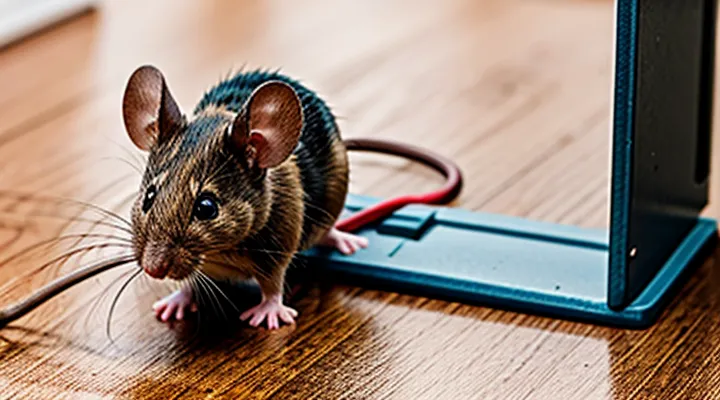
Why Choose a Non-Lethal Approach?
Ethical Considerations
Humane rodent capture devices raise specific ethical issues that must be addressed before implementation. The primary concern is the well‑being of the captured mouse; traps should prevent injury, stress, or prolonged confinement that could cause suffering. Design features such as smooth surfaces, adequate ventilation, and rapid release mechanisms reduce the risk of harm.
Key ethical considerations include:
- Animal welfare – ensure the trap does not cause physical injury or excessive psychological stress; provide a prompt release into a suitable environment.
- Human safety – construct the device to avoid accidental activation by children, pets, or maintenance personnel; include clear labeling and safety interlocks.
- Regulatory compliance – adhere to local animal protection statutes and building codes that govern the use of live‑catch devices.
- Environmental impact – select materials that are recyclable or biodegradable; prevent the trap from becoming a source of secondary waste.
- Post‑capture handling – establish procedures for humane relocation, veterinary assessment if needed, and documentation of release sites to avoid ecological disruption.
- Effectiveness monitoring – track capture rates and release outcomes to confirm that the device achieves pest control goals without unintended negative consequences.
Addressing these points ensures that non‑lethal trapping aligns with ethical standards while maintaining functional pest management.
Advantages Over Traditional Traps
The humane mouse capture device operates without lethal force, relying on a trigger‑activated enclosure that secures the rodent alive.
- Eliminates the risk of accidental injury to pets and humans, because the mechanism does not involve snapping metal or poison.
- Enables release of captured mice unharmed, supporting ethical pest management and compliance with animal‑welfare regulations.
- Reduces secondary mortality; traditional snap traps often cause internal damage that is not immediately apparent, whereas this system confines the animal without trauma.
- Facilitates monitoring of infestation levels; live capture allows immediate counting and assessment, which is impossible with concealed kill traps.
- Lowers long‑term costs; reusable components replace disposable baited traps, decreasing expenditure on replacements and chemicals.
- Prevents contaminant spread; the absence of poison eliminates the risk of contaminating food stores or surfaces.
By replacing lethal devices with a live‑capture approach, the non‑lethal system delivers safer, more humane, and economically efficient pest control, aligning operational practice with regulatory standards and public expectations.
Types of Non-Lethal Mouse Traps
Live-Capture Traps
Live‑capture traps are devices that secure a mouse without causing injury, allowing the animal to be released elsewhere. The system relies on a trigger mechanism that detects the rodent’s presence, a containment chamber that closes automatically, and a release feature that opens the chamber when the user activates it.
The trigger typically consists of a pressure‑sensitive plate or a lever that collapses under the mouse’s weight. When the plate depresses, a latch releases a hinged door, sealing the mouse inside a ventilation‑approved cage. The latch remains engaged until the operator disengages it, often by pressing a release button or pulling a cord, which reopens the door for safe removal.
Key design elements include:
- Sensitivity adjustment to match the weight range of target rodents.
- Escape‑proof seals that prevent accidental openings.
- Transparent or mesh walls for visual monitoring.
- Easy‑clean construction to reduce odor buildup and disease risk.
Proper placement of bait, regular inspection of trap functionality, and prompt release of captured mice are essential for maintaining effectiveness and humane standards.
Single-Entry Traps
Single‑entry traps are designed to admit a mouse through one opening and prevent escape once the animal has passed the trigger. The entry aperture is sized to allow only one rodent at a time, reducing the likelihood of multiple captures and simplifying release procedures.
The capture cycle begins when a mouse enters the chamber and contacts a pressure‑sensitive plate or lever. Activation of the trigger releases a latch that closes a door or slides a barrier across the exit, sealing the interior. The mouse remains alive and unharmed; the trap can be opened later to relocate the animal.
Key design components include:
- A calibrated trigger mechanism that responds to a weight of 10–30 g.
- A smooth interior surface to prevent injury.
- A transparent or vented lid for observation without disturbance.
- A reusable latch system made of stainless steel or reinforced polymer.
Effective placement follows these guidelines:
- Position the trap along established mouse pathways, such as walls or near food sources.
- Ensure the entry hole aligns with the rodent’s natural travel direction.
- Check the trap at least twice daily; reset the latch after each capture.
- Clean the interior with mild detergent to remove scent markers that could deter subsequent visits.
Multi-Catch Traps
Multi‑catch traps are a core component of humane rodent capture systems, allowing simultaneous containment of several mice without lethal injury. The design incorporates a single trigger mechanism linked to multiple entry portals; when any mouse activates the trigger, a hinged door closes, sealing all occupied chambers. This approach reduces the number of resets required and minimizes disturbance to the surrounding environment.
Key operational features include:
- Shared trigger – one pressure plate or motion sensor controls all capture cells, ensuring consistent activation across the device.
- Multiple compartments – each compartment holds a mouse independently, preventing crowding and reducing stress.
- Easy release – doors open outward with a simple lever action, enabling swift, humane release of captured animals.
- Reusable construction – durable plastics or stainless‑steel components withstand repeated cycles without degradation.
The efficiency of multi‑catch traps stems from their capacity to handle high infestation levels while maintaining a non‑lethal approach. By consolidating several capture points into a single unit, users achieve faster population reduction and lower labor costs. Maintenance involves periodic cleaning of each compartment and verification of the trigger’s sensitivity, ensuring reliable performance over extended periods.
In practice, these traps integrate seamlessly with broader pest‑management strategies that prioritize humane treatment. Their scalability allows deployment in residential kitchens, commercial warehouses, and laboratory settings, providing a versatile solution for diverse environments.
Bucket Traps
Bucket traps capture mice without lethal force by exploiting the animal’s instinct to seek shelter. A typical design consists of a sturdy bucket, a smooth inner surface, a ramp leading to the rim, and a trigger mechanism that prevents escape once the mouse enters.
The operation follows a simple sequence. A mouse climbs the ramp, drawn by bait placed at the far end. Upon reaching the rim, the mouse’s weight tips a lever or tilts a platform, causing the ramp to collapse or the bucket to tip slightly. The animal falls into the bucket, where the smooth walls prevent climbing back out. The trap then remains in a stable position until the contents are removed.
Key components and considerations:
- Bucket material: Metal or thick plastic provides durability and resists gnawing.
- Ramp angle: A gentle slope (15–20 degrees) encourages ascent without causing the mouse to lose balance.
- Trigger sensitivity: Adjustable tension ensures activation by a mouse’s weight while avoiding false releases from wind or debris.
- Bait placement: Food items with strong odor, such as peanut butter or cheese, positioned at the ramp’s terminus increase capture rates.
- Safety features: A lid or mesh cover prevents accidental contact with the trapped animal and facilitates humane release.
Advantages of bucket traps include:
- No poison or electricity, eliminating health hazards.
- Reusability after cleaning, reducing long‑term costs.
- Immediate visual confirmation of capture, allowing timely intervention.
Maintenance guidelines:
- Empty the bucket promptly to prevent stress or injury to the mouse.
- Clean interior surfaces with mild detergent to remove scent markers.
- Inspect the ramp and trigger for wear; replace damaged parts before next use.
- Store the trap in a dry location to avoid rust or deformation.
By adhering to these specifications, bucket traps provide an effective, humane solution for controlling mouse populations while preserving safety for humans and pets.
Ramps and Entry Mechanisms
The ramp guides a mouse toward the capture zone by exploiting the animal’s natural tendency to travel upward on inclined surfaces. Optimal incline ranges from 15° to 30°, providing sufficient traction without causing hesitation. Surface material combines low‑friction polymer with textured micro‑grooves to maintain steady motion while preventing slipping. Length is calibrated to match the trap’s interior dimensions, typically 8–12 cm, ensuring the mouse reaches the trigger point before exhausting its energy reserves.
Key ramp characteristics:
- Angle: 15°–30° for reliable ascent.
- Surface: polymer base with micro‑groove texture.
- Length: 8–12 cm, aligned with trigger placement.
- Edge treatment: rounded to avoid injury.
The entry mechanism consists of a hinged door that remains open under the weight of the ramp and closes when the mouse steps onto the trigger platform. A spring‑loaded latch releases the door once the weight threshold, usually 5–10 g, is exceeded. The latch is positioned to engage a small metal pin that slides into a recess, locking the door shut instantaneously. This rapid closure confines the mouse without harm and prevents escape through the entry point.
Essential components of the entry system:
- Hinged door with low‑friction pivot.
- Spring‑loaded latch calibrated to 5–10 g activation force.
- Metal pin and recess for secure locking.
- Quick‑release design to allow humane removal after capture.
Bait Placement
Effective bait placement determines whether a humane rodent capture device will attract target mice and avoid non‑target species. Position the attractant directly over the trigger mechanism so that a mouse must contact the bait to reach it. This alignment maximizes the likelihood that the animal will engage the release lever while minimizing the distance it can travel without activating the trap.
Key considerations for optimal placement:
- Bait type – Use high‑protein or high‑fat foods such as peanut butter, cheese, or dried insects; these scents penetrate the environment quickly and maintain attractiveness over time.
- Quantity – Apply a pea‑sized amount. Excess bait can obscure the trigger, allowing the mouse to feed without activating the device.
- Location on the trap – Center the bait on the platform or within the tunnel entrance, ensuring the mouse’s head must pass over the pressure sensor or lever.
- Environmental factors – Keep bait away from strong drafts, direct sunlight, or moisture, which can degrade scent and reduce efficacy.
- Safety margin – Position the bait at least 0.5 cm from the edge of the trap housing to prevent accidental dislodgement by larger animals.
Regularly inspect bait condition; replace it when it dries, becomes moldy, or loses odor intensity. Rotate bait types weekly to prevent habituation, which can diminish capture rates. Proper placement, combined with consistent monitoring, sustains the trap’s non‑lethal performance and ensures humane removal of mice from the premises.
The Mechanics of Capture
Attracting the Mouse
Effective mouse capture begins with reliable attraction. A trap that does not kill relies on the rodent’s natural foraging instincts; without a compelling lure, the device remains idle.
- Food baits: peanut butter, cheese, nuts, and dried fruit provide high caloric value and strong odor.
- Scent baits: commercial rodent pheromone lures or a few drops of vanilla extract stimulate curiosity.
- Texture baits: soft, chewable materials such as cotton balls soaked in oil encourage tactile engagement.
Placement determines exposure. Position the baited area along established mouse pathways: behind appliances, near wall junctions, and within 12‑18 inches of known droppings. Secure the trap on a flat surface to prevent wobbling, and align the entry point with the direction of typical travel.
Environmental cues reinforce interest. Dim lighting, low humidity, and minimal disturbance increase the likelihood of approach. Avoid strong competing odors such as cleaning agents or strong spices that may mask the bait’s scent. Regularly refresh bait every 48 hours to maintain potency and prevent desiccation.
By combining appropriate bait selection, strategic positioning, and supportive surroundings, a non‑lethal capture device maximizes its chance of drawing a mouse into the mechanism.
Bait Selection
Effective bait selection determines the capture rate of a humane rodent trap. The bait must attract mice, remain stable in the trap mechanism, and pose no health risk to humans or pets.
- Peanut butter – strong odor, adheres to trap surfaces, maintains potency for several days.
- Sunflower seeds – high fat content, appeals to foraging behavior, easy to dispense in small quantities.
- Cheese (hard varieties) – aromatic, durable, less likely to melt and interfere with trigger.
- Commercial rodent attractants – formulated with synthetic pheromones, consistent scent intensity, often packaged for precise dosing.
Key considerations when choosing bait:
- Freshness: recent aroma maximizes draw; replace bait every 48 hours in high‑traffic areas.
- Quantity: apply a pea‑sized amount to prevent overflow that could block the trigger or cause spillage.
- Placement: position bait directly on the trigger platform to ensure the mouse contacts the activation mechanism while feeding.
- Safety: avoid toxic or allergenic substances; select edible, non‑hazardous options to comply with household safety standards.
Monitoring bait performance allows adjustment of type or amount to match seasonal feeding patterns. Consistent evaluation ensures the trap remains effective without compromising its non‑lethal design.
Scent Lures
Scent lures are chemical attractants incorporated into humane rodent control devices to increase capture rates. They mimic natural food odors, triggering the mouse’s olfactory response and drawing it toward the trap entrance.
- Food‑based lures: powdered grains, dried fruit, or cheese extracts.
- Pheromone blends: synthetic versions of mouse‑produced scent markers.
- Commercially formulated attractants: proprietary mixtures designed for rapid volatilization.
Effective deployment requires placement of the lure directly on the trigger platform or within a sealed compartment that releases odor gradually. Concentration should be sufficient to create a detectable plume without saturating the surrounding area, which can cause habituation. Replace or refresh lures every 7‑10 days, or sooner if the scent diminishes, to maintain potency.
Compatibility with the trap’s release mechanism is critical; lures must not interfere with the spring or sensor components. Materials should be non‑sticky to avoid premature activation. When integrated correctly, scent lures enhance trap efficiency by directing mice into the capture zone while preserving the device’s non‑lethal intent.
Triggering the Mechanism
The trigger mechanism activates when a mouse applies pressure to a designated entry point. A lightweight lever, positioned beneath a sensitive platform, translates the animal’s weight into a controlled release.
Key components include:
- Sensing platform – a low‑profile surface that depresses under minimal force.
- Lever arm – pivots on a calibrated fulcrum to amplify the platform’s movement.
- Release catch – holds the restraint bar in a locked position until the lever reaches a preset angle.
- Restraint bar – slides into a cage or tunnel, confining the mouse without injury.
When the mouse steps onto the platform, the platform depresses, tilting the lever arm. The lever’s motion disengages the catch, allowing the restraint bar to slide swiftly into place. The entire sequence occurs within fractions of a second, ensuring rapid containment while preserving the rodent’s safety.
Weight-Activated Doors
Weight‑activated doors form the central triggering element in humane rodent capture systems. When a mouse steps onto a calibrated platform, its body mass depresses the platform enough to release a latch. The latch disengagement allows a spring‑loaded door to swing closed, sealing the animal inside without injury.
The mechanism relies on a balance of forces. A spring or counterweight holds the door in the open position; the platform’s downward movement must overcome this force. Calibration plates enable precise adjustment for target species, ensuring that smaller rodents trigger closure while larger animals do not.
Key design considerations include:
- Force threshold: Determined by platform geometry and spring tension; typical values range from 10 g to 30 g of applied weight.
- Material selection: High‑strength polymers or anodized aluminum resist corrosion and repeated cycling.
- Latch geometry: Simple bar‑and‑pin or magnetic catch provides reliable release with minimal friction.
- Reset procedure: Door returns to the open position via the same spring or a separate return spring, allowing rapid reuse.
Advantages of weight‑activated doors are:
- Immediate response eliminates the need for delayed chemical or electrical triggers.
- Mechanical simplicity reduces manufacturing cost and maintenance frequency.
- Absence of lethal components aligns with humane pest‑control standards.
Regular inspection should verify that the spring retains its tension and that the platform surface remains free of debris. Replacement of worn latch pins prevents false releases and maintains consistent performance.
Spring-Loaded Gates
Spring‑loaded gates form the core actuation element in humane mouse capture devices. A coiled spring stores potential energy that is released when a trigger mechanism is disturbed by a mouse. The stored energy forces a hinged gate to swing shut, enclosing the animal without injury.
The gate assembly consists of three primary parts: a steel spring, a latch plate, and a pivoting gate panel. The spring connects to the latch plate, holding the gate in an open position under tension. When the trigger releases the latch, the spring contracts, driving the gate panel across the entry aperture. The gate’s motion is rapid enough to prevent escape yet gentle enough to avoid harm.
Operational cycle:
- Mouse contacts a pressure‑sensitive trigger or a trip wire.
- Trigger releases the latch, allowing spring contraction.
- Gate swings closed, sealing the entry point.
- Latch re‑engages automatically, resetting the system for the next capture.
Design parameters influence performance. Spring force must balance speed and safety; excessive tension can cause damage, while insufficient tension may allow escape. Gate material should be lightweight yet durable, typically thin stainless steel or reinforced polymer. Precise alignment of the pivot and latch ensures consistent closure and reduces wear.
Regular maintenance extends reliability. Inspect the spring for fatigue, clean debris from the latch groove, and verify gate movement without obstruction. Replace the spring after a defined number of cycles or when closure time exceeds specifications. This upkeep maintains capture efficiency and preserves the humane nature of the trap.
Securing the Mouse
The trap captures the rodent by enclosing it in a sealed compartment that prevents escape. A sensitive trigger plate detects the mouse’s weight, releasing a latch that drops a door or slides a barrier across the entry point. Once the mouse steps onto the plate, the mechanism activates within milliseconds, sealing the interior.
The containment design includes the following features:
- Transparent housing for visual verification without opening the unit.
- Smooth interior surfaces that discourage climbing and reduce injury risk.
- A one‑way entry slot sized to admit only the target species while excluding larger animals.
- A release latch that can be opened manually after the mouse is removed, ensuring safe handling.
The securing process follows a repeatable cycle: detection → activation → enclosure → verification → release. This sequence eliminates the need for lethal force, maintains hygiene by containing droppings, and allows relocation of the captured animal without harm.
Best Practices for Use
Placement Strategies
Effective placement determines whether a humane mouse trap captures rodents or remains idle. Position the device along established travel routes, near food sources, and in concealed but accessible locations.
- Identify high‑traffic pathways by observing droppings, gnaw marks, and nesting material.
- Install traps within 12–18 inches of walls, aligning the trigger side perpendicular to the edge to match the mouse’s natural tendency to run close to surfaces.
- Place baited traps directly adjacent to known food caches, such as pantry shelves or garbage bins, while keeping the bait away from open areas that might attract non‑target species.
- Use multiple traps in a staggered pattern—spacing each 2–3 ft apart—to create a barrier that forces mice to encounter at least one device.
Consider environmental factors: avoid direct sunlight, drafts, or moisture that could impair the trigger mechanism. Secure traps on stable surfaces to prevent displacement by the animal’s movement. Regularly inspect and relocate devices based on shifting activity patterns to maintain optimal coverage.
High-Traffic Areas
High‑traffic zones such as kitchens, pantry shelves, and waste‑disposal areas experience constant mouse movement, making them prime locations for a humane capture device. In these spaces, the trap must activate quickly, remain stable on frequently disturbed surfaces, and avoid interference with human activity.
Design features that enable reliable operation in busy environments include:
- A low‑profile housing that fits under countertops or between shelving without protruding.
- A sensitive trigger mechanism calibrated to react to the light weight of a mouse while ignoring heavier objects or accidental bumps.
- A sealed release chamber that prevents escape even if the trap is knocked or moved.
- Materials resistant to moisture, grease, and cleaning agents common in food‑handling areas.
Installation guidelines for maximum effectiveness:
- Position the device along established rodent pathways—typically along walls, behind appliances, or near entry points.
- Secure the trap to the floor or shelf using adhesive pads or brackets to prevent displacement by foot traffic or cleaning equipment.
- Check the capture chamber at regular intervals, preferably before peak cleaning times, to remove captured mice and reset the trigger without exposing personnel to the contents.
Away from Food Sources
Placing a humane rodent capture device at a distance from food sources increases capture rates. Mice prioritize immediate nourishment; when a trap is positioned near a readily available supply, they are less likely to investigate unfamiliar objects.
Mice exhibit neophobia, a reluctance to explore new items that appear in their feeding zone. By situating the trap in an area where food is scarce, the device becomes a more attractive alternative for foraging, prompting the mouse to enter and trigger the mechanism.
Effective placement guidelines:
- Identify zones where crumbs, pet food, or stored grains are absent.
- Choose high-traffic pathways that connect nesting sites to distant food caches.
- Maintain a clearance of at least 12–18 inches between the trap and any visible food item.
- Monitor the area for signs of mouse activity and adjust the trap location accordingly.
Consistent application of these practices reduces avoidance behavior and maximizes the non-lethal trap’s performance.
Baiting Techniques
Bait selection directly influences the capture rate of humane mouse traps. Effective attractants must appeal to the rodent’s natural foraging preferences while remaining safe for indoor environments.
- Natural food items: peanut butter, cheese, dried fruit, and seeds provide strong olfactory cues.
- Protein‑rich options: cooked meat scraps, boiled egg, or canned fish attract mice seeking amino acids.
- Synthetic lures: commercially prepared pheromone gels or flavored gels deliver consistent scent strength.
- Low‑odor alternatives: powdered peanut butter or dry cereal reduce the risk of lingering odors after capture.
Placement of bait determines the likelihood that a mouse will encounter the trap. Position the lure within a few centimeters of known travel paths, such as along baseboards, behind appliances, or near entry points. Use a minimal amount—just enough to cover the trigger surface—so the mouse must contact the mechanism to obtain the reward.
Scent management enhances effectiveness. Apply fresh bait each 24‑48 hours to maintain volatility. Store unused bait in airtight containers to prevent contamination. If multiple traps are deployed, avoid cross‑contamination by using separate applicators for each lure type.
Timing of bait deployment aligns with mouse activity cycles. Install baited traps in the late afternoon when rodents begin nocturnal foraging. Inspect traps early each morning; replace any depleted or tainted bait promptly. Regular monitoring prevents habituation and sustains high capture efficiency.
Regular Monitoring
Regular monitoring ensures that a humane rodent control device remains effective and safe over time. Continuous observation detects bait depletion, trigger malfunctions, or escape routes before they compromise the trap’s performance.
Key aspects of a monitoring routine include:
- Visual inspection of the trigger mechanism at least once daily.
- Verification that the capture compartment is empty and clean.
- Assessment of bait freshness and replacement as needed.
- Recording of capture counts to identify activity patterns.
Data collected during inspections guide adjustments to placement density, bait type, and trap positioning. Persistent trends, such as repeated escapes from a specific area, indicate the need for environmental modifications or supplemental barriers.
Maintenance actions follow each inspection. Replace worn springs, clear debris that could obstruct movement, and sanitize the interior to prevent disease transmission. Documenting each maintenance step creates a traceable history, facilitating accountability and future troubleshooting.
Safe Release Procedures
A humane capture device designed to immobilize rodents without injury requires a controlled release to prevent stress or escape into unsafe areas. Operators must follow a defined protocol to ensure the animal’s welfare and maintain trap integrity.
- Verify that the trap’s trigger mechanism is disengaged before handling.
- Place a secure, ventilated container over the trap opening, aligning the container’s entrance with the chamber release slot.
- Gently open the trap latch while keeping the container in place, allowing the mouse to move directly into the container.
- Close the container’s lid securely, then transport the animal to a pre‑selected release site at least 30 meters from the building.
- Open the container in an open area, observe the mouse’s exit, and ensure it clears the opening before removing the container.
After release, inspect the trap for debris, reset the trigger, and sanitize all contact surfaces with a mild disinfectant. Document the release event, noting date, time, and location, to track trap performance and compliance with humane standards.
Optimal Release Locations
Optimal release locations significantly affect the success of a humane rodent capture system. Selecting sites that meet the animal’s natural preferences reduces stress, minimizes the likelihood of immediate recapture, and supports population control.
The most effective release points share several characteristics:
- Proximity to natural cover such as dense vegetation, brush piles, or woodpiles, providing immediate shelter.
- Distance of at least 200 meters from residential structures, kitchens, and stored food to prevent rapid re‑entry.
- Access to reliable water sources, ensuring the mouse can hydrate after release.
- Presence of established rodent pathways, such as existing burrow networks or wall voids, facilitating integration into the local population.
- Low predation pressure, avoiding open fields where birds of prey or domestic cats are prevalent.
Additional considerations include seasonal variations; during colder months, release near insulated debris or underground shelters improves survival, while in warm periods, shaded, moist environments are preferable. Avoid locations near chemical treatments, traps, or pest control operations to prevent unintended mortality.
Implementing these guidelines ensures that captured mice are released into habitats that support their immediate needs and reduce the probability of returning to human‑occupied areas.
Preventing Recurrence
The humane rodent capture device eliminates a mouse without killing it, but a single capture does not guarantee that the pest will not return. Effective recurrence prevention requires eliminating attractants, blocking access routes, and maintaining the trap system.
- Remove food sources: store grains, pet food, and waste in sealed containers; clean spills immediately.
- Seal entry points: inspect walls, floors, and foundations for gaps larger than ¼ inch; install steel wool or caulk to close openings.
- Position traps strategically: place devices along walls, behind appliances, and near known activity zones to intercept travel paths.
- Monitor and reset: check traps daily, release captured mice at a safe distance, and reactivate the mechanism promptly.
- Conduct regular inspections: schedule monthly walkthroughs to verify that seals remain intact and that no new attractants have emerged.
Consistent application of these measures reduces the likelihood of re‑infestation, maximizes the efficacy of the non‑lethal system, and supports long‑term rodent control.