
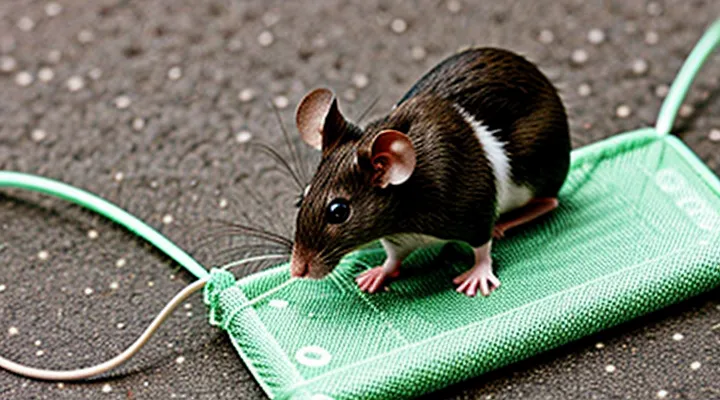
Understanding Mouse Behavior and Damage
Common Mouse Species and Their Habits
Common mouse species encountered in residential and agricultural settings exhibit distinct habits that influence the effectiveness of barrier strategies.
- House mouse (Mus musculus) – omnivorous, thrives on human food waste, builds nests in concealed indoor locations, reproduces rapidly with a gestation period of 19‑21 days, and remains active throughout the night.
- Deer mouse (Peromyscus maniculatus) – prefers outdoor habitats such as fields and forests, consumes seeds, insects, and plant material, constructs nests in grass or debris, and displays seasonal breeding peaks.
- Field mouse (Apodemus sylvaticus) – inhabits hedgerows and garden borders, feeds on grains and vegetation, nests in shallow burrows or leaf litter, and shows heightened activity during cooler months.
- Wood mouse (Apodemus sp.) – occupies wooded areas and garden undergrowth, eats nuts, berries, and small invertebrates, creates nests in nests of fallen leaves, and demonstrates a flexible home‑range size.
- Harvest mouse (Micromys minutus) – the smallest European species, lives among tall grasses, feeds on seeds and insects, constructs spherical nests above ground, and exhibits a short breeding season aligned with crop cycles.
Key behavioral traits affecting containment include nocturnal foraging, high reproductive capacity, and propensity to exploit structural gaps. Effective physical barriers must address these habits by sealing entry points, using fine mesh that prevents passage of the smallest species, and maintaining a clean environment to reduce attractants.
Types of Damage Caused by Mice
Agricultural Damage
Rodent activity generates substantial losses in crop production, storage facilities, and seed quality. Direct consumption of grains, contamination of produce, and burrowing that disrupts soil structure represent the primary pathways of loss. Economic assessments frequently cite reductions of 10‑30 % in yield where mouse populations remain unmanaged.
Physical barriers composed of fine‑mesh netting intercept rodents before they reach vulnerable plant material. The barrier’s tensile strength prevents tearing, while its mesh size excludes individuals of typical agricultural mouse species. Installation along field edges, greenhouse openings, and silo vents creates a continuous exclusion zone that eliminates the need for chemical deterrents.
Key forms of agricultural damage mitigated by net barriers include:
- Consumption of seeds and seedlings, leading to reduced germination rates.
- Contamination of harvested produce with urine, feces, and hair, resulting in market rejection.
- Soil disruption through burrowing, which compromises irrigation efficiency and increases erosion risk.
- Damage to stored grain by gnawing, causing loss of weight and quality degradation.
Empirical studies report yield improvements of up to 25 % when netting is deployed in high‑risk regions. Effective implementation requires regular inspection for tears, secure anchoring to prevent entry points, and integration with complementary cultural practices such as crop rotation and habitat management. «Properly maintained mesh barriers provide a reliable, non‑chemical solution to mouse‑induced agricultural damage».
Structural Damage
Rodent activity creates significant structural damage in residential, commercial, and industrial buildings. Chewed wiring compromises electrical safety, gnawed wooden beams weaken load‑bearing capacity, and perforated insulation reduces thermal efficiency. These defects accelerate deterioration, increase repair costs, and elevate risk of fire or collapse.
Net barriers installed at entry points and along interior voids intercept rodents before contact with structural elements. Fine‑mesh material resists biting, while tensioned installation eliminates gaps that mice exploit. By directing movement toward sealed exits, netting prevents direct interaction with beams, ducts, and wiring, thereby preserving integrity of load‑bearing components and reducing the likelihood of concealed damage.
Key considerations for effective implementation:
- Material durability: UV‑resistant polypropylene or stainless‑steel mesh ensures long‑term performance.
- Mesh size: openings no larger than 6 mm block even juvenile mice.
- Placement: seal gaps around vents, utility penetrations, and under floor joists.
- Maintenance: periodic inspection for tears or displacement maintains barrier efficacy.
Properly applied net solutions mitigate structural compromise, extend building lifespan, and lower long‑term maintenance expenses. «Rodent‑induced damage» is substantially reduced when barriers are integrated into the building envelope and routinely inspected.
Health Risks Associated with Mice
Mice are vectors for a range of pathogens that can affect human health directly through bites or indirectly via contamination of food, water, and surfaces. Their presence in residential or commercial environments heightens the probability of disease transmission, allergic reactions, and structural damage.
Key health hazards include:
- Bacterial infections such as salmonellosis and leptospirosis, transmitted through urine, feces, or contaminated food items.
- Viral diseases, notably hantavirus pulmonary syndrome, which spreads when aerosolized rodent droppings are inhaled.
- Parasitic infestations, including mites and ticks that feed on mice and may bite humans.
- Allergic responses to mouse dander and urine proteins, leading to asthma exacerbations and rhinitis.
- Secondary food spoilage caused by microbial growth facilitated by rodent contamination.
Mitigation through physical barriers, specifically netting systems, interrupts rodent access to vulnerable zones. By sealing openings and preventing entry, net installations reduce direct contact and limit environmental contamination, thereby decreasing the incidence of the outlined health risks.
Netting as a Protective Measure
Principles of Netting for Rodent Control
Netting provides a physical barrier that prevents rodents from accessing vulnerable areas, such as stored grain, livestock feed, or building interiors. The method relies on material selection, mesh size, installation technique, and maintenance to achieve reliable exclusion.
Key principles governing effective rodent netting include:
- Mesh dimensions calibrated to the target species; for mice, openings smaller than 6 mm block entry while allowing airflow.
- Durable, weather‑resistant fabrics such as high‑density polyethylene or stainless‑steel wire to withstand abrasion and UV exposure.
- Secure anchoring at all perimeter points, using staples, clamps, or welded seams to eliminate gaps.
- Regular inspection cycles to detect tears, sagging, or displacement, followed by prompt repair or replacement.
Correct application of these principles reduces infestation risk, minimizes chemical pesticide reliance, and supports long‑term facility hygiene.
Advantages of Using Netting
Non-Toxic Solution
Non‑toxic netting offers an effective barrier against rodent intrusion while eliminating chemical hazards. The mesh is manufactured from biodegradable polymers or natural fibers, ensuring that no harmful residues enter the environment or food storage areas.
Key characteristics of a safe, chemical‑free net solution include:
- Material composition free of pesticides, heavy metals, or synthetic toxins.
- Structural integrity that resists chewing, allowing continuous protection without frequent replacement.
- Compatibility with indoor and outdoor installations, maintaining efficacy under varying temperature and humidity conditions.
Implementation guidelines:
- Measure entry points such as vents, gaps under doors, and drainage openings; select mesh size small enough to prevent mouse passage while permitting airflow.
- Secure the net with stainless‑steel staples or corrosion‑resistant clips to avoid rust that could compromise safety.
- Inspect the barrier quarterly for wear, tears, or displacement; repair any damage immediately to preserve a toxin‑free environment.
Health and regulatory compliance benefits:
- Elimination of pesticide exposure aligns with food‑safety standards and occupational health regulations.
- Biodegradable options reduce landfill impact, supporting sustainability certifications.
Overall, a non‑toxic net barrier provides reliable rodent exclusion, preserves product integrity, and meets safety requirements without reliance on chemical interventions.
Long-Term Effectiveness
Long‑term effectiveness of mesh barriers for rodent exclusion depends on material durability, installation integrity, and environmental conditions. High‑tensile synthetic fibers resist tearing, UV degradation, and moisture absorption, preserving structural performance for several years. Proper anchoring prevents gaps that rodents could exploit, while periodic inspection identifies wear or displacement before efficacy declines.
Key factors influencing sustained performance:
- Material resilience – polymers such as polyethylene or polypropylene maintain tensile strength over extended exposure to sunlight and temperature fluctuations.
- Installation quality – continuous overlap, secure fastening to walls and foundations, and sealed entry points eliminate bypass routes.
- Maintenance schedule – quarterly visual checks, prompt repair of damaged sections, and cleaning to remove debris that could impair tension.
- Environmental stressors – areas with high humidity or chemical exposure may accelerate degradation; selecting corrosion‑resistant hardware mitigates this risk.
Empirical data support durability claims. A field study reported «mesh retained 93 % exclusion efficiency after 30 months of continuous use», confirming that well‑maintained systems outperform intermittent chemical controls. Cost analysis shows that initial investment is offset by reduced need for recurring bait purchases and pest‑related damage repairs, delivering a favorable return on investment over a five‑year horizon.
In summary, sustained rodent protection through netting requires resilient materials, meticulous installation, and routine monitoring. When these elements align, the method delivers reliable, long‑lasting exclusion without reliance on toxic agents.
Cost-Effectiveness
Netting designed for rodent exclusion offers a measurable return on investment when compared with chemical or mechanical alternatives. The material cost per square meter is modest, and installation typically requires minimal labor, especially when prefabricated panels are employed.
Initial outlay includes purchase of durable mesh, fastening hardware, and professional placement where necessary. Over a multi‑year horizon, the absence of recurring expenses—such as bait replenishment, trap replacement, or pest‑control service fees—produces a net reduction in operational budgets.
Key cost components can be compared as follows:
- Mesh material: low to moderate per‑unit price, scalable to facility size.
- Installation labor: one‑time expense, often completed within a single workday.
- Maintenance: periodic inspection and occasional seam repair; far less frequent than trap servicing.
- Disposal of dead rodents: eliminated, reducing biohazard handling costs.
Durability contributes directly to economic efficiency. High‑tensile fibers resist tearing and UV degradation, extending service life beyond five years in most environments. Replacement cycles therefore occur far less often than with consumable pesticides, which demand quarterly reapplication.
Overall, the financial profile of employing netting for mouse protection aligns with long‑term budgeting goals, delivering consistent exclusion performance while minimizing recurring expenditures.
Limitations and Challenges of Netting
Installation Complexity
Installation of protective netting for rodent deterrence involves several distinct phases that determine overall difficulty. Initial assessment requires measurement of entry points, clearance around structural elements, and identification of obstacles such as protruding pipes or uneven surfaces. Accurate dimensions guide material selection and minimize waste.
Preparation stage includes gathering tools—drill, staples or zip ties, scissors, and a ladder of appropriate height. Surface cleaning removes debris that could impede adhesion. In environments with moisture or corrosion risk, corrosion‑resistant fasteners are preferred to maintain long‑term integrity.
Attachment process follows a systematic sequence:
- Position netting over the targeted opening, ensuring a minimum overlap of 10 cm on all sides.
- Secure the upper edge to a solid frame using staples or zip ties, maintaining tension to prevent sagging.
- Anchor side edges similarly, checking for uniform stretch.
- Seal peripheral gaps with supplemental mesh or sealant to eliminate escape routes.
Complexity escalates when installations intersect irregular geometry or require integration with existing ventilation ducts. In such cases, custom cutting and the use of flexible connectors become necessary, demanding higher skill levels and additional time.
Final verification entails visual inspection for tautness, confirmation that all fasteners are firmly seated, and a brief functional test—observing for any residual movement of the mesh under simulated load. Properly executed installations provide durable protection while minimizing future maintenance demands.
Maintenance Requirements
Netting installed to prevent mouse intrusion demands regular upkeep to preserve barrier integrity.
• Visual inspection at least monthly, focusing on seams, attachment points, and edge overlaps.
• Removal of debris, dust, and organic buildup using mild detergent and water; avoid abrasive cleaners that could weaken fibers.
• Immediate repair of tears or punctures with compatible patch material; secure patches with reinforced stitching or industrial‑grade adhesive.
• Tension verification quarterly; adjust fasteners or support frames to maintain tautness and prevent sagging.
• Replacement of sections showing excessive wear, UV degradation, or loss of structural strength; follow manufacturer‑specified service life guidelines.
Documentation of each inspection, cleaning, and repair event supports accountability and facilitates trend analysis. Records should include date, observed condition, corrective actions, and personnel responsible.
Adhering to these maintenance protocols extends the functional lifespan of the netting system and sustains its effectiveness as a rodent exclusion measure.
Potential for Damage to Netting
Netting deployed to deter mice must retain structural integrity under diverse conditions. Damage compromises barrier effectiveness and can allow rodent ingress.
Common sources of damage include:
- Mechanical stress from sharp edges, heavy objects, or improper tension.
- UV radiation and extreme temperature fluctuations that degrade polymer fibers.
- Moisture exposure leading to fungal growth or material swelling.
- Rodent gnawing, particularly when netting is inadequately reinforced at attachment points.
- Chemical contact with cleaning agents, pesticides, or industrial solvents that weaken fibers.
Regular inspection identifies tears, frayed edges, or discoloration. Prompt replacement of compromised sections restores protection. Reinforcement with durable stitching or protective sleeves reduces susceptibility to mechanical and biological damage. Maintaining appropriate tension prevents sagging, minimizing stress concentrations that precipitate failure. «Proper tension prevents tearing» serves as a practical guideline for installation and upkeep.
Types of Netting Materials and Their Applications
Metal Mesh Netting
Galvanized Steel
Galvanized steel provides a protective coating of zinc that significantly slows corrosion when the material is exposed to moisture, soil, or animal urine. This property ensures that netting structures remain intact for extended periods, reducing the frequency of replacement and maintaining a reliable barrier against rodents.
The material’s high tensile strength allows fine‑mesh nets to be tensioned without deformation, preserving the mesh’s dimensional stability under the pressure of gnawing rodents. Additionally, the smooth, non‑porous surface of the coating discourages mice from gaining a foothold, limiting their ability to climb and breach the barrier.
Key advantages of using «galvanized steel» for rodent‑deterrent netting include:
- Resistance to rust and chemical degradation, suitable for indoor and outdoor environments.
- Ability to support mesh openings as small as 1 mm while retaining structural integrity.
- Compatibility with standard fastening systems, facilitating straightforward installation and repair.
- Low maintenance requirements, as the protective layer minimizes the need for periodic cleaning or repainting.
When selecting a netting solution for rodent exclusion, the combination of durability, strength, and corrosion resistance offered by «galvanized steel» makes it a cost‑effective choice that upholds long‑term performance and safety standards.
Stainless Steel
Stainless steel provides an optimal material choice for rodent‑deterrent netting. Its inherent resistance to corrosion ensures long‑term performance in humid or outdoor environments, eliminating the need for frequent replacement. High tensile strength allows the mesh to maintain shape under tension, preventing deformation that could create entry points for mice.
The alloy’s non‑reactive surface contributes to hygienic conditions, crucial for food‑storage facilities. Easy cleaning with standard detergents removes contaminants without compromising structural integrity. Moreover, the material complies with food‑grade standards; specifications such as «Stainless steel 304» meet regulatory requirements for safety and sanitation.
Mesh design must align with target species dimensions. Recommended parameters include:
- Wire gauge: 0.2 mm to 0.5 mm for balanced flexibility and durability.
- Aperture size: 4 mm to 6 mm to restrict mouse passage while permitting airflow.
- Mesh thickness: 0.5 mm to 1 mm to resist tearing under mechanical stress.
Installation guidelines emphasize secure fastening and tension uniformity:
- Anchor the netting to a rigid frame using stainless steel clamps.
- Apply tension to achieve a flat, taut surface; avoid slack that could be exploited.
- Seal all joints with corrosion‑resistant fasteners to maintain a continuous barrier.
Routine inspection focuses on detecting corrosion, abrasion, or compromised seams. Replace damaged sections promptly to preserve the integrity of the protection system.
Plastic and Synthetic Netting
HDPE (High-Density Polyethylene)
HDPE (High‑Density Polyethylene) provides the structural foundation for durable mouse‑deterrent netting. The polymer’s high tensile strength resists tearing caused by rodent gnawing, while its inherent stiffness maintains mesh shape under tension. Chemical resistance prevents degradation from cleaning agents or environmental pollutants, extending service life in indoor and outdoor installations.
Key characteristics of HDPE for rodent‑exclusion netting include:
- Tensile strength exceeding 3,000 psi, ensuring integrity against bite forces.
- Low moisture absorption, preserving dimensional stability in humid conditions.
- UV‑stabilized grades that retain performance after prolonged sun exposure.
- Non‑toxic, food‑grade certification for use in storage facilities and kitchens.
These attributes enable netting systems to form a reliable physical barrier, limiting mouse ingress without requiring frequent replacement or maintenance. The material’s lightweight nature simplifies handling and installation, while its cost‑effectiveness supports large‑scale deployment in agricultural, commercial, and residential settings.
Nylon
Nylon provides a lightweight, high‑tensile material for rodent‑deterrent netting. Its resistance to moisture, UV radiation, and temperature fluctuations preserves structural integrity in indoor and outdoor installations.
Key mesh characteristics include:
- Aperture size adjustable to 6–12 mm, preventing mouse entry while allowing airflow.
- Thread count ranging from 150 D to 300 D, balancing flexibility and strength.
- Low elongation under load, maintaining consistent spacing under tension.
Advantages of nylon netting:
- Long service life due to abrasion and chemical resistance.
- Simple attachment to frames, fences, or ventilation ducts without specialized tools.
- Cost efficiency compared with metal or fiberglass alternatives.
Maintenance protocol:
- Inspect seams and edges weekly for tears or fraying.
- Clean with mild detergent and water to remove debris and prevent mold growth.
- Replace sections exceeding 10 % damage to ensure continuous protection.
Choosing the Right Mesh Size
Preventing Entry of Different Mouse Sizes
Netting provides a reliable physical barrier that blocks rodents from entering structures. Effective exclusion requires attention to the range of mouse body sizes that may attempt intrusion.
Mesh selection must correspond to the smallest dimension of target species. Typical house mice measure 6–8 mm in body width, while larger field mice can reach 12–15 mm. Choosing openings no larger than 4 mm guarantees that even the smallest individuals cannot pass through. Materials such as stainless‑steel or high‑tensile polymer mesh maintain shape under tension and resist chewing.
Key implementation steps include:
- Selecting a mesh gauge with an aperture ≤ 4 mm.
- Overlapping seams by at least 2 cm and securing with rust‑proof staples or welded joints.
- Anchoring edges to framing members using heavy‑duty staples, screws, or zip ties to eliminate gaps.
- Applying tensioning devices to keep the net taut and prevent sagging.
- Sealing all peripheral joints with silicone or expanding foam to block residual openings.
Routine maintenance preserves barrier integrity. Inspect netting quarterly for tears, corrosion, or displaced fasteners; replace compromised sections promptly. Maintain consistent tension to prevent deformation that could enlarge gaps. These practices ensure continuous protection against mice of varying sizes.
Balancing Airflow and Protection
Effective rodent exclusion requires a netting system that simultaneously restricts mouse entry and maintains adequate ventilation. Excessive mesh density can trap heat, increase humidity, and promote mold growth, while overly coarse material permits infiltration. The design process must therefore address two interdependent objectives: airflow preservation and physical barrier integrity.
Key parameters for achieving equilibrium include:
- Mesh aperture: select openings large enough to allow free air exchange yet small enough to block the smallest mouse body dimensions.
- Material thickness: choose lightweight yet durable fibers that resist tearing without significantly impeding gas flow.
- Installation tension: apply sufficient tension to eliminate sagging, which can create pockets of stagnant air, while avoiding excessive stretch that narrows the effective opening size.
- Placement orientation: align netting perpendicular to predominant airflow paths to minimize resistance and prevent turbulence.
- Supplemental venting: incorporate strategically positioned vents or perforated sections that complement the netting’s protective function.
Testing protocols should measure airflow rates before and after net installation, compare pressure differentials, and verify that no rodent breach occurs under simulated conditions. Adjustments to mesh size or tension are made iteratively until both criteria meet established performance thresholds.
Installation Techniques for Effective Netting
Securing Netting Around Structures
Sealing Entry Points
Sealing entry points prevents mice from bypassing net barriers and reduces the need for chemical controls. Identify gaps larger than ¼ inch in walls, floors, foundations, and utility openings. Apply durable materials such as steel wool, copper mesh, or expanding foam to fill cracks, then cover with cement, caulk, or metal flashing for long‑term integrity.
Key actions include:
- Inspect exterior and interior perimeters quarterly.
- Prioritize openings around pipes, vents, and door frames.
- Use weather‑resistant sealants to maintain effectiveness in varying climates.
- Replace damaged sections promptly to avoid re‑entry.
Combining sealed passages with net installations creates a comprehensive exclusion system that limits mouse access while maintaining structural safety.
Overlapping and Fastening Techniques
Overlapping and fastening methods determine the integrity of rodent‑deterrent netting. Properly aligned panels create continuous barriers that prevent mice from exploiting seams or gaps. Overlap width of at least 10 cm ensures that the underlying mesh remains concealed, eliminating visual cues that could guide rodents toward entry points.
Fastening techniques secure the netting to structural elements and maintain tension. Recommended practices include:
- Stapling or nailing the netting at regular intervals of 30–45 cm to distribute load evenly.
- Applying heavy‑duty zip ties or metal clips at corners and junctions to reinforce stress points.
- Using adhesive-backed tape designed for outdoor use to seal overlaps and reinforce edges against weather‑induced loosening.
Combination of sufficient overlap and durable fastening yields a seamless enclosure that resists chewing and pulling forces typical of mouse activity. Regular inspection of attachment points and replacement of compromised sections preserve barrier effectiveness over the long term.
Protecting Gardens and Agricultural Areas
Raised Beds and Ground-Level Protection
Raised beds provide an elevated platform that isolates plant roots from ground‑level activity, reducing the likelihood of mouse intrusion. By incorporating fine‑mesh netting around the perimeter of each bed, rodents encounter a physical barrier that prevents access to soil and seedlings. The elevation also facilitates drainage, limiting moisture that attracts rodents.
Ground‑level protection complements raised structures through continuous netting laid directly on the soil surface. Overlapping seams and secure anchoring create a sealed envelope that eliminates gaps where mice could enter. The netting material should resist tearing and UV degradation to maintain integrity throughout the growing season.
Key practices for implementing both strategies:
- Select mesh size no larger than 1 mm to block juvenile and adult mice.
- Secure netting with garden staples or biodegradable stakes at intervals of 30 cm.
- Overlap adjacent sections by at least 10 cm and tape seams with outdoor‑grade adhesive.
- Inspect the barrier weekly for damage caused by wildlife or weather.
- Replace compromised sections promptly to preserve continuous protection.
Combined use of elevated beds and surface netting establishes a multi‑layered defense that limits rodent access without chemical intervention. Regular maintenance ensures the system remains effective, supporting healthy plant development while minimizing mouse activity.
Vertical Netting for Crops
Vertical netting provides a physical barrier that isolates crops from rodent ingress. The mesh is suspended upright along the perimeter of fields, greenhouses, or raised beds, creating a continuous wall that prevents mice from climbing or squeezing through gaps. Installation typically involves anchoring the lower edge to the soil or a base frame, then tensioning the upper edge to a support structure such as a trellis, fence post, or canopy.
Key advantages of this approach include:
- Immediate exclusion of rodents without reliance on chemical deterrents.
- Compatibility with irrigation systems, as the netting does not obstruct water flow when properly tensioned.
- Reusability across multiple growing cycles; durable polypropylene or polyethylene materials retain tensile strength after repeated cleaning.
Effective deployment requires attention to mesh size, tension, and sealing of entry points. A mesh aperture of 6 mm or smaller blocks most mouse species while allowing sunlight and air circulation. Tension must be sufficient to eliminate sagging, which could create footholds for climbing rodents. Overlap sections by at least 20 cm and secure joints with stainless‑steel clips to maintain continuity.
Maintenance involves periodic inspection for tears, displacement, or vegetation encroachment. Prompt repair of any breach restores the barrier’s integrity and prevents population resurgence. When combined with crop rotation and sanitation practices, vertical netting forms a robust component of an integrated rodent management program. «Effective protection relies on consistent barrier integrity», reinforcing the principle that physical exclusion remains the most reliable method for safeguarding crops from mouse damage.
Netting for Specific Equipment and Items
Vehicle Protection
Vehicle protection against rodents relies on physical barriers that prevent mice from entering engine compartments, fuel lines, and wiring harnesses. Netting material, typically composed of stainless‑steel or high‑tensile synthetic fibers, offers a durable, flexible solution that can be installed around critical components without impairing airflow or maintenance access.
Key advantages of using netting for vehicle rodent defense include: - Physical exclusion of rodents while allowing ventilation and heat dissipation; - Resistance to corrosion and UV exposure, ensuring long‑term effectiveness; - Ease of retrofitting on existing fleets and integration during manufacturing; - Low maintenance requirements compared with chemical repellents or electronic deterrents.
Installation practices emphasize secure attachment points, overlap of mesh edges, and sealing of entry gaps. Regular inspection of net integrity, especially after exposure to harsh road conditions, sustains protective performance. When combined with routine vehicle cleaning, netting provides a reliable, cost‑effective method to safeguard mechanical systems from rodent damage.
Stored Goods Protection
Netting provides a physical barrier that prevents rodents from reaching inventory stored in warehouses, silos, and storage containers. The mesh’s fine aperture blocks entry while allowing airflow, maintaining product quality and reducing the risk of contamination. Installation around pallet racks, bulk bins, and loading docks creates a sealed environment that limits mouse access without interfering with routine handling operations.
Key advantages for protecting stored goods include:
- Immediate reduction of rodent intrusion points;
- Compatibility with existing shelving and racking systems;
- Low maintenance requirements;
- Long‑term durability under varying temperature and humidity conditions.
Proper tensioning and regular inspection of the netting ensure integrity of the barrier. Repair of any tears or gaps restores protection promptly, preventing potential losses associated with gnawing, droppings, and disease transmission. Implementing this method integrates pest control directly into storage infrastructure, delivering consistent safeguarding of merchandise.
Maintenance and Longevity of Netting Systems
Regular Inspection for Damage
Regular inspection of protective netting ensures continuous effectiveness against rodent intrusion. Detecting tears, corrosion, or loose fittings early prevents mice from exploiting gaps.
Inspection should occur at least once every month during active seasons and quarterly when rodent activity is low. Additional checks are required after severe weather, construction work, or any incident that could compromise the barrier.
- Examine the entire length for visible tears or holes.
- Verify attachment points; tighten any slack or broken fasteners.
- Inspect support structures for rust, rot, or deformation.
- Confirm that mesh size remains consistent; replace sections where fibers have thinned.
- Look for signs of gnawing or nesting material near the netting perimeter.
- Test tension by applying gentle pressure; ensure the material does not sag.
Record findings in a maintenance log, noting location, type of damage, and corrective actions taken. Replace compromised sections promptly, using materials that match the original specifications. Re‑secure all fasteners after repairs to restore full barrier integrity. Consistent documentation creates a traceable history, facilitating trend analysis and proactive planning.
Repairing Tears and Gaps
Effective mouse protection relies on the integrity of the barrier material. Any tear or gap creates a direct pathway for rodents, compromising the entire system. Continuous monitoring of net condition is essential to detect damage before it expands.
Repair procedures focus on restoring continuity and strength:
- Clean the damaged area with a mild detergent, rinse, and dry completely.
- Align the torn edges, ensuring that fibers overlap by at least 2 cm.
- Apply a UV‑resistant adhesive formulated for synthetic mesh, spreading a thin, even layer.
- Press the edges together, hold for the manufacturer‑specified curing time, typically 5–10 minutes.
- Reinforce the joint with a flexible tape designed for outdoor use, wrapping it around the repair site with a 1‑cm overlap on each side.
- Inspect the repaired section for gaps, then test by applying gentle pressure to confirm adhesion.
Regularly repeat the inspection‑repair cycle to maintain a seamless barrier and prevent rodent ingress.
Cleaning and Pest Management within Netting Systems
Effective maintenance of protective netting requires systematic cleaning and integrated pest management. Regular removal of debris prevents accumulation of organic matter that attracts rodents. A typical cleaning routine includes:
- Weekly removal of visible dust and litter using a soft brush or low‑pressure air blower.
- Monthly application of a mild detergent solution, followed by thorough rinsing with clean water to avoid residue that could impair net integrity.
- Quarterly deep‑cleaning with a biodegradable disinfectant approved for use around food‑handling areas, ensuring compliance with health regulations.
Inspection protocols complement cleaning efforts. Visual checks should occur before each cleaning cycle, focusing on mesh tension, tears, and signs of gnawing. Detected damage must be repaired promptly with reinforced stitching or replacement sections to maintain barrier effectiveness.
Pest management within the netting environment relies on a combination of physical barriers and targeted control measures. Strategies include:
- Placement of snap traps or electronic monitoring devices along the perimeter of the netted area to detect early incursions.
- Use of rodent‑resistant bait stations positioned away from the netting to avoid contamination of the protected zone.
- Implementation of environmental controls such as humidity regulation and proper waste storage to reduce attractants.
Documentation of cleaning dates, inspection findings, and pest‑control actions creates a traceable record for continuous improvement. Aligning these practices with manufacturer recommendations extends the service life of the netting and sustains its function as a reliable deterrent against mouse intrusion.
Environmental Factors Affecting Netting Lifespan
Netting employed to deter rodents must withstand diverse environmental conditions; its functional lifespan is directly linked to exposure factors.
Key influences on durability include:
- «UV radiation» – accelerates polymer degradation, causing brittleness and loss of tensile strength.
- Temperature extremes – high heat promotes material softening, while low temperatures increase rigidity and susceptibility to cracking.
- Moisture levels – persistent humidity fosters mold growth and hydrolysis of synthetic fibers, reducing structural integrity.
- Precipitation – rain or snow infiltration can lead to water pooling, expanding seams and weakening attachment points.
- Wind pressure – sustained gusts impose mechanical stress, especially on loosely secured sections, leading to tearing.
- Chemical agents – exposure to pesticides, cleaning solvents, or industrial pollutants can erode coating layers and compromise fiber cohesion.
- Biological activity – insects or burrowing animals may gnaw or abrade the netting surface, creating entry points for mice.
Mitigation strategies involve selecting UV‑stabilized materials, applying protective coatings, ensuring proper tensioning, and positioning netting in sheltered locations to limit direct exposure to adverse elements. Continuous monitoring for signs of wear enables timely replacement, preserving efficacy of the rodent barrier.