
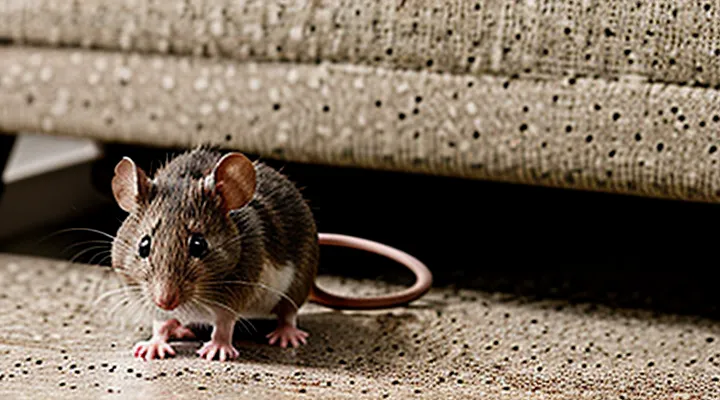
Understanding the Threat: Why Mice are a Problem
Health Risks Associated with Rodent Infestations
Rodent infestations introduce pathogens that can cause serious illness. Species such as mice and rats carry bacteria (Salmonella, Leptospira), viruses (Hantavirus, Lassa), and parasites (fleas, mites) that contaminate food, water, and surfaces. Direct contact with urine, feces, or saliva leads to gastrointestinal infections, hemorrhagic fevers, and respiratory diseases.
Allergic reactions and asthma attacks increase when rodent droppings and dander become airborne. Fine particles released during cleaning or disturbance settle in ventilation systems, aggravating respiratory conditions and reducing indoor air quality.
Physical hazards accompany infestations. Gnawed wiring creates fire risks; sharp teeth can damage equipment and cause injuries. Additionally, stress‑related health effects arise from persistent exposure to rodent activity, contributing to sleep disruption and heightened anxiety.
Key health risks
- Foodborne bacterial infections
- Viral hemorrhagic fevers
- Parasitic infestations
- Allergic sensitization and asthma exacerbation
- Respiratory irritation from aerosolized droppings
- Electrical fire hazards from gnawed wiring
- Psychological stress and sleep disturbance
Damage Caused by Mice to Property and Infrastructure
Mice compromise structural integrity through gnawing, which weakens wooden beams, insulation, and plastic components. Their incisors can breach fire‑stop barriers, creating pathways for smoke and heat to spread during a fire. Repeated chewing of electrical wiring generates exposed conductors that increase the risk of short circuits, equipment failure, and electrical fires.
The presence of rodents accelerates material degradation. Saliva contains enzymes that corrode metal surfaces, while urine and feces introduce corrosive compounds that damage concrete, stone, and painted finishes. Contamination of stored goods leads to spoilage, loss of inventory value, and costly sanitation procedures.
Typical damage manifestations include:
- Severed or frayed wiring, resulting in power outages or fire hazards
- Compromised structural members, reducing load‑bearing capacity
- Corroded metal fixtures, valves, and fasteners
- Deteriorated insulation, decreasing thermal efficiency
- Contaminated food supplies, prompting waste and health violations
These effects collectively increase repair expenses, disrupt operations, and jeopardize safety. Prompt mitigation measures targeting entry points and habitat suitability are essential to protect assets and maintain infrastructure reliability.
The Role of Grating in Rodent Prevention
Traditional Grating Limitations and Vulnerabilities
Gaps and Openings in Standard Grating Designs
Standard grating frequently includes unintended openings that permit mouse ingress. These gaps arise from manufacturing tolerances, joint misalignment, and wear at attachment points. Even a 0.25 inch (6 mm) aperture provides sufficient clearance for an adult mouse to pass.
Typical locations where gaps appear include:
- Joint seams between adjacent panels
- Bolted or riveted connections that lack tight compression
- Edge trims where the grating meets floor or wall interfaces
- Expansion slots left for thermal movement
- Drainage holes that are oversized or irregularly shaped
Detection relies on direct visual inspection, probing with a thin rod, and applying light pressure to reveal movement at seams. Infrared imaging can highlight temperature differentials around poorly sealed joints, indicating potential entry points.
Remediation options consist of:
- Welding or brazing seams to achieve a continuous surface
- Installing stainless‑steel mesh over existing openings, secured with corrosion‑resistant fasteners
- Applying high‑temperature silicone or polyurethane sealant to fill cracks and gaps
- Replacing undersized fasteners with larger, lock‑type bolts that compress panels uniformly
- Adding removable covers to drainage openings, secured with tamper‑proof hinges
Eliminating all gaps restores the grating’s intended rodent‑proof function and supports long‑term infestation control.
Materials Prone to Rodent Gnawing
Rodents target construction elements that can be chewed to gain access, create pathways, or obtain food. Soft, fibrous, or low‑density materials present the highest risk because their tensile strength falls below the bite force of common mice and rats.
- Untreated wood, especially pine, spruce, and plywood, fractures easily under gnawing pressure.
- Polystyrene and expanded foam panels lose structural integrity after minimal chewing.
- Thin metal sheets (≤ 0.5 mm) of aluminum or galvanized steel bend or puncture when rodents apply continuous bite force.
- Plastic piping made from PVC or polyethylene, when thin‑walled, is susceptible to perforation.
- Cardboard, fiberboard, and compressed paper products disintegrate rapidly under rodent activity.
Materials with high hardness, thickness, or reinforced composition—such as stainless‑steel grates, hardened alloy plates, or concrete blocks—resist gnawing and should be prioritized when designing barriers against infestation.
Advantages of Mouse-Resistant Grating
Enhanced Material Durability and Strength
Enhanced material durability and strength are fundamental to the performance of grating systems designed to deter rodent intrusion. Robust construction prevents gnawing damage, maintains structural integrity under traffic loads, and eliminates openings that could become entry points.
Key material selections include:
- Stainless steel with high carbon content for superior tensile strength.
- Hardened alloy steels treated to achieve a Rockwell hardness of 45–55.
- Composite panels reinforced with glass fibers for corrosion resistance and impact toughness.
- Powder‑coated aluminum alloys that combine light weight with enhanced wear resistance.
Manufacturing processes that increase strength:
- Heat‑treatment cycles (annealing, quenching, tempering) that refine grain structure and raise yield strength.
- Cold rolling or forging that densifies the material and reduces micro‑cracks.
- Surface hardening techniques such as induction hardening or nitriding to create a wear‑resistant outer layer.
The resulting durability directly limits infestation risk. Materials that resist gnawing maintain a continuous barrier, while high load capacity prevents deformation that could create gaps. Extended service life reduces the frequency of replacement, limiting periods when the grating is exposed and vulnerable.
Effective maintenance protocols reinforce durability:
- Quarterly visual inspections for signs of wear, corrosion, or deformation.
- Load testing according to ASTM F1160 to verify that the grating retains design capacity.
- Periodic re‑application of protective coatings to sustain surface hardness.
By integrating strong, long‑lasting materials and rigorous production standards, grating installations achieve reliable rodent resistance and sustain operational safety over their intended lifespan.
Precision Engineering for Tight Seals
Precision engineering creates the tight seals required for mouse‑proof gratings. Accurate dimensional control prevents rodents from exploiting gaps as entry points.
Material selection focuses on corrosion‑resistant alloys and reinforced polymers. These substances maintain structural integrity under temperature fluctuations and mechanical stress, ensuring long‑term barrier performance.
Manufacturing tolerances must stay within ±0.1 mm for mating surfaces. CNC machining, laser cutting, and micro‑milling achieve the required precision while minimizing surface roughness, which reduces friction‑induced wear that could enlarge seams.
Seal design incorporates the following elements:
- Interlocking profiles that compress under load, eliminating axial clearance.
- Elastomeric gaskets sized to match groove dimensions, providing flexible closure without compromising rigidity.
- Over‑lapping edge geometry that forces rodents to encounter multiple barriers before reaching the interior.
Quality assurance includes ultrasonic inspection of welds, leak testing with pressurized air, and repeated insertion trials using calibrated dummy rods to verify that no passage exceeds the 5 mm threshold typical for mouse passage.
Installation guidelines stress uniform torque application on fastening hardware. Over‑tightening can deform sealing surfaces, while under‑tightening creates micro‑gaps. Torque values are specified per joint type and material combination.
Maintenance routines involve periodic visual inspection for debris accumulation, re‑application of sealant where wear is detected, and replacement of gaskets after a defined service interval. Consistent upkeep preserves the engineered tightness, sustaining the overall effectiveness of the infestation‑prevention system.
Key Features of Effective Mouse-Resistant Grating
Material Selection for Deterrence
Stainless Steel and Heavy-Gauge Metals
Stainless steel and heavy‑gauge metals provide the structural integrity required for rodent‑proof grating systems. Their high tensile strength resists chewing and deformation, ensuring long‑term barrier performance in high‑traffic areas such as warehouses, food processing facilities, and utility tunnels.
Key properties that make these alloys suitable for infestation control:
- Corrosion resistance – stainless steel maintains structural stability in humid or chemically aggressive environments, preventing gaps that rodents could exploit.
- Hardness – heavy‑gauge metal thickness exceeds the bite force of common mouse species, deterring attempts to breach the barrier.
- Durability – resistance to impact and wear reduces the need for frequent replacement, lowering maintenance costs and limiting exposure windows for pests.
- Cleanability – smooth, non‑porous surfaces inhibit accumulation of debris and food residues, removing attractants that encourage rodent activity.
Installation considerations:
- Secure fastening – weld or bolt grating to supporting frames with corrosion‑resistant hardware to eliminate loose edges.
- Proper spacing – maintain opening dimensions below ¼ inch (6 mm) to block entry while allowing airflow and drainage.
- Seal joints – apply stainless‑steel gaskets or silicone sealants at seams to prevent small rodents from exploiting gaps.
- Regular inspection – schedule visual checks for signs of wear, corrosion, or damage; replace compromised sections promptly.
By selecting stainless steel or heavy‑gauge metal grating and adhering to these specifications, facilities can establish a robust physical barrier that effectively deters mouse infestations and supports compliance with health and safety standards.
Mesh Size and Wire Diameter Specifications
Mesh dimensions directly influence a grating’s ability to block rodent entry. Selecting an appropriate aperture prevents mice from squeezing through while preserving structural integrity.
- Maximum aperture: ¼ in (6.35 mm) or smaller; openings larger than this allow adult mice to pass.
- Preferred range: ⅛ in (3.18 mm) to ¼ in (6.35 mm); balances deterrence and airflow.
- Minimum aperture: ¼ in (6.35 mm) for ventilation‑critical installations where larger openings are unavoidable; supplemental barriers required.
Wire diameter determines the grating’s resistance to gnawing and load bearing. Recommended specifications:
- Minimum diameter: 0.5 mm (0.020 in); provides basic resistance to rodent teeth.
- Optimal diameter: 0.8 mm–1.2 mm (0.031 in–0.047 in); offers enhanced durability and compliance with most building codes.
- Maximum diameter: 2.0 mm (0.079 in); used when high mechanical strength is required, though larger wires may reduce airflow.
Material selection should complement size criteria. Stainless steel (grade 304 or 316) and galvanized steel meet corrosion resistance and hardness standards. Wire tensile strength must exceed 350 MPa to withstand gnawing forces. Surface treatments such as epoxy coating improve longevity without affecting mesh geometry.
Compliance with industry standards (e.g., ASTM F567, ISO 9001) ensures that mesh size and wire diameter meet verified performance thresholds. Testing protocols include:
- Aperture verification using calibrated gauges.
- Wire hardness assessment via Rockwell or Brinell scales.
- Load testing to confirm structural capacity under expected traffic.
Adhering to these specifications eliminates gaps that rodents exploit, delivering a reliable barrier against infestations.
Design Considerations for Optimal Protection
Secure Fastening Mechanisms
Secure fastening mechanisms are essential for maintaining the integrity of rodent‑proof grating systems. Proper attachment prevents gaps, deformation, and displacement that rodents could exploit. Fasteners must resist corrosion, vibration, and mechanical stress while preserving the grating’s structural continuity.
Effective fasteners include:
- Stainless‑steel screws with lock‑washers to eliminate loosening under load.
- Self‑drilling, self‑tapping bolts that create a tight seal without additional washers.
- Rivets made from hardened alloy, providing permanent, tamper‑resistant connections.
- Mechanical clamps with adjustable tension, allowing rapid installation and easy replacement.
Installation guidelines:
- Align grating panels precisely before securing any fastener.
- Pre‑drill holes to match fastener diameter, reducing stress on the material.
- Apply torque specifications recommended by the manufacturer to avoid over‑tightening.
- Inspect each joint for uniform compression; uneven pressure creates entry points.
- Perform periodic torque checks during maintenance cycles to ensure continued tightness.
Material selection must consider environmental exposure. In humid or chemical‑rich settings, use corrosion‑resistant alloys such as duplex stainless steel or titanium. For outdoor installations, select fasteners with protective coatings that comply with local corrosion‑control standards.
Documentation of each fastening method, including part numbers, torque values, and inspection dates, supports traceability and facilitates compliance with pest‑management protocols. Continuous monitoring of joint integrity reduces the likelihood of rodent intrusion and extends the service life of the grating assembly.
Integrated Pest Control Solutions
Integrated pest control solutions complement mouse-resistant grating by addressing entry points, attractants, and population dynamics. Combining physical, environmental, and chemical measures creates a multi‑layered defense that sustains long‑term protection.
- Physical barriers: Install tight‑fitting grating, seal joints with stainless‑steel mesh, and use door sweeps to eliminate gaps.
- Environmental management: Remove food sources, store waste in sealed containers, and maintain landscaping to reduce shelter.
- Monitoring: Deploy snap traps or electronic sensors along the grating perimeter; record captures weekly to detect activity trends.
- Chemical controls: Apply rodenticide baits in tamper‑resistant stations, positioned away from non‑target species. Rotate active ingredients to prevent resistance.
- Biological options: Introduce predatory birds or use rodent‑specific pheromone disruptors where applicable.
Effective implementation requires a documented schedule: inspect grating integrity monthly, clean debris from the surface quarterly, and audit bait placement biweekly. Coordination among facilities staff, pest‑management professionals, and maintenance crews ensures each layer functions without gaps.
Resulting benefits include reduced structural damage, compliance with health‑safety regulations, and lower long‑term costs compared with reactive extermination. The integrated approach maximizes the protective value of mouse-resistant grating while minimizing the likelihood of infestation.
Installation Best Practices for Mouse-Resistant Grating
Proper Sizing and Customization
Proper sizing ensures that mouse‑resistant grating forms an uninterrupted barrier. Measure the opening at its widest points, accounting for any irregularities in the frame. Add a clearance of 1–2 mm to accommodate thermal expansion without creating gaps. Verify dimensions on both length and width before ordering.
Customization tailors the barrier to specific environments. Options include:
- Adjustable bar spacing to match target species’ body width.
- Material thickness selected for load requirements and corrosion resistance.
- Edge profiles (e.g., beveled, rounded) that facilitate sealing against adjacent surfaces.
- Integrated sealing strips or gaskets for high‑moisture areas.
When installing, align the grating so that the bars run perpendicular to the most likely entry direction. Secure fasteners at regular intervals, typically every 12–18 in, to prevent deformation under load. Apply sealant at joints where the grating meets walls, floors, or ceilings to eliminate micro‑openings.
Properly sized and customized grating reduces the need for retrofits, lowers maintenance costs, and maintains structural integrity while preventing rodent ingress.
Sealing Gaps and Edges
Sealing gaps and edges is a fundamental component of any rodent‑proof grating system. Unfilled openings provide direct pathways for mice to bypass barriers, compromising the effectiveness of the installation. Proper sealing eliminates these routes and reinforces the overall integrity of the protection.
Key actions for effective sealing include:
- Identify all discontinuities around the grating, such as joints, screw holes, and perimeter seams.
- Apply a flexible, rodent‑resistant sealant (e.g., silicone‑based or polyurethane) that remains pliable under temperature fluctuations.
- Use metal or steel mesh patches for larger voids, securing them with stainless‑steel screws to prevent gnawing.
- Install weather‑strip or compression foam along the edges where the grating meets walls or floors, ensuring a tight fit.
- Conduct a visual inspection after application, confirming that no gaps exceed 1 mm in width.
Materials selection should prioritize durability and resistance to rodent chewing. Polyurethane sealants retain elasticity and adhere to metal, concrete, and wood. Stainless‑steel mesh offers high tensile strength and is impervious to gnawing. Compression foams designed for pest control resist compression set, maintaining a seal over time.
Routine maintenance involves re‑examining sealed areas quarterly, especially after heavy usage or exposure to moisture. Replace any degraded sealant promptly and tighten fasteners to prevent new openings. Consistent attention to these details sustains the barrier’s performance and reduces the likelihood of infestation.
Regular Inspection and Maintenance
Regular inspection and maintenance ensure that mouse‑resistant grating continues to block rodent entry and function as a barrier.
A systematic approach includes the following steps:
- Inspection frequency: Conduct visual checks monthly in high‑traffic areas and quarterly in low‑traffic zones. Increase to bi‑weekly during peak infestation periods.
- Visual assessment: Look for signs of wear, corrosion, loose fasteners, or deformation that could create gaps. Verify that seals and edges remain intact.
- Cleaning protocol: Remove debris, food residues, and nesting material using a vacuum or brush. Apply a mild detergent followed by a water rinse; dry thoroughly before re‑installation.
- Repair actions: Tighten loose screws, replace damaged panels, and reseal joints with appropriate rodent‑proof caulk. Document each repair with date, location, and component identifier.
- Preventive measures: Apply corrosion‑resistant coating to metal surfaces annually. Install protective caps over vent openings to reduce exposure to gnawing.
- Record‑keeping: Maintain a log that records inspection dates, findings, corrective actions, and responsible personnel. Review the log quarterly to identify recurring issues and adjust maintenance schedules.
Consistent execution of these procedures preserves the structural integrity of the grating, eliminates potential entry points, and reduces the likelihood of a mouse infestation.
Beyond Grating: Complementary Rodent Control Strategies
Integrated Pest Management Approaches
Integrated pest management (IPM) provides a systematic framework for reducing rodent activity while maintaining the integrity of mouse‑resistant grating systems. By combining physical barriers with monitoring, sanitation, and targeted control measures, IPM minimizes the likelihood of infestations that could compromise the performance of anti‑rodent grates.
Key IPM components applicable to grating installations include:
- Environmental modification: Eliminate food sources, water accumulation, and clutter near the grating area to reduce attractants.
- Regular inspection: Conduct scheduled visual checks for signs of gnawing, nesting, or debris buildup on and around the grates.
- Population monitoring: Deploy passive traps or motion‑activated sensors to quantify rodent activity levels and trigger timely interventions.
- Biological control: Introduce natural predators, such as barn owls or feral cats, in surrounding structures to exert pressure on rodent populations.
- Chemical control: Apply rodenticides only when monitoring indicates a threshold breach, placing bait stations away from the grating to prevent contamination.
When these practices are coordinated with the installation of durable, mouse‑resistant grating, the overall pest management program achieves higher efficacy. Physical exclusion prevents entry, while the IPM elements address residual risks, ensuring long‑term protection against rodent incursions.
Environmental Modifications to Reduce Attraction
Effective control of rodent activity begins with altering the environment that draws mice toward a facility. Removing attractants eliminates the primary incentive for entry, allowing physical barriers such as mouse‑resistant grating to operate at maximum efficiency.
- Store all food in sealed, metal containers; avoid open bins and cardboard packaging.
- Clean spills immediately; wipe surfaces after each use to eliminate crumbs and residue.
- Maintain garbage receptacles with tight‑fitting lids; empty them regularly and keep bins away from building walls.
- Trim vegetation within three feet of the structure; eliminate dense shrubbery and overgrown lawns that provide shelter.
- Repair leaky pipes, roof penetrations, and condensation sources; keep interior humidity below 50 % to discourage nesting.
- Seal entry points larger than 1/4 inch with steel wool, expanding foam, or caulking; inspect foundations, utility openings, and door sweeps weekly.
- Position outdoor lighting to reduce nocturnal foraging routes; use motion‑activated fixtures near potential access zones.
Consistent implementation of these measures reduces food, water, and shelter availability, thereby decreasing mouse attraction and enhancing the protective function of resistant grating systems.
Professional Pest Control Services
Professional pest control firms specialize in evaluating premises, recommending exclusion products, and executing installations that block rodent entry. Their expertise ensures that mouse‑proof grating is matched to the specific layout, traffic flow, and environmental conditions of each site.
The service workflow typically includes:
- Comprehensive site survey to identify potential entry points and assess structural constraints.
- Selection of appropriate grating material and mesh size based on target species and load requirements.
- Precise cutting, fitting, and fastening of grates, followed by sealing of gaps with rodent‑resistant caulking or metal flashing.
- Post‑installation verification using visual inspection and, when necessary, motion‑activated cameras to confirm integrity.
After installation, firms conduct scheduled monitoring visits. These visits involve checking for wear, confirming that seals remain intact, and deploying supplemental traps in high‑risk zones. Data from each inspection feed into a centralized record, enabling trend analysis and early detection of breaches.
The resulting advantages include compliance with health and safety regulations, reduction of property damage caused by chewing or nesting, and lower long‑term control costs through proactive exclusion. Professional oversight guarantees that mouse‑resistant grating functions as a reliable barrier within an integrated pest‑management program.