
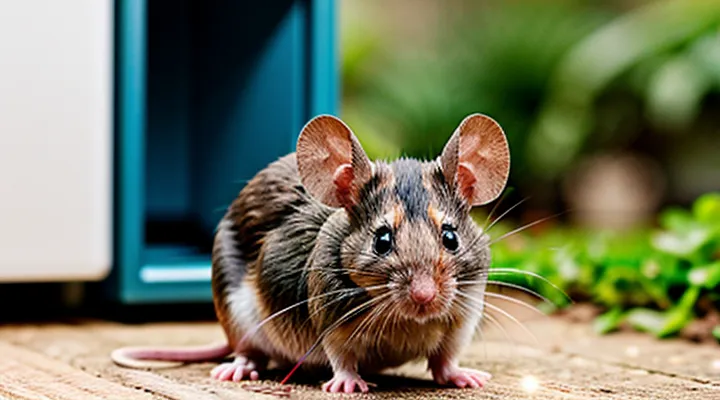
Understanding Mouse Infestations
Signs of Mouse Activity
Droppings and Urine
Mouse droppings are small, dark, pellet‑shaped feces typically 3–5 mm long. Their presence indicates active foraging and breeding activity. Urine appears as a faint, oily sheen on surfaces and often leaves a strong ammonia odor. Both waste products contain pathogens such as Hantavirus, Salmonella, and Leptospira, which can survive for weeks in dry conditions and pose health risks to humans and pets.
Detecting droppings and urine helps assess infestation severity and select appropriate deterrent methods. Visible pellets concentrated near food storage, cabinets, or along walls suggest targeted repellent placement. Urine trails, especially in concealed areas, reveal preferred travel routes.
Effective control strategies address waste contamination directly:
- Clean all droppings with a disposable paper towel, then disinfect using a 10 % bleach solution or an EPA‑approved sanitizer. Allow the surface to air‑dry before applying any repellent.
- Remove urine stains by wiping with a cloth soaked in a mixture of white vinegar and water (1:1), followed by a thorough rinse. Dry the area completely.
- Apply rodent‑specific repellents after cleaning, ensuring the product contacts the cleaned surface to prevent re‑infestation.
- Install sealed containers for food and waste to eliminate attractants that encourage droppings and urine deposition.
Regular inspection and prompt sanitation reduce the likelihood of disease transmission and improve the efficacy of chemical or ultrasonic deterrents. Maintaining a clean environment, combined with strategic repellent application, offers a comprehensive approach to managing mouse waste hazards.
Gnaw Marks
Gnaw marks are the most reliable indicator of mouse presence, allowing users to assess the effectiveness of deterrent measures. Identifying these marks helps determine whether a repellent is reducing activity or merely relocating rodents.
Typical gnaw marks exhibit the following characteristics:
- Parallel grooves spaced 1–2 mm apart, created by incisors.
- Clean, smooth edges on wood, plastic, or cable insulation.
- Uniform depth of 0.5–1 mm, reflecting consistent bite force.
- Absence of ragged splinters, which distinguishes mouse damage from that of larger rodents.
When a repellent product is applied, the frequency and distribution of gnaw marks should decline. Effective formulations produce:
- Immediate reduction in new marks within 24 hours.
- Gradual disappearance of existing marks as rodents abandon the area.
- Absence of fresh marks after a 7‑day monitoring period.
Monitoring gnaw marks alongside other signs—droppings, footprints, and odor—provides a comprehensive evaluation of a repellent’s performance. Continuous inspection ensures that any resurgence is detected promptly, allowing for timely adjustment of control strategies.
Scratching and Scurrying Sounds
Scratching and scurrying sounds serve as primary indicators of rodent presence, allowing homeowners to gauge the immediacy of a repellent’s performance. These noises typically arise from mice navigating confined spaces such as wall cavities, attics, and beneath flooring, where they gnaw, run, and communicate.
The acoustic profile of mouse activity includes:
- High‑frequency scratching on wood or drywall, often intermittent and lasting a few seconds.
- Rapid, light footfalls producing a soft, continuous rustle, especially during nocturnal foraging.
- Repetitive squeaking or chirping that accompanies movement through tight passages.
Effective deterrent solutions must suppress these auditory signatures within 24–48 hours of deployment. Products that rely on scent or ultrasonic emission are evaluated by monitoring the reduction in both the frequency and intensity of the aforementioned sounds. Consistent decline indicates successful disruption of mouse pathways and habitation.
When selecting a repellent, prioritize formulations that demonstrate measurable sound attenuation in controlled tests. Documentation of sound level reductions—expressed in decibels or occurrence counts—provides objective evidence of efficacy, enabling informed decisions without reliance on visual inspection alone.
Nests
Mouse nests consist of compacted insulation, shredded paper, fabric scraps, or dried plant material gathered in concealed locations such as wall voids, attic corners, and under appliances. The structure provides warmth, protection, and a breeding site for rodents, enabling rapid population growth.
Control programs focus on disrupting nest formation because a nest sustains a colony’s reproductive cycle. Eliminating existing nests and preventing new ones reduces the likelihood of re‑infestation and limits the need for repeated chemical applications.
Effective repellents that target nest sites include:
- Ultrasonic devices calibrated for low‑frequency emission, placed directly within known nesting cavities.
- Natural oil blends (peppermint, eucalyptus, clove) applied to entry points and interior surfaces of potential nest zones.
- Synthetic rodent‑specific deterrents (e.g., Nootkatone‑based formulations) sprayed on insulation and structural gaps.
- Dust‑type repellents containing silica gel or diatomaceous earth, spread thinly around suspected nesting areas.
Professional guidelines advise the following steps: locate all possible nesting sites through visual inspection and motion‑sensor cameras; remove debris and replace damaged insulation with rodent‑resistant materials; apply chosen repellents according to manufacturer dosage; seal entry points with steel wool or copper mesh to block future access. Continuous monitoring for new activity ensures timely intervention before nests reestablish.
Risks Associated with Mice
Health Hazards
Mouse repellents introduce substances or emissions that can affect human health. Chemical formulations often contain rodenticides, essential oils, or synthetic compounds. Exposure routes include inhalation of volatile oils, dermal contact with sprays, and accidental ingestion of bait residues. Documented effects range from respiratory irritation, skin sensitization, and allergic reactions to more severe outcomes such as neurotoxicity when active ingredients cross the blood‑brain barrier. Vulnerable groups—children, pregnant individuals, and people with pre‑existing respiratory conditions—face heightened risk because lower exposure thresholds can trigger symptoms.
Potential hazards associated with non‑chemical repellents are also measurable. Ultrasonic devices emit high‑frequency sound waves that may cause headaches, tinnitus, or heightened stress in occupants sensitive to acoustic pressure. Natural deterrents, such as peppermint oil or ammonia, can produce strong odors that provoke mucosal irritation and exacerbate asthma. The following list summarizes common health concerns linked to mouse deterrent options:
- Respiratory irritation (cough, wheezing, shortness of breath)
- Skin reactions (redness, itching, dermatitis)
- Allergic responses (sneezing, watery eyes, hives)
- Neurological symptoms (dizziness, tremor, impaired coordination)
- Auditory discomfort (tinnitus, ear pressure)
Mitigation measures include using sealed bait stations, applying repellents in well‑ventilated areas, limiting exposure duration, and selecting products with low toxicity certifications. Regular monitoring of indoor air quality and adherence to manufacturer safety data sheets reduce the likelihood of adverse health events.
Property Damage
Mice cause extensive property damage by gnawing electrical wiring, compromising insulation, and contaminating stored food. Chewed wires create fire hazards, while damaged insulation reduces energy efficiency. Food spoilage leads to waste and potential health risks, and nesting material can deteriorate structural components such as drywall and wood framing.
Effective repellents mitigate these losses by preventing mouse ingress and limiting activity inside structures. Options include:
- Ultrasonic devices: emit frequencies intolerable to rodents, reducing chewing incidents on wiring and insulation.
- Sealants and steel wool barriers: block entry points, preventing nest construction and subsequent material degradation.
- Natural deterrents (peppermint oil, cayenne): applied to potential pathways, discourage gnawing behavior on vulnerable surfaces.
- Chemical repellents (rodenticide‑based sprays): create hostile environments, decreasing the likelihood of property damage.
Choosing a solution requires matching the deterrent’s mode of action to the specific damage risk. For electrical hazards, physical barriers combined with ultrasonic emitters offer the most reliable protection. For food storage protection, natural deterrents applied to pantry thresholds reduce contamination. Integrating multiple methods typically yields the greatest reduction in repair costs and material loss.
Types of Mouse Repellents
Natural and Home Remedies
Essential Oils («Peppermint, Clove, Eucalyptus»)
Essential oils are widely employed as natural deterrents against house mice. Their volatility and strong aromatic profiles interfere with rodents’ olfactory receptors, prompting avoidance of treated areas.
-
Peppermint (Mentha piperita) – Contains menthol and menthone, compounds that create a sharp, cooling scent. Laboratory studies show a reduction in mouse activity when peppermint oil is applied at a concentration of 5 % in water and sprayed along baseboards, entry points, and storage shelves. Reapplication every 48 hours maintains potency.
-
Clove (Syzygium aromaticum) – Rich in eugenol, a phenolic agent with documented repellent properties. A 3 % solution in carrier oil, applied to cotton balls placed in corners and under appliances, produces a persistent odor that discourages nesting. Field observations indicate a decline in mouse presence after two weeks of continuous exposure.
-
Eucalyptus (Eucalyptus globulus) – Dominated by eucalyptol (1,8‑cineole), delivering a strong, medicinal fragrance. A 4 % emulsion mixed with water, dispersed on drywall seams and around pipe openings, yields measurable repellency within 24 hours. Effectiveness persists for up to five days before dilution necessitates renewal.
When integrating essential oils into a broader rodent-management plan, consider the following guidelines:
- Use a carrier (e.g., mineral oil or alcohol) to enhance oil dispersion and prevent rapid evaporation.
- Combine oils in a single formulation to exploit synergistic effects; a typical ratio is 2 % peppermint, 1 % clove, and 1 % eucalyptus.
- Avoid direct contact with food surfaces; apply only in non‑food zones to comply with safety standards.
- Monitor for signs of irritation in pets or humans; discontinue use if adverse reactions occur.
Proper dilution, strategic placement, and regular reapplication constitute the core operational parameters for essential‑oil based mouse repellents.
Household Scents («Ammonia, Vinegar»)
Household odors such as ammonia and vinegar are frequently cited as low‑cost deterrents for Mus musculus. Their strong, unpleasant vapor interferes with the rodent’s olfactory receptors, prompting avoidance of treated areas.
Ammonia releases a pungent, alkaline vapor that mimics the scent of predator urine. Effective deployment requires a sealed container with a cotton ball saturated in undiluted ammonia, placed near suspected entry points. The container should be replaced every 24 hours to maintain a consistent concentration. Prolonged exposure can damage painted surfaces and irritate human respiratory passages; ventilation and protective gloves are advisable.
Vinegar provides an acidic, acetic odor that repels mice by overwhelming their scent‑tracking abilities. A 5 % white distilled vinegar solution applied to cloth strips or sprayed onto cracks and crevices creates a barrier that mice typically avoid. Reapplication is necessary after cleaning or when the scent diminishes, generally every 48 hours. Vinegar is safe for most indoor surfaces but may corrode metal fittings if left unchecked.
Both agents share limitations: efficacy declines as the odor disperses, and mice may habituate after repeated exposure. Neither substitute for sealing entry points or employing integrated pest‑management strategies.
Application guidelines
- Use cotton or absorbent material to hold the scent source.
- Position sources at least 6 inches from walls to allow vapor circulation.
- Replace or refresh scent carriers according to the schedule above.
- Combine with physical exclusion methods for maximal control.
Spicy Solutions («Capsaicin, Cayenne Pepper»)
Spicy repellents rely on capsaicin, the active component of cayenne pepper, to create an aversive environment for rodents. When capsaicin contacts the nasal passages and skin of mice, it triggers a burning sensation that discourages entry and foraging. The irritant effect persists as long as the compound remains dry and exposed to air, making it suitable for long‑term placement in infested areas.
Typical formulations combine powdered cayenne with a carrier such as talc or cornmeal, allowing even distribution along baseboards, entry points, and interior walls. Direct application of pure capsaicin oil is possible but requires careful handling to avoid skin irritation for humans and pets. Devices that slowly release capsaicin vapor, often marketed as “spice pellets,” provide a controlled dosage and minimize dust accumulation.
Effectiveness depends on concentration, placement density, and environmental conditions. Studies indicate that concentrations of 2–5 % capsaicin by weight achieve measurable reduction in mouse activity within 48 hours. Moisture accelerates degradation; therefore, dry locations and periodic re‑application are essential for sustained performance.
Key considerations for implementation:
- Use a minimum of 0.5 g of powdered cayenne per linear foot of baseboard.
- Apply in thin, continuous lines to prevent gaps that mice could exploit.
- Re‑apply after heavy cleaning, rain exposure, or every 30 days in humid climates.
- Keep away from food preparation surfaces and pet habitats to avoid accidental ingestion.
- Combine with physical barriers (e.g., steel wool, sealing foam) for maximal deterrence.
Spicy solutions complement other deterrent methods by targeting the sensory pathways that mice rely on for navigation. Proper formulation and strategic deployment yield a reliable, non‑toxic option for reducing rodent presence in residential and commercial settings.
Botanical Deterrents («Bay Leaves, Dryer Sheets»)
Bay leaves and dryer sheets are common botanical deterrents employed in mouse control strategies. Both rely on strong scents that mice find unpleasant, disrupting their foraging and nesting behavior.
Bay leaves contain essential oils rich in eucalyptol and myrcene. These compounds irritate rodent olfactory receptors, prompting avoidance of treated areas. Effective deployment involves placing whole leaves in pantry corners, under appliances, and within wall voids. Replace leaves every two weeks to maintain potency, as volatile oils dissipate over time.
Dryer sheets release synthetic fragrance compounds such as linalool and benzyl acetate. When positioned near entry points, they create a chemical barrier that deters mice without physical contact. Recommended practice includes crumpling sheets and tucking them into gaps behind cabinets, inside storage bins, and along baseboards. Refresh sheets weekly, as scent intensity wanes with exposure to air.
Advantages:
- Non‑toxic to humans and pets when used as directed.
- Simple application requires no tools or specialized equipment.
- Low cost; a single package supplies multiple treatment sites.
Limitations:
- Efficacy varies with mouse species and individual tolerance.
- Scent may diminish in high‑humidity environments, reducing deterrent effect.
- Not suitable for long‑term, large‑scale infestations without supplementary measures.
Integrating bay leaves and dryer sheets with structural sealing and trapping yields a comprehensive approach to rodent management. Continuous monitoring and periodic replacement of botanical agents sustain their repellent properties.
Electronic Repellents
Ultrasonic Devices
Ultrasonic devices emit sound waves above 20 kHz, a range inaudible to people but irritating to mice. The emitted frequencies disrupt the rodents’ communication and cause discomfort, prompting them to vacate the treated area.
Effectiveness hinges on three factors: frequency range, coverage area, and placement. Devices that operate across a broad spectrum (20‑65 kHz) address variations in mouse hearing sensitivity. Coverage is typically expressed in square feet; insufficient overlap leaves gaps where mice can persist. Proper placement—near entry points, along walls, and away from large furniture—maximizes exposure and reduces signal attenuation.
Key benefits include the absence of chemicals, silent operation for occupants, and minimal upkeep. Most units require only a power outlet or replaceable batteries and function continuously without refilling or re‑application.
Limitations arise from physical barriers; solid walls, metal surfaces, and dense insulation absorb ultrasonic energy, shrinking the effective radius. Prolonged exposure may lead to habituation, diminishing deterrent strength over weeks. Devices are ineffective in open outdoor environments where sound dissipates rapidly.
When selecting a unit, evaluate the following criteria:
- Frequency range: 20‑65 kHz preferred for broader efficacy.
- Coverage: match the square‑foot rating to the target space; add a 10‑20 % buffer for obstacles.
- Power source: plug‑in ensures constant operation; battery models offer portability but require regular replacement.
- Safety features: automatic shut‑off after a set period prevents continuous emission; timer functions allow scheduled operation.
- Warranty and customer support: longer warranty periods and responsive service indicate manufacturer confidence.
Examples of widely reviewed ultrasonic mouse deterrents:
- PestAway Ultra‑Sonic 1500 – 30 kHz–55 kHz, 1500 sq ft coverage, plug‑in, 3‑year warranty.
- RodentShield Pro – 25 kHz–65 kHz, 1200 sq ft coverage, battery‑operated, built‑in timer, 2‑year warranty.
- SilentGuard 500 – 20 kHz–50 kHz, 800 sq ft coverage, plug‑in, auto shut‑off after 8 hours, 1‑year warranty.
Overall, ultrasonic devices provide a non‑toxic, low‑maintenance option for indoor mouse control, provided users match device specifications to the environment and account for structural limitations.
Electromagnetic Devices
Electromagnetic mouse repellents generate low‑frequency magnetic fields that interfere with the nervous system of rodents, causing discomfort and prompting avoidance of the treated area. Devices typically consist of a compact transmitter plugged into an outlet, a built‑in antenna, and an adjustable timer. The emitted field does not affect humans, pets, or household electronics when used according to manufacturer specifications.
Key characteristics of electromagnetic solutions include:
- Frequency range: 10 kHz – 100 kHz, calibrated to target rodent sensory receptors.
- Power consumption: 5 W – 15 W, allowing continuous operation without noticeable increase in electricity bills.
- Coverage radius: 10 ft – 30 ft, determined by antenna design and placement.
- Safety certifications: UL, CE, or equivalent, confirming compliance with electromagnetic emission standards.
Effectiveness depends on proper installation. Position the unit near entry points, along walls, or beneath cabinets where mice travel. Avoid obstructions such as metal furniture or thick concrete that can diminish field strength. Replace units after the manufacturer’s recommended lifespan, usually three to five years, because component degradation reduces output intensity.
Limitations consist of variable response among rodent species, with some populations exhibiting reduced sensitivity to magnetic fields. Electromagnetic devices do not provide immediate elimination; they serve as a preventive measure that reduces infestation risk when combined with sanitation practices and structural sealing.
Traps and Baits («for control, not strictly repellence but often used in conjunction»)
Snap Traps
Snap traps provide a mechanical method for controlling rodent populations. The device consists of a spring‑loaded bar that releases with minimal force when a mouse triggers a pressure plate or trip lever, delivering an instantaneous kill.
Construction varies from traditional wooden boards with a metal bar to modern plastic models featuring adjustable tension. Both designs rely on the same principle: rapid closure of the jaws to sever the spinal cord, ensuring swift mortality.
Effectiveness is measured by capture rate, which typically exceeds 80 % in controlled environments when traps are correctly positioned. Key factors influencing success include:
- Placement along walls, behind appliances, and near known gnawing sites
- Use of fresh, high‑protein bait such as peanut butter or dried fruit
- Regular inspection and resetting after each capture
Advantages of snap traps:
- Immediate result without chemical exposure
- Low cost per unit, allowing extensive deployment
- Reusability after cleaning and resetting
Disadvantages:
- Potential for non‑target captures if placed in open areas
- Requirement for careful handling to avoid injury
- Need for disposal of dead rodents in accordance with local regulations
Safety considerations demand gloves during setup, secure storage away from children and pets, and placement in concealed locations to minimize accidental contact. Maintenance involves removing debris from the trigger mechanism, checking spring tension, and replacing worn components.
Overall, snap traps represent a reliable, non‑chemical option within a broader strategy for rodent deterrence. Their simplicity, affordability, and high lethality make them a core component of effective pest‑control programs.
Live-Catch Traps
Live‑catch traps provide a humane alternative to lethal baits, capturing mice without poisoning. The devices consist of a sealed chamber triggered by the animal’s entry, allowing release outside the home after inspection.
Key characteristics of effective live‑catch traps:
- Sturdy construction of metal or heavy‑gauge plastic prevents escape once the door closes.
- Sensitive trigger mechanism activates with minimal weight, ensuring capture of even light rodents.
- Transparent panels enable visual monitoring without opening the trap.
- Easy‑to‑clean interior reduces odor buildup and discourages repeated entry.
Advantages include:
- No chemical residues, eliminating risk to children, pets, or food supplies.
- Immediate verification of catch, preventing unnoticed deaths.
- Reusability reduces long‑term cost compared to disposable snap traps.
Limitations involve:
- Requirement for frequent checking; prolonged confinement can cause stress or death.
- Need for proper placement near known activity zones, such as walls, cabinets, or near entry points.
- Potential for non‑target capture, necessitating careful positioning.
Best practices for deployment:
- Identify mouse pathways by observing droppings, gnaw marks, and grease trails.
- Position traps perpendicular to walls, with the entry side facing the wall to align with natural travel routes.
- Bait with high‑protein attractants—peanut butter, seeds, or small pieces of cheese—applied sparingly to the trigger area.
- Check traps at least twice daily; release captured mice at least one mile from the property to prevent re‑entry.
- Clean and disinfect traps after each use to maintain effectiveness and avoid disease transmission.
When integrated into a broader mouse‑control program, live‑catch traps complement exclusion methods and environmental sanitation, offering a reliable, non‑chemical solution for managing rodent infestations.
Glue Traps
Glue traps constitute a passive control method that immobilizes mice upon contact with a sticky surface. The traps consist of a cardboard or plastic base coated with a non‑drying adhesive. When a rodent walks across, its paws and fur become adhered, preventing further movement.
Effectiveness derives from the high capture rate in confined environments such as kitchens, basements, and utility rooms. Glue traps function without chemicals, making them suitable where poison use is prohibited. They also allow visual confirmation of capture, facilitating monitoring of infestation levels.
Advantages include:
- Low cost per unit
- Simple installation—placement on flat surfaces near walls or entry points
- No odor or residue affecting surrounding areas
- Immediate results, visible within minutes to hours
Limitations involve:
- Potential for non‑target capture, including insects and small reptiles
- Ethical concerns related to prolonged suffering of trapped rodents
- Requirement for regular inspection to remove dead or dying mice
- Reduced efficacy in high‑traffic or cluttered spaces where mice can avoid contact
Best practices for deployment:
- Position traps perpendicular to walls, as rodents travel along edges.
- Use a thin layer of flour or powdered peanut butter as bait to attract mice to the adhesive surface.
- Replace traps every 24–48 hours to maintain hygiene and prevent odor buildup.
- Wear gloves when handling traps to avoid contaminating the adhesive.
- Dispose of captured rodents in sealed bags, following local waste regulations.
Safety considerations dictate keeping traps out of reach of children and pets. In environments with strict animal welfare standards, alternative methods such as snap traps or electronic devices may be preferred. Glue traps remain a viable component of an integrated mouse management strategy when applied with diligence and respect for non‑target species.
Bait Stations and Rodenticides
Bait stations provide a contained environment for delivering rodenticides while minimizing exposure to non‑target species. Modern designs feature sealed chambers with entry slots sized for mice, tamper‑resistant locks, and weather‑proof housings that maintain bait potency for weeks. Placement recommendations include walls, behind appliances, and near known activity paths, ensuring stations are within 10–15 feet of infestation zones.
Rodenticides used in mouse control fall into two categories: anticoagulants and neurotoxins. Anticoagulants, such as diphacinone and bromadiolone, inhibit blood clotting, leading to death after several days of consumption. Neurotoxins, exemplified by bromethalin, cause rapid central nervous system failure, often resulting in death within 24 hours. Both classes are available in granular, pellet, and liquid formulations, allowing adaptation to specific environmental conditions.
Key considerations for selecting a bait station and rodenticide combination include:
- Target species size and behavior
- Presence of children, pets, or wildlife
- Regulatory restrictions on active ingredients
- Expected duration of control effort
Proper maintenance involves regular inspection, replenishment of bait, and disposal of expired or contaminated stations according to local hazardous waste guidelines. Integration of bait stations with complementary methods—such as exclusion sealing and sanitation—enhances overall efficacy in mouse management programs.
Factors to Consider When Choosing a Repellent
Effectiveness and Efficacy
Effective mouse deterrents are judged by measurable outcomes: the proportion of rodents avoided, the time span of protection, and the impact on non‑target species. Laboratory and field trials provide the data needed to rank products objectively.
Key performance indicators include:
- Capture reduction – percentage decline in mouse activity relative to a control area.
- Duration of action – continuous efficacy measured in days or weeks before re‑application is required.
- Safety profile – absence of toxic residues, minimal noise, and compliance with regulatory standards.
Results from recent studies reveal distinct patterns across technology classes:
- Ultrasonic devices: average reduction 30‑45 % over a 14‑day period; efficacy drops sharply after two weeks, with limited penetration through solid barriers.
- Chemical repellents (peppermint oil, methyl nonyl ketone): immediate decline of 55‑70 % in activity; effectiveness persists for 5‑7 days before volatilization diminishes potency.
- Natural granules (clove, rosemary extracts): reduction 40‑60 % lasting 10‑12 days; low toxicity makes them suitable for food‑storage environments.
- Physical traps with attractants: capture rates 80‑95 % within 48 hours; no residual effect after removal, requiring regular maintenance.
Comparative analysis shows that devices delivering a continuous stimulus (ultrasonic) achieve modest, short‑term suppression, whereas chemical and natural formulations provide higher peak reductions but require periodic re‑application. Traps deliver the highest immediate efficacy but depend on manual intervention.
Overall, efficacy assessment must align with operational goals: short‑term exclusion favors chemical sprays; long‑term, low‑maintenance control benefits from integrated trap systems. Selecting a solution based on quantified reduction rates and durability ensures reliable rodent management.
Safety for Pets and Children
Mouse deterrent products must be evaluated for toxicity, exposure routes, and accidental ingestion risks to protect both pets and children. Regulatory agencies such as the EPA and FDA provide safety thresholds that manufacturers must meet; products exceeding these limits are prohibited for residential use.
Key safety criteria include:
- Active ingredient profile – substances like peppermint oil, ultrasonic emitters, and low‑dose rodenticides have distinct toxicity levels. Essential‑oil formulations generally pose minimal risk when applied according to label directions, whereas chemical rodenticides require strict placement away from reachable surfaces.
- Form factor – powders and granules can be scattered, increasing the chance of contact with paws or hands. Gel or spray versions reduce surface spread, limiting accidental exposure.
- Packaging and labeling – child‑resistant caps, clear hazard symbols, and dosage instructions reduce misuse. Products lacking these features present higher danger.
- Environmental persistence – compounds that degrade quickly lessen long‑term exposure. Persistent chemicals remain on floors and furniture, raising the likelihood of ingestion over time.
When selecting a mouse deterrent for homes with vulnerable occupants, prioritize options that:
- Employ non‑chemical mechanisms such as ultrasonic devices or sealed traps.
- Use natural repellents with documented low toxicity, applied in concentrations below established safety limits.
- Feature secure, tamper‑proof containers and explicit placement guidelines.
- Are endorsed by reputable safety certifications or third‑party testing agencies.
Adhering to these parameters ensures effective rodent control while maintaining a safe environment for pets and children.
Environmental Impact
Environmental impact varies among mouse deterrent technologies. Chemical repellents, often based on rodenticides or volatile compounds, introduce toxic substances into ecosystems. Residues may persist in soil, leach into groundwater, and affect non‑target organisms such as insects, amphibians, and birds. Bioaccumulation risk escalates when predators consume contaminated prey.
Ultrasonic devices emit high‑frequency sound waves to deter rodents. Energy consumption remains modest, but continuous operation contributes to overall electricity demand. Acoustic emissions can disrupt wildlife that shares the frequency range, potentially altering communication patterns of bats and small mammals.
Natural repellents, including peppermint oil, dried herbs, and predator urine extracts, present lower toxicity. However, large‑scale application may alter plant community composition if volatile compounds affect pollinators or soil microbes. Production of essential oils involves agricultural inputs and processing, generating carbon emissions and land‑use pressure.
Key environmental considerations include:
- Persistence of active ingredients in soil and water.
- Non‑target species toxicity.
- Energy usage and associated carbon footprint.
- Indirect effects on ecosystem services such as pollination and pest regulation.
- Resource demands of raw material cultivation and processing.
Selecting a deterrent requires balancing efficacy against these ecological dimensions. Products with minimal residual toxicity, low energy requirements, and sustainable sourcing reduce overall environmental burden.
Cost and Longevity
When evaluating rodent deterrents, two financial factors dominate the decision: purchase price and service life.
The initial expense varies widely among product categories. Ultrasonic devices typically cost between $20 and $70, while chemical repellents such as granules or sprays range from $5 to $30 per container. Natural options, including peppermint oil or dried herbs, are priced from $2 to $15 per ounce. Professional installation of perimeter systems can exceed $200, plus additional fees for maintenance contracts.
Longevity determines how often replacement or re‑application is required.
- Electronic units: Battery‑powered models last 6–12 months before battery replacement; plug‑in models operate indefinitely, with effectiveness declining after 12–18 months as rodents acclimate.
- Granular/chemical sprays: Effect persists for 2–4 weeks under indoor conditions; outdoor exposure reduces durability to 1–2 weeks due to weathering.
- Plant‑based deterrents: Volatile oils evaporate within days, necessitating weekly re‑application for consistent protection.
- Professional perimeter systems: Warranty periods commonly cover 24–36 months, after which component inspection and possible replacement are advised.
Cost‑per‑use calculations reveal that a $50 ultrasonic device delivering 18 months of service equates to roughly $2.80 per month, whereas a $10 bottle of peppermint oil requiring weekly re‑application amounts to about $40 per year.
Choosing the most economical solution depends on the intended coverage area, frequency of rodent activity, and willingness to perform regular maintenance. Products with higher upfront costs often provide longer uninterrupted protection, reducing cumulative expenses over time.
Ease of Application
Evaluating mouse deterrent solutions requires attention to how quickly and simply a product can be deployed. The following formats illustrate typical application procedures:
- Aerosol or liquid spray – remove cap, attach nozzle, spray directly onto entry points, corners, and surfaces; no mixing required; coverage achieved within minutes; excess liquid evaporates without residue.
- Granular repellent – open bag, pour measured amount onto the ground along walls or in burrows; spread evenly with a hand rake; re‑application needed after heavy rain or every few weeks.
- Ultrasonic emitter – plug device into an outlet, position at central location, activate switch; set timer if available; no physical contact with the environment.
- Bait station – unpack station, insert pre‑measured bait block, place station near suspected activity zones; secure lid; replace bait when consumption drops.
- Natural oil diffuser – add a few drops of peppermint or eucalyptus oil to a cotton ball, place ball in a discreet spot, replace every 2–3 days; no equipment beyond the oil container.
Key factors influencing ease of application include packaging design (resealable containers, pre‑measured doses), clarity of instructions (step‑by‑step diagrams versus text), required tools (none, simple hand tools, or electrical outlet), frequency of re‑treatment, and safety considerations (protective gloves, child‑proof locks).
Choosing a product with minimal preparation steps, straightforward placement, and low maintenance reduces labor and potential errors, thereby enhancing overall effectiveness against rodent intrusion.
Best Practices for Mouse Repellence and Prevention
Integrated Pest Management («IPM») Approach
Integrated Pest Management (IPM) provides a structured framework for controlling house mouse populations while minimizing reliance on chemical agents. The approach combines preventive measures, monitoring, and targeted interventions to achieve long‑term suppression.
Key elements of an IPM program include:
- Sanitation and exclusion: Seal entry points, eliminate food sources, and maintain clean environments to reduce attractants.
- Mechanical control: Deploy snap traps, live‑catch traps, and electronic devices in identified activity zones.
- Biological control: Encourage natural predators, such as barn owls or feral cats, where appropriate and safe.
- Chemical control: Apply rodenticides or repellents only after non‑chemical tactics have failed, and follow label directions to limit non‑target exposure.
- Monitoring: Conduct regular inspections, use tracking boards or infrared sensors, and record capture data to adjust tactics promptly.
Applying IPM to mouse deterrence ensures that each repellent option is evaluated within a broader strategy, enhancing efficacy and reducing the likelihood of resistance or secondary pest problems.
Sealing Entry Points
Sealing entry points prevents mice from accessing indoor spaces, making repellents more effective by eliminating the source of infestation. Identify potential openings by inspecting the building envelope, focusing on gaps around pipes, vents, doors, windows, and foundation cracks. Measure each opening to select appropriate sealing material.
- Use steel wool or copper mesh for gaps larger than ¼ inch, then cover with silicone caulk for durability.
- Apply expanding polyurethane foam to irregular voids, trimming excess after cure.
- Install weatherstripping on door and window frames to block narrow cracks.
- Fit metal flashing around utility penetrations and seal with high‑temperature silicone.
- Repair foundation cracks with hydraulic cement, ensuring a tight bond before applying a waterproof sealant.
After sealing, conduct a smoke test or use a handheld airflow detector to verify that no air movement persists through treated areas. Re‑inspect periodically, especially after seasonal temperature changes, to detect new openings caused by settlement or weather damage. Maintaining a sealed perimeter reduces the need for additional repellents and supports long‑term rodent exclusion.
Sanitation and Food Storage
Effective rodent deterrent strategies depend on eliminating food sources and shelter. Proper hygiene and secure food storage reduce the likelihood that mice will encounter a repellent, thereby enhancing its performance.
Key sanitation measures include:
- Immediate removal of food crumbs from countertops, floors and equipment.
- Daily disposal of waste in sealed containers.
- Regular cleaning of spills, especially sugary or protein‑rich residues.
- Inspection and sealing of cracks, gaps and openings that permit entry.
- Maintenance of dry environments; moisture attracts rodents and compromises repellent efficacy.
Food storage practices that support repellent effectiveness:
- Use airtight, rodent‑proof containers for grains, cereals and pet food.
- Store bulk items on elevated shelves away from walls.
- Rotate inventory to prevent prolonged exposure of unattended supplies.
- Label containers with inspection dates and monitor for signs of gnawing.
When sanitation and storage are optimized, chemical repellents maintain contact with target areas, ultrasonic devices operate without obstruction, and natural deterrents such as peppermint oil remain concentrated. Conversely, poor hygiene creates alternative attractants that can overwhelm even the most potent repellent, diminishing its impact and increasing the risk of infestation.
Regular Inspection and Monitoring
Regular inspection establishes the baseline condition of an area before any deterrent is applied. Inspectors should record structural gaps, food sources, and signs of activity such as droppings, gnaw marks, or nesting material. Documentation must include date, location, and observed severity to enable trend analysis.
Monitoring validates the performance of repellent products over time. Effective monitoring includes:
- Visual checks at predetermined intervals (daily for high‑risk zones, weekly for general storage areas).
- Placement of non‑lethal tracking stations to confirm presence or absence of rodents.
- Review of sensor data where electronic deterrents are used, noting activation frequency and duration.
Data collected during inspections and monitoring should be entered into a centralized log. Comparative analysis of successive entries reveals whether a repellent maintains efficacy or requires replacement, adjustment, or supplemental measures.
When inspection reveals new entry points, immediate sealing is mandatory before relying on chemical or ultrasonic deterrents. Continuous supervision ensures that environmental changes—seasonal temperature shifts, altered sanitation practices, or building modifications—do not undermine the chosen mouse control strategy.
Professional Pest Control Services
Professional pest‑control firms specialize in integrated strategies that target rodent intrusion, combining chemical, mechanical and environmental tactics to achieve reliable mouse deterrence. Their expertise extends beyond over‑the‑counter repellents, incorporating site‑specific assessments and regulatory‑compliant treatments.
Key components of a professional service include:
- Inspection of entry points, nesting sites and food sources.
- Installation of sealed barriers, such as steel mesh or concrete trim, to prevent ingress.
- Application of registered rodenticides in tamper‑proof bait stations, positioned according to risk assessments.
- Deployment of ultrasonic or electromagnetic devices calibrated for the target environment.
- Ongoing monitoring and documentation of activity levels, with adjustments as needed.
Advantages over DIY approaches are measurable: reduced exposure to hazardous chemicals, guaranteed compliance with local health codes, and access to products unavailable to the public. Professionals also provide warranty periods that cover re‑infestation, ensuring accountability.
When selecting a provider, verify licensing, request a detailed work plan, and confirm that the company follows an integrated pest‑management (IPM) framework. Request references that demonstrate successful mouse control in comparable settings, and ensure that the service includes a post‑treatment evaluation to confirm efficacy.