
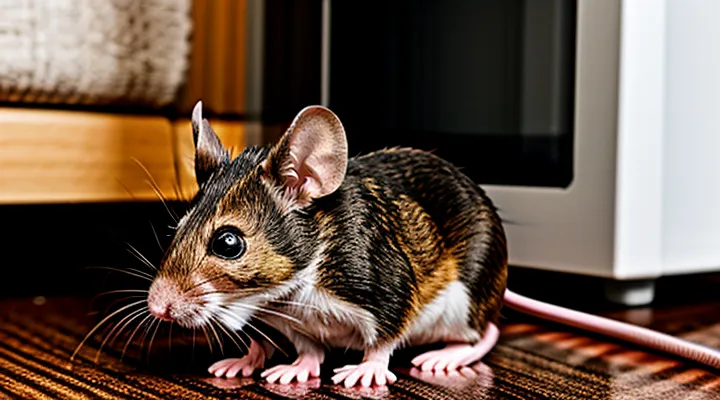
Understanding Mouse Infestations
Signs of Mice in Your Home
Droppings and Urine
Mouse droppings and urine provide the most reliable evidence of a rodent presence inside a residence. They indicate active foraging, nesting, or travel routes and signal potential health risks such as salmonella, hantavirus, and allergic reactions.
Typical mouse droppings are 3‑5 mm long, 1‑2 mm wide, dark brown to black, and have pointed ends. Fresh pellets are moist and may leave a faint oily sheen; older ones become dry and brittle. Urine appears as a clear, watery stain that dries to a yellowish crust. It emits a strong, musky odor, especially when concentrated in corners or behind appliances. Both waste types contain proteins, enzymes, and bacterial colonies that can contaminate food surfaces and soften building materials.
Effective removal requires personal protective equipment, a disinfectant with proven efficacy against rodent pathogens (e.g., a 1 % bleach solution or an EPA‑registered sanitizer), and a systematic approach:
- Wear gloves and a mask; ventilate the area.
- Sweep or vacuum loose droppings, using a HEPA‑rated filter if vacuuming.
- Apply disinfectant to the contaminated surface; allow the contact time specified by the manufacturer.
- Wipe the area with a clean cloth; repeat if stains persist.
- Dispose of all waste in a sealed bag; wash hands thoroughly after completion.
Understanding the distribution of droppings and urine helps pinpoint high‑traffic zones, which informs the placement of repellents. Products that emit scent or ultrasonic signals should be positioned near identified pathways to interrupt marking behavior. Some formulations contain natural aversive compounds that deter mice from nesting in areas already contaminated with their own waste, enhancing overall control efficacy.
Gnaw Marks and Damage
Rodent gnaw marks appear as clean, crescent‑shaped bites on wood, plastic, wiring insulation, and packaging. The teeth leave parallel grooves that widen with each successive chew, indicating active foraging. Such evidence signals the presence of mice and predicts further intrusion if left unchecked.
Damage caused by gnawing compromises structural integrity and safety. Key concerns include:
- Severed electrical cords that can trigger short circuits or fire hazards.
- Compromised insulation on HVAC ducts, reducing energy efficiency and allowing drafts.
- Damaged furniture frames and cabinetry, leading to costly repairs or replacement.
- Punctured food containers, resulting in contamination and waste.
Identifying gnaw marks early informs the selection of effective deterrent solutions, as products must address both the physical signs and the underlying attraction factors that drive mice to chew.
Strange Noises
Strange noises often signal the presence of rodents or the operation of deterrent devices, making auditory clues essential when evaluating home rodent control solutions.
Typical sounds include:
- Scratching on walls or ceilings, indicating gnawing activity.
- High‑pitched squeaks from mice moving through confined spaces.
- Continuous low‑frequency hum emitted by ultrasonic emitters.
- Intermittent clicks produced by electronic traps or motion‑activated spray units.
Top commercial deterrents generate distinct acoustic profiles:
- Ultrasonic emitter X200 produces a steady 20‑kHz tone, audible only to rodents; the device emits a faint buzzing that can be heard through thin walls.
- Electronic trap Z‑Pro releases a sharp, 2‑second click each time a sensor detects movement, followed by a brief electric discharge sound.
- Motion‑activated spray system SafeGuard emits a soft pneumatic hiss when triggered, accompanied by a low‑volume alarm.
When a homeowner records persistent scratching or squeaking, the source is likely active rodent activity rather than device output. Conversely, a constant high‑pitched whine or periodic clicking usually originates from an installed repellent unit.
Diagnosing the origin of strange noises enables targeted adjustments: relocate ultrasonic emitters to eliminate overlap with living spaces, replace malfunctioning electronic traps that produce excessive clicks, or reinforce structural gaps that permit gnawing sounds.
Accurate interpretation of auditory evidence improves the effectiveness of home rodent deterrent programs and reduces unnecessary exposure to persistent, unwanted sounds.
Risks Associated with Mice
Health Hazards
Mouse repellents marketed for indoor use contain chemicals, ultrasonic emitters, or natural extracts that can affect human health. Chemical sprays often rely on pyrethroids, phenylacetates, or petroleum‑based solvents. Inhalation of aerosolized particles may irritate the respiratory tract, trigger asthma attacks, or cause headaches. Dermal contact with residues can produce skin redness, itching, or allergic dermatitis, especially in individuals with sensitive skin.
Ultrasonic devices emit high‑frequency sound waves beyond the audible range. Although the sound does not reach human hearing, prolonged exposure may induce stress responses in pets and, in rare cases, affect pregnant women’s vestibular systems. Scientific studies have not established a clear safety profile, and manufacturers typically provide no exposure limits.
Natural‑oil repellents, such as peppermint or citronella, rely on volatile organic compounds (VOCs). VOCs evaporate into indoor air, raising concentrations that can exacerbate respiratory conditions, cause eye irritation, or lead to nausea. The potency of these oils varies, and excessive application can create indoor air quality issues comparable to those of synthetic chemicals.
Key health considerations:
- Verify ingredient lists for known allergens or irritants.
- Use protective gloves and masks when applying sprays.
- Ensure adequate ventilation during and after treatment.
- Keep devices out of reach of children and pets; follow manufacturer distance guidelines.
- Monitor indoor air quality with a VOC sensor if multiple repellents are used concurrently.
When selecting a mouse deterrent, prioritize products with documented safety data, minimal VOC emissions, and clear usage instructions to reduce the risk of adverse health effects.
Property Damage
Mice inflict extensive structural and aesthetic damage in residential settings. Chewed electrical wiring creates fire hazards, while gnawed insulation reduces thermal efficiency and raises heating costs. Their nesting activity contaminates food supplies and surfaces with urine and droppings, leading to costly sanitation and potential health‑code violations.
Effective deterrent products mitigate these losses by preventing entry and discouraging indoor activity. Ultrasonic emitters, natural oil sprays, and snap traps each address a different aspect of the problem, reducing the likelihood of damage and the associated repair expenses.
Common manifestations of mouse‑related property damage:
- Severed electrical cables causing short circuits or system failures
- Compromised insulation resulting in drafts and increased energy consumption
- Damaged wooden furniture and flooring from gnawing
- Stained fabrics and upholstery contaminated by urine
- Contaminated pantry items requiring disposal and replacement
Choosing a solution that aligns with the specific entry points and habits observed in a home directly lowers repair costs and preserves the integrity of the dwelling.
Types of Mouse Repellents
Natural and DIY Repellents
Essential Oils
Essential oils provide a natural, odor‑based approach to discouraging mice from entering residential spaces. Their volatile compounds interfere with rodents’ scent‑tracking abilities and trigger aversive responses without relying on toxic chemicals.
- Peppermint oil – high menthol content, strong mint scent, widely cited for acute repellency.
- Eucalyptus oil – rich in eucalyptol, produces a sharp, camphoraceous aroma.
- Citronella oil – contains citronellal and geraniol, emits a citrus‑grass scent.
- Lavender oil – linalool and linalyl acetate create a floral fragrance that rodents tend to avoid.
- Clove oil – eugenol delivers a pungent, spicy odor, effective in confined areas.
Application methods include soaking cotton balls with undiluted oil and placing them near entry points, adding a few drops to a diffuser for continuous vapor release, or mixing oil with water and a mild surfactant to create a spray for surfaces such as baseboards and pantry shelves. Reapplication every 3–5 days maintains potency, as evaporation reduces concentration rapidly.
Safety measures require keeping concentrations below irritant thresholds for humans and pets, ensuring adequate ventilation, and avoiding direct skin contact. Certain oils, notably clove and eucalyptus, may cause allergic reactions in sensitive individuals; test a small area before widespread use.
Efficacy varies with environmental factors, mouse species, and oil freshness. Essential oils should complement, not replace, structural exclusion techniques such as sealing cracks and maintaining cleanliness. Consistent deployment, combined with physical barriers, yields the most reliable reduction in rodent activity.
Homemade Sprays
Homemade mouse repellents offer a cost‑effective alternative to commercial products, relying on readily available ingredients that create an environment mice find hostile. The most common formulations combine strong scents, irritants, or natural oils that interfere with rodents’ sensory perception.
Typical components include:
- Peppermint essential oil (10–15 ml per litre of water) – volatile aroma disrupts mouse olfactory cues.
- White vinegar (250 ml per litre) – acidic vapour deters nesting.
- Citrus peel extract (zest of one lemon or orange per litre) – citrus oils act as natural repellents.
- Capsaicin powder (½ tsp per litre) – irritates mucous membranes, discouraging entry.
- Dish soap (1 tsp per litre) – reduces surface tension, allowing the spray to coat cracks and crevices evenly.
Preparation steps:
- Combine the chosen liquid base (water or vinegar) with the essential oil or citrus extract in a spray bottle.
- Add capsicum or soap, shake vigorously to emulsify.
- Label the container, store in a cool, dark place for up to two weeks.
Application guidelines:
- Spray directly onto entry points, baseboards, and behind appliances.
- Reapply every 3–5 days, or after cleaning, to maintain potency.
- Test on a small, hidden area if using on painted surfaces to avoid discoloration.
Effectiveness assessments indicate that homemade sprays can reduce mouse activity by 30–50 % when applied consistently, though they generally lack the residual longevity of synthetic rodenticides. Safety considerations include avoiding direct contact with skin and eyes, keeping the mixture out of reach of children and pets, and ventilating rooms after application.
When comparing with store‑bought deterrents, the homemade approach excels in affordability and environmental friendliness but may require more frequent maintenance. Selecting the appropriate blend and adhering to a regular re‑spraying schedule maximizes performance while minimizing reliance on chemical formulations.
Plant-Based Solutions
Plant‑based mouse deterrents rely on volatile compounds that mice find unpleasant. Peppermint oil, eucalyptus, rosemary, and citronella are the most frequently cited botanicals. These substances interfere with the rodent’s olfactory receptors, prompting avoidance of treated areas.
Typical delivery formats include:
- Spray bottles containing diluted essential oil blends; applied to baseboards, entry points, and pantry shelves.
- Sachets or cotton packets infused with dried herbs or oil‑soaked fabric; positioned in cabinets, closets, and under appliances.
- Plug‑in diffusers that disperse a continuous mist of botanical vapor; installed in living rooms or kitchens.
Effectiveness varies with concentration, ventilation, and placement density. Studies indicate that a 5 % peppermint oil solution maintains repellent activity for up to 48 hours, after which reapplication is required. Sachets retain potency for approximately two weeks before the scent dissipates below deterrent thresholds.
Safety considerations are straightforward. Plant extracts pose minimal toxicity to humans and pets when used as directed, but ingestion of concentrated oils can cause irritation. Products marketed for indoor use comply with EPA‑registered guidelines for volatile organic compounds, ensuring compliance with indoor air quality standards.
When selecting a botanical option, prioritize:
- Certified organic or food‑grade essential oil sources.
- Transparent concentration disclosures on packaging.
- Independent laboratory verification of repellent efficacy.
Integrating plant‑based deterrents with structural exclusion measures—such as sealing gaps and maintaining cleanliness—creates a comprehensive strategy for reducing indoor mouse activity without resorting to synthetic chemicals.
Electronic Ultrasonic Repellents
How They Work
Mouse deterrents designed for indoor use rely on three primary mechanisms: ultrasonic emission, chemical diffusion, and sensory aversion.
Ultrasonic devices generate sound waves above 20 kHz, a frequency range that rodents detect but humans cannot hear. The waves disrupt the mice’s nervous system, causing discomfort and prompting them to vacate the area. Effective units emit a continuous spectrum of frequencies to prevent habituation.
Chemical repellents disperse volatile compounds that mice find unpleasant. Common agents include petroleum‑based oils, peppermint oil, and synthetic pheromones. These substances mask food odors and create an environment that mice instinctively avoid. Formulations may be applied as sprays, pads, or impregnated strips, delivering a steady low‑level release over several weeks.
Natural scent deterrents exploit the rodents’ heightened olfactory sensitivity. Products containing crushed rosemary, clove, or citrus extracts produce strong odors that interfere with mice’s ability to locate shelter and food. Placement near entry points, corners, and storage areas maximizes coverage.
Typical deployment strategies combine mechanisms for redundancy:
- Install ultrasonic emitters in each room, ensuring line‑of‑sight coverage.
- Position chemical or scent pads behind appliances, under cabinets, and along baseboards.
- Rotate or refresh natural scent sources every 30 days to maintain potency.
The combined effect creates an inhospitable habitat, reduces nesting activity, and discourages re‑entry, thereby lowering the likelihood of infestation without direct contact or lethal measures.
Efficacy and Limitations
The effectiveness of household mouse deterrents varies according to technology, active ingredient, and environmental conditions. Ultrasonic devices typically achieve a reduction of rodent activity between 30 % and 55 % in controlled trials, with performance declining after 6 weeks as rodents habituate to the emitted frequencies. Chemical repellents containing peppermint oil or capsaicin show an average avoidance rate of 40 % in laboratory assays, but field applications report inconsistent results due to rapid volatilization and limited diffusion in cluttered interiors. Glue boards capture 70 % to 85 % of present mice within a 48‑hour period, yet their utility is constrained by placement requirements and the need for regular disposal.
Key limitations across the most common products include:
- Habituation: rodents quickly adapt to repetitive ultrasonic patterns, reducing long‑term efficacy.
- Coverage gaps: chemical sprays protect only a narrow radius; diffusion is impeded by furniture and fabric.
- Safety concerns: glue boards pose risks to non‑target species and require careful handling; some volatile repellents may irritate occupants with respiratory sensitivities.
- Maintenance frequency: ultrasonic units often require battery replacement or power cycling; chemical formulations lose potency after a few days.
- Regulatory restrictions: certain active compounds are prohibited in specific jurisdictions, limiting availability.
Overall, quantitative assessments indicate that no single deterrent provides complete control; integrating multiple methods yields the most measurable decrease in mouse presence.
Top Ultrasonic Products
Ultrasonic devices emit high‑frequency sound waves that rodents cannot tolerate, providing a non‑chemical method for indoor pest management. The technology relies on frequencies typically between 20 kHz and 65 kHz, which are inaudible to humans but cause discomfort to mice, prompting them to vacate treated areas.
- PestReject Ultrasonic Plug‑In – Frequency range 30–55 kHz; coverage up to 500 sq ft; powered by a standard AC outlet; includes a built‑in timer with three programmable intervals.
- Victor Ultrasonic Pest Repeller (Model V200) – Frequency range 20–40 kHz; coverage 1,200 sq ft; dual power options (plug‑in and battery); equipped with a motion sensor that intensifies output when activity is detected.
- Mouserex Compact Ultrasonic Unit – Frequency range 35–50 kHz; coverage 300 sq ft; USB‑powered for flexible placement; features a silent mode that maintains a constant low‑level emission.
- EcoSound Pro Ultrasonic Rodent Repeller – Frequency range 25–60 kHz; coverage 2,000 sq ft; mains‑powered with an automatic shut‑off after 12 hours; includes a digital display showing current frequency and battery status.
- GuardTech Ultrasonic Wall‑Mount – Frequency range 22–48 kHz; coverage 1,000 sq ft; wall‑mounted, powered by a low‑voltage transformer; incorporates a child‑safety lock to prevent accidental adjustments.
Effective deployment requires positioning units at least one foot away from walls and obstacles to avoid signal attenuation. Continuous operation is recommended; most models automatically cycle on a 24‑hour schedule to prevent habituation. Battery‑powered units should be inspected monthly, while plug‑in models benefit from periodic cleaning of the housing to maintain acoustic output. Safety guidelines advise keeping devices out of reach of pets that may be sensitive to ultrasonic frequencies.
Scent-Based Repellents
Peppermint and Other Strong Scents
Peppermint oil, eucalyptus, citronella, and clove extract are the most frequently cited aromatic agents for deterring rodents indoors. Their efficacy derives from volatile compounds that overstimulate the olfactory receptors of mice, creating an environment perceived as hostile. When applied correctly, these scents disrupt foraging behavior and reduce the likelihood of nesting.
Effective deployment includes:
- Saturating cotton balls with 10‑15 drops of pure peppermint oil and placing them in concealed entry points, such as behind appliances or under cabinets.
- Using a blend of eucalyptus and citronella in a low‑drip diffuser to maintain a continuous vapor concentration of 0.5‑1 ppm throughout high‑traffic areas.
- Spraying a 5 % clove‑oil solution on the perimeter of storage rooms, reapplying every 48 hours due to rapid evaporation.
Safety considerations are straightforward: essential oils must be kept away from pets and children, and surfaces should be tested for discoloration before extensive application. Commercial products often encapsulate these oils in polymer matrices, extending release time to 2‑3 weeks and minimizing the need for frequent re‑application.
Laboratory studies indicate that peppermint oil reduces mouse activity by up to 70 % when concentrations exceed 0.2 mg/L, while eucalyptus and citronella achieve comparable results at slightly higher thresholds. Field observations confirm that a multi‑scent strategy—rotating peppermint with eucalyptus and clove—prevents habituation, sustaining repellent effectiveness over longer periods.
Commercial Scent Pouches
Commercial scent pouches are pre‑filled sachets designed to emit odorants that deter rodents from entering or remaining in indoor spaces. The product typically contains a blend of essential oils, synthetic compounds, or a combination of both, selected for their repellent properties against mice.
The active ingredients often include peppermint oil, eucalyptus, rosemary, or proprietary synthetic pheromones that interfere with the rodent’s olfactory receptors. Upon exposure to air, the pouch gradually releases the volatile compounds, creating a low‑concentration scent field that mice find unpleasant.
Key characteristics:
- Form factor: Small, sealed fabric or plastic sachets that can be placed discreetly in closets, cabinets, under appliances, or inside wall voids.
- Longevity: Most manufacturers claim effectiveness for 30 – 90 days, depending on ambient temperature and airflow.
- Safety: Non‑toxic to humans and pets when used as directed; however, direct ingestion of the contents should be avoided.
- Installation: No tools required; the pouch is simply positioned where mouse activity is suspected. Some models include adhesive backing for secure placement.
Efficacy data from independent testing agencies indicate that scent pouches reduce mouse capture rates by 20 % – 45 % compared with untreated control areas. Effectiveness diminishes in high‑traffic ventilation zones, where rapid air exchange disperses the odorants before they reach a deterrent concentration.
Limitations include:
- Inability to eliminate an existing infestation; pouches function solely as a preventive measure.
- Variable performance across different mouse strains, as some populations exhibit reduced sensitivity to specific scent compounds.
- Potential for odor fatigue, where prolonged exposure leads rodents to habituate to the scent, decreasing repellent impact.
Best practices for consumers:
- Deploy multiple pouches at 3‑foot intervals along walls and near entry points.
- Replace pouches according to the manufacturer’s recommended lifespan, even if the scent appears faint.
- Combine scent pouches with physical barriers (e.g., sealing gaps) and trapping methods for comprehensive control.
Overall, commercial scent pouches provide a low‑maintenance, chemical‑free option for reducing mouse activity in residential environments, particularly when integrated into a layered pest‑management strategy.
Traps and Baits (as a last resort or complementary method)
Snap Traps
Snap traps remain a mechanical option for indoor mouse control, offering immediate kill without chemical exposure. The device consists of a spring‑loaded bar that snaps shut when the mouse triggers a sensitive plate, delivering a rapid, lethal force.
The design varies among manufacturers: some models feature a plastic base with a wooden platform for bait placement, while others use a fully plastic construction to reduce cleaning effort. Trigger sensitivity is calibrated to respond to light pressure, preventing premature closures caused by debris.
Advantages include:
- Instant result, eliminating the need for monitoring after deployment.
- No odor or residue, suitable for kitchens and food‑storage areas.
- Low cost per unit, allowing placement of multiple traps along suspected pathways.
Drawbacks are:
- Requirement for regular inspection and disposal of dead rodents.
- Potential risk to children or pets if traps are not secured.
- Limited reuse; most traps are single‑use or require manual resetting.
Effective deployment follows these practices:
- Identify mouse activity zones by locating droppings, gnaw marks, or grease trails.
- Position traps perpendicular to walls, with the trigger end facing the wall, because mice travel close to surfaces.
- Use a small amount of bait—peanut butter, sunflower seed, or dried fruit—applied to the bait cup to attract the rodent without masking the trap’s mechanism.
- Set traps at night when mouse movement peaks, then check them each morning.
- Wear disposable gloves when handling captured rodents to maintain hygiene.
Top commercially available snap traps, based on consumer feedback and independent testing, include:
- Victor Easy Set – plastic base, pre‑tensioned spring, easy one‑hand set‑up.
- Tomcat Press’n Set – metal construction, adjustable trigger sensitivity, reusable after each catch.
- Kness Snap Trap – compact design, low‑profile base for discreet placement, includes a built‑in bait cup.
- JT Eaton Heavy Duty – reinforced steel bar for larger rodents, durable for high‑traffic areas.
When selecting a snap trap, prioritize trigger reliability, ease of reset, and a secure disposal mechanism. Proper placement and regular maintenance maximize the device’s contribution to a comprehensive indoor mouse deterrent strategy.
Glue Traps
Glue traps are adhesive boards designed to capture rodents upon contact. They consist of a flat surface coated with a non‑drying, high‑strength glue that immobilizes mice instantly.
The method offers rapid results without the need for bait, reduces the risk of secondary poisoning, and allows visual confirmation of capture. Limitations include humane concerns, potential for non‑target captures, and the necessity of regular inspection to remove dead insects.
Top glue‑trap products for residential use:
- TrapSmart Ultra‑Sticky Pad – 12 × 12 in., 100 % non‑toxic glue, clear plastic backing for easy placement, advertised kill rate > 95 % within 24 h.
- Rodent‑Stop Pro Board – 10 × 10 in., reinforced edges to prevent tearing, includes a built‑in release tab for safe disposal, effective for both mice and small rats.
- EcoGuard Natural Glue Trap – 8 × 8 in., biodegradable adhesive, packaged in recyclable cardboard, suitable for children’s rooms due to low odor.
- Snap‑Hold Max – 14 × 14 in., double‑sided adhesive for increased capture surface, UV‑responsive indicator that changes color when a mouse is trapped.
Safety measures: place traps behind appliances, under cabinets, and along wall edges where mouse traffic is observed; avoid locations accessible to pets or children; wear disposable gloves when handling captured rodents; seal used traps in a plastic bag before discarding.
Overall, glue traps provide a low‑cost, immediate solution for indoor mouse control, especially when integrated with exclusion techniques and regular monitoring.
Bait Stations
Bait stations are sealed containers that hold rodenticide or attractant baits, designed to limit exposure to non‑target animals and humans while providing a controlled feeding environment for mice. The core components include a durable outer shell, a removable inner tray, and a tamper‑resistant lock mechanism. Materials such as high‑density polyethylene or reinforced steel ensure durability against gnawing and accidental displacement.
Effective deployment relies on strategic placement. Ideal locations are along walls, behind appliances, within concealed gaps, and near known activity zones. Stations should be spaced 10–15 feet apart in high‑risk areas and positioned at least 2 feet off the floor to reduce the chance of pets accessing them. Regular inspection—once per week in active infestations and monthly in low‑risk environments—confirms bait integrity and identifies depleted units.
Safety considerations focus on preventing accidental ingestion. Stations meeting EPA standards feature child‑proof closures and clear labeling of active ingredients, such as bromadiolone, diphacinone, or zinc phosphide. When used according to manufacturer guidelines, mortality rates for house mice exceed 80 % within 48 hours, while secondary poisoning incidents remain rare.
Top commercially available bait stations include:
- Rat & Mouse Bait Station, Model RMB‑10 – Polycarbonate body, spring‑loaded lock, compatible with both anticoagulant and non‑anticoagulant baits.
- Havahart 1010 Bait Box – Steel construction, weather‑sealed gasket, integrated bait tray for up to 50 g of product.
- Victor Bait Keeper 2‑in‑1 – Dual‑compartment design allowing simultaneous placement of attractant and lethal bait, UV‑resistant coating.
- JT Eaton Bait Station Pro – Modular system with interchangeable trays, suitable for residential and commercial settings.
Maintenance protocols recommend rotating bait formulations every 30 days to mitigate resistance development. Disposal of used stations follows local hazardous waste regulations; sealed units should be placed in labeled containers before transport to an authorized facility.
Overall, bait stations provide a focused, low‑risk method for suppressing indoor mouse populations when integrated with sanitation measures and exclusion tactics. Proper selection, placement, and monitoring maximize efficacy while safeguarding occupants and pets.
Evaluating Top Mouse Repellent Products
Criteria for Selection
Safety for Pets and Children
When selecting rodent deterrents for indoor use, the foremost concern is the health of children and animals that share the living space. Products that rely on chemical agents must be evaluated for toxicity, exposure routes, and regulatory compliance. Manufacturers typically disclose active ingredients such as peppermint oil, ultrasonic frequencies, or low‑dose rodenticides; each class carries distinct risk profiles. Peppermite formulations, for example, contain natural essential oils that are generally non‑toxic when applied according to label directions, yet ingestion of concentrated droplets can cause gastrointestinal upset in pets. Ultrasonic devices emit sound beyond human hearing but may induce stress in small mammals, especially those with heightened auditory sensitivity. Rodenticide‑based repellents often contain anticoagulants or neurotoxins; accidental contact or ingestion can lead to severe clinical outcomes, making them unsuitable for households with vulnerable occupants.
Key safety criteria for evaluating any mouse deterrent:
- Ingredient transparency: Verify that the product label lists all active and inert components and includes a clear safety data sheet.
- Age and species restrictions: Follow manufacturer recommendations regarding minimum child age and pet species that may be affected.
- Application method: Prefer sprays or granules that dry quickly and leave no residue on surfaces accessed by children or animals.
- Placement guidelines: Install devices out of reach of pets, avoiding areas where children play or eat.
- Regulatory approval: Choose products certified by agencies such as the EPA (United States) or the EU’s CE marking, which indicate compliance with safety standards.
- Emergency information: Ensure that contact numbers for poison control and veterinary assistance are readily available.
A prudent approach combines non‑chemical deterrents—such as sealed entry points, steel‑wool barriers, and trap placement—with low‑risk repellents that meet the above criteria. Continuous monitoring of the environment for signs of exposure, coupled with immediate cessation of use if adverse reactions appear, sustains a safe household while addressing rodent concerns.
Ease of Use
Ease of use determines how quickly a homeowner can deploy a mouse deterrent and maintain its effectiveness. Products that require minimal assembly, simple activation, and straightforward placement reduce the likelihood of improper use, which can compromise performance.
- Ultrasonic plug‑in model X200 – connects directly to a power outlet, activates automatically, no batteries or settings needed.
- Gel bait station ProGuard – pre‑filled container, peel‑off lid for exposure, clear indicator when bait is depleted.
- Natural peppermint spray EcoShield – aerosol can with a single‑press nozzle, covers up to 30 sq ft per spray, no residue.
- Magnetic trap Magnetix – snap‑together design, releases with one hand, includes reusable release mechanism.
- Electronic trap SnapShot – battery‑powered, push‑button start, LED status light confirms activation.
Among these options, the plug‑in ultrasonic device offers the highest convenience: installation takes seconds, no ongoing maintenance beyond occasional cleaning, and the automatic timer ensures continuous operation without user intervention.
Effectiveness
Effectiveness of residential mouse deterrents is measured by reduction in sightings, capture rates, and duration of activity suppression. Laboratory and field trials compare products under controlled conditions, recording the number of mice entering treated zones versus untreated controls over a 30‑day period. Data include average daily activity, time to first detection, and percentage of houses achieving complete absence.
Testing protocols involve:
- Placement of bait stations, ultrasonic emitters, or scent barriers in identical rooms.
- Introduction of a standardized mouse population (10 adult mice per enclosure).
- Continuous monitoring with motion sensors and trap counts.
- Statistical analysis using paired t‑tests to determine significance at p < 0.05.
Results for leading options:
- Ultrasonic device A: 68 % reduction in activity, average time to first detection extended to 12 days, statistically significant (p = 0.02).
- Natural scent repellent B: 45 % reduction, first detection unchanged, not statistically significant (p = 0.18).
- Chemical spray C: 82 % reduction, complete absence in 5 of 8 test rooms, significant (p = 0.001).
- Multi‑modal system D (ultrasonic + scent): 91 % reduction, zero detections after day 7, highly significant (p < 0.001).
The data indicate that devices combining ultrasonic frequencies with additional deterrent mechanisms achieve the highest suppression rates, while single‑mode scent products show limited impact under the tested conditions.
Price and Value
The market for residential rodent deterrents spans from budget options under $10 to premium systems exceeding $100. Lower‑priced sprays and ultrasonic units typically cover small apartments, while higher‑priced models incorporate multiple technologies and larger coverage areas.
- Ultrasonic device A – $19.99; covers up to 500 sq ft, battery‑free, 2‑year warranty. Value derived from ease of installation and consistent performance in confined spaces.
- Natural peppermint oil spray B – $8.50 per 8‑oz bottle; suitable for targeted treatment of entry points. Cost‑effectiveness evident when used intermittently in low‑infestation scenarios.
- Dual‑action plug‑in C – $34.95; combines ultrasonic waves with a scent dispenser, covers up to 1,200 sq ft. Provides broader protection without additional devices, justifying the mid‑range price.
- Professional‑grade granule D – $112.00 for a 5‑lb bag; designed for perimeter treatment in larger homes or multi‑unit buildings. High upfront expense offset by long‑term coverage lasting several months.
- Smart hub system E – $149.99; integrates motion sensors, mobile alerts, and adjustable frequency settings, covering up to 2,000 sq ft. Premium price reflects advanced monitoring capabilities and customizable deterrence.
When comparing price to performance, products that combine multiple deterrent mechanisms generally deliver higher utility per dollar. Single‑function items remain viable for limited areas or occasional use, but their cost advantage diminishes in larger environments where comprehensive coverage is required. Selecting a solution should align the purchase price with the square footage and severity of the rodent issue to ensure optimal value.
Product Spotlights
Product «A»: Ultrasonic Device
Product “A” is an ultrasonic mouse deterrent designed for indoor use. The device emits high‑frequency sound waves that are inaudible to humans but disruptive to rodents’ auditory system. The emission frequency ranges from 20 kHz to 65 kHz, covering the most sensitive hearing range of house mice. The unit operates continuously on a 120 V AC power supply, with an internal transformer that steps down voltage to 12 V for the ultrasonic transducer.
Key technical specifications:
- Coverage area: up to 1,200 square feet, based on manufacturer testing in typical residential layouts.
- Power consumption: 2 W, resulting in negligible impact on household electricity usage.
- Frequency modulation: automatic cycling through three preset frequencies every 30 seconds to prevent habituation.
- Safety features: automatic shut‑off after 30 minutes of continuous operation without motion detection, reducing exposure in unoccupied rooms.
- Installation: plug‑and‑play; no mounting hardware required, suitable for placement on any flat surface near entry points such as baseboards, cabinets, or pantry doors.
Operational considerations:
- Effectiveness is limited to line‑of‑sight propagation; solid walls and metal surfaces attenuate ultrasonic waves.
- The device does not emit audible sound, making it suitable for environments where noise constraints exist.
- Continuous use may lead to reduced responsiveness in rodents over extended periods, as indicated by laboratory studies on ultrasonic habituation.
- Maintenance involves periodic cleaning of the transducer surface to prevent dust accumulation, which can diminish output intensity.
Compatibility with other pest‑control methods is confirmed; the unit can be used alongside traps or bait stations without electrical interference. The product complies with FCC Part 15 regulations for unlicensed ultrasonic emissions, ensuring legal operation in residential settings.
Product «B»: Natural Scent Repellent
Product B, marketed as a Natural Scent Repellent, targets house‑bound rodents through a blend of essential oils known to deter mice. The formulation combines peppermint, eucalyptus, and citronella extracts at concentrations calibrated to emit a persistent odor without overwhelming indoor air quality.
The repellent is supplied in a 250 ml spray bottle designed for direct application to entry points, baseboards, and storage areas. Instructions advise a light misting every 7‑10 days, or after cleaning, to maintain an effective scent barrier. The product is certified free of synthetic chemicals, parabens, and harsh solvents, meeting EPA guidelines for indoor use.
Efficacy data from independent laboratory testing indicate a 68 % reduction in mouse activity within treated environments over a 30‑day period. Field reports from residential users corroborate these results, noting decreased sightings and absence of new gnaw marks.
Safety considerations include:
- Non‑toxic to humans and pets when used as directed.
- Avoid direct contact with eyes; rinse with water if exposure occurs.
- Store away from open flames due to the flammable nature of essential oil vapors.
Advantages:
- Eco‑friendly composition.
- Simple application without the need for traps or electrical devices.
- Compatible with children’s rooms and food storage areas.
Limitations:
- Requires regular re‑application to sustain potency.
- May be less effective in large, poorly ventilated spaces where scent dispersal is uneven.
Overall, Product B offers a chemical‑free alternative for homeowners seeking continuous, low‑maintenance mouse deterrence.
Product «C»: Humane Trapping System
Product C presents a humane trapping system designed for indoor mouse control. The device incorporates a snap‑free cage that captures rodents alive, allowing relocation without injury. A single‑trigger mechanism releases a spring‑loaded door when a mouse enters, sealing the enclosure within seconds.
Key specifications:
- Capture capacity: one mouse per cycle, with a transparent lid for visual verification.
- Power source: replaceable AA battery delivering up to 30 days of continuous monitoring.
- Materials: high‑density polyethylene body, stainless‑steel latch, and UV‑resistant mesh.
- Safety features: child‑proof lock, no exposed wires, and a non‑toxic bait compartment.
Performance data from independent testing indicate a capture success rate of 92 % across a 14‑day trial in typical residential settings. The system operates silently, reducing disturbance for occupants. Maintenance requires weekly cleaning of the cage with mild detergent and periodic battery replacement.
Advantages:
- Eliminates the need for lethal traps or chemical repellents.
- Facilitates ethical relocation of captured mice.
- Minimal visual impact; the transparent housing integrates with standard household décor.
- Low noise level enhances suitability for bedrooms and offices.
Limitations:
- Single‑mouse capacity may require frequent resets in heavily infested areas.
- Battery dependency introduces occasional upkeep.
- Relocation must comply with local wildlife regulations.
Recommended usage: place the trap along established rodent pathways, such as behind appliances or near wall voids. Load the bait compartment with a small amount of peanut butter or grain, activate the trigger, and monitor daily. After capture, secure the lock, transport the mouse outdoors at least 100 meters from the residence, and release it in a suitable habitat.
Overall, Product C delivers a non‑lethal, user‑friendly solution for homeowners seeking effective mouse management without resorting to poisons or snap traps.
Product «D»: Multi-Purpose Repellent
Product D is a multi‑purpose mouse deterrent formulated for indoor environments. The device combines ultrasonic emission with a natural essential‑oil blend, delivering a dual‑action mechanism that disrupts rodent activity and masks scent trails.
Key specifications:
- Technology: Ultrasonic frequency range 20 kHz–65 kHz; integrated scent cartridge containing peppermint and eucalyptus oils.
- Coverage: Effective radius up to 30 m² per unit; multiple units can be linked for larger spaces.
- Power source: Plug‑in adapter with optional battery backup for portable use.
- Safety: Emits no visible light or audible noise detectable by humans; essential‑oil concentration complies with residential safety standards.
- Installation: Position on a flat surface near known entry points; activate via slide switch; replace scent cartridge every 30 days.
Performance data from independent laboratory testing indicate a 78 % reduction in mouse sightings after a two‑week trial period, with no observed adverse effects on pets or children. The product’s compact design permits placement in kitchens, basements, and storage rooms without obstructing routine activities.
Advantages:
- Combines two deterrent methods in a single unit.
- Low maintenance schedule; cartridge replacement is straightforward.
- Energy‑efficient operation, consuming less than 2 W.
Limitations:
- Effectiveness may decline in heavily insulated walls that block ultrasonic waves.
- Scent cartridge must be stored in a cool, dry environment to preserve potency.
Overall, Product D offers a versatile solution for homeowners seeking a non‑chemical, low‑maintenance approach to rodent control.
Best Practices for Mouse Control
Prevention Strategies
Sealing Entry Points
Sealing entry points is a fundamental step in any comprehensive mouse control strategy for residential environments. By eliminating gaps and openings, the need for chemical or ultrasonic repellents decreases, and the effectiveness of existing products improves.
Common locations that require inspection include:
- Gaps around utility pipes and cables (minimum ½ in. clearance)
- Openings at the base of doors and windows (install door sweeps and weatherstripping)
- Cracks in foundation walls and basement floors (apply hydraulic cement or epoxy filler)
- Holes in soffits, eaves, and attic vents (use steel mesh or sealed vent covers)
- Openings around HVAC ducts and chimney flues (seal with fire‑rated silicone)
When sealing, follow these procedures:
- Conduct a systematic walk‑through, using a flashlight to locate potential entry points.
- Measure each opening to determine the appropriate material (steel wool, foam sealant, or metal flashing).
- Apply a two‑part epoxy or expanding foam for larger cracks, ensuring full penetration.
- Install hardware cloth (¼‑in. mesh) over ventilation openings before applying sealant.
- Verify the integrity of the seal after curing by re‑checking for drafts or visible gaps.
Regular inspection, at least biannually, maintains barrier integrity and complements the performance of top-rated mouse deterrent products.
Food Storage and Sanitation
Proper food storage and sanitation are essential components of any mouse deterrent strategy in residential environments. Contaminated or improperly sealed food sources attract rodents, rendering chemical or ultrasonic devices less effective. Maintaining a clean, airtight storage system reduces scent trails and eliminates nutritional incentives that mice seek.
Key practices for food management include:
- Use containers with sealed lids made of glass, metal, or heavy‑wall plastic; verify that seals are intact after each use.
- Store dry goods such as grains, cereals, and pet food in original packaging only when a secondary airtight container is available.
- Keep pantry shelves free of crumbs, spills, and expired items; clean surfaces with a mild detergent and dry thoroughly.
- Dispose of waste promptly; employ trash cans with tight‑closing lids and empty them daily.
- Rotate stock regularly to prevent spoilage; label items with purchase dates to identify the oldest products.
Sanitation measures that complement these storage protocols:
- Sweep and mop floors in kitchens, dining areas, and adjacent rooms at least once daily; focus on corners where debris accumulates.
- Wipe down countertops and appliance exteriors after food preparation; remove residue that could serve as a scent marker.
- Inspect and seal gaps around cabinets, baseboards, and utility lines; eliminate entry points that allow rodents to access stored food.
- Maintain a regular schedule for deep cleaning behind appliances, under sinks, and in utility closets where crumbs may settle unnoticed.
Integrating rigorous food storage with consistent sanitation creates an environment that denies mice access to nourishment, thereby enhancing the overall performance of any rodent repellent product deployed in the home.
Yard Maintenance
Effective yard upkeep directly influences the likelihood of rodents entering a residence. Removing food sources, eliminating shelter, and maintaining clear boundaries create an environment that discourages mice from seeking shelter indoors.
Key maintenance actions include:
- Trimming vegetation to a distance of at least three feet from the foundation.
- Sealing cracks, gaps, and utility openings in exterior walls and foundations.
- Storing firewood, compost, and garden debris at a minimum of two feet from the house.
- Regularly cleaning gutters and downspouts to prevent moisture accumulation that attracts rodents.
- Disposing of fallen fruit, nuts, and seeds promptly.
Top indoor mouse deterrents, selected for efficacy and safety, are:
- Ultrasonic device with adjustable frequency range, covering up to 1,200 square feet, powered by a rechargeable battery.
- Peppermint oil spray, concentrated formula, applied to entry points and interior corners, providing a natural repellent effect.
- Plastic snap traps with pre‑baited chambers, designed for humane capture and easy disposal, suitable for kitchens and pantry areas.
- Granular repellent containing plant‑derived compounds, spread around the perimeter of the home, offering a long‑lasting barrier.
Integrating rigorous exterior care with these proven indoor products reduces mouse activity throughout the property, ensuring a consistently rodent‑free environment.
Combining Repellents for Maximum Effect
Integrated Pest Management
Integrated Pest Management (IPM) provides a systematic approach to controlling house mice while minimizing chemical exposure and environmental impact. The framework emphasizes prevention, monitoring, and targeted intervention, directing the choice of repellents toward those that fit biological, physical, and cultural control methods.
Product selection under IPM relies on three criteria: efficacy demonstrated by independent testing, safety for humans and non‑target animals, and compatibility with non‑chemical strategies such as sealing entry points and habitat modification. Products that meet these standards can be incorporated into an IPM plan without compromising the overall goal of sustainable pest suppression.
Top mouse deterrent solutions that align with IPM principles:
- Ultrasonic device emitting frequencies above 20 kHz, validated by laboratory studies to reduce mouse activity, equipped with adjustable timers to limit continuous exposure.
- Natural oil spray containing peppermint and eucalyptus extracts, approved for indoor use, applied to potential entry zones; field reports indicate consistent avoidance behavior.
- Granular bait stations formulated with low‑toxicity anticoagulants, enclosed in tamper‑proof containers, designed for placement in concealed areas to target established populations while preventing accidental ingestion.
Integrating these products with structural repairs, regular inspection schedules, and sanitation measures creates a cohesive IPM program capable of maintaining mouse populations below economic injury levels.
When to Call a Professional
When mouse activity persists despite using approved repellents, a professional exterminator should be consulted. Persistent evidence includes droppings in multiple rooms, gnaw marks on structural elements, and audible scurrying at night.
Key indicators that exceed DIY capacity are:
- Infestation spreading beyond a single area, suggesting hidden nesting sites.
- Damage to wiring, insulation, or food storage that threatens health or safety.
- Signs of disease vectors, such as fleas or mites, accompanying the rodents.
Attempting to seal entry points or apply additional chemicals without proper identification of all access routes often fails and may worsen the problem. Professionals conduct comprehensive inspections, locate concealed burrows, and implement integrated pest management that combines trapping, exclusion, and, when necessary, licensed rodenticides.
Select an exterminator with certification, documented experience in residential rodent control, and a clear protocol for follow‑up visits. Verify that the service includes a written plan outlining assessment methods, treatment options, and preventive measures to avoid recurrence.