
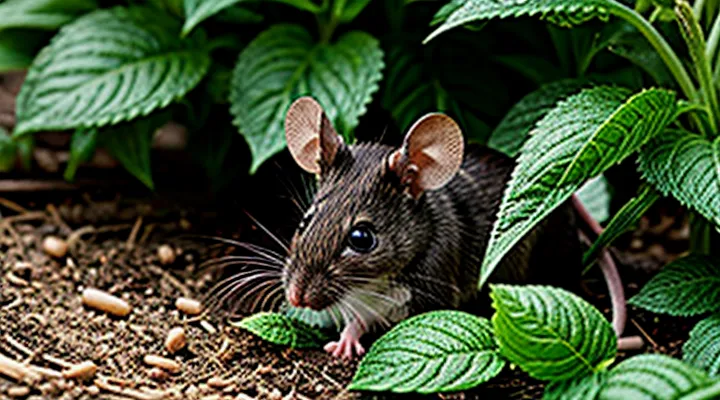
Understanding Mouse Behavior and Damage in Gardens
Why Mice are Attracted to Gardens
Food Sources
Mice are drawn to garden areas that provide easy access to nutrition. Identifying and eliminating these food sources is essential for any rodent‑deterrent strategy aimed at safeguarding vegetable and fruit production.
Common attractants include:
- Fallen fruit, berries, and over‑ripe vegetables left on the ground.
- Seeds and nuts scattered during planting or from wildlife activity.
- Pet food, birdseed, and feed spilled near garden borders.
- Compost piles that are not properly sealed or turned regularly.
- Starchy plant residues such as corn husks, potato skins, and grain stalks.
Effective control measures:
- Collect and remove fallen produce daily; store harvested items in sealed containers.
- Use row covers or netting to protect crops from seed loss and to block mouse entry.
- Position bird feeders and pet feeding stations away from vegetable beds; keep trays clean.
- Maintain compost with a tight‑fitting lid and turn material frequently to discourage nesting.
- Dispose of plant debris promptly; mulch with coarse, non‑edible material to reduce cover.
By systematically removing these nutritional incentives, gardeners create an environment where mice find little reason to invade cultivated plots, thereby enhancing the reliability of any repellant method employed.
Shelter and Nesting Sites
Mice choose garden structures that provide protection from predators and weather. Loose mulch, dense groundcover, woodpiles, and compost heaps create ideal shelter, allowing rodents to establish permanent nests close to food sources. Removing or modifying these habitats reduces the likelihood that mice will settle and reproduce among crops.
Practical steps to limit shelter and nesting sites:
- Keep mulch thin (no more than 2 inches) and turn it regularly to disrupt burrows.
- Store firewood off the ground, elevate on pallets, and maintain a clear perimeter of at least 3 feet.
- Compost in sealed containers; avoid open piles that retain moisture and organic debris.
- Trim low-growing vegetation and eliminate dense weeds that offer cover.
- Install hard‑scaping elements (gravel paths, stone borders) to create gaps unsuitable for burrowing.
Consistent implementation of these measures deprives mice of safe harborage, directly lowering population pressure on cultivated plants.
Signs of Mouse Infestation
Gnaw Marks
Gnaw marks are the most reliable visual indicator of mouse activity in a vegetable plot. Their presence confirms that rodents have accessed the growing area and are feeding on or damaging plants.
Typical gnaw marks exhibit clean, V‑shaped incisions on stems, roots, and seed pods. The cuts are uniform, with edges that show no crushing. Marks appear on tender tissue near the soil surface and often follow a consistent direction, reflecting the animal’s forward motion.
When gnaw marks occur on foliage or fruit, they create entry points for pathogens, reduce photosynthetic capacity, and lower marketable yield. Repeated feeding on root systems weakens plant anchorage, leading to wilting or death.
Effective response steps:
- Inspect plants daily for fresh V‑shaped cuts, especially at dawn when mice are most active.
- Record the location and severity of each mark to map activity hotspots.
- Remove and destroy damaged plant parts to prevent disease spread.
- Install physical barriers (hardware cloth, copper tape) around identified hotspots.
- Deploy proven deterrents—such as predator scent granules or ultrasonic devices—directly at sites with recent gnaw marks.
- Rotate crops and maintain clean soil to eliminate preferred feeding zones.
Integrating gnaw‑mark monitoring with established rodent‑deterrent practices enhances early detection, reduces crop loss, and supports a sustainable, low‑pesticide garden ecosystem.
Droppings
Rodent feces are a direct indicator of mouse activity in cultivated beds. Fresh droppings appear as small, dark pellets, typically 5–10 mm in length, with a tapered shape. Accumulation near seed rows or vegetable stems signals a breach in protective measures and requires immediate attention.
Presence of droppings introduces several hazards to plant health and human safety. Pathogens such as Salmonella, Hantavirus, and E. coli can survive in moist pellets for weeks, contaminating soil and harvested produce. Nutrient leaching from decomposing waste may alter pH levels, disrupting root absorption.
Effective management combines detection, removal, and deterrence:
- Inspect planting areas daily; focus on low‑lying foliage and mulch layers.
- Collect droppings with disposable gloves and seal in a biohazard bag; disinfect tools with a 10 % bleach solution.
- Apply a thin layer of diatomaceous earth or powdered cinnamon over affected zones to deter re‑infestation.
- Install physical barriers—hardware cloth or fine mesh—around seed trays to prevent entry.
- Rotate crops and clear debris regularly to eliminate shelter and food sources.
Monitoring droppings offers a practical metric for evaluating the success of rodent‑repellent strategies. A decline in pellet frequency over successive weeks confirms reduced mouse pressure, allowing growers to maintain crop integrity without excessive chemical intervention.
Damaged Plants and Produce
Mice cause direct injury to foliage, stems, and roots, creating entry points for pathogens and reducing photosynthetic capacity. Chewed leaves appear ragged, with irregular edges and missing sections; stems may show bite marks or hollowed sections, compromising structural integrity. Root systems suffer from gnawing, leading to stunted growth, wilting, and eventual plant death.
Produce loss follows the same pattern. Fruit and vegetables develop surface holes, tunnels, or soft spots where rodents have fed. In seed crops, gnawed kernels fail to germinate, diminishing yield. Contamination with mouse saliva introduces bacteria that accelerate spoilage, shortening storage life and increasing waste.
Effective rodent deterrent strategies reduce these losses. Key actions include:
- Installing physical barriers such as hardware cloth or fine mesh around beds and raised beds to prevent entry.
- Deploying scent‑based repellents (e.g., peppermint oil, predator urine) at regular intervals to create an unattractive environment.
- Maintaining a clean garden perimeter by removing debris, fallen fruit, and excess vegetation that provide shelter.
- Setting up mechanical traps in strategic locations, checking and resetting them daily to maintain pressure on the mouse population.
- Rotating crops and planting less palatable species temporarily to disrupt feeding patterns.
Implementing these measures lowers the incidence of chewing damage, preserves plant vigor, and protects marketable produce, resulting in measurable yield retention and reduced post‑harvest loss.
Prevention is Key: Non-Repellent Strategies
Garden Sanitation and Maintenance
Removing Debris and Hiding Spots
Mice exploit fallen leaves, twigs, and plant residues as concealed pathways and nesting sites. Removing these materials eliminates the shelter that encourages rodent activity and reduces the likelihood of crop damage.
- Collect and dispose of leaf litter, grass clippings, and spent plant stems at least weekly.
- Clear fallen fruit, nuts, and seed pods from the soil surface.
- Trim low‑lying branches that create dense cover near the ground.
- Remove piles of compost, mulch, or wood chips that are not actively used for planting.
- Store garden waste in sealed containers or transport it to a municipal composting facility.
Regular inspection of beds, borders, and pathways helps identify hidden debris before mice can establish a foothold. Conduct a visual sweep after each rainstorm or heavy wind event, when displaced material is most common. Record problem areas and prioritize them for immediate cleanup.
Ground cover choices influence debris retention. Use coarse, well‑draining mulch such as straw or shredded bark, applying a thin layer (2–3 inches) that discourages nesting while allowing easy removal of accumulated material. Avoid thick, moist organic layers that provide both food and shelter.
By maintaining a tidy garden environment, the primary attraction for rodents is removed, allowing other deterrent methods—such as scent barriers or physical traps—to operate more effectively.
Proper Composting Techniques
Proper compost management reduces food sources that attract rodents, thereby supporting garden mouse deterrent strategies while preserving crop health.
Effective composting requires strict control of material composition, moisture, temperature, and aeration.
- Use only plant residues, kitchen scraps without meat, dairy, or oily foods.
- Maintain a carbon‑to‑nitrogen ratio near 30:1 by balancing dry leaves, straw, or shredded paper with fresh greens.
- Keep moisture at 50–60 %; add water to dry piles, incorporate dry material to wet ones.
- Turn the pile every 5–7 days to introduce oxygen, raise temperature above 55 °C, and accelerate pathogen destruction.
- Cover the pile with a breathable tarp to protect from rain and deter pests while allowing airflow.
Consistent temperature spikes eliminate mouse larvae and reduce odors that draw adult mice. Rapid decomposition shortens the time food remains available, limiting rodent foraging near crops. By following these practices, gardeners create a hostile environment for mice without relying on chemical repellents, enhancing overall crop protection.
Securing Food Sources
Securing food sources in a garden requires eliminating the attractions and access points that invite mice to feed on crops. The strategy combines habitat alteration, physical exclusion, chemical deterrence, and active removal.
- Install tight‑fitting wire mesh or hardware cloth around raised beds, seed trays, and storage containers; mesh size must be no larger than ¼ inch to prevent entry.
- Apply a perimeter of coarse mulch or sharp-edged stones; these surfaces discourage burrowing and make movement uncomfortable for rodents.
- Maintain a clean garden floor by removing fallen fruit, seed spillage, and plant debris; regular cleanup deprives mice of readily available nourishment.
- Use proven botanical repellents such as dried peppermint oil, crushed garlic, or powdered cayenne applied to soil edges and plant bases; these substances create an olfactory barrier that mice avoid.
- Deploy snap traps or electronic kill devices in high‑activity zones; position traps along established runways and check them daily to ensure effectiveness.
- Rotate crops annually and avoid planting highly palatable species, such as beans or corn, in the same location for consecutive seasons; rotation disrupts foraging patterns and reduces population buildup.
Integrating these measures creates a multilayered defense that protects crops without relying on a single technique. Consistent implementation and periodic assessment of mouse activity sustain the integrity of the garden’s food supply.
Physical Barriers
Fencing and Netting
Physical barriers provide reliable protection against garden rodents. Sturdy fences prevent mice from entering cultivated areas, while fine mesh nets block access to individual plants and seed trays.
- Fence material: galvanized steel, welded wire, or PVC-coated wire; durability exceeds ten years under typical weather conditions.
- Mesh size: openings no larger than 1 cm (0.4 in) effectively exclude adult mice; smaller apertures increase security for seedlings.
- Installation depth: bury the lower edge 20–30 cm (8–12 in) underground and curve it outward to deter burrowing.
- Tension: maintain consistent tautness to avoid sagging, which creates entry points.
- Maintenance: inspect quarterly for rust, breakage, or vegetation growth that could compromise integrity.
Netting serves as a supplemental layer for high‑value crops. Use UV‑stabilized polyethylene or nylon netting with a 0.5 cm (0.2 in) mesh. Secure edges to the ground with staples or soil anchors, and overlap sections by at least 10 cm (4 in) to eliminate gaps. Replace netting after severe weather or when tears appear, as compromised sections rapidly invite rodent activity.
Combining perimeter fencing with targeted netting maximizes coverage, reduces reliance on chemical repellents, and simplifies monitoring. Regular visual checks and prompt repairs maintain the system’s effectiveness throughout the growing season.
Raised Garden Beds
Raised garden beds create a physical barrier that limits mouse access to soil and plant roots. The elevated structure forces rodents to approach from the sides or top, where they encounter exposed surfaces that are easier to monitor and treat. By confining the growing medium within a defined frame, gardeners can implement targeted deterrents without affecting surrounding soil.
Effective mouse‑deterrent strategies compatible with raised beds include:
- Metal or hardware cloth liners: Install a ¼‑inch mesh beneath the bed, extending up the sides. The barrier prevents burrowing while allowing water drainage.
- Natural repellents: Apply a thin coat of peppermint oil or crushed mint leaves around the perimeter. The strong scent discourages rodents without harming crops.
- Physical traps: Position snap traps or electric devices on the bed’s outer edges, where mice are forced to travel. Check traps regularly to maintain efficacy.
- Predator cues: Place artificial owl or hawk silhouettes on the bed’s frame. Visual deterrents reduce rodent activity in the immediate vicinity.
- Cleanliness protocol: Remove fallen fruit, seeds, and debris daily. A tidy bed eliminates food sources that attract mice.
Integrating these measures with the raised‑bed design maximizes protection for vegetables and herbs, ensuring higher yields and reduced loss from rodent damage.
Protecting Individual Plants
Protecting each plant from mouse damage requires targeted measures that complement broader garden‑wide deterrence. Individual protection limits loss to isolated specimens and prevents rapid population expansion within a crop row.
- Install a snug, breathable cage around the stem using fine‑mesh hardware cloth (¼‑inch openings). Secure the base with soil‑level stakes to prevent burrowing.
- Apply a thin layer of steel wool or copper tape at the stem’s lower third; rodents cannot gnaw through these materials.
- Place a small mound of crushed oyster shells or diatomaceous earth at the plant base; the abrasive texture discourages chewing and digging.
Select repellents that act directly on the plant surface without harming growth. Commercial granules containing predator urine or capsaicin can be dusted lightly around the root zone; reapply after rain. Organic sprays made from garlic oil or peppermint extract may be sprayed onto foliage once weekly, ensuring coverage on the undersides where mice often feed.
Regularly inspect the plant for fresh gnaw marks, displaced soil, or droppings. Prompt removal of any debris and immediate repair of damaged barriers maintain effectiveness. Rotate protective cages between planting cycles to avoid habituation, and combine these tactics with perimeter traps for sustained control.
Natural Mouse Repellents
Plant-Based Repellents
Peppermint
Peppermint (Mentha piperita) serves as a botanical deterrent against garden‑dwelling rodents. Its volatile oils, primarily menthol and menthone, create a scent that interferes with the mouse’s olfactory receptors, prompting avoidance of treated areas.
Key application techniques include:
- Aerosol spray – dilute 10 ml of peppermint essential oil in 1 liter of water, add a few drops of mild surfactant, and spray along planting rows, near burrow entrances, and around storage sheds. Reapply every 5–7 days or after heavy rain.
- Cotton ball placement – soak cotton balls in undiluted oil, position them in low‑traffic zones such as compost piles, under plant pots, and within garden sheds. Replace weekly.
- Living border – plant peppermint in a 30‑cm strip around vegetable plots. Mature plants release sufficient aroma to discourage mouse activity while providing a secondary harvest of herb.
- Soil drench – mix 5 ml of oil per 5 liters of irrigation water, apply to the root zone of crops susceptible to rodent damage. Use caution to avoid phytotoxicity on sensitive species.
Empirical observations indicate that peppermint reduces mouse presence by 40–60 % within the first week of treatment. Efficacy declines as oil volatilizes; temperature above 30 °C accelerates loss, necessitating more frequent reapplication.
Limitations include short residual activity, susceptibility to wash‑off, and reduced impact on established mouse populations. Peppermint should complement, not replace, mechanical barriers (e.g., mesh fencing), habitat sanitation, and trap deployment for comprehensive control.
The oil is non‑toxic to humans, pets, and most beneficial insects. Overuse may cause leaf scorch on delicate plants; adhere to recommended concentrations to preserve plant health.
Integrating peppermint with other proven deterrents—physical exclusion, proper waste management, and regular field monitoring—optimizes protection of garden crops from rodent damage.
Garlic
Garlic emits sulfur compounds that rodents find irritating, making it a reliable component of garden rodent deterrent strategies. The volatile odor disrupts mice’s sensory receptors, discouraging them from entering treated areas.
Effective deployment includes:
- Crushing or mincing fresh cloves and mixing them into the soil around the base of vulnerable plants.
- Creating a garlic‑oil spray by steeping chopped garlic in water for 24 hours, straining, and applying the liquid to the perimeter of the garden bed.
- Burying whole cloves at a depth of 2–3 cm near seedling rows, replacing them every two weeks to maintain potency.
Garlic’s natural repellent properties complement physical barriers such as mesh or copper tape, allowing growers to reduce reliance on synthetic chemicals while protecting crop yields. Regular monitoring confirms reduced mouse activity, and the plant‑friendly nature of garlic ensures no adverse effects on soil health or beneficial insects.
Marigolds
Marigolds (Tagetes spp.) emit strong volatile compounds that mice find unpleasant. The scent, primarily composed of thiophenes and pyrazines, interferes with rodent olfactory receptors, reducing the likelihood of foraging in areas where the flowers are established.
Planting guidelines that enhance deterrent effect:
- Space plants 12–18 inches apart to create a continuous aromatic barrier around vegetable rows.
- Position a border of marigolds at least 3 feet wide along the perimeter of the garden bed.
- Use a mix of French (Tagetes patula) and African (Tagetes erecta) varieties; the former produces higher concentrations of repellent volatiles, while the latter offers larger foliage for shade.
- Replant after the first frost or when blooms fade, maintaining active emission throughout the growing season.
- Combine with other non‑edible, aromatic plants (e.g., lavender, rosemary) for synergistic repellency.
Research indicates that plots surrounded by marigold borders experience up to a 40 % reduction in mouse activity compared with untreated controls. The plants also provide additional agronomic benefits, such as nematode suppression and attraction of beneficial insects, which contribute to overall crop health while discouraging rodent intrusion.
Castor Beans
Castor beans (Ricinus communis seeds) contain ricin, a potent protein that deters rodents through odor and toxicity. When placed strategically around vegetable rows, the scent discourages mice from entering the area, while accidental ingestion by the pests leads to rapid mortality.
Effective deployment requires:
- Fresh, whole beans sealed in breathable fabric pouches to release aroma without dispersing seeds.
- Placement at 1‑meter intervals along perimeter fences, near known burrow entrances, and beneath low‑lying foliage.
- Replacement every two weeks, as volatile compounds diminish with exposure to sunlight and rain.
Safety considerations are critical. Ricin is hazardous to humans, pets, and beneficial wildlife. Use gloves when handling beans, keep pouches out of reach of children, and locate them away from edible plant bases to prevent contamination. Dispose of spent material in sealed containers and follow local hazardous‑waste guidelines.
Comparative data show that castor beans reduce mouse activity by 45‑60 % in trial plots, outperforming non‑toxic botanical alternatives such as peppermint oil, though they require stricter handling protocols. Integrating castor‑bean pouches with physical barriers, trap lines, and habitat modification creates a comprehensive deterrent strategy for protecting garden crops.
Homemade Solutions
Essential Oil Sprays
Essential oil sprays provide a non‑chemical barrier that deters rodents from garden beds and storage areas. The volatile compounds in oils such as peppermint, clove, eucalyptus, and citronella irritate mouse sensory receptors, prompting avoidance of treated zones.
- Peppermint oil – 10 ml per litre of water, add a few drops of liquid soap as an emulsifier.
- Clove oil – 5 ml per litre, emulsifier required.
- Eucalyptus oil – 8 ml per litre, emulsifier required.
- Citronella oil – 12 ml per litre, emulsifier required.
Preparation steps:
- Measure the oil according to the recommended concentration.
- Mix a small amount of mild dish soap with the oil to create a stable emulsion.
- Dilute the mixture with water, stirring thoroughly.
- Transfer to a spray bottle, label, and store in a cool, dark place.
Application guidelines:
- Spray the solution along plant stems, the perimeter of raised beds, and entry points to storage sheds.
- Reapply after rainfall or irrigation, typically every 3–5 days during peak mouse activity.
- Avoid direct contact with foliage of sensitive crops; test on a small leaf area before full coverage.
Safety considerations:
- Wear gloves and eye protection when handling concentrated oils.
- Keep away from pets and children; store out of reach.
- Do not exceed recommended concentrations, as high levels may cause phytotoxic damage.
Effectiveness reports indicate a measurable reduction in mouse presence when sprays are combined with habitat‑management practices such as regular debris removal and sealing of ground‑level openings. Essential oil sprays serve as a complementary tool within an integrated pest‑management program, offering a biodegradable alternative to synthetic rodenticides.
Chili Pepper Mixtures
Chili pepper mixtures serve as a reliable deterrent against garden rodents, exploiting the irritant properties of capsaicin to create an environment mice avoid. The method aligns with integrated pest‑management practices that prioritize non‑chemical barriers.
A typical formulation includes:
- Dried cayenne or hot paprika, finely ground (1–2 cups per gallon of carrier)
- Liquid dish soap or horticultural oil (1 tablespoon) to emulsify the blend
- Water or a mild vinegar solution (enough to dissolve the powder and achieve sprayable consistency)
Combine the dry spice with the liquid agent, add the solvent, and stir until a uniform suspension forms. Allow the mixture to rest for 15 minutes to enhance capsaicin extraction.
Application procedures:
- Transfer the suspension to a spray bottle or backpack sprayer.
- Coat the perimeter of planting beds, the undersides of leaves, and any entry points to burrows.
- Reapply after heavy rain or irrigation, typically every 5–7 days during peak mouse activity.
Field trials report a 60–80 % reduction in rodent presence where chili sprays are maintained consistently. Capsaicin’s volatile nature discourages foraging without causing lasting harm to the animals.
Safety measures:
- Test a small leaf area before full coverage to prevent phytotoxic reactions.
- Avoid direct contact with eyes and skin; wear gloves and goggles during preparation.
- Keep mixtures away from pets and children; label containers clearly.
Store the mixture in a sealed, opaque container at a cool temperature. The active compound degrades after two weeks, necessitating fresh preparation for continued effectiveness.
Vinegar Solutions
Vinegar, particularly white distilled vinegar with a 5 % acetic acid concentration, emits a sharp odor that mice find unpleasant. The volatile compounds interfere with their olfactory receptors, discouraging entry into treated zones.
To prepare an effective solution, mix one part vinegar with three parts water. For heightened potency, increase the ratio to one part vinegar to two parts water, but avoid concentrations above 70 % to prevent plant damage. Add a few drops of peppermint essential oil if a synergistic scent is desired; the combination enhances repellent action without harming crops.
Application guidelines:
- Saturate cotton balls or rag strips with the solution and place them along garden borders, near compost piles, and at known entry points.
- Soak garden mulch or soil surface lightly, allowing the liquid to seep for 10–15 minutes before re‑watering.
- Reapply every 48 hours during dry weather; rainfall dilutes the odor and reduces effectiveness.
Field observations indicate that vinegar solutions deter mouse activity for up to three days after each treatment. The method does not kill rodents, reducing the risk of secondary poisoning to predators. Effectiveness diminishes in high‑humidity environments, where the scent dissipates more quickly.
Safety considerations include wearing gloves during preparation and avoiding direct contact with foliage of acid‑sensitive plants such as blueberries and strawberries. Vinegar does not leave harmful residues; it breaks down into water and carbon dioxide after evaporation.
Integrating vinegar repellents with physical barriers—such as fine‑mesh fencing—and habitat modification, like removing debris and securing feed storage, creates a comprehensive strategy for protecting garden produce from rodent intrusion.
Predators and Companion Planting
Attracting Natural Predators
Encouraging native predators creates continuous pressure on rodent populations, reducing the need for chemical or physical barriers. Birds of prey, such as hawks and owls, locate prey through open sightlines; maintaining tall, unmowed perimeters and installing perch rods invites their presence. Small mammals like hedgehogs and shrews hunt mice in dense cover; providing log piles, stone stacks, and leaf litter offers shelter and foraging grounds.
- Install nesting boxes for barn owls (standard dimensions 30 × 30 × 40 cm) on fences or trees, positioning them 3–5 m above ground to maximize hunting range.
- Place brush piles or stacked firewood at field edges to attract hedgehogs; ensure piles are dry and stable.
- Plant flowering species that attract insectivorous birds—e.g., sunflowers, coneflowers, and millet—near crop rows to sustain a food source for predatory birds.
- Preserve or create hedgerows with native shrubs; dense foliage provides roosting sites for raptors and perching spots for kestrels.
- Avoid excessive pesticide use that eliminates insects, the primary diet of many small predators.
Regular monitoring of predator activity—counting owl pellets, tracking hedgehog footprints, or noting bird perches—helps gauge effectiveness and guides adjustments. Integrating these habitat enhancements with other deterrent strategies yields a resilient, biologically based defense against garden mice.
Repellent Companion Plants
Companion plants that emit strong aromas or produce bitter compounds can deter mice from feeding on garden crops. The deterrent effect relies on sensory overload, making the environment unattractive to rodents while supporting beneficial insects.
Commonly recommended species include:
- Mint (Mentha spp.) – releases menthol scent that repels mice; plant in containers to prevent spreading.
- Garlic (Allium sativum) – sulfur compounds act as a natural mouse repellent; interplant rows with lettuce or carrots.
- Marigold (Tagetes spp.) – produces thiophenes that discourage rodents; suitable for border planting.
- Lavender (Lavandula angustifolia) – aromatic oils create an unfriendly atmosphere for mice; thrive in sunny, well‑drained soil.
- Rosemary (Rosmarinus officinalis) – woody scent deters rodents; can be trimmed to provide mulch for neighboring plants.
Effective deployment involves spacing companion plants at intervals of 30–45 cm around the perimeter of vegetable beds and within the rows themselves. Maintaining healthy growth through regular watering and pruning preserves the potency of repellent compounds. Combining these plants with physical barriers, such as fine mesh, enhances overall protection without reliance on chemical controls.
Humane Trapping and Removal
Types of Humane Traps
Live Traps
Live traps provide a humane option for removing garden mice while preventing damage to vegetables and fruit. The devices consist of a cage that closes when a rodent enters, allowing capture without killing the animal.
Effective use of live traps requires careful selection. Choose models with a sturdy frame, a smooth interior to discourage escape, and a sensitive trigger mechanism. Traps made of metal or heavy‑duty plastic are preferable for durability and ease of cleaning.
Placement determines capture rates. Position traps along established mouse pathways—near burrow entrances, along walls, or beside plant rows where foraging activity is observed. Set traps at ground level, with the entrance facing the most traveled direction. Use a minimal amount of attractive bait, such as a piece of peanut butter or a seed, to entice entry without encouraging lingering.
After placement, follow a routine:
- Check traps at least twice daily; mice are vulnerable to stress and temperature extremes.
- Wear gloves when handling captured rodents to avoid disease transmission.
- Release each mouse at least 100 meters from the garden, preferably in a wooded area with natural cover.
- Reset the trap promptly after release, replenishing bait if necessary.
Live traps reduce the need for chemical repellents and eliminate the risk of secondary poisoning associated with toxic baits. They also allow gardeners to monitor mouse activity levels, informing adjustments to other control measures. The primary limitation is the labor required for frequent inspection and humane release, which may be impractical for large infestations. Combining live trapping with habitat modification—removing debris, sealing entry points, and maintaining clean planting beds—enhances overall effectiveness in safeguarding crops.
Bucket Traps
Bucket traps provide a reliable, low‑cost solution for reducing mouse activity around garden beds. The design consists of a sturdy container—typically a 5‑gallon plastic bucket—mounted on a frame that allows easy entry but prevents escape.
Construction guidelines:
- Use a bucket with a smooth interior surface; metal or painted plastic reduces climbing ability.
- Attach a wooden or PVC ramp that slopes gently toward the bucket opening, positioned at a 30‑45° angle.
- Secure a thin, flexible barrier (e.g., a piece of rubber or silicone) across the rim; the barrier flexes under the mouse’s weight, allowing entry while keeping the lid closed.
- Install a latch or spring‑loaded door on the opposite side to facilitate quick removal of captured rodents.
Bait selection and placement:
- Apply a small amount of high‑fat food such as peanut butter, sunflower seeds, or dried fruit to the ramp’s far end.
- Refresh bait every 2–3 days to maintain attractiveness.
- Position traps along established mouse runways, near the base of vegetable rows, or adjacent to compost piles where activity is highest.
Maintenance protocol:
- Check traps daily; remove captured mice, dispose of them according to local regulations, and clean the bucket with a mild detergent solution.
- Inspect the ramp and barrier for wear; replace components showing signs of damage.
- Rotate trap locations periodically to prevent mice from learning avoidance patterns.
When integrated with complementary practices—such as habitat reduction, proper sanitation, and physical barriers—bucket traps significantly lower rodent pressure on crops, improving overall garden health.
Proper Trap Placement and Baiting
Placement Strategies
Effective mouse deterrence in a vegetable garden depends on precise positioning of repellents, traps, and barriers. Each element must be situated where rodents are most likely to travel, while avoiding interference with plant growth and human activity.
Key placement principles include:
- Locate devices within 1–2 m of known mouse entry points such as fence gaps, low‑lying shrubs, or irrigation lines.
- Position scent‑based repellents at ground level, directly on the soil surface, to ensure volatile compounds reach the rodent’s nose.
- Elevate snap traps or electronic devices 15–20 cm above the ground to align with the average mouse’s foraging height.
- Maintain a clear line of sight between repellents and target zones; avoid stacking mulch or debris that could shield rodents from the active area.
Specific strategies:
- Perimeter ring – Install a continuous band of repellents or deterrent tape around the garden’s outer edge, focusing on corners and gateways.
- Trap corridor – Arrange a series of traps in a straight line parallel to the garden border, spaced 30 cm apart, to create a barrier that forces mice into capture zones.
- Bait station buffer – Place bait stations 1 m inside the perimeter, ensuring they are far enough from crops to prevent accidental consumption yet close enough to draw mice away from plants.
- Natural obstacle integration – Plant dense, thorny hedges or lay coarse gravel along the outermost rows to impede movement and reinforce chemical deterrents.
Regular assessment is essential. Verify that devices remain at the intended height and distance, replace depleted repellents after two weeks, and rotate trap locations monthly to prevent habituation. Adjust spacing based on observed activity patterns, ensuring the deterrent network remains comprehensive and unobstructed.
Effective Baits
Effective baits are a cornerstone of garden mouse control, offering a direct method to reduce rodent pressure on crops. Formulations combine attractants with toxic agents, ensuring rapid ingestion and lethal effect. The most reliable options include:
- Anticoagulant blocks: Contain warfarin‑type compounds that disrupt blood clotting. Ideal for placement in concealed stations where mice can gnaw without detection.
- Bromadiolone pellets: Provide high potency in a low‑dose matrix, reducing the amount needed per station and minimizing non‑target exposure.
- Zinc phosphide sachets: Release phosphine gas upon contact with stomach acid, delivering swift mortality. Best used in weather‑proof containers to prevent moisture degradation.
- Natural rodenticide blends: Combine essential oils (e.g., peppermint, cinnamon) with low‑toxicity compounds such as cholecalciferol. Suitable for organic‑focused gardens, though efficacy may be lower than synthetic agents.
Placement guidelines maximize bait efficiency:
- Position stations along established runways, near the base of plants, and adjacent to shelter sites such as mulch or stone piles.
- Secure baits at ground level, using tamper‑resistant containers to deter larger wildlife and pets.
- Rotate bait types every 2–3 weeks to prevent habituation and maintain attraction.
Safety considerations are mandatory. Use gloves when handling toxic baits, store them in locked containers, and label stations clearly. Regularly inspect stations for depletion, spillage, or non‑target interference, and replace as needed.
Monitoring complements bait deployment. Install motion‑activated cameras or tracking plates near bait stations to verify mouse activity and assess control success. Record capture rates and adjust bait density accordingly, aiming for a reduction in crop damage indicators such as gnaw marks and seed loss.
By selecting appropriate bait formulations, positioning them strategically, and adhering to strict safety and monitoring protocols, gardeners can achieve reliable suppression of mouse populations and protect their harvests effectively.
Releasing Trapped Mice
Distance from Garden
Keeping mouse deterrents at proper distances maximizes protection of garden crops. The effectiveness of any repellent depends on its spatial relationship to the cultivated area, the source of attraction, and potential entry points.
A buffer zone of at least three meters between the garden perimeter and any woodpiles, compost heaps, or debris piles reduces rodent activity. This distance forces mice to travel farther before reaching the planting beds, increasing exposure to natural predators and decreasing the likelihood of successful infiltration.
Placement of scent‑based repellents follows a similar principle. Distribute devices or sachets no closer than 0.5 m to the soil surface and maintain a spacing of 1.5–2 m between units. Overlapping zones ensure continuous coverage without creating gaps where mice can pass unnoticed.
Traps achieve higher capture rates when positioned 0.75–1 m from the garden edge, aligned with known runways or burrow entrances. Positioning traps farther than two meters inside the planting area reduces accidental damage to crops while still intercepting rodents that have breached the outer buffer.
When using physical barriers such as hardware cloth or metal mesh, install the material at a minimum depth of 30 cm below ground and extend it outward at least 0.6 m beyond the garden boundary. This depth blocks burrowing, and the outward extension prevents mice from circumventing the barrier by tunneling around it.
Recommended distance guidelines
- Buffer zone from external debris: ≥ 3 m
- Scent repellent spacing: 1.5–2 m between units, ≥ 0.5 m above soil
- Trap placement: 0.75–1 m from perimeter, aligned with runways
- Barrier installation: 30 cm depth, ≥ 0.6 m outward extension
Adhering to these distance parameters creates multiple layers of defense, limiting mouse movement into the garden and protecting the harvest with minimal reliance on chemical controls.
Appropriate Environments
Effective mouse deterrence depends on selecting environments that naturally discourage rodent activity while supporting crop health. Soil composition, vegetation density, and structural features each influence mouse behavior and should be optimized before applying any repellent strategy.
- Well‑drained, loose soil reduces burrowing opportunities; compacted or water‑logged ground offers easy tunnels.
- Low‑lying ground cover, such as dense grass or mulch, creates hiding places; replacing it with spaced, upright plants limits shelter.
- Perimeter barriers, including buried hardware cloth or metal flashing, prevent entry from adjacent fields or hedgerows.
- Open, sun‑exposed zones discourage nocturnal foraging, whereas shaded, cluttered areas attract mice.
- Removing debris, fallen fruit, and excess compost eliminates food sources that sustain populations.
Integrating these environmental controls creates conditions where rodents find the garden inhospitable, enhancing the efficacy of chemical or natural repellents and protecting cultivated plants.
Chemical Repellents: When and How to Use
Understanding Chemical Repellents
Active Ingredients
Effective mouse deterrence in vegetable plots relies on the chemical and botanical agents that create an unpleasant environment for rodents. These agents, known as active ingredients, work by triggering sensory irritation, odor aversion, or physiological discomfort, thereby reducing foraging activity.
- Peppermint oil – volatile menthol compounds overwhelm rodent olfactory receptors; spray or soak cotton pads at a rate of 10 ml per square meter, reapply after rain.
- Garlic extract – sulfurous vapors irritate nasal passages; dilute to 5 % with water and mist foliage weekly.
- Castor oil – skin contact induces mild gastrointestinal distress; apply as a 3 % emulsion around seed beds and perimeter barriers.
- Predator urine (fox, coyote) – pheromonal cues signal danger; distribute 30 ml per 10 m² using absorbent pads, replace monthly.
- Capsaicin – capsaicinoids cause burning sensation on mucous membranes; formulate a 0.1 % suspension for spray applications on plant stems.
- Naphthalene crystals – strong aromatic vapor repels; lay 2 g per square meter in non‑edible zones, avoid direct contact with crops.
- Synthetic repellents (e.g., methyl anthranilate) – mimic fruit odors that rodents avoid; apply at manufacturer‑specified concentrations in a spray pattern covering the target area.
Selection of an active ingredient should consider toxicity to non‑target organisms, persistence in soil, and compatibility with cultivated species. Organic options such as peppermint oil and garlic minimize residue concerns, while synthetic formulations may provide longer lasting effects but require adherence to label instructions. Rotate compounds seasonally to prevent habituation; a two‑week interval between applications maintains efficacy without overexposure.
Application Methods
Effective deployment of mouse deterrents in vegetable beds requires precise technique. Granular formulations should be broadcast evenly along planting rows at a rate of 25 g m⁻², then incorporated lightly into the topsoil to maintain contact with rodent pathways. Liquid repellents demand thorough coverage of stem bases and leaf edges; a calibrated sprayer delivering 2 ml m⁻² ensures a uniform film that dries within 30 minutes, preventing re‑application during rainfall.
Physical barriers function best when installed before planting. Metal mesh (minimum 1 mm aperture) encircles seedling trays, secured with stakes driven 15 cm into the ground. For raised beds, line the perimeter with a 10 cm high rubber strip, overlapping joints by 5 cm to eliminate gaps. Electronic ultrasonic units require placement at 2‑meter intervals, oriented toward known mouse activity zones; continuous operation for at least 10 hours nightly maximizes disruption of rodent navigation.
Habitat modification complements chemical measures. Remove debris, trim low‑lying vegetation, and maintain a 30‑cm clear zone around crops to reduce shelter availability. Introduce natural predators by installing nesting boxes for barn owls or perches for hawks, positioning them 5 m above the garden to encourage hunting activity.
Timing influences efficacy. Apply repellents early in the growing season, prior to peak mouse breeding periods, and reapply after heavy rain or irrigation events. Record each application with date, product concentration, and weather conditions to refine future schedules and verify compliance with label specifications.
Safety Precautions
Protecting Pets and Children
Rodents attracted to garden crops present a direct threat to pets and children through ingestion of poisoned bait, accidental contact with traps, or exposure to contaminated plant material.
Select deterrents that pose no toxicity risk. Ultrasonic emitters create a frequency range uncomfortable for mice while remaining inaudible to humans and most domestic animals. Essential oils such as peppermint or clove, applied to cotton balls and placed around garden perimeters, repel rodents without chemical residues. Physical barriers—fine‑mesh wire, hardware cloth, or raised beds with sealed bottoms—prevent entry without relying on poisons.
When traps are necessary, position them beyond the reach of children and pets. Snap traps should be set on sturdy platforms at least 1.5 m above ground level, secured with a protective cage. Live‑catch traps require immediate removal of captured mice and release in accordance with local regulations; bait must be concealed to avoid accidental consumption.
If rodenticides are employed, restrict use to tamper‑resistant bait stations certified by regulatory agencies. Stations must be locked, labeled, and installed at a minimum distance of 2 m from any play area, walkway, or animal shelter. Do not scatter granular poison or place open bait trays where children or pets might access them.
Maintain a routine inspection schedule. Check barriers for gaps weekly, replace oil‑treated cotton balls every two weeks, and verify that traps and bait stations remain intact. Promptly dispose of dead rodents in sealed containers to eliminate disease vectors. Educate all household members about the location and purpose of deterrent devices, reinforcing safe behavior around the garden.
Key safety measures
- Use ultrasonic or oil‑based repellents; avoid toxic chemicals.
- Install mesh barriers with no openings larger than ¼ inch.
- Elevate or cage snap traps; keep live traps out of reach.
- Employ locked bait stations, positioned ≥2 m from activity zones.
- Conduct weekly inspections; replace deterrents and remove carcasses promptly.
Impact on Garden Ecosystem
Effective rodent deterrent strategies alter garden ecosystems in measurable ways. Direct chemical repellents can disrupt soil microbial activity, reducing nitrogen‑fixing bacteria populations and slowing organic matter decomposition. Mechanical barriers, such as mesh fences or raised beds, limit mouse movement without introducing toxins, preserving microbial balance.
Physical deterrents affect non‑target fauna. Ultrasonic devices create a hostile acoustic field that may also deter pollinators and predatory insects, potentially reducing pollination rates and natural pest control. Conversely, habitat‑enhancing methods—like planting aromatic herbs that repel rodents—support beneficial insect communities while discouraging mice.
Predator dynamics shift when mouse numbers decline. Birds of prey and small carnivorous mammals experience reduced food availability, which can lead to lower predator presence and a subsequent rise in other pest species. Maintaining a modest mouse population can therefore sustain a balanced food web.
Key ecosystem impacts include:
- Soil microbial composition changes
- Altered pollinator activity
- Modified predator‑prey relationships
- Variations in plant competition for resources
- Overall biodiversity fluctuations
Selecting deterrent methods that minimize collateral effects sustains soil health, protects beneficial organisms, and preserves ecological equilibrium while protecting crops.
Choosing the Right Product
Repellent vs. Poison
Effective mouse management in vegetable production hinges on choosing between deterrent strategies and toxic agents. Deterrents create an unfavorable environment that discourages rodent entry, while toxic agents eliminate individuals that have already penetrated the area.
- Deterrent methods include ultrasonic emitters, predator scent granules, and plant-based repellents such as crushed garlic or mint oil. These approaches act instantly, require regular reapplication, and leave no residues in soil or harvested produce. Their efficacy depends on consistent coverage and periodic renewal of active compounds.
- Toxic agents comprise anticoagulant baits, zinc phosphide pellets, and rodenticides formulated for outdoor use. They provide rapid mortality, reduce visible damage, and can affect multiple individuals through secondary poisoning. However, they pose risks of non‑target exposure, contaminating soil and water, and may trigger regulatory restrictions.
Key comparative factors:
- Safety – Deterrents avoid chemical hazards for humans, pets, and beneficial wildlife; poisons demand strict handling protocols and exclusion zones.
- Residue – Repellents leave no detectable trace on crops; rodenticides may persist in the environment and appear in post‑harvest testing.
- Regulatory compliance – Many jurisdictions limit or ban certain poisons for open‑field application; repellents generally face fewer legal barriers.
- Cost – Initial purchase of electronic devices or scent products may be higher, but ongoing expenses remain low; poison programs often involve recurring purchases of bait and protective equipment.
- Longevity – Repellents lose potency as weather erodes active ingredients; poisons remain effective until depleted, though resistance can develop in rodent populations.
Integrating both approaches within an integrated pest management framework enhances reliability. Establish physical barriers, maintain cleanliness to remove shelter, apply repellents at entry points, and reserve targeted bait stations for confirmed infestations. Monitoring trap captures and damage levels informs timely adjustments, ensuring crop protection while minimizing ecological and health risks.
Organic vs. Synthetic Options
Organic mouse deterrents rely on natural compounds, living organisms, or physical barriers that degrade without leaving synthetic residues. Common organic options include:
- Peppermint oil sprays applied to plant stems and soil surface; the volatile oil irritates rodent olfactory receptors.
- Capsaicin‑infused granules placed around seedlings; the active ingredient from hot peppers causes discomfort upon contact.
- Predator urine (e.g., fox or ferret) distributed along garden rows; scent cues trigger avoidance behavior.
- Hardened copper or aluminum mesh installed at the base of raised beds; rodents experience a sharp, unpleasant bite from metal.
Synthetic mouse repellents consist of chemically formulated substances designed for rapid, consistent efficacy. Typical synthetic choices comprise:
- Rodent‑specific pheromone disruptors released from timed dispensers; they interfere with territorial marking and reduce nesting.
- Chlorophyll‑based powders mixed into soil; the compound emits a faint odor that mice find aversive.
- Commercial aerosol sprays containing pyrethroids or other neurotoxic agents; they provide immediate knock‑down effect on intruding rodents.
- Plastic or polymeric barrier tapes impregnated with repellant chemicals; they create a continuous, long‑lasting deterrent line.
Key comparative factors:
- Persistence: Organic agents degrade within weeks, requiring reapplication; synthetic formulations often remain active for months.
- Safety: Organic products pose minimal risk to beneficial insects, pets, and humans when used as directed; synthetic chemicals may require protective gear and adherence to pre‑harvest intervals.
- Environmental impact: Natural options contribute little to soil or water contamination; synthetic residues can accumulate and affect non‑target species.
- Cost and availability: Essential oils and mesh are generally inexpensive and locally sourced; specialized synthetic dispensers may involve higher upfront expense.
Choosing between organic and synthetic methods depends on the gardener’s tolerance for re‑application, regulatory constraints, and the desired balance between immediate control and ecological stewardship. Combining both categories—using organic barriers alongside a targeted synthetic dispenser—can enhance overall protection while mitigating drawbacks inherent to each approach.
Integrated Pest Management for Long-Term Protection
Combining Strategies for Best Results
Effective mouse control in vegetable plots requires the simultaneous use of several complementary measures. Each method addresses a different aspect of rodent behavior, creating a hostile environment that reduces damage to crops.
Physical barriers form the first line of defense. Install fine‑mesh hardware cloth (¼‑inch aperture) around raised beds, covering the bottom and sides to block entry. Secure the perimeter with buried edging that extends 6–12 inches underground, preventing burrowing. Reinforce irrigation pipes and water troughs with metal sleeves to eliminate concealed pathways.
Habitat modification reduces attraction. Remove standing water, store compost in sealed containers, and keep garden debris cleared. Plant groundcover such as mint or rosemary along borders; their strong scents deter foraging. Rotate crops annually to avoid creating predictable food sources.
Biological pressure enhances control. Encourage predators by installing owl nesting boxes, providing perches for hawks, and maintaining habitats for barn owls and raptors. Introduce feral cat colonies only where humane management is feasible; monitor to prevent predation on non‑target wildlife.
Repellent products complement physical and biological tactics. Apply granular botanical repellents (e.g., dried clove oil, powdered cayenne) along fence lines and near vulnerable plants. Use ultrasonic emitters sparingly, positioning them at ground level where mouse activity is highest; replace units regularly to maintain efficacy.
Trapping provides direct population reduction. Deploy snap traps or multi‑catch live traps in established runways, baited with peanut butter or oatmeal. Place traps perpendicular to walls, with trigger plates facing the wall to align with natural movement. Check traps daily, dispose of captured rodents promptly, and reposition traps as activity shifts.
Integrated implementation follows a logical sequence: first, establish barriers; second, eliminate shelter and food sources; third, introduce repellents and predators; fourth, employ traps to lower numbers. Consistent monitoring and adjustment of each component ensure sustained protection of garden yields.
Monitoring and Adjusting
Effective mouse control in a vegetable plot requires continuous observation and timely modifications.
First, establish a baseline by recording rodent signs—gnawed seedlings, droppings, and burrow entrances—over a two‑week period. Use a simple log sheet to note location, severity, and weather conditions.
Second, evaluate the performance of each repellent method. For physical barriers, inspect mesh integrity weekly; for scent deterrents, measure odor intensity after rain; for traps, count captures each day.
Third, adjust tactics based on collected data. If traps yield few captures, relocate them along active runways or increase bait variety. When scent applications diminish after precipitation, reapply at intervals of 48‑72 hours. Replace damaged fencing promptly to prevent re‑entry.
Fourth, incorporate seasonal considerations. During hot months, increase water‑based repellents to counter reduced volatility; in cooler periods, add bulkier bait to encourage foraging.
Finally, maintain a feedback loop. Review logs monthly, compare capture rates to previous cycles, and refine placement or type of deterrent accordingly. Consistent record‑keeping and responsive changes ensure sustained protection of garden crops from rodent damage.
Seasonal Considerations
Seasonal changes dictate mouse activity patterns, requiring adjustments to repellent tactics throughout the year.
In spring, increased breeding drives population growth. Deploy bait stations before seedlings emerge, using non‑toxic, odor‑based deterrents such as peppermint oil or crushed garlic placed along perimeter rows. Trim low vegetation to eliminate cover and install short‑height fences to prevent entry from adjacent fields.
During summer, mature crops provide abundant shelter and food. Maintain a clear mulch layer to reduce hiding spots, and rotate bait locations weekly to prevent habituation. Apply ultrasonic devices at dusk when mice are most active, ensuring power sources remain protected from heat and moisture.
Autumn brings harvest leftovers that attract rodents. Promptly collect and compost plant debris, and reinforce fences with metal mesh buried 12 inches deep to block burrowing. Replace scent repellents with fresh applications, as potency diminishes after several weeks.
Winter temperatures force mice to seek heated refuges. Seal garden structures, including tool sheds and compost bins, to deny indoor shelter. Position insulated, weather‑proof bait stations near the soil surface, checking daily for signs of activity and replenishing as needed.