
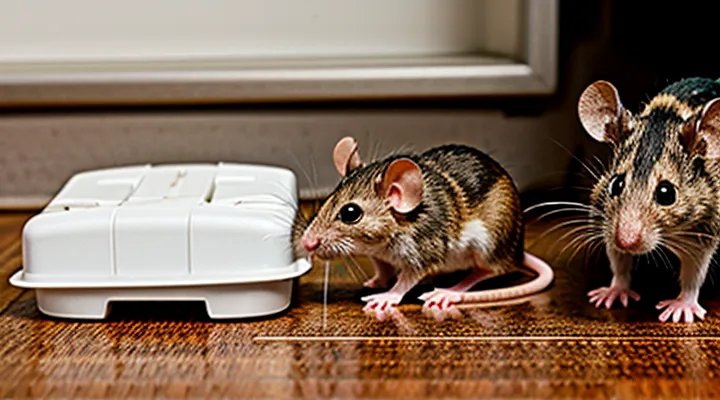
Understanding Mouse Glue Traps
What are Glue Traps?
Glue traps are flat devices coated with a strong, non‑drying adhesive. The surface is typically a clear or lightly tinted plastic sheet, sometimes reinforced with a thin backing to prevent tearing. When a mouse steps onto the board, its paws and body become immobilized by the sticky layer, preventing further movement.
Key characteristics:
- Composition: Non‑toxic synthetic resin or polymer glue; often sealed with a protective film until use.
- Design: Single‑use, pre‑cut to fit standard trap placements such as corners, walls, or under appliances.
- Activation: No mechanical trigger; the trap works instantly upon contact with the animal’s limbs.
- Placement: Requires positioning along known pathways, near walls, or close to food sources where mice travel.
The mechanism relies solely on adhesion, eliminating the need for bait. This makes glue traps a discreet option for detecting and controlling rodent activity without the mess associated with traditional snap devices.
How Do Glue Traps Work?
Glue traps rely on a highly viscous adhesive that remains tacky for extended periods. The surface is coated with a resin or polymer that bonds instantly to the pads of a mouse when contact occurs. Once the animal steps onto the trap, the adhesive penetrates the fur and adheres to the skin, immobilizing the creature within seconds. The trap’s design typically includes a low‑profile board that encourages entry, sometimes combined with a food‑based attractant placed at the center to draw rodents toward the sticky zone.
Key functional elements:
- Adhesive composition – synthetic polymers that retain stickiness despite dust and temperature fluctuations.
- Attractant placement – granular or liquid bait applied to the central area to guide mice onto the surface.
- Physical structure – a flat, non‑reflective board that minimizes escape routes and reduces detection by the pest.
- Retention mechanism – the adhesive’s shear strength exceeds the force a mouse can exert, preventing release without external assistance.
When a mouse becomes ensnared, the adhesive grips multiple points of the body, distributing the holding force across the limbs and torso. This distribution reduces the likelihood of the animal breaking free by pulling away from a single point. The trap does not rely on mechanical triggers; its effectiveness is purely chemical, allowing placement in concealed locations where motion‑activated devices might fail.
Proper use involves positioning traps along established rodent pathways, such as walls, behind appliances, or near entry points. The bait should be refreshed regularly to maintain olfactory appeal. After capture, disposal requires sealing the trap in a rigid container to prevent accidental contact with the adhesive. Handling gloves protect the user and preserve the trap’s integrity for potential reuse, although most manufacturers recommend single‑use deployment for optimal performance.
Pros and Cons of Using Glue Traps
Advantages of Glue Traps
Glue traps provide a direct method for controlling rodent activity. They capture mice upon contact, eliminating the need for toxic chemicals or bait. The adhesive surface remains effective for weeks, allowing continuous monitoring without frequent replacement.
- No poisonous agents, reducing risk to children, pets, and non‑target wildlife.
- Low acquisition cost; a single package supplies dozens of units.
- Simple placement: attach to walls, corners, or behind appliances without tools.
- Immediate immobilization; captured rodents are visible, confirming trap success.
- Absence of attractants prevents secondary infestations by insects or other mammals.
- Compact design permits discreet installation in concealed areas.
- Disposal requires only removal of the trap and sealed disposal, minimizing cleanup effort.
These characteristics make adhesive devices a practical option for environments where chemical control is undesirable or prohibited.
Disadvantages and Ethical Concerns
Adhesive mouse traps present several practical drawbacks.
- Non‑selective capture kills non‑target species such as insects, small reptiles, or juvenile rodents.
- Trapped animals remain immobilized for extended periods, leading to prolonged distress and possible dehydration.
- Sticky surfaces become ineffective after contact with dust, hair, or debris, requiring frequent replacement.
- Disposal involves handling dead or suffering animals, increasing exposure to pathogens and creating unpleasant waste.
Ethical considerations further limit their acceptability.
- Inhumane treatment conflicts with modern standards of animal welfare, which prioritize minimizing pain.
- Many jurisdictions classify these devices as prohibited or restrict their use in residential settings.
- Alternatives such as live‑catch traps or exclusion methods offer humane control without lethal suffering.
- Consumer expectations for responsible pest management pressure manufacturers to develop less cruel solutions.
Decision‑makers should weigh these disadvantages and moral issues against any perceived convenience before selecting adhesive traps.
Choosing the Right Glue Trap
Types of Glue Traps
Tray-Style Glue Traps
Tray-style glue traps consist of a shallow plastic or cardboard base covered with a layer of non‑drying adhesive. The flat surface allows a mouse to walk onto the trap, become immobilized, and remain in view for easy removal. The design eliminates the need for bait, reducing attraction of non‑target species.
Key factors when selecting a tray‑style trap:
- Dimensions: Choose a size that accommodates the average mouse length (approximately 2–3 inches). Larger trays capture multiple rodents and reduce escape risk.
- Adhesive quality: Opt for a formulation that stays tacky for at least 30 days under typical indoor humidity. UV‑resistant adhesives prevent degradation from sunlight.
- Material durability: Reinforced plastic resists cracking and maintains structural integrity when placed on uneven surfaces.
- Safety features: Models with a raised rim or detachable cover minimize accidental contact by children and pets.
Effective deployment follows a simple sequence:
- Clean the placement area to remove dust and food residues.
- Position the trap along walls, behind appliances, or in known travel routes; mice habitually run close to surfaces.
- Press the trap firmly onto the floor or countertop to ensure full contact.
- Monitor daily; replace the trap once the adhesive shows signs of saturation or after capturing a rodent.
- Dispose of the used trap in a sealed plastic bag, then discard according to local hazardous‑waste guidelines.
Safety considerations include keeping traps out of reach of domestic animals, using gloves during handling, and avoiding placement in areas where food is prepared. For households with children, select traps featuring a safety cover that can be locked after placement.
Maintenance involves storing unused traps in a cool, dry environment to preserve adhesive potency. Periodic inspection of stored units prevents mold or dust accumulation that could impair performance.
When evaluating alternatives, compare tray‑style devices with baited snap traps, electronic models, and live‑capture cages. Tray traps excel in silent operation, low maintenance, and minimal risk of secondary injury, but they lack reusability and may be less acceptable to users concerned about humane treatment.
Enclosed Glue Traps
Enclosed glue traps consist of a sealed container with a transparent lid, a sticky surface inside, and a small entry tunnel that guides rodents toward the adhesive. The design prevents accidental contact with non‑target animals and reduces the risk of human exposure to the glue.
Key characteristics to evaluate when selecting an enclosed model:
- Rigid, clear housing for visual monitoring without opening the trap.
- Narrow entry hole sized for mice, discouraging larger wildlife.
- High‑strength adhesive that remains effective for several weeks.
- Secure locking mechanism that resists tampering by pets.
- Disposable construction allowing safe removal and replacement.
Installation guidelines:
- Place traps along walls, behind appliances, and near known mouse pathways; rodents prefer to travel close to surfaces.
- Position the entry tunnel facing the anticipated direction of travel; ensure the lid is fully closed.
- Clean the area of food debris and clutter to increase trap efficacy.
- Check traps daily; replace any unit that shows a captured mouse or diminished adhesive.
- Dispose of captured rodents in sealed bags and discard the entire trap according to local regulations.
Maintenance considerations include storing unused traps in a cool, dry place to preserve adhesive potency and avoiding exposure to direct sunlight, which can degrade the glue. Regular replacement of traps, typically every 2–4 weeks in active infestations, maintains consistent control performance.
Factors to Consider When Choosing
Size and Shape
When evaluating adhesive mouse traps, size directly influences placement options and capture efficiency. Larger boards cover more surface area, reducing the number of units required in extensive infestations. Smaller traps fit into tight spaces such as wall voids or behind appliances, allowing discreet deployment. Choose a size that matches the target environment:
- 4 × 4 in (10 × 10 cm): suitable for cabinets, closets, and narrow gaps.
- 6 × 6 in (15 × 15 cm): balanced coverage for typical floor and baseboard placements.
- 8 × 8 in (20 × 20 cm) or larger: optimal for open rooms, warehouses, or high‑traffic areas.
Shape determines how rodents encounter the adhesive surface. Rectangular boards provide a linear path that aligns with common mouse travel routes along walls and baseboards. Circular or oval traps create a central focal point, increasing the likelihood of contact from multiple directions. Consider the following configurations:
- Rectangular: aligns with linear pathways, easy to position against edges.
- Circular: attracts from any angle, useful in open floor spaces.
- Triangular or wedge‑shaped: fits into corners, directs movement toward the adhesive zone.
Select size and shape together to match the specific layout and behavior patterns of the infestation, ensuring maximum coverage with the fewest devices.
Adhesive Strength
Adhesive strength determines whether a glue trap will immobilize a mouse instantly or allow the animal to escape after brief contact. Manufacturers rate the tack of the surface in grams per square inch (g/in²) or using a standardized peel test. Higher ratings produce a firmer bond but may increase the risk of non‑target captures; lower ratings are suitable for light traffic areas where accidental contact with pets is possible.
Key parameters influencing adhesive performance:
- Chemical composition – silicone‑based formulas retain stickiness under temperature fluctuations, whereas natural rubber loses grip in cold environments.
- Surface texture – smooth, glossy finishes provide consistent contact; textured surfaces create gaps that reduce effective adhesion.
- Environmental humidity – moisture can either enhance tack by softening the polymer or dilute the adhesive, depending on the formulation.
- Age of the product – exposure to air degrades the glue, lowering its pull‑off force over weeks or months.
When selecting a trap, match the adhesive rating to the intended setting. In secluded basements with stable temperatures, a high‑strength surface (≥ 150 g/in²) ensures rapid capture. In kitchens or areas frequented by children and pets, a moderate rating (80 – 120 g/in²) balances efficacy and safety. Verify the label for a clear numeric strength or consult the manufacturer’s data sheet.
Proper placement maximizes the adhesive’s effect. Position traps perpendicular to the mouse’s travel path, with the sticky side facing the direction of movement. Press the trap firmly against the substrate to eliminate air pockets. Replace traps promptly if the surface appears dry, cracked, or covered with debris, as these conditions diminish the bond and may allow escape.
Scented vs. Unscented
Scented and unscented mouse glue traps serve the same mechanical purpose but differ in attractant strategy. Scented traps contain a chemical lure, typically a food‑derived odor, intended to increase capture rates in environments where rodents exhibit low activity. Unscented traps rely solely on the adhesive surface; they are effective when mice are already motivated by existing food sources or when the trap is placed directly in known pathways.
Key differences include:
- Attractiveness: Scented traps may reduce the time needed to catch a mouse, especially in vacant rooms. Unscented traps depend on placement precision.
- Safety: Fragrance compounds can irritate pets or humans if the trap is handled without gloves. Unscented versions eliminate this risk.
- Shelf life: Volatile scents can degrade over months, diminishing efficacy. Unscented adhesive retains potency longer when stored properly.
- Cost: Adding scent typically raises the price per unit. Unscented traps are generally cheaper for large‑scale deployment.
- Regulatory concerns: Certain scent ingredients are restricted in specific jurisdictions; unscented traps avoid compliance complications.
When selecting a trap type, consider the following criteria:
- Presence of competing food sources – abundant food favors unscented.
- Accessibility for non‑target species – environments with pets benefit from unscented.
- Desired speed of capture – high‑traffic infestations may justify scented options.
- Budget constraints – large‑area treatments often rely on unscented models.
Effective use of either trap requires proper positioning along walls, behind appliances, or near entry points, ensuring the adhesive side faces outward. Regular inspection, typically every 24–48 hours, prevents prolonged exposure of captured rodents and maintains trap efficacy.
Disposable vs. Reusable
Disposable glue traps consist of a single‑use adhesive pad sealed in a plastic casing. After a capture, the entire unit is discarded. This design eliminates cleaning steps, reduces cross‑contamination risk, and ensures consistent adhesive performance because the surface is never exposed to dust or moisture. Cost per unit is higher than a reusable system, but the total expense remains modest when traps are deployed in large numbers for short‑term infestations.
Reusable glue traps feature a detachable adhesive sheet that can be replaced multiple times. The housing is typically a sturdy plastic frame with a latch for easy sheet removal. Advantages include lower long‑term cost, reduced waste, and the ability to reposition the trap without purchasing a new casing. Limitations involve the need for periodic cleaning of the frame, potential degradation of the adhesive after repeated handling, and a slightly higher initial investment.
Key considerations for selecting between the two options:
- Infestation duration: Short, localized problems favor disposable units; prolonged or recurring issues benefit from reusable systems.
- Budget constraints: Immediate low‑cost deployment points to disposables; larger facilities with ongoing monitoring may achieve savings with reusable traps.
- Environmental impact: Reusable traps generate less plastic waste, aligning with sustainability goals.
- Maintenance capacity: Facilities lacking time or resources for regular cleaning should prioritize disposable models.
Effective use of either type requires proper placement near mouse pathways, regular inspection, and safe disposal of captured rodents following local regulations. Selecting the appropriate trap type balances cost, convenience, and environmental responsibility while maintaining reliable control of rodent activity.
Effective Placement and Usage
Where to Place Glue Traps
Identifying Mouse Activity Areas
Identifying where mice are active is essential for placing adhesive traps effectively. Look for fresh droppings, gnaw marks on wires or wood, and smudge trails along walls. Concentrate on areas where food is stored, near garbage containers, and along established travel routes such as baseboard seams and pipe junctions. Detecting these signs early reduces the number of traps needed and limits exposure to non‑target animals.
Key indicators of mouse presence:
- Small, dark droppings, typically 3‑5 mm long, found along edges of cabinets or under appliances.
- Gnaw holes, 6‑8 mm in diameter, on packaging, insulation, or structural components.
- Grease or oil marks left by paw pads on walls, especially near concealed entry points.
- Urine stains that appear as faint yellow discoloration on surfaces.
- Fresh nesting material, such as shredded paper or fabric, located in hidden corners.
Map these locations on a floor plan, prioritize high‑traffic zones, and position glue traps perpendicular to the identified pathways. Replace traps promptly when they become saturated to maintain optimal capture rates.
Strategic Placement Tips
Effective use of adhesive mouse traps depends on precise placement. Identify routes that mice travel between shelter and food sources, then position traps directly along those pathways. Ensure traps are secured to flat surfaces to prevent shifting, which reduces capture efficiency.
- Place traps within 12‑18 inches of walls, as rodents prefer to run close to vertical boundaries.
- Target concealed entry points such as gaps under appliances, behind cabinets, and around pipe penetrations.
- Install traps near known droppings, gnaw marks, or grease trails, which indicate active foraging routes.
- Avoid areas with high foot traffic or where pets and children can easily contact the traps.
- Use multiple traps spaced 2‑3 feet apart in high‑traffic zones to increase encounter probability.
Maintain a clean environment around each trap; remove food crumbs and clutter that could distract mice from the adhesive surface. Replace traps promptly when they become saturated or after a successful capture to sustain ongoing control.
How to Prepare and Set a Glue Trap
Baiting Techniques
Effective baiting determines the success of adhesive mouse traps. Choose attractants that match the target’s dietary preferences and environmental conditions. Fresh, high‑protein foods such as peanut butter, cheese, or cooked meat emit strong odors that draw rodents from a distance. Sweet items—cereal, dried fruit, or honey—are useful when mice show a preference for carbohydrates. For indoor settings, avoid overly moist baits that can degrade the adhesive surface; apply a thin layer to prevent saturation.
When preparing the trap, follow these steps:
- Clean the trap surface with a dry cloth to remove dust.
- Apply a small amount of bait (no more than a pea‑sized dollop) to the center of the adhesive pad.
- Position the trap along walls, behind appliances, or in concealed pathways where mouse activity is evident.
- Monitor the trap daily; replace or reposition if the bait loses potency or the adhesive becomes compromised.
Safety considerations include wearing disposable gloves to prevent skin contact with the glue and keeping traps out of reach of children and non‑target animals. If multiple traps are deployed, rotate bait types to prevent habituation and to identify the most attractive option for the specific infestation.
Safety Precautions During Setup
When installing adhesive mouse traps, protect yourself and others by following these precautions.
- Wear disposable gloves to avoid skin contact with the sticky surface and any bait residues.
- Keep traps out of reach of children and pets; place them on low‑traffic floors or behind appliances where they cannot be accessed inadvertently.
- Use a flashlight or headlamp in dim areas to see the exact placement and prevent accidental stepping on the trap.
- Dispose of the packaging material in a sealed bag before opening the trap to contain any pre‑applied adhesive.
- After setting the trap, wash hands thoroughly with soap and water, even if gloves were used.
- If a trap becomes damaged or spills glue, vent the area by opening windows and clean the surface with a solvent recommended by the manufacturer, wearing protective eyewear.
- Store unused traps in a cool, dry place away from direct sunlight to maintain adhesive integrity and prevent accidental activation.
Adhering to these measures reduces risk of injury, prevents unintended captures, and ensures the traps function effectively.
Checking and Maintaining Traps
Frequency of Checking
When using adhesive mouse traps, prompt inspection prevents prolonged exposure of captured rodents to the adhesive, reduces odor buildup, and limits the risk of trap failure. Check traps at intervals that match the infestation level and environmental conditions.
- High activity areas (kitchens, waste stations): inspect every 2 hours during daylight.
- Moderate activity zones (storage rooms, basements): inspect every 4 hours.
- Low activity locations (seldom‑used closets): inspect every 8 hours or at the end of each work shift.
- Overnight monitoring in residential settings: inspect at least once before bedtime and again after waking.
Adjust the schedule if traps become saturated, if weather conditions increase humidity, or if multiple captures occur on a single trap. Immediate removal of captured mice maintains trap effectiveness and adheres to humane handling standards.
What to Do with Trapped Mice
When a mouse becomes immobilized on an adhesive trap, immediate and humane handling prevents unnecessary suffering and limits health risks. First, wear disposable gloves to protect skin from potential pathogens and to avoid contaminating the mouse. Carefully place a disposable plastic bag or a small container over the trap, seal it, and transport it to a designated disposal area.
Dispose of the trapped animal according to local regulations. In most jurisdictions, the recommended method is to place the sealed bag in a regular trash bin, ensuring it is not accessible to other wildlife. If local law permits, burial in a deep, covered pit away from water sources is an alternative. After disposal, clean the trap surface with a disinfectant if it will be reused; otherwise, discard the trap entirely.
Key steps for handling trapped mice:
- Put on disposable gloves.
- Cover the trap with a plastic bag or container.
- Seal and label the bag if required by local guidelines.
- Dispose of the sealed bag in accordance with municipal waste rules or bury it safely.
- Clean or discard the trap, then wash hands thoroughly.
Handling Trapped Mice and Disposal
Releasing Live Mice
Methods for Safe Release
When a mouse becomes stuck in an adhesive trap, immediate, controlled removal reduces stress for the animal and prevents injury to the handler.
Before attempting release, gather protective gloves, a flat surface, a container of warm water, and a soft cloth. Clean hands, avoid direct skin contact with the adhesive, and work in a well‑ventilated area.
- Place the trapped mouse on a clean, flat surface.
- Submerge the adhesive portion in warm water for 30–45 seconds; the heat softens the glue without harming the rodent.
- Gently massage the mouse’s limbs with the soft cloth, encouraging the glue to release.
- Once the mouse is free, hold it briefly to ensure it can stand, then set it on the ground away from the building.
After release, rinse the trap in warm water, scrub residual glue with a mild detergent, and dry thoroughly before reuse or disposal. If the trap is damaged, seal it in a plastic bag and discard according to local waste regulations. These steps ensure humane handling, protect the operator, and maintain trap effectiveness.
Precautions to Take
When using adhesive rodent traps, safety and effectiveness depend on strict adherence to precautionary measures.
- Keep traps out of reach of children and pets; place them where only targeted pests can access them.
- Wear disposable gloves during installation and removal to avoid skin contact with the adhesive surface.
- Position traps along established mouse pathways, away from food preparation areas and food storage containers.
- Inspect traps regularly; replace any that become saturated or damaged to prevent accidental capture of non‑target animals.
- Dispose of captured rodents in sealed bags and discard according to local regulations to reduce health risks.
- Store unused traps in their original packaging, protected from moisture and direct sunlight, to preserve adhesive quality.
- Avoid using traps in confined spaces with poor ventilation; the adhesive may emit volatile compounds that can irritate respiratory passages.
- Maintain a clean environment; remove crumbs and spills that could attract rodents to unintended locations.
Observing these guidelines minimizes hazards, ensures humane pest control, and preserves the integrity of the adhesive devices.
Disposing of Trapped Mice
Sanitary Disposal Methods
When adhesive mouse traps have captured rodents, immediate and safe disposal prevents disease transmission and contamination of living areas. Handle each trap with disposable gloves; avoid direct contact with the adhesive surface and the captured animal.
- Place the used trap in a heavy‑duty plastic bag.
- Seal the bag, then place it inside a second bag for double containment.
- Add a disinfectant solution (e.g., 10 % bleach) to the interior of the outer bag.
- Allow the solution to act for at least 10 minutes before sealing permanently.
- Dispose of the sealed package in a municipal waste container designated for non‑recyclable refuse, or follow local hazardous‑waste collection procedures if required.
Compliance with local health regulations may mandate specific labeling or separate collection bins for pest‑control waste. Verify municipal guidelines to ensure that disposal meets legal standards and avoids penalties.
Regularly schedule bag removal and replacement to maintain a clean environment. Store spare gloves and disposal bags in a sealed cabinet to prevent accidental exposure. By adhering to these protocols, users eliminate health risks and maintain sanitary conditions after employing adhesive rodent traps.
Preventing Odor and Pest Attraction
When using adhesive rodent traps, odor control and avoidance of secondary pest problems are essential for effective pest management.
Choose traps that incorporate odor‑neutralizing agents or use non‑toxic, low‑volatile adhesives. Manufacturers often label products as “odor‑free” or “scent‑controlled.” Verify the claim by checking independent reviews or safety data sheets.
Placement affects both capture efficiency and odor buildup. Install traps along established mouse pathways—behind appliances, near baseboards, and in concealed corners—where activity is highest. Avoid areas with high humidity, which can accelerate decomposition and increase smell.
After capture, seal the trap promptly. Use a zip‑lock bag or airtight container to contain the mouse and any emitted odor. Label the container with the capture date to ensure timely disposal.
Maintain cleanliness around trap sites. Remove food residues, spillages, and nesting material that attract rodents. Regularly vacuum or sweep the floor to eliminate scent trails that guide pests to the traps.
Dispose of trapped rodents according to local regulations. Recommended procedure:
- Place the sealed bag in a heavy‑duty trash bag.
- Seal the outer bag tightly.
- Store the bag in a cool, dry location until collection.
- Clean the disposal area with an EPA‑approved disinfectant.
By selecting low‑odor adhesives, positioning traps strategically, sealing captures immediately, and keeping the environment clean, users minimize unpleasant smells and reduce the likelihood of attracting additional pests.
Alternatives and Prevention
Other Mouse Control Methods
Snap Traps
Snap traps are mechanical devices that kill rodents instantly by applying a rapid spring‑loaded force. The core components include a trigger mechanism, a strong spring, and a metal bar that snaps shut when the mouse contacts the baited trigger plate.
When selecting a snap trap, consider the following factors:
- Size of the spring – larger springs deliver greater force, suitable for larger rodents; smaller springs are adequate for house mice.
- Trigger sensitivity – adjustable triggers reduce false releases and improve capture rates.
- Bait compartment design – enclosed compartments prevent bait spillage and limit exposure to non‑target animals.
- Material durability – stainless steel or coated metal resists corrosion in damp environments.
- Safety features – insulated handles or shielded jaws protect users during placement and removal.
Proper use maximizes effectiveness and minimizes risk:
- Attach the trap to a stable surface using the provided mounting slot or a thin piece of wood to prevent movement.
- Place a small amount of attractive bait (e.g., peanut butter, sunflower seeds) on the trigger plate, ensuring it does not obstruct the spring.
- Position the trap perpendicular to the wall, with the trigger end facing the expected travel path of the mouse; common locations include behind appliances, along baseboards, and near entry points.
- Check traps daily; dispose of captured rodents by sealing them in a plastic bag and discarding according to local regulations.
- Reset the spring after each capture, cleaning the trigger plate to remove residue that could diminish sensitivity.
Safety precautions include wearing gloves during handling, keeping traps out of reach of children and pets, and storing unused traps in a locked container. Compared with adhesive devices, snap traps provide immediate lethal control, reduce the likelihood of escape, and eliminate the risk of prolonged suffering. However, they require careful placement to avoid accidental activation and must be inspected regularly to maintain performance.
Electronic Traps
Electronic traps provide a rapid, humane alternative to adhesive devices for rodent control. They detect the presence of a mouse through motion sensors, deliver a high‑voltage shock, and often include a compartment for safe disposal of the carcass.
When selecting an electronic trap, consider the following factors:
- Power source: battery‑operated units offer portability; mains‑connected models guarantee continuous operation.
- Shock voltage: effective devices deliver 3,000–5,000 V, sufficient to incapacitate a mouse instantly.
- Safety features: insulated housing and automatic shut‑off prevent accidental contact with humans or pets.
- Capacity: traps that accommodate multiple kills reduce the need for frequent servicing.
- Indicator system: visual or audible alerts confirm successful captures and signal when the trap requires emptying.
Installation guidelines ensure optimal performance:
- Place the trap along established mouse pathways, near walls, behind appliances, or in concealed corners.
- Position the unit flat on a hard surface; avoid carpeted or uneven areas that may interfere with sensor function.
- Keep the trap away from water sources and direct sunlight to maintain battery life and sensor accuracy.
- After a successful strike, follow the manufacturer’s instructions for removal, disposal, and resetting of the device.
Maintenance routines extend the lifespan of electronic traps. Regularly inspect the sensor window for dust, replace depleted batteries, and clean the interior compartment with a mild disinfectant. Store unused units in a dry environment to prevent corrosion.
Compared with glue boards, electronic traps eliminate the need for direct handling of live rodents, reduce the risk of secondary infestations, and provide immediate results. Their upfront cost is higher, but the ability to reuse the unit for multiple capture cycles lowers long‑term expenses.
Live Traps
Live traps capture rodents without causing injury, allowing release away from inhabited areas. They consist of a compartment with a trigger mechanism that closes the door when a mouse enters. The design eliminates the need for toxic substances and prevents accidental contact with pets or children.
Key factors for selecting an effective live trap:
- Size appropriate for the target species; typical mouse traps have interior dimensions of 4 × 5 × 6 inches.
- Sensitive trigger that activates with minimal weight, usually 5–10 g.
- Secure latch that remains closed until manually opened.
- Durable construction from rust‑resistant metal or reinforced polymer.
Proper deployment increases capture rates:
- Place traps along walls, behind appliances, and near known activity paths.
- Bait with high‑protein foods such as peanut butter, sunflower seeds, or bits of cheese.
- Set traps in the evening; mice are most active during nocturnal hours.
- Check traps at least twice daily to reduce stress on captured animals.
When a mouse is caught, transport the trap to a location at least one mile from the residence, release the animal, and disinfect the unit with a diluted bleach solution before reuse. Repeated use of live traps can complement adhesive devices, providing a humane alternative for households that prefer non‑lethal control while maintaining overall population management.
Preventing Mouse Infestations
Sealing Entry Points
Sealing entry points prevents mice from reaching glue traps, reducing bait waste and increasing capture efficiency. Identify gaps larger than a quarter‑inch in walls, floors, cabinets, and around utilities. Common sources include cracked foundation bricks, open vent covers, and gaps around pipes.
Effective sealing requires durable materials matched to the surface type:
- Steel wool or copper mesh for small holes, compressed tightly before covering.
- Expanding foam for irregular gaps, applied in thin layers to avoid excess.
- Caulk (silicone or acrylic) for seams around windows, doors, and baseboards.
- Sheet metal or plywood patches for larger openings, secured with screws or construction adhesive.
Apply the chosen sealant after cleaning the area of dust and debris. Press the material firmly into the gap, ensure a smooth surface, and allow curing time specified by the product. Inspect seals regularly; moisture, pests, or structural movement can reopen pathways.
Integrating thorough sealing with strategic trap placement creates a controlled environment where mice encounter glue devices only when forced to travel through limited, monitored routes. This combination maximizes trap performance while minimizing the need for additional chemicals or devices.
Food Storage and Sanitation
Effective food storage reduces the likelihood that rodents encounter attractants placed on adhesive devices. Keep all edible items in airtight containers made of glass, metal, or heavy‑wall plastic. Seal lids tightly after each use to prevent odors from escaping.
Regular sanitation interrupts the foraging cycle that draws mice to glue traps. Remove crumbs, spills, and food residues from countertops, floors, and appliance exteriors daily. Clean surfaces with a disinfectant solution that does not leave a strong scent, as lingering smells can mask bait cues.
When positioning adhesive captures, follow these practical steps:
- Place traps along walls, behind appliances, and near known entry points where food particles accumulate.
- Ensure the trap surface remains free of debris; a clean area improves adhesion and detection.
- Replace traps promptly after capture to maintain a sanitary environment and prevent secondary contamination.
Maintain a schedule for inspecting storage areas and disposing of waste. Prompt removal of expired or spoiled food eliminates additional attractants and supports long‑term rodent control.
Eliminating Harborage Areas
Eliminating harborage areas is essential for the effectiveness of adhesive rodent devices. These zones provide shelter, food, and nesting material, allowing mice to avoid capture. Reducing or removing them forces the pests into open pathways where glue traps can operate reliably.
First, locate potential harborage sites. Common indicators include droppings, gnaw marks, shredded insulation, and clustered debris. Pay special attention to spaces behind appliances, under cabinets, within wall voids, and along baseboard gaps.
Next, implement structural modifications:
- Seal cracks and openings larger than ¼ inch with steel wool, caulk, or expanding foam.
- Install door sweeps and weather stripping to block entry beneath doors.
- Replace damaged insulation and remove excess clutter that creates concealment.
- Store food in airtight containers and clean spills promptly to eliminate attractants.
Finally, integrate the traps after the environment is secured. Position adhesive devices along established travel routes, such as along walls, near entry points, and behind appliances. Monitor placement weekly, replace ineffective units, and maintain the clutter‑free condition to sustain trap performance.
By systematically removing shelter and food sources, mouse populations encounter fewer safe zones, increasing the likelihood of contact with glue traps and accelerating control efforts.