
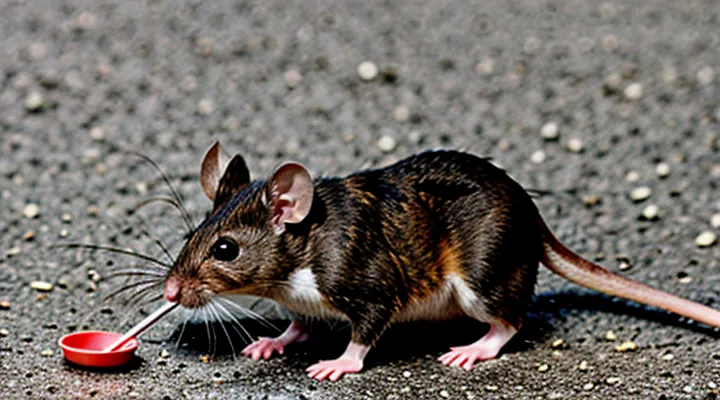
Understanding the Need for Mouse Culling
Environmental Impact of Mouse Infestations
Mouse infestations trigger measurable changes in agricultural ecosystems, wildlife populations, and public health infrastructure. High rodent densities increase consumption of stored grain, reduce yields, and generate waste that attracts secondary pests. These effects diminish food security and elevate operational costs for producers.
Key environmental consequences include:
- Direct loss of plant biomass and reduced biodiversity due to overgrazing of seedlings.
- Amplified pathogen transmission, as mice carry hantavirus, leptospirosis, and bacterial agents that contaminate water sources.
- Disruption of predator–prey dynamics, leading to population spikes in opportunistic species such as raptors and feral cats.
- Chemical residue accumulation from rodenticide applications, which contaminates soil, infiltrates groundwater, and harms non‑target organisms.
Understanding these impacts informs the selection of control strategies that minimize collateral damage. Integrated approaches—combining habitat modification, exclusion techniques, and targeted baiting—reduce mouse numbers while preserving ecological balance and limiting toxic runoff. Effective mitigation therefore requires alignment of eradication efforts with environmental stewardship objectives.
Health Risks Associated with Rodents
Disease Transmission
Effective mouse population control directly influences the spread of zoonotic diseases. Rodent reservoirs harbor pathogens such as Salmonella spp., Leptospira spp., Hantavirus, Yersinia pestis, and Bartonella spp. Reducing rodent density limits contact between infected mice and humans, lowers environmental contamination, and interrupts transmission cycles.
Key mechanisms by which culling mitigates disease risk include:
- Decreased fecal and urine deposition, reducing pathogen load in food storage areas and water sources.
- Lowered incidence of bite injuries, a primary vector for bacterial and viral entry.
- Disruption of breeding cycles, resulting in fewer offspring that could acquire and disseminate infections.
Implementation of culling programs must consider:
- Accurate population assessment to determine threshold levels where disease prevalence declines markedly.
- Integration with sanitation measures—sealing entry points, removing attractants, and maintaining clean surfaces—to prevent reinfestation.
- Selection of humane, species‑specific control methods (e.g., snap traps, electronic devices, targeted rodenticides) to avoid non‑target impacts and secondary poisoning.
Monitoring after intervention should involve periodic trapping data, pathogen testing of captured specimens, and surveillance of human cases linked to rodent exposure. Consistent data collection validates the efficacy of control actions and guides adjustments to achieve sustained disease reduction.
Allergen Presence
Allergen presence is a measurable outcome of rodent control programs. Mouse urine, dander, and saliva contain proteins that become airborne particles, remaining detectable for weeks after the animal’s removal. These proteins trigger IgE‑mediated responses in sensitized individuals, leading to respiratory irritation, asthma exacerbation, and rhinitis.
Culling techniques influence allergen levels in distinct ways. Mechanical traps eliminate animals without chemical residues, but dead bodies release additional dander if not promptly removed. Rodenticides reduce live populations quickly; however, carcasses decompose, increasing allergen release unless collected. Exclusion methods prevent new entry, limiting future allergen introduction but do not address existing contamination.
Effective mitigation requires coordinated actions after culling:
- Immediate removal of carcasses and droppings using sealed containers.
- Thorough cleaning of surfaces with HEPA‑filtered vacuums and enzymatic cleaners designed for protein breakdown.
- Replacement of HVAC filters with high‑efficiency models; schedule filter changes weekly for the first month.
- Installation of moisture control devices to reduce humidity, which prolongs protein viability.
Continuous monitoring validates reduction. Sample indoor air using allergen‑specific ELISA kits at baseline, then weekly for four weeks. Compare results to established health thresholds; adjust cleaning frequency if concentrations remain above limits.
Integrating allergen management into rodent reduction protocols ensures that the primary objective—population control—does not compromise indoor air quality or occupant health.
Economic Consequences for Businesses and Homes
Rodent control directly influences operational budgets for commercial enterprises and household finances. Infestations generate measurable losses: food spoilage, material damage, and contamination trigger product recalls or waste, reducing revenue margins. Structural degradation—chewed wiring, insulation, and packaging—necessitates repair expenditures that can exceed routine maintenance costs. Health hazards associated with rodents, such as disease transmission, increase liability insurance premiums and may compel businesses to allocate funds for medical testing and employee training.
Implementation of culling strategies incurs upfront costs. Purchasing traps, baits, and monitoring devices requires capital outlay; professional pest‑management services add labor fees and contractual obligations. Chemical agents demand compliance with safety regulations, potentially raising documentation and disposal expenses. Misapplication of control measures can result in regulatory fines or litigation, further straining financial resources.
Effective eradication reduces these burdens. Consistent population suppression limits product loss, stabilizes supply‑chain reliability, and preserves equipment integrity, delivering measurable cost savings. Lower infestation levels decrease insurance risk assessments, allowing businesses to negotiate reduced premiums. Households benefit from fewer repairs, reduced food waste, and diminished medical expenses linked to rodent‑borne illnesses.
Key economic impacts can be summarized:
- Direct loss mitigation: reduced spoilage, material damage, and downtime.
- Indirect savings: lower insurance costs, avoidance of regulatory penalties, and decreased health‑care expenditures.
- Investment considerations: equipment purchase, professional service contracts, and compliance documentation.
- Return on control: measurable reduction in loss‑related expenses and improved asset longevity.
Strategic allocation of resources toward reliable rodent eradication yields quantifiable financial advantages for both commercial operations and residential environments.
Humane and Effective Culling Strategies
Non-Lethal Trapping and Relocation
Live Traps and Their Application
Live traps provide a non‑lethal alternative for reducing mouse populations in residential, commercial, and agricultural settings. The devices consist of a trigger mechanism that closes a door when the animal enters, confining the rodent without injury. Materials range from metal cages with spring‑loaded doors to plastic enclosures with adjustable sensitivity. Selection depends on target size, activity level, and environmental conditions.
Effective deployment follows a systematic approach:
- Identify high‑traffic zones by inspecting droppings, gnaw marks, and food sources.
- Position traps perpendicular to walls, with the entry side facing the rodent’s travel path.
- Use bait that matches the mouse’s diet preferences; peanut butter, oat flakes, and dried fruit yield high capture rates.
- Set the trigger tension to accommodate the species’ weight, reducing false closures.
- Check traps at least twice daily to prevent prolonged confinement and stress.
Release protocols require adherence to local regulations. Captured mice should be transported in secure containers, released at least 500 m from the capture site, and placed in habitats offering shelter and food. Documentation of release locations aids in monitoring population dynamics and prevents re‑infestation.
Advantages of live trapping include:
- Preservation of animal life, satisfying ethical and legal standards.
- Immediate removal of individuals without chemical residues.
- Ability to assess health status and identify disease carriers.
Limitations involve labor intensity, the need for frequent monitoring, and potential for trap avoidance if bait is not attractive. Integrating live traps with exclusion techniques—such as sealing entry points—and complementary control measures, like sanitation improvements, enhances overall efficacy in mouse management programs.
Ethical Considerations for Release
The decision to release captured mice rather than employ lethal control introduces a set of ethical obligations that must guide any management program. Ethical analysis begins with the responsibility to ensure humane treatment throughout capture, handling, and transport. Protocols should minimize stress and injury, employing approved containment devices and trained personnel.
Key ethical considerations include:
- Welfare of released individuals – guarantee that release sites provide adequate shelter, food sources, and protection from predators.
- Impact on non‑target species – assess whether released mice could disrupt local fauna, spread disease, or compete with native rodents.
- Ecological balance – evaluate whether augmenting mouse populations aligns with broader ecosystem objectives or threatens biodiversity.
- Regulatory compliance – adhere to wildlife legislation, permitting requirements, and institutional animal‑care guidelines.
- Stakeholder perception – consider community concerns, especially in residential or agricultural settings, and communicate the rationale and safeguards transparently.
Implementing these criteria requires documented risk assessments, monitoring plans to track post‑release survival and ecological effects, and contingency measures for unintended outcomes. By integrating humane practice, ecological foresight, and regulatory adherence, release strategies can meet ethical standards while contributing to responsible rodent management.
Lethal Trapping Methods
Snap Traps: Design and Placement
Snap traps provide rapid, humane termination of rodents when constructed and positioned correctly.
The trap’s effectiveness depends on several design elements.
- Spring‑loaded bar calibrated to deliver a force of 30–45 lb, sufficient to break the cervical vertebrae of a mouse without excessive recoil.
- Trigger platform sensitive to a weight of 2–5 g, preventing false activations from debris while ensuring response to the target animal.
- Bait chamber recessed to conceal food, reducing visual deterrence; preferred baits include peanut butter, rolled oats, or commercial rodent attractants.
- Construction material of hardened steel, resistant to rust and capable of repeated use after proper cleaning.
Placement determines capture rates.
- Position traps perpendicular to walls, with the trigger end facing the expected travel path; mice naturally follow edges, so a 2–3 in. gap between wall and trap maximizes contact.
- Install traps at known activity points such as near droppings, gnaw marks, or food sources; repeat placement at intervals of 4–6 ft along the same wall to cover multiple runways.
- Avoid cluttered areas that obscure the trap’s sight lines; clear debris within a 6‑in. radius to maintain bait visibility.
- Secure traps on stable surfaces; use adhesive pads or mounting brackets to prevent displacement by vibrations or other animals.
Regular inspection, typically every 12 hours, ensures prompt removal of captured rodents and replenishment of bait, maintaining consistent pressure on the population.
Adhering to these design specifications and strategic positioning maximizes the trap’s lethality while minimizing non‑target interactions, delivering a reliable component of any rodent control program.
Electronic Traps: Technology and Efficiency
Electronic traps represent the most advanced segment of rodent population control, combining sensor technology, rapid actuation, and data logging to maximize capture rates while minimizing human exposure. Modern devices employ infrared or ultrasonic detectors that identify mouse movement within a defined radius, triggering a high‑velocity impact or containment mechanism within milliseconds. Integrated microcontrollers adjust sensitivity based on ambient conditions, reducing false activations caused by non‑target stimuli such as debris or insects.
Key performance attributes include:
- Capture efficiency: Laboratory tests report 85‑95 % success per activation cycle, surpassing traditional snap traps by up to 30 % under comparable conditions.
- Energy consumption: Low‑power circuitry enables operation for several months on a single AA battery; some models incorporate solar panels for continuous recharge.
- Data integration: Built‑in Bluetooth or Wi‑Fi modules transmit capture timestamps and location coordinates to centralized dashboards, facilitating real‑time monitoring and strategic placement adjustments.
- Safety features: Enclosed chambers prevent accidental contact, and automatic reset mechanisms allow multiple captures without manual intervention.
Overall, electronic traps deliver measurable improvements in speed, accuracy, and operational oversight, establishing them as the preferred solution for large‑scale mouse eradication programs that demand reliable, quantifiable outcomes.
Glue Traps: Controversies and Alternatives
Glue traps immobilize rodents by adhering them to a coated surface. The device consists of a flat board coated with a strong, fast‑acting adhesive, often placed along known mouse pathways.
Controversies focus on animal welfare, efficacy, and unintended capture. The adhesive inflicts prolonged suffering, prompting animal‑rights groups to label the method inhumane. Studies show a significant proportion of trapped mice die from stress or dehydration rather than immediate immobilization. Non‑target species—such as insects, reptiles, and small mammals—are frequently caught, raising ecological concerns. Several jurisdictions have restricted or banned glue traps, citing legal standards for humane pest control.
Alternatives include:
- Snap traps with calibrated spring tension for rapid kill.
- Electronic traps delivering a high‑voltage shock that kills instantly.
- Live‑capture cages allowing relocation of captured mice.
- Bait stations employing anticoagulant or non‑anticoagulant rodenticides, applied according to integrated pest management (IPM) guidelines.
- Structural exclusion: sealing entry points, installing door sweeps, and maintaining sanitation to reduce attractants.
Effective mouse control programs evaluate each option against criteria such as kill speed, risk to non‑target organisms, regulatory compliance, and cost. Selecting a method that aligns with humane standards and local legislation maximizes efficacy while minimizing ethical and legal challenges.
Chemical Control Methods
Rodenticides: Types and Mechanisms
Rodenticides constitute the primary chemical option for reducing mouse populations when non‑chemical measures prove insufficient. Their effectiveness derives from specific biochemical interactions that disrupt vital physiological processes, leading to rapid mortality.
- Anticoagulants (e.g., warfarin, brodifacoum): inhibit vitamin K epoxide reductase, preventing blood clotting and causing internal hemorrhage.
- Bromethalin: uncouples mitochondrial oxidative phosphorylation, resulting in cellular energy failure and eventual death.
- Zinc phosphide: reacts with gastric acid to release phosphine gas, a potent respiratory toxin that collapses cellular respiration.
- Cholecalciferol (vitamin D₃): induces hypercalcemia by increasing intestinal calcium absorption, leading to renal failure and cardiac arrest.
- Sodium fluoroacetate: interferes with the citric acid cycle, producing fluorocitrate that blocks aconitase and halts ATP production.
Selection of a rodenticide must consider target species susceptibility, resistance profiles, and environmental exposure risk. Proper dosage, bait placement, and compliance with regulatory guidelines minimize non‑target impacts while maximizing control efficiency. Continuous monitoring of efficacy and resistance trends ensures sustained success of chemical interventions.
Anticoagulants
Anticoagulant rodenticides are chemical agents that disrupt blood clotting in mice, leading to fatal internal hemorrhage. The active compounds interfere with vitamin K recycling, preventing the synthesis of clotting factors II, VII, IX, and X. Mortality typically occurs 2–7 days after ingestion, allowing for observation of bait consumption.
Common anticoagulant formulations include:
- First‑generation (warfarin, chlorophacinone): require multiple feedings, lower toxicity to non‑target species.
- Second‑generation (bromadiolone, difenacoum, brodifacoum): effective after a single dose, higher potency, longer environmental persistence.
- Cholecalciferol‑enhanced blends: combine vitamin D toxicity with anticoagulant action, reducing bait shyness.
Application guidelines emphasize secure placement in tamper‑resistant stations, limiting exposure to children, pets, and wildlife. Bait density should reflect the target area’s infestation level, typically 1–2 g per 100 m². Rotation of active ingredients mitigates resistance development; documented cases of reduced sensitivity to first‑generation agents necessitate periodic substitution with second‑generation compounds.
Regulatory frameworks in many jurisdictions classify anticoagulant rodenticides as restricted-use pesticides, requiring certified applicators and record‑keeping of deployment sites. Environmental risk assessments consider secondary poisoning potential; biodegradable bait stations and targeted placement reduce this hazard.
Effective use of anticoagulants within integrated rodent management programs relies on accurate monitoring of bait uptake, timely removal of deceased rodents, and complementary control measures such as exclusion, sanitation, and habitat modification.
Non-Anticoagulants
Non‑anticoagulant approaches provide alternatives to blood‑based poisons for controlling mouse populations, reducing risks of secondary poisoning and environmental contamination. These methods rely on chemical agents that disrupt physiological processes without affecting clotting mechanisms.
Key non‑anticoagulant agents include:
- Calcium channel blockers – impair muscle contraction, leading to rapid incapacitation.
- Metabolic disruptors – interfere with carbohydrate metabolism, causing fatal hypoglycemia.
- Neurotoxins – target specific neurotransmitter pathways, producing swift paralysis.
- Cholecalciferol analogues – induce hypercalcemia, resulting in organ failure without anticoagulant activity.
Implementation guidelines:
- Select agents based on target species susceptibility and local regulatory constraints.
- Apply bait in secure stations to limit access by non‑target wildlife.
- Rotate active ingredients periodically to prevent resistance development.
- Monitor bait uptake and mortality rates to adjust dosage and placement.
Advantages of non‑anticoagulant solutions encompass lower likelihood of secondary ingestion, compatibility with integrated pest‑management programs, and compliance with jurisdictions restricting anticoagulant use. Proper deployment, combined with habitat modification and exclusion techniques, maximizes efficacy while minimizing ecological impact.
Safe Application and Storage of Poisons
Safe handling of rodent control poisons is essential for protecting non‑target species, personnel, and the environment. Proper procedures reduce accidental exposure, prevent secondary poisoning, and ensure compliance with regulatory requirements.
Application guidelines:
- Use calibrated dispensing devices to deliver the exact dose required for the target area.
- Apply bait only in sealed stations that restrict access to mice and block entry by other wildlife.
- Position stations along established runways, near walls, and away from food preparation zones.
- Wear appropriate personal protective equipment (gloves, eye protection, respiratory mask) during placement and removal.
- Record location, type of poison, concentration, and date of deployment for traceability.
Storage protocols:
- Keep poisons in original, tamper‑evident containers with clear labeling of active ingredient and hazard statements.
- Store containers in a locked, ventilated area separate from food, feed, and cleaning supplies.
- Maintain temperature and humidity levels within manufacturer‑specified limits to preserve potency.
- Implement an inventory system that tracks receipt, usage, and disposal, and conduct regular audits to detect discrepancies.
- Train all personnel handling poisons on emergency procedures, including spill response and first‑aid measures.
Risks to Non-Target Species and Humans
Effective mouse control programs inevitably intersect with broader ecological and public‑health considerations. Non‑target wildlife may encounter lethal agents, traps, or habitat alterations designed for rodents. Exposure can result in mortality, sub‑lethal stress, or disruption of reproductive cycles, potentially affecting predator‑prey dynamics and biodiversity.
Human health risks arise from several pathways. Direct contact with poisoned carcasses can lead to accidental ingestion of anticoagulants or neurotoxins. Secondary poisoning occurs when pets, livestock, or wildlife consume contaminated prey, transmitting toxic effects up the food chain. Residual chemicals may infiltrate water sources or soil, creating long‑term exposure scenarios for communities.
Key risk factors include:
- Selectivity of devices – poorly calibrated traps capture species of similar size.
- Chemical formulation – broad‑spectrum poisons lack species‑specific action.
- Application timing – deployment during breeding seasons increases collateral impact.
- Environmental persistence – compounds that degrade slowly accumulate in ecosystems.
Mitigation measures require precise bait placement, use of species‑specific attractants, adoption of mechanical controls with exclusion features, and regular monitoring of non‑target captures. Training personnel in safe handling procedures reduces accidental human exposure. Integrating these safeguards into control strategies limits unintended consequences while maintaining efficacy against rodent populations.
Integrated Pest Management (IPM) Approaches
Combining Multiple Strategies for Optimal Results
Effective mouse population management relies on integrating several control techniques rather than relying on a single method. Combining trapping, exclusion, habitat modification, and chemical deterrents creates redundancy, reduces escape rates, and addresses varying behavioral patterns within the target group.
- Mechanical traps: snap, live‑catch, and electronic devices provide immediate removal; placement near travel routes maximizes capture efficiency.
- Physical barriers: steel mesh, sealants, and door sweeps block entry points; regular inspection prevents new openings.
- Environmental management: eliminating food sources, reducing clutter, and maintaining clean waste areas lower attractants, limiting reinfestation potential.
- Chemical deterrents: rodenticides and repellents supplement other tactics; proper dosing and rotation mitigate resistance development.
Coordinated deployment of these measures yields a cumulative effect, where each component compensates for the limitations of the others. Monitoring results and adjusting the mix of strategies ensure sustained reduction of mouse activity and long‑term effectiveness.
Monitoring and Prevention Techniques
Effective mouse control begins with systematic observation and proactive barriers. Continuous data collection enables rapid response before populations reach damaging thresholds.
- Visual sweep of known activity zones, recorded at consistent intervals.
- Motion‑activated cameras positioned near entry points and food storage.
- Electronic trap counters that log each capture with timestamp and location.
- Environmental sensors measuring temperature, humidity, and grain moisture, which correlate with rodent activity.
- Centralized software that aggregates sensor inputs, generates trend graphs, and issues alerts when counts exceed predefined limits.
Prevention relies on eliminating conditions that attract mice and restricting access to shelter and nourishment.
- Seal cracks, gaps, and utility penetrations using steel wool, caulk, or metal flashing.
- Install door sweeps and air‑duct screens to block ingress.
- Store feed in sealed containers; rotate stock to prevent spoilage.
- Maintain clean workspaces, removing debris, spilled grain, and standing water.
- Implement scheduled inspections of waste bins, loading docks, and storage rooms.
- Train personnel to recognize signs of infestation and to follow standardized reporting procedures.
Integrating real‑time monitoring with rigorous exclusion measures creates a feedback loop that reduces reliance on reactive culling, sustains low mouse densities, and protects product integrity.
Best Practices for Mouse Culling
Safety Precautions During Culling Operations
Personal Protective Equipment
Effective rodent population control requires operators to wear equipment that prevents injury and exposure to hazards. Protective garments, respiratory devices, and eye shields form the core barrier between personnel and the risks associated with traps, chemicals, and disease vectors.
- Cut‑resistant gloves made of Kevlar or nitrile, sized to allow precise handling of cage traps and snap devices.
- Disposable coveralls with fluid‑tight seams to limit contact with blood, tissue, and chemical residues.
- N95 or higher‑efficiency respirators equipped with replaceable filters for aerosolized rodenticides and dust.
- Polycarbonate safety goggles or full‑face shields to guard against splashes and projectile debris.
- Steel‑toe boots with puncture‑resistant soles for stability on uneven terrain and protection from fallen traps.
Selection criteria focus on durability, chemical resistance, and compliance with occupational safety standards such as OSHA 1910.134 and ANSI Z87.1. Materials must withstand repeated decontamination cycles without loss of integrity; for example, nitrile gloves retain barrier performance after at least 10 washes with mild detergent. Respirators require fit testing and periodic filter replacement based on exposure levels.
Routine inspection identifies tears, cracks, or compromised seals. Damaged items are discarded according to hazardous waste protocols to prevent cross‑contamination. Cleaning procedures employ approved disinfectants, followed by thorough drying before storage in sealed containers to maintain sterility. Documentation of PPE inventory, inspection dates, and replacement schedules ensures continuous protection throughout rodent control campaigns.
Securing Culling Areas
Securing culling areas is essential for reliable mouse population control. Properly confined zones prevent escape, reduce collateral damage, and protect non‑target species.
Key measures include:
- Install reinforced fence panels with mesh size no larger than 1 mm to block entry.
- Seal all openings in walls, doors, and ventilation ducts with steel wool or silicone‑based caulk.
- Place self‑locking gates equipped with tamper‑resistant hinges at every access point.
- Deploy motion‑activated lighting to deter unauthorized entry during night operations.
- Use surveillance cameras with infrared capability to monitor activity and verify containment integrity.
- Conduct routine inspections weekly; document any breaches and repair immediately.
Environmental controls further enhance security. Maintain low humidity and temperature levels that discourage mouse habitation outside the designated zone. Store bait and traps in locked containers, labeled with hazard warnings and access logs.
Training personnel on standard operating procedures reduces human error. Require documented sign‑off before any equipment is moved into or out of the culling area. Implement a chain‑of‑custody system for all lethal agents to ensure traceability.
By integrating physical barriers, monitoring technology, environmental management, and strict procedural compliance, facilities can achieve a controlled environment that maximizes culling efficiency while minimizing unintended consequences.
Proper Disposal of Deceased Rodents
Proper disposal of dead rodents prevents disease transmission, protects the environment, and complies with regulatory requirements. Once a pest control operation concludes, each carcass must be handled as a potential biohazard. Personnel should wear gloves, masks, and disposable gowns, and all tools must be disinfected after use.
Acceptable disposal techniques include:
- Incineration – rapid combustion in a certified furnace eliminates pathogens and reduces waste volume. Verify that temperature and residence time meet local health codes.
- Burial – dig a pit at least 12 inches deep, away from water sources and food preparation areas. Seal the burial site with compacted soil and mark it for future reference.
- Sealed container shipment – place carcasses in double‑layered, puncture‑resistant bags, then into rigid, labeled containers for transport to a licensed disposal facility.
- Composting – use a high‑temperature, managed compost system that reaches 55 °C for a minimum of three days, ensuring complete pathogen destruction.
Documentation must accompany each disposal event. Records should list the date, quantity, method, and responsible operator, and be retained for the period mandated by local authorities. Failure to maintain accurate logs can result in fines and increased health risk.
Regular training reinforces correct procedures, minimizes accidental exposure, and ensures that disposal practices remain aligned with evolving regulations and best‑practice guidelines.
Post-Culling Sanitation and Prevention
Sealing Entry Points
Sealing entry points prevents rodents from accessing interior spaces, eliminating the primary pathway for infestation. Identify all potential openings: gaps around utility pipes, cracks in foundation walls, vent openings, and spaces beneath doors. Use durable materials such as steel wool, copper mesh, or silicone-based sealants to fill openings larger than ¼ inch. For structural gaps, install metal flashing or cement-based patches to ensure long‑term integrity.
- Inspect exterior walls quarterly; apply expanding foam where cracks exceed 2 mm.
- Fit door sweeps on all exterior doors; replace worn seals promptly.
- Cover vent openings with stainless‑steel mesh secured by screws.
- Wrap pipe penetrations with steel wool, then seal with epoxy paste.
- Seal gaps beneath cabinets and appliances using high‑adhesion caulk.
Regular maintenance verifies the effectiveness of each barrier. Replace deteriorated seals before rodents exploit them, and document all repairs to track progress. Combining thorough sealing with complementary control measures reduces mouse populations without reliance on lethal methods.
Eliminating Food and Water Sources
Eliminating food and water supplies is a fundamental component of any rodent control program. Mice survive on minimal sustenance, so denying access to nutrition and hydration dramatically reduces population growth and activity.
Identify all potential food sources. Store dry goods in sealed, rodent‑proof containers. Clean crumbs, spills, and pet food promptly. Dispose of waste in containers with tight‑fitting lids and remove trash from the premises at least daily.
Remove or restrict water availability. Repair leaking pipes, faucets, and condensation sources. Empty pet water bowls after each use, or place them on elevated platforms that mice cannot reach. Keep basements and crawl spaces dry through proper ventilation and dehumidification.
Practical checklist:
- Store all consumables in metal or heavy‑wall plastic containers with screw‑top lids.
- Sweep and mop floors nightly; focus on edges and corners.
- Empty garbage bins nightly; line with sturdy, tamper‑resistant bags.
- Inspect and seal gaps around cabinets, appliances, and utility penetrations.
- Fix all plumbing leaks; install drip‑catch trays under fixtures.
- Use moisture‑absorbing products in basements and storage areas.
By systematically denying mice both nourishment and hydration, the environment becomes inhospitable, forcing individuals to seek alternative habitats and reducing the likelihood of infestation.
Regular Inspections and Maintenance
Regular inspections form the backbone of any successful rodent control program. Scheduled visual checks of storage areas, waste containers, and structural entry points reveal signs of activity—droppings, gnaw marks, or nesting material—before infestations reach detectable levels. Early detection reduces the need for extensive culling measures and limits damage to equipment and product integrity.
Maintenance tasks reinforce inspection findings. Seal gaps larger than ¼ inch with steel wool, caulk, or metal flashing. Install self‑closing doors on service entrances and ensure weather‑stripping remains intact. Keep flooring and shelving free of debris; clean spills promptly to eliminate food sources. Replace worn insulation and repair damaged vents to remove concealed pathways.
Key actions for a systematic approach:
- Establish a weekly inspection schedule covering all high‑risk zones.
- Document findings in a centralized log, noting location, evidence type, and date.
- Assign responsibility for each area to a specific staff member.
- Perform corrective maintenance within 24 hours of detection.
- Review inspection records monthly to identify recurring problem sites and adjust preventive measures accordingly.
Consistent execution of these steps maintains structural integrity, deprives mice of shelter and sustenance, and maximizes the efficacy of any culling technique employed.