
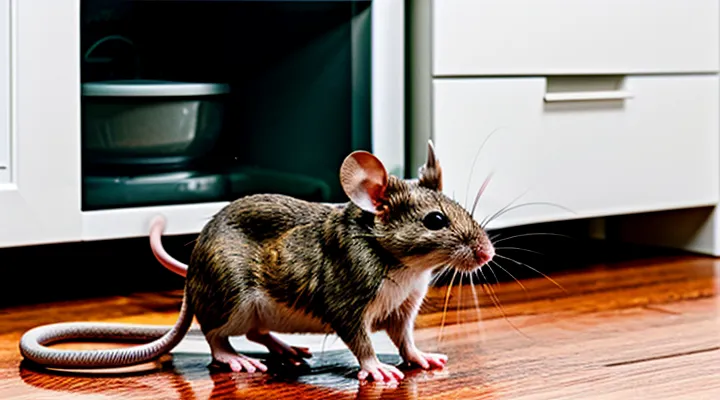
Understanding the Enemy: Signs of a Mouse Infestation
Identifying Mouse Activity
Droppings and Urine Stains
Droppings and urine stains are primary indicators of a mouse presence and pose significant health hazards. Fresh feces appear as small, dark pellets, while older droppings may dry and crumble. Urine stains manifest as discolored patches, often accompanied by a pungent odor, especially on fabrics, wood, or drywall.
Health risks stem from pathogens such as Hantavirus, Salmonella, and Leptospira, which can be transmitted through inhalation of aerosolized particles or direct contact with contaminated surfaces. Prompt identification and removal reduce exposure.
Effective remediation follows a precise sequence:
- Wear disposable gloves and a mask rated for particulate protection.
- Wet the droppings with a disinfectant solution (e.g., 1 % bleach in water) to prevent aerosolization.
- Allow the solution to sit for at least five minutes.
- Scoop the material with a disposable scoop or paper towel; place it in a sealed plastic bag.
- Clean the affected area with the same disinfectant, scrubbing until stains disappear.
- Rinse with clean water and dry thoroughly.
- Dispose of all waste in a sealed container; discard according to local hazardous waste guidelines.
Prevention relies on eliminating attractants and sealing entry points. Maintain a clean environment, store food in airtight containers, and inspect walls, baseboards, and utility openings for gaps larger than ¼ inch. Regular inspection for fresh droppings or urine marks enables early intervention, limiting infestation growth and preserving indoor health standards.
Gnaw Marks
Gnaw marks are the most reliable visual indicator that mice are active in a residence. They appear as shallow, crescent‑shaped grooves on wood, plastic, or wiring, typically 1–3 mm deep and 2–5 mm wide. The pattern reveals the direction of movement and the species’ preferred entry points.
Identifying gnaw marks enables targeted intervention. Follow these steps:
- Inspect low‑lying structures, cabinets, and behind appliances for fresh, light‑colored cuts; older marks darken with oxidation.
- Examine electrical cords; mouse incisors can sever insulation, creating fire hazards.
- Trace each series of marks to locate the nearest opening; mice create a continuous path from food source to shelter.
Preventing new gnaw marks requires eliminating opportunities for chewing:
- Seal gaps larger than ¼ inch with steel wool or copper mesh, then apply silicone caulk.
- Store food in airtight containers; avoid leaving crumbs on countertops.
- Install conduit protectors on exposed wiring to deter biting.
If gnaw marks are already present, remedial actions include:
- Replace damaged sections of wood or plastic to restore structural integrity.
- Trim or replace compromised electrical cables, then test for continuity.
- Apply rodent‑resistant tape or metal plates over vulnerable surfaces.
Regular monitoring—weekly visual checks of known pathways—maintains control and reduces the likelihood of re‑infestation.
Tracks and Runways
Effective mouse control in residential environments relies on well‑designed tracks and runways that guide movement, protect surfaces, and reduce accidental activation. Properly installed pathways separate the mouse from high‑traffic zones, limit exposure to cords, and streamline navigation across rooms.
Key considerations for implementing tracks and runways:
- Position tracks along natural traffic routes, such as between workstations, entertainment centers, and kitchen islands.
- Use low‑profile, non‑slip materials (e.g., textured polymer or rubberized fabric) to maintain stability while allowing precise cursor movement.
- Ensure runway length exceeds the longest expected glide distance to prevent abrupt stops that could cause erratic pointer behavior.
- Incorporate detachable sections for easy cleaning and reconfiguration when furniture layout changes.
Maintenance practices enhance reliability:
- Inspect surfaces weekly for wear, debris, or damage that could affect sensor accuracy.
- Clean tracks with a lint‑free cloth and mild solvent to remove dust that may interfere with optical tracking.
- Replace worn segments promptly to preserve consistent glide characteristics.
Integrating tracks and runways with ergonomic mouse devices further reduces strain. Align runway height with desk surface to keep the wrist in a neutral position, and match the track width to the mouse’s sensor field for uninterrupted detection. By adhering to these specifications, homeowners achieve precise cursor control, extended device lifespan, and a clutter‑free workspace.
Nests and Burrows
Nests and burrows represent the primary locations where house mice establish shelter, raise offspring, and store food. Typical sites include wall voids, attic insulation, behind appliances, and beneath floorboards. Signs of activity consist of shredded material, droppings, gnaw marks, and faint scent trails. Identifying these structures early reduces the likelihood of rapid population growth.
Effective rodent management at home requires a systematic approach to nest and burrow control:
- Conduct a thorough visual inspection of concealed spaces; use a flashlight and mirror to view tight areas.
- Seal entry points greater than ¼ inch with steel wool, caulk, or metal mesh; prioritize gaps around pipes, vents, and foundation cracks.
- Remove accumulated debris, cardboard, and fabric that provide nesting material; store items in sealed containers.
- Install snap or electronic traps near identified pathways; position bait stations away from children and pets.
- Apply low‑toxicity repellents or rodent‑specific granules around exterior perimeters; reapply according to manufacturer guidelines.
Maintenance involves periodic re‑inspection, prompt repair of new openings, and regular cleaning of kitchen surfaces to eliminate food residues that attract mice. Consistent execution of these measures limits nest formation, disrupts burrowing activity, and sustains a rodent‑free environment.
Unusual Noises or Smells
Unusual auditory and olfactory signs provide the earliest reliable evidence of a mouse presence in a residence. Recognizing these cues enables prompt intervention before populations expand and damage escalates.
Mice generate characteristic sounds that differ from ordinary household noises. Frequent reports include:
- Sharp, intermittent scratching on walls, ceilings, or stored materials, especially during nighttime.
- Rapid, light footfalls as rodents move along concealed pathways.
- Persistent gnawing on wood, plastic, or wiring, producing a high‑pitched, repetitive squeak.
Odor indicators complement acoustic detection. Commonly observed smells are:
- A strong, ammonia‑like scent from concentrated urine, often noticeable near concealed nests or along travel routes.
- A faint, oily, musky odor emitted by glandular secretions, detectable in enclosed spaces such as attics or crawl spaces.
- A sweet, slightly rancid smell from decomposing food remnants left unattended.
When any of these signs appear, follow a systematic response:
- Confirm the source by inspecting suspected areas for droppings, gnaw marks, or nesting material.
- Identify and seal entry points using steel wool, caulk, or metal flashing to prevent further ingress.
- Deploy appropriate control devices—snap traps, electronic traps, or bait stations—near confirmed activity zones.
- Remove food sources, store perishables in airtight containers, and maintain regular cleaning to eliminate attractants.
- Monitor the site for recurring noises or odors over the next several days; persistent signs indicate incomplete coverage or hidden nests.
Prompt attention to atypical sounds and smells reduces the risk of structural damage, electrical hazards, and health concerns associated with rodent infestations.
Prevention: Keeping Mice Out
Sealing Entry Points
Inspecting the Exterior
Inspecting the exterior of a residence is the first line of defense against mouse infestations. Identify structural vulnerabilities that allow entry. Examine foundations, walls, and eaves for cracks, gaps, or deteriorated sealant. Verify that all exterior doors and windows close tightly and that weather‑stripping is intact. Check utility penetrations, such as plumbing, electrical, and HVAC lines, for openings larger than ¼ inch and seal them with steel wool, caulk, or metal mesh.
Assess the surrounding environment for conditions that attract rodents. Remove debris, firewood stacks, and dense vegetation that provide shelter within 30 feet of the building. Maintain a clear perimeter by trimming shrubs, grass, and vines away from the foundation. Store garbage in sealed containers and keep compost bins away from the house.
Implement a systematic inspection routine:
- Walk the perimeter weekly; note any new cracks or signs of gnawing.
- Test door and window seals by inserting a thin piece of paper; replace any that allow passage.
- Inspect vent covers, chimney flues, and crawl‑space openings; install mesh screens where missing.
- Record findings in a log, marking locations that require repair or further monitoring.
By consistently evaluating the exterior and eliminating entry points, homeowners reduce the likelihood of mouse intrusion and create a resilient barrier against future infestations.
Sealing Gaps and Cracks
Sealing gaps and cracks eliminates the primary pathways that mice use to enter residential spaces. By removing these access points, the likelihood of infestation drops dramatically, and other control measures become more effective.
Typical entry locations include:
- Openings around doors and windows, especially where weather‑stripping is worn.
- Gaps beneath utility penetrations such as pipes, cables, and vent ducts.
- Cracks in foundation walls, basement floors, and crawl‑space enclosures.
- Openings around baseboards, cabinets, and appliance installations.
Effective sealing requires durable, rodent‑resistant materials. Recommended products are:
- Stainless‑steel mesh (¼‑inch or smaller) for long‑term reinforcement of larger holes.
- Expanding polyurethane foam, applied in thin layers to fill irregular voids, then trimmed flush.
- Silicone or acrylic caulk for narrow seams around trim and fixtures.
- Cement‑based mortar for foundation cracks exceeding ½ inch in width.
Application steps:
- Clean each opening, removing debris and loose material.
- Insert mesh or backing material where the gap exceeds the sealant’s adhesion capacity.
- Apply sealant evenly, ensuring complete coverage to the surrounding surface.
- Allow the product to cure according to manufacturer specifications before exposing the area to moisture or traffic.
Regular inspection sustains barrier integrity. Conduct a visual survey quarterly, focusing on high‑traffic zones and areas prone to settlement. Promptly repair any new fissures or deteriorated sealant to maintain a continuous defensive envelope against mouse intrusion.
Protecting Vents and Drains
Mouse activity often begins at openings that provide unobstructed routes to food, water, and shelter. Vents and drains are especially vulnerable because they combine access points with moisture and debris that attract rodents. Securing these passages reduces the likelihood of infestation and limits damage to HVAC systems and plumbing.
Key actions for protecting vents and drains include:
- Install stainless‑steel mesh or hardware cloth with openings no larger than ¼ inch over all vent covers and drain openings.
- Seal gaps around vent frames, ductwork, and pipe penetrations using silicone caulk or expanding foam rated for pest control.
- Fit removable vent covers that lock in place, preventing rodents from prying them off.
- Add a fine‑mesh screen to floor drains, ensuring the screen is flush with the surface and can be removed for cleaning.
- Place a thin layer of sand or cat litter inside vent openings; the abrasive texture deters chewing and makes passage uncomfortable for mice.
- Conduct quarterly inspections, checking for chewed material, loose fittings, or signs of gnawing, and repair any damage immediately.
Regular maintenance complements physical barriers. Clean debris from vent grilles and drain traps to eliminate food sources. Replace damaged screens promptly, and keep surrounding areas free of clutter that could conceal entry points. Consistent application of these measures maintains a secure environment and supports broader rodent‑prevention strategies throughout the residence.
Eliminating Food and Water Sources
Proper Food Storage
Proper food storage is a fundamental element of effective rodent management in residential environments. Food that is accessible, exposed, or improperly sealed provides a reliable attractant for mice, encouraging foraging activity and facilitating population growth. Eliminating these resources reduces the likelihood of infestation and supports long‑term control measures.
Store dry goods such as grains, cereals, and pet food in containers made of metal, heavy‑wall plastic, or glass with airtight seals. Ensure lids close tightly and inspect seals regularly for wear. Transfer bulk purchases into smaller, sealed containers promptly after opening. Label containers with purchase dates to facilitate rotation and prevent prolonged storage of stale items.
Refrigerate perishable items, including fruits, vegetables, and leftovers, within two hours of acquisition or preparation. Place cooked foods in sealed containers before placing them in the refrigerator. Dispose of garbage daily in bins equipped with tight‑fitting lids; keep outdoor trash containers away from building entrances and elevate them on a platform if possible.
- Keep pantry shelves clear of crumbs and spills; wipe surfaces after each use.
- Position pet feeding stations on elevated platforms; remove uneaten food after each meal.
- Inspect and repair cracks, gaps, and openings around doors, windows, and utility penetrations to prevent mouse entry.
- Rotate stored food regularly; discard items past their expiration dates.
Consistent application of these storage practices removes the primary food sources that sustain mouse populations, thereby reinforcing broader pest‑prevention strategies within the home.
Cleaning Practices
Effective cleaning is essential for preventing rodent activity in residential environments. Regular removal of food residues eliminates attractants that draw mice into kitchens, pantries, and dining areas.
- Sweep and mop floors daily to eliminate crumbs and spills.
- Wipe countertops, appliance exteriors, and cabinet doors after each use.
- Store dry goods in sealed, airtight containers; avoid open bags or boxes.
- Empty trash bins nightly, use lids that close tightly, and keep bins away from walls.
- Clean pet feeding areas after meals; rinse bowls and remove leftover food promptly.
- Vacuum upholstery and rugs weekly; dispose of vacuum bags or canisters outside the home.
Maintaining clutter-free spaces reduces hiding places. Store items in closed storage units, avoid stacking boxes on the floor, and keep basements, attics, and garages organized. Periodic deep cleaning of seldom‑used rooms removes dust and debris that may conceal droppings or nesting material.
Sanitation of entry points further strengthens control. Inspect door sweeps, window screens, and utility penetrations; clean any accumulated debris that could shield gaps. Apply a mild detergent solution to sealant joints and caulking seams to discourage mice from exploiting imperfections.
Consistent application of these cleaning protocols supports an environment that is inhospitable to mice, complementing other control measures such as exclusion and monitoring.
Addressing Leaks and Moisture
Leaks and excess moisture create environments where mice can thrive, offering easy access to food, shelter, and nesting material. Addressing these conditions removes a primary attraction and limits population growth within residential spaces.
Typical sources include dripping faucets, pipe joint failures, roof penetrations, and condensation on cold surfaces. Identifying each point of water intrusion allows targeted repairs and prevents re‑occurrence.
Effective remediation follows a systematic approach:
- Inspect all plumbing fixtures and replace worn seals or washers.
- Test roof and exterior walls for water ingress after rain, seal cracks with appropriate caulk or flashing.
- Install and maintain a functional drainage system to direct runoff away from the foundation.
- Use dehumidifiers in basements and crawl spaces, aiming for relative humidity below 50 %.
- Ensure proper ventilation in bathrooms, kitchens, and laundry areas to reduce condensation buildup.
Consistent moisture control reduces the likelihood of mouse activity, supporting broader rodent‑management strategies and promoting a healthier indoor environment.
Maintaining a Clean Environment
Decluttering Inside and Outside
Effective rodent management in residential settings begins with systematic removal of clutter both indoors and outdoors. Excess materials create hiding places, obstruct detection devices, and provide food sources, undermining control measures.
Inside the home, eliminate unnecessary items from storage areas, kitchens, and basements. Clear pathways to facilitate trap placement and monitoring. Maintain sealed containers for food and waste.
- Dispose of cardboard boxes, paper stacks, and fabric piles.
- Store seasonal items in airtight, elevated containers.
- Keep floors swept and vacuumed daily.
Outside the property, reduce debris that shelters rodents. Trim vegetation, remove litter, and organize tools. Secure compost bins and garbage cans with tight-fitting lids.
- Cut back shrubs to a minimum of six inches from building foundations.
- Stack firewood off the ground and away from walls.
- Inspect and seal gaps around doors, windows, and utility openings.
Consistent decluttering creates an environment where detection devices operate efficiently, reduces rodent population growth, and supports long‑term control success.
Landscaping Practices
Landscaping directly influences the likelihood of mice entering a residence. Proper site design and maintenance create physical barriers and reduce habitat suitability for rodents.
Key landscaping practices for mouse control:
- Keep vegetation trimmed at least six inches from the foundation to eliminate climbing routes.
- Install a solid, impermeable barrier—such as metal flashing or concrete—between soil and the exterior wall.
- Position mulch, compost, and woodpiles at a minimum distance of three feet from the house; store them on raised platforms with a moisture‑resistant cover.
- Ensure proper grading so that the ground slopes away from the structure, preventing water accumulation and creating dry conditions unfavorable to mice.
- Use dense, low‑growth groundcover (e.g., creeping thyme) near the perimeter to limit ground-level shelter.
- Remove debris, fallen leaves, and overgrown shrubs regularly to deny hiding places.
Integrating these measures with interior sanitation—sealing entry points, storing food in airtight containers, and maintaining clean floors—strengthens overall rodent management. Consistent application of the described landscaping techniques reduces mouse activity around the home and supports long‑term prevention.
Active Mouse Control Strategies
Trapping Methods
Snap Traps
Snap traps provide rapid, humane termination of house mice when applied correctly. Their metal spring mechanism delivers a lethal force that kills instantly, eliminating the need for prolonged exposure to poison. The simplicity of design allows for easy inspection, cleaning, and reuse, making them a cost‑effective component of residential rodent management.
Effective deployment requires strategic placement. Position traps along walls, behind appliances, and near known activity zones such as droppings or gnaw marks. Mice travel close to surfaces; aligning the trigger side toward the wall increases capture rates. Secure traps on stable surfaces to prevent accidental displacement.
Selection of bait influences success. Use high‑protein or high‑fat items—peanut butter, cheese, or dried meat—applied in a small amount to the trigger plate. Rotate bait types periodically to avoid habituation. Avoid overly large quantities that may allow mice to feed without activating the trap.
Safety considerations protect occupants and pets. Choose traps with enclosed trigger mechanisms or place them inside tamper‑resistant housings. Keep traps out of reach of children and non‑target animals. Inspect traps daily; remove captured rodents promptly to prevent odor buildup and secondary infestations.
Disposal of captured mice should follow local health regulations. Wear disposable gloves, place the carcass in a sealed bag, and dispose of it in an outdoor trash container. Clean the trap with a mild disinfectant after each use to maintain hygiene and ensure consistent performance.
Key practices for snap‑trap use:
- Locate traps along wall edges and near signs of activity.
- Use small amounts of strong‑smelling bait; rotate flavors.
- Employ tamper‑resistant housings in households with children or pets.
- Check traps daily, remove carcasses, and disinfect the device.
- Replace or repair springs when the trigger becomes less sensitive.
Integrating these measures with complementary strategies—such as sealing entry points and maintaining a clean environment—optimizes overall mouse control in residential settings.
Live Traps
Live traps provide a humane method for removing mice from residential spaces while preventing population growth. The devices consist of a cage or tube that closes automatically when a mouse triggers a pressure plate or trip wire. Proper use maximizes capture rates and minimizes stress for both occupants and animals.
Select traps made of durable metal or sturdy plastic, featuring a smooth interior to discourage escape. Choose models with a secure latch and a clear viewing window to verify captures without opening the unit.
Placement follows a logical pattern:
- Identify high‑activity zones such as along walls, behind appliances, and near food storage.
- Position traps perpendicular to the wall, with the entry side facing the baseboard.
- Space multiple traps 10–15 cm apart in a line when activity is concentrated.
Bait selection influences success. Effective options include:
- Peanut butter – strong odor, adheres to trigger mechanism.
- Sunflower seeds – appealing to mice, easy to apply.
- Small pieces of cheese – traditional, works when other baits fail.
Secure bait to the trigger plate to prevent premature removal. Avoid placing traps in areas with heavy foot traffic that could cause accidental closures.
Check traps at least twice daily. Once a mouse is captured:
- Wear disposable gloves.
- Transfer the animal to a pre‑prepared release container.
- Release the mouse at least 100 m from the residence, near natural cover and away from other homes.
Maintain traps by cleaning the interior with mild detergent after each use. Replace worn latches and inspect for damage before redeployment.
Legal considerations vary by jurisdiction; verify local regulations regarding live capture and release. Failure to comply can result in fines or wildlife protection violations.
Integrating live traps with complementary measures—such as sealing entry points, eliminating food sources, and managing clutter—creates a comprehensive strategy for reducing mouse presence in the home.
Electronic Traps
Electronic traps provide a rapid, voltage‑based method for eliminating house mice without chemicals. The device contains a sealed chamber where a mouse triggers a sensor; an electric pulse instantly disables the rodent, preventing escape and secondary contamination.
Key characteristics:
- Immediate result: The mouse dies within seconds, allowing prompt removal.
- Chemical‑free operation: No poisons, baits, or residues remain in the home environment.
- Reusable design: Batteries or mains power supply the unit for thousands of cycles before replacement is required.
- Safety features: Built‑in shields prevent accidental discharge, and many models include a lockout button for child or pet protection.
Effective placement follows a simple logic. Install traps along walls, behind appliances, and near known activity zones such as pantry edges or utility closets. Position devices perpendicular to the wall, with the entry side facing the anticipated travel path. Avoid locations with high humidity or direct exposure to liquids, as moisture can impair sensor function.
Maintenance procedures are straightforward. After each activation, open the chamber, dispose of the carcass in a sealed bag, and clean the interior with a mild disinfectant. Verify battery charge or power connection weekly, and test the sensor using the built‑in indicator before redeployment.
When integrated with complementary tactics—sealing entry points, removing food sources, and maintaining clutter‑free zones—electronic traps enhance overall rodent management efficiency while preserving a safe, pesticide‑free household.
Trap Placement Best Practices
Effective rodent control at home depends on strategic trap positioning. Identify mouse pathways by observing droppings, gnaw marks, and grease trails; place traps directly in these routes. Install devices along walls, where rodents naturally travel, ensuring the bait side faces the wall to encourage entry. Position traps near known food sources such as pantry shelves, garbage bins, and pet feeding stations, but keep them out of reach of children and pets.
Select locations that offer concealment without compromising accessibility. Under appliances, behind cabinets, and within crawl spaces provide ideal concealment while maintaining direct access to travel lanes. In multi‑room residences, distribute traps evenly across each level, focusing on entry points like doorways, windows, and utility openings.
Maintain a minimum spacing of 10–15 feet between traps to cover broader areas while preventing overlap. Replace or relocate traps promptly after each catch to sustain effectiveness and avoid scent saturation that may deter further activity. Regularly inspect and adjust placements based on shifting rodent behavior, ensuring continuous pressure on the infestation.
Baits and Lures
Types of Baits
Effective mouse management at home relies on selecting appropriate attractants that align with the species’ feeding preferences and the environment’s constraints. Various bait categories address different behavioral triggers and safety requirements.
- Food‑based baits: grains, nuts, dried fruit, and cheese provide strong olfactory cues. They are suitable for indoor settings where food residues are common.
- Protein‑rich baits: peanut butter, canned fish, and meat scraps exploit mice’s need for amino acids. Use in limited quantities to prevent spoilage.
- Synthetic attractants: pheromone‑derived lures mimic mouse communication signals. They function without visible food, reducing mess.
- Hybrid formulations: combinations of food and synthetic components enhance appeal and reduce bait avoidance.
- Non‑toxic, humane baits: biodegradable gels and wax blocks deliver lethal agents while minimizing secondary poisoning risks.
Choosing a bait involves assessing durability, placement feasibility, and household safety. Durable baits resist drying and maintain potency for weeks, allowing strategic positioning behind appliances, in wall voids, and along travel routes. Non‑toxic options are essential where children or pets may encounter traps. When using lethal agents, select products complying with local regulations and label warnings.
Regular monitoring confirms bait effectiveness; replace depleted units promptly to sustain pressure on the mouse population. Integrating the appropriate bait type with proper trap placement constitutes a core element of a comprehensive rodent‑control program for residential environments.
Safe Bait Application
Effective home mouse management relies on the correct use of bait. Safe bait application begins with selecting products that meet regulatory standards and contain low‑toxicity active ingredients. Choose formulations that are specifically labeled for indoor use and have clear expiration dates.
When placing bait, locate stations along walls, behind appliances, and near suspected entry points. Position traps at least 2–3 inches from the floor to match rodent travel paths. Secure each station with a tamper‑resistant cover to prevent accidental contact by children or pets.
Determine the appropriate amount of bait per station based on manufacturer instructions. Over‑application does not increase efficacy and raises the risk of secondary poisoning. Apply a pea‑sized portion to the bait holder; replace only when consumption is evident.
Maintain a strict separation between bait areas and food preparation zones. Store unused bait in its original sealed container, away from pantry shelves and countertops. Label storage containers with hazard warnings and keep them out of reach of non‑target animals.
Monitor stations daily. Record consumption patterns and replace depleted units promptly. If non‑target exposure occurs, follow the product’s emergency protocol and contact a licensed pest‑control professional for guidance.
Dispose of spent bait and empty containers according to local hazardous‑waste regulations. Do not discard them in regular trash or down household drains. Proper disposal prevents environmental contamination and reduces the likelihood of attracting other pests.
Professional Pest Control
When to Call an Expert
Persistent rodent activity that resists standard traps and bait stations signals the need for professional intervention. Damage to electrical wiring, insulation, or structural components indicates a risk that exceeds typical DIY capabilities. Health concerns, such as confirmed exposure to rodent‑borne pathogens, require expertise in safe removal and sanitation. When multiple mouse species coexist, identification and tailored control methods become essential, which most homeowners lack. Repeated failures after applying recommended best practices suggest underlying issues only a qualified technician can diagnose.
Typical scenarios that warrant calling an expert include:
- Continuous sightings despite proper placement of traps and sealed entry points.
- Evidence of gnawing on cables, ducts, or structural beams.
- Presence of droppings in high‑traffic areas, especially where children or pets are present.
- Confirmation of diseases such as hantavirus or leptospirosis from health professionals.
- Need for comprehensive inspection of hidden spaces, like wall cavities or attic insulation.
- Requirement for integrated pest management plans that combine chemical, mechanical, and environmental controls.
Engaging a certified pest‑control specialist provides access to advanced monitoring tools, professional-grade bait formulations, and legal compliance with local regulations. The specialist can also deliver a written report outlining entry points, damage assessment, and long‑term prevention strategies, ensuring a durable solution beyond temporary measures.
What to Expect from a Professional Service
Professional mouse‑control services begin with an on‑site evaluation of the household layout, identifying entry points, nesting sites, and existing control measures. Technicians document findings and propose a tailored plan that aligns with local regulations and the homeowner’s preferences.
Installation follows the assessment. Certified personnel place traps, bait stations, or electronic devices according to the approved layout, ensuring optimal coverage while minimizing disruption to daily activities. All equipment is calibrated and labeled for safe operation.
After deployment, the service includes a brief demonstration for occupants, covering device operation, safety precautions, and proper disposal of captured rodents. Written instructions accompany the demonstration for future reference.
Ongoing support is provided through scheduled inspections, typically every two to four weeks, during which technicians assess efficacy, replenish consumables, and adjust device placement as needed. Reports detail capture rates, any observed resistance, and recommended corrective actions.
Warranty terms guarantee replacement of faulty equipment and cover labor for adjustments within the contract period. Transparent billing outlines initial costs, recurring service fees, and any additional charges for extra equipment or emergency visits.
Key deliverables from a reputable provider include:
- Comprehensive site assessment report
- Customized control plan with clear objectives
- Professional installation of approved devices
- User training and written operational guide
- Regular performance monitoring and documentation
- Warranty coverage and clear pricing structure
These components define the standard expectations for a professional mouse‑control service in a residential environment.