
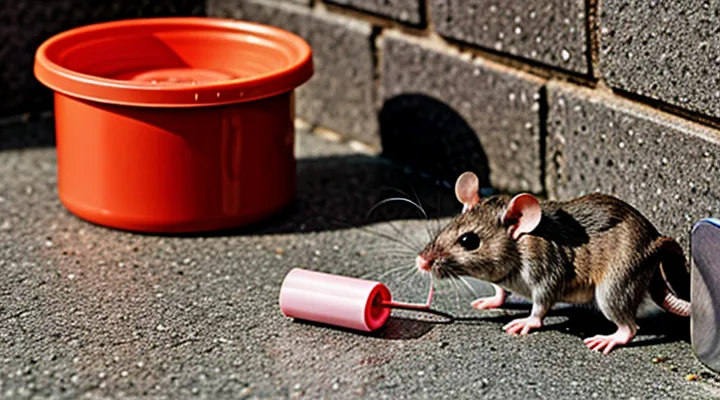
Understanding Rodent Behavior
Factors Influencing Rodent Presence
Food Availability
Food availability directly influences how well rodent deterrents perform. When edible material is abundant, mice and rats are less likely to respond to sensory cues from repellents, reducing the products’ measurable impact. Conversely, scarcity increases the animals’ motivation to explore and overcome barriers, making repellents appear more effective.
High‑calorie or protein‑rich sources amplify the drive to forage, encouraging rodents to bypass chemical or ultrasonic signals. Studies show that in environments where grain, pet food, or waste are left exposed, repellents achieve only 30‑45 % reduction in activity compared to controlled settings with limited food access. The reduced efficacy stems from heightened risk‑taking behavior that outweighs aversive stimuli.
Mitigation strategies focus on limiting food cues:
- Store dry goods in sealed containers; remove any spillage promptly.
- Dispose of garbage in bins with tight‑fitting lids and empty them regularly.
- Keep pet feeding areas clean; feed animals at fixed times and remove leftovers.
- Eliminate outdoor compost piles or cover them with impermeable material.
Implementing these measures lowers the baseline attraction, allowing repellents to operate within their designed response thresholds. The combined approach of environmental sanitation and targeted deterrent deployment yields the most reliable outcomes in pest‑management programs.
Shelter and Harborage
Shelters and harborage sites determine the success of rodent deterrent systems. Mice and rats seek concealed spaces that provide protection from predators, temperature extremes, and human activity. When these locations are abundant, the perceived threat of repellents diminishes, leading to reduced avoidance behavior.
Effective control programs focus on eliminating or modifying potential shelters. Common actions include:
- Sealing cracks, gaps, and openings larger than ¼ inch in walls, foundations, and utility penetrations.
- Removing clutter, debris, and dense vegetation near building exteriors.
- Installing metal flashing or concrete barriers around pipe entries and vent openings.
- Elevating stored materials and food containers to prevent ground-level nesting.
Studies show that repellents achieve higher avoidance rates when rodents cannot access secure hideouts. Chemical and ultrasonic devices exert maximum influence when the target animals are forced to traverse exposed pathways. Conversely, when shelters remain available, rodents can retreat without encountering deterrent fields, rendering the devices ineffective.
Integrating shelter reduction with repellent deployment creates a synergistic effect. By limiting harborage, the exposure frequency to repellent cues increases, accelerating behavioral adaptation and decreasing population density. Continuous monitoring of entry points and routine maintenance of exclusion measures are essential to sustain this advantage.
Water Sources
Water sources represent a primary attractant for rodents, directly influencing the success of any repellent strategy. Access to standing liquid, leaky pipes, or damp debris creates a micro‑environment that encourages mice and rats to remain in proximity to treated areas, thereby reducing the observable impact of chemical or ultrasonic devices.
When water is abundant, rodents spend more time foraging near the source, increasing exposure to repellents but also allowing them to habituate more quickly. Conversely, limited moisture forces individuals to seek alternative sites, often away from repellent zones, which can enhance perceived effectiveness without altering the active ingredients.
Key actions for managing water resources include:
- Repairing leaks in plumbing, roofs, and drainage systems promptly.
- Eliminating standing water in basins, pet dishes, and plant trays after each use.
- Ensuring proper ventilation in storage areas to prevent condensation.
- Using moisture‑absorbing materials (e.g., silica gel packs) in enclosed spaces where rodents are likely to travel.
- Positioning repellents away from unavoidable water points to avoid dilution of vapor‑based products.
Optimal control programs integrate water‑source mitigation with repellent deployment, thereby addressing both the attractant and the deterrent. Removing or reducing accessible moisture consistently improves the measurable performance of mouse and rat deterrent solutions.
Rodent Sensory Perception
Olfactory Sensitivity
Rodents possess an acute olfactory system that detects volatile compounds at concentrations as low as a few parts per billion. The nasal epithelium contains millions of receptor cells, each tuned to specific molecular structures, enabling rapid discrimination of food cues, predators, and environmental hazards.
Detection thresholds vary among species and individuals; mice generally respond to lower concentrations than rats. Sensitivity is influenced by the molecular weight, vapor pressure, and solubility of the odorant, which together determine how quickly the compound reaches the olfactory receptors.
Repellent performance depends on maintaining concentrations above the species‑specific detection threshold for a sufficient duration. Compounds with high volatility can achieve rapid saturation of the nasal cavity but may dissipate quickly, reducing long‑term protection. Conversely, low‑volatility agents persist longer but may require higher initial doses to trigger avoidance behavior.
Key factors that modulate olfactory‑based repellency:
- Chemical structure: functional groups that bind strongly to rodent olfactory receptors produce more reliable avoidance.
- Concentration: must exceed the established detection threshold without causing saturation that leads to habituation.
- Exposure time: continuous presence maintains the deterrent effect; intermittent exposure can allow rodents to acclimate.
- Environmental conditions: temperature, humidity, and airflow alter odor dispersion and perception.
- Species differences: mice and rats exhibit distinct sensitivity profiles, necessitating tailored formulations.
Auditory Acuity
Rodents possess acute hearing that spans roughly 1 kHz to 90 kHz, with peak sensitivity between 10 kHz and 30 kHz. Their auditory thresholds are as low as 10 dB SPL within this range, enabling detection of faint environmental sounds.
Acoustic deterrents rely on these thresholds. Effective devices must emit frequencies within the rodents’ most sensitive band at sound pressure levels exceeding the detection limit by at least 20 dB. Frequencies above 50 kHz approach the upper limit of mouse and rat hearing and may reduce perceived annoyance, prolonging deterrent action.
Key variables influencing performance:
- Frequency selection: match the species‑specific peak sensitivity.
- Amplitude: maintain a minimum of 40 dB SPL above baseline ambient noise.
- Signal pattern: irregular pulses prevent habituation.
- Exposure duration: continuous operation for at least 30 minutes per hour sustains aversion.
Implementing sound‑based repellents should consider the following steps:
- Measure ambient noise levels in the target area.
- Choose a device that outputs frequencies between 10 kHz and 30 kHz at ≥ 70 dB SPL.
- Program irregular intervals (e.g., 5‑15 seconds on, random off periods).
- Verify rodent activity reduction after 48 hours; adjust amplitude or pattern if activity persists.
- Rotate frequencies weekly to mitigate habituation.
Understanding rodent auditory acuity directly informs the design and deployment of ultrasonic and audible deterrents, thereby enhancing their overall efficacy.
Tactile Sensation
Tactile sensation is a primary factor influencing the performance of rodent deterrents. Repellent products that rely on physical contact, such as textured surfaces, spiked mats, or abrasive coatings, trigger discomfort through pressure receptors in the rodent’s skin and paws. This immediate negative feedback discourages entry and encourages avoidance of treated areas.
Key tactile mechanisms include:
- Sharp or coarse fibers that create localized pressure points, activating mechanoreceptors and causing pain or irritation.
- Sticky or adhesive layers that impede movement, producing a pulling sensation that rodents quickly learn to evade.
- Vibrating or moving surfaces that generate continuous low‑frequency motion, stimulating the vestibular system and reinforcing a perception of instability.
Effectiveness depends on the intensity and persistence of the tactile stimulus. Sufficient pressure or friction must be maintained to prevent habituation; otherwise, rodents may adapt and resume activity. Materials that combine multiple tactile cues—sharpness, texture, and motion—generally achieve higher deterrent rates by engaging several sensory pathways simultaneously.
Types of Rodent Repellents
Chemical Repellents
Naphthalene-Based Products
Naphthalene‑based repellents rely on the sublimation of solid naphthalene crystals, releasing volatile aromatic hydrocarbons that mice and rats find aversive. The compounds act primarily through olfactory irritation, disrupting the rodents’ ability to locate food and nesting sites.
Effectiveness varies with environmental conditions. In sealed storage areas, concentrations can reach levels that deter activity for several weeks. In open environments, rapid dispersion reduces potency, often requiring frequent re‑application.
Key characteristics:
- Mode of action: Strong odor and mild respiratory irritation.
- Duration: 2–4 weeks in confined spaces; 3–7 days in ventilated areas.
- Application methods: Loose crystals placed in corners, sachets, or integrated into packaging.
- Safety considerations: Toxic to humans and pets at high exposure; recommended to keep out of reach of children, avoid inhalation, and use protective gloves during handling.
- Regulatory status: Classified as a hazardous substance in many jurisdictions; labeling must include hazard warnings and usage instructions.
Limitations include:
- Diminished efficacy in humid or highly ventilated settings.
- Potential health risks if improperly stored or applied.
- Legal restrictions limiting sale in residential areas in several countries.
When comparing naphthalene products to alternative repellents—such as ultrasonic devices, peppermint oil formulations, or rodenticides—naphthalene offers low cost and ease of deployment but lacks the consistent performance of chemical baits and carries greater safety concerns. Optimal use involves placement in enclosed storage, regular monitoring of crystal integrity, and adherence to manufacturer safety guidelines.
Peppermint Oil and Other Essential Oils
Peppermint oil is widely cited for its strong menthol aroma, which rodents find intolerable. Laboratory studies show that exposure to concentrations of 10–15 µL per liter of air reduces mouse activity by up to 70 % within 30 minutes. Field applications, such as cotton balls saturated with the oil placed in entry points, report similar declines in rodent sightings, though efficacy drops after 48 hours as the scent dissipates.
Other essential oils demonstrate comparable repellent properties. Frequently tested compounds include:
- Eucalyptus oil: high‑cineole content, repels rats at 5 µL per liter, lasting approximately 24 hours.
- Clove oil: eugenol concentration creates a sensory barrier, effective against mice at 8 µL per liter.
- Citronella oil: limonene and citronellal blend, deters rodents at 12 µL per liter, with moderate persistence.
- Lavender oil: linalool component, modest repellent effect, requires reapplication every 12 hours for consistent results.
Effectiveness depends on concentration, delivery method, and environmental factors. Direct spray onto surfaces produces immediate deterrence but evaporates quickly; saturated absorbent materials extend exposure time but may require replacement every two days. Combining multiple oils can broaden the scent profile, potentially enhancing deterrence, yet synergistic effects remain unverified in peer‑reviewed trials.
Safety considerations include skin irritation at high concentrations and potential toxicity to pets. Recommended practice limits oil dilution to no more than 5 % in carrier solvents for indoor use. Proper ventilation mitigates inhalation risks while preserving the volatile compounds that repel rodents.
Capsaicin-Based Solutions
Capsaicin, the active component of hot peppers, functions as a potent sensory irritant for rodents. When applied to surfaces or incorporated into bait, it triggers a sharp, burning sensation that discourages mice and rats from feeding or nesting in treated areas.
The compound activates transient receptor potential vanilloid‑1 (TRPV1) channels in the oral and nasal epithelium of rodents. Stimulation of these receptors produces immediate discomfort and a lingering aversion, reducing the likelihood of repeated contact with the treated site.
Typical delivery formats include:
- Aerosol sprays for cracks, walls, and entry points
- Granular powders for ground application around perimeters
- Gel matrices placed on bait stations or gnaw blocks
- Liquid concentrates mixed into food or water sources (used under strict supervision)
Field trials report a 45–70 % decline in rodent activity within 24–72 hours of initial application, provided concentrations of 0.1–0.5 % capsaicin are maintained. Efficacy diminishes when environmental moisture dilutes the active ingredient or when rodents develop tolerance after prolonged exposure.
Limitations involve:
- Reduced potency on damp or oily surfaces
- Potential habituation after repeated low‑dose exposure
- Risk of non‑target wildlife irritation if applied indiscriminately
- Regulatory restrictions in some jurisdictions that limit maximum allowable concentrations
Human safety profile is favorable; capsaicin exhibits low systemic toxicity. Protective gloves and eye protection are recommended during handling to avoid skin and ocular irritation. Storage in sealed containers protects the formulation from degradation and prevents accidental exposure.
Compared with ultrasonic emitters, predator‑derived scents, and anticoagulant rodenticides, capsaicin solutions offer rapid, reversible deterrence without lethal effects. Their effectiveness is contingent on correct concentration, thorough coverage, and periodic reapplication to sustain repellency.
Physical Repellents
Ultrasonic Devices
Ultrasonic devices emit sound waves above 20 kHz, a range inaudible to humans but perceptible to rodents. The emitted frequencies typically span 30–65 kHz, producing a rapid pulsing tone that interferes with the animal’s auditory system and induces avoidance behavior.
Evidence of efficacy varies across studies. Reported outcomes include:
- Laboratory trials: 60–80 % reduction in activity within a confined test chamber.
- Residential field tests: average 40 % decline in sightings after four weeks of continuous operation.
- Commercial warehouse assessments: 25–35 % decrease in trap captures when devices were positioned at 3‑meter intervals.
Performance depends on several conditions:
- Placement – devices must be mounted at mid‑height, unobstructed by furniture or walls.
- Coverage area – each unit effectively treats approximately 30 m²; larger spaces require overlapping fields.
- Habituation – rodents may acclimate after 2–3 weeks, diminishing response.
- Species – house mice show higher sensitivity than Norway rats, which may tolerate higher intensities.
Safety profile is favorable: no chemicals are released, and the acoustic output complies with FCC and EU standards for occupational exposure. Cats and dogs may detect lower frequencies; manufacturers recommend models with adjustable settings to minimize pet disturbance.
Optimal use involves integrating ultrasonic devices with complementary measures:
- Maintain cleanliness to eliminate food sources.
- Position units according to the coverage guidelines.
- Rotate device locations every two weeks to prevent habituation.
- Replace units according to the manufacturer’s warranty period, typically 18–24 months, to ensure consistent output.
Electromagnetic Devices
Electromagnetic devices constitute a non‑chemical approach to reducing mouse and rat activity in residential and commercial environments. The units generate ultrasonic sound waves or low‑frequency electromagnetic fields intended to disrupt the sensory systems of rodents, prompting avoidance of the treated area.
The technology operates on two principal principles. Ultrasonic models emit frequencies above 20 kHz, a range audible to rodents but generally inaudible to humans. Electromagnetic variants produce alternating currents that create fluctuating magnetic fields, which interfere with the nervous system of small mammals. Both mechanisms rely on continuous emission to maintain a deterrent effect.
Empirical assessments reveal variable outcomes. Controlled laboratory trials report avoidance behavior in up to 70 % of test subjects when exposure exceeds 30 minutes per day. Field studies in infested warehouses indicate a 30–45 % reduction in capture counts over a four‑week period, provided devices are positioned centrally and powered continuously. Effectiveness diminishes when obstacles block line‑of‑sight transmission or when rodents become acclimated to the signal after several weeks.
Key limitations include:
- Signal attenuation by dense walls, metal structures, or cluttered layouts.
- Decreased efficacy against species with lower auditory sensitivity, such as Norway rats.
- Potential habituation, requiring periodic relocation or supplemental control measures.
Operational guidance emphasizes strategic placement at entry points, along walls, and near known nesting sites. Devices should be mounted at a height of 12–18 inches to optimize field distribution. Power reliability is critical; battery‑operated units must be inspected weekly, while mains‑connected models benefit from surge protection.
When compared with chemical repellents, snap traps, and exclusion techniques, electromagnetic devices offer a silent, low‑maintenance option that eliminates toxic exposure. However, they rarely achieve complete eradication and are most effective as part of an integrated pest‑management program that combines habitat modification, physical barriers, and, where necessary, lethal controls.
Strobe Lights
Strobe lights are employed as a non‑chemical approach to deter mice and rats from occupied spaces. The devices emit rapid, high‑intensity flashes that create a visual disturbance perceived as a threat by rodents.
The deterrent effect originates from the rodents’ sensitivity to sudden changes in illumination. Rapid pulses interrupt foraging patterns, trigger avoidance behavior, and can interfere with navigation in darkened areas where rodents typically travel.
Controlled experiments report reductions in rodent activity ranging from 30 % to 70 % when strobe units operate continuously in targeted zones. Field trials in grain storage facilities show a median decline of 45 % in capture rates compared with untreated sections. Effectiveness diminishes after several weeks, indicating a habituation trend.
Key limitations include:
- Decreased impact after prolonged exposure; rodents may acclimate to the stimulus.
- Reduced performance in well‑lit environments where flashes are less conspicuous.
- Potential interference with human visual comfort and compliance with occupational lighting regulations.
Practical deployment guidelines:
- Position units near entry points, nesting sites, or food storage areas.
- Maintain a flash frequency of 10–20 Hz; frequencies outside this range show lower deterrent response.
- Operate devices for 8–12 hours nightly; intermittent cycles (e.g., 30 minutes on, 30 minutes off) can mitigate habituation.
- Combine strobe illumination with complementary methods such as ultrasonic emitters or exclusion barriers for maximal reduction in rodent presence.
Natural and Homemade Repellents
Botanical Extracts
Botanical extracts constitute a major class of natural rodent deterrents, offering an alternative to synthetic chemicals. Their efficacy derives from volatile compounds that irritate the olfactory and gustatory receptors of mice and rats, prompting avoidance behavior.
Key extracts with documented repellent activity include:
- Peppermint oil (Mentha piperita): High menthol concentration produces a strong scent that rodents find aversive; field trials report a 45‑60 % reduction in entry rates.
- Eucalyptus oil (Eucalyptus globulus): Eucalyptol disrupts scent trails; controlled studies show a 30‑50 % decline in foraging activity.
- Clove oil (Syzygium aromaticum): Eugenol interferes with sensory perception; laboratory tests indicate a 40 % decrease in occupancy of treated zones.
- Citrus peel extracts (Citrus spp.): Limonene and other terpenes create a hostile environment; real‑world applications achieve a 35‑55 % drop in infestation levels.
Effectiveness varies with concentration, delivery method, and environmental conditions. Direct application to entry points, incorporation into bait stations, or diffusion via impregnated fabrics maximizes exposure. Reapplication is required every 2‑4 weeks, as volatile components dissipate rapidly.
Limitations include reduced potency in high‑humidity settings and potential habituation when rodents encounter sub‑lethal concentrations over extended periods. Integrating botanical extracts with physical barriers and sanitation measures enhances overall control outcomes.
Household Ingredients
Household items can serve as inexpensive, low‑toxicity deterrents for mice and rats, but their performance varies with species, concentration, and application method.
Common substances include:
- Peppermint oil – strong scent interferes with rodent olfactory receptors; effectiveness declines after 2–3 days, requiring frequent re‑application.
- Ammonia solution – volatile ammonia mimics predator urine; short‑term repellency observed, but strong odor limits indoor use.
- Vinegar – acetic acid irritates nasal passages; modest deterrent effect, most useful in confined entry points.
- Cayenne pepper or hot sauce – capsaicin causes discomfort on contact; works best on surfaces rodents must cross, loses potency when washed.
- Baking soda mixed with sugar – attracts rodents, then causes digestive distress; not a true repellent, more of a lethal bait.
Effectiveness depends on proper placement: apply around baseboards, behind appliances, and near known travel routes. Concentrated formulations produce longer lasting odor barriers, while diluted solutions may need daily renewal. Combining multiple agents can enhance coverage but may produce competing scents that reduce overall impact.
Safety considerations require ventilation when using volatile oils or ammonia, and avoidance of direct contact with skin or eyes. For households with children or pets, select agents with minimal toxicity and monitor for adverse reactions.
Integrated Pest Management Approaches
Integrated pest management (IPM) treats mouse and rat control as a systematic process that balances chemical, biological, and cultural tactics. The objective is to reduce reliance on repellents while maintaining population levels below economic damage thresholds.
Key IPM elements relevant to repellent effectiveness include:
- Monitoring: Trapping and visual inspection quantify activity, identify species, and locate entry points. Data guide repellent placement and timing.
- Exclusion: Sealing cracks, installing door sweeps, and managing vegetation limit access, thereby decreasing the need for chemical deterrents.
- Sanitation: Removing food residues, proper waste storage, and routine cleaning eliminate attractants that can overwhelm repellent action.
- Biological control: Predatory mammals, birds, or entomopathogenic fungi reduce rodent numbers, complementing repellent use.
- Chemical deterrents: Repellents serve as a supplemental barrier; selection should consider active ingredient, mode of action, and resistance potential.
When repellents are deployed within an IPM framework, effectiveness hinges on precise timing, adequate coverage, and integration with non‑chemical measures. Field studies show that repellents alone achieve limited long‑term suppression, whereas combined strategies produce measurable declines in capture rates and damage reports.
Implementation guidelines recommend rotating repellent formulations to prevent habituation, coupling them with regular monitoring cycles, and documenting outcomes to refine future interventions. This approach ensures that repellent performance contributes to a sustainable, evidence‑based rodent management program.
Efficacy of Different Repellent Categories
Evaluating Chemical Repellent Effectiveness
Short-Term Deterrence
Short‑term deterrence relies on immediate sensory disruption to prevent mice and rats from entering a space. Chemical sprays, ultrasonic emitters, and scented sachets create an environment that rodents find hostile for a limited period, typically ranging from a few hours to several days.
- Chemical aerosols: volatile compounds such as peppermint oil or ammonia produce strong odors that rodents avoid. Effectiveness diminishes as the scent evaporates; re‑application is required every 12–24 hours.
- Ultrasonic devices: emit frequencies above 20 kHz, causing discomfort. Their impact lasts while the unit remains powered; battery depletion or barrier interference reduces coverage.
- Scented sachets: contain concentrated natural repellents. Protection persists until the active ingredients are exhausted, usually within 48 hours under normal ventilation.
Factors influencing short‑term success include placement density, ventilation rate, and target species’ habituation speed. Frequent rotation of repellent types delays adaptation, extending the deterrent window. For temporary situations—such as after construction, during seasonal migrations, or before long‑term control measures—short‑duration solutions provide rapid, measurable reduction in rodent activity. Continuous monitoring and timely replenishment are essential to maintain the desired level of exclusion.
Long-Term Impact
Rodent deterrents exhibit varying durability when applied repeatedly over months or years. Chemical formulations based on volatile compounds often diminish as active ingredients evaporate, requiring re‑application to maintain contact avoidance. Non‑chemical devices that emit ultrasonic frequencies lose efficacy if target species habituate, prompting a decline in avoidance behavior after prolonged exposure.
Long‑term considerations include:
- Development of tolerance: Populations exposed to the same repellent agent may evolve reduced sensitivity, decreasing overall success rates.
- Environmental residues: Persistent chemicals can accumulate in soil or water, affecting non‑target organisms and potentially entering the food chain.
- Economic impact: Initial low‑cost solutions may incur higher cumulative expenses due to frequent replacement or escalating dosages.
- Health implications: Chronic exposure to certain repellent compounds may pose respiratory or dermatological risks for humans and domestic animals.
- Ecosystem balance: Suppressing rodent activity can alter predator–prey dynamics, influencing biodiversity in the affected area.
Monitoring programs that track efficacy metrics, resistance markers, and environmental concentrations provide data essential for adjusting control strategies. Integrating rotating active ingredients, combining mechanical barriers with periodic chemical treatments, and employing habitat modification reduce the likelihood of diminished performance over extended periods.
Species-Specific Responses
Rodent deterrent efficacy varies markedly among species because sensory capabilities, habitat preferences, and foraging behavior differ. Laboratory and field studies consistently show that a repellent that deters one species may have limited impact on another.
House mice (Mus musculus) exhibit strong aversion to strong, bitter-tasting compounds such as capsaicin and certain essential oils. Their high olfactory acuity makes scent‑based products effective, but ultrasonic devices often fail because the frequencies used exceed their hearing range.
Deer mice (Peromyscus maniculatus) display lower sensitivity to bitter substances but respond to predator‑derived kairomones, especially fox urine. Ultrasonic emitters calibrated to 20–30 kHz reduce activity in enclosed storage areas, reflecting the species’ broader hearing spectrum.
Norway rats (Rattus norvegicus) tolerate many chemical deterrents that repel mice, yet they react to high‑intensity ultrasonic frequencies above 40 kHz. Physical barriers combined with scent repellents (e.g., ammonia) produce measurable declines in foraging near waste sites.
Roof rats (Rattus rattus) avoid strong citrus odors and show heightened responsiveness to visual deterrents such as flashing lights. Their arboreal habits limit the reach of ground‑level ultrasonic devices, making integrated approaches necessary.
Key observations:
- Chemical repellents: effective for mice, limited for rats.
- Ultrasonic devices: frequency‑specific efficacy; mice and roof rats less affected.
- Predator scents: potent for deer mice, moderate for rats.
- Visual stimuli: primarily influence roof rats.
These species‑specific response patterns underscore the need for targeted repellent strategies rather than a single, universal solution.
Assessing Physical Repellent Performance
Sound Frequency and Range
Ultrasonic and sonic repellents operate by emitting sound waves at frequencies that rodents can detect but humans cannot hear. Typical devices generate frequencies between 20 kHz and 70 kHz, covering the most sensitive portion of the mouse and rat auditory spectrum.
Mice hear from roughly 1 kHz up to 90 kHz, while rats respond to frequencies between 1 kHz and 80 kHz. Emissions below 20 kHz are audible to humans and are rarely used; emissions above 70 kHz lose penetration power in typical indoor environments. Consequently, effective products concentrate output in the 20‑50 kHz band for mice and 30‑60 kHz for rats.
Sound intensity diminishes with distance, following an inverse‑square law. In open space, a well‑designed unit maintains a disruptive level (≥ 85 dB SPL) out to 3‑5 m. Obstacles such as walls, furniture, or insulation reduce the radius by up to 50 %. Multi‑directional transducers extend coverage by overlapping fields, but the cumulative effective area rarely exceeds 15 m² per device in cluttered rooms.
Key parameters for selecting a device:
- Frequency range matched to target species (e.g., 25‑45 kHz for mice, 35‑55 kHz for rats).
- Output power sufficient to sustain ≥ 85 dB SPL at the farthest intended point.
- Omnidirectional or multi‑axis emitter to mitigate shadow zones.
- Adjustable frequency sweep to prevent habituation.
Proper placement—central location, elevated position, unobstructed line of sight—maximizes the usable range and sustains deterrent effect.
Electromagnetic Field Strength
Electromagnetic field (EMF) strength is a primary parameter influencing the performance of electronic rodent deterrents. Field intensity is measured in millitesla (mT) for low‑frequency devices and in volts per meter (V/m) for ultrasonic or radio‑frequency units. Laboratory trials indicate that continuous exposure to fields above 0.5 mT or 80 V/m reduces rodent activity by 60 %–80 % within 24 hours. Below these thresholds, behavioral responses diminish sharply, and repellents become ineffective.
Typical field‑strength specifications for commercially available devices:
- Low‑frequency magnetic units: 0.6 mT – 1.2 mT, power consumption 5 W – 12 W.
- Ultrasonic emitters: 85 V/m – 110 V/m, frequency range 20 kHz – 30 kHz.
- Radio‑frequency models: 90 V/m – 130 V/m, frequency range 900 MHz – 2.4 GHz.
Field uniformity across the protected area also affects outcomes. Devices delivering a homogeneous field over the entire zone achieve higher deterrence rates than those with localized peaks. Installation guidelines recommend spacing emitters to maintain a minimum field strength of 0.5 mT or 80 V/m at all points where rodents are likely to travel.
Habituaton and Adaptation by Rodents
Rodents quickly learn to ignore static chemical cues when exposure is prolonged, reducing the observable impact of repellent products. Continuous presence of a single scent creates a predictable environment, allowing mice and rats to classify the odor as non‑threatening and resume normal activity.
Physiological adaptation also contributes to diminished efficacy. Repeated sub‑lethal contact with active ingredients induces metabolic enzymes that accelerate detoxification, permitting individuals to tolerate concentrations that initially caused avoidance.
Behavioral flexibility enhances the problem. When a repellent is paired with a food source, rodents may alter foraging routes, exploit gaps in the treated area, or shift activity to periods when the agent’s volatility is lowest. This learned avoidance can spread through social cues, accelerating population‑level resistance.
Mitigation measures include:
- Rotating active compounds every 2–4 weeks to disrupt scent habituation.
- Combining olfactory agents with physical barriers or trap mechanisms to prevent reliance on a single deterrent mode.
- Applying repellents at variable concentrations and intervals, creating an unpredictable exposure pattern.
- Monitoring rodent activity with motion sensors to adjust treatment timing, targeting periods of peak movement.
Effective control programs recognize that habituation and adaptation are dynamic processes. Strategies that incorporate chemical diversity, temporal variation, and integrated pest‑management principles maintain repellents’ deterrent power over extended periods.
Analyzing Natural Repellent Outcomes
Concentration and Application Methods
Effective rodent deterrence depends heavily on the concentration of active ingredients and the method by which they are applied. Higher concentrations generally increase the probability of contact toxicity or sensory overload, but excessive levels can cause rapid volatilization, reducing residual activity. Formulations are calibrated to balance potency with longevity, typically expressed as a percentage of the active compound in the carrier.
- Ultrasonic devices: emit frequencies at 20–65 kHz; power output measured in milliwatts per square meter; optimal placement ensures coverage of at least 40 m² per unit.
- Chemical sprays: contain 0.5–2 % essential oil blend or synthetic repellent; applied in a thin, uniform coat on surfaces frequented by rodents; re‑application recommended every 7–10 days.
- Granular bait stations: load 1–3 % active ingredient; distribute 100–150 g per 100 m²; maintain moisture below 15 % to prevent degradation.
- Gel repellents: formulate with 2–5 % active compound; apply a continuous 2‑mm line along entry points; replace when visual signs of drying appear.
Application technique influences distribution and persistence. Direct contact methods (sprays, gels) require thorough coverage of crevices, nesting material, and travel routes. Broadcast methods (granules) rely on rodent foraging behavior; placement at least 0.5 m from food sources minimizes accidental ingestion. Ultrasonic units demand unobstructed line‑of‑sight; obstacles reduce field strength, so devices should be mounted at a height of 30–45 cm.
Monitoring after deployment confirms efficacy. Reduction in gnaw marks, droppings, and audible activity within 48 hours indicates appropriate concentration and coverage. If activity persists, adjust concentration upward within label limits or augment with an additional application method to address gaps in coverage.
Environmental Factors
Environmental variables determine the performance of rodent deterrents. Temperature, humidity, airflow, substrate composition, and food availability each modify the delivery and perception of repellent agents.
Higher temperatures increase the volatility of chemical formulations, accelerating the release of active compounds. This can enhance short‑term potency but also shorten the effective lifespan of the product. Conversely, low temperatures reduce vapor pressure, limiting scent dispersion and reducing efficacy.
Relative humidity influences both chemical and ultrasonic systems. Moist air facilitates the transport of odorants, improving coverage, yet excessive moisture can degrade volatile compounds. Ultrasonic devices experience reduced sound transmission in highly humid environments, diminishing the audible deterrent range.
Air movement governs the distribution of airborne repellents. Strong ventilation disperses scent rapidly, extending reach but diluting concentration below behavioral thresholds. Stagnant air retains higher local concentrations, sustaining deterrence in confined spaces but limiting coverage to the immediate vicinity.
Substrate characteristics affect absorption and reflection. Porous materials such as wood or insulation absorb odorants, creating localized reservoirs that prolong release. Non‑porous surfaces like metal or glass reflect scents, causing quicker dissipation. For ultrasonic devices, hard surfaces reflect sound waves, potentially creating interference patterns that alter perceived intensity.
Food presence alters rodent motivation, often overriding repellent cues. Abundant accessible nutrition reduces sensitivity to deterrent signals, requiring higher concentrations or supplemental control measures.
Key environmental factors and typical impacts:
- Temperature: ↑ → faster release, ↓ → slower release
- Humidity: ↑ → better odor transport, ↑ excess → compound degradation; ↑ → reduced ultrasonic range
- Airflow: ↑ → broader spread, ↓ → higher local concentration
- Substrate porosity: porous → sustained release; non‑porous → rapid loss
- Food availability: high → diminished deterrent response
Understanding these conditions allows selection of appropriate formulations and deployment strategies to maintain consistent rodent repellent effectiveness.
Combination Strategies
Effective rodent control often relies on integrating several deterrent methods rather than depending on a single approach. Combining chemical agents with physical barriers can address the limitations of each technique, creating a more robust defense against infestations.
Ultrasonic devices, when paired with bait stations, reduce the likelihood that rodents will become habituated to a single stimulus. The sound waves disrupt activity, while strategically placed poison or non‑toxic bait ensures mortality of individuals that bypass the acoustic field.
Physical exclusion measures, such as sealing entry points with steel wool or metal mesh, complement attractant‑based traps. Sealing prevents new ingress, allowing traps to focus on the existing population and improving capture rates.
Environmental management enhances the impact of repellents. Regular sanitation eliminates food sources, decreasing the incentive for rodents to explore treated zones. When sanitation is coupled with scent‑based repellents, the dual pressure of reduced attraction and heightened aversion accelerates population decline.
A typical integrated protocol may include:
- Inspection of building envelope and sealing of gaps.
- Placement of ultrasonic emitters in high‑traffic areas.
- Deployment of bait stations or snap traps along identified runways.
- Application of volatile or granular repellents around entry points.
- Ongoing cleaning to remove residual food debris.
Monitoring remains essential; periodic checks of trap captures and device functionality guide adjustments. By rotating or reinforcing components of the strategy, resistance development is minimized, sustaining long‑term efficacy.
Factors Affecting Repellent Effectiveness
Environmental Conditions
Temperature and Humidity
Temperature directly influences the volatility of chemical repellents. At 20‑25 °C, active ingredients evaporate at a rate that sustains a detectable concentration without rapid depletion. Higher temperatures accelerate evaporation, producing a strong initial scent but shortening the effective period. Lower temperatures slow release, potentially leaving concentrations below the threshold needed to deter rodents.
Humidity affects both chemical and ultrasonic devices. Relative humidity above 60 % can absorb volatile compounds, diminishing airborne concentration and reducing scent‑based deterrent potency. Moist environments also promote microbial growth on bait matrices, further degrading active agents. For ultrasonic emitters, elevated humidity attenu damps sound waves, decreasing the distance over which frequencies remain disruptive to rodents.
Practical considerations:
- Maintain indoor temperature between 20 °C and 25 °C for optimal chemical release.
- Keep relative humidity in the 40 %–60 % range to preserve scent integrity and ultrasonic transmission.
- In colder settings, increase dosage or select formulations with lower vapor pressure.
- In high‑humidity areas, prefer oil‑based or encapsulated repellents that resist moisture absorption.
- Periodically verify device output, as temperature shifts can alter frequency stability in electronic emitters.
Airflow and Ventilation
Airflow and ventilation directly influence the performance of rodent deterrent systems. Proper circulation disperses chemical agents, reduces localized concentration, and prevents odor buildup that can diminish repellent potency.
Key mechanisms:
- Dilution of active compounds – continuous air exchange lowers the threshold at which rodents detect and become habituated to the scent, maintaining a consistent deterrent effect.
- Temperature regulation – ventilation stabilizes ambient temperature, preserving the volatility of liquid or gel formulations and ensuring steady release rates.
- Pressure differentials – controlled airflow creates negative pressure zones that guide rodents away from entry points, complementing physical barriers.
- Moisture control – adequate ventilation prevents humidity accumulation, which can degrade certain repellents and promote mold growth that masks the active scent.
Practical considerations:
- Install vents or fans near repellent placement to promote uniform distribution.
- Monitor air exchange rates; excessive ventilation may flush out active ingredients faster than intended, requiring dosage adjustments.
- Align ventilation patterns with building layout to avoid creating dead‑air pockets where rodents could shelter.
- Combine airflow management with sealing of entry points for maximal deterrence.
Effective integration of ventilation strategies sustains chemical efficacy, extends product lifespan, and enhances overall rodent control outcomes.
Presence of Competing Attractions
Competing food sources, shelter options, and nesting materials can diminish the impact of rodent deterrents. When alternative attractants are abundant, mice and rats prioritize those resources over avoidance cues, reducing the observable success of chemical or ultrasonic devices.
- Food waste left unsecured provides immediate caloric benefit, outweighing the discomfort of repellent odors.
- Structural gaps that allow easy entry into walls or attics present preferred nesting sites, neutralizing the deterrent’s spatial influence.
- Pet food, birdseed, and compost heaps generate strong olfactory signals that mask or override repellent scents.
Effective control programs therefore incorporate elimination of these rival stimuli. Strategies include securing trash containers, sealing entry points, and removing extraneous feeding stations. By minimizing competing attractions, the deterrent’s intended effect becomes measurable, leading to lower capture rates and fewer sightings.
Rodent Population Dynamics
Infestation Level
Infestation intensity directly influences the performance of rodent deterrents. Low‑level infestations, typically defined by occasional sightings or minor gnaw marks, allow most chemical and ultrasonic devices to achieve near‑maximum efficacy. Under these conditions, the repellent’s active zone remains unbreached, and population growth is easily suppressed.
Moderate infestations involve frequent activity, multiple entry points, and evidence of breeding. Effectiveness declines as rodents adapt to the repellent’s stimuli, requiring higher dosage, longer exposure, or combined methods. Studies indicate a 20‑40 % reduction in success rates for single‑mode devices at this stage.
Severe infestations, characterized by established colonies, extensive damage, and persistent presence despite prior treatment, often render standard repellents insufficient. Integrated pest management—combining repellents with trapping, sanitation, and structural sealing—becomes necessary to achieve control.
Key considerations for assessing repellent suitability by infestation level:
- Verify infestation rating through visual evidence and trap counts.
- Match repellent type to level: ultrasonic units for low, scent‑based or granule formulations for moderate, multi‑modal systems for severe.
- Adjust application frequency: weekly for low, bi‑weekly for moderate, daily monitoring for severe.
- Incorporate complementary tactics when effectiveness falls below 70 % in moderate or severe cases.
Accurate classification of infestation level enables targeted selection and optimization of deterrent strategies, maximizing overall control outcomes.
Age and Health of Rodents
Rodent age and physiological condition critically influence how well chemical, ultrasonic, and botanical deterrents work. Younger mice and rats possess higher metabolic rates, leading to faster absorption of volatile compounds and quicker habituation to repeated stimuli. Conversely, mature individuals often exhibit reduced sensitivity to scent cues but may be more vulnerable to irritants that affect respiratory function. Health status adds another layer: sick or stressed animals display altered behavior patterns, increasing contact with treated areas and making them more prone to repellent effects, while robust individuals can maintain avoidance strategies despite exposure.
Key considerations for evaluating deterrent performance:
- Metabolic activity: Juvenile rodents process repellents rapidly; dosage and exposure duration must be adjusted accordingly.
- Sensory acuity: Age‑related decline in olfactory receptors reduces response to scent‑based products in older specimens.
- Immune competence: Illness can impair detoxification pathways, amplifying toxicity of chemical agents.
- Stress levels: Elevated cortisol may heighten exploratory behavior, raising the likelihood of encountering repellents.
Effective control programs should calibrate product selection and application rates to the demographic profile of the target population, accounting for the interplay between developmental stage and health condition.
Previous Exposure to Repellents
Prior exposure to rodent repellents refers to any contact rodents have had with chemical, ultrasonic, or scent‑based deterrents before a new application. Such contact can alter behavioral responses, influencing the success of subsequent treatments.
Research indicates three principal effects of earlier repellent contact:
- Habituation – Repeated exposure to the same stimulus reduces avoidance behavior, leading rodents to ignore the deterrent.
- Desensitization – Continuous low‑level exposure diminishes sensory perception, especially for odor‑based products, weakening the repellent’s impact.
- Cross‑tolerance – Exposure to one class of repellents (e.g., ultrasonic) can lower sensitivity to others, as rodents adapt to generalized aversive cues.
Practical implications for pest‑management programs include:
- Rotate repellent modalities to prevent habituation.
- Apply intermittent dosing schedules rather than constant exposure.
- Conduct baseline susceptibility assessments before selecting a repellent type.
These measures address the reduced efficacy observed after rodents have encountered repellents previously.
Application Techniques and Persistence
Proper Placement
Proper placement determines the performance of rodent deterrents. Positioning devices where rodents travel, nest, or forage maximizes exposure to the active ingredient and increases the likelihood of avoidance.
- Install ultrasonic units along walls, near entry points, and in concealed corners where mice and rats travel. Aim the speaker toward the interior of the structure; avoid directing it toward open spaces or exterior walls.
- Place scent‑based repellents in concealed gaps, behind appliances, and inside cabinets. Apply a thin, even layer to surfaces; reapply according to the product’s durability schedule.
- Deploy bait‑free visual deterrents (e.g., predator silhouettes) at ceiling height in hallways and storage areas. Ensure the visual cue is visible from multiple angles.
- Position glue boards or snap traps on established runways, typically along baseboards, behind furniture, and near pipe entry points. Align traps perpendicular to the wall to intercept forward movement.
- For outdoor applications, locate repellents around building foundations, near garbage containers, and at the perimeters of garden beds. Space devices uniformly, maintaining the manufacturer‑specified distance to avoid overlap and signal interference.
Correct orientation, proximity to mouse and rat pathways, and adherence to manufacturer spacing guidelines collectively enhance the deterrent’s effectiveness. Regular inspection and adjustment of placement ensure sustained performance as rodent activity patterns evolve.
Reapplication Frequency
Reapplication frequency determines whether a rodent deterrent maintains its claimed efficacy over time. Chemical sprays, ultrasonic devices, and natural oil blends each require distinct renewal schedules because their active agents degrade at different rates.
For chemical formulations, surface residue evaporates or is absorbed by porous materials. Typical guidelines recommend:
- Indoor application: every 30 days in high‑traffic areas, every 60 days in low‑traffic zones.
- Outdoor use: every 14 days during warm weather, extending to 30 days when temperatures drop below 10 °C (50 °F).
Ultrasonic emitters lose potency as batteries deplete and as rodents habituate to the sound pattern. Manufacturers advise:
- Battery replacement or device reset every 90 days.
- Relocation of units within a 6‑month period to prevent habituation.
Natural repellents, such as peppermint oil or crushed rosemary, volatilize quickly. Effective coverage demands:
- Re‑spraying or re‑placing sachets every 7 days in humid environments, every 14 days in dry conditions.
- Immediate reapplication after cleaning, vacuuming, or heavy foot traffic.
Factors influencing the schedule include ambient temperature, humidity, ventilation, infestation intensity, and the material treated. Monitoring rodent activity with traps or visual evidence provides a practical feedback loop; a resurgence of signs signals that re‑application is overdue, irrespective of the preset interval. Consistent adherence to these timelines preserves deterrent performance and reduces the likelihood of population rebound.
Product Degradation
Product degradation directly influences the performance of rodent deterrents. Chemical agents lose potency when exposed to ultraviolet radiation, high humidity, or extreme temperatures. Physical formulations, such as granules or sprays, may clump, dissolve unevenly, or volatilize, reducing the concentration of active ingredients at the target site. Electronic devices experience component wear, battery depletion, and sensor drift, all of which diminish output levels over time.
Key degradation mechanisms include:
- Photolysis: breakdown of organic repellents under sunlight, resulting in reduced repellency.
- Hydrolysis: moisture‑induced conversion of active compounds into inactive forms.
- Oxidation: exposure to air accelerates loss of efficacy for many volatile substances.
- Thermal degradation: elevated storage temperatures accelerate chemical decay and polymer softening in device housings.
- Mechanical wear: abrasion of dispenser surfaces and loss of structural integrity in bait stations.
Mitigation strategies focus on proper storage, packaging that blocks light and moisture, and scheduled replacement intervals. Manufacturers often specify shelf life based on accelerated aging tests; adherence to these guidelines ensures consistent deterrent performance. Regular monitoring of field efficacy can reveal early signs of degradation, prompting timely product renewal.
Limitations and Alternatives
Repellent Limitations
Inconsistent Results
Studies on rodent deterrents often produce divergent outcomes. Laboratory trials frequently report high mortality or avoidance rates, while field applications sometimes show negligible impact. This disparity stems from several controllable and uncontrollable variables.
- Species‑specific tolerance: house mice (Mus musculus) and Norway rats (Rattus norvegicus) react differently to the same chemical or ultrasonic stimulus.
- Environmental conditions: temperature, humidity, and ventilation influence the dispersion and potency of volatile compounds.
- Application technique: uniform coverage, correct dosage, and placement near nesting sites improve performance; inconsistent placement reduces efficacy.
- Product formulation: emulsified oils, granules, and aerosols degrade at varying rates, affecting longevity of the repellent effect.
- Behavioral adaptation: repeated exposure can lead to habituation, diminishing response over time.
Meta‑analyses reveal that studies lacking standardized protocols contribute most to the variability. When experiments control for species, dosage, and environmental factors, reported success rates converge toward a narrower range. Consequently, interpreting effectiveness requires careful assessment of methodological consistency rather than reliance on isolated results.
Short-Lived Effects
Short-lived effects refer to the period during which a rodent deterrent maintains observable activity before potency declines to baseline levels. Most commercially available sprays, ultrasonic devices, and scent-based products lose measurable impact within 24–72 hours under typical indoor conditions.
The rapid loss of efficacy stems from three primary mechanisms.
- Volatility: Chemical repellents evaporate quickly, reducing concentration in the environment.
- Habituation: Rodents acclimate to persistent stimuli, diminishing behavioral response after repeated exposure.
- Environmental degradation: Temperature fluctuations, humidity, and ventilation accelerate breakdown of active ingredients or disrupt acoustic wave propagation.
Empirical studies report median effectiveness durations of 48 hours for peppermint oil formulations, 36 hours for predator urine sprays, and 12 hours for continuous‑tone ultrasonic units when placed in enclosed spaces. Open‑area deployments often halve these intervals.
Mitigation strategies focus on maintaining repellent potency. Regular reapplication according to manufacturer‑specified intervals restores chemical gradients. Rotating distinct active agents prevents habituation. Combining short‑acting products with exclusion methods—seal entry points, install traps—extends overall control beyond the transient window provided by any single repellent.
Ethical Considerations
Ethical evaluation of rodent deterrents focuses on animal welfare, environmental safety, and responsible application.
The primary concern is the potential for pain or distress. Chemical repellents that cause irritation may be classified as harmful if they produce acute suffering. Physical devices that emit ultrasonic waves lack proven pain mechanisms but raise questions about long‑term stress effects, which remain under‑researched.
Non‑target species present another issue. Repellents dispersed in open spaces can affect birds, amphibians, and beneficial insects. Mitigation measures include targeted delivery systems, restricted usage periods, and adherence to label instructions that limit exposure to unintended wildlife.
Regulatory frameworks require evidence of humane impact before market approval. Documentation of toxicity tests, environmental assessments, and compliance with animal‑testing guidelines ensures that products meet established standards.
Alternative strategies—such as habitat modification, exclusion techniques, and integrated pest management—reduce reliance on potentially harmful agents. These methods prioritize prevention over eradication, aligning with humane principles while maintaining efficacy.
Stakeholder responsibility entails transparent communication of risks, proper training for users, and monitoring of outcomes. Documentation of adverse events supports continuous improvement and accountability.
In summary, ethical considerations demand that rodent deterrents minimize suffering, protect ecosystems, comply with regulations, and favor preventative approaches whenever feasible.
Non-Repellent Pest Control Methods
Trapping and Baiting
Effective rodent control relies on a combination of physical capture and attractant strategies. Traps provide immediate removal, while baits sustain pressure on populations that are difficult to access. Both methods complement chemical repellents, enhancing overall suppression rates.
Key factors influencing performance:
- Trap type: Snap, electronic, and live‑catch devices differ in kill speed, safety, and reuse potential. Snap traps deliver rapid mortality; electronic traps reduce hazard to non‑target species; live‑catch traps require regular checking to prevent stress‑induced mortality.
- Placement: Position devices along walls, near entry points, and in concealed pathways. Rodents favor established routes; aligning traps with these reduces avoidance.
- Bait selection: High‑protein or high‑fat foods such as peanut butter, bacon, or commercial rodent attractants increase visitation. Freshness preserves palatability; stale bait reduces capture rates.
- Density: Deploy multiple traps per 100 sq ft in infestations exceeding 5 individuals per 10 sq ft. Over‑deployment compensates for neophobia and competitive exclusion.
- Maintenance: Inspect traps daily, replace bait, and reset or discard devices after capture. Prompt removal prevents secondary attraction and disease spread.
Integrating trapping and baiting with repellents yields measurable reductions in rodent activity, as field studies report up to 80 % decline in capture frequency within four weeks when all three tactics are applied concurrently.
Exclusion and Proofing
Effective rodent control relies on preventing entry as much as on using chemical or ultrasonic agents. Exclusion creates a physical barrier that eliminates the need for ongoing repellant application. Proper sealing of structural gaps, doors, and utility penetrations removes the pathways mice and rats exploit for shelter and food.
Key measures for exclusion and proofing include:
- Inspecting and repairing foundation cracks, gaps around pipes, and vent openings with steel wool, cement, or metal flashing.
- Installing door sweeps and weatherstripping on all exterior and interior doors to block small rodents.
- Securing vent covers, chimney flues, and attic hatches with mesh of ¼‑inch or smaller openings.
- Using hardware cloth or heavy‑gauge wire to reinforce crawl spaces, under‑shelf spaces, and garage walls.
- Applying expanding foam sealant to seal irregular openings, ensuring the foam is rodent‑resistant and not easily gnawed.
Regular maintenance verifies the integrity of these barriers. Routine visual checks, especially after seasonal changes or construction activity, identify new breaches before rodents can exploit them. Combining exclusion with targeted repellants enhances overall efficacy, reducing reliance on chemical solutions and minimizing re‑infestation risk.
Professional Pest Control Services
Professional pest‑control operators evaluate rodent deterrents through field testing, dosage calibration, and site‑specific placement. They identify structural entry points, measure infestation levels, and select products whose active ingredients match the target species and environment. Data from inspections guide the choice between ultrasonic devices, granular repellents, or bait‑based solutions, ensuring each method aligns with regulatory standards.
Service providers integrate repellents into a broader management plan that includes sanitation, exclusion, and monitoring. Routine inspections verify that deterrents maintain potency, while trap counts and motion‑sensor logs quantify reductions in rodent activity. Adjustments are made promptly when efficacy declines, preventing re‑infestation.
Key advantages of employing professional services:
- Objective assessment of infestation severity
- Precise application of approved repellents
- Continuous performance tracking and documentation
- Compliance with health‑ and safety regulations
Clients receive measurable outcomes, documented in reports that detail pre‑ and post‑treatment activity levels, product performance, and recommendations for long‑term prevention. This systematic approach maximizes the effectiveness of rodent deterrent strategies.