
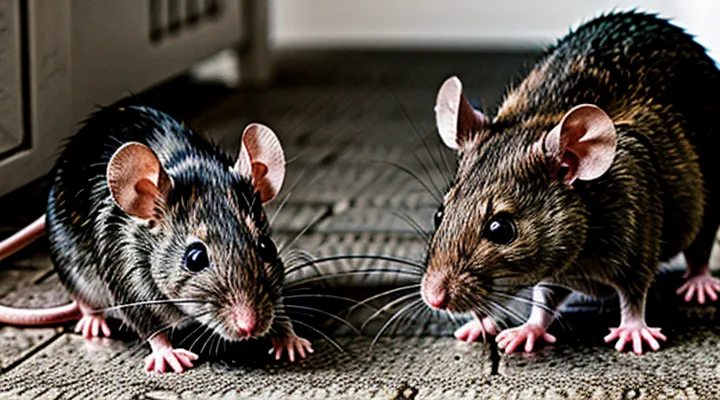
Understanding the Dangers of Traditional Rodenticides
How Conventional Poisons Work
Anticoagulants
Anticoagulant rodenticides interfere with vitamin K recycling, preventing blood clot formation and causing internal hemorrhage in rodents. The action is dose‑dependent; a single lethal dose typically kills a mouse or rat within 3–7 days.
Common anticoagulant formulations include:
- Warfarin (first‑generation, short‑acting)
- Difenacoum, bromadiolone (second‑generation, moderate persistence)
- Brodifacoum, difethialone (second‑generation, high persistence)
Human exposure occurs mainly through accidental ingestion, dermal contact, or inhalation of dust. Early signs are unexplained bruising, nosebleeds, gum bleeding, and prolonged clotting times. Severe cases may lead to internal bleeding, shock, or death. Prompt medical evaluation and administration of vitamin K1 antidote are essential.
Safety protocols for handling anticoagulant baits:
- Store in locked, clearly labeled containers away from food and children.
- Wear disposable gloves and, if dust is present, a mask or respirator.
- Keep bait stations inaccessible to non‑target species.
- Dispose of unused product and contaminated packaging according to local hazardous‑waste regulations.
Safer alternatives for rodent management:
- Non‑anticoagulant baits (e.g., zinc phosphide, cholecalciferol) that act through different mechanisms.
- Mechanical traps with immediate kill or live‑capture options.
- Integrated pest‑management strategies that combine sanitation, exclusion, and monitoring to reduce reliance on chemical poisons.
Neurotoxins
Neurotoxic rodenticides act by disrupting nerve function, leading to rapid paralysis and death in target animals. Their potency makes them effective against mice and rats, but the same mechanisms can affect humans if exposure occurs.
- Bromethalin – uncouples oxidative phosphorylation in neuronal mitochondria, causing cerebral edema and seizures. Toxicity in people is low at typical residential dosages, but ingestion of concentrated bait can produce severe neuro‑symptoms.
- Zinc phosphide – reacts with stomach acid to release phosphine gas, a potent neurotoxin that interferes with cellular respiration. Inhalation of phosphine vapors is the primary hazard for handlers.
- Organophosphate formulations (e.g., chlorpyrifos, diazinon) – inhibit acetylcholinesterase, leading to accumulation of acetylcholine and overstimulation of the nervous system. Regulatory restrictions limit their availability for domestic use.
Human safety depends on controlling exposure routes. Oral ingestion of bait, dermal contact with concentrated product, and inhalation of released gases represent the greatest risks. Acute toxicity thresholds for adults are significantly higher than the amounts present in standard bait stations, provided the product remains sealed and is placed out of reach of children and pets.
Effective risk mitigation includes:
- Selecting bait stations with lockable compartments to prevent accidental handling.
- Wearing disposable gloves and eye protection during placement and disposal.
- Storing products in original containers, locked away from food areas.
- Following manufacturer‑specified dosage limits and disposal instructions to avoid environmental contamination.
Choosing neurotoxic rodenticides that are formulated for low secondary toxicity, combined with strict adherence to handling protocols, provides a viable method for controlling rodent populations while preserving human health.
Other Chemical Agents
Other chemical agents expand the options for rodent control while limiting risk to people. These compounds differ from traditional anticoagulants in mode of action, toxicity profile, and regulatory status.
- Bromethalin – a neurotoxic diphenyl ether that disrupts mitochondrial function. Acute toxicity in mammals is low; lethal dose (LD50) exceeds 100 mg kg⁻¹ in rats. Safe use requires sealed bait stations to prevent accidental ingestion.
- Cholecalciferol (Vitamin D₃) – induces hypercalcemia leading to cardiac failure in rodents. Mammalian LD50 ranges from 2 g kg⁻¹ to 5 g kg⁻¹, far above typical exposure levels. Bait formulations incorporate bittering agents to deter non‑target consumption.
- Zinc phosphide – releases phosphine gas when ingested, causing rapid respiratory collapse in rodents. Human toxicity is moderate; inhalation limits and airtight containers reduce exposure. Use in enclosed bait boxes is recommended.
- Sodium fluoroacetate (1080) – interferes with the citric‑acid cycle, producing fatal metabolic acidosis. Human LD50 is approximately 2 mg kg⁻¹, demanding strict control measures. Authorized only for professional pest‑management programs with mandatory training.
- Indoxacarb – a sodium channel blocker effective against rodents and insects. Mammalian toxicity is low (LD50 > 2 g kg⁻¹). Formulated as low‑density granules that limit dust generation.
Effective implementation of these agents hinges on controlled distribution. Key practices include:
- Deploying tamper‑resistant bait stations approved by regulatory agencies.
- Labeling each container with hazard symbols, active ingredient, and expiration date.
- Wearing gloves and eye protection during handling; washing hands after contact.
- Storing products in locked, ventilated areas away from food preparation surfaces.
- Conducting regular inspections to remove degraded bait and prevent secondary poisoning of pets or wildlife.
Choosing non‑anticoagulant chemicals offers a viable pathway to reduce accidental human exposure while maintaining rodent eradication efficacy. Proper selection, formulation, and deployment align safety requirements with pest‑control objectives.
Risks to Humans
Accidental Ingestion
Accidental consumption of rodent control agents poses a serious health threat because many products contain anticoagulants, bromethalin, or zinc phosphide, which can cause internal bleeding, neurological impairment, or severe gastrointestinal distress. Early signs include vomiting, abdominal pain, blood in stool, dizziness, and, with anticoagulants, unexplained bruising or bleeding from gums.
If ingestion is suspected, follow these steps immediately:
- Call emergency services or a poison‑control center; provide product name, amount ingested, and time of exposure.
- Do not induce vomiting unless instructed by a medical professional.
- If the person is conscious and able to swallow, give a small amount of water or milk to dilute the toxin.
- Keep the product container for identification; retain any remaining bait for analysis.
- Transport the affected individual to the nearest emergency department without delay.
Preventive actions reduce accidental exposure:
- Store all rodent baits in locked, clearly labeled containers, out of reach of children and pets.
- Use tamper‑resistant bait stations that restrict access to the poison while allowing rodents to enter.
- Place baits in concealed locations such as wall voids, under appliances, or inside sealed traps.
- Educate household members about the appearance of common rodent poisons and the importance of not handling them without protection.
When selecting a rodent control product with human safety in mind, prioritize formulations that:
- Contain low‑toxicity active ingredients approved for indoor use.
- Feature bittering agents or odor deterrents to discourage accidental tasting.
- Are available in pre‑measured, single‑use sachets that limit the quantity accessible at any time.
- Provide clear, printed instructions for safe handling and disposal.
Adhering to these guidelines minimizes the risk of unintended ingestion while maintaining effective rodent management.
Secondary Poisoning
Secondary poisoning occurs when a non‑target organism ingests a rodent that has consumed a toxic bait. Humans can be exposed through handling contaminated carcasses, preparing meals with tainted meat, or contacting surfaces stained with rodent excretions that contain residues.
The primary routes of human exposure include:
- Direct contact with dead rodents while cleaning or disposing of them.
- Consumption of meat from animals that have eaten poisoned rodents.
- Accidental ingestion of bait fragments or contaminated dust during household cleaning.
Risk assessment focuses on the toxicity of the active ingredient, the dose required to cause adverse effects, and the likelihood of secondary exposure in a given environment. Products containing anticoagulant rodenticides present the greatest secondary risk because the toxin persists in the liver and can accumulate after multiple feedings.
Mitigation measures:
- Choose bait formulations that degrade rapidly after ingestion, such as non‑anticoagulant or low‑dose alternatives.
- Apply bait in tamper‑proof stations that prevent access by pets, children, and wildlife.
- Wear disposable gloves and protective clothing when handling dead rodents or cleaning contaminated areas.
- Seal carcasses in double‑layered bags before disposal in a municipal waste container.
- Educate household members about the hazards of handling rodent remains and the importance of hand‑washing after any contact.
Regulatory guidance recommends limiting the amount of anticoagulant bait placed per dwelling to the minimum effective quantity, monitoring for dead rodents, and removing them promptly. By adhering to these protocols, secondary poisoning incidents can be reduced to negligible levels while maintaining effective rodent control.
Environmental Contamination
Rodent control agents containing anticoagulants, bromadiolone, or zinc phosphide can leach into soil, infiltrate groundwater, and be transported by runoff into surface water. Once dispersed, residues persist for weeks to months, depending on chemical stability and environmental conditions.
Contamination routes include:
- Direct application to burrows or bait stations, allowing excess product to contact soil.
- Disposal of dead rodents that have ingested poison, releasing toxins as carcasses decompose.
- Accidental spillage during handling, creating localized high‑concentration zones.
Residual poison in the environment poses risks to non‑target wildlife, including predatory birds and mammals that ingest contaminated prey. Human exposure may occur through ingestion of contaminated water, consumption of produce grown in affected soil, or indirect contact with contaminated surfaces. Chronic low‑level intake of anticoagulant residues has been linked to subclinical coagulopathy and liver stress.
Mitigation relies on selecting products with reduced environmental persistence and minimal secondary toxicity. Preferred options are:
- Low‑dose, bait‑specific formulations that limit excess release.
- Non‑chemical traps (e.g., snap or electronic devices) that eliminate the need for toxicants.
- Biodegradable rodenticides based on cholecalciferol, which degrade rapidly and lack cumulative effects.
Implementing precise bait placement, regular monitoring of bait stations, and strict disposal protocols for dead rodents further curtail environmental loading. Adoption of these practices aligns pest control objectives with public‑health safeguards and ecosystem protection.
Safe and Humane Rodent Control Alternatives
Prevention and Exclusion Techniques
Sealing Entry Points
Sealing entry points eliminates the need for hazardous rodent baits, protecting occupants from accidental ingestion or contact.
- Inspect foundations, walls, and ceilings for gaps larger than a quarter inch.
- Apply silicone or polyurethane caulk to cracks around pipes, vents, and utility lines.
- Pack steel wool into openings before sealing with expanding foam to prevent chewing.
- Install door sweeps and weather stripping on all exterior doors.
- Fit hardware cloth or metal mesh over ventilation grilles, chimneys, and crawl‑space vents.
Use durable, pest‑resistant materials that withstand weather and rodent gnawing. Replace damaged seals promptly; schedule quarterly checks to verify integrity. Maintaining a sealed envelope reduces reliance on toxic poisons, thereby lowering health risks for humans and pets.
Eliminating Food Sources
Removing accessible food reduces the likelihood that rodents will encounter toxic baits, thereby protecting occupants from accidental exposure.
- Seal cracks and gaps around doors, windows, and utility lines.
- Store pantry items in airtight containers made of glass, metal, or heavy‑wall plastic.
- Dispose of food waste promptly in bins with tight‑fitting lids; empty them regularly.
- Keep countertops, floors, and pet feeding areas free of crumbs and spills.
- Relocate pet food dishes to areas inaccessible to rodents and remove leftovers after each meal.
Maintain a clean environment by sweeping daily, wiping surfaces with a mild disinfectant, and inspecting storage spaces for signs of infestation. Regular sanitation interrupts the food chain that attracts mice and rats, minimizing the need for chemical control measures.
Consistent elimination of food sources creates a hostile setting for rodents, lowers bait consumption, and enhances safety for humans and pets.
Maintaining Sanitation
Maintaining sanitation reduces the likelihood of rodent infestations and limits the need for toxic control measures. Removing accessible food eliminates attractants, lowering the probability that mice or rats will enter living spaces.
- Store all food in sealed containers made of glass, metal, or heavy‑duty plastic.
- Clean countertops, floors, and appliances promptly after meals.
- Dispose of waste in tightly sealed bins and remove trash regularly.
- Repair spills and crumbs immediately, especially in pantry areas.
Sealing entry points prevents rodents from accessing interior rooms. Inspect foundations, walls, and utility openings for gaps larger than ¼ inch and apply steel wool, caulk, or metal mesh to close them. Install door sweeps on exterior doors to block hidden passages.
Regular inspection identifies early signs of activity, allowing prompt intervention before populations grow. Look for droppings, gnaw marks, and nesting material in concealed locations such as behind appliances, under sinks, and within storage closets. Document findings and schedule follow‑up checks weekly during high‑risk seasons.
When poison is necessary, store it in locked, child‑proof containers away from food preparation areas. Label containers clearly with hazard warnings. Use bait stations that restrict access to non‑target species and place them along established rodent pathways, not in open areas where children or pets might encounter them.
Consistent sanitation, combined with physical barriers and controlled baiting, creates an environment where rodent populations remain low and the risk to humans from toxic agents stays minimal.
Non-Toxic Baits and Repellents
Natural Deterrents
Natural deterrents provide rodent control without chemical poisons, reducing health risks for occupants. Their effectiveness relies on strong odors, irritant properties, or physical discomfort that rodents avoid.
- Peppermint oil applied to cotton balls or diluted in water and sprayed along baseboards creates a scent rodents find intolerable. Reapply weekly for sustained effect.
- Garlic cloves or powdered garlic placed in entry points emit a pungent aroma that repels mice and rats. Replace fresh material every few days.
- Capsaicin, the active component of hot peppers, mixed with water and sprayed on surfaces deters rodents through irritation of their mucous membranes. Use protective gloves during application.
- Citrus peels, especially orange and lemon, left in cupboards and near cracks release oils that discourage rodent activity. Dispose of peels after 48 hours to prevent attracting insects.
- Ground dried rosemary or thyme sprinkled in crawl spaces provides a persistent aromatic barrier. Refresh the herb powder monthly.
Physical barriers complement chemical deterrents. Steel wool or copper mesh packed into holes blocks access without introducing toxins. Diatomaceous earth spread in concealed pathways creates a desiccating environment that harms insects but poses minimal risk to humans when used in low concentrations.
Implementing multiple natural methods in a coordinated plan maximizes rodent avoidance while maintaining a safe indoor environment for people and pets. Regular inspection of potential entry points and prompt sealing of gaps preserve the efficacy of these deterrents.
Bait Stations with Non-Toxic Lures
Bait stations equipped with non‑toxic lures provide a controlled delivery system for rodent control while eliminating direct human exposure to hazardous chemicals. The enclosure confines the attractant and the rodent, preventing accidental contact by children, pets, or household members.
Key characteristics of effective non‑toxic bait stations:
- Secure lock‑down mechanism – prevents removal of the lure and limits access to authorized personnel.
- Durable construction – withstands weather, tampering, and repeated use without degradation of the lure.
- Transparent or vented design – allows visual inspection of activity without opening the unit.
- Standardized placement guidelines – recommend installation along walls, near entry points, and in concealed areas where rodent traffic is observed.
Selection criteria focus on lure composition, station certification, and compatibility with integrated pest‑management programs. Non‑toxic lures typically use food‑based attractants such as grain, nuts, or protein emulsions, sometimes combined with pheromonal cues to increase efficacy. Because the attractant contains no poison, the station relies on mechanical containment: rodents enter, become trapped, and are later removed or released according to local regulations.
Installation protocol:
- Identify high‑activity zones using visual signs, droppings, or tracking powder.
- Position stations 2–3 feet from walls, with the entry opening facing the anticipated travel path.
- Secure each unit to a fixed surface using provided brackets or screws.
- Load the lure according to manufacturer instructions, avoiding over‑filling.
- Record placement locations and inspect weekly for signs of capture, damage, or tampering.
Maintenance involves emptying captured rodents, cleaning the interior with mild detergent, and replenishing the lure. Documentation of inspection dates supports compliance with safety standards and enables performance assessment.
When properly deployed, non‑toxic bait stations reduce the need for chemical rodenticides, mitigate health risks, and align with humane pest‑control practices. Their reliability depends on strict adherence to placement, inspection, and maintenance procedures.
Live Trapping and Release
Trap Types and Placement
Effective rodent control relies on selecting traps that minimize chemical exposure and positioning them to intercept mouse and rat activity.
- Snap traps: steel bar delivers rapid kill, low maintenance, inexpensive.
- Electronic traps: high‑voltage shock kills instantly, contains carcass, reduces handling risk.
- Live‑catch traps: cage design captures without injury, allows relocation, eliminates poison.
- Glue boards: adhesive surface immobilizes, but poses higher risk of accidental contact; use only in sealed, inaccessible areas.
Placement guidelines ensure traps work efficiently while protecting occupants. Install traps along walls, behind appliances, and near identified runways; rodents prefer linear paths adjacent to structures. Position devices perpendicular to the wall, with the trigger side facing the expected travel direction. Maintain a minimum distance of 2 feet from food preparation surfaces, children’s play zones, and pet pathways. Secure traps to the floor or baseboard to prevent displacement. Use a small amount of non‑toxic bait—such as a grain pellet or peanut butter—placed centrally on the trigger mechanism to focus attraction without creating a secondary hazard.
Safety protocols require daily inspection, immediate removal of captured rodents, and disposal in sealed bags. Wear disposable gloves during handling, wash hands afterward, and store unused traps out of reach of non‑target species. When disposing of snap‑trap carcasses, place them in a rigid container before discarding in a sealed trash bag. Electronic units should be unplugged before cleaning; live‑catch cages must be released far from the property, following local wildlife regulations.
Consistent use of appropriate trap types and strategic placement reduces reliance on toxic rodenticides, safeguarding human health while maintaining effective pest management.
Ethical Considerations for Release
When rodent control agents are deployed, ethical scrutiny must address the balance between human protection and broader ecological responsibility. Decision‑makers should evaluate the following factors before any release:
- Human health safeguards – verify that exposure limits for occupants, especially vulnerable groups, are rigorously documented and that labeling conveys clear usage instructions.
- Non‑target species impact – assess risk to pets, wildlife, and beneficial insects; select formulations that minimize secondary poisoning.
- Environmental persistence – prefer compounds that degrade rapidly in soil and water, reducing long‑term contamination.
- Regulatory compliance – confirm that the product is approved by relevant authorities and that application follows prescribed dosage and timing.
- Alternatives assessment – compare chemical options with mechanical traps, exclusion techniques, or biological controls to ensure that poison is employed only when other methods are insufficient.
- Transparency and consent – inform residents or occupants about the presence of toxic agents, providing options for refusal or mitigation.
Ethical practice also demands documentation of outcomes, including any adverse incidents, to refine future interventions. Continuous review of scientific data on toxicity and ecosystem effects supports responsible stewardship of pest‑control chemicals.
Lethal but Humane Trapping Methods
Snap Traps
Snap traps provide a mechanical solution for rodent control that eliminates the need for toxic substances. The device consists of a spring‑loaded bar that releases instantly when the baited trigger is disturbed, delivering a lethal blow to the animal’s neck. Because the action is immediate, there is no risk of secondary poisoning for pets, children, or wildlife that might ingest a poisoned carcass.
Key safety practices include:
- Position traps away from high‑traffic areas, using sealed containers or bait stations to prevent accidental contact.
- Wear disposable gloves when handling live or dead rodents to avoid disease transmission.
- Secure the spring mechanism after each capture to eliminate the chance of unintended discharge.
- Store traps in a locked cabinet when not in use.
Advantages over chemical rodenticides:
- No ingestion hazard for non‑target species.
- Immediate result, reducing the duration of infestation.
- Simple disposal: place the dead rodent in a sealed bag and discard according to local regulations.
- Reusable after proper cleaning, lowering long‑term cost.
For effective deployment, select a size appropriate for the target species—larger models for rats, smaller ones for mice. Bait with high‑protein foods such as peanut butter or dried fruit, and replace bait regularly to maintain attractiveness. Check traps daily; prompt removal of captured rodents prevents odor buildup and discourages other pests.
When used correctly, snap traps offer a reliable, non‑chemical method for managing rodent problems while protecting human health and the environment.
Electronic Traps
Electronic traps eliminate rodents without chemical agents, reducing health risks for occupants and pets. The devices deliver a brief, high‑voltage shock that instantly incapacitates mice or rats, then collect the carcass in a sealed compartment.
Key safety and performance attributes include:
- Enclosed killing chamber prevents exposure to dead animals and minimizes odor.
- No residual toxins; the environment remains free of hazardous residues.
- Battery‑powered models operate independently of household wiring, limiting electrical hazards.
- Integrated sensors detect only target size, reducing accidental activation by non‑rodent objects.
Effective deployment requires placement along established travel routes, typically within 1–2 m of walls or near entry points. Position traps perpendicular to the wall, with the entry slot facing the anticipated direction of movement. Regular inspection—once daily for high‑infestation areas and weekly for low‑risk zones—ensures timely removal of captured specimens and maintains trap functionality.
Disposal procedures involve sealing the collection chamber, then following local waste‑management guidelines for animal carcasses. Many manufacturers provide biodegradable liners, simplifying cleanup while preserving environmental standards. Compliance with regional pest‑control regulations is essential; electronic traps are generally accepted as a non‑chemical alternative that meets safety criteria for residential and commercial settings.
Professional Pest Control Services
Integrated Pest Management (IPM)
Integrated Pest Management (IPM) provides a structured framework for reducing rodent populations while minimizing risks to occupants and the environment. The approach begins with systematic monitoring, using traps or visual inspections to establish infestation levels and identify entry points. Accurate data guide the selection of control measures, preventing unnecessary application of toxic substances.
Identification of species informs the choice of tactics. House mice (Mus domesticus) and Norway rats (Rattus norvegicus) differ in behavior, nesting habits, and susceptibility to specific baits. Tailoring interventions to each species enhances effectiveness and limits exposure to non‑target organisms.
Prevention focuses on eliminating conditions that attract rodents. Key actions include sealing gaps larger than ¼ inch, storing food in sealed containers, and maintaining waste removal schedules. These measures reduce the need for chemical interventions.
Mechanical controls comprise traps, snap devices, and electronic deterrents. When properly placed and regularly checked, they offer immediate reduction of individuals without introducing poisons into the living space.
Biological options involve encouraging natural predators such as owls or feral cats, and employing rodent‑specific pathogens under regulated conditions. These strategies contribute to long‑term suppression while preserving human health.
Chemical controls are reserved for situations where other methods fail to achieve acceptable population levels. Low‑toxicity anticoagulant baits, placed in tamper‑resistant stations, limit accidental ingestion by children and pets. Rotation of active ingredients prevents resistance development.
Evaluation completes the cycle. After implementing measures, reassessment determines whether rodent activity has declined to acceptable thresholds. Documented outcomes inform future adjustments, ensuring that control efforts remain both safe and sustainable.
Consulting Experts for Safe Solutions
Engaging qualified professionals is essential when selecting rodent‑control products that minimize human health risks. Toxicologists, pest‑management consultants, and regulatory specialists provide data on active ingredients, exposure limits, and safe application methods. Their assessments identify formulations that comply with federal and local safety standards while remaining effective against mice and rats.
Key actions for obtaining expert guidance include:
- Request a written risk assessment that outlines acute and chronic toxicity thresholds for adults, children, and pets.
- Verify that the consultant references current EPA or equivalent agency evaluations of the poison’s active compounds.
- Ensure the recommendation includes clear instructions for storage, labeling, and disposal to prevent accidental ingestion.
- Ask for a contingency plan detailing emergency procedures and first‑aid measures in case of unintended exposure.
By relying on documented expertise, homeowners and property managers can implement rodent‑control strategies that protect human occupants without compromising pest‑elimination goals.