
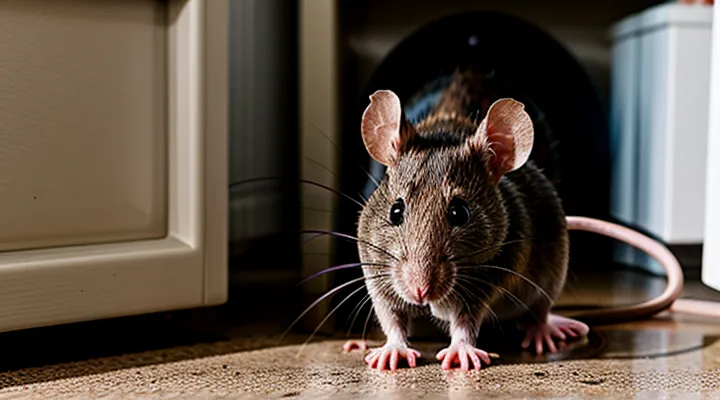
Understanding the Threat: Why Rodent Control is Necessary
Health Risks Associated with Rodents
Disease Transmission
Rodent-borne pathogens spread primarily through direct contact with contaminated urine, feces, or saliva, and indirectly via food and water supplies. When selecting a rodent control agent, the product’s impact on disease transmission depends on its mode of action, residual activity, and effect on rodent behavior.
Key considerations include:
- Anticoagulant baits reduce population size but may allow surviving rodents to carry pathogens longer if bait consumption is incomplete.
- Acute toxins cause rapid death, limiting the time for disease shedding but can result in carcasses that attract scavengers and increase environmental contamination.
- Non‑chemical traps eliminate rodents without chemical residues, removing the source of infection without introducing secondary hazards.
- Products formulated with low secondary toxicity minimize risk of predator poisoning, preserving natural control of rodent‑borne diseases.
Effective disease mitigation requires integrating a product that swiftly eliminates rodents while preventing prolonged exposure of contaminated material. Monitoring bait uptake, ensuring proper placement, and disposing of carcasses promptly further reduce the likelihood of pathogen transmission to humans and domestic animals.
Contamination of Food and Surfaces
Rodent toxicants can reach consumables and contact surfaces when bait is placed without proper safeguards. Direct contact occurs when animals drag bait onto countertops or storage containers; aerosol drift spreads fine particles during placement or when bait degrades; secondary exposure happens when predators or scavengers transfer residues to kitchen areas.
Preventive actions include:
- Installing bait within sealed, tamper‑resistant stations that prevent accidental handling.
- Positioning stations away from food preparation zones, high‑traffic walkways, and ventilation outlets.
- Storing all food items in airtight containers; covering waste receptacles to limit bait access.
- Conducting routine surface inspections and cleaning with detergent followed by water rinsing to remove potential residue.
Product selection should prioritize formulations that produce minimal dust, incorporate bittering agents to deter non‑target consumption, and meet regulatory standards for indoor use. Labels that state «low‑residue» or «non‑spray» indicate reduced risk of spread onto surfaces. Choosing such products, combined with disciplined placement, limits contamination of food and household areas.
Damage Caused by Rodents
Structural Damage
Rodent infestations create «structural damage» through gnawing, nesting, and urine corrosion; selecting an appropriate poison reduces the risk of additional harm.
Damage mechanisms include:
- Direct chewing of timber, wiring, and insulation, weakening load‑bearing elements.
- Accumulation of droppings and urine, accelerating corrosion of metal fixtures and plaster.
- Leakage from poorly sealed bait stations, allowing toxic liquids to infiltrate walls and flooring.
Product attributes that influence safety:
- Formulations free of acidic or alkaline agents that can erode wood or metal.
- Bait containers constructed from inert, non‑reactive materials.
- Low‑dust or gel presentations that limit residue migration.
Choosing a poison with these characteristics limits exposure of building components to corrosive substances, preserves material integrity, and supports long‑term durability.
Implement placement strategies that keep bait away from structural joints, conduit pathways, and moisture‑prone areas; regular inspection of bait stations ensures early detection of any unintended contact with building surfaces.
Electrical Hazards
Electrical hazards can arise when rodent control products are placed near power sources, exposed to live wiring, or stored in areas with high voltage equipment. Conductive components of bait stations, especially those with metal housings, may become energized if a short circuit occurs, creating a risk of electric shock for anyone handling the device.
Proper placement eliminates most danger. Install bait stations at least 30 cm away from outlets, switches, and exposed cords. Avoid mounting devices on metal surfaces that are part of an electrical circuit, such as conduit or grounding plates. When using battery‑powered traps, ensure that battery compartments are sealed and that terminals are insulated to prevent accidental contact with conductive objects.
Storage guidelines further reduce risk. Keep unopened containers in a dry, non‑electrified environment, away from heat sources that could degrade packaging and expose internal metal parts. Label storage cabinets with clear warnings, for example «Do not store near electrical panels». Regularly inspect containers for damage that could expose internal components to electricity.
Key safety measures:
- Maintain a minimum clearance of 30 cm from all energized equipment.
- Use non‑conductive mounting brackets when installation near walls is required.
- Verify that all battery compartments are closed and terminals are insulated.
- Store products in a temperature‑controlled, dry area free of live wiring.
- Conduct routine visual checks for corrosion or damage to metal housings.
Adhering to these practices prevents accidental energization of rodent control devices and protects both users and occupants from electric shock.
Types of Rodenticides: A Comparative Overview
Anticoagulant Rodenticides
First-Generation Anticoagulants
First‑generation anticoagulants are a class of rodent control agents that interrupt the blood‑clotting cascade by inhibiting vitamin K epoxide reductase. The interruption prevents the synthesis of functional clotting factors, leading to internal hemorrhage after several days of exposure.
Typical active ingredients include :
- warfarin
- chlorophacinone
- diphacinone
- coumatetralyl
These compounds require multiple feedings to achieve lethal doses, which reduces the risk of immediate death but increases the chance of sub‑lethal exposure for non‑target animals. Toxicity to wildlife, pets, and children depends on dose, duration of contact, and individual susceptibility. Because the lethal dose for rodents is relatively low, accidental ingestion of even a small quantity can be hazardous to other mammals.
Safety measures for indoor and outdoor applications consist of :
- placing bait stations out of reach of children and domestic animals;
- using tamper‑resistant containers that lock bait inside;
- labeling each station with the active ingredient and concentration;
- monitoring bait consumption and removing stations after the targeted pest population declines;
- selecting formulations with the lowest effective concentration to limit secondary poisoning.
Resistance development is documented in several rodent populations exposed to repeated use of first‑generation agents. Rotating to second‑generation anticoagulants or integrating non‑chemical control methods can mitigate resistance and preserve efficacy.
Regulatory guidelines often require that users follow label instructions precisely, report adverse incidents, and store products in secure locations. Compliance with these requirements minimizes health risks while maintaining effective rodent management.
Second-Generation Anticoagulants
Second‑generation anticoagulants represent the most potent class of rodent control agents. Their chemical structure allows a single low‑dose exposure to produce lethal internal bleeding in mice and rats.
Common active ingredients include:
- «brodifacoum»
- «difenacoum»
- «bromadiolone»
- «difethialone»
These compounds inhibit vitamin K epoxide reductase, preventing the regeneration of functional clotting factors. The resulting coagulopathy leads to fatal hemorrhage within 3‑7 days after ingestion.
High potency translates into extended biological half‑life, often exceeding 30 days. Consequently, accidental ingestion by children, pets, or wildlife can cause severe toxicity. Secure bait stations, child‑resistant containers, and placement away from food preparation zones mitigate non‑target exposure.
Resistance has emerged in certain urban rodent populations. Documented cases of reduced susceptibility necessitate rotation with alternative modes of action or integration of non‑chemical methods to maintain efficacy.
Regulatory agencies in many regions classify these substances as restricted‑use products. Requirements typically include licensing, labeling with explicit hazard warnings, and mandatory reporting of usage.
Effective application follows these guidelines:
- Deploy the minimum amount needed to achieve control.
- Inspect bait stations regularly for depletion or tampering.
- Record placement locations to facilitate post‑application monitoring.
- Combine chemical treatment with sanitation and exclusion measures for long‑term management.
Non-Anticoagulant Rodenticides
Cholecalciferol (Vitamin D3)
Cholecalciferol, known as «Vitamin D3», is employed in rodent control formulations as a second‑generation anticoagulant. The compound induces hypercalcemia, disrupting cardiac function and leading to rapid mortality in mice and rats after ingestion of a single dose.
Effective concentrations range from 0.075 % to 0.1 % of the bait matrix, delivering a lethal dose (LD₅₀) of approximately 0.5 mg kg⁻¹ body weight for target species. Single‑feed exposure ensures quick action, reducing the likelihood of bait aversion.
Safety considerations focus on non‑target exposure. Human toxicity thresholds exceed 10 mg kg⁻¹, yet accidental ingestion of bait poses a serious health risk. Domestic pets and wildlife exhibit lower tolerance; ingestion of as little as 2 mg kg⁻¹ can be fatal for cats and small birds. Protective measures include:
- Placement of bait stations inaccessible to children, pets, and non‑target wildlife.
- Use of tamper‑resistant containers with lockable lids.
- Application of bait in enclosed structures such as crawl spaces, wall voids, or sealed indoor areas.
- Immediate removal of uneaten bait after a 24‑hour period.
Regulatory agencies classify cholecalciferol‑based rodenticides as restricted‑use products. Labels must contain clear warnings, first‑aid instructions, and disposal guidelines. Compliance with local pesticide regulations ensures that the product remains a viable option for controlling rodent populations while minimizing collateral hazards.
Bromethalin
Bromethalin is a second‑generation anticoagulant‑free rodenticide that disrupts mitochondrial oxidative phosphorylation, leading to rapid energy depletion and fatal cerebral edema in mice and rats. The compound is lipid‑soluble, allowing efficient absorption after oral ingestion and prolonged activity within the gastrointestinal tract.
Safety considerations focus on minimizing exposure to non‑target wildlife, domestic animals, and humans. Toxicity to birds, amphibians, and mammals other than rodents is markedly lower than that of anticoagulant products, yet accidental ingestion can still cause severe neurological effects. Protective measures include wearing gloves, avoiding food or drink in the work area, and storing bait in locked containers.
Practical application guidelines recommend the following:
- Use bait concentrations of 0.005 % to 0.01 % bromethalin, calibrated to the target species’ average body weight.
- Place baits in tamper‑resistant stations, positioned along walls, behind appliances, and in concealed pathways.
- Replace bait every 30 days or sooner if consumption is observed, ensuring continuous coverage of the infestation zone.
- Record placement locations and monitor for signs of rodent activity to adjust bait density.
Regulatory agencies classify bromethalin as a restricted-use pesticide in many jurisdictions, requiring certification for purchase and application. Compliance with label instructions and local legislation is mandatory to maintain environmental safety and product efficacy.
Zinc Phosphide
Zinc phosphide is a widely used rodenticide that releases phosphine gas when it contacts the acidic environment of a rodent’s stomach. The active ingredient, chemically represented as «Zn3P2», reacts with gastric acids to produce a rapidly acting toxic gas, resulting in swift mortality.
The compound appears as a gray‑black granular or pellet formulation. Toxicity is acute; a single dose of 1–2 mg of phosphine per kilogram of body weight can be lethal to mice and rats. Because phosphine is a gas, exposure risk extends beyond the target animal, requiring strict control of application conditions.
Typical application methods include bait stations and ground distribution in enclosed spaces. Recommended bait concentration ranges from 0.5 % to 1 % zinc phosphide by weight. Bait should be placed where non‑target species cannot access, such as behind sealed barriers or within tamper‑proof containers.
Safety measures for handlers and occupants:
- Wear disposable gloves and protective eyewear during mixing and placement.
- Store product in a locked, well‑ventilated area, away from heat sources.
- Keep children, pets, and wildlife out of treated zones until bait is exhausted or removed.
- Dispose of unused bait and contaminated containers according to local hazardous waste regulations.
Environmental considerations include the rapid volatilization of phosphine, which reduces soil residue but can affect nearby air quality if applied in poorly ventilated areas. Monitoring for gas accumulation in confined spaces prevents accidental inhalation by humans or domestic animals.
When selecting a rodent control solution, zinc phosphide offers high efficacy for indoor and semi‑enclosed infestations, provided that all handling protocols and containment strategies are rigorously observed.
Prioritizing Safety: Choosing a Safe Rodenticide Product
Factors to Consider for Household Safety
Presence of Children and Pets
When children or pets occupy the same environment as rodent control measures, the choice of poison must eliminate accidental ingestion and secondary poisoning. Products that rely on highly toxic anticoagulants present a direct risk if a child swallows bait or a pet contacts contaminated surfaces.
Key hazards associated with the presence of non‑target occupants include:
- Oral consumption of bait leading to rapid onset of toxicity.
- Dermal contact with granular formulations causing absorption through skin.
- Transfer of poisoned prey to other animals, resulting in secondary exposure.
Safe options share several characteristics:
- Formulations classified as low‑toxicity to mammals, such as bait containing cholecalciferol or zinc phosphide, which require larger doses to affect non‑target species.
- Enclosed bait stations that restrict access to children and pets while allowing rodents to enter through size‑specific openings.
- Inclusion of bittering agents that deter oral consumption by humans and animals.
Additional precautions reinforce safety:
- Store all rodent control products in locked containers away from reachable areas.
- Place bait stations in locations inaccessible to children, such as behind appliances or within wall voids.
- Monitor stations regularly, removing any uneaten bait promptly.
Selecting a rodent poison that integrates these safeguards protects vulnerable household members while maintaining effective pest management.
Wildlife Concerns
Rodent control products must be evaluated for their impact on non‑target wildlife. Toxicants designed for mice and rats can affect mammals, birds, reptiles, and aquatic species through accidental ingestion or secondary exposure.
Key wildlife concerns include:
- «secondary poisoning» of predators that consume poisoned rodents;
- Direct consumption of bait by non‑target mammals such as squirrels, raccoons, and chipmunks;
- Attraction of birds to exposed bait stations;
- Persistence of active ingredients in soil and water, leading to contamination of habitats;
- Disruption of ecological balance when keystone species are affected.
Mitigation measures focus on reducing exposure risks:
- Deploy bait within secure, tamper‑proof stations that limit access to target rodents;
- Select anticoagulant formulations with rapid metabolism in non‑target species;
- Prefer products with low environmental persistence and biodegradable carriers;
- Position bait away from water bodies, nesting sites, and feeding grounds;
- Follow label instructions and local wildlife protection regulations.
Compliance with regulatory standards ensures that products meet safety thresholds for wildlife. Ongoing monitoring of bait usage and wildlife health provides data for adjusting control strategies and preventing unintended harm.
Environmental Impact
When selecting a rodent control product, environmental considerations are paramount. Chemical agents can persist in soil, leach into groundwater, and affect non‑target organisms. Toxicants that degrade rapidly reduce long‑term contamination, while those with high bioaccumulation potential pose greater ecological risk.
Key environmental factors to evaluate:
- Degradation rate: faster breakdown limits residual presence in ecosystems.
- Mobility in soil: low leaching potential prevents groundwater contamination.
- Selectivity: formulations that target rodents specifically minimize impact on birds, insects, and mammals.
- Secondary poisoning: products that do not transfer toxicity through the food chain protect predators and scavengers.
- Regulatory status: approval by environmental agencies indicates compliance with safety standards.
Choosing a product that meets these criteria mitigates adverse effects on biodiversity, preserves water quality, and supports sustainable pest management practices.
Safe Application and Storage Practices
Proper Bait Station Placement
Proper placement of bait stations determines both the effectiveness of rodent control products and the safety of humans, pets, and wildlife. Stations should be positioned where rodents travel, typically along walls, behind appliances, and in dark corners. Placement near entry points such as gaps under doors or vents maximizes the likelihood of contact with the target species.
Key guidelines for station location include:
- Install stations 1‑2 feet from walls, with the entry facing the perimeter.
- Position at a height of 2‑4 inches above the floor to match rodent movement.
- Choose concealed sites that remain out of sight for children and domestic animals.
- Avoid areas with high moisture, direct sunlight, or strong drafts that could degrade the bait.
- Ensure stations are not within 10 feet of food preparation surfaces or pet feeding zones.
Routine inspection supports ongoing safety. Check each station weekly for bait consumption, damage, or tampering. Refill only with the product specified on the label, and record dates of service to track efficacy. Remove and dispose of empty stations according to local hazardous‑waste guidelines.
Compliance with label directions and regional regulations is mandatory. Use only approved bait stations, secure them with tamper‑resistant locks when required, and follow the recommended distance from human activity zones. Adhering to these practices minimizes accidental exposure while maintaining a high level of rodent control. «Do not place stations where pets can access».
Secure Storage of Unused Products
Secure storage of unused rodent control products prevents accidental exposure, theft, and environmental contamination.
All containers must remain sealed with original manufacturer caps. Place them in a dedicated, child‑proof cabinet that can be locked with a key or combination. The cabinet should be constructed of sturdy material resistant to corrosion and positioned away from food preparation areas, heating devices, and direct sunlight.
Maintain an inventory log that records product name, concentration, quantity, acquisition date, and expiration date. Update the log whenever a product is added, removed, or disposed of. Store the log in a location accessible only to authorized personnel.
Key practices for safe storage:
- Keep unused product away from household chemicals, cleaning agents, and food items.
- Label each container with a clear, legible warning that includes the hazard class and required personal protective equipment.
- Conduct periodic inspections to verify seal integrity, label readability, and cabinet lock functionality.
- Dispose of expired or deteriorated product according to local hazardous waste regulations; never pour down drains or discard in regular trash.
Training for staff should cover proper handling, emergency response, and the importance of maintaining the storage protocol. Documentation of training sessions must be retained for audit purposes.
By implementing these measures, the risk of accidental ingestion, misuse, and environmental release is minimized, ensuring that the product remains effective and safe until its intended use.
Disposal of Baits and Carcasses
Proper disposal of rodent bait and dead pests prevents secondary poisoning, environmental contamination, and legal violations.
After applying a toxic bait, store any unused product in its original sealed container. Transfer the container to a designated hazardous‑waste collection point before the expiration date.
When a rodent dies, follow these steps:
- Wear disposable gloves and protective clothing.
- Place the carcass in a sealed, leak‑proof bag.
- Label the bag with the type of poison used and the date of collection.
- Deliver the sealed bag to a licensed wildlife‑rehabilitation facility or a municipal hazardous‑waste depot.
If bait residues remain on surfaces, clean with a detergent solution followed by a rinse of water. Dispose of cleaning water in accordance with local regulations for hazardous liquids.
Record each disposal event in a log that includes product name, batch number, quantity removed, and disposal method. Retain records for the period required by regulatory agencies.
Regularly audit storage areas, disposal containers, and documentation to ensure compliance and maintain safety standards.
Alternative Rodent Control Methods
Trapping (Snap Traps, Live Traps)
Snap traps and live traps represent the primary mechanical options for controlling rodent populations without chemical agents.
Snap traps deliver immediate lethality through a spring‑loaded bar that releases when the rodent contacts a trigger mechanism. They are compact, inexpensive, and disposable after a single use. Proper placement near walls, along travel paths, and in concealed locations maximizes contact rates. Bait selection—such as peanut butter, dried fruit, or commercial rodent attractants—enhances effectiveness. Safety measures include positioning traps out of reach of children and pets, securing the trigger with a protective cover, and handling captured rodents with gloves to prevent disease transmission.
Live traps capture rodents unharmed, allowing relocation or humane euthanasia. These cages feature a door that closes when the animal enters to reach bait. Key considerations for live traps are:
- Size appropriate to target species; larger mice require cages with a minimum interior dimension of 4 × 5 × 6 inches, while rats need at least 6 × 8 × 12 inches.
- Ventilation holes to prevent overheating.
- Non‑slippery flooring to discourage escape.
- Frequent monitoring, ideally every few hours, to reduce stress and avoid dehydration.
When using live traps, release captured rodents at least one mile from the original site, complying with local wildlife regulations. Disinfection of the trap after each use prevents cross‑contamination.
Both trap types demand regular inspection, proper disposal of dead rodents, and adherence to safety protocols. Selecting the appropriate mechanism depends on the desired outcome—instant removal versus humane capture—and the specific environmental constraints of the infestation site.
Exclusion Techniques
Exclusion techniques form a core component of a responsible approach to selecting a non‑toxic rodent control solution. By preventing rodents from entering a structure, the need for chemical agents diminishes, reducing risk to humans, pets, and wildlife.
Key measures include:
- Inspecting the building envelope for gaps larger than a quarter of an inch and sealing them with steel wool, caulk, or expanding foam.
- Installing metal flashing around utility penetrations, vents, and pipe entries to block chewing.
- Fitting door sweeps and weather stripping on exterior doors to eliminate under‑door openings.
- Repairing or replacing damaged screens, ensuring mesh size does not exceed one‑quarter inch.
- Maintaining landscaping clearance by trimming vegetation away from walls and removing debris that could serve as shelter.
Regular monitoring of sealed points and prompt repair of new breaches sustain the effectiveness of exclusion. When exclusion is combined with targeted bait placement, overall reliance on toxic products declines, supporting a safer environment for occupants.
Professional Pest Control Services
Professional pest‑control operators evaluate rodent activity with systematic inspections, identifying entry points, population density, and species behavior. This data drives the selection of anticoagulant baits, low‑toxicity formulations, or mechanical traps that meet regulatory safety standards while minimizing risk to non‑target animals and humans.
A thorough assessment includes:
- Verification of infestation scope through visual surveys and monitoring devices.
- Mapping of pathways used by mice and rats to locate vulnerable zones.
- Documentation of environmental factors such as food sources and shelter availability.
Product selection follows strict criteria:
- Active ingredient compliance with local health regulations.
- Formulation designed for restricted access, e.g., tamper‑proof bait stations.
- Low secondary‑poisoning potential, verified by certified toxicity studies.
- Shelf‑life and stability consistent with seasonal deployment plans.
Implementation involves calibrated bait placement, regular replenishment schedules, and continuous observation of rodent activity trends. Integrated pest‑management protocols require periodic reevaluation to adjust dosage, replace ineffective products, and ensure ongoing safety for occupants and pets.
Emergency Procedures and First Aid
Recognizing Signs of Poisoning
In Humans
Rodent control agents designed for indoor or outdoor use contain active ingredients that can cause acute or chronic toxicity in humans. Exposure occurs through ingestion, inhalation, or dermal contact with bait, dust, or contaminated surfaces. Symptoms range from gastrointestinal distress and neurological impairment to organ dysfunction, depending on the compound and dose.
Product selection should prioritize formulations that minimize human risk while maintaining efficacy against target pests. Key attributes include:
- Low acute toxicity classifications (e.g., EPA Category III or higher);
- Anticoagulant agents with delayed action, reducing immediate hazard;
- Bait stations or tamper‑resistant containers that prevent accidental handling;
- Clear, standardized hazard symbols and comprehensive safety data sheets;
- Compliance with regulatory limits for residential environments.
Labeling must present hazard information in a prominent, legible format, following the Globally Harmonized System. Mandatory statements cover required personal protective equipment, ventilation recommendations, and disposal procedures. Certification by recognized authorities confirms adherence to safety standards.
Safe handling practices involve wearing appropriate gloves, eye protection, and respiratory devices when mixing or applying products. Access to bait should be restricted to trained personnel, with storage in locked, labeled containers away from food, pet areas, and children’s reach. Regular inspection of bait stations ensures integrity and prevents spillage.
In case of accidental exposure, immediate actions include rinsing skin or eyes with water for at least 15 minutes, removing contaminated clothing, and seeking medical evaluation. If ingestion is suspected, do not induce vomiting; provide activated charcoal if advised by a medical professional. Emergency contact numbers and the product’s antidote information must be readily available.
In Pets
When selecting rodent control for a household with cats, dogs, or other companion animals, the primary concern is preventing accidental ingestion. Products that rely on anticoagulant compounds present a high toxicity risk because a single bite can cause fatal internal bleeding. Non‑anticoagulant options, such as zinc phosphide or bromethalin, also pose severe hazards; they are unsuitable for environments where pets roam freely.
Key criteria for a pet‑safe rodent poison:
- Formulation in sealed bait stations that lock out non‑target animals.
- Low secondary toxicity, meaning that predators or scavengers that consume a poisoned rodent are unlikely to suffer lethal effects.
- Clear labeling indicating “pet‑protected” or “use in inaccessible areas only.”
- Absence of sweet or aromatic attractants that appeal to cats and dogs.
Alternative control methods reduce reliance on chemical poisons. Mechanical traps placed in concealed locations, electronic repellents, and professional exclusion services eliminate rodents without exposing pets to toxic substances. If chemical control remains necessary, locate bait stations behind appliances, in wall voids, or under furniture where pets cannot reach them.
Monitoring after deployment is essential. Observe for signs of poisoning—vomiting, lethargy, or bleeding—and contact a veterinarian immediately if symptoms appear. Maintaining an inventory of all rodent control products and storing them in locked cabinets further minimizes accidental exposure.
Choosing a product that combines secure bait delivery with low secondary toxicity provides the most effective protection for both rodents and household pets.
Immediate Actions and Medical Attention
Contacting Poison Control
When a mouse or rat poison is accidentally ingested, immediate contact with a poison‑control center can prevent severe health consequences. The service provides real‑time medical guidance, assesses the toxicity of the specific product, and advises on appropriate first‑aid measures.
Key information to provide during the call includes:
« product name and active ingredient(s) »
« amount potentially consumed »
« time elapsed since exposure »
« age, weight and medical conditions of the affected individual »
« any symptoms observed »
Poison‑control specialists use this data to determine whether emergency treatment, such as activated charcoal administration or antidote therapy, is required. They also direct callers to the nearest emergency department if hospital care is indicated.
After the call, follow the recommended steps precisely. If the specialist advises observation, monitor vital signs and symptom progression. If decontamination is suggested, use only the methods described, avoiding home remedies that could worsen the situation. Document the call reference number and the advice given for future reference and for any subsequent medical personnel.
Maintaining the poison‑control hotline number in a readily accessible location ensures rapid response. Regularly updating the household emergency list with the local center’s contact details reinforces preparedness for accidental poisonings involving rodent control products.
Veterinary Emergency Protocols
Veterinary emergency protocols for rodenticide exposure focus on rapid assessment, decontamination, and targeted treatment. Initial evaluation includes confirming ingestion history, estimating the amount consumed, and identifying the specific anticoagulant or neurotoxic agent. Physical examination should prioritize respiratory rate, mucous membrane color, and signs of coagulopathy such as petechiae or prolonged bleeding.
Critical interventions consist of:
- Immediate induction of emesis or gastric lavage when ingestion occurred within the past hour and the patient is alert.
- Administration of activated charcoal at a dose of 1 g/kg to bind residual toxin.
- Intravenous vitamin K1 therapy for anticoagulant rodenticides, initiated promptly and continued for at least 7 days, with dosage adjusted according to clotting profile.
- Supportive fluid therapy to maintain perfusion, especially if hemorrhagic shock is suspected.
- Monitoring of prothrombin time (PT) and activated partial thromboplastin time (aPTT) every 12 hours until values normalize.
If neurotoxic compounds are identified, anticholinergic agents such as atropine may be required, along with seizure control using benzodiazepines. Throughout treatment, maintain strict isolation to prevent secondary exposure and document all administered agents for future reference. Continuous communication with the poison control center ensures access to the latest antidote recommendations and dosage guidelines.