
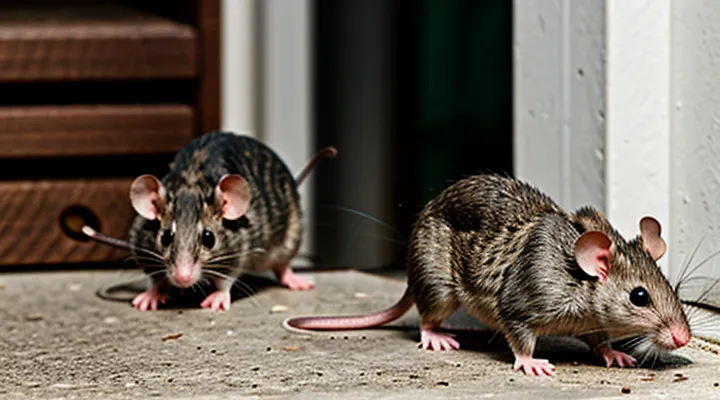
Introduction to Rodents
General Characteristics of Mice
Mice are small rodents belonging to the genus Mus, most commonly represented by the house mouse (Mus musculus). Adult body length ranges from 6 to 10 cm, with a tail of comparable length; weight typically falls between 15 and 30 g. Their fur is short, dense, and varies in color from light brown to gray, providing camouflage in diverse environments.
Key biological traits include:
- Lifespan: 1–2 years in the wild, up to 3 years under laboratory conditions.
- Diet: Omnivorous; consumes grains, seeds, insects, and human‑derived food waste.
- Reproduction: Sexual maturity reached at 5–6 weeks; gestation lasts 19–21 days; litter size averages 5–8 offspring, with potential for multiple litters per year.
- Social structure: Primarily nocturnal; exhibits territorial behavior, scent marking, and hierarchical grouping within colonies.
- Adaptability: Thrives in varied habitats, from fields and forests to urban dwellings, demonstrating high tolerance for temperature fluctuations and limited water availability.
Physiologically, mice possess a keen sense of smell and hearing, while visual acuity is limited to detecting motion. Their rapid breeding cycle and genetic similarity to humans make them valuable models in biomedical research, contributing to insights across genetics, immunology, and pharmacology.
General Characteristics of Rats
Rats belong to the genus Rattus within the family Muridae. They are highly adaptable mammals found on all inhabited continents, thriving in urban, agricultural, and natural environments.
Physical attributes include a body length of 15–20 cm, a tail of comparable length, and a weight ranging from 150 g to 500 g depending on species and food availability. Fur is dense, typically brown or black, and provides insulation against temperature fluctuations. Dentition features continuously growing incisors that require constant gnawing to maintain proper length.
Reproductive capacity is notable: females reach sexual maturity at 5–6 weeks, produce litters of 6–12 offspring, and can breed throughout the year under favorable conditions. Lifespan in the wild averages 1–2 years, while captive individuals may live up to 4 years.
Dietary habits are omnivorous. Rats consume grains, fruits, insects, carrion, and human waste, displaying opportunistic foraging behavior. Their strong sense of smell and tactile whiskers facilitate detection of food sources in low‑light environments.
Social organization is hierarchical. Colonies consist of dominant individuals, subordinates, and juveniles. Communication relies on ultrasonic vocalizations, scent marking, and body language. Territorial marking with urine and glandular secretions reinforces social structure and reduces conflict.
Key characteristics of rats:
- Medium size, robust body, long tail
- Continuous incisor growth requiring gnawing
- High reproductive rate and early maturity
- Omnivorous diet with flexible foraging strategies
- Complex social hierarchy and multimodal communication
These attributes collectively enable rats to occupy diverse ecological niches and maintain persistent populations across varied habitats.
Physical Distinctions and Adaptations
Size and Weight
Mice and rats differ considerably in physical dimensions, a factor that shapes their ecological strategies.
Typical measurements:
- House mouse (Mus musculus): body length 7–10 cm, tail length 5–10 cm, weight 15–30 g.
- Norway rat (Rattus norvegicus): body length 20–25 cm, tail length 18–25 cm, weight 250–500 g.
The larger mass of rats permits access to deeper burrows and supports stronger musculature for climbing and gnawing. Greater size also reduces vulnerability to many predators, allowing rats to exploit open habitats that are less suitable for mice. Conversely, the smaller stature of mice facilitates navigation through narrow crevices and dense vegetation, enabling exploitation of microhabitats inaccessible to larger rodents. These dimensional disparities directly influence foraging range, shelter selection, and social organization.
Tail Length and Features
Tail morphology serves as a primary identifier when distinguishing between small and medium-sized rodents. Length, scaling, and functional adaptations differ markedly between the two groups.
Mice exhibit tails that measure approximately 75 %–85 % of total body length, frequently reaching 8–12 cm in adult individuals. Rat tails extend to 90 %–100 % of body length, commonly attaining 15–25 cm. This disparity reflects divergent ecological strategies, with longer tails supporting balance during rapid, agile movements in confined spaces.
Key structural characteristics include:
- Scale arrangement: mice possess finer, densely packed scales that confer flexibility; rats display larger, more spaced scales enhancing durability.
- Sensory receptors: both species feature mechanoreceptors along the tail, yet rats show a higher concentration, facilitating precise environmental assessment.
- Prehensile capacity: mouse tails are primarily stabilizing, lacking true grasping ability; rat tails demonstrate limited prehensile function, allowing occasional anchorage to objects.
- Pigmentation: mouse tails often present uniform coloration, while rat tails may exhibit a gradient from dorsal darkening to ventral lightness, aiding camouflage in varied habitats.
Fur Color and Texture
Fur coloration in small rodents exhibits distinct patterns that aid species identification and reflect ecological adaptation. Laboratory mice commonly display a range of coat colors, including albino, agouti, and black, resulting from selective breeding and genetic mutations. Wild‑type mice typically possess a dorsal brown‑gray hue with a lighter ventral side, providing camouflage in grassy habitats. In contrast, common rats present a more uniform coloration, predominately brown, black, or gray, with a smoother transition between dorsal and ventral regions. The reduced variability in rat coat color correlates with their broader urban distribution and lower reliance on cryptic coloration.
Texture of the pelage influences thermoregulation and tactile perception. Mouse fur is generally finer, with a higher density of guard hairs and a softer undercoat, facilitating heat retention in small body sizes. Rat fur is coarser, featuring longer guard hairs and a sparser underlayer, which enhances durability and resistance to abrasive environments. These textural differences affect grooming behavior: mice engage in frequent, meticulous grooming cycles, while rats perform less intensive grooming, focusing on removal of debris from coarser fur.
Key distinctions:
- Color diversity: mice > rats
- Dominant hues: mouse dorsal brown‑gray, rat uniform brown/gray
- Fur fineness: mouse fine, high density; rat coarse, lower density
- Undercoat development: mouse dense, rat sparse
- Grooming frequency: mouse high; rat moderate
Skull and Dental Differences
The mouse and the rat exhibit distinct cranial architecture that reflects divergent ecological niches. The mouse skull is relatively lightweight, with a shorter rostrum and a narrower braincase, facilitating rapid maneuverability in confined spaces. In contrast, the rat skull possesses a more robust rostral region, a broader zygomatic arch, and a deeper cranial vault, supporting stronger masticatory muscles required for processing coarser food items.
Dental morphology further differentiates the two species. Both retain the characteristic rodent dental formula, yet specific traits vary:
- Incisor length: mouse incisors are proportionally longer relative to skull size, promoting continuous gnawing on fine materials; rat incisors are shorter but thicker, enhancing durability for harder substrates.
- Enamel pattern: mouse incisors display a uniform enamel thickness, whereas rat incisors show a pronounced enamel ridge on the labial surface, reinforcing resistance to wear.
- Molar complexity: mouse molars possess simpler cusps, suited for grinding soft plant matter; rat molars exhibit additional ridges, enabling efficient breakdown of fibrous and animal-derived foods.
These anatomical distinctions influence feeding strategies, habitat exploitation, and overall behavioral adaptations within each species.
Habitat and Nesting Preferences
Preferred Environments
Indoors
Mice and rats exhibit distinct patterns when confined to indoor environments. Both species exploit human structures for shelter, yet their nesting preferences diverge. Mice favor small, concealed cavities such as wall voids, behind appliances, or within stored boxes, constructing nests from shredded paper, fabric, or insulation. Rats select larger spaces, including basements, crawl spaces, and pipework, assembling nests from sturdier materials like cardboard, wood shavings, and debris.
Foraging behavior reflects size and social organization. Mice operate individually or in short-lived groups, scavenging food crumbs, pet food, and unsecured pantry items. Their limited range restricts activity to immediate vicinity of the nest. Rats form hierarchical colonies, traveling greater distances along concealed pathways to locate bulk food sources such as dumpsters, grain stores, or pet food bowls left outdoors. Their ability to gnaw through harder substrates expands access to concealed supplies.
Key differences in indoor activity cycles include:
- Mice: predominantly nocturnal, peak movement within first few hours after dark; short foraging trips; minimal territorial marking.
- Rats: also nocturnal but maintain extended activity throughout the night; longer foraging excursions; extensive use of scent marking to delineate territory and communicate hierarchy.
Sanitation impact varies. Mouse droppings are small and often go unnoticed, posing a subtle contamination risk. Rat droppings are larger, more conspicuous, and can introduce higher pathogen loads. Both species contribute to structural damage through gnawing, yet rats’ stronger jaws enable them to breach thicker materials such as wood and plastic.
Outdoors
Mice and rats exhibit distinct patterns when foraging, nesting, and avoiding predators in open environments. Mice prefer low‑lying vegetation and leaf litter, where cover reduces exposure to aerial threats. Their burrowing activity creates shallow tunnels that connect to surface debris, allowing rapid retreat. Rats, by contrast, exploit larger open spaces such as fields, roadsides, and agricultural plots. They construct more extensive burrow systems with deeper chambers, often near water sources, and display greater tolerance of human disturbance.
Key behavioral differences observed outdoors include:
- Habitat selection: mice occupy dense ground cover; rats favor exposed, resource‑rich zones.
- Food acquisition: mice rely on seeds and insects found in microhabitats; rats consume a broader range of plant material, carrion, and anthropogenic waste.
- Social structure: mice form small, loosely organized groups; rats establish hierarchical colonies with defined territories.
- Predator avoidance: mice employ immediate concealment and erratic sprinting; rats use vigilant scanning and coordinated escape routes.
Understanding these outdoor adaptations informs pest management strategies, ecological impact assessments, and conservation planning.
Nest Construction Materials
Mice construct nests primarily from soft, pliable substances that provide insulation and structural stability. Typical components include shredded paper, cotton fibers, dried grass, and small pieces of cloth. These materials are selected for their ease of manipulation and thermal properties, allowing rapid assembly of compact, dome‑shaped structures.
Rats employ a broader range of building materials, reflecting larger body size and more extensive foraging behavior. Common elements comprise twigs, leaves, shredded plastic, insulation foam, and discarded upholstery. The inclusion of rigid items such as twigs enhances structural support, while softer components like fabric maintain comfort.
Key differences in material choice stem from ecological niche and availability:
- Mice: soft, lightweight, readily obtained from indoor environments.
- Rats: mixed composition, incorporating both soft and hard elements from outdoor and urban settings.
Both species demonstrate opportunistic selection, adapting nest composition to local resources while prioritizing thermal regulation and predator concealment.
Nesting Locations
Mice and rats exhibit distinct preferences for nesting sites, reflecting adaptations to habitat structure and resource distribution. Understanding these preferences clarifies how each species exploits human‑modified environments.
Typical «nesting locations» for house mice include:
- Burrows excavated in loose soil or under floorboards.
- Small cavities behind walls, within insulation, or beneath debris.
- Elevated shelters such as stored boxes, cartons, or ceiling voids.
Typical «nesting locations» for Norway rats and related species include:
- Subterranean tunnels within sewer systems or drainage pipes.
- Large cavities in basements, cellars, or crawl spaces.
- Open ground nests concealed by vegetation or debris in outdoor settings.
Key factors influencing site selection differ between the two rodents:
- Proximity to food sources: mice favor areas with frequent, low‑volume food spills; rats prefer locations offering bulk storage or continuous waste streams.
- Predator avoidance: mice select tightly enclosed microhabitats; rats opt for deeper, structurally robust tunnels.
- Microclimate: mice tolerate drier, warmer interiors; rats thrive in cooler, more humid underground networks.
The contrast in «nesting locations» underscores divergent ecological strategies, with mice exploiting confined, transient spaces and rats dominating extensive, stable subsurface habitats.
Dietary Habits
Food Sources
Omnivorous Nature
Both mice and rats exhibit true omnivory, consuming plant matter and animal protein to meet nutritional demands. Their diets reflect the ability to exploit diverse resources in urban, agricultural, and natural settings.
Mice primarily ingest:
- Seeds and grains, especially wheat, barley, and corn.
- Insects and larvae, providing essential protein.
- Small quantities of carrion and arthropod eggs.
- Human-derived waste, including processed foods and pet kibble.
Rats display a broader spectrum of consumption:
- Cereals and legumes comparable to mouse intake.
- Fruits, nuts, and leafy vegetation.
- Vertebrate flesh, ranging from insects to small mammals and fish.
- Refuse from human habitation, such as garbage, spoiled food, and plastic‑wrapped items.
Comparative analysis highlights that rats possess a larger gastrointestinal tract, enabling digestion of higher‑fiber and tougher matter. Their stronger dentition and more flexible foraging behavior allow exploitation of resources unavailable to mice, such as larger carcasses and dense refuse piles.
Ecological consequences of omnivorous feeding include regulation of insect populations, participation in seed dispersal, and acceleration of organic matter decomposition. Conversely, consumption of contaminated waste links both species to pathogen transmission and urban pest management challenges.
The omnivorous strategy therefore underpins the adaptive success of both rodents across varied habitats, shaping their role in ecosystem dynamics and human environments.
Specific Preferences
Mice and rats exhibit distinct preferences that shape their ecological roles.
- Food selection: Mice favor small seeds, soft grains, and insects, while rats prefer larger food items, including fruits, nuts, and refuse containing protein‑rich scraps.
- Nesting material: Mice construct compact nests from shredded paper, fabric fibers, and dry vegetation; rats build larger, more robust structures using cardboard, insulation, and assorted debris.
- Habitat microclimate: Mice select cooler, lower‑level locations with limited light exposure; rats choose warmer, higher‑traffic areas with abundant airflow.
- Social interaction: Mice display strong territoriality, often limiting group size to a few individuals; rats tolerate larger colonies, forming complex hierarchies that accommodate numerous members.
- Activity timing: Both species are primarily nocturnal, yet mice show peak activity during the early night hours, whereas rats maintain elevated activity throughout the entire dark period.
These specific preferences determine resource exploitation patterns, population density, and the likelihood of human contact for each species.
Foraging Behavior
Mice and rats exhibit distinct foraging strategies that reflect differing ecological niches and sensory adaptations. Mice prioritize rapid sampling of dispersed seed patches, relying on acute olfactory cues to locate food within a few meters of the nest. Their small body size enables swift movement through narrow openings, facilitating exploitation of temporary, low‑density resources.
Rats concentrate on opportunistic scavenging and systematic exploitation of larger food deposits. Enhanced tactile whisker sensitivity and stronger jaw musculature allow processing of diverse items, including hard‑shelled insects and discarded human waste. Their larger home ranges support repeated visits to stable food sources, often marked by scent trails that guide conspecifics.
Key behavioral contrasts:
- Spatial scale: mice operate within a limited radius (≈10–30 m); rats maintain territories extending up to several hundred meters.
- Search pattern: mice employ random, high‑frequency forays; rats use directed, corridor‑based routes reinforced by pheromonal markings.
- Food handling: mice ingest small seeds whole; rats manipulate and break down larger items before consumption.
Water Requirements
Mice and rats, despite belonging to the same family, exhibit distinct water consumption patterns that reflect their ecological niches and metabolic demands.
- Daily intake: laboratory mice typically drink 4–6 ml kg⁻¹, whereas rats consume 10–12 ml kg⁻¹ under comparable conditions.
- Source preference: mice readily obtain moisture from high‑humidity foods and occasional free water, while rats rely more heavily on direct water sources and can sustain longer periods without fluid when food is moist.
- Physiological regulation: both species possess renal concentrating mechanisms, but rats display a greater capacity for urine concentration, enabling them to maintain hydration during brief water scarcity.
- Behavioral adaptation: mice increase drinking frequency in response to elevated ambient temperature, whereas rats adjust both volume per sip and total intake, showing a broader range of behavioral flexibility.
Understanding these differences informs experimental design, husbandry practices, and ecological assessments of rodent populations.
Social Behavior and Communication
Social Structures
Solitary vs. Colonial
Mice typically exhibit solitary tendencies, especially in wild environments where individuals maintain exclusive foraging territories. Home range overlap is minimal, and social interactions occur mainly during brief mating encounters. In laboratory settings, mice can adapt to group housing, yet aggressive behavior often rises when space per animal declines.
Rats demonstrate a pronounced colonial disposition. Stable colonies form hierarchical structures, with dominant individuals defending resources while subordinates occupy peripheral zones. Cohesive nesting and grooming activities reinforce group cohesion, and communication relies on ultrasonic vocalizations and scent marking.
Key distinctions between the two species:
- Habitat use: mice → individual territories; rats → shared burrows or nests.
- Social organization: mice → limited group formation; rats → complex hierarchy.
- Conflict resolution: mice → direct aggression; rats → dominance displays and avoidance.
- Reproductive strategy: mice → short‑term pairings; rats → cooperative breeding within colonies.
Communication Methods
Vocalizations
Vocal communication serves as a primary channel for information exchange among small rodents, influencing social interaction, predator avoidance, and reproductive behavior.
Mice emit predominantly ultrasonic calls ranging from 30 to 110 kHz. Calls are brief, lasting 5–100 ms, and are produced during pup–maternal contact, courtship, and territorial disputes. Ultrasonic vocalizations (USVs) display rapid frequency sweeps and harmonic structures that vary with emotional state. Adult males increase call rate when presented with female scent, while distressed pups emit high‑frequency distress cries that elicit maternal retrieval.
Rats generate both audible sounds (1–20 kHz) and ultrasonic calls (20–80 kHz). Audible vocalizations include 22‑kHz distress calls associated with threat or aggression, characterized by long duration (up to several seconds) and low frequency. Ultrasonic calls, often 50‑70 kHz, appear during play, mating, and social investigation. Rats display a richer repertoire, combining tonal and broadband elements to convey nuanced social information.
Key comparative features:
- Frequency range: mice USVs extend to higher frequencies (up to 110 kHz) than rat USVs, which peak near 70 kHz.
- Context specificity: rat 22‑kHz calls signal aversive states, whereas mice lack a comparable low‑frequency distress call.
- Temporal pattern: mouse calls are brief and highly modulated; rat calls include longer, sustained components, especially in distress.
- Social function: both species use USVs during courtship, but rats employ a broader set of calls for hierarchical negotiation and group cohesion.
These distinctions highlight divergent evolutionary pressures shaping acoustic signaling strategies in each species.
Scent Marking
Scent marking serves as a primary communication channel for both mice and rats, conveying information about individual identity, reproductive status, and territorial boundaries. The behavior relies on specialized exocrine glands and the deposition of urine or glandular secretions onto substrates within the environment.
Mice employ flank and preputial glands, supplementing with urine, to create short‑duration marks that decay within hours. Marking activity peaks during the early dark phase, aligning with heightened locomotor activity. Marks are concentrated along nest entrances and perimeters of foraging routes, supporting a decentralized territorial system in which multiple individuals share overlapping ranges.
Rats possess larger flank glands and a well‑developed anal gland, producing more persistent scent deposits. Urine marks are applied to elevated objects, such as walls or branches, establishing a hierarchical map of dominance. Marking frequency remains high throughout the dark period, reflecting the species’ complex social structure and larger home ranges.
Key contrasts:
- Persistence: mouse marks degrade rapidly; rat marks persist longer.
- Spatial emphasis: mice focus on ground‑level boundaries; rats prioritize elevated surfaces.
- Social function: mouse marking supports loose, overlapping territories; rat marking reinforces hierarchical dominance.
Understanding these distinctions clarifies how each species exploits olfactory cues to navigate ecological niches and maintain social organization.
Aggression and Dominance Hierarchies
Aggression in small rodents serves as a primary mechanism for establishing and maintaining social order. In laboratory and field observations, the house mouse (Mus musculus) displays intense territorial aggression, often directed toward conspecific intruders that breach a defined perimeter. The Norway rat (Rattus norvegicus) exhibits a broader repertoire, including mounting, chasing, and vocalizations that convey threat without immediate physical contact.
Dominance hierarchies differ markedly between the two species. Mice typically form linear hierarchies in which each individual occupies a distinct rank, and rank stability persists across multiple weeks. Rats develop more fluid hierarchies; dominance can shift rapidly in response to changes in group composition or resource distribution, and subordinates may temporarily assume dominant roles during specific interactions.
Key factors shaping aggression and hierarchy include:
- Pheromonal signals that convey reproductive status and individual identity.
- Population density, which influences encounter rate and competition intensity.
- Resource availability, particularly food and nesting sites, that trigger contest behaviors.
Standard experimental paradigms provide quantitative measures of these dynamics. The resident‑intruder test quantifies latency to attack and bout duration, revealing that mice respond more quickly to unfamiliar males than rats. The tube test assesses dominance by recording which animal forces the other to retreat, showing a higher prevalence of stable outcomes in mouse groups. Aggressive encounters in rats often involve longer assessment phases, reflecting their reliance on multimodal cues before escalation.
Overall, aggression functions as a regulatory system that enforces hierarchical structure, with species‑specific strategies reflecting ecological adaptations and social complexity.
Reproductive Patterns
Gestation Period
The gestation period of the common house mouse ranges from 19 to 21 days, with most litters born after approximately 20 days. The domestic rat exhibits a longer gestation, typically lasting 21 to 23 days, and rarely extending beyond 24 days. These timelines reflect species‑specific reproductive strategies and influence population turnover rates.
Key distinctions:
- Mouse gestation: 19–21 days, average ≈ 20 days.
- Rat gestation: 21–23 days, average ≈ 22 days.
- Mice reach sexual maturity earlier, often within 5–6 weeks after birth; rats mature slightly later, around 8–10 weeks.
- Shorter mouse gestation contributes to higher potential breeding frequency compared with the rat.
Understanding these differences clarifies how reproductive timing shapes the overall behavior and ecological impact of each rodent species.
Litter Size
Mice and rats differ markedly in reproductive output, a key metric for comparative studies of rodent ecology.
- House mouse (Mus musculus) : average litter size 5–7 pups; extremes reported from 3 to 12.
- Norway rat (Rattus norvegicus) : average litter size 8–12 pups; recorded range 5 to 14.
Litter size reflects species‑specific life‑history strategies. Mice, with shorter gestation and higher predation risk, tend toward smaller, more frequent litters. Rats, possessing longer gestation periods and greater maternal investment, produce larger litters but at longer intervals. Environmental factors such as nutrition, photoperiod, and population density modulate these averages; abundant resources typically increase litter size, while stressors reduce it. Genetic background further contributes to variability, with laboratory strains exhibiting narrower ranges than wild populations.
Understanding these differences informs pest management, laboratory animal husbandry, and ecological modeling, emphasizing the importance of litter size as a comparative parameter between the two rodent groups.
Frequency of Breeding
Mice reach sexual maturity at 5–6 weeks and can produce litters every 3–4 weeks under optimal conditions. A typical litter contains 5–8 offspring, and a female may produce up to 10 litters per year, resulting in rapid population expansion.
Rats attain sexual maturity slightly later, at 8–10 weeks, with a gestation period of 21–23 days. Litters occur approximately every 4–5 weeks, averaging 6–12 pups. Annual reproductive output for a female rat ranges from 6 to 9 litters, yielding a lower but still substantial increase in numbers.
Key differences in breeding frequency:
- Mice: maturity ≈ 5 weeks; inter‑litter interval ≈ 3 weeks; litters ≈ 5–8; potential ≈ 10 litters / year.
- Rats: maturity ≈ 8 weeks; inter‑litter interval ≈ 4–5 weeks; litters ≈ 6–12; potential ≈ 6–9 litters / year.
These parameters determine that mice reproduce more rapidly than rats, contributing to faster turnover in laboratory colonies and wild populations.
Lifespan
Mice and rats exhibit distinct longevity patterns that reflect species‑specific biology and environmental pressures.
Typical lifespan under laboratory conditions:
- «Mus musculus»: 1.5–3 years, with median survival near 2 years.
- «Rattus norvegicus»: 2–3 years, occasional individuals reaching 4 years.
In wild populations, average ages decline markedly due to predation, disease, and resource scarcity. Field studies report:
- Mice: 6–12 months.
- Rats: 12–18 months.
Key determinants of longevity include genetic makeup, metabolic rate, reproductive strategy, and exposure to stressors such as temperature extremes and limited nutrition. Captive environments mitigate many hazards, extending life expectancy relative to natural habitats.
Comparative analysis indicates that rats generally outlive mice by 30–50 percent when controlled for similar conditions, a difference attributable to slower metabolism and larger body mass.
Sensory Capabilities
Olfactory Senses
Olfactory perception dominates the daily activities of both laboratory and wild murine species. The nasal epithelium contains millions of olfactory receptor neurons that translate volatile compounds into neural signals, guiding foraging, predator avoidance, and social interaction. In mice, the vomeronasal organ exhibits heightened sensitivity to urinary pheromones, facilitating rapid identification of conspecifics and reproductive status. Rats possess a larger main olfactory bulb relative to body size, supporting enhanced discrimination of complex odor mixtures in cluttered environments.
Key distinctions in olfactory function influence behavioral strategies:
- Mice detect food‑related scents at lower concentrations, enabling exploitation of scattered seed resources.
- Rats demonstrate superior odor‑tracking over longer distances, supporting navigation toward buried food caches.
- Vomeronasal responsiveness in mice declines after puberty, whereas rats retain robust pheromonal detection throughout adulthood.
- Neural processing speed for odorant cues is faster in mice, correlating with quicker escape responses to predator odors.
These physiological and neuroanatomical differences shape the respective ecological niches, dictating how each species exploits chemical information to sustain survival and reproduction.
Auditory Senses
Mice possess a highly developed cochlea that detects ultrasonic frequencies up to 100 kHz, enabling detection of predator calls and conspecific vocalizations. Their ear canals are proportionally short, facilitating rapid sound transmission and precise localization of high‑frequency sources. Auditory thresholds are lowest around 15–20 kHz, where many social and alarm calls are concentrated.
Rats exhibit a broader frequency range, responding to sounds from 200 Hz to 80 kHz. Their larger pinna provides enhanced directional hearing at lower frequencies, supporting navigation in complex burrow systems. Sensitivity peaks near 8 kHz, aligning with the dominant components of their ultrasonic communication.
Key behavioral implications of auditory differences:
- Mice rely on ultrasonic detection for immediate predator avoidance; rapid startle responses are triggered by frequencies above 30 kHz.
- Rats use lower‑frequency cues to assess environmental structure; exploratory tunneling behavior intensifies when acoustic feedback falls within the 5–12 kHz band.
- Both species employ vocalizations for mating; mice emit brief ultrasonic chirps, whereas rats produce longer, modulated calls that span audible and ultrasonic ranges.
Neural processing pathways converge on the auditory cortex, yet species‑specific adaptations influence synaptic plasticity. In mice, high‑frequency exposure enhances cortical representation of ultrasonic sounds, while rats display greater plasticity for mid‑frequency inputs. These distinctions shape foraging strategies, social interaction, and predator detection across the two rodent groups.
Vision
Vision in small rodents differs markedly between the two species, influencing foraging, predator avoidance, and social interaction. Mice possess a relatively larger proportion of rod photoreceptors, optimizing sensitivity to low‑light environments. Their visual acuity is limited, with a peak resolution of approximately 0.5 cycles per degree, sufficient for detecting movement rather than fine detail. Rats exhibit a higher density of cone photoreceptors, particularly in the dorsal retina, providing enhanced discrimination of colors and finer spatial resolution, reaching roughly 1.0 cycles per degree. This adaptation supports activity in dim but not completely dark conditions.
Both species rely on vision in conjunction with tactile and olfactory cues. Specific behavioral patterns illustrate the functional impact of visual differences:
- Mice prioritize rapid detection of looming silhouettes, triggering immediate escape responses.
- Rats demonstrate more precise navigation of complex mazes, using visual landmarks to reduce path length.
Retinal anatomy reinforces these functional distinctions. Mice have a pronounced visual streak, extending laterally across the retina, facilitating peripheral motion detection. Rats feature a central visual streak with a modest area of high acuity, supporting focused examination of objects directly ahead. Optic nerve fiber distribution mirrors these patterns, with mice allocating a larger proportion of fibers to peripheral fields, whereas rats allocate more to central fields.
Neurophysiological studies reveal that visual cortical representations differ in spatial tuning. Mice exhibit broader receptive fields, accommodating coarse visual processing. Rats display narrower receptive fields, enabling detailed analysis of visual scenes. Consequently, rats can discriminate fine textures and subtle gradients, while mice excel at detecting sudden changes in light intensity.
Overall, visual system architecture directly shapes each species’ habitual behaviors, dictating how they explore environments, avoid threats, and interact with conspecifics.
Tactile Senses (Whiskers)
Rodents rely on a dense array of facial vibrissae to acquire detailed tactile information about their surroundings. Each whisker is anchored in a highly innervated follicle that contains mechanoreceptors sensitive to minute deflections, enabling detection of texture, shape, and airflow.
The vibrissal system functions as a rapid, high‑resolution sensor. When a mouse or rat brushes an object, the resulting neural signals are transmitted to the somatosensory cortex within milliseconds, allowing immediate adjustments in locomotion and prey capture.
Behaviorally, whiskers support:
- Exploration of confined spaces where vision is limited
- Precise positioning of the head during foraging
- Communication of social cues through whisker‑to‑whisker contact
Comparative aspects of mouse and rat vibrissae:
- Length: rat whiskers exceed those of mice by up to 50 %
- Density: mice possess a higher count of short whiskers per millimetre of facial skin
- Angular reach: rat whiskers span a broader arc, enhancing detection of distant obstacles
- Neural representation: rat somatosensory maps allocate larger cortical areas per whisker, reflecting greater processing capacity
These distinctions shape each species’ navigation strategies and influence their ecological niches. The tactile apparatus remains a primary modality for environmental interaction, underpinning survival‑critical behaviours.
Problem-Solving and Intelligence
Maze Navigation
Maze navigation serves as a primary assay for assessing spatial learning and problem‑solving abilities in small rodents. Researchers deploy mazes to quantify how individuals acquire, retain, and apply information about routes, obstacles, and rewards.
Mice typically exhibit faster initial exploration but require more trials to achieve stable performance. Rats often reach criterion levels with fewer repetitions, displaying lower error rates during later phases of training. Both species improve with experience, yet the trajectory of improvement differs markedly between them.
Sensory cues guide navigation. Mice rely heavily on olfactory signals, integrating scent trails to locate targets. Rats prioritize tactile and visual information, using whisker contact and visual landmarks to construct spatial maps. The dominance of a particular modality influences maze design and the interpretation of behavioral data.
Long‑term memory retention varies. After a 24‑hour delay, rats maintain accurate route choices in the majority of trials, whereas mice show a moderate decline in correct selections, indicating a shorter retention span under identical conditions.
Stress response and motivation affect performance. Rats display lower corticosterone spikes during challenging maze sections, supporting sustained effort. Mice exhibit heightened hormonal responses, which can disrupt concentration and increase hesitation at decision points.
Key comparative points:
- Exploration speed: mice > rats (initial phase)
- Trials to criterion: rats < mice
- Dominant sensory modality: olfactory (mice) vs. tactile/visual (rats)
- 24‑hour retention: rats ≈ 80 % correct, mice ≈ 60 % correct
- Stress markers: lower in rats, higher in mice
These observations inform experimental design, allowing selection of the appropriate rodent model for studies of learning efficiency, sensory integration, and stress‑related cognition.
Learning Capabilities
Mice and rats demonstrate high adaptability in laboratory settings, enabling precise assessment of learning processes. Both species acquire associations between stimuli and outcomes through classical conditioning, yet rats typically achieve criterion performance in fewer trials, reflecting faster stimulus‑response integration.
Operant conditioning reveals divergent response patterns: mice exhibit rapid acquisition of lever‑pressing tasks but display lower persistence under progressive ratio schedules, whereas rats sustain higher response rates when reward magnitude escalates.
Spatial navigation tests, such as the Morris water maze, highlight species‑specific strategies. Rats rely on distal cues to construct cognitive maps, achieving lower escape latencies after limited training sessions. Mice often employ egocentric routes, resulting in longer latencies and higher variability across individuals.
Social contexts influence learning efficiency. Observational experiments show rats copying demonstrated foraging routes with minimal exposure, while mice require repeated demonstrations to replicate the behavior accurately.
Key comparative points:
- Associative learning speed: rats > mice
- Operant task persistence: rats > mice
- Spatial map formation: rats > mice
- Observational learning efficiency: rats > mice
These distinctions support the selection of rats for studies demanding rapid acquisition and robust memory retention, whereas mice remain valuable for genetic manipulation and high‑throughput screening. «Sullivan et al., 2021» provides a comprehensive meta‑analysis confirming these patterns across multiple experimental paradigms.
Adaptability to New Environments
Mice and rats exhibit pronounced adaptability when introduced to unfamiliar settings, yet the underlying strategies diverge markedly.
Mice rely on rapid reproductive cycles, small body mass, and a broad dietary spectrum to secure resources in novel niches. Their heightened olfactory sensitivity enables swift location of food and shelter, while a propensity for solitary exploration reduces competition within confined spaces.
Rats capitalize on advanced cognitive abilities, including spatial learning and social transmission of information. Larger brain size supports problem‑solving tasks such as navigating mazes or manipulating objects to access food. Tolerance to diverse contaminants and the capacity to exploit complex infrastructures—sewers, basements, and industrial sites—extend their survivability in harsh urban environments.
Key comparative traits:
- Reproduction: mice → short gestation, large litters; rats → moderate gestation, slightly smaller litters.
- Cognitive flexibility: mice → basic learning, strong scent tracking; rats → complex learning, social imitation.
- Habitat exploitation: mice → fragmented, open areas; rats → structured, subterranean networks.
Overall, mice dominate environments that demand swift colonization and minimal resource competition, whereas rats thrive where problem solving and social cooperation provide a competitive edge.
Impact on Humans
Agricultural Damage
Rodents such as mice and rats generate measurable loss in agricultural production. Their feeding preferences, reproductive cycles, and foraging patterns create distinct damage profiles that affect crop yields, storage facilities, and field infrastructure.
Mice concentrate on small seeds, newly emerged grains, and tender shoots. Their limited stomach capacity drives frequent visits to fields, resulting in scattered loss across large areas. Rats exhibit broader dietary breadth, consuming seeds, mature grains, tubers, fruits, and even processed feed. Their larger body size permits consumption of substantial quantities in single foraging bouts, often targeting storage bins and silos.
Key behavioral traits influencing damage include:
- Nocturnal activity that aligns with crop vulnerability during night hours.
- Burrowing in soil or beneath storage structures, creating channels that facilitate further intrusion.
- High reproductive rates; mouse populations can double within weeks, while rat colonies expand more slowly but maintain larger individual impact.
Economic assessments frequently cite loss percentages ranging from 5 % to 15 % of total harvest for mouse‑dominated infestations, and up to 20 % for rat‑driven events in storage contexts. «Rodent damage accounts for approximately 10 % of global grain losses», underscoring the sector’s financial exposure.
Control strategies must reflect species‑specific habits. Mouse management benefits from perimeter trapping and rapid population monitoring, whereas rat mitigation relies on robust structural sealing, bait placement, and habitat disruption. Aligning interventions with each rodent’s behavior optimizes reduction of agricultural damage.
Disease Transmission
Rodents serve as reservoirs and vectors for a wide range of pathogens, including bacteria, viruses, parasites and fungi. Their capacity to transmit disease depends on ecological preferences, social organization and interaction with human environments.
Mice typically occupy indoor niches, exploit stored food and exhibit high reproductive turnover. These traits promote rapid dissemination of pathogens such as hantavirus, Salmonella spp. and Leptospira spp. through contaminated surfaces, aerosolized excreta and direct contact with household items. Rats, in contrast, favor outdoor burrows, sewer systems and refuse sites, and display larger home ranges and more aggressive foraging behavior. Consequently, they facilitate transmission of pathogens like Yersinia pestis, Leptospira spp. and various rodent-borne hemorrhagic fevers via contaminated water, soil and food supplies.
Key behavioral and ecological differences influencing disease spread:
- Habitat selection: indoor (mouse) versus outdoor/sewer (rat) environments.
- Social structure: dense, overlapping colonies (mouse) versus hierarchical groups with territorial aggression (rat).
- Mobility: limited daily range (mouse) compared with extensive foraging distances (rat).
- Interaction with humans: frequent contact with domestic settings (mouse) versus occasional contact through waste management and urban infrastructure (rat).
Effective public‑health strategies must address these divergent patterns. Control measures for indoor rodents focus on sealing entry points, maintaining sanitation of stored food and employing bait stations within dwellings. Urban rat management requires sewer maintenance, waste reduction, and systematic trapping in outdoor habitats. Monitoring programs should differentiate species‑specific pathogen profiles to allocate resources efficiently and reduce zoonotic risk.
Household Pests
Mice and rats frequently invade residential environments, exploiting food sources, shelter, and water. Their presence threatens stored products, contaminates surfaces, and damages structural components. Understanding their distinct habits enables targeted control measures.
Key behavioral differences include:
- Activity cycle: mice are primarily nocturnal, while rats display crepuscular and diurnal tendencies.
- Foraging range: mice travel limited distances from entry points; rats can traverse extensive areas, often using underground pathways.
- Nesting preferences: mice favor concealed locations such as wall voids and cabinets; rats construct larger nests in basements, crawl spaces, or sewers.
- Social structure: mice tend to live in small family groups; rats organize in hierarchical colonies with defined dominance.
Both species exhibit high reproductive rates, producing multiple litters annually. Effective management requires sealing entryways, eliminating food residues, and employing traps or bait stations calibrated to each species’ size and behavior. Regular monitoring and sanitation reduce infestation risk and limit damage to household property.
Control and Prevention Strategies
Trapping Methods
Effective control of small rodents requires an understanding of species‑specific activity patterns, nesting preferences, and foraging behavior. Trapping strategies exploit these traits to maximize capture rates while minimizing non‑target impacts.
Commonly employed devices include:
- Live‑capture cages: baited with high‑calorie items such as grain or peanut butter; positioned along established runways; checked frequently to prevent stress‑induced mortality.
- Snap traps: spring‑loaded mechanisms calibrated for target size; placed perpendicular to walls where rodents travel; require secure anchoring to avoid accidental discharge.
- Glue boards: adhesive surfaces concealed under debris; effective for monitoring but unsuitable for long‑term control due to humane considerations.
- Electronic traps: voltage‑delivered shock that instantly kills; activated by pressure plates; recommended for indoor settings where silence is paramount.
- Bait stations with anticoagulant rodenticides: sealed compartments that limit exposure to non‑target species; used in conjunction with exclusion measures for comprehensive management.
Placement guidelines reflect behavioral distinctions:
- Mice prefer concealed pathways near walls, often within 30 cm of baseboards; traps should be set in clusters to intercept multiple individuals.
- Rats favor larger burrows and open corridors; traps positioned at entry points to sewers, utility tunnels, or near food storage areas yield higher success.
Bait selection aligns with dietary preferences: grains and seeds attract mice, while rats respond more readily to protein‑rich or oily substances. Rotating bait types reduces habituation and sustains trap efficacy.
Regular monitoring, prompt removal of captured rodents, and sanitation of food sources complete an integrated approach, ensuring sustained reduction of rodent populations.
Baits and Repellents
Baiting and repelling constitute the principal strategies for managing rodent populations that share overlapping habitats but differ in foraging patterns and territoriality. Effective deployment relies on exploiting sensory preferences and behavioral drivers specific to each species.
Bait categories
- Grain‑based mixtures enriched with protein or fat attract foraging mice that favor high‑energy seeds.
- Meat‑derived pastes, often combined with anticoagulant compounds, target rats that seek protein sources.
- Aromatic attractants such as peanut butter or chocolate enhance palatability for both rodents, increasing encounter rates.
- Poisoned blocks or pellets incorporate slow‑acting toxicants, allowing consumption of multiple units before lethal effects manifest.
Repellent types
- Olfactory deterrents containing peppermint oil, capsaicin, or ammonia create aversive scent barriers that discourage entry into treated zones.
- Ultrasonic emitters generate frequencies above human hearing but within the hearing range of rodents, disrupting normal communication and prompting avoidance.
- Physical deterrents, including metal mesh or smooth metal surfaces, impede climbing and nesting behaviors.
- Chemical repellents based on predator urine mimic natural threat cues, inducing heightened vigilance and retreat.
Practical considerations dictate placement of baits along established runways, near food storage, and at points of entry, while repellents should be applied to perimeter walls, under appliances, and around structural gaps. Rotation of active ingredients mitigates habituation, preserving efficacy over extended periods. Safety protocols require securing baits from non‑target animals and humans, and employing sealed containers for toxic formulations. Monitoring of capture rates and damage reports provides feedback for adjusting bait density and repellent coverage, ensuring sustained control of both species.
Habitat Modification
Mice and rats alter their surroundings to secure food, shelter, and safety. Both species construct nests, but mice typically use shredded materials within existing cavities, while rats often enlarge burrows or create extensive tunnel networks that intersect with human structures. These modifications affect the distribution of microhabitats, influencing the presence of other organisms and the flow of resources in the environment.
Key aspects of habitat alteration:
- Nest construction: mice select concealed spaces and line them with soft debris; rats reinforce tunnels with sturdier materials, enabling larger colonies.
- Burrow expansion: rats excavate deeper and longer passages, reshaping soil composition and drainage patterns.
- Surface activity: mice leave trails of gnawed vegetation, influencing seed dispersal; rats produce visible latrine sites that modify nutrient cycles.
- Structural damage: rats often breach walls and insulation, creating new entry points for additional wildlife.
Understanding these behaviors informs management strategies aimed at minimizing ecological disruption and protecting built environments.