
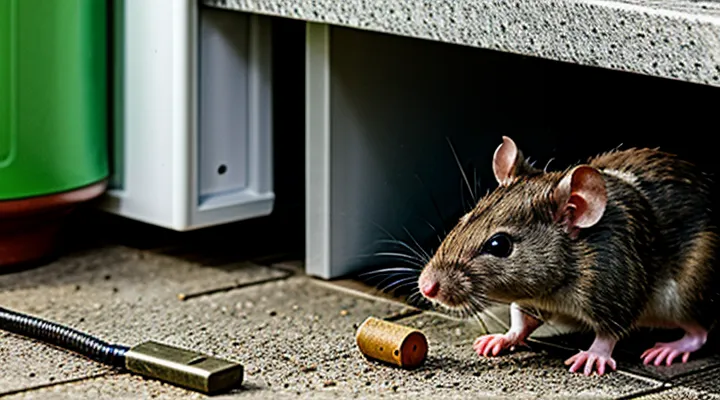
Understanding Rodent Control
Why Rodent Control is Crucial
Health Risks Posed by Rodents
Rodents transmit a wide range of pathogens that cause serious illness in humans and domestic animals. Direct contact with urine, feces, or saliva can introduce bacteria such as Leptospira (leptospirosis), Salmonella (salmonellosis), and Streptobacillus (rat‑bite fever). Inhalation of dust contaminated with dried rodent droppings may lead to hantavirus pulmonary syndrome, a condition with a mortality rate exceeding 30 %. Parasites carried by rodents, including fleas, ticks, and mites, serve as vectors for plague, murine typhus, and various helminth infections.
Key health risks associated with rodent infestations:
- Bacterial diseases: leptospirosis, salmonellosis, rat‑bite fever, tetanus.
- Viral infections: hantavirus, lymphocytic choriomeningitis virus, arenavirus.
- Parasitic infestations: plague (Yersinia pestis), murine typhus (Rickettsia typhi), intestinal worms.
- Allergic reactions: IgE‑mediated responses to rodent dander and urine proteins, causing asthma exacerbations and dermatitis.
- Food contamination: rodent activity in storage facilities introduces toxins and spoilage organisms, increasing the risk of food‑borne outbreaks.
Effective rodenticide strategies reduce these hazards by limiting population density, preventing breeding, and eliminating contact points. Prompt implementation of proven control agents curtails disease transmission and protects public health.
Damage Caused by Rodents
Rodents inflict extensive damage that directly influences the selection of an optimal rodent control agent. Their activities compromise structural integrity, degrade food safety, and impose significant economic burdens.
- Structural damage: gnawing on wood, insulation, wiring, and plumbing creates fire hazards, water leaks, and weakened building components.
- Food contamination: urine, feces, and saliva introduce pathogens into stored provisions, leading to spoilage and health risks.
- Disease transmission: carriers of hantavirus, leptospirosis, salmonellosis, and other zoonoses, rodents pose a direct threat to human and animal health.
- Product loss: infestation of warehouses, factories, and retail environments results in discarded inventory, increased sanitation costs, and disrupted supply chains.
- Reproduction acceleration: rapid breeding cycles amplify damage rates, overwhelming passive mitigation measures and necessitating potent, fast‑acting poisons.
Understanding these impacts clarifies why a highly effective rodent poison must address both immediate mortality and rapid population suppression to protect property, public health, and economic stability.
Types of Rodent Control Methods
Non-Poisonous Alternatives
Effective rodent management can be achieved without relying on toxic baits. Non‑chemical strategies target behavior, habitat, and physical barriers, providing reliable control while eliminating poisoning risks.
- Snap traps: spring‑loaded devices deliver instantaneous capture; reusable, cost‑effective, and suitable for indoor or outdoor deployment.
- Live‑catch traps: cage‑type mechanisms allow humane capture; animals can be released far from the property after verification of local regulations.
- Ultrasonic emitters: emit high‑frequency sound waves that deter rodents; best used in enclosed spaces where sound can propagate evenly.
- Sealant and exclusion: caulking gaps, installing door sweeps, and repairing vent screens prevent entry; requires systematic inspection of building envelope.
- Environmental sanitation: eliminating food residues, securing garbage containers, and reducing clutter remove attractants; essential for long‑term suppression.
- Natural repellents: peppermint oil, ammonia, or predator urine applied near entry points create aversive odors; effectiveness varies with concentration and reapplication frequency.
- Biological control: encouraging barn owls or feral cats in appropriate settings adds predation pressure; must consider ecological impact and humane treatment.
Implementing a combination of these methods enhances efficacy. Regular monitoring identifies activity hotspots, guiding trap placement and maintenance schedules. Integrating exclusion with sanitation reduces reinfestation, while targeted use of acoustic or chemical repellents addresses persistent problem areas. This layered approach delivers comprehensive, non‑poisonous rodent control.
Chemical Rodenticides
Chemical rodenticides constitute the primary class of agents used to achieve rapid and reliable control of rats and mice. Their effectiveness derives from specific modes of action that disrupt vital physiological processes, leading to mortality within hours to days after ingestion.
The most widely employed chemical categories include:
- Anticoagulants – second‑generation compounds (e.g., brodifacoum, difethialone) inhibit vitamin K recycling, causing fatal internal hemorrhage. Single‑dose formulations deliver lethal exposure with minimal bait consumption.
- Metal phosphides – zinc phosphide and aluminum phosphide release phosphine gas in the acidic stomach environment, producing systemic cellular toxicity. Rapid onset of symptoms makes them suitable for emergency infestations.
- Neurotoxins – compounds such as bromadiolone and diphacinone interfere with neurotransmission, producing paralysis and respiratory failure. Formulations often combine with attractants to enhance uptake.
- Sodium fluoroacetate (1080) – disrupts the citric‑acid cycle, leading to energy depletion. Used in isolated settings due to high toxicity to non‑target species.
Efficacy considerations:
- Dose‑response relationship – lethal dose (LD₅₀) values for second‑generation anticoagulants range from 0.1 mg/kg to 0.5 mg/kg in rodents, ensuring mortality with minimal bait exposure.
- Resistance management – rotating between anticoagulant classes and incorporating non‑anticoagulant agents reduce selection pressure that drives genetic resistance.
- Bait acceptance – palatable carriers (grain, peanut butter, fish oil) increase consumption rates, directly influencing control speed.
Safety and regulatory aspects:
- Target specificity – formulations are designed to attract rodents while minimizing appeal to wildlife and domestic pets; secondary poisoning risk is mitigated by using low‑residue compounds and enforcing proper placement.
- Environmental persistence – second‑generation anticoagulants exhibit prolonged soil half‑life; guidelines recommend limited application zones and post‑treatment monitoring.
- Legal constraints – many jurisdictions classify brodifacoum and difethialone as restricted‑use pesticides, requiring certified applicators and documented disposal procedures.
In practice, the optimal chemical rodenticide strategy integrates a high‑potency anticoagulant for initial population reduction, followed by a secondary agent (e.g., metal phosphide) to address any surviving individuals and suppress resurgence. Continuous evaluation of bait uptake data, resistance indicators, and non‑target exposure ensures sustained effectiveness while complying with safety regulations.
Types of Rat and Mouse Poisons
Anticoagulant Rodenticides
First-Generation Anticoagulants
First‑generation anticoagulants are vitamin K antagonists that interrupt blood clotting in rodents. They are characterized by a single‑dose lethal action at relatively high concentrations and include warfarin, chlorophacinone, diphacinone, and coumatetralyl. Their chemical structure contains a coumarin nucleus, which competes with vitamin K for enzymatic reduction, preventing the synthesis of clotting factors II, VII, IX, and X.
These agents are formulated as baits that rodents ingest voluntarily. Typical application rates range from 0.1 mg to 0.5 mg of active ingredient per kilogram of bait, depending on the specific compound and target species. The toxic dose for rats and mice generally falls between 0.05 mg/kg and 0.30 mg/kg, producing mortality within 2–7 days after ingestion.
Key attributes:
- Rapid onset of internal bleeding after a single feeding.
- High palatability when combined with grain‑based carriers.
- Established safety profile for non‑target wildlife when used according to label instructions.
- Susceptibility to resistance development; populations exposed to prolonged warfarin use may exhibit reduced sensitivity.
Regulatory agencies often restrict the concentration of first‑generation anticoagulants in residential settings, demanding precise placement to minimize secondary poisoning. In commercial pest‑management programs, these compounds remain a primary choice when immediate control is required and when resistance to newer, second‑generation agents is not documented.
Overall, first‑generation vitamin K antagonists provide a reliable, single‑dose solution for rodent infestations, provided that dosage, placement, and resistance monitoring adhere to best‑practice guidelines.
Second-Generation Anticoagulants
Second‑generation anticoagulants represent the most potent class of rodent control agents currently available. They function by blocking vitamin K epoxide reductase, which prevents synthesis of clotting factors and leads to fatal internal bleeding after a single ingestion. Compared with first‑generation compounds, they require lower exposure levels and produce rapid mortality in rats and mice that have developed resistance to older formulations.
Key characteristics:
- High potency: lethal dose (LD₅₀) in the range of 0.1–0.5 mg kg⁻¹ for most target species.
- Single‑dose efficacy: one bait unit sufficient to kill, reducing bait consumption and exposure risk.
- Resistance mitigation: effective against populations with documented resistance to warfarin‑type agents.
- Extended half‑life: biological persistence ensures delayed death, limiting bait avoidance.
Prominent second‑generation anticoagulants include:
- Brodifacoum – exceptionally toxic, LD₅₀ ≈ 0.2 mg kg⁻¹; used in high‑risk infestations.
- Bromadiolone – slightly lower toxicity than brodifacoum, LD₅₀ ≈ 0.3 mg kg⁻¹; common in residential settings.
- Difenacoum – LD₅₀ ≈ 0.4 mg kg⁻¹; favored for indoor applications due to lower secondary‑poisoning potential.
- Difethialone – LD₅₀ ≈ 0.2 mg kg⁻¹; effective against severe resistance cases.
Regulatory guidance mandates:
- Placement of bait in tamper‑resistant stations.
- Restriction of use in areas accessible to non‑target wildlife and domestic animals.
- Monitoring of bait consumption to avoid over‑application.
Environmental considerations:
- Persistent residues can accumulate in predator tissues; proper disposal of unused bait and carcasses mitigates secondary exposure.
- Soil and water contamination remain low when application follows label directions.
In practice, selecting a second‑generation anticoagulant involves matching toxicity level to infestation severity, evaluating resistance patterns, and implementing strict containment measures to protect non‑target species.
Non-Anticoagulant Rodenticides
Cholecalciferol (Vitamin D3)
Cholecalciferol, a synthetic analogue of vitamin D₃, serves as a potent rodent toxicant employed in leading rodent control programs. Its toxicity derives from disruption of calcium metabolism; ingestion triggers rapid elevation of serum calcium, causing cardiac arrest, renal failure, and death within 24–48 hours.
- Lethal dose (LD₅₀) for rats and mice: 0.5–2 mg kg⁻¹ body weight, delivered in a single bait unit.
- Primary action: hypercalcemia leading to organ failure.
- Secondary poisoning risk: minimal, because calcium overload does not persist through predator digestion.
- Resistance development: negligible; field reports show no documented resistance after extensive use.
Formulations typically combine cholecalciferol with attractive food matrices, enclosed in tamper‑resistant bait stations to limit access by non‑target wildlife and domestic animals. The compound exhibits low acute toxicity to birds, reptiles, and mammals at concentrations used for rodent control, provided that bait stations are correctly placed.
Regulatory agencies in North America and Europe have approved cholecalciferol‑based products as restricted-use rodenticides. Label instructions mandate placement in concealed locations, avoidance of direct contact with humans, and disposal of unused bait according to local hazardous‑waste guidelines.
When deployed according to label directions, cholecalciferol delivers rapid mortality, low secondary‑poisoning potential, and sustained efficacy without evidence of resistance, making it a reliable option for managing rat and mouse populations.
Bromethalin
Bromethalin is a neurotoxic anticoagulant alternative widely employed in rodent management for its high potency against rats and mice. The compound disrupts mitochondrial oxidative phosphorylation, causing rapid accumulation of adenosine triphosphate in nerve cells and leading to fatal cerebral edema.
Key characteristics:
- Mode of action: Inhibits mitochondrial electron transport chain; results in irreversible neuronal swelling.
- Effective dosage: 0.025 % to 0.05 % concentration in bait matrices for adult rats; 0.01 % to 0.025 % for mice.
- Speed of control: Mortality typically occurs within 24–72 hours after ingestion, reducing bait shyness.
- Resistance profile: Effective against populations resistant to first‑generation anticoagulants; minimal cross‑resistance observed.
- Safety considerations: Low secondary toxicity to non‑target mammals when bait is secured; requires strict placement to prevent accidental exposure of pets and wildlife.
- Regulatory status: Approved by EPA and many international agencies for indoor and limited outdoor use; labeling mandates compliance with restricted access protocols.
Practical implementation:
- Deploy bait stations in concealed locations along established rodent pathways.
- Monitor stations daily; replace depleted bait promptly to maintain continuous pressure.
- Conduct post‑treatment inspections after 72 hours to confirm eradication and assess any surviving individuals.
Bromethalin’s rapid action, resistance‑breaking capability, and controlled toxicity make it a leading choice for professional pest‑control operations targeting severe rat and mouse infestations.
Zinc Phosphide
Zinc phosphide is a fast‑acting rodenticide widely regarded as a leading option for controlling rats and mice in agricultural, industrial, and residential settings. The compound releases phosphine gas when it contacts the acidic environment of an animal’s stomach, causing rapid respiratory failure and death within minutes to a few hours.
Key characteristics
- Formulation: Available as granules, pellets, or bait blocks, typically containing 1–3 % zinc phosphide by weight.
- Application rate: Recommended dosage ranges from 0.5 g to 2 g of active ingredient per kilogram of target animal, depending on species, age, and health status.
- Target spectrum: Effective against Rattus spp., Mus musculus, and other commensal rodents; limited impact on non‑target mammals when used according to label instructions.
Advantages
- Immediate toxicity reduces the chance of bait avoidance.
- Low secondary poisoning risk because phosphine gas dissipates quickly after release.
- Stability in storage; granules retain potency for up to two years under dry conditions.
Safety considerations
- Highly toxic to humans and domestic animals if ingested or inhaled; protective equipment (gloves, respirator) required during handling.
- Bait stations must be sealed to prevent accidental exposure.
- Spillage cleanup involves sweeping and wetting contaminated material to suppress phosphine release before disposal.
Environmental impact
- Phosphine decomposes into non‑hazardous gases (phosphoric acid, water, and nitrogen oxides) within hours, minimizing long‑term soil and water contamination.
- Use near water sources is restricted by most regulatory agencies to avoid acute toxicity to aquatic life.
Regulatory status
- Classified as a restricted-use pesticide in many jurisdictions; registration requires demonstration of efficacy and adherence to strict labeling guidelines.
- Users must maintain records of application dates, locations, and quantities to comply with monitoring programs.
In practice, zinc phosphide delivers rapid, reliable control of pest rodent populations when deployed responsibly, with clear guidelines governing dosage, placement, and protective measures to safeguard human health and the environment.
Factors for Choosing the «Most Effective» Poison
Rodent Species and Infestation Level
Effective rodent control depends on identifying the target species and assessing the severity of the infestation. Rats (Rattus norvegicus, Rattus rattus) and house mice (Mus musculus) differ in size, behavior, and susceptibility to active ingredients. Larger rats require higher‑dose formulations, often anticoagulant baits with second‑generation compounds, while mice respond to lower‑dose products, including first‑generation anticoagulants or neurotoxic powders.
Infestation level dictates bait concentration, placement density, and product type. Low‑level activity, indicated by occasional droppings, can be managed with single‑use bait stations containing moderate‑strength anticoagulants. Moderate to high pressure, demonstrated by extensive gnaw marks, multiple nests, and rapid population growth, demands:
- High‑dose anticoagulant blocks for rats, positioned every 10‑15 feet along runways.
- Multiple bait stations per 100 sq ft for mice, using low‑dose formulations to prevent bait aversion.
- Integrated use of snap traps or electronic devices in conjunction with toxic baits for immediate reduction.
Seasonal factors and food availability also affect consumption rates. During winter, metabolic slowdown reduces bait uptake, requiring products with longer residual activity. In warm months, increased foraging may dilute exposure, prompting higher bait densities. Selecting the appropriate toxicant, calibrated to species size and infestation intensity, maximizes mortality while minimizing non‑target risks.
Safety Considerations
Protecting Children and Pets
When selecting a highly potent rodent control agent, the foremost priority is preventing accidental exposure to children and household animals. Formulations that rely on anticoagulant compounds, such as bromadiolone or difethialone, present a high risk of secondary poisoning; therefore, products designed with low secondary toxicity should be preferred.
Key safety practices include:
- Store the poison in a locked cabinet or a high, inaccessible shelf.
- Use bait stations that are certified tamper‑resistant and have a one‑way entry for rodents only.
- Position stations away from feeding areas, pet beds, and children’s play zones, maintaining a minimum distance of 6 feet.
- Regularly inspect stations for damaged or exhausted bait; replace only with fresh, sealed containers.
- Keep the Material Safety Data Sheet (MSDS) readily available for quick reference in case of exposure.
If ingestion is suspected, immediate steps are:
- Call emergency services or a poison control center.
- Remove the victim from the contaminated area.
- Provide basic first aid—do not induce vomiting unless instructed by a professional.
Choosing a rodent control product that combines efficacy with reduced secondary hazards, coupled with strict adherence to secure storage and placement protocols, minimizes the risk to non‑target occupants while maintaining effective pest management.
Environmental Impact
The use of highly potent rodent control agents introduces several environmental concerns that require careful assessment.
Acute toxicity to non‑target wildlife can occur when bait is accessed by birds, predatory mammals, or amphibians. Secondary poisoning arises when predators or scavengers consume poisoned rodents, leading to mortality or sublethal effects that disrupt food webs. Persistence of active ingredients in soil and water bodies contributes to long‑term contamination, potentially affecting invertebrate communities and aquatic organisms. Bioaccumulative properties cause the chemical to concentrate in higher trophic levels, amplifying ecological risk over time.
Resistance development in rodent populations reduces efficacy and may drive the introduction of newer, more hazardous compounds. Improper disposal of unused bait or contaminated packaging results in accidental exposure of domestic animals and humans, and adds to landfill chemical loads.
Regulatory frameworks typically mandate:
- Label warnings specifying wildlife protection measures
- Restrictions on application rates and timing to minimize runoff
- Requirements for monitoring residue levels in environmental samples
Mitigation strategies include:
- Employing bait stations that limit access to target species
- Selecting anticoagulants with rapid metabolism and low secondary toxicity
- Integrating non‑chemical control methods such as trapping and habitat modification
Overall, the environmental footprint of potent rodent poisons hinges on formulation characteristics, application practices, and adherence to regulatory safeguards. Continuous evaluation of ecological impact is essential to balance pest management objectives with ecosystem preservation.
Bait Formulations
Pellets and Grains
Pellet and grain baits provide a compact, low‑profile vehicle for potent rodent toxicants, allowing placement in concealed locations where rodents forage. Their dense, uniform shape reduces spillage and limits exposure to non‑target species.
Formulated from finely ground active ingredients blended with attractants, pellets typically contain 0.5 %–2 % anticoagulant or neurotoxic compounds. Grain‑based baits incorporate whole seed kernels or milled cereals, offering a texture that mimics natural food sources. Both formats are calibrated to deliver a lethal dose after a single ingestion, while maintaining palatability for rats and mice.
Effective deployment follows these steps:
- Identify active foraging pathways and nest sites.
- Position baits 1–2 inches off the ground, away from food preparation areas.
- Replace consumables every 3–5 days to sustain attraction.
- Monitor placement for signs of tampering or non‑target interference.
Safety considerations require compliance with local pesticide regulations, use of tamper‑resistant containers, and labeling that specifies hazardous content. Personal protective equipment is mandatory during handling, and disposal of excess or uneaten bait must follow hazardous waste protocols.
Overall, pellets and grains combine high potency with discreet delivery, making them a reliable component of comprehensive rodent management programs.
Bait Blocks
Bait blocks are compact, solid formulations designed for indoor and outdoor rodent control. They contain a measured concentration of anticoagulant or neurotoxic active ingredients, typically diphacinone, brodifacoum, or bromethalin, blended with attractants such as grain or cheese flavor. The solid matrix protects the toxin from moisture, reduces spillage, and allows precise placement in concealed locations.
Key characteristics of bait blocks:
- Controlled dosage – each block delivers a consistent amount of poison, ensuring reliable ingestion by target rodents while minimizing waste.
- Long‑term stability – the hardened composition resists degradation for several months, maintaining potency in damp environments.
- Ease of deployment – blocks fit into standard bait stations, reducing handling time and exposure risk for users.
- Reduced non‑target risk – the solid form limits accidental consumption by birds or pets, especially when combined with tamper‑proof stations.
Effective use requires strategic placement along established runways, near nesting sites, and adjacent to food sources. Position blocks 2–3 feet apart in high‑traffic zones, and replace them once visible damage or depletion occurs. Monitoring stations weekly helps track consumption rates and adjust density accordingly.
Safety considerations include wearing gloves during handling, storing blocks in locked containers, and adhering to local regulations governing anticoagulant rodenticides. Proper disposal of unused blocks follows hazardous waste guidelines to prevent environmental contamination.
Paste Baits
Paste baits represent a concentrated form of rodent control formulated for direct consumption by rats and mice. The semi‑solid matrix enables precise placement in tight entry points and concealed pathways, ensuring contact with target species while minimizing exposure to non‑target animals.
Common active ingredients
- Bromadiolone — second‑generation anticoagulant, lethal after a single feeding.
- Diphacinone — first‑generation anticoagulant, effective at low concentrations.
- Chlorophacinone — anticoagulant with rapid onset of action.
- Zinc phosphide — metal phosphide that releases phosphine gas in the stomach, causing immediate toxicity.
Application guidelines
- Apply a pea‑sized amount at each suspected activity site.
- Position baits behind walls, under appliances, and within burrow entrances.
- Replace baits every 3–4 days to maintain potency.
- Monitor placement for signs of consumption and adjust locations accordingly.
Safety measures
- Store in locked containers, away from food preparation areas.
- Use gloves when handling to prevent dermal absorption.
- Keep bait stations out of reach of children and pets.
- Dispose of unused bait according to local hazardous waste regulations.
Paste baits deliver rapid ingestion, high palatability, and controlled distribution, making them a reliable component of comprehensive rodent management programs.
Liquid Baits
Liquid baits represent a high‑efficacy option for controlling rats and mice. They consist of a palatable carrier fluid mixed with an anticoagulant or neurotoxic active ingredient. The fluid format encourages rapid ingestion, reduces bait aversion, and allows precise dosing.
Key characteristics of effective liquid baits include:
- Active ingredients: Diphacinone, brodifacoum, and bromadiolone are common anticoagulants; chlorpyrifos and fipronil serve as neurotoxins. Concentrations are calibrated to deliver a lethal dose after a single meal.
- Carrier composition: Sweetened water, fruit extracts, or oil‑based solutions mask the taste of the toxin, ensuring acceptance by both species.
- Application methods: Bait stations equipped with absorbent pads or drip dispensers deliver a controlled volume (typically 0.5–1 ml per station). Placement near gnawing sites, wall voids, and travel corridors maximizes exposure.
- Stability: Formulations are designed to remain potent for 30–90 days under indoor and outdoor conditions, resisting degradation from temperature fluctuations and UV exposure.
Safety considerations demand strict adherence to label instructions. Personal protective equipment (gloves, goggles) prevents accidental contact. Bait stations should be tamper‑resistant to protect non‑target wildlife and children. Disposal of unused bait follows local hazardous waste regulations.
When integrated into an integrated pest management program, liquid baits complement trapping and exclusion measures, delivering rapid population reduction while minimizing the need for repeated applications. Their versatility makes them a cornerstone of modern rodent control strategies.
Proper Application and Safety Precautions
Placement Strategies for Baits
Effective bait deployment determines the success of any rodent control program. Positioning must consider rodent behavior, environmental conditions, and safety requirements.
- Place stations along walls, where rats and mice travel, typically within 12‑18 inches of a surface.
- Install bait at junctions of walls and ceilings, near entry points, and behind appliances or storage boxes.
- Use tamper‑resistant containers in areas accessible to children or non‑target animals.
- Position baits in damp or food‑rich locations such as pantry corners, garbage areas, and near plumbing fixtures.
- Rotate stations weekly to prevent bait avoidance and to maintain freshness.
- Avoid direct sunlight, high temperatures, and strong drafts that degrade poison potency.
- Ensure each station is secured to a stable surface to prevent displacement by rodents.
Strategic placement reduces travel distance for pests, increases encounter rates, and minimizes exposure to non‑target species. Consistent monitoring and adjustment based on activity patterns sustain control efficacy over time.
Handling and Storage of Rodenticides
Proper handling of rodenticidal products requires strict adherence to safety protocols to protect personnel, non‑target species, and the environment. Use personal protective equipment such as gloves, goggles, and respirators when transferring or applying the substance. Ensure that all containers are tightly sealed and clearly labeled with active ingredient, concentration, hazard symbols, and expiration date.
Maintain storage areas at temperatures recommended by the manufacturer, typically between 5 °C and 30 °C, and keep them dry to prevent degradation. Store rodenticides in a locked, ventilated cabinet separate from food, feed, and chemicals that could react chemically. Inspect containers regularly for corrosion, cracks, or leakage; discard compromised units according to local hazardous‑waste regulations.
Implement inventory controls that record receipt, usage, and disposal dates. Rotate stock on a first‑in‑first‑out basis to avoid using expired material. Restrict access to authorized personnel only, and post emergency contact information and spill‑containment procedures near the storage location.
Key practices for safe handling and storage:
- Wear appropriate PPE during all interactions with the product.
- Keep containers sealed, labeled, and intact.
- Store in a temperature‑controlled, locked environment away from food and incompatible chemicals.
- Conduct routine inspections and replace damaged containers promptly.
- Apply inventory management and access restrictions.
- Maintain spill kits and emergency response information on‑site.
Compliance with these measures reduces the risk of accidental exposure, preserves product efficacy, and supports responsible use of the most potent rodent control agents.
What to Do in Case of Accidental Exposure
First Aid Measures
When a person or animal contacts a potent rodent toxicant, rapid intervention can prevent severe toxicity or death. Immediate actions focus on removing the source, limiting absorption, and initiating medical treatment.
- Remove the victim from the contaminated area and ensure fresh air.
- If skin or eyes are exposed, flush with copious amounts of water for at least 15 minutes; do not rub.
- If ingestion is suspected, do not induce vomiting. Administer activated charcoal (1 g/kg) if the victim is conscious and airway is protected.
- Call emergency services or a poison‑control center promptly, providing the product name, concentration, amount ingested, and time of exposure.
- Keep the original container for reference and, if safe, collect any vomitus or urine samples for analysis.
After emergency care, monitor vital signs, especially respiratory rate, heart rhythm, and mental status, until professional help arrives. Transport the victim to a medical facility for definitive treatment, which may include antidotes such as vitamin K1 for anticoagulant poisons or specific supportive therapy for neurotoxic agents. Document the incident thoroughly for future prevention.
When to Seek Professional Help
When rodent control relies on toxic baits, the decision to involve a qualified pest‑management service hinges on safety, legality, and efficacy.
Indicators that professional assistance is warranted include:
- Presence of children, pets, or vulnerable adults in the treated area, creating a heightened risk of accidental exposure.
- Detection of large or rapidly expanding infestations that exceed the capacity of over‑the‑counter formulations.
- Evidence of bait resistance, such as continued activity despite repeated applications of the same product.
- Requirement to comply with local regulations that restrict certain active ingredients or mandate licensed applicators for specific settings (e.g., schools, hospitals, food‑handling establishments).
- Situations where the infestation occurs in concealed spaces—walls, ducts, or crawl spaces—making proper bait placement difficult without specialized equipment.
Professional pest operators bring expertise in bait selection, placement strategy, and monitoring, ensuring that the chosen toxic agent works at its maximum potential while minimizing non‑target exposure. They also provide documentation required for regulatory compliance and can advise on integrated approaches that combine baiting with sanitation and exclusion measures.
If any of the listed conditions apply, contact a certified exterminator or the local health authority promptly. Request a site assessment, a written action plan, and confirmation that all applied products meet current safety standards. Immediate professional involvement reduces the likelihood of secondary poisoning incidents and accelerates the resolution of the rodent problem.
Best Practices for Integrated Pest Management
Sanitation and Exclusion
Effective rodent control relies heavily on environmental management before chemical measures are applied. Maintaining clean conditions removes food, water, and shelter that attract rats and mice, thereby reducing population pressure and the amount of poison required.
Key sanitation practices include:
- Prompt removal of spilled grain, pet food, and kitchen waste.
- Secure storage of dry goods in airtight containers.
- Regular cleaning of floor drains, gutters, and waste bins to eliminate moisture sources.
- Immediate disposal of decomposing organic material, such as compost piles and fallen fruit.
Exclusion strategies complement sanitation by preventing rodents from entering structures. Critical actions are:
- Installing metal flashing and concrete caps on utility openings.
- Sealing gaps around pipes, vents, and doors with steel wool or silicone caulk.
- Using hinged doors with self‑closing mechanisms on crawl spaces and basements.
- Repairing damaged roofing, soffits, and siding to eliminate entry points.
Implementing both sanitation and exclusion creates an inhospitable environment, enhancing the efficacy of any rodent toxicant deployed thereafter.
Monitoring and Trapping
Effective rodent control begins with systematic observation and capture efforts. Monitoring identifies infestation size, activity patterns, and entry points, allowing precise placement of toxic baits. Visual checks of walls, ceilings, and stored goods reveal gnaw marks and droppings. Tracking devices record movement without attracting animals.
- Tracking boards coated with flour or powdered charcoal
- Non‑toxic bait stations equipped with consumption counters
- Motion‑activated cameras positioned near suspected pathways
- Electronic detectors that register infrared signatures
Data from these tools guide the decision to introduce lethal agents, ensuring that poison is applied only where activity is confirmed.
Trapping serves two functions: verification of species and reduction of numbers prior to poison deployment. Snap traps deliver immediate mortality, live‑catch traps permit relocation, and electronic models provide rapid electrocution. Proper trap placement follows the same routes identified during monitoring, and regular checking prevents bait contamination.
- Snap traps set along walls, behind appliances, and near food sources
- Live‑catch cages positioned in high‑traffic zones, inspected every 12 hours
- Electronic traps installed in concealed locations, serviced weekly
Integrating monitoring and trapping with toxic bait use optimizes dosage and minimizes non‑target exposure. Bait stations are installed after confirming active pathways, and poison concentrations are adjusted based on consumption records. Continuous observation after application detects any resurgence, prompting additional traps or bait adjustments. This data‑driven cycle maintains control while reducing unnecessary chemical usage.
Professional Pest Control Services
Professional pest‑control operators specialize in rodent management by combining site assessment, targeted toxicants, and ongoing monitoring. Their protocols begin with a thorough inspection to identify entry points, harborage areas, and activity patterns, allowing precise placement of bait stations.
Selection of rodent toxicants follows strict criteria: active ingredient potency, formulation stability, and compliance with local regulations. Products that deliver rapid mortality while minimizing secondary exposure include second‑generation anticoagulants and non‑anticoagulant options such as zinc phosphide.
Service components typically include:
- Strategic bait station installation in concealed locations.
- Regular replenishment of high‑efficacy rodent bait.
- Continuous activity tracking using snap traps or electronic sensors.
- Documentation of dosage, placement, and removal to satisfy health‑safety standards.
Benefits of engaging a licensed provider are measurable:
- Accurate dosing reduces waste and environmental impact.
- Trained personnel apply safety protocols that protect non‑target species.
- Integrated pest‑management plans address underlying attractants, preventing re‑infestation.
Commonly deployed rodenticides in professional programs are:
- Brodifacoum‑based anticoagulants – long‑acting, low‑dose formulations.
- Diphacinone – moderate‑strength anticoagulant for sensitive environments.
- Zinc phosphide – acute toxicant for rapid knockdown.
- Bromo‑chlorodiphenyltrichloroethane (BCDT) – specialized for hard‑to‑reach infestations.
By adhering to these practices, professional services achieve consistent reduction of rat and mouse populations while maintaining regulatory compliance and public safety.